Public Steam disclosure research25,380 disclosures tracked
Where do games disclose AI use?
Search developers’ Steam disclosures, compare classified AI use across
games, and follow recorded changes.
This index adds cross-game classifications and statistics to
statements published on individual store pages.
Groups reflect automatic analysis of public disclosures; mature records are excluded. These counts do not measure AI use across all of Steam.
Missing or unclear statements cannot establish whether a game uses AI.
Pre-generated content only. The game contains no live or runtime AI generation and makes no network connection.
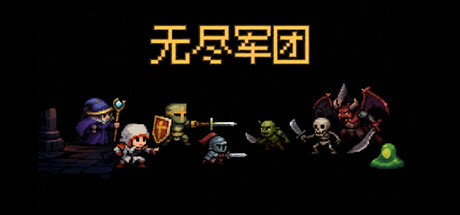
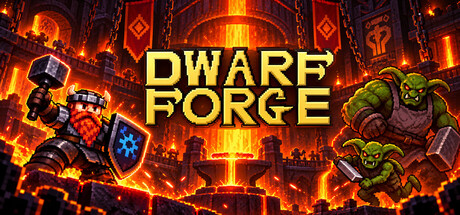
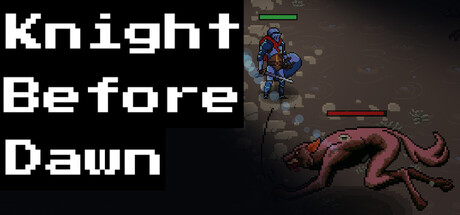
Visual art: the pixel art in this game — sprites, backgrounds, key art, banners and icons — was produced with the assistance of generative AI image tools and then edited, composited, recoloured and assembled by hand for use in the game.
Written content and store text: the encounter text and the store description were written with AI assistance and edited by the developer.
Everything shipped was reviewed by a human before it went in. No content is generated while the game is running.
All content was meticulously reviewed and curated by the developer. Some coding, sound and art were created using AI tools, but all were edited and finalized by the developer.
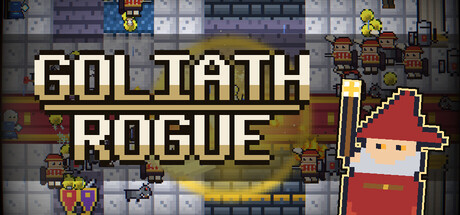
Goliath Rogue was made with the help of generative AI. The 2D art, the music and the sound effects were AI-generated — some of the art was then retouched by hand — and the Spanish and French translations were AI-assisted. All of it ships as fixed assets in the game; nothing is generated while you play. AI coding tools were also used during development to help write the game's code.
The developer used generative AI tools during the development process to assist in creating pre-generated 2D visual assets (such as backgrounds and promotional art) and to help generate programming code. All AI-generated content was heavily modified, curated, and reviewed by the developer to fit the game's cyberpunk setting. There is no live-generated AI content in this game.
During development, we used generative AI to assist with some character art assets and early UI concepts. All related assets were subsequently refined and manually adjusted extensively by professional artists and other team members to ensure the finished work matched the game's distinctive style and quality standards.
We used AI to generate initial music tracks, concept art, and temporary translations into some languages.
All materials were then thoroughly edited, reworked, and finalized by humans.
Nothing went straight from the generator into the game.
Generative AI tools were used during development to create and refine some branding, interface artwork, and promotional images. These assets are prepared in advance; the game does not generate AI content during gameplay.
Generative AI tools were used during development to assist with the creation of some pre-generated visual assets. AI tools were also used as development assistance for programming. No content is generated by AI during gameplay.
AI-assisted tools were used to assist with the creation of some in-game image assets and promotional materials. No AI-generated content is created during gameplay.
Generative AI was used solely to create placeholder card artwork during development, allowing the team to focus on refining the gameplay. The final card artwork will be created by human artists.
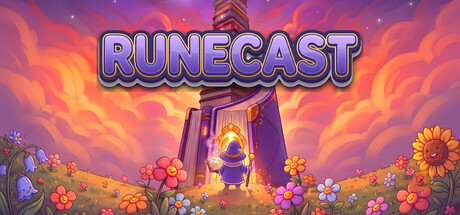
Runecast’s illustrations were generated with AI tools, then curated, edited and integrated by hand. The soundtrack was generated with Suno under a commercial license. The game’s design and code were developed with AI assistance, directed and reviewed by the developer.
The game is written in English and was translated into 14 other languages with AI assistance. Every translated line is reviewed before release.
Nothing in the game is generated by AI while you play.
Generative AI was used to generate in-game card illustrations, graphical assets, and all programming code. The game design, world-building, and lore were created directly by the developer.
(게임 내 카드 일러스트와 그래픽 에셋 제작, 그리고 프로그래밍 코딩 전반에 생성형 AI를 활용했습니다. 게임 기획 및 배경 세계관 설정은 직접 작성했습니다.)
SOFT 17's visuals and audio are generated procedurally from code: the dealers, the
cards, the table and every sound are drawn and synthesized while you play, rather than
imported as files.
Generative AI contributed to some of the content that ships with the game: eight
interface icons in the main menu, the artwork used on this store page, and part of the
in-game text and its English translation. All of it was produced from written briefs,
then reviewed, edited and assembled by hand.
No generative AI content ships in the game itself — all in-game art, music, sound effects, writing, and design were created by the developer. Generative AI was used only to create some of the store/marketing capsule images.
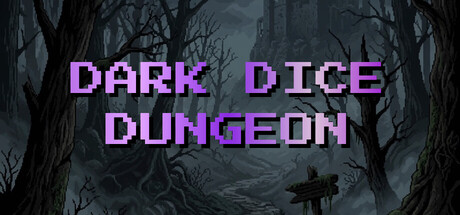
The content of Dark Dice Dungeon was produced with the help of generative AI tools: the illustrations, the music and sound effects, the in-game writing, and the English and Spanish translations. All of it was then selected, edited and assembled by hand by the developer. Nothing is generated while you play: the game ships with fixed assets and never connects to any service.
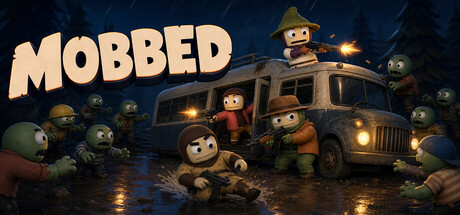
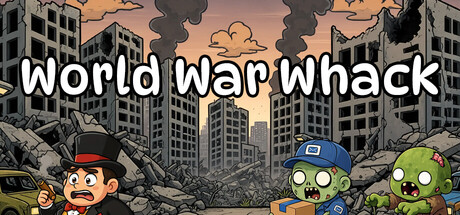
Generative AI tools were used during development to help create some of the game's artwork, including zombie character sprites, hammer icons, achievement icons. All AI-assisted artwork was reviewed and selected by the developer before being included in the final game. The store page description was also written with the assistance of an AI writing tool.
Some pre-rendered visual and audio assets were created with the assistance of generative AI tools during development. All such content was reviewed, edited, and finalized by the developer before shipping. The game does not use AI to generate content during gameplay.
Some store and marketing images were created with generative AI tools. Parts of the in-game UI artwork were also created or assisted with generative AI, then reviewed and integrated by the developer. All other game content is human-authored or from licensed third-party assets. No generative AI content is created live during gameplay.
Generative AI technology is used in a supplementary capacity during the creation of some user interface assets.
Any such assets are replaced through our production pipeline by our art and development teams, ensuring they meet our quality standards and creative direction.
Generative AI tools were used during development to assist with language translation and localization, as well as researching historical and contextual lore to ensure narrative accuracy. All final text, gameplay content, and lore were reviewed and edited by human creators.
Generative AI was used only for the character portrait artwork currently included in the demo. No generative AI was used for gameplay, programming, game assets, localization, or other game content.
Pre-generated content only, nothing is generated while you play. All image motifs (130 modifier cards, 44 enemy portraits, 24 dice, 5 items, 7 set emblems, the title logo) were generated with Google's Gemini image model from written prompts and then hand-reduced to the game's palette and pixel size. Music: the fight track was generated with Suno, the title, boss and shop tracks with Eleven Music (ElevenLabs). Thirteen sound effects (boss entrance, curse, win, loss, dice shaking, dice landing, clicks, coins) were generated with ElevenLabs Sound Generation; all remaining sounds are synthesized in code. Rules, code, texts and translations were written by the developer, with AI assistance during development.
This game contains content created with the assistance of AI tools. AI was used during development to assist with programming, visual assets, and other creative elements. All generated content was reviewed, edited, and integrated by the dev.
Spellchainer is made by a solo developer. I used generative AI sporadically to help fill gaps in artwork and textures, including selected in-game and marketing visuals. These assets were reviewed and edited before inclusion. No content is generated by AI during gameplay.
Some 3D models and some icons in the game were created with generative AI tools. Steam store images were created with generative AI. All translations were produced with generative AI.
Generative AI tools were used during development to assist with artwork (item illustrations, backgrounds and UI art), audio, and localisation. All AI-assisted content is pre-generated and reviewed, edited and finished by the developer before it ships. Nothing is generated at runtime, and the game contains no AI features while you play.
Generative AI tools were used during development to create some artwork, music, text and translations, including promotional material. This content is prepared in advance. The game does not generate AI content or connect to AI services while you play.
This game has a lot of assets; as a solo developer, AI-assisted tools were used to help create some of the audio and sound files. I'm sharing this openly so players can make an informed choice. If the game finds an audience, I'd love to invest in commissioning original art to replace these assets down the line.
Some visual art assets were created using AI-assisted collage techniques, combining and compositing multiple generated elements into final scenes. Some character voices use AI voice modulation applied to original voice performances to modify and enhance those performances. Music is originally composed, with AI tools assisting in instrumentation and production.
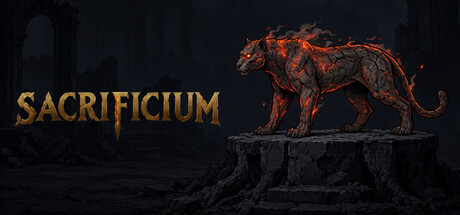
Some of the visual assets in Sacrificium — creature sprites, animations and background art — were created with the help of generative AI tools, then reviewed, edited and integrated by hand. All generative AI content is pre-generated; nothing is generated at runtime while you play. Game design, code, systems and all in-game text were written entirely by a human.
This game uses generative AI as part of the development process. ChatGPT was used for planning, specification review, and the creation of some base visual assets, while Codex was used to assist with code generation, implementation, and testing.
Some visual assets were generated as base material and then edited and refined in tools such as Photoshop. SOUNDRAW was used for some background music, and ElevenLabs was used for some sound effects.
All AI-generated content was created during development. The game does not use generative AI to create content in real time during gameplay. Final design, editing, implementation, and selection decisions were made by the developer.
Pre-generated content only. The game contains no live or runtime AI generation and makes no network connection.
Visual art: the pixel art in this game — sprites, backgrounds, key art, banners and icons — was produced with the assistance of generative AI image tools and then edited, composited, recoloured and assembled by hand for use in the game.
Written content and store text: the encounter text and the store description were written with AI assistance and edited by the developer.
Everything shipped was reviewed by a human before it went in. No content is generated while the game is running.
All content was meticulously reviewed and curated by the developer. Some coding, sound and art were created using AI tools, but all were edited and finalized by the developer.
Goliath Rogue was made with the help of generative AI. The 2D art, the music and the sound effects were AI-generated — some of the art was then retouched by hand — and the Spanish and French translations were AI-assisted. All of it ships as fixed assets in the game; nothing is generated while you play. AI coding tools were also used during development to help write the game's code.
The developer used generative AI tools during the development process to assist in creating pre-generated 2D visual assets (such as backgrounds and promotional art) and to help generate programming code. All AI-generated content was heavily modified, curated, and reviewed by the developer to fit the game's cyberpunk setting. There is no live-generated AI content in this game.
During development, we used generative AI to assist with some character art assets and early UI concepts. All related assets were subsequently refined and manually adjusted extensively by professional artists and other team members to ensure the finished work matched the game's distinctive style and quality standards.
We used AI to generate initial music tracks, concept art, and temporary translations into some languages.
All materials were then thoroughly edited, reworked, and finalized by humans.
Nothing went straight from the generator into the game.
Generative AI tools were used during development to create and refine some branding, interface artwork, and promotional images. These assets are prepared in advance; the game does not generate AI content during gameplay.
Generative AI tools were used during development to assist with the creation of some pre-generated visual assets. AI tools were also used as development assistance for programming. No content is generated by AI during gameplay.
AI-assisted tools were used to assist with the creation of some in-game image assets and promotional materials. No AI-generated content is created during gameplay.
Generative AI was used solely to create placeholder card artwork during development, allowing the team to focus on refining the gameplay. The final card artwork will be created by human artists.
Runecast’s illustrations were generated with AI tools, then curated, edited and integrated by hand. The soundtrack was generated with Suno under a commercial license. The game’s design and code were developed with AI assistance, directed and reviewed by the developer.
The game is written in English and was translated into 14 other languages with AI assistance. Every translated line is reviewed before release.
Nothing in the game is generated by AI while you play.
Generative AI was used to generate in-game card illustrations, graphical assets, and all programming code. The game design, world-building, and lore were created directly by the developer.
(게임 내 카드 일러스트와 그래픽 에셋 제작, 그리고 프로그래밍 코딩 전반에 생성형 AI를 활용했습니다. 게임 기획 및 배경 세계관 설정은 직접 작성했습니다.)
SOFT 17's visuals and audio are generated procedurally from code: the dealers, the
cards, the table and every sound are drawn and synthesized while you play, rather than
imported as files.
Generative AI contributed to some of the content that ships with the game: eight
interface icons in the main menu, the artwork used on this store page, and part of the
in-game text and its English translation. All of it was produced from written briefs,
then reviewed, edited and assembled by hand.
No generative AI content ships in the game itself — all in-game art, music, sound effects, writing, and design were created by the developer. Generative AI was used only to create some of the store/marketing capsule images.
The content of Dark Dice Dungeon was produced with the help of generative AI tools: the illustrations, the music and sound effects, the in-game writing, and the English and Spanish translations. All of it was then selected, edited and assembled by hand by the developer. Nothing is generated while you play: the game ships with fixed assets and never connects to any service.
Generative AI tools were used during development to help create some of the game's artwork, including zombie character sprites, hammer icons, achievement icons. All AI-assisted artwork was reviewed and selected by the developer before being included in the final game. The store page description was also written with the assistance of an AI writing tool.
Some pre-rendered visual and audio assets were created with the assistance of generative AI tools during development. All such content was reviewed, edited, and finalized by the developer before shipping. The game does not use AI to generate content during gameplay.
Some store and marketing images were created with generative AI tools. Parts of the in-game UI artwork were also created or assisted with generative AI, then reviewed and integrated by the developer. All other game content is human-authored or from licensed third-party assets. No generative AI content is created live during gameplay.
Generative AI technology is used in a supplementary capacity during the creation of some user interface assets.
Any such assets are replaced through our production pipeline by our art and development teams, ensuring they meet our quality standards and creative direction.
Generative AI tools were used during development to assist with language translation and localization, as well as researching historical and contextual lore to ensure narrative accuracy. All final text, gameplay content, and lore were reviewed and edited by human creators.
Generative AI was used only for the character portrait artwork currently included in the demo. No generative AI was used for gameplay, programming, game assets, localization, or other game content.
Pre-generated content only, nothing is generated while you play. All image motifs (130 modifier cards, 44 enemy portraits, 24 dice, 5 items, 7 set emblems, the title logo) were generated with Google's Gemini image model from written prompts and then hand-reduced to the game's palette and pixel size. Music: the fight track was generated with Suno, the title, boss and shop tracks with Eleven Music (ElevenLabs). Thirteen sound effects (boss entrance, curse, win, loss, dice shaking, dice landing, clicks, coins) were generated with ElevenLabs Sound Generation; all remaining sounds are synthesized in code. Rules, code, texts and translations were written by the developer, with AI assistance during development.
This game contains content created with the assistance of AI tools. AI was used during development to assist with programming, visual assets, and other creative elements. All generated content was reviewed, edited, and integrated by the dev.
Spellchainer is made by a solo developer. I used generative AI sporadically to help fill gaps in artwork and textures, including selected in-game and marketing visuals. These assets were reviewed and edited before inclusion. No content is generated by AI during gameplay.
Some 3D models and some icons in the game were created with generative AI tools. Steam store images were created with generative AI. All translations were produced with generative AI.
Generative AI tools were used during development to assist with artwork (item illustrations, backgrounds and UI art), audio, and localisation. All AI-assisted content is pre-generated and reviewed, edited and finished by the developer before it ships. Nothing is generated at runtime, and the game contains no AI features while you play.
Generative AI tools were used during development to create some artwork, music, text and translations, including promotional material. This content is prepared in advance. The game does not generate AI content or connect to AI services while you play.
This game has a lot of assets; as a solo developer, AI-assisted tools were used to help create some of the audio and sound files. I'm sharing this openly so players can make an informed choice. If the game finds an audience, I'd love to invest in commissioning original art to replace these assets down the line.
Some visual art assets were created using AI-assisted collage techniques, combining and compositing multiple generated elements into final scenes. Some character voices use AI voice modulation applied to original voice performances to modify and enhance those performances. Music is originally composed, with AI tools assisting in instrumentation and production.
Some of the visual assets in Sacrificium — creature sprites, animations and background art — were created with the help of generative AI tools, then reviewed, edited and integrated by hand. All generative AI content is pre-generated; nothing is generated at runtime while you play. Game design, code, systems and all in-game text were written entirely by a human.
This game uses generative AI as part of the development process. ChatGPT was used for planning, specification review, and the creation of some base visual assets, while Codex was used to assist with code generation, implementation, and testing.
Some visual assets were generated as base material and then edited and refined in tools such as Photoshop. SOUNDRAW was used for some background music, and ElevenLabs was used for some sound effects.
All AI-generated content was created during development. The game does not use generative AI to create content in real time during gameplay. Final design, editing, implementation, and selection decisions were made by the developer.