Public Steam disclosure research25,380 disclosures tracked
Where do games disclose AI use?
Search developers’ Steam disclosures, compare classified AI use across
games, and follow recorded changes.
This index adds cross-game classifications and statistics to
statements published on individual store pages.
Groups reflect automatic analysis of public disclosures; mature records are excluded. These counts do not measure AI use across all of Steam.
Missing or unclear statements cannot establish whether a game uses AI.
Parts of the soundtrack were created with AI-assisted music generation, then edited, mixed and mastered by hand. Some of the game's code and store text were also written with AI assistance. All art, level design and gameplay are hand-made. No content is generated while you play.
This game was created with the assistance of AI tools in several areas of development.
Music: The songs were written and originally recorded by me, with AI tools used for additional processing and production.
Artwork: The visual concepts and creative direction were created by me, while AI tools were used to generate and develop some of the final artwork based on my concepts.
Programming: AI-assisted tools were used during development to help with coding and implementation.
All AI-assisted content was reviewed, selected, and integrated by me as part of the game's creative and development process.
Some of the image and audio assets were created with the help of generative AI.
All final design adjustments and processing were done by hand by the developer.
Generative AI was used to assist in the creation of some in-game graphical assets and to generate or process some voice audio. All AI-assisted content was created and reviewed during development. The game does not generate AI content during gameplay.
Generative AI-assisted tools were used in parts of the development process, including selected visual assets, 3D models, music/audio, and promotional materials. These elements are reviewed and integrated by the developer as part of the game's overall creative direction. No generative AI is used to create content live during gameplay.
We may use AI to speed up creation of marketing materials and how even we should do that "marketing". And we may use AI for finding new ways to write better code, AI may analyze our code and so on. That's pretty ok that days, especially for free project that runs by enthusiasts.
So please review our final work, that's what matters.
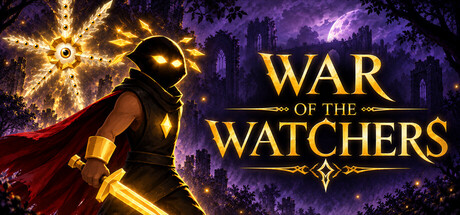
War of the Watchers uses generative AI in two places. Both are pre-generated before release and ship as fixed files; nothing is generated while you play.
Character dialogue is voiced using AI text-to-speech. Every line was written by the developer, and the tool performs those written lines. Each take is recorded before release and ships as an audio file.
Some promotional artwork, including the key art and store capsules, was produced with AI image tools and then edited by the developer.
Game code, level design and all in-game visuals are hand-authored. No content is generated during gameplay.
AI was used to help with created capsule art and assist with building the teaser trailers. There is no generative AI art, sound effects, video, or voice art in the game itself.
AI is used in early visual concept explorations for certain environments.
Every aspect of the game at runtime including the story, visuals, environments, dialogues and music is all handcrafted with utmost human care.
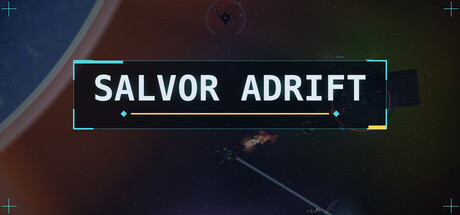
Designed and directed by one person. Every ship, station and planet is rendered in code, with no AI images. The soundtrack was made with Suno, an AI music tool, directed by the developer, and ships as fixed audio files. The story comes from the developer. AI helped turn it into text, tidy it up and translate the store page, like a very overqualified spell check. Nothing is generated by AI while you play.
The Therapist was developed with the assistance of generative AI tools. AI was used to assist with programming and to generate certain visual and audio assets included in the game. The game's core concept, narrative direction, game design, mechanics, and creative direction were conceived and developed by the game's creator. AI-generated assets were selected, edited, integrated, and directed as part of the game's overall creative process.
Generative AI was used extensively during development to assist with localization, text review, and selected production/reference workflows. All code and most image assets and models were created with generative AI. All AI-assisted content included in the game was reviewed and curated by the developer. The game does not use live generative AI during gameplay.
The visual assets and text content in this game were generated or assisted by AI tools during development. All AI-generated content is pre-rendered; there is no real-time AI generation during gameplay.
Generative AI tools were used in a limited capacity to assist with the creation and enhancement of certain 2D images and audio assets. No 3D models, animations, gameplay systems, or other game content were generated using AI.
Generative AI was used to create promotional artwork for the Steam store page, including capsule and library artwork, based on the visual style and screenshots of the game. The playable game content itself does not use live-generated AI content.
Generative AI tools were used purely in the background to assist and speed up the production workflow as a solo developer, serving only as an aid during development.
The game itself including all gameplay, story, and core content is 100 percent created by human developers, with no AI generated content produced live.
Some 2D artwork in this game (store artwork and in-game character portraits) was drafted with generative AI tools, then curated and edited by the developers. No AI content is generated during gameplay.
During the development of this title, generative AI was used as an assistive tool for writing some code, as well as for text polishing and translation. Other elements—including core artwork, character and environment designs, and the overall visual presentation—were created entirely by the developers themselves.
This game uses AI-assisted art assets generated prior to release for character art, scene backgrounds and store promotional materials. All AI-generated content was completed before the game's launch; no real-time AI content generation or connections to external AI services will occur during gameplay.
This game uses AI-generated assets for certain visual elements, including background art and environment textures. All AI-generated content was carefully curated and integrated by our team to ensure it aligns with the game’s artistic vision. No AI was used for real-time gameplay mechanics, narrative generation, or audio content
This game is made by one developer working with AI assistants. AI tools helped write the game's code and much of its English text, including this store page.
The folktales the game retells are traditional Mongolian üliger, not machine-invented, and every Mongolian word in the game is checked by a native speaker before it ships.
Nothing is generated while you play. The game runs offline, creates no content at runtime, and connects to no AI service.
Generative AI tools were used during development to assist with the creation of visual assets (backgrounds, character art, and UI elements), draft narrative ideas, and compose the background music. All generated visual and text materials were curated, manually edited, and refined by the developer.
This game uses some pre-generated content created with generative AI tools. It does not use generative AI to generate content in real time in response to player actions.
Artwork
Generative AI tools were used to create some in-game graphics, as well as images for the Steam store page and promotional and marketing materials. Generated assets are reviewed by the developer and edited or adjusted when necessary. Some assets are used without additional editing.
Translation
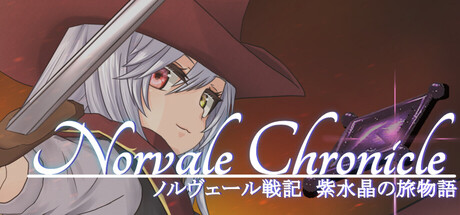
AI tools are used to assist with translation and localization for some languages other than Japanese. Translations are reviewed and corrected by the developer.
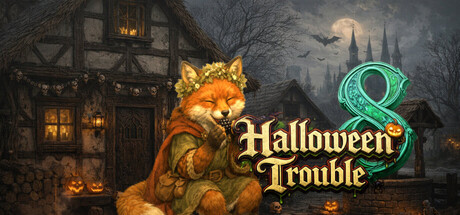
Halloween Trouble 8 utilizes generative artificial intelligence tools to assist in creating several elements of the game. Specifically, AI was used in the generation of:
Art & Visuals: Background environments, character portraits, and the in-game puzzle tiles and runes.
Audio: The game's musical soundtrack.
Narrative & Writing: The overarching story generation and descriptive in-game text.
Generative AI was used during development to assist with some text content and programming code, and to create some 3D models and textures used in the game. All AI-generated and AI-assisted content was reviewed and edited by the developer before being included in the game. Generative AI is not used to create content during gameplay.
Generative AI was used during development to create and assist with some of the game's visual assets, including character artwork, event illustrations, backgrounds, and other graphical elements, as well as some of the music used in the game. AI-generated materials were reviewed, selected, and edited by the developer before being included in the game.
Generative AI is not used to dynamically generate gameplay, dialogue, story content, visual assets, or music while the game is running.
In terms of art direction, AI was used as a supplementary tool for improvement; it was not a completely automated process from scratch, nor were AI-generated assets used directly.
In terms of music, AI generation was used directly.
Generative AI assists in creating some visual assets, music, sound effects and narrative text during development. The art assets currently shown are temporary placeholders used solely to test our technical pipeline and do not represent the final visuals.
Parts of the soundtrack were created with AI-assisted music generation, then edited, mixed and mastered by hand. Some of the game's code and store text were also written with AI assistance. All art, level design and gameplay are hand-made. No content is generated while you play.
This game was created with the assistance of AI tools in several areas of development.
Music: The songs were written and originally recorded by me, with AI tools used for additional processing and production.
Artwork: The visual concepts and creative direction were created by me, while AI tools were used to generate and develop some of the final artwork based on my concepts.
Programming: AI-assisted tools were used during development to help with coding and implementation.
All AI-assisted content was reviewed, selected, and integrated by me as part of the game's creative and development process.
Some of the image and audio assets were created with the help of generative AI.
All final design adjustments and processing were done by hand by the developer.
Generative AI was used to assist in the creation of some in-game graphical assets and to generate or process some voice audio. All AI-assisted content was created and reviewed during development. The game does not generate AI content during gameplay.
Generative AI-assisted tools were used in parts of the development process, including selected visual assets, 3D models, music/audio, and promotional materials. These elements are reviewed and integrated by the developer as part of the game's overall creative direction. No generative AI is used to create content live during gameplay.
We may use AI to speed up creation of marketing materials and how even we should do that "marketing". And we may use AI for finding new ways to write better code, AI may analyze our code and so on. That's pretty ok that days, especially for free project that runs by enthusiasts.
So please review our final work, that's what matters.
War of the Watchers uses generative AI in two places. Both are pre-generated before release and ship as fixed files; nothing is generated while you play.
Character dialogue is voiced using AI text-to-speech. Every line was written by the developer, and the tool performs those written lines. Each take is recorded before release and ships as an audio file.
Some promotional artwork, including the key art and store capsules, was produced with AI image tools and then edited by the developer.
Game code, level design and all in-game visuals are hand-authored. No content is generated during gameplay.
AI was used to help with created capsule art and assist with building the teaser trailers. There is no generative AI art, sound effects, video, or voice art in the game itself.
AI is used in early visual concept explorations for certain environments.
Every aspect of the game at runtime including the story, visuals, environments, dialogues and music is all handcrafted with utmost human care.
Designed and directed by one person. Every ship, station and planet is rendered in code, with no AI images. The soundtrack was made with Suno, an AI music tool, directed by the developer, and ships as fixed audio files. The story comes from the developer. AI helped turn it into text, tidy it up and translate the store page, like a very overqualified spell check. Nothing is generated by AI while you play.
The Therapist was developed with the assistance of generative AI tools. AI was used to assist with programming and to generate certain visual and audio assets included in the game. The game's core concept, narrative direction, game design, mechanics, and creative direction were conceived and developed by the game's creator. AI-generated assets were selected, edited, integrated, and directed as part of the game's overall creative process.
Generative AI was used extensively during development to assist with localization, text review, and selected production/reference workflows. All code and most image assets and models were created with generative AI. All AI-assisted content included in the game was reviewed and curated by the developer. The game does not use live generative AI during gameplay.
The visual assets and text content in this game were generated or assisted by AI tools during development. All AI-generated content is pre-rendered; there is no real-time AI generation during gameplay.
Generative AI tools were used in a limited capacity to assist with the creation and enhancement of certain 2D images and audio assets. No 3D models, animations, gameplay systems, or other game content were generated using AI.
Generative AI was used to create promotional artwork for the Steam store page, including capsule and library artwork, based on the visual style and screenshots of the game. The playable game content itself does not use live-generated AI content.
Generative AI tools were used purely in the background to assist and speed up the production workflow as a solo developer, serving only as an aid during development.
The game itself including all gameplay, story, and core content is 100 percent created by human developers, with no AI generated content produced live.
Some 2D artwork in this game (store artwork and in-game character portraits) was drafted with generative AI tools, then curated and edited by the developers. No AI content is generated during gameplay.
During the development of this title, generative AI was used as an assistive tool for writing some code, as well as for text polishing and translation. Other elements—including core artwork, character and environment designs, and the overall visual presentation—were created entirely by the developers themselves.
This game uses AI-assisted art assets generated prior to release for character art, scene backgrounds and store promotional materials. All AI-generated content was completed before the game's launch; no real-time AI content generation or connections to external AI services will occur during gameplay.
This game uses AI-generated assets for certain visual elements, including background art and environment textures. All AI-generated content was carefully curated and integrated by our team to ensure it aligns with the game’s artistic vision. No AI was used for real-time gameplay mechanics, narrative generation, or audio content
This game is made by one developer working with AI assistants. AI tools helped write the game's code and much of its English text, including this store page.
The folktales the game retells are traditional Mongolian üliger, not machine-invented, and every Mongolian word in the game is checked by a native speaker before it ships.
Nothing is generated while you play. The game runs offline, creates no content at runtime, and connects to no AI service.
Generative AI tools were used during development to assist with the creation of visual assets (backgrounds, character art, and UI elements), draft narrative ideas, and compose the background music. All generated visual and text materials were curated, manually edited, and refined by the developer.
This game uses some pre-generated content created with generative AI tools. It does not use generative AI to generate content in real time in response to player actions.
Artwork
Generative AI tools were used to create some in-game graphics, as well as images for the Steam store page and promotional and marketing materials. Generated assets are reviewed by the developer and edited or adjusted when necessary. Some assets are used without additional editing.
Translation
AI tools are used to assist with translation and localization for some languages other than Japanese. Translations are reviewed and corrected by the developer.
Halloween Trouble 8 utilizes generative artificial intelligence tools to assist in creating several elements of the game. Specifically, AI was used in the generation of:
Art & Visuals: Background environments, character portraits, and the in-game puzzle tiles and runes.
Audio: The game's musical soundtrack.
Narrative & Writing: The overarching story generation and descriptive in-game text.
Generative AI was used during development to assist with some text content and programming code, and to create some 3D models and textures used in the game. All AI-generated and AI-assisted content was reviewed and edited by the developer before being included in the game. Generative AI is not used to create content during gameplay.
Generative AI was used during development to create and assist with some of the game's visual assets, including character artwork, event illustrations, backgrounds, and other graphical elements, as well as some of the music used in the game. AI-generated materials were reviewed, selected, and edited by the developer before being included in the game.
Generative AI is not used to dynamically generate gameplay, dialogue, story content, visual assets, or music while the game is running.
In terms of art direction, AI was used as a supplementary tool for improvement; it was not a completely automated process from scratch, nor were AI-generated assets used directly.
In terms of music, AI generation was used directly.
Generative AI assists in creating some visual assets, music, sound effects and narrative text during development. The art assets currently shown are temporary placeholders used solely to test our technical pipeline and do not represent the final visuals.