








Disclosure
Header image
- Creator
- Day Zero Studio
- Reviews
- -
- Added
- Aug 2, 2026
Public Steam disclosure research 25,380 disclosures tracked
Search developers’ Steam disclosures, compare classified AI use across games, and follow recorded changes. This index adds cross-game classifications and statistics to statements published on individual store pages.
Code help, debugging and other development work.
Capsule art, trailers and promotional material.
Pre-made art, audio, writing and other game assets.
Interactive or runtime AI features disclosed by the developer.
Groups reflect automatic analysis of public disclosures; mature records are excluded. These counts do not measure AI use across all of Steam. Missing or unclear statements cannot establish whether a game uses AI.
Header image
AI was used exclusively for language translations.
Most of the art for Hive & Harvest has been initially generated by AI models, which has then been manually edited to achieve the desired tessellation look. Coding of the game involved AI models for the purpose of quality control.
This game uses pre-generated AI-assisted content during development. AI tools were used to assist with the creation of certain visual assets and early concept artwork. All AI-generated content has been reviewed, edited, and curated by the developer before inclusion in the final game. The game does not use live AI generation during gameplay.
Some store capsule/library images and selected in-game art assets were created with generative AI tools, then manually selected and edited by the team. No live AI generation occurs during gameplay.
Some in-game art assets and some promotional art assets on the store page were created with AI-assisted production.
Generative AI tools were used during development to assist with writing, reviewing, and optimizing portions of the game’s code. All AI-assisted code was manually reviewed, modified, and tested by the developer. Generative AI is not used to generate content while the game is running, nor was it used to create player-facing artwork, audio, narrative, or other text content.
Part of the art and audio assets are AI-generated.
The developer used generative AI tools during the development process to assist in coding, generate and retouch art assets, write game text, and create background music, voiceovers, and sound effects. All AI-generated assets have been reviewed, edited, and curated by the developer.
Some of the code was written with the assistance of Codex.
Generative AI Tools where used in the creation of store assets.
Generative AI tools were used solely for programming assistance, code review, debugging, and technical problem-solving during development. They were not used to generate visual or audio assets. No content or code is generated by AI during gameplay, and the game does not connect to external AI services. All AI-assisted code was reviewed, tested, and integrated by the developer.
About the Use of AI in the Game AI-assisted tools have been used in various aspects of this project's development process. Programming: AI-assisted tools were used during the development of game systems, user interfaces, and various technical features. The generated code was reviewed, edited, tested, and adapted to the project's needs by the development team. Visuals: AI tools were used in the creation of certain concept designs, environment artwork, and visual content. However, all content was reviewed, refined, and adapted to fit the artistic direction of the project by the development team. Creative Process: The development process generally follows three stages. First, the game concept, environment designs, and core creative decisions are created by the team. AI tools are then used to generate alternative ideas, variations, and more detailed iterations of existing concepts. Finally, all results are reviewed, refined, and improved through manual quality control processes. For example, some environment designs begin with compositions and layouts created by the team. AI tools may then be used to assist with additional detailing, after which the final adjustments and refinements are completed manually. Our goal is to use AI as a tool that supports the creative process while ensuring that all creative decisions, project direction, and final quality control remain under human supervision.
Generative AI tools were used during development to assist with portions of the game's pre-generated 2D artwork, UI assets, localization, code, and promotional materials. All output was reviewed, edited, and integrated by the developer. The game does not generate AI content during gameplay.
Hedra began as a physical board game designed and refined by one human developer over ten years. Nearly all of the tabletop game was created without generative AI; AI had a limited role in balance analysis. For the digital edition, AI tools played a substantial role in programming and technical development, including the original web app and its conversion into a desktop game. Most of Hedra's visual artwork was created with generative AI tools, then selected, reviewed, and integrated by the developer. The game contains pre-generated AI-assisted content. It does not generate artwork, text, audio, or other content while you play.
Generative AI tools were used during development to assist in creating the following assets: - Text translation - Background music - Background and cat images All AI-generated content was thoroughly reviewed, adjusted, and edited by the developer to ensure quality and compliance with all applicable licenses.
Ruthless Returns is a solo-developed game built and refined over hundreds of hours. The original version was created on paper in 2022, but at the time I did not have the resources to turn it into a full game. Early prototypes used licensed images with a simple painted treatment. It worked, but the visual style was ultimately shaped by whatever suitable assets were available. Generative AI made it possible to create artwork specifically for Ruthless Returns and give the game a much more consistent look and feel from top to bottom. AI was used for the card artwork and character voices. That also made it possible for me to finally turn the original paper concept into a PC game. If players enjoy it, I hope to take it full circle and eventually produce Ruthless Returns as a physical board game. Balancing combines extensive human playtesting with more than 500,000 simulated games. The simulations were used to analyze win rates, card strength, strategies and interactions across a much larger number of matches than manual playtesting alone could realistically cover.
This game uses some assets that were AI generated. This includes some store images and in-game content.
Limited use of AI in artwork.
AI was used to assist in coding the game and it's features. All Art or writing was done by hand.
SnapQuest uses live-generated AI as part of its core photo-scanning mechanic. When a player captures or selects a photo, a vision-language model analyzes the image and generates structured card content, including a card name, description, category, and gameplay attributes. The card artwork uses the player's submitted photo rather than an AI-generated replacement image. Generated results vary depending on the submitted photo.
Used AI to generate art related resources
We use AI to speed up the drawings, but all materials has been heavily modified, over-painted, and refined by human artist. There is no live AI generation within the shipped game.
This game uses generative AI to interpret the player’s written question and create tarot-style responses during each reading. AI-generated text is used for card interpretations and the final answer. The game does not use AI to make real predictions or provide professional advice.
Some visual assets in this game, including UI elements and graphics, were created with the assistance of AI image generation tools.
Generate art resources using AI
Portions of this game's art and audio were created using generative AI tools during development: card and character artwork, backgrounds and icons (including store page artwork), music, sound effects, and voice audio were AI-generated under human direction, then curated and edited by the developers. Game design, rules, code, card text and names, and all narrative writing are human-authored. Nothing is generated by AI while you play.
Helped create base assets from generative AI. Base assets are then edited, remixed, reworked or replaced to increase dev speed.
Some images are drawn after being referenced by AI-assisted generation
Some of Flekkia's assets were created with the help of generative AI tools during development: part of the artwork (backgrounds, screens and event cards) and the game's music. They were then selected, edited and integrated by hand. The same assets appear on the store page and in the trailer. No content is generated by AI while you play. Everything you see and hear is fixed in the game and identical for every player: Flekkia does not connect to any AI service and sends none of your data to one.
This game utilizes generative AI to create art assets, which are primarily used for the store page background and the card examples in the workshop.
Generative AI was used in some of the 3D models.
AI was used in The Canon Keeper for art assets and programming.
Generative AI tools were used to assist in the creation of selected promotional and store artwork. During gameplay, players can also optionally use generative AI to create custom word sets and hints.
Portions of this game were created with the assistance of generative AI tools. This includes parts of the game's code, artwork and UI graphics, sound effects, and written text (in-game and on the store page). All AI-assisted content was directed, reviewed, and edited by the developer before inclusion. No AI content is generated during gameplay, the cribbage opponent uses conventional game algorithms, not generative AI and the game does not connect to any AI services at runtime.
Some of the game's assets and marketing materials were created with the assistance of generative AI tools, then reviewed and edited by the developer. All content is pre-rendered; the game does not generate any content at runtime.
AI was used to generate logos and default sprites for this program.
This game was developed with AI assistance, and some of the artwork was AI-generated.
Generative artificial intelligence has been used to generate store page thumbnails based on the developers artwork. All in game artwork has been drawn by hand by the developer.
AI was used for the game's cover art.
Promotional art, character models, game logo are generated by AI.
We use AI to assist with game development, including code, translations, and the creation of background assets. The game does not use any real-time AI systems.
Yes – The game contains AI-generated visuals, including card illustrations, background artwork, UI panels, and store page assets (capsules, icons, screenshots), created using AI image generation tools and curated by the developer.
Generative AI tools were used during the development of this game to assist with early concept art generation, texture optimization, and fine-tuning certain visual assets. All final in-game assets have been reviewed and refined by the development team.
We've harnessed the power of Generative AI technology to create several of our game's unique theme background artworks, enhancing your gaming experience with visually stunning designs.
This game is basically AI-generated
Players may select a preset worldview and character template, or customize their own worldview and character settings before starting the game. They can interact via text typing in the in-game chat window, as well as click AI-provided options to engage with AI-generated content.
Marketing images and designs incorporate some AI-generated elements
Some visual assets, concept art, character portraits, promotional images, and store-related materials may be created or assisted using generative AI tools. All AI-assisted content is reviewed and edited by the developer before use. The game does not use real-time AI generation during gameplay.
This game may use pre-generated AI-assisted visual assets in some store/marketing materials and placeholder art. All such assets are reviewed and edited by the developer. The game does not use live generative AI during gameplay.
| Title⇅ | Disclosure | Creator⇅ | Src | Reviews⇅ | Added↓ |
|---|---|---|---|---|---|
 Wild West Poker Store/marketing art | Header image | Day Zero Studio | - | Aug 2, 2026 | |
 Deckforce In-game content text | AI was used exclusively for language translations. | Anatolian Interactive | - | Aug 1, 2026 | |
 Hive and Harvest In-game content artcode | Most of the art for Hive & Harvest has been initially generated by AI models, which has then been manually edited to achieve the desired tessellation look.
Coding of the game involved AI models for the purpose of quality control. | Sundrop Games | - | Aug 1, 2026 | |
 Hiss or Miss In-game content art | This game uses pre-generated AI-assisted content during development. AI tools were used to assist with the creation of certain visual assets and early concept artwork. All AI-generated content has been reviewed, edited, and curated by the developer before inclusion in the final game. The game does not use live AI generation during gameplay. | DreamWell | - | Aug 1, 2026 | |
 Mad Boarding In-game content art | Some store capsule/library images and selected in-game art assets were created with generative AI tools, then manually selected and edited by the team. No live AI generation occurs during gameplay. | Dmitry Volgin | - | Aug 1, 2026 | |
 Solitaire Adventure In-game content art | Some in-game art assets and some promotional art assets on the store page were created with AI-assisted production. | SKYREACH INTERACTIVE | - | Aug 1, 2026 | |
 GuessWorld Dev only code | Generative AI tools were used during development to assist with writing, reviewing, and optimizing portions of the game’s code. All AI-assisted code was manually reviewed, modified, and tested by the developer. Generative AI is not used to generate content while the game is running, nor was it used to create player-facing artwork, audio, narrative, or other text content. | Yan Xiang | - | Aug 1, 2026 | |
 Mahjong Encyclopedia In-game content artaudio | Part of the art and audio assets are AI-generated. | Bad Murloc Studio | - | Aug 1, 2026 | |
 JMT -DUeL- In-game content arttextaudiocode | The developer used generative AI tools during the development process to assist in coding, generate and retouch art assets, write game text, and create background music, voiceovers, and sound effects. All AI-generated assets have been reviewed, edited, and curated by the developer. | Soo.k | - | Aug 1, 2026 | |
 桌面塔罗 Desktop Tarot Dev only code | Some of the code was written with the assistance of Codex. | SpaceWizard64 | - | Aug 1, 2026 | |
 Jack's, 2's & 8's Store/marketing art | Generative AI Tools where used in the creation of store assets. | What To Do!? Games | - | Aug 1, 2026 | |
 祥之云三界 Dev only code | Generative AI tools were used solely for programming assistance, code review, debugging, and technical problem-solving during development. They were not used to generate visual or audio assets. No content or code is generated by AI during gameplay, and the game does not connect to external AI services. All AI-assisted code was reviewed, tested, and integrated by the developer. | Gameplaywolf_G | - | Jul 30, 2026 | |
 Phase Party Dev only artcode | About the Use of AI in the Game
AI-assisted tools have been used in various aspects of this project's development process.
Programming: AI-assisted tools were used during the development of game systems, user interfaces, and various technical features. The generated code was reviewed, edited, tested, and adapted to the project's needs by the development team.
Visuals: AI tools were used in the creation of certain concept designs, environment artwork, and visual content. However, all content was reviewed, refined, and adapted to fit the artistic direction of the project by the development team.
Creative Process: The development process generally follows three stages. First, the game concept, environment designs, and core creative decisions are created by the team. AI tools are then used to generate alternative ideas, variations, and more detailed iterations of existing concepts. Finally, all results are reviewed, refined, and improved through manual quality control processes.
For example, some environment designs begin with compositions and layouts created by the team. AI tools may then be used to assist with additional detailing, after which the final adjustments and refinements are completed manually.
Our goal is to use AI as a tool that supports the creative process while ensuring that all creative decisions, project direction, and final quality control remain under human supervision. | Estimado Studio | - | Jul 30, 2026 | |
 Pixel Worker In-game content arttextcode | Generative AI tools were used during development to assist with portions of the game's pre-generated 2D artwork, UI assets, localization, code, and promotional materials. All output was reviewed, edited, and integrated by the developer. The game does not generate AI content during gameplay. | DogSoul Games | - | Jul 29, 2026 | |
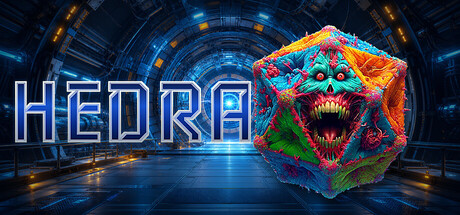 Hedra In-game content artcode | Hedra began as a physical board game designed and refined by one human developer over ten years. Nearly all of the tabletop game was created without generative AI; AI had a limited role in balance analysis. For the digital edition, AI tools played a substantial role in programming and technical development, including the original web app and its conversion into a desktop game. Most of Hedra's visual artwork was created with generative AI tools, then selected, reviewed, and integrated by the developer. The game contains pre-generated AI-assisted content. It does not generate artwork, text, audio, or other content while you play. | Hedra Games | - | Jul 29, 2026 | |
 WIND CAT SOLITAIRE In-game content textaudioart | Generative AI tools were used during development to assist in creating the following assets:
- Text translation
- Background music
- Background and cat images
All AI-generated content was thoroughly reviewed, adjusted, and edited by the developer to ensure quality and compliance with all applicable licenses. | Kazeneko Games | - | Jul 29, 2026 | |
 Ruthless Returns In-game content artaudio | Ruthless Returns is a solo-developed game built and refined over hundreds of hours. The original version was created on paper in 2022, but at the time I did not have the resources to turn it into a full game.
Early prototypes used licensed images with a simple painted treatment. It worked, but the visual style was ultimately shaped by whatever suitable assets were available. Generative AI made it possible to create artwork specifically for Ruthless Returns and give the game a much more consistent look and feel from top to bottom. AI was used for the card artwork and character voices.
That also made it possible for me to finally turn the original paper concept into a PC game. If players enjoy it, I hope to take it full circle and eventually produce Ruthless Returns as a physical board game.
Balancing combines extensive human playtesting with more than 500,000 simulated games. The simulations were used to analyze win rates, card strength, strategies and interactions across a much larger number of matches than manual playtesting alone could realistically cover. | South Harbour Studios | - | Jul 29, 2026 | |
 Yuhtzee In-game content art | This game uses some assets that were AI generated. This includes some store images and in-game content. | Shamrock Studios | - | Jul 29, 2026 | |
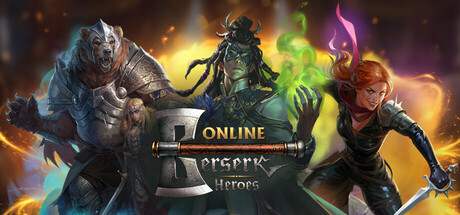 Berserk Heroes Online Unclear art | Limited use of AI in artwork. | Lategame Studio LTD | - | Jul 29, 2026 | |
 Board Game Creator Dev only code | AI was used to assist in coding the game and it's features. All Art or writing was done by hand. | Unprecedented Studios | - | Jul 29, 2026 | |
 照片勇者 Live AI textart | SnapQuest uses live-generated AI as part of its core photo-scanning mechanic. When a player captures or selects a photo, a vision-language model analyzes the image and generates structured card content, including a card name, description, category, and gameplay attributes. The card artwork uses the player's submitted photo rather than an AI-generated replacement image. Generated results vary depending on the submitted photo. | Liminis Studio | - | Jul 29, 2026 | |
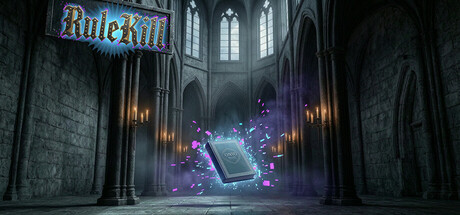 RuleKill Unclear art | Used AI to generate art related resources | ChuXin | - | Jul 29, 2026 | |
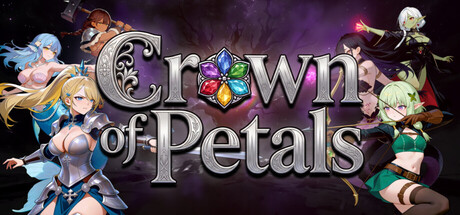 Crown of Petals In-game content art | We use AI to speed up the drawings, but all materials has been heavily modified, over-painted, and refined by human artist. There is no live AI generation within the shipped game. | 薄荷草游戏 | - | Jul 28, 2026 | |
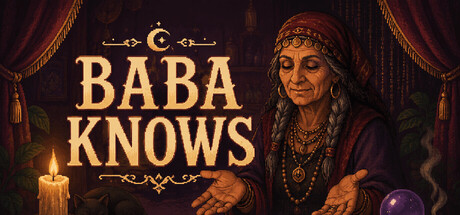 Baba Knows Live AI text | This game uses generative AI to interpret the player’s written question and create tarot-style responses during each reading. AI-generated text is used for card interpretations and the final answer. The game does not use AI to make real predictions or provide professional advice. | Microtaur | - | Jul 25, 2026 | |
 Okey 101 In-game content art | Some visual assets in this game, including UI elements and graphics, were created with the assistance of AI image generation tools. | Ayazwai | - | Jul 25, 2026 | |
 Poker in Blood Unclear art | Generate art resources using AI | Alexcured | - | Jul 25, 2026 | |
 Spirefall In-game content artaudiotext | Portions of this game's art and audio were created using generative AI tools during development: card and character artwork, backgrounds and icons (including store page artwork), music, sound effects, and voice audio were AI-generated under human direction, then curated and edited by the developers. Game design, rules, code, card text and names, and all narrative writing are human-authored. Nothing is generated by AI while you play. | PSG Studios | - | Jul 25, 2026 | |
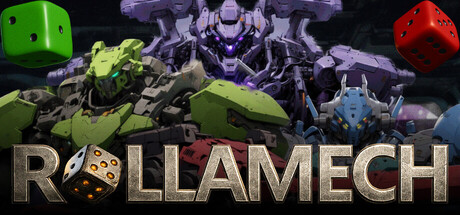 Rollamech In-game content art | Helped create base assets from generative AI.
Base assets are then edited, remixed, reworked or replaced to increase dev speed. | Happy Horns | - | Jul 25, 2026 | |
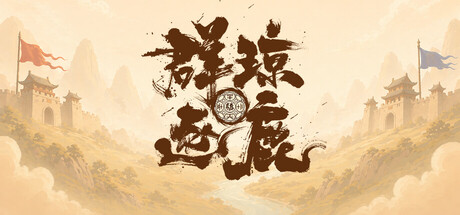 群琼逐鹿 In-game content art | Some images are drawn after being referenced by AI-assisted generation | YiTuiZhe | - | Jul 25, 2026 | |
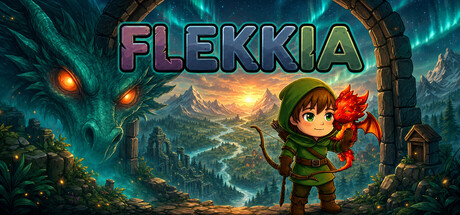 Flekkia In-game content artaudio | Some of Flekkia's assets were created with the help of generative AI tools
during development: part of the artwork (backgrounds, screens and event cards)
and the game's music. They were then selected, edited and integrated by hand.
The same assets appear on the store page and in the trailer.
No content is generated by AI while you play. Everything you see and hear is
fixed in the game and identical for every player: Flekkia does not connect to
any AI service and sends none of your data to one. | BubbleStorm | - | Jul 25, 2026 | |
 Boss Key Store/marketing art | This game utilizes generative AI to create art assets, which are primarily used for the store page background and the card examples in the workshop. | Institute of Card Game Studies | - | Jul 25, 2026 | |
 Snitch Switch In-game content art | Generative AI was used in some of the 3D models. | Talya Games | - | Jul 23, 2026 | |
 The Canon Keeper In-game content artcode | AI was used in The Canon Keeper for art assets and programming. | F. D. Long Jr. Studios | - | Jul 22, 2026 | |
 Kret: The Game Live AI arttext | Generative AI tools were used to assist in the creation of selected promotional and store artwork. During gameplay, players can also optionally use generative AI to create custom word sets and hints. | Gucio Entertainment Studio | - | Jul 22, 2026 | |
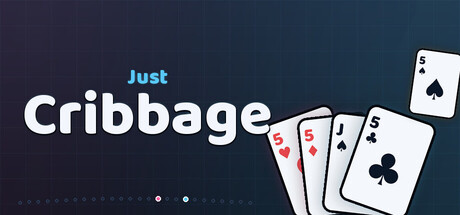 Just Cribbage In-game content artaudiotextcode | Portions of this game were created with the assistance of generative AI tools. This includes parts of the game's code, artwork and UI graphics, sound effects, and written text (in-game and on the store page). All AI-assisted content was directed, reviewed, and edited by the developer before inclusion. No AI content is generated during gameplay, the cribbage opponent uses conventional game algorithms, not generative AI and the game does not connect to any AI services at runtime. | Five Cats Studios | - | Jul 22, 2026 | |
 Naval Strike Store/marketing art | Some of the game's assets and marketing materials were created with the assistance of generative AI tools, then reviewed and edited by the developer. All content is pre-rendered; the game does not generate any content at runtime. | VGP256 | - | Jul 22, 2026 | |
 Warden Campaigns In-game content art | AI was used to generate logos and default sprites for this program. | Warden Campaigns | - | Jul 22, 2026 | |
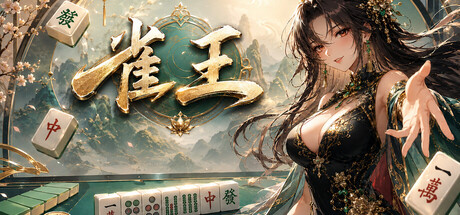 雀王 In-game content art | This game was developed with AI assistance, and some of the artwork was AI-generated. | Lvs Studio | - | Jul 22, 2026 | |
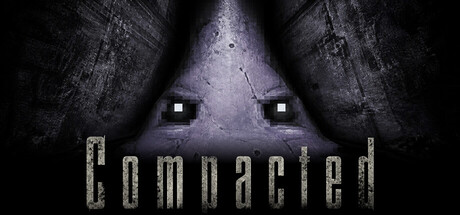 Compacted Store/marketing art | Generative artificial intelligence has been used to generate store page thumbnails based on the developers artwork. All in game artwork has been drawn by hand by the developer. | GTGD | - | Jul 21, 2026 | |
 Football Chess Store/marketing art | AI was used for the game's cover art. | PEGAX Studios | - | Jul 20, 2026 | |
 Jungle Tavern Store/marketing art | Promotional art, character models, game logo are generated by AI. | Souleil | - | Jul 20, 2026 | |
 Poker Games In-game content arttextcode | We use AI to assist with game development, including code, translations, and the creation of background assets. The game does not use any real-time AI systems. | Typeco | - | Jul 19, 2026 | |
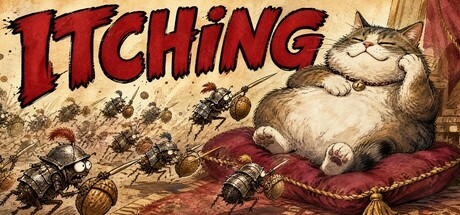 ITCHING! In-game content art | Yes – The game contains AI-generated visuals, including card illustrations, background artwork, UI panels, and store page assets (capsules, icons, screenshots), created using AI image generation tools and curated by the developer. | Cw4M | - | Jul 18, 2026 | |
 AI Faith: Compute In-game content art | Generative AI tools were used during the development of this game to assist with early concept art generation, texture optimization, and fine-tuning certain visual assets. All final in-game assets have been reviewed and refined by the development team. | Beneloop.ai | 33 | Jul 18, 2026 | |
 Durak In-game content art | We've harnessed the power of Generative AI technology to create several of our game's unique theme background artworks, enhancing your gaming experience with visually stunning designs. | Popoko VM Games | - | Jul 17, 2026 | |
 The Devil's Ledger Unclear | This game is basically AI-generated | zun | - | Jul 17, 2026 | |
 Companions' Chronicles Live AI text | Players may select a preset worldview and character template, or customize their own worldview and character settings before starting the game. They can interact via text typing in the in-game chat window, as well as click AI-provided options to engage with AI-generated content. | TLSoul | - | Jul 17, 2026 | |
 Queen's Court: A Duel of Dignitaries Store/marketing art | Marketing images and designs incorporate some AI-generated elements | The Lady and Loaf Games Co. | - | Jul 16, 2026 | |
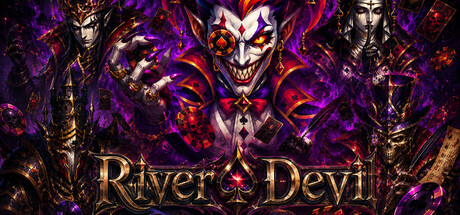 RiverDevil Store/marketing art | Some visual assets, concept art, character portraits, promotional images, and store-related materials may be created or assisted using generative AI tools. All AI-assisted content is reviewed and edited by the developer before use. The game does not use real-time AI generation during gameplay. | Brown Eaves Game Studio | - | Jul 15, 2026 | |
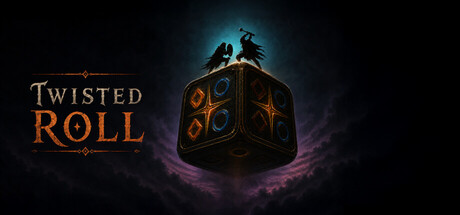 Twisted Roll Store/marketing art | This game may use pre-generated AI-assisted visual assets in some store/marketing materials and placeholder art. All such assets are reviewed and edited by the developer. The game does not use live generative AI during gameplay. | mapapa | - | Jul 15, 2026 |


