Public Steam disclosure research25,695 disclosures tracked
Where do games disclose AI use?
Search developers’ Steam disclosures, compare classified AI use across
games, and follow recorded changes.
This index adds cross-game classifications and statistics to
statements published on individual store pages.
Groups reflect automatic analysis of public disclosures; mature records are excluded. These counts do not measure AI use across all of Steam.
Missing or unclear statements cannot establish whether a game uses AI.
An AI assistant was used while making this game: the word clues and definitions. Nothing is generated while you play - every puzzle, word and clue is fixed in the build and verified before release. The art is not AI-generated: the capsules, logo and icons are rendered by our own tool from the game's own colours and mark, the interface sounds are by Kenney (CC0) and the music is licensed from Ovani Sound.
Generative AI tools were used only during early-stage concept exploration and as internal visual and design references. No AI-generated artwork or other AI-generated content is included in the final game. All final in-game art assets are either created by our development team or sourced from properly licensed assets. The game does not use live-generated AI during gameplay.
We have used generative AI tools to translate the game into other languages and make it accessible to a wider audience. The development team has reviewed and overseen the integration of all text to ensure correct display and the proper functioning of the interface and menus.
Some of the game's text, including in-app interface copy and the store page description, was drafted with the assistance of an LLM and edited by the developer, as was the game's source code. All artwork, animation, 3D models and audio are human-authored. The game does not generate any content at runtime.
Most of this game's source code was written with the help of generative AI tools. English localization drafts were produced the same way and then reviewed and edited by the developer. All graphics, Korean text, and game design were created by the developer; sound uses CC0-licensed recordings. This game does not use AI at runtime.
AI-generated content in this game includes the BGM. Additionally, AI was used to assist in writing code, which was fully reviewed and verified by developer.
This game uses AI to code some features of the game including, but not limited to, the actual game code itself and some of the store page art. However, none of this actually contributes to the actual gameplay itself as all the assets, game trailer and game scenes are still handmade, purchased, or free.
The key art used for this game's store capsules and Steam library images was produced with the help of a generative AI image tool, then composed and finished by hand. In the game itself, all visuals are drawn procedurally at runtime and all tap sounds are synthesised in code; no AI content is generated while you play.
PupRacers is developed by a solo human developer. AI tools are used as development assistants for various tasks including translations, code assistance, and content creation. All AI output is reviewed, edited, and validated by the developer. The creative vision, game design, and final decisions are 100% human-driven.
Store page texts and localization drafts were prepared with the help of AI tools, and parts of the game's source code were written with AI coding assistants — all of it reviewed, edited and tested by the developer. All art, game design and audio are human-made. The in-game opponent is a custom neural network trained by the developer through self-play (a chess-engine-style game AI, not generative AI).
Generative AI tools were used during the development of Cargo Industry as programming assistance tools. They were used to assist with code generation, code modification, debugging, and exploring programming solutions. AI-generated code is included in the game's released codebase.
Some pre-generated visual assets in SCOP were created with the assistance of generative AI tools. These assets were reviewed, selected and edited before being integrated into the final game. SCOP does not generate AI content during gameplay.
This game uses AI-assisted translation for the Steam store page and some in-game UI text. As a solo indie developer with limited resources, AI translation helps make the game accessible to more players and support a wider range of languages.
Pre-generated pixel-art character artwork, animation frames, and localization text were created with assistance from generative AI tools during development. All shipped results are fixed in the build, human-reviewed, and based on original prompts or project-owned references. The application performs no live AI generation.
Generative AI tools were used to create the Steam capsule artwork and other promotional images, and to assist with drafting and editing portions of the Steam store page text. All final text was reviewed and revised by the developer, and all promotional artwork was reviewed and selected by the developer. The game does not use generative AI at runtime, and no AI content is generated during gameplay.
Some of the images on our store page were created by artificial intelligence and edits were made on the images. and some images in the game were made by artificial intelligence.
Generative AI was used to create some pre-generated artwork and music included in the game and its promotional materials. AI-generated content was reviewed and selected by the developer before being included. The game does not use generative AI to generate content live during gameplay.
The game's code was written with the help of an AI coding assistant, following the developer's design direction. Because the characters, arenas, materials and user interface are generated procedurally in code rather than authored as art assets, they are a result of that same process. The background music tracks were generated with Suno (commercial licence). Sound effects are licensed from Mixkit and Freesound. Nothing is generated by AI while the game is running.
Generative AI tools were used during development to assist in creating some 2D graphics, visual effects, and sound effects. AI-generated outputs are reviewed and edited before being used in the game. The game does not use generative AI or generate AI content during gameplay.
Some of this game's art and audio were created with generative AI tools, then selected, edited and assembled by the developer: the ink-wash illustrations and character portraits, part of the interface artwork, and the background music. The store page artwork and the trailer were produced the same way. Everything ships as fixed, pre-rendered assets. The game generates no content while you play and connects to no AI service. Puzzle levels are built and verified by our own deterministic mahjong solver, not by AI.
Yes, we used AI to translate our game into several languages other than French and English, in order to make it accessible to a wider international audience.
Generative AI tools were used during development to assist with portions of source code and early drafts of store-page
and localization text. All AI-assisted output was reviewed, edited, and integrated by the developer. The game does not
generate AI content during gameplay and does not connect to external AI services.
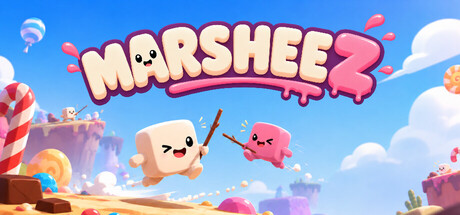
During development, parts of Marsheez were made with generative AI: some of the source code was written with the help of an AI coding assistant, and some of the art and music were created with help of AI tools and then later edited by the developer. The game does not use any generative AI while you play.
Tidy Tokens is the first game created by our small independent development team, born from a shared passion and a dream of creating our own video game. With limited resources, we used generative AI tools as assistance in certain areas, including some graphical and musical elements. These tools helped complement our skills and allowed us to bring to life a project we could not have created alone at this scale. The game, its design, its world, and its development remain the result of our work, creative decisions, and passion.
Generative AI was used for parts of the game's 3D assets, voice and narration, ambient audio, translations, and store artwork.
All generated content was reviewed and edited by hand. No AI is used at runtime.
Generative AI tools were used to create marketing copy and selected promotional materials, as well as to translate and localize in-game, marketing, and community texts.
This game contains pre-generated 2D artwork and music created with assistance from generative AI tools and reviewed and edited by the developer. The game does not use generative AI or generate content during runtime.
The game is a single hand-maintained source file. It was written together
with an AI coding assistant. Every change was reviewed, tested and integrated by
the developer; the game ships with its own automated test suite.
All 2D art (character sprites, backgrounds, environment pieces, UI) and the current music were created during development using generative AI tools, then curated, edited, and baked into the build. No content is generated at runtime. The game design, level design, code, and writing are human-made.
An AI assistant was used while making this game: the word clues and definitions. Nothing is generated while you play - every puzzle, word and clue is fixed in the build and verified before release. The art is not AI-generated: the capsules, logo and icons are rendered by our own tool from the game's own colours and mark, the interface sounds are by Kenney (CC0) and the music is licensed from Ovani Sound.
Generative AI tools were used only during early-stage concept exploration and as internal visual and design references. No AI-generated artwork or other AI-generated content is included in the final game. All final in-game art assets are either created by our development team or sourced from properly licensed assets. The game does not use live-generated AI during gameplay.
We have used generative AI tools to translate the game into other languages and make it accessible to a wider audience. The development team has reviewed and overseen the integration of all text to ensure correct display and the proper functioning of the interface and menus.
Some of the game's text, including in-app interface copy and the store page description, was drafted with the assistance of an LLM and edited by the developer, as was the game's source code. All artwork, animation, 3D models and audio are human-authored. The game does not generate any content at runtime.
Most of this game's source code was written with the help of generative AI tools. English localization drafts were produced the same way and then reviewed and edited by the developer. All graphics, Korean text, and game design were created by the developer; sound uses CC0-licensed recordings. This game does not use AI at runtime.
AI-generated content in this game includes the BGM. Additionally, AI was used to assist in writing code, which was fully reviewed and verified by developer.
This game uses AI to code some features of the game including, but not limited to, the actual game code itself and some of the store page art. However, none of this actually contributes to the actual gameplay itself as all the assets, game trailer and game scenes are still handmade, purchased, or free.
The key art used for this game's store capsules and Steam library images was produced with the help of a generative AI image tool, then composed and finished by hand. In the game itself, all visuals are drawn procedurally at runtime and all tap sounds are synthesised in code; no AI content is generated while you play.
PupRacers is developed by a solo human developer. AI tools are used as development assistants for various tasks including translations, code assistance, and content creation. All AI output is reviewed, edited, and validated by the developer. The creative vision, game design, and final decisions are 100% human-driven.
Store page texts and localization drafts were prepared with the help of AI tools, and parts of the game's source code were written with AI coding assistants — all of it reviewed, edited and tested by the developer. All art, game design and audio are human-made. The in-game opponent is a custom neural network trained by the developer through self-play (a chess-engine-style game AI, not generative AI).
Generative AI tools were used during the development of Cargo Industry as programming assistance tools. They were used to assist with code generation, code modification, debugging, and exploring programming solutions. AI-generated code is included in the game's released codebase.
Some pre-generated visual assets in SCOP were created with the assistance of generative AI tools. These assets were reviewed, selected and edited before being integrated into the final game. SCOP does not generate AI content during gameplay.
This game uses AI-assisted translation for the Steam store page and some in-game UI text. As a solo indie developer with limited resources, AI translation helps make the game accessible to more players and support a wider range of languages.
Pre-generated pixel-art character artwork, animation frames, and localization text were created with assistance from generative AI tools during development. All shipped results are fixed in the build, human-reviewed, and based on original prompts or project-owned references. The application performs no live AI generation.
Generative AI tools were used to create the Steam capsule artwork and other promotional images, and to assist with drafting and editing portions of the Steam store page text. All final text was reviewed and revised by the developer, and all promotional artwork was reviewed and selected by the developer. The game does not use generative AI at runtime, and no AI content is generated during gameplay.
Some of the images on our store page were created by artificial intelligence and edits were made on the images. and some images in the game were made by artificial intelligence.
Generative AI was used to create some pre-generated artwork and music included in the game and its promotional materials. AI-generated content was reviewed and selected by the developer before being included. The game does not use generative AI to generate content live during gameplay.
The game's code was written with the help of an AI coding assistant, following the developer's design direction. Because the characters, arenas, materials and user interface are generated procedurally in code rather than authored as art assets, they are a result of that same process. The background music tracks were generated with Suno (commercial licence). Sound effects are licensed from Mixkit and Freesound. Nothing is generated by AI while the game is running.
Generative AI tools were used during development to assist in creating some 2D graphics, visual effects, and sound effects. AI-generated outputs are reviewed and edited before being used in the game. The game does not use generative AI or generate AI content during gameplay.
Some of this game's art and audio were created with generative AI tools, then selected, edited and assembled by the developer: the ink-wash illustrations and character portraits, part of the interface artwork, and the background music. The store page artwork and the trailer were produced the same way. Everything ships as fixed, pre-rendered assets. The game generates no content while you play and connects to no AI service. Puzzle levels are built and verified by our own deterministic mahjong solver, not by AI.
Yes, we used AI to translate our game into several languages other than French and English, in order to make it accessible to a wider international audience.
Generative AI tools were used during development to assist with portions of source code and early drafts of store-page
and localization text. All AI-assisted output was reviewed, edited, and integrated by the developer. The game does not
generate AI content during gameplay and does not connect to external AI services.
During development, parts of Marsheez were made with generative AI: some of the source code was written with the help of an AI coding assistant, and some of the art and music were created with help of AI tools and then later edited by the developer. The game does not use any generative AI while you play.
Tidy Tokens is the first game created by our small independent development team, born from a shared passion and a dream of creating our own video game. With limited resources, we used generative AI tools as assistance in certain areas, including some graphical and musical elements. These tools helped complement our skills and allowed us to bring to life a project we could not have created alone at this scale. The game, its design, its world, and its development remain the result of our work, creative decisions, and passion.
Generative AI was used for parts of the game's 3D assets, voice and narration, ambient audio, translations, and store artwork.
All generated content was reviewed and edited by hand. No AI is used at runtime.
Generative AI tools were used to create marketing copy and selected promotional materials, as well as to translate and localize in-game, marketing, and community texts.
This game contains pre-generated 2D artwork and music created with assistance from generative AI tools and reviewed and edited by the developer. The game does not use generative AI or generate content during runtime.
The game is a single hand-maintained source file. It was written together
with an AI coding assistant. Every change was reviewed, tested and integrated by
the developer; the game ships with its own automated test suite.
All 2D art (character sprites, backgrounds, environment pieces, UI) and the current music were created during development using generative AI tools, then curated, edited, and baked into the build. No content is generated at runtime. The game design, level design, code, and writing are human-made.