Public Steam disclosure research25,706 disclosures tracked
Where do games disclose AI use?
Search developers’ Steam disclosures, compare classified AI use across
games, and follow recorded changes.
This index adds cross-game classifications and statistics to
statements published on individual store pages.
Groups reflect automatic analysis of public disclosures; mature records are excluded. These counts do not measure AI use across all of Steam.
Missing or unclear statements cannot establish whether a game uses AI.
Generative AI tools were utilized during development to assist with writing, troubleshooting, and optimizing game code. Additionally, AI was used as a supplementary tool in the creation of certain graphical assets and sound effects. All AI-generated graphics and audio were manually reviewed, edited, and modified by the developer to ensure they fit seamlessly into the game's retro aesthetic and overall atmosphere.
Generative AI was used to create character portraits and voice-over narration logs in all supported languages. All generated content was subsequently reviewed, edited, and manually integrated into the project to ensure narrative consistency.
Artificial intelligence was used to create the game. With the help of ChatGPT, we were able to analyze and organize several thousand messages from eco-volunteer chat groups, as well as dozens of media articles, podcasts, and vlogs about the spill. All of this was necessary to identify key events, troubling themes, and the moods of people involved in disaster response, and was used by a human author to further develop the plot and dialogue. The images were created using Midjourney. Photos of real landscapes, but not people, were used to generate prompts. The game’s music was generated in Stability AI. The code to adapt the existing game structure to the Ren’py framework was written using Cursor AI.
The Moment of Panic uses generative artificial intelligence during gameplay to power its AI advisor characters. These locally running, open-source LLM-based advisors respond to intelligence signals, argue from assigned personalities, and attempt to influence the player’s decisions. Core game logic, threat truth, scoring, win/loss conditions, and outcomes are controlled by the game itself, not by the language model. Generative AI is used for dynamic in-game text responses only, and for some images shown alongside that text. Images are not generated at runtime.
Some visual assets used in this game, including character artwork, background images, UI-related artwork, and promotional images, were created or enhanced with the assistance of generative AI tools during development.
All AI-assisted assets were reviewed, selected, edited, and integrated by the development team before being included in the final game. The game does not generate AI content in real time during gameplay.
This game was developed with the assistance of an AI language model, including store page content, level design, in-game descriptions, code, and game mechanics. All creative direction and final decisions were made by the developer.
This game uses pre-generated AI only for certain UI background images and promotional store visuals. These assets were created before release and remain fixed. The game does not include any live AI generation during gameplay.
Some 2D art (such as cosmetic items) and the background music were created using generative AI tools based on developer reference images, then reviewed and edited by the developer. No AI runs during gameplay.
This game uses AI-generated fighter portraits and promotional artwork. All AI content is pre-generated and included with the game. No AI content is generated live during gameplay.
Generative AI was used during the development process to create static 2D illustrations of various types of buildings that serve as project previews in the game interface.
Marketing resources (storage capsules) were also created using AI to generate images.
AI Usage Disclosure
Human-like characters are AI-generated and do not represent real individuals. Visuals and gameplay systems were developed with AI assistance. All creative decisions were made by the developer.
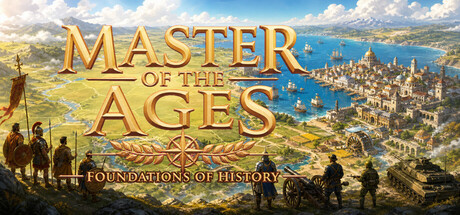
Master of the Ages is a grand strategy game engineered by a solo developer with 15+ years of senior software engineering and programming competition experience. To achieve grand-strategy scale as a single creator, a generative AI workflow was utilized to co-design the code architecture and write the codebase under the developer's supervision, backed by a rigorous framework of over 2,500 automated tests to catch edge-case bugs and prevent regressions during development. Generative AI was also used to produce all player-facing graphics (including all unit, building, and technology assets) and generate the historical text layers.
Some 2D visual assets in Hollow Stars were created with the help of generative AI image tools during development. This includes parts of the store and marketing artwork, the achievement icons, and background art used in the game's cinematic intro. Every AI-assisted asset was reviewed, edited and curated by the development team before release.
Generative AI is not used while you play. The game runs no generative AI at runtime — the in-game faction "AI" is a fully deterministic, rule-based simulation, not a generative model. No player input or data is sent to any AI service.
Generative AI tools were used to assist with localization drafts, wording review, store text preparation, research into real-world goods and price references, code debugging, and optimization suggestions. All final text, translations, game design, data, UI implementation, pricing decisions, and release decisions are reviewed and controlled by the developer.
Generative AI was used strictly as an assistive tool during development. It was utilized to help debug code, optimize scripts, and generate minor background visual elements. All core gameplay mechanics, main graphics, story, and game design were created entirely by the developer.
AI tools were used to create promotional visuals (capsule artwork) and in-game character voice lines (ElevenLabs text-to-speech). All game design, code, 3D models, and gameplay were created by the developer
Generative AI tools, including GPT/Codex, were used during development to create, draft, edit, and process pre-generated game content, including UI text, localization drafts, icons, interface assets, store copy, planning materials, QA materials, and code assistance.
All AI-assisted content included in the game or marketing materials was reviewed, selected, edited, and integrated by the developer before publication.
The game does not include live-generated AI content, AI chatbots, runtime AI generation, or in-game AI image generation.
AI tools were used to assist in creating some store page descriptions and promotional graphics. The game itself does not use AI-generated content during gameplay.
Some marketing artwork on this store page (capsule images, library hero, page background) was generated with AI image tools and then composited with vector-rendered typography. No AI-generated content ships inside the game itself. All player names, team names, draft classes, and simulation outcomes are produced by procedural algorithms with a seeded random number generator, not by AI models.
Pre-generated AI-assisted artwork is used for fictional chess player avatars and selected promotional visuals. These assets are reviewed before inclusion. No live generative AI is used during gameplay.
The visuals created for Steam were designed with the help of artificial intelligence. In-game and store page translations were done using artificial intelligence. Partial support was provided.
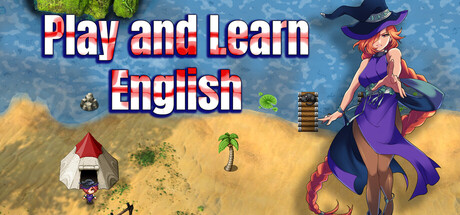
Some of the English text content and translations in this game were created with the help of generative AI tools. All text has been reviewed and edited by our development team to ensure accuracy and educational quality.
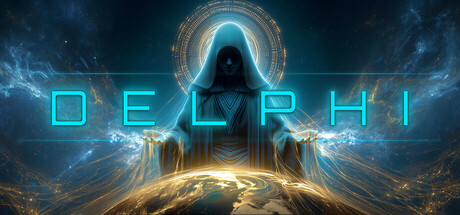
Delphi uses Midjourney for illustrated artwork (cards, events, key art, capsule art) and Kling for image-to-video trailer animation, all curated and edited by the developer. UI artwork is hand-made by a credited human artist.
No AI is used in design, writing, narrative or gameplay, and no AI runs at runtime — all in-game content is human-written static data.
Generative AI was used to create initial game art concepts and certain marketing materials. Final in-game assets were reviewed and modified by the development team.
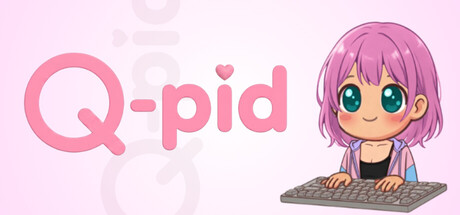
AI tools were utilized during the development of this application for programming code architecture, store description translations, and the creation of core visual content including avatar illustrations, outfits, and graphic assets.
Based on these AI-generated visuals, we carefully handcrafted the layered asset separation and implemented real-time motion synchronization with keyboard and gamepad inputs to optimize it as a streamer tool.
We have conducted thorough reviews regarding rights and usage to ensure that users can safely and freely use these avatars, including for commercial streaming purposes.
Generative AI tools were utilized during development to assist with writing, troubleshooting, and optimizing game code. Additionally, AI was used as a supplementary tool in the creation of certain graphical assets and sound effects. All AI-generated graphics and audio were manually reviewed, edited, and modified by the developer to ensure they fit seamlessly into the game's retro aesthetic and overall atmosphere.
Generative AI was used to create character portraits and voice-over narration logs in all supported languages. All generated content was subsequently reviewed, edited, and manually integrated into the project to ensure narrative consistency.
Artificial intelligence was used to create the game. With the help of ChatGPT, we were able to analyze and organize several thousand messages from eco-volunteer chat groups, as well as dozens of media articles, podcasts, and vlogs about the spill. All of this was necessary to identify key events, troubling themes, and the moods of people involved in disaster response, and was used by a human author to further develop the plot and dialogue. The images were created using Midjourney. Photos of real landscapes, but not people, were used to generate prompts. The game’s music was generated in Stability AI. The code to adapt the existing game structure to the Ren’py framework was written using Cursor AI.
The Moment of Panic uses generative artificial intelligence during gameplay to power its AI advisor characters. These locally running, open-source LLM-based advisors respond to intelligence signals, argue from assigned personalities, and attempt to influence the player’s decisions. Core game logic, threat truth, scoring, win/loss conditions, and outcomes are controlled by the game itself, not by the language model. Generative AI is used for dynamic in-game text responses only, and for some images shown alongside that text. Images are not generated at runtime.
Some visual assets used in this game, including character artwork, background images, UI-related artwork, and promotional images, were created or enhanced with the assistance of generative AI tools during development.
All AI-assisted assets were reviewed, selected, edited, and integrated by the development team before being included in the final game. The game does not generate AI content in real time during gameplay.
This game was developed with the assistance of an AI language model, including store page content, level design, in-game descriptions, code, and game mechanics. All creative direction and final decisions were made by the developer.
This game uses pre-generated AI only for certain UI background images and promotional store visuals. These assets were created before release and remain fixed. The game does not include any live AI generation during gameplay.
Some 2D art (such as cosmetic items) and the background music were created using generative AI tools based on developer reference images, then reviewed and edited by the developer. No AI runs during gameplay.
This game uses AI-generated fighter portraits and promotional artwork. All AI content is pre-generated and included with the game. No AI content is generated live during gameplay.
Generative AI was used during the development process to create static 2D illustrations of various types of buildings that serve as project previews in the game interface.
Marketing resources (storage capsules) were also created using AI to generate images.
AI Usage Disclosure
Human-like characters are AI-generated and do not represent real individuals. Visuals and gameplay systems were developed with AI assistance. All creative decisions were made by the developer.
Master of the Ages is a grand strategy game engineered by a solo developer with 15+ years of senior software engineering and programming competition experience. To achieve grand-strategy scale as a single creator, a generative AI workflow was utilized to co-design the code architecture and write the codebase under the developer's supervision, backed by a rigorous framework of over 2,500 automated tests to catch edge-case bugs and prevent regressions during development. Generative AI was also used to produce all player-facing graphics (including all unit, building, and technology assets) and generate the historical text layers.
Some 2D visual assets in Hollow Stars were created with the help of generative AI image tools during development. This includes parts of the store and marketing artwork, the achievement icons, and background art used in the game's cinematic intro. Every AI-assisted asset was reviewed, edited and curated by the development team before release.
Generative AI is not used while you play. The game runs no generative AI at runtime — the in-game faction "AI" is a fully deterministic, rule-based simulation, not a generative model. No player input or data is sent to any AI service.
Generative AI tools were used to assist with localization drafts, wording review, store text preparation, research into real-world goods and price references, code debugging, and optimization suggestions. All final text, translations, game design, data, UI implementation, pricing decisions, and release decisions are reviewed and controlled by the developer.
Generative AI was used strictly as an assistive tool during development. It was utilized to help debug code, optimize scripts, and generate minor background visual elements. All core gameplay mechanics, main graphics, story, and game design were created entirely by the developer.
AI tools were used to create promotional visuals (capsule artwork) and in-game character voice lines (ElevenLabs text-to-speech). All game design, code, 3D models, and gameplay were created by the developer
Generative AI tools, including GPT/Codex, were used during development to create, draft, edit, and process pre-generated game content, including UI text, localization drafts, icons, interface assets, store copy, planning materials, QA materials, and code assistance.
All AI-assisted content included in the game or marketing materials was reviewed, selected, edited, and integrated by the developer before publication.
The game does not include live-generated AI content, AI chatbots, runtime AI generation, or in-game AI image generation.
AI tools were used to assist in creating some store page descriptions and promotional graphics. The game itself does not use AI-generated content during gameplay.
Some marketing artwork on this store page (capsule images, library hero, page background) was generated with AI image tools and then composited with vector-rendered typography. No AI-generated content ships inside the game itself. All player names, team names, draft classes, and simulation outcomes are produced by procedural algorithms with a seeded random number generator, not by AI models.
Pre-generated AI-assisted artwork is used for fictional chess player avatars and selected promotional visuals. These assets are reviewed before inclusion. No live generative AI is used during gameplay.
The visuals created for Steam were designed with the help of artificial intelligence. In-game and store page translations were done using artificial intelligence. Partial support was provided.
Some of the English text content and translations in this game were created with the help of generative AI tools. All text has been reviewed and edited by our development team to ensure accuracy and educational quality.
Delphi uses Midjourney for illustrated artwork (cards, events, key art, capsule art) and Kling for image-to-video trailer animation, all curated and edited by the developer. UI artwork is hand-made by a credited human artist.
No AI is used in design, writing, narrative or gameplay, and no AI runs at runtime — all in-game content is human-written static data.
Generative AI was used to create initial game art concepts and certain marketing materials. Final in-game assets were reviewed and modified by the development team.
AI tools were utilized during the development of this application for programming code architecture, store description translations, and the creation of core visual content including avatar illustrations, outfits, and graphic assets.
Based on these AI-generated visuals, we carefully handcrafted the layered asset separation and implemented real-time motion synchronization with keyboard and gamepad inputs to optimize it as a streamer tool.
We have conducted thorough reviews regarding rights and usage to ensure that users can safely and freely use these avatars, including for commercial streaming purposes.