








Disclosure
The game's music was generated using artificial intelligence.
- Creator
- Leakage Games
- Reviews
- -
- Added
- Jul 30, 2026
Public Steam disclosure research 25,706 disclosures tracked
Search developers’ Steam disclosures, compare classified AI use across games, and follow recorded changes. This index adds cross-game classifications and statistics to statements published on individual store pages.
Code help, debugging and other development work.
Capsule art, trailers and promotional material.
Pre-made art, audio, writing and other game assets.
Interactive or runtime AI features disclosed by the developer.
Groups reflect automatic analysis of public disclosures; mature records are excluded. These counts do not measure AI use across all of Steam. Missing or unclear statements cannot establish whether a game uses AI.
The game's music was generated using artificial intelligence.
This is a text-based game; the illustrative background images were created using a combination of AI technology and Photoshop, the character sprites were hand-drawn and colored using AI, and the music was composed and produced using AI tools.
i used ai to do the images for me
This game was developed by a single person, with support from artificial intelligence in various areas.
Generative AI was used in the game for (a) Generating dialogs and translations (b) Generating game backgrounds, character art and tiles etc (c) Generating Music.
Generative AI was used during game development to create images and musical accompaniment.
We use generative AI to generate and enchance existing UI Assets as well as helping us generate our logos and sprites as we don't have a artist for this.
SELF//FORK used AI to generate the main character from a description. It was later redrawn by human hands, but the initial sketches were AI-generated.
Some upgrade illustrations Background music Some sound effects Some text localization
Art Assets: We use generative AI tools to assist in the creation of store page assets (capsules). Localization: We use AI-powered tools to assist in translating and localizing game text into various languages.
Some of the 2D artwork for this game was created with the assistance of generative AI image tools. This includes the Steam store page capsule and library images, the game logo, and some small 2D product icons used in-game. All AI-generated output was manually reviewed, edited and composited by the developer before use. All 3D models, environments, gameplay systems and code were created without generative AI. No content is generated by AI while the game is running.
During development, generative AI was used to assist with creating placeholder artwork, text, and portions of the game's code. All AI-generated content was reviewed, edited, and integrated by the development team, and we confirm that the final content does not knowingly infringe the intellectual property rights of others.
Allows NPCs to have voice-based real-time conversation with the player
Some content in this game is AI-generated.
Generative AI tools were used solely for programming assistance, code review, debugging, and technical problem-solving during development. They were not used to generate visual or audio assets. No content or code is generated by AI during gameplay, and the game does not connect to external AI services. All AI-assisted code was reviewed, tested, and integrated by the developer.
Generative AI tools were used as supportive measures during the development process in the following areas: - Localization: AI was used to assist with text translation and editing across supported languages. - Sound Design: AI tools may be used for generating foundational sound elements.
We use generative AI tools to help develop some in game assets and translation.
Generative AI was used to assist in creating some UI elements and sound effects. All AI-generated assets were reviewed and edited by the developer before being included in the game.
Some of the sound effects in this game were created using a commercially licensed generative AI audio tool. Nothing is generated by AI while you play.
Some store page promotional artwork may include AI generated or AI-assisted elements. These materials are limited to store/marketing presentation assets and are not part of the gameplay content.
About the Use of AI in the Game AI-assisted tools have been used in various aspects of this project's development process. Programming: AI-assisted tools were used during the development of game systems, user interfaces, and various technical features. The generated code was reviewed, edited, tested, and adapted to the project's needs by the development team. Visuals: AI tools were used in the creation of certain concept designs, environment artwork, and visual content. However, all content was reviewed, refined, and adapted to fit the artistic direction of the project by the development team. Creative Process: The development process generally follows three stages. First, the game concept, environment designs, and core creative decisions are created by the team. AI tools are then used to generate alternative ideas, variations, and more detailed iterations of existing concepts. Finally, all results are reviewed, refined, and improved through manual quality control processes. For example, some environment designs begin with compositions and layouts created by the team. AI tools may then be used to assist with additional detailing, after which the final adjustments and refinements are completed manually. Our goal is to use AI as a tool that supports the creative process while ensuring that all creative decisions, project direction, and final quality control remain under human supervision.
Pip Sellfish is made by one person. I used generative AI tools during development to help create some of the game's assets, such as artwork and music, every asset was hand-picked and integrated by me. No AI is used at runtime: nothing is generated while you play.
AI was used for some translations, music, and visual assets. The game does not create AI-generated content during gameplay, and AI was not used to write the game’s code.
Generative AI was used to assist with initial drafts of some localized text. All final translations were manually reviewed and edited. No AI-generated artwork, animation, audio, code, or live-generated content is included in the game. All visual assets shown in the game and on the store page were created by human artists.
Generative AI tools were used to assist in creating some pre-generated 2D visual assets and promotional artwork. All generated material was selected, edited, composited, and integrated by the developer. The game does not generate AI content during gameplay and does not send player data to generative AI services.
Promotional artwork, Steam capsules, and certain marketing images were created with the assistance of generative AI and then reviewed, edited, and curated by PhoenixGold Game Studios. All gameplay, code, mechanics, characters, and in-game content were designed and implemented by the development team.
AI was used during development to help with visual and sound effects.
Some elements translated by AI or inspired by AI.
Generative AI tools were used during development to assist with portions of the game's pre-generated 2D artwork, UI assets, localization, code, and promotional materials. All output was reviewed, edited, and integrated by the developer. The game does not generate AI content during gameplay.
The game to contain art assets generated by artificial intelligence
Used only for cover images.
Some item names and interface translations into languages other than English were created with AI assistance, then carefully reviewed and edited by the developer. Parts of the 2D artwork were created with image generation tools, then carefully curated, edited, and composited by hand. Audio was created by people and comes from CC0-licensed sources with attribution. No AI content is generated during gameplay. The game does not generate AI content at runtime, and no player data is ever sent to any AI service.
A small amount of artwork, the soundtrack, and voiceovers were generated with AI.
AI tools assisted with coding and select supporting visual assets. All writing, mechanics, systems, and game design are original.
Cassette and movie posters are made by AI
Generative AI tools were used during development to assist with the creation and editing of some pre-generated visual assets, sound effects, and Steam Store page text. All AI-assisted content was reviewed, selected, and edited by the developer before being included. The game does not generate content using AI during gameplay.
Some background illustrations were created with generative AI and edited/selected by the developer.
The character and UI are generated by AI, at least before 1.0 version
Generative AI tools were used during development to assist in creating the following assets: - Text translation - Background music - Background and cat images All AI-generated content was thoroughly reviewed, adjusted, and edited by the developer to ensure quality and compliance with all applicable licenses.
Generative AI was used during development to create 22 music tracks with AI music-generation tools licensed for commercial use and to draft portions of the non-English localization and store-page text. All AI-assisted material has been reviewed and finalized by the developer. The game does not generate content or code with AI during play and does not connect to external AI services at runtime.
This game uses generative AI tools (such as PixelLab) during development to create or assist with some pre-rendered pixel art: enemy/character sprites, UI panels, visual effects, and certain store or marketing stills. There is no live generative AI during gameplay. The game does not generate images, text, or audio with AI while you play.
The game's art and audio content — including visual assets, UI elements, and store page artwork — was generated with the assistance of AI tools during development and then refined by the team. All AI-generated content was created during development; the game does not generate content while you play.
Generative AI was used to create promotional store artwork and marketing images. The released gameplay does not use real-time generative AI.
AI is used to assist in generating images and translating text.
AI tools were used during development to assist with writing code, and to produce two categories of content shipped with the game: the original synthwave soundtrack (composed with AI music generation, curated and selected by the developer) and the interface translations for the non-English languages (reviewed by the developer). Some store page text was also drafted with AI assistance. All in-game worlds are generated procedurally by hand-written algorithms — no AI content is generated at runtime.
AI was used to generate code, assets, graphics and sounds.
Ruthless Returns is a solo-developed game built and refined over hundreds of hours. The original version was created on paper in 2022, but at the time I did not have the resources to turn it into a full game. Early prototypes used licensed images with a simple painted treatment. It worked, but the visual style was ultimately shaped by whatever suitable assets were available. Generative AI made it possible to create artwork specifically for Ruthless Returns and give the game a much more consistent look and feel from top to bottom. AI was used for the card artwork and character voices. That also made it possible for me to finally turn the original paper concept into a PC game. If players enjoy it, I hope to take it full circle and eventually produce Ruthless Returns as a physical board game. Balancing combines extensive human playtesting with more than 500,000 simulated games. The simulations were used to analyze win rates, card strength, strategies and interactions across a much larger number of matches than manual playtesting alone could realistically cover.
Generative AI was used during the development process to assist in writing the game's story, dialogue, and optimizing parts of the game code.
This game uses generative AI. Some art, UI text and pet quotes were made with AI assistance and human-reviewed. The optional AI Fusion feature uses your own local Claude Code / Codex CLI to design creatures (restricted parametric vector art, schema-validated), shown on your machine and optionally shared via Steam Workshop. No online AI service, no API key.
Generative AI is used solely to assist with localization and translation work. The game does not use AI-generated art, audio, or real-time in-game content.
| Title⇅ | Disclosure | Creator⇅ | Src | Reviews⇅ | Added↓ |
|---|---|---|---|---|---|
 VERAKORIA In-game content audio | The game's music was generated using artificial intelligence. | Leakage Games | - | Jul 30, 2026 | |
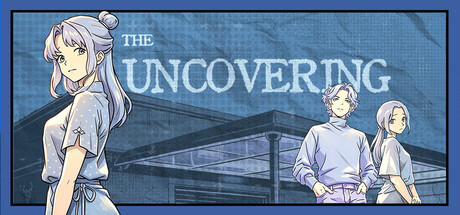 案件推演 In-game content artaudio | This is a text-based game; the illustrative background images were created using a combination of AI technology and Photoshop, the character sprites were hand-drawn and colored using AI, and the music was composed and produced using AI tools. | Ashcade Studio | - | Jul 30, 2026 | |
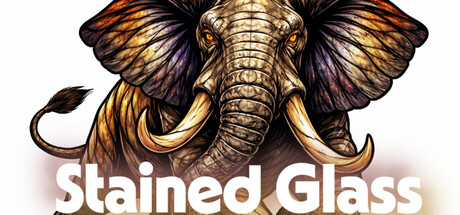 Stained Glass Unclear art | i used ai to do the images for me | Me (Fraser) | - | Jul 30, 2026 | |
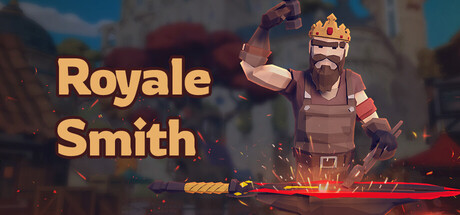 Royale Smith Unclear | This game was developed by a single person, with support from artificial intelligence in various areas. | Poison Mushroom Interactive | - | Jul 30, 2026 | |
 Tower Of Wishes 5: Indonesia In-game content textartaudio | Generative AI was used in the game for (a) Generating dialogs and translations (b) Generating game backgrounds, character art and tiles etc (c) Generating Music. | Ironcode Gaming | - | Jul 30, 2026 | |
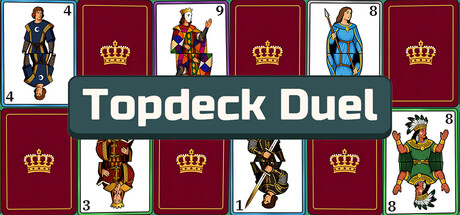 Topdeck Duel In-game content artaudio | Generative AI was used during game development to create images and musical accompaniment. | One Ink Studio | - | Jul 30, 2026 | |
 Seyrfall Online In-game content art | We use generative AI to generate and enchance existing UI Assets as well as helping us generate our logos and sprites as we don't have a artist for this. | Shaken Studio | - | Jul 30, 2026 | |
 SELF//FORK In-game content art | SELF//FORK used AI to generate the main character from a description. It was later redrawn by human hands, but the initial sketches were AI-generated. | Helen Allien Poe | - | Jul 30, 2026 | |
 Antarctic Showdown In-game content artaudiotext | Some upgrade illustrations
Background music
Some sound effects
Some text localization | znlfxm | - | Jul 30, 2026 | |
 Tire Service Simulator In-game content arttext | Art Assets: We use generative AI tools to assist in the creation of store page assets (capsules).
Localization: We use AI-powered tools to assist in translating and localizing game text into various languages. | 3DeadLine | - | Jul 30, 2026 | |
 Warehouse Chaos Simulator art | Some of the 2D artwork for this game was created with the assistance of
generative AI image tools. This includes the Steam store page capsule and
library images, the game logo, and some small 2D product icons used in-game.
All AI-generated output was manually reviewed, edited and composited by the
developer before use. All 3D models, environments, gameplay systems and code
were created without generative AI. No content is generated by AI while the
game is running. | BB GAMES | - | Jul 30, 2026 | |
 The Leaderboard In-game content arttextcode | During development, generative AI was used to assist with creating placeholder artwork, text, and portions of the game's code. All AI-generated content was reviewed, edited, and integrated by the development team, and we confirm that the final content does not knowingly infringe the intellectual property rights of others. | ForgeByteLabs | - | Jul 30, 2026 | |
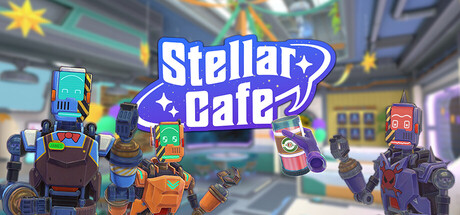 Stellar Cafe Live AI audio | Allows NPCs to have voice-based real-time conversation with the player | AstroBeam | - | Jul 30, 2026 | |
 Zoollision Unclear | Some content in this game is AI-generated. | Zgotha | - | Jul 30, 2026 | |
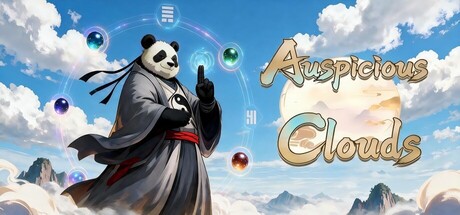 祥之云三界 Dev only code | Generative AI tools were used solely for programming assistance, code review, debugging, and technical problem-solving during development. They were not used to generate visual or audio assets. No content or code is generated by AI during gameplay, and the game does not connect to external AI services. All AI-assisted code was reviewed, tested, and integrated by the developer. | Gameplaywolf_G | - | Jul 30, 2026 | |
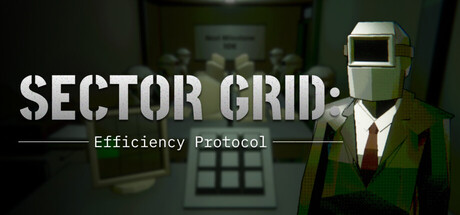 SECTOR GRID: Efficiency Protocol In-game content textaudio | Generative AI tools were used as supportive measures during the development process in the following areas:
- Localization: AI was used to assist with text translation and editing across supported languages.
- Sound Design: AI tools may be used for generating foundational sound elements. | ovov games | - | Jul 30, 2026 | |
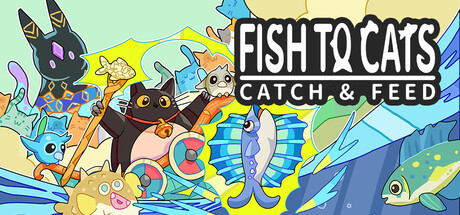 Fish to Cats: Catch & Feed In-game content arttext | We use generative AI tools to help develop some in game assets and translation. | Kygua Tech | 168 | Jul 30, 2026 | |
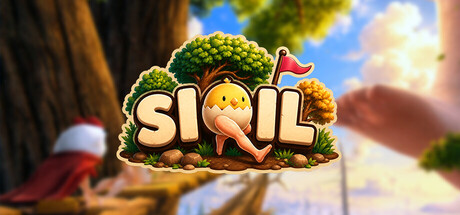 SIQIL In-game content artaudio | Generative AI was used to assist in creating some UI elements and sound effects. All AI-generated assets were reviewed and edited by the developer before being included in the game. | Arcerus | - | Jul 30, 2026 | |
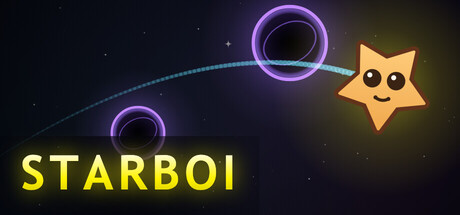 Starboi In-game content audio | Some of the sound effects in this game were created using a commercially licensed generative AI audio tool. Nothing is generated by AI while you play. | Turtlevania Games | - | Jul 30, 2026 | |
 Landscaper Simulator Store/marketing art | Some store page promotional artwork may include AI generated or AI-assisted elements. These materials are limited to store/marketing presentation assets and are not part of the gameplay content. | Midnight Game Studios | 140 | Jul 30, 2026 | |
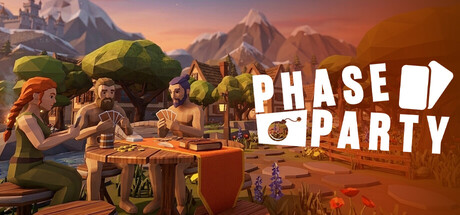 Phase Party Dev only artcode | About the Use of AI in the Game
AI-assisted tools have been used in various aspects of this project's development process.
Programming: AI-assisted tools were used during the development of game systems, user interfaces, and various technical features. The generated code was reviewed, edited, tested, and adapted to the project's needs by the development team.
Visuals: AI tools were used in the creation of certain concept designs, environment artwork, and visual content. However, all content was reviewed, refined, and adapted to fit the artistic direction of the project by the development team.
Creative Process: The development process generally follows three stages. First, the game concept, environment designs, and core creative decisions are created by the team. AI tools are then used to generate alternative ideas, variations, and more detailed iterations of existing concepts. Finally, all results are reviewed, refined, and improved through manual quality control processes.
For example, some environment designs begin with compositions and layouts created by the team. AI tools may then be used to assist with additional detailing, after which the final adjustments and refinements are completed manually.
Our goal is to use AI as a tool that supports the creative process while ensuring that all creative decisions, project direction, and final quality control remain under human supervision. | Estimado Studio | - | Jul 30, 2026 | |
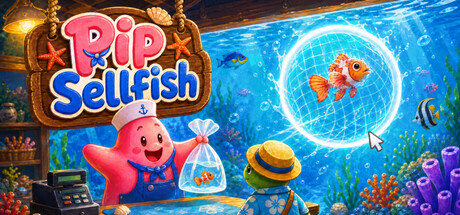 Pip Sellfish In-game content artaudio | Pip Sellfish is made by one person. I used generative AI tools during development to help create some of the game's assets, such as artwork and music, every asset was hand-picked and integrated by me. No AI is used at runtime: nothing is generated while you play. | Wombart | - | Jul 30, 2026 | |
 Low-Budget Repairs In-game content textaudioart | AI was used for some translations, music, and visual assets. The game does not create AI-generated content during gameplay, and AI was not used to write the game’s code. | Gray2RGB | 1.9k | Jul 30, 2026 | |
 Ricochet Abyss In-game content text | Generative AI was used to assist with initial drafts of some localized text. All final translations were manually reviewed and edited.
No AI-generated artwork, animation, audio, code, or live-generated content is included in the game. All visual assets shown in the game and on the store page were created by human artists. | DreamForge | 65 | Jul 30, 2026 | |
 Roguelike Bricks Store/marketing art | Generative AI tools were used to assist in creating some pre-generated 2D visual assets and promotional artwork. All generated material was selected, edited, composited, and integrated by the developer. The game does not generate AI content during gameplay and does not send player data to generative AI services. | Hunmo | - | Jul 29, 2026 | |
 Eucalyptus Edge: MegaBlast Mayhem In-game content art | Promotional artwork, Steam capsules, and certain marketing images were created with the assistance of generative AI and then reviewed, edited, and curated by PhoenixGold Game Studios. All gameplay, code, mechanics, characters, and in-game content were designed and implemented by the development team. | PhoenixGold Game Studios | - | Jul 29, 2026 | |
 Miners, Moos & Miracles Unclear artaudio | AI was used during development to help with visual and sound effects. | mendlogames | - | Jul 29, 2026 | |
 Fantasy Cartographer Unclear text | Some elements translated by AI or inspired by AI. | LapRPG | - | Jul 29, 2026 | |
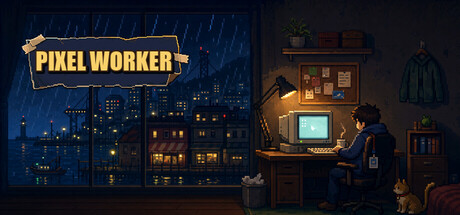 Pixel Worker In-game content arttextcode | Generative AI tools were used during development to assist with portions of the game's pre-generated 2D artwork, UI assets, localization, code, and promotional materials. All output was reviewed, edited, and integrated by the developer. The game does not generate AI content during gameplay. | DogSoul Games | - | Jul 29, 2026 | |
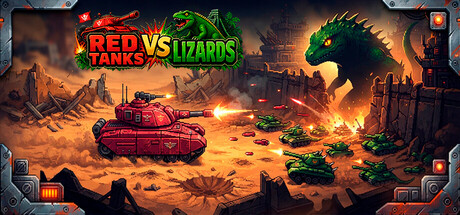 Red Tanks vs Lizard In-game content art | The game to contain art assets generated by artificial intelligence | Gamesforgames | - | Jul 29, 2026 | |
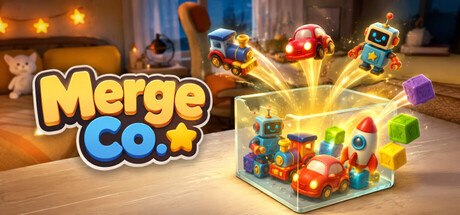 Merge Co. Store/marketing art | Used only for cover images. | SilverSet Studios LTD. | - | Jul 29, 2026 | |
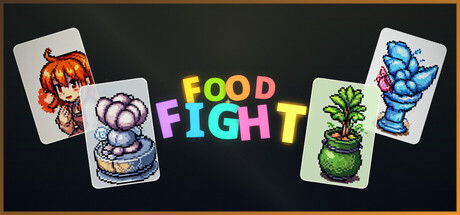 Food Fight In-game content textart | Some item names and interface translations into languages other than English were created
with AI assistance, then carefully reviewed and edited by the developer. Parts of the 2D
artwork were created with image generation tools, then carefully curated, edited, and
composited by hand. Audio was created by people and comes from CC0-licensed sources with
attribution. No AI content is generated during gameplay. The game does not generate AI
content at runtime, and no player data is ever sent to any AI service. | Midnight Pixel | - | Jul 29, 2026 | |
 First Light In-game content artaudio | A small amount of artwork, the soundtrack, and voiceovers were generated with AI. | Ephphatha Games | - | Jul 29, 2026 | |
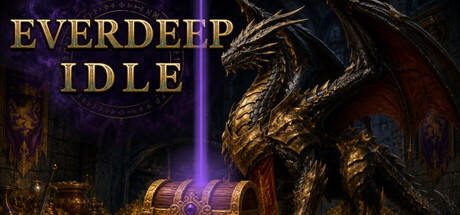 Everdeep Idle Dev only artcode | AI tools assisted with coding and select supporting visual assets. All writing, mechanics, systems, and game design are original. | SeveredGD | - | Jul 29, 2026 | |
 Shelf Happens Store/marketing art | Cassette and movie posters are made by AI | NurRam | - | Jul 29, 2026 | |
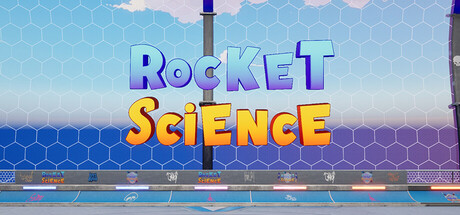 ROCKET SCIENCE In-game content artaudiotext | Generative AI tools were used during development to assist with the creation and editing of some pre-generated visual assets, sound effects, and Steam Store page text. All AI-assisted content was reviewed, selected, and edited by the developer before being included. The game does not generate content using AI during gameplay. | Macrobot Software | - | Jul 29, 2026 | |
 Flak Duty In-game content art | Some background illustrations were created with generative AI and edited/selected by the developer. | emagnetic | - | Jul 29, 2026 | |
 Reaching for The Star In-game content art | The character and UI are generated by AI, at least before 1.0 version | Galygenki Games LLC | - | Jul 29, 2026 | |
 WIND CAT SOLITAIRE In-game content textaudioart | Generative AI tools were used during development to assist in creating the following assets:
- Text translation
- Background music
- Background and cat images
All AI-generated content was thoroughly reviewed, adjusted, and edited by the developer to ensure quality and compliance with all applicable licenses. | Kazeneko Games | - | Jul 29, 2026 | |
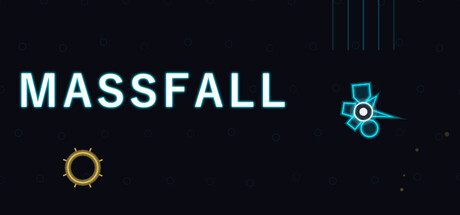 MASSFALL In-game content audiotext | Generative AI was used during development to create 22 music tracks with AI music-generation tools licensed for commercial use and to draft portions of the non-English localization and store-page text. All AI-assisted material has been reviewed and finalized by the developer. The game does not generate content or code with AI during play and does not connect to external AI services at runtime. | wagyalab | - | Jul 29, 2026 | |
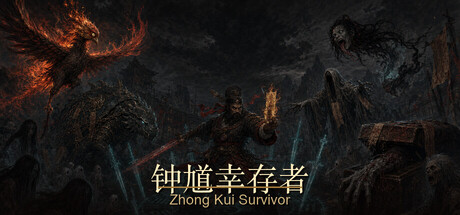 钟馗幸存者 In-game content art | This game uses generative AI tools (such as PixelLab) during development to create or assist with some pre-rendered pixel art: enemy/character sprites, UI panels, visual effects, and certain store or marketing stills.
There is no live generative AI during gameplay. The game does not generate images, text, or audio with AI while you play. | fanyifan | - | Jul 29, 2026 | |
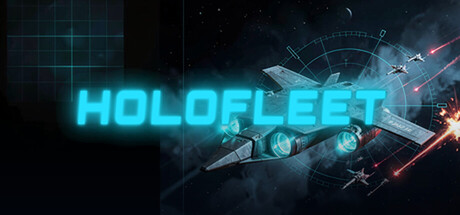 HOLOFLEET In-game content art | The game's art and audio content — including visual assets, UI elements, and store page artwork — was generated with the assistance of AI tools during development and then refined by the team. All AI-generated content was created during development; the game does not generate content while you play. | ioStudios | - | Jul 29, 2026 | |
 Graveyard Drift Store/marketing art | Generative AI was used to create promotional store artwork and marketing images. The released gameplay does not use real-time generative AI. | Graveyard Drift Studio | - | Jul 29, 2026 | |
 Rogue Link Loop In-game content arttext | AI is used to assist in generating images and translating text. | 淡耀 | - | Jul 29, 2026 | |
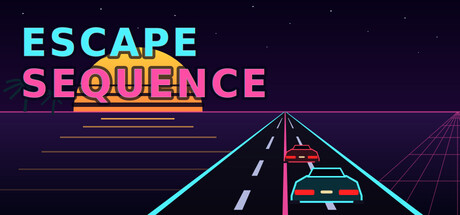 Escape Sequence In-game content audiotext | AI tools were used during development to assist with writing code, and to produce two categories of content shipped with the game: the original synthwave soundtrack (composed with AI music generation, curated and selected by the developer) and the interface translations for the non-English languages (reviewed by the developer). Some store page text was also drafted with AI assistance. All in-game worlds are generated procedurally by hand-written algorithms — no AI content is generated at runtime. | One Mind Games | - | Jul 29, 2026 | |
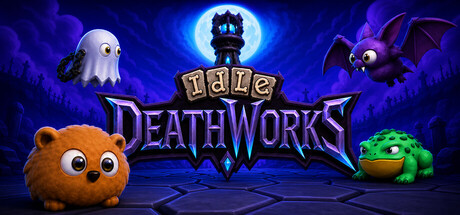 Idle Deathworks In-game content artaudiocode | AI was used to generate code, assets, graphics and sounds. | NiutNiut Games | - | Jul 29, 2026 | |
 Ruthless Returns In-game content artaudio | Ruthless Returns is a solo-developed game built and refined over hundreds of hours. The original version was created on paper in 2022, but at the time I did not have the resources to turn it into a full game.
Early prototypes used licensed images with a simple painted treatment. It worked, but the visual style was ultimately shaped by whatever suitable assets were available. Generative AI made it possible to create artwork specifically for Ruthless Returns and give the game a much more consistent look and feel from top to bottom. AI was used for the card artwork and character voices.
That also made it possible for me to finally turn the original paper concept into a PC game. If players enjoy it, I hope to take it full circle and eventually produce Ruthless Returns as a physical board game.
Balancing combines extensive human playtesting with more than 500,000 simulated games. The simulations were used to analyze win rates, card strength, strategies and interactions across a much larger number of matches than manual playtesting alone could realistically cover. | South Harbour Studios | - | Jul 29, 2026 | |
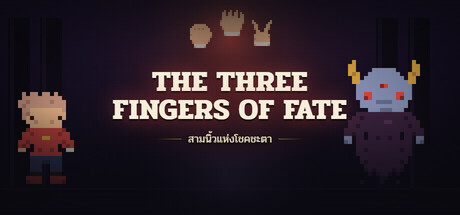 The Three Fingers of Fate In-game content textcode | Generative AI was used during the development process to assist in writing the game's story, dialogue, and optimizing parts of the game code. | Aisariya | - | Jul 29, 2026 | |
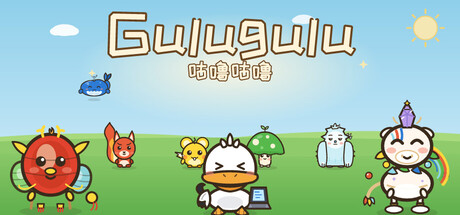 Gulugulu Live AI arttext | This game uses generative AI. Some art, UI text and pet quotes were made with AI assistance and human-reviewed. The optional AI Fusion feature uses your own local Claude Code / Codex CLI to design creatures (restricted parametric vector art, schema-validated), shown on your machine and optionally shared via Steam Workshop. No online AI service, no API key. | Mobi Studio | - | Jul 29, 2026 | |
 Desktop Gankai In-game content text | Generative AI is used solely to assist with localization and translation work. The game does not use AI-generated art, audio, or real-time in-game content. | Pulsaris Games | - | Jul 29, 2026 |


