





Disclosure
Some voice overs or 2d artwork has been generated with the assistance of AI.
- Creator
- Astracolyptic
- Reviews
- -
- Added
- Jun 3, 2026
Public Steam disclosure research 25,710 disclosures tracked
Search developers’ Steam disclosures, compare classified AI use across games, and follow recorded changes. This index adds cross-game classifications and statistics to statements published on individual store pages.
Code help, debugging and other development work.
Capsule art, trailers and promotional material.
Pre-made art, audio, writing and other game assets.
Interactive or runtime AI features disclosed by the developer.
Groups reflect automatic analysis of public disclosures; mature records are excluded. These counts do not measure AI use across all of Steam. Missing or unclear statements cannot establish whether a game uses AI.
Some voice overs or 2d artwork has been generated with the assistance of AI.
Generative AI was used to bake NPC clothing.
AI is used to generate the game icons and a small portion of the game models.
Some artwork in Capyverse Odyssey was created with assistance from generative AI tools and further refined, polished, and modified by the studio’s artists and development team. Final gameplay systems, design, programming, and core game content are developed by Metazooie Studios.
The music was generated by AI and can be turned off.
Generative AI was used only during production for early concept exploration and the creation of some promotional asset drafts. The game does not use generative AI during gameplay. All core in-game assets were manually reviewed, edited, and reworked by human artists.
Generative AI tools were used during development to assist with portions of the game's programming workflow, including prototyping, debugging, and code iteration. All code is reviewed, modified, integrated, and validated by the developer.
I'm a solo developer. Without AI tools, this game would not exist — the art, music, and copy would have been unaffordable to commission and impossible for me to produce alone. AI let me focus on what I actually built by hand: the game design, the mechanics, the 181 tomes, the scoring engine, the balance, the words. What's AI-generated: • Visual art (backgrounds, character portraits, tome/scroll/blessing illustrations, store page art) — generated with AI image tools, curated and selected by me • Music — generated with AI audio tools, curated and selected by me • Some flavor text and descriptive copy — drafted with AI assistance, edited by me What's not AI: • The game itself — every system, mechanic, balance number, character design, and core decision is mine • The dictionary, the tile distributions, the scoring math, the run structure, the boss fights — hand-built • The code — written by me with the help of AI assistants the same way any modern developer uses them No AI runs at runtime. Nothing is generated for you on the fly during play. Everything you see was reviewed before it shipped.
I have used AI Image generation for Illustration and Icons.
There's a local Large Language Model that integrates with the game's systems and is used primarily for but not limited to dialogue generation. Several other uses are planned, including localization. AI has been used for coding and in a limited capacity for creating placeholder assets that will be replaced at a later date.
Generative AI was used during development to assist with some visual concept art, store page images, and marketing assets. All AI-assisted content is manually reviewed, edited, and curated by the developer. The game does not include real-time generative AI content.
Dead Sector's in-game rank insignia icons, app icon, and Steam store graphics were produced procedurally via custom Python rendering scripts (PIL and resvg) authored with AI coding assistance. The output is deterministic vector and raster compositing, not generative-AI imagery. No image, audio, or animation generation models were used in any content shipped with the game. Game design, mechanics design and logic are original developer work.
Some visual assets, store assets, localization drafts, and marketing materials for SEO OR DIE were created or enhanced with the assistance of generative AI tools. All AI-assisted content was reviewed, edited, and integrated by the developer to match the game's final art direction, narrative tone, and quality standards. The game does not use real-time AI generation during gameplay.
Generative AI tools were used during development to create selected promotional graphics and visual materials. The game does not use generative AI during gameplay.
part of the images and videos generated by ai tools, there is no realtime ai in the game.
This game uses generative artificial intelligence (AI) to create some of its visual art assets. Certain in-game images and illustrations were partially generated with the assistance of AI-based painting tools.
Visual assets used in this game were created with the assistance of generative AI and were curated, edited, and integrated by the developer.
Limited use of generative AI tools was made in the production of certain sound assets and localized text during development.
Kingdom of Ashes uses generative AI for select visual assets: • Character portraits, enemy sprites, card illustrations, and background art were generated using Microsoft Copilot and then curated, composited, and refined by the developer for use in the game. All gameplay code, mechanics, narrative text, and game design were created by the developer. No AI content is generated live during gameplay, and the game does not connect to any third-party AI service at runtime — all AI-generated visuals were finalized during development and ship as static assets.
Based on the developer's original creative direction, AI tools were used to generate the game's store page capsule images, soundtrack, and the non-English in-game text translations. AI coding assistance supported programming during development.
Visual assets in the game, including static and animated artwork, were created using generative AI tools. Generative AI was also used during the creation of the game's music.
Gen AI was used to make some art and visuals.
Generative AI was used to create artwork for the game, including visual assets seen by players and/or promotional materials. All AI-generated artwork was reviewed, selected, and edited by the developer before inclusion. The game does not generate AI content live during gameplay.
We're a small indie team, and we used generative AI to help make some of the art in Last Ember — card illustrations, backgrounds, character portraits, and a few short animations. We also used it on a handful of sound effects. Everything you see and hear in the game was picked, edited, and signed off by us. The game itself doesn't run any AI while you play — what ships is what you get.
Tianmen Wenjian uses generative AI tools as part of its pre-generated production pipeline. Some final visual assets used in the game presentation, Steam store page, library assets, community assets, icons, and marketing images were created or refined with AI-assisted image generation, then reviewed, edited, cropped, and integrated by the developer. The game does not use live generative AI during gameplay. Player input is not sent to an AI service, and the game does not generate new AI-created text, images, audio, or other player-facing content at runtime.
AI was used to generate in-game visuals and texts.
Contains images and sounds generated by AI.
Small portion of marketing, achievements icon, and a several of the in-game music were created with AI
Vector Storm's music is procedurally generated in real time using mathematical audio synthesis — not a generative AI model. The game contains no AI-generated artwork, dialogue, or other content. AI coding tools were used during development to assist with programming.
AI was used only for humorous and non-core elements of the game, such as trailer music, meme-style images, and similar comedic assets. The game’s logic, models, animations, gameplay systems, and other core production elements were created by humans.
Generative AI was used to enhance the game's steam page artwork.
This product utilizes AI to assist in programming and art creation, thereby improving the speed of game development and enhancing its artistic appeal.
This game utilizes generative AI tools to assist in the creation of pre-rendered 2D visual assets, including character illustrations and in-game icons.
Some game assets were partially created using AI.
This game includes pre-generated AI-assisted assets created during development, including selected background music and some visual art assets. All AI-assisted content was reviewed, curated, and edited by the developer before inclusion in the game. The game does not use live generative AI during gameplay.
We use generative AI for weapon icons and card illustrations.
Steam Store Page Capsule Images are Created by AI.
- Two in-game images have been upscaled/enhanced using generative AI: the NeuroLink portrait and one UI border asset. - Achievement icon art is AI assisted. While we prefer to avoid the use of generative AI, its limited use helped improve presentation given the constraints of our team.
Some visual, audio, and creative assets used during development were created or assisted with generative AI tools. All content was reviewed, edited, and integrated into the final game experience by the developer.
Generative AI tools were used during the development process to assist in 2D artwork (such as UI elements, icons, and promotional images). All AI-generated assets are pre-rendered and have been manually reviewed and modified by the developer before being integrated into the final game.
Beyond the Fracture contains both pre-generated and live-generated AI content. Pre-generated AI content: Some visual, audio, and voice assets were generated with AI tools during development and reviewed, edited, and curated by the developers before being included in the game. This includes selected construct opponent portraits, spoken name clips, character histories, and HERALD-7 commentary voice clips in German and English. Live-generated AI content: During first-time onboarding, the game uses external AI services to generate three candidate player identities live. Each identity includes a generated profile portrait and a generated spoken name introduction. The profile portraits are additionally guided by internal short character descriptions generated from predefined archetypes and prompt templates. This live generation is constrained by predefined prompts, fixed character archetypes, a controlled name system, and no free-form text input from players. The player selects one of the three generated identities. The chosen identity cannot be changed during the current Playtest, and repeated regeneration is not available during normal gameplay. No live AI generation occurs during normal matches after onboarding.
This game uses generative AI to improve both the development process and gameplay features. During development, AI tools were utilized to generate certain text, visual, and audio assets. All AI-generated content is reviewed and controlled to ensure it aligns with the game's design and provides a safe experience for players.
Some visual and audio assets were created with the assistance of generative AI tools and refined during development.
Some visual assets and promotional images for the store page were created with the assistance of generative AI tools. AI-generated content is used for marketing purposes only and is not part of the gameplay experience.
Some artwork and visual assets in Crowned, including card illustrations and background graphics, were created with the assistance of generative AI tools. All content was reviewed, curated and integrated by the developer.
AI was used to create individual parts of the Steam graphics and then blended together in GIMP.
This game uses AI assistance for certain sound effects. All visuals are hand-crafted by the developer.
Some static 2D artwork used in the game and Steam marketing materials was created with assistance from generative AI, then curated, edited, and integrated by the developer. The game does not generate AI content during gameplay and does not connect to external AI services.
游戏的图像很大程度上使用了AI能力
Some game and store page text or visual assets were created or refined with generative AI during development. This content is pre-generated and included in the shipped game or store materials. The game does not generate AI content during gameplay and does not connect to external AI services during gameplay.
| Title⇅ | Disclosure | Creator⇅ | Src | Reviews⇅ | Added↓ |
|---|---|---|---|---|---|
 Astracolypse In-game content audioart | Some voice overs or 2d artwork has been generated with the assistance of AI. | Astracolyptic | - | Jun 3, 2026 | |
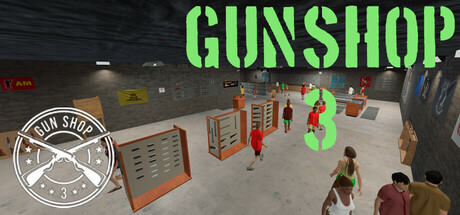 Gun Shop 3 In-game content art | Generative AI was used to bake NPC clothing. | Mall Ninja Studio, LLC | - | Jun 3, 2026 | |
 末世列车 In-game content art | AI is used to generate the game icons and a small portion of the game models. | PAOGE | - | Jun 3, 2026 | |
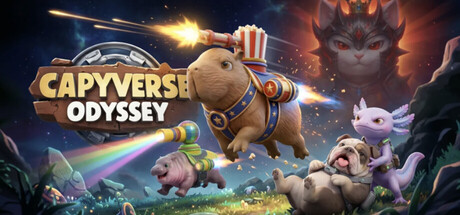 Capyverse Odyssey In-game content art | Some artwork in Capyverse Odyssey was created with assistance from generative AI tools and further refined, polished, and modified by the studio’s artists and development team. Final gameplay systems, design, programming, and core game content are developed by Metazooie Studios. | Metazooie Studios | - | Jun 3, 2026 | |
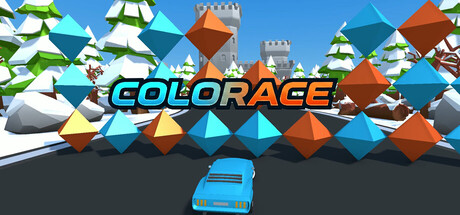 Colorace In-game content audio | The music was generated by AI and can be turned off. | Fenigem | - | May 23, 2026 | |
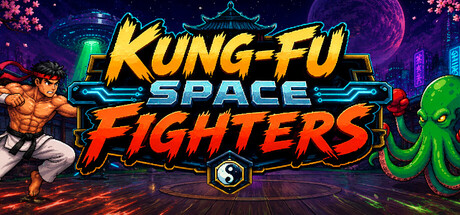 Kung-Fu Space Fighters In-game content art | Generative AI was used only during production for early concept exploration and the creation of some promotional asset drafts. The game does not use generative AI during gameplay. All core in-game assets were manually reviewed, edited, and reworked by human artists. | FunFactor | - | May 23, 2026 | |
 Tower & Invasion Dev only code | Generative AI tools were used during development to assist with portions of the game's programming workflow, including prototyping, debugging, and code iteration. All code is reviewed, modified, integrated, and validated by the developer. | KingDara Studio | - | May 23, 2026 | |
 Words are Hard In-game content artaudiotext | I'm a solo developer. Without AI tools, this game would not exist — the art, music, and copy would have been unaffordable to commission and impossible for me to produce alone. AI let me focus on what I actually built by hand: the game design, the mechanics, the 181 tomes, the scoring engine, the balance, the words.
What's AI-generated:
• Visual art (backgrounds, character portraits, tome/scroll/blessing illustrations, store page art) — generated with AI image tools, curated and selected by me
• Music — generated with AI audio tools, curated and selected by me
• Some flavor text and descriptive copy — drafted with AI assistance, edited by me
What's not AI:
• The game itself — every system, mechanic, balance number, character design, and core decision is mine
• The dictionary, the tile distributions, the scoring math, the run structure, the boss fights — hand-built
• The code — written by me with the help of AI assistants the same way any modern developer uses them
No AI runs at runtime. Nothing is generated for you on the fly during play. Everything you see was reviewed before it shipped. | AcornHunter Games | - | May 23, 2026 | |
 Crisis Commander: Strait Of Hormuz In-game content art | I have used AI Image generation for Illustration and Icons. | Kra Kra Games | - | May 23, 2026 | |
 HullRats Live AI textcodeart | There's a local Large Language Model that integrates with the game's systems and is used primarily for but not limited to dialogue generation.
Several other uses are planned, including localization.
AI has been used for coding and in a limited capacity for creating placeholder assets that will be replaced at a later date. | Dan Danciu | - | May 23, 2026 | |
 EverestBaseCamp Store/marketing art | Generative AI was used during development to assist with some visual concept art, store page images, and marketing assets. All AI-assisted content is manually reviewed, edited, and curated by the developer. The game does not include real-time generative AI content. | darkrio Studio | - | May 23, 2026 | |
 Dead Sector In-game content artcode | Dead Sector's in-game rank insignia icons, app icon, and Steam store graphics were produced procedurally via custom Python rendering scripts (PIL and resvg) authored with AI coding assistance. The output is deterministic vector and raster compositing, not generative-AI imagery. No image, audio, or animation generation models were used in any content shipped with the game. Game design, mechanics design and logic are original developer work. | Lonely Cloud | - | May 23, 2026 | |
 SEO or Die In-game content arttext | Some visual assets, store assets, localization drafts, and marketing materials for SEO OR DIE were created or enhanced with the assistance of generative AI tools.
All AI-assisted content was reviewed, edited, and integrated by the developer to match the game's final art direction, narrative tone, and quality standards.
The game does not use real-time AI generation during gameplay. | Zakhoda Oleksandr | - | May 23, 2026 | |
 Alarm112: Unit Fire Store/marketing art | Generative AI tools were used during development to create selected promotional graphics and visual materials. The game does not use generative AI during gameplay. | Control Room Labs | 23 | May 23, 2026 | |
 Exiled Ark Store/marketing art | part of the images and videos generated by ai tools, there is no realtime ai in the game. | Crisen | - | May 23, 2026 | |
 Kick The Dungeon In-game content art | This game uses generative artificial intelligence (AI) to create some of its visual art assets. Certain in-game images and illustrations were partially generated with the assistance of AI-based painting tools. | Fortuity Studio | - | May 23, 2026 | |
 White Signal In-game content art | Visual assets used in this game were created with the assistance of generative AI and were curated, edited, and integrated by the developer. | Frenari | - | May 23, 2026 | |
 PNR: Point of No return In-game content audiotext | Limited use of generative AI tools was made in the production of certain sound assets and localized text during development. | COKIRI Works | - | May 23, 2026 | |
 Kingdom of Ashes - Fallen Era In-game content art | Kingdom of Ashes uses generative AI for select visual assets:
• Character portraits, enemy sprites, card illustrations, and background art were generated using Microsoft Copilot and then curated, composited, and refined by the developer for use in the game.
All gameplay code, mechanics, narrative text, and game design were created by the developer. No AI content is generated live during gameplay, and the game does not connect to any third-party AI service at runtime — all AI-generated visuals were finalized during development and ship as static assets. | ArcadeDeck | - | May 23, 2026 | |
 Abjure In-game content artaudiotext | Based on the developer's original creative direction, AI tools were used to generate the game's store page capsule images, soundtrack, and the non-English in-game text translations. AI coding assistance supported programming during development. | Jax Games | - | May 23, 2026 | |
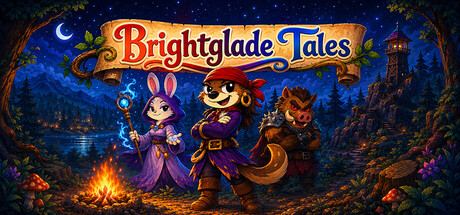 BrightGlade Tales In-game content artaudio | Visual assets in the game, including static and animated artwork, were created using generative AI tools. Generative AI was also used during the creation of the game's music. | Massive Mustache | - | May 23, 2026 | |
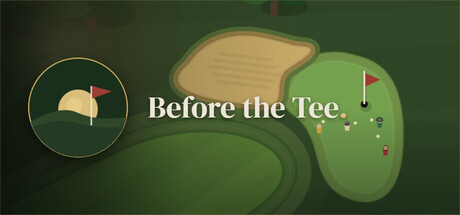 Before the Tee Store/marketing art | Gen AI was used to make some art and visuals. | GT Labs LLC | - | May 23, 2026 | |
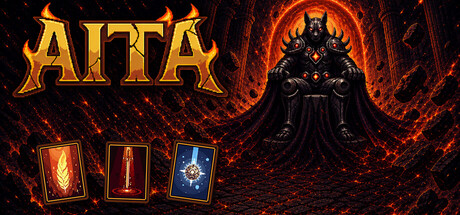 AITA: The Dark Domain In-game content art | Generative AI was used to create artwork for the game, including visual assets seen by players and/or promotional materials. All AI-generated artwork was reviewed, selected, and edited by the developer before inclusion. The game does not generate AI content live during gameplay. | Tommyruin | - | May 23, 2026 | |
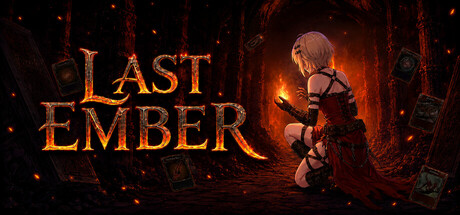 Last Ember In-game content artaudio | We're a small indie team, and we used generative AI to help make some of the art in Last Ember — card illustrations, backgrounds, character portraits, and a few short animations. We also used it on a handful of sound effects. Everything you see and hear in the game was picked, edited, and signed off by us. The game itself doesn't run any AI while you play — what ships is what you get. | Last Ember | - | May 23, 2026 | |
 天门问剑 In-game content art | Tianmen Wenjian uses generative AI tools as part of its pre-generated production pipeline. Some final visual assets used in the game presentation, Steam store page, library assets, community assets, icons, and marketing images were created or refined with AI-assisted image generation, then reviewed, edited, cropped, and integrated by the developer.
The game does not use live generative AI during gameplay. Player input is not sent to an AI service, and the game does not generate new AI-created text, images, audio, or other player-facing content at runtime. | FunPlaceGame | 18 | May 23, 2026 | |
 BloodVeil In-game content arttext | AI was used to generate in-game visuals and texts. | Newgate Games | - | May 23, 2026 | |
 Take Your Throne In-game content artaudio | Contains images and sounds generated by AI. | Grozny23 | - | May 23, 2026 | |
 MyBiz: Pomodoro Desk Tycoon In-game content artaudio | Small portion of marketing, achievements icon, and a several of the in-game music were created with AI | Bizpro Games | - | May 23, 2026 | |
 Vector Storm Dev only code | Vector Storm's music is procedurally generated in real time using mathematical audio synthesis — not a generative AI
model. The game contains no AI-generated artwork, dialogue, or other content. AI coding tools were used during
development to assist with programming. | WHODATYAT | - | May 23, 2026 | |
 The Last Braincell: Escape In-game content audioart | AI was used only for humorous and non-core elements of the game, such as trailer music, meme-style images, and similar comedic assets. The game’s logic, models, animations, gameplay systems, and other core production elements were created by humans. | Jan Radtke | - | May 23, 2026 | |
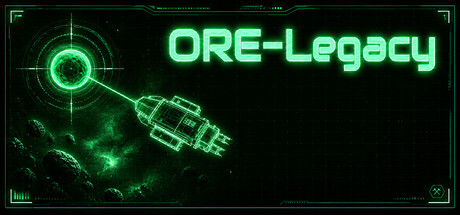 Ore Legacy Store/marketing art | Generative AI was used to enhance the game's steam page artwork. | Keplerium Games | - | May 23, 2026 | |
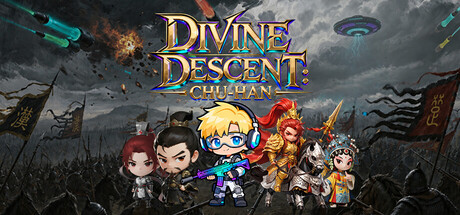 楚汉争霸之神兵天降(Divine Descent: Chu-Han) Dev only codeart | This product utilizes AI to assist in programming and art creation, thereby improving the speed of game development and enhancing its artistic appeal. | Qingdao Qilin Ark Network Technology Co.,Ltd. | - | May 23, 2026 | |
 Blosharper In-game content art | This game utilizes generative AI tools to assist in the creation of pre-rendered 2D visual assets, including character illustrations and in-game icons. | Joon x Jin Works | - | May 23, 2026 | |
 Pathogen In-game content artaudiocodetext | Some game assets were partially created using AI. | DreamDart | - | May 23, 2026 | |
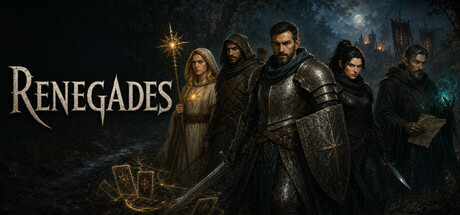 Renegades In-game content audioart | This game includes pre-generated AI-assisted assets created during development, including selected background music and some visual art assets. All AI-assisted content was reviewed, curated, and edited by the developer before inclusion in the game. The game does not use live generative AI during gameplay. | Asarion Games | - | May 23, 2026 | |
 廃墟の盾と虚空の槍 ~Unity Sanctuary. In-game content art | We use generative AI for weapon icons and card illustrations. | 音玻璃の會 | - | May 23, 2026 | |
 Only Farming - Cozy Harvesting Game Store/marketing art | Steam Store Page Capsule Images are Created by AI. | Musa GUNGOR | - | May 23, 2026 | |
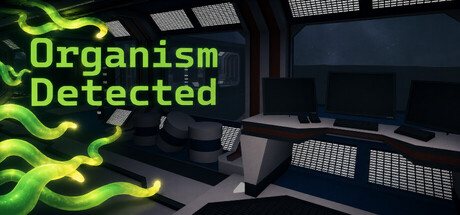 Organism Detected In-game content art | - Two in-game images have been upscaled/enhanced using generative AI: the NeuroLink portrait and one UI border asset.
- Achievement icon art is AI assisted.
While we prefer to avoid the use of generative AI, its limited use helped improve presentation given the constraints of our team. | Yulari Games | - | May 23, 2026 | |
 Crown Criminal | Survival Block B In-game content artaudiotext | Some visual, audio, and creative assets used during development were created or assisted with generative AI tools. All content was reviewed, edited, and integrated into the final game experience by the developer. | In-Doe-Games | - | May 23, 2026 | |
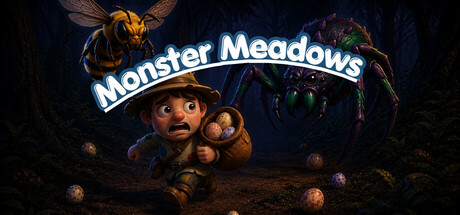 Monster Meadows In-game content art | Generative AI tools were used during the development process to assist in 2D artwork (such as UI elements, icons, and promotional images). All AI-generated assets are pre-rendered and have been manually reviewed and modified by the developer before being integrated into the final game. | Aysimus Games | - | May 23, 2026 | |
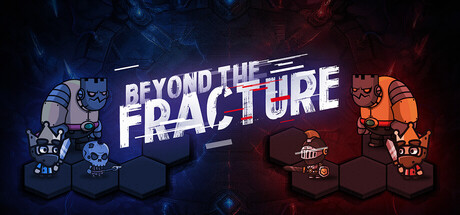 Beyond the Fracture Live AI artaudiotext | Beyond the Fracture contains both pre-generated and live-generated AI content.
Pre-generated AI content:
Some visual, audio, and voice assets were generated with AI tools during development and reviewed, edited, and curated by the developers before being included in the game. This includes selected construct opponent portraits, spoken name clips, character histories, and HERALD-7 commentary voice clips in German and English.
Live-generated AI content:
During first-time onboarding, the game uses external AI services to generate three candidate player identities live. Each identity includes a generated profile portrait and a generated spoken name introduction. The profile portraits are additionally guided by internal short character descriptions generated from predefined archetypes and prompt templates.
This live generation is constrained by predefined prompts, fixed character archetypes, a controlled name system, and no free-form text input from players. The player selects one of the three generated identities. The chosen identity cannot be changed during the current Playtest, and repeated regeneration is not available during normal gameplay.
No live AI generation occurs during normal matches after onboarding. | Turning Rook Games | - | May 23, 2026 | |
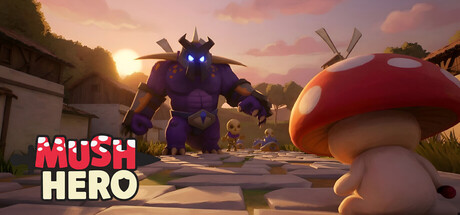 MushHero In-game content textartaudio | This game uses generative AI to improve both the development process and gameplay features. During development, AI tools were utilized to generate certain text, visual, and audio assets.
All AI-generated content is reviewed and controlled to ensure it aligns with the game's design and provides a safe experience for players. | Lv.B | - | May 23, 2026 | |
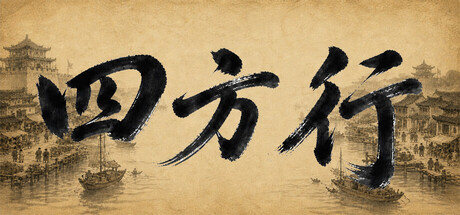 四方行 In-game content artaudio | Some visual and audio assets were created with the assistance of generative AI tools and refined during development. | ikarosfd | 14 | May 23, 2026 | |
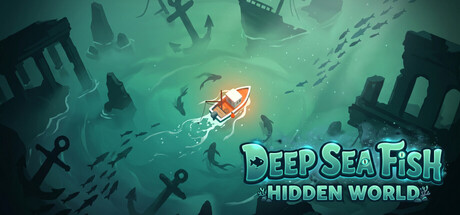 Deep Sea Fish: Hidden World In-game content art | Some visual assets and promotional images for the store page were created with the assistance of generative AI tools. AI-generated content is used for marketing purposes only and is not part of the gameplay experience. | Althea Games | 38 | May 23, 2026 | |
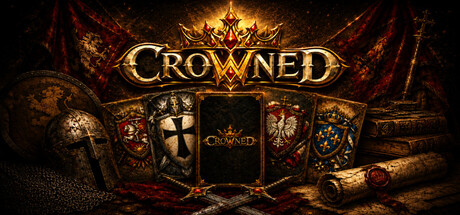 Crowned art | Some artwork and visual assets in Crowned, including
card illustrations and background graphics, were created with the assistance of generative AI tools. All content was
reviewed, curated and integrated by the developer. | Stonepath Games | - | May 23, 2026 | |
 Dark Web Store/marketing art | AI was used to create individual parts of the Steam graphics and then blended together in GIMP. | Recoil Mojo | - | May 23, 2026 | |
 HACKING INTO EREBUS In-game content audio | This game uses AI assistance for certain sound effects. All visuals are hand-crafted by the developer. | Likya Group | - | May 23, 2026 | |
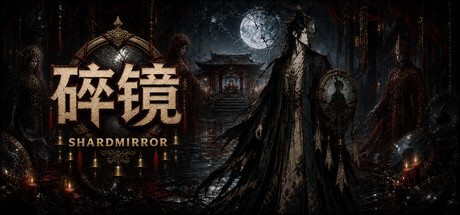 Shardmirror In-game content art | Some static 2D artwork used in the game and Steam marketing materials was created with assistance from generative AI, then curated, edited, and integrated by the developer. The game does not generate AI content during gameplay and does not connect to external AI services. | 咕咕呱呱 | - | May 23, 2026 | |
 第九档案-虫村篇 In-game content art | 游戏的图像很大程度上使用了AI能力 | 任意门AnyAnyGame | - | May 23, 2026 | |
 Synergrid In-game content textart | Some game and store page text or visual assets were created or refined with generative AI during development. This content is pre-generated and included in the shipped game or store materials. The game does not generate AI content during gameplay and does not connect to external AI services during gameplay. | Synergrid Studio | - | May 23, 2026 |


