








Disclosure
Generative AI tools were used to assist with the localization and translation of the game's text into additional languages.
- Creator
- Saul Morag Black
- Reviews
- -
- Added
- Oct 1, 2026
Public Steam disclosure research 25,380 disclosures tracked
Search developers’ Steam disclosures, compare classified AI use across games, and follow recorded changes. This index adds cross-game classifications and statistics to statements published on individual store pages.
Code help, debugging and other development work.
Capsule art, trailers and promotional material.
Pre-made art, audio, writing and other game assets.
Interactive or runtime AI features disclosed by the developer.
Groups reflect automatic analysis of public disclosures; mature records are excluded. These counts do not measure AI use across all of Steam. Missing or unclear statements cannot establish whether a game uses AI.
Generative AI tools were used to assist with the localization and translation of the game's text into additional languages.
During development we use AI assistance in certain tasks, such as generative fill to extend artist drawn artwork. All major art has been drawn by human artists. The game has optional computer generated voice overs.
Pre-generated AI-assisted illustrations are used in the Yustar studio opening animation and Steam store and library promotional artwork. AI also assisted with the written store descriptions. No content is generated using AI during gameplay.
During development, generative AI tools were used to assist in creating the 78 card illustrations, composing ambient background soundscapes, and drafting card interpretations. All assets were curated, edited, and assembled by the developer to build an atmospheric, cohesive divination sanctuary. The game does not generate live AI content during runtime.
Game text and translations were created with the help of AI tools. The public build has no AI voices; it has no voice acting yet. The art is not made with generative AI: it comes from free CC0 asset packs plus shapes and textures built in code. Sound effects are synthesized by our own scripts. Nothing is generated by AI while you play.
AI-assisted tools were used to support performance optimization and to generate the player character. AI tools also contributed to enemy character assets, store artwork and translations. These uses concern content prepared during development.
A Light in the Gloam uses pre-generated AI content. Nothing is generated while the game is running, and the game makes no network calls of any kind. Visual art: all in-game art was generated with OpenAI's image model (gpt-image-1) from prompts written by hand, then processed by our own scripts, which downscale it, quantise it to a fixed palette and trim it before it is placed in the game. This covers 14 character portraits, 43 enemy and boss sprites, 63 item icons, 27 wall, floor and ceiling textures, 10 dungeon props, 21 achievement emblems, and 14 town and title backdrops. The store capsules and the client icons are crops of the title-screen generation rather than new images. Music and sound: all 14 music tracks were generated with ElevenLabs' music model and all 47 sound effects with ElevenLabs' sound-effects model, both from written prompts and both post-processed by our own scripts for level and length. There is no voice acting and no synthesised speech anywhere in the game. Writing and translation: the game's text, meaning item and monster descriptions, dialogue, menus and the story, was written with the assistance of a large language model and then edited by hand. The Brazilian Portuguese translation was produced the same way and reviewed against the English.
The game to contain art assets generated by artificial intelligence
Some character portraits were created with generative AI. AI tools were also used to help write and translate the store page and to translate the game's text. The story and dialogue were written by our team.
本作の素材の一部は、生成AIを使って作り、開発者が選んで使っています。 ・キャラクターのイラスト、UIの絵、背景・遠景:ChatGPT(OpenAI) ・3Dモデル:Tripo AI ・音楽:Tunee AI ・効果音:ElevenLabs ・シナリオの一部:Claude(Anthropic) ・プログラム:Claude Code(Anthropic) 遊んでいる間に、AIが新たに内容を作ることはありません。
Generative AI tools were used during development to create pre-generated visual assets, including 2D background artwork, environment graphics, character sprites, and promotional store imagery. All AI-generated content was created prior to release, and no generative AI runs in real-time during gameplay.
Some of this game's content was created with the help of generative AI tools during development: - Artwork: some of the visual art in the game. - Text: parts of the in-game writing, and the Simplified Chinese translation. - Audio: a small number of sound effects. Most of the game's sound was made without AI. Nothing is generated by AI while you play.
Game logo was created with help of AI tools.
Atharia uses generative AI tools under the developer's constant direction. The combat animations are AI-generated video clips, converted into sprites and integrated into custom-built staging. Background environments and interface elements are also created with AI assistance. Every asset is art-directed, selected and validated by the developer before it enters the game.
Gród is designed, built and tested by a solo developer. Every rule, system and pixel of the game follows my own vision. AI tools helped with parts of the production: the voice lines, the music and some store artwork were created with generative AI, then selected, edited and fitted into the game by me. The in-game pixel art is drawn by the game's own code, with no AI image generators. Screenshots and GIFs show real gameplay. The game does not use generative AI while you play.
Some of the visual elements were created using AI
Generative AI tools were used to assist in the creation and refinement of some pre-rendered artwork and interface elements. AI-generated music is also used, and AI tools assisted with store-page text and localization. All AI-assisted content was selected, edited, and reviewed by the developer. The game does not generate AI content during gameplay.
The game's story, design and text were created by the developer. Generative AI was used as an assistant when writing the text of this store page and of the game, and to translate it into 12 languages; all of it was reviewed and edited by the developer. One song on the car radio ("Broken Hearts and Blue Moons", licensed from Pixabay) was produced by its author with generative AI. No content is generated while you play.
Almost all content in our game was handcrafted, we used real photos of berries, fruits and etc. to make donuts designs. We used AI as a supportive tool: to edit a few wall paintings, upscale and edit some textures, and fix grammar in the text. We firmly believe AI is just an assistant—the core of our game remains human creativity and attention to detail.
The in game content is generated by ai.
Generative AI tools were used during development to create some character, environment, and object visuals, 3D assets, and promotional materials. All AI-generated content was created in advance during development. No new content is generated by AI during gameplay, and the game does not connect to any external AI services.
AI tools were used only to assist with translating in-game text into supported languages. No AI-generated images, music, audio, or 3D models were used. The game does not generate AI content during gameplay. Its creative direction and artistic content are rooted in human creativity and craftsmanship.
ARIA's dialogue and speech are generated on the player's own machine at runtime by a language model and a text-to-speech voice that ship with the game. Nothing is sent to an external service and no player data leaves the machine. What ARIA says is constrained to the station's fiction and to evidence the player has actually found in-game. Some art, audio and text assets in the game were produced with AI tools and reviewed by the developer before shipping.
Generative AI tools were used during development to assist in the creation of some visual and 3D assets. All generated content was reviewed, edited, and integrated by the developer.
Deep Lantern contains some pre-generated visual assets created or assisted with generative AI, including certain textures, interface or illustrative visual elements, which were then reviewed, edited, and integrated manually by the developer. The game does not use live generative AI during gameplay, and players cannot generate content in-game using AI.
This game includes pre-generated visual and auditory assets created with the assistance of generative AI. These assets have been reviewed, edited, and integrated by the development team. The game does not use generative AI to create content while players are playing.
Generative AI was used during development. Part of the graphics (characters, enemies, bosses, icons, room backgrounds and backdrops) was created with image-generation tools: Google Gemini, OpenAI ChatGPT and a locally run Stable Diffusion model. Part of the music was created with audio-generation tools (Google Gemini). Part of the code, room layouts and texts were written with the help of an AI assistant. The developer reviewed, cut, retouched and hand-adjusted all of this material before adding it to the game. The game does not generate any AI content while it is being played.
ISKRA currently includes AI-generated artwork prepared during development. We plan to replace this artwork with work created by human artists before leaving Early Access, giving the game the individual artistic identity we envision.
Generative AI was used for some artwork, including store capsule images and Steam library artwork.
Generative AI was used to assist in creating pre-generated in-game content, including visual assets, text, and audio, as well as certain Steam store and marketing materials. The game does not use generative AI to generate content in real time during gameplay.
All artwork, animation, writing, character designs and other creative content in this game were made by hand. None of it was created with generative AI. Generative AI was used only in two parts of development: Programming assistance: helping to write and debug parts of the game code. Translation assistance: helping to translate the text for non-Chinese language versions. The artwork and writing that players see in the game were not generated by AI.
Generative AI was used to assist in creating pre-generated content during development. No generative AI is used during gameplay.
We used AI as a supporting tool to translate and proofread the in-game text. Every translation was reviewed and adjusted by our team before it went into the game.
The game engine is written with substantial AI assistance. Some dialogues and quest texts are AI generated, and are successively replaced by human-written dialogue. Every piece of flavor text has a label that states the author (human or ai). The 3D character models are currently generated with AI, and then transformed through a custom pipeline to work with the text-based graphics and CPU rendering. It is possible to replace them with manually crafted models.
We combined hands-on development with AI tools to help speed up our workflow, including work on artwork, music, text, and translations. Our team designed and built the game, guided its creative direction, and edited and refined the visuals to match TIP or RIP’s cartoon style.
AI assistance was limited to Python programming, including code that helps to draw environments and visual effects in Pygame. These visuals are rendered in code entirely in Python. Sprite artwork and sound effects were created without generative AI and are sourced from licensed third-party assets. The soundtrack for the game and trailer was composed specifically for the project in FL Studio. No generative AI models run in the game or generate content during gameplay.
Generative AI tools were used during development to assist with the creation of some pre-generated visual artwork. AI-assisted artwork is substantially edited, painted over, composited, and finalized by the developer before inclusion in the game. No generative AI is used to create content during gameplay.
we have use ai to develop this game
Some of PAIMT ARENA's 3D weapon models started as AI-generated meshes (Tripo) that were then hand-edited, retopologized, textured and rigged by the team. Some store and library artwork was produced with AI image tools and then edited by hand. No content is generated during play; gameplay, code, level design and UI are human-authored.
Some background environment props and their textures (signage, lamps, surfaces, decals and small set-dressing objects) were generated with AI assistance, using AI written procedural code rather than an image or mesh generator. They ship with the game as scenery. Everything else is the developer's own work: all writing and in-game text, game design, game code, audio and sound design, the visual identity, and all store page art. No AI generated content is produced while the game is running.
AI was used during development for certain 2D art assets, translation scaffolding, and development assistance.
AI was used for localization, generating achievement textures, and the title card in the trailer.
The music and much of the artwork in Rift Ward were created with generative AI tools, then chosen and edited.
This game was made with the help of generative AI. AI tools were used during development to create visual assets, sound and music, parts of the source code, and the translations of this page and the in-game text. Everything was chosen, edited and assembled by hand before release. Nothing is generated while you play — all content ships with the game.
AI was used generate and polish store page graphic assets
Pre-generated content: the pixel art (characters, animations, tiles, props, UI frames) and the store capsule art were made with the help of an AI pixel-art tool, then selected, edited and assembled by the developer. Store page texts and their translations were drafted with AI assistance and reviewed by the developer. The game does not generate any content with AI while you play. Music, sound effects and fonts are licensed assets made by people.
Generative AI is used as a supplementary tool, primarily for partial editing of image assets and translation. ※It is not used to generate images from scratch or to create 3D models.
Store listing assets & descriptions passed through generative AI for enhancements & review.
This game is a solo-developed hobby project. Generative AI tools were used as part of the production workflow, including assistance with code, audio, and base visual assets. No generative AI output is used as a final in-game asset; all assets were manually edited, and integrated by the developer. The story, dialogue, and all other written in-game content were written by the developer. All gameplay design, creative direction, balancing, and final content decisions were made by the developer.
The illustrated character portraits used as player avatars (also shown in our store and library artwork) were created with AI image generation (Google Gemini) and then cropped and adjusted by the developer. Some store text and interface translations were drafted with AI assistance. The game does not generate any AI content while you play.
| Title⇅ | Disclosure | Creator⇅ | Src | Reviews⇅ | Added↓ |
|---|---|---|---|---|---|
 Dybbuk In-game content text | Generative AI tools were used to assist with the localization and translation of the game's text into additional languages. | Saul Morag Black | - | Oct 1, 2026 | |
 JYSTICE In-game content artaudio | During development we use AI assistance in certain tasks, such as generative fill to extend artist drawn artwork. All major art has been drawn by human artists.
The game has optional computer generated voice overs. | 10tons Ltd | - | Sep 30, 2026 | |
 咕噜物语 Store/marketing arttext | Pre-generated AI-assisted illustrations are used in the Yustar studio opening animation and Steam store and library promotional artwork. AI also assisted with the written store descriptions. No content is generated using AI during gameplay. | Yustar | - | Sep 30, 2026 | |
 Tarot: Deck of Celestials In-game content artaudiotext | During development, generative AI tools were used to assist in creating the 78 card illustrations, composing ambient background soundscapes, and drafting card interpretations. All assets were curated, edited, and assembled by the developer to build an atmospheric, cohesive divination sanctuary. The game does not generate live AI content during runtime. | Sky Blue Eye Studios | - | Sep 30, 2026 | |
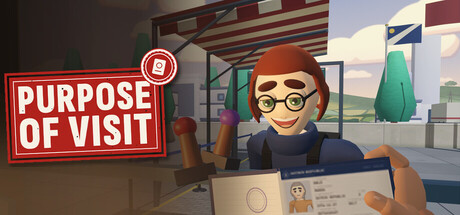 Purpose of Visit In-game content text | Game text and translations were created with the help of AI tools. The public build has no AI voices; it has no voice acting yet. The art is not made with generative AI: it comes from free CC0 asset packs plus shapes and textures built in code. Sound effects are synthesized by our own scripts. Nothing is generated by AI while you play. | Larch Games | - | Sep 30, 2026 | |
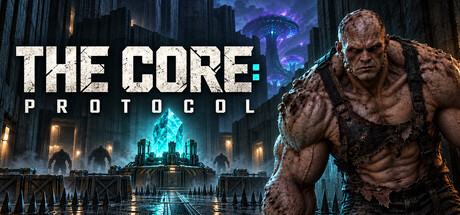 The Core: Protocol In-game content arttext | AI-assisted tools were used to support performance optimization and to generate the player character. AI tools also contributed to enemy character assets, store artwork and translations. These uses concern content prepared during development. | ChritzleCraft | - | Sep 30, 2026 | |
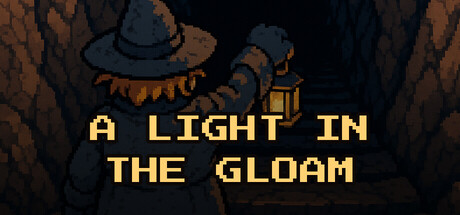 A Light in the Gloam In-game content artaudiotext | A Light in the Gloam uses pre-generated AI content. Nothing is generated while the game is running, and the game makes no network calls of any kind.
Visual art: all in-game art was generated with OpenAI's image model (gpt-image-1) from prompts written by hand, then processed by our own scripts, which downscale it, quantise it to a fixed palette and trim it before it is placed in the game. This covers 14 character portraits, 43 enemy and boss sprites, 63 item icons, 27 wall, floor and ceiling textures, 10 dungeon props, 21 achievement emblems, and 14 town and title backdrops. The store capsules and the client icons are crops of the title-screen generation rather than new images.
Music and sound: all 14 music tracks were generated with ElevenLabs' music model and all 47 sound effects with ElevenLabs' sound-effects model, both from written prompts and both post-processed by our own scripts for level and length. There is no voice acting and no synthesised speech anywhere in the game.
Writing and translation: the game's text, meaning item and monster descriptions, dialogue, menus and the story, was written with the assistance of a large language model and then edited by hand. The Brazilian Portuguese translation was produced the same way and reviewed against the English. | Petersen Projects | - | Sep 30, 2026 | |
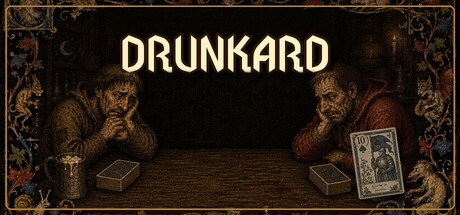 DRUNKARD In-game content art | The game to contain art assets generated by artificial intelligence | Playing Middle Ages | - | Sep 30, 2026 | |
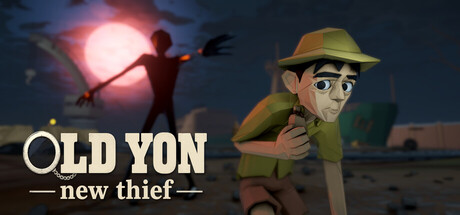 Old Yon. New thief In-game content arttext | Some character portraits were created with generative AI. AI tools were also used to help write and translate the store page and to translate the game's text. The story and dialogue were written by our team. | BoneApps | - | Sep 30, 2026 | |
 ことづての庭 In-game content artaudiotextcode | 本作の素材の一部は、生成AIを使って作り、開発者が選んで使っています。
・キャラクターのイラスト、UIの絵、背景・遠景:ChatGPT(OpenAI)
・3Dモデル:Tripo AI
・音楽:Tunee AI
・効果音:ElevenLabs
・シナリオの一部:Claude(Anthropic)
・プログラム:Claude Code(Anthropic)
遊んでいる間に、AIが新たに内容を作ることはありません。 | notfolder | - | Sep 30, 2026 | |
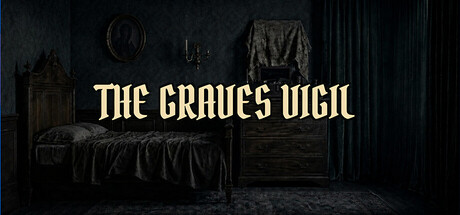 THE GRAVES VIGIL In-game content art | Generative AI tools were used during development to create pre-generated visual assets, including 2D background artwork, environment graphics, character sprites, and promotional store imagery. All AI-generated content was created prior to release, and no generative AI runs in real-time during gameplay. | GeorgeDowson | - | Sep 30, 2026 | |
 Backrooms Adventure In-game content arttextaudio | Some of this game's content was created with the help of generative AI tools during development:
- Artwork: some of the visual art in the game.
- Text: parts of the in-game writing, and the Simplified Chinese translation.
- Audio: a small number of sound effects. Most of the game's sound was made without AI.
Nothing is generated by AI while you play. | Glycine | - | Sep 30, 2026 | |
 A Game About Needle In A Haystack Store/marketing art | Game logo was created with help of AI tools. | Developer about... | - | Sep 30, 2026 | |
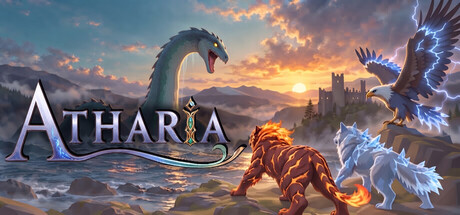 Atharia In-game content art | Atharia uses generative AI tools under the developer's constant direction. The combat animations are AI-generated video clips, converted into sprites and integrated into custom-built staging. Background environments and interface elements are also created with AI assistance. Every asset is art-directed, selected and validated by the developer before it enters the game. | Symbolics Games | - | Sep 30, 2026 | |
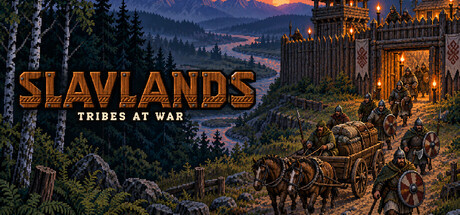 Slavlands: Tribes at War In-game content audioart | Gród is designed, built and tested by a solo developer. Every rule, system and pixel of the game follows my own vision.
AI tools helped with parts of the production: the voice lines, the music and some store artwork were created with generative AI, then selected, edited and fitted into the game by me. The in-game pixel art is drawn by the game's own code, with no AI image generators.
Screenshots and GIFs show real gameplay. The game does not use generative AI while you play. | SAD Games Studio | - | Sep 30, 2026 | |
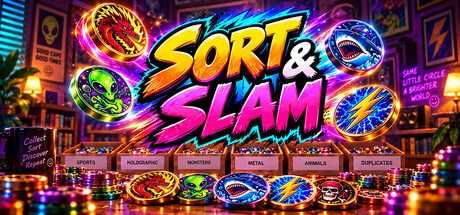 Sort & Slam Unclear art | Some of the visual elements were created using AI | ValiantLight | - | Sep 30, 2026 | |
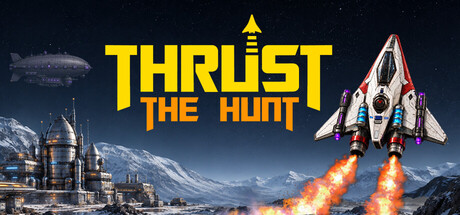 Thrust: the Hunt In-game content artaudiotext | Generative AI tools were used to assist in the creation and refinement of some pre-rendered artwork and interface elements. AI-generated music is also used, and AI tools assisted with store-page text and localization. All AI-assisted content was selected, edited, and reviewed by the developer. The game does not generate AI content during gameplay. | ZIG GAMES | - | Sep 30, 2026 | |
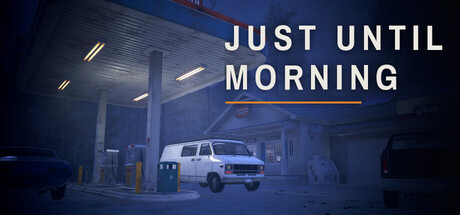 JUST UNTIL MORNING In-game content textaudio | The game's story, design and text were created by the developer. Generative AI was used as an assistant when writing the text of this store page and of the game, and to translate it into 12 languages; all of it was reviewed and edited by the developer. One song on the car radio ("Broken Hearts and Blue Moons", licensed from Pixabay) was produced by its author with generative AI. No content is generated while you play. | Alexframe | - | Sep 30, 2026 | |
 One More Donut In-game content arttext | Almost all content in our game was handcrafted, we used real photos of berries, fruits and etc. to make donuts designs. We used AI as a supportive tool: to edit a few wall paintings, upscale and edit some textures, and fix grammar in the text.
We firmly believe AI is just an assistant—the core of our game remains human creativity and attention to detail. | Silvaris Interactive | - | Sep 30, 2026 | |
 Iron Maw general | The in game content is generated by ai. | KRUMB Games | - | Sep 30, 2026 | |
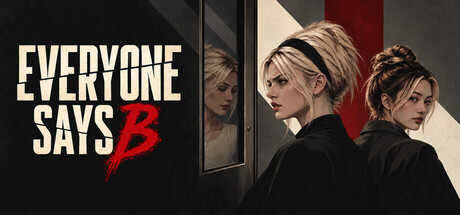 EVERYONE SAYS B In-game content art | Generative AI tools were used during development to create some character, environment, and object visuals, 3D assets, and promotional materials. All AI-generated content was created in advance during development. No new content is generated by AI during gameplay, and the game does not connect to any external AI services. | Nythalor Studios | - | Sep 30, 2026 | |
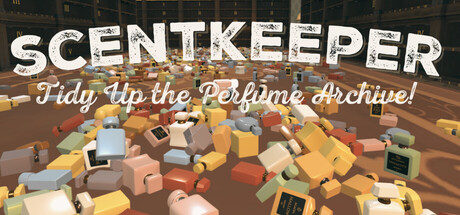 Scentkeeper: Tidy Up the Perfume Archive! In-game content text | AI tools were used only to assist with translating in-game text into supported languages. No AI-generated images, music, audio, or 3D models were used. The game does not generate AI content during gameplay.
Its creative direction and artistic content are rooted in human creativity and craftsmanship. | Emberline Games | - | Sep 30, 2026 | |
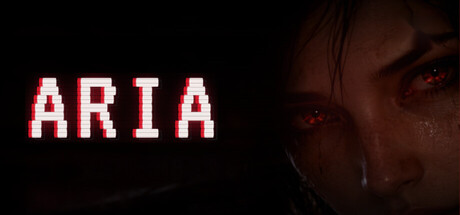 ARIA Live AI textaudioart | ARIA's dialogue and speech are generated on the player's own machine at runtime by a language model and a text-to-speech voice that ship with the game. Nothing is sent to an external service and no player data leaves the machine. What ARIA says is constrained to the station's fiction and to evidence the player has actually found in-game. Some art, audio and text assets in the game were produced with AI tools and reviewed by the developer before shipping. | Dreamtime Game Studios | - | Sep 30, 2026 | |
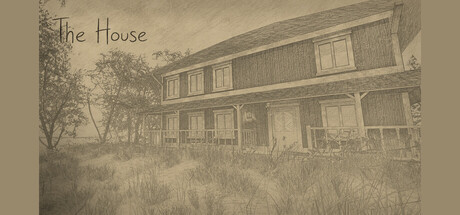 The House In-game content art | Generative AI tools were used during development to assist in the creation of some visual and 3D assets. All generated content was reviewed, edited, and integrated by the developer. | Meercraft | - | Sep 30, 2026 | |
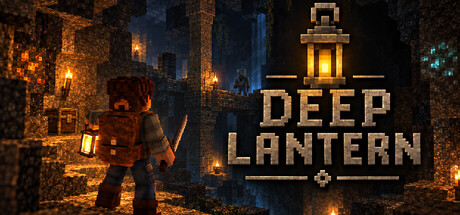 Deep Lantern In-game content art | Deep Lantern contains some pre-generated visual assets created or assisted with generative AI, including certain textures, interface or illustrative visual elements, which were then reviewed, edited, and integrated manually by the developer.
The game does not use live generative AI during gameplay, and players cannot generate content in-game using AI. | Deep Lantern | - | Sep 30, 2026 | |
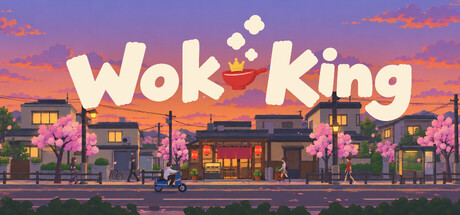 中华料理大王 In-game content artaudio | This game includes pre-generated visual and auditory
assets created with the assistance of generative AI. These assets have been reviewed, edited, and integrated by the development team. The game does not use generative AI to create content while players are playing. | Dawang Games | - | Sep 30, 2026 | |
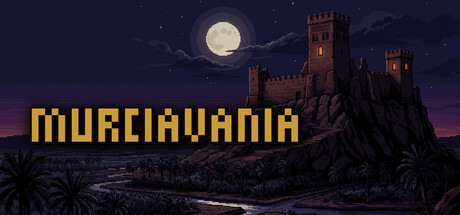 Murciavania In-game content artaudiotextcode | Generative AI was used during development. Part of the graphics (characters, enemies, bosses, icons, room backgrounds and backdrops) was created with image-generation tools: Google Gemini, OpenAI ChatGPT and a locally run Stable Diffusion model. Part of the music was created with audio-generation tools (Google Gemini). Part of the code, room layouts and texts were written with the help of an AI assistant. The developer reviewed, cut, retouched and hand-adjusted all of this material before adding it to the game. The game does not generate any AI content while it is being played. | Manuel Manzano | - | Sep 30, 2026 | |
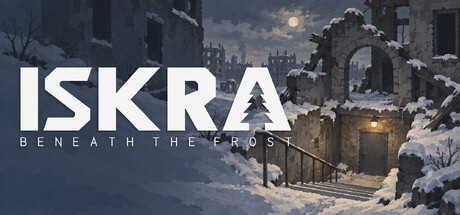 ISKRA: Beneath The Frost In-game content art | ISKRA currently includes AI-generated artwork prepared during development. We plan to replace this artwork with work created by human artists before leaving Early Access, giving the game the individual artistic identity we envision. | The Zioms Media | - | Sep 30, 2026 | |
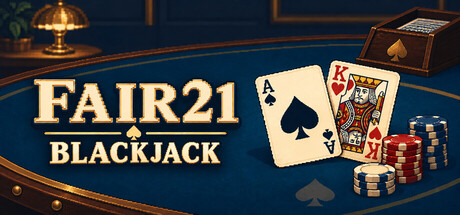 Fair21: Blackjack Store/marketing art | Generative AI was used for some artwork, including store capsule images and Steam library artwork. | Maple Ridge Haven | - | Sep 30, 2026 | |
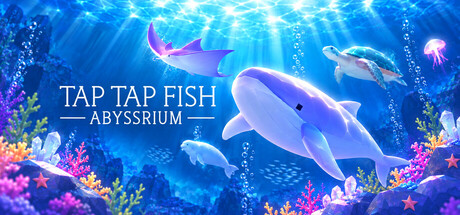 ABYSSRIUM In-game content arttextaudio | Generative AI was used to assist in creating pre-generated in-game content, including visual assets, text, and audio, as well as certain Steam store and marketing materials. The game does not use generative AI to generate content in real time during gameplay. | FLERO GAMES | - | Sep 30, 2026 | |
 《只有她知曉光輝的名字》- 開章 Dev only codetext | All artwork, animation, writing, character designs and other creative content in this game were made by hand. None of it was created with generative AI.
Generative AI was used only in two parts of development:
Programming assistance: helping to write and debug parts of the game code.
Translation assistance: helping to translate the text for non-Chinese language versions.
The artwork and writing that players see in the game were not generated by AI. | 紳士帽動畫製作組 | - | Sep 30, 2026 | |
 Football Transfer Insider Dev only | Generative AI was used to assist in creating pre-generated content during development. No generative AI is used during gameplay. | OZL Games | - | Sep 30, 2026 | |
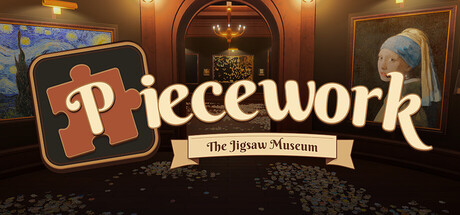 Piecework: The Jigsaw Museum In-game content text | We used AI as a supporting tool to translate and proofread the in-game text. Every translation was reviewed and adjusted by our team before it went into the game. | Warbyte Studios | - | Sep 30, 2026 | |
 Swaggerfall In-game content textart | The game engine is written with substantial AI assistance.
Some dialogues and quest texts are AI generated, and are successively replaced by human-written dialogue. Every piece of flavor text has a label that states the author (human or ai).
The 3D character models are currently generated with AI, and then transformed through a custom pipeline to work with the text-based graphics and CPU rendering. It is possible to replace them with manually crafted models. | holonaut | - | Sep 30, 2026 | |
 TIP or RIP In-game content artaudiotext | We combined hands-on development with AI tools to help speed up our workflow, including work on artwork, music, text, and translations. Our team designed and built the game, guided its creative direction, and edited and refined the visuals to match TIP or RIP’s cartoon style. | Tiny Pause | - | Sep 30, 2026 | |
 Down to Business Dev only artcode | AI assistance was limited to Python programming, including code that helps to draw environments and visual effects in Pygame. These visuals are rendered in code entirely in Python.
Sprite artwork and sound effects were created without generative AI and are sourced from licensed third-party assets.
The soundtrack for the game and trailer was composed specifically for the project in FL Studio.
No generative AI models run in the game or generate content during gameplay. | Tuftsy Studios | - | Sep 30, 2026 | |
 Cozy Cockpit In-game content art | Generative AI tools were used during development to assist with the creation of some pre-generated visual artwork. AI-assisted artwork is substantially edited, painted over, composited, and finalized by the developer before inclusion in the game. No generative AI is used to create content during gameplay. | MR FUTURE GAMES | - | Sep 30, 2026 | |
 GroundHog Simulator Unclear | we have use ai to develop this game | groundhogheist | - | Sep 30, 2026 | |
 PAIMT ARENA In-game content art | Some of PAIMT ARENA's 3D weapon models started as AI-generated meshes (Tripo) that were then hand-edited, retopologized, textured and rigged by the team. Some store and library artwork was produced with AI image tools and then edited by hand. No content is generated during play; gameplay, code, level design and UI are human-authored. | noclue | - | Sep 30, 2026 | |
 Archival Security In-game content artcode | Some background environment props and their textures (signage, lamps,
surfaces, decals and small set-dressing objects) were generated with AI
assistance, using AI written procedural code rather than an image or mesh
generator. They ship with the game as scenery.
Everything else is the developer's own work: all writing and in-game text,
game design, game code, audio and sound design, the visual identity, and all
store page art.
No AI generated content is produced while the game is running. | Donewasting | - | Sep 30, 2026 | |
 Deep Ocean 4X - Conquest of the Abyss In-game content arttext | AI was used during development for certain 2D art assets, translation scaffolding, and development assistance. | Forever Years | - | Sep 30, 2026 | |
 Black Hole Simulator In-game content textart | AI was used for localization, generating achievement textures, and the title card in the trailer. | Black Hole Simulator | - | Sep 30, 2026 | |
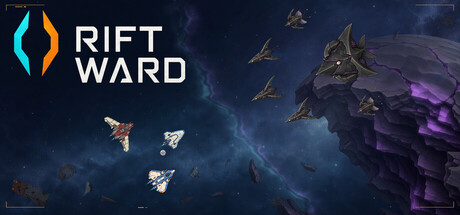 Rift Ward In-game content artaudio | The music and much of the artwork in Rift Ward were created with generative AI tools, then chosen and edited. | Shamak | - | Sep 30, 2026 | |
 Puzzle Together In-game content artaudiocodetext | This game was made with the help of generative AI.
AI tools were used during development to create visual assets, sound and music, parts
of the source code, and the translations of this page and the in-game text. Everything
was chosen, edited and assembled by hand before release.
Nothing is generated while you play — all content ships with the game. | Cozy Tech INC | - | Sep 30, 2026 | |
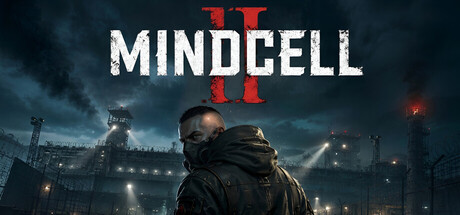 Mindcell Store/marketing art | AI was used generate and polish store page graphic assets | VenomizedArt | - | Sep 30, 2026 | |
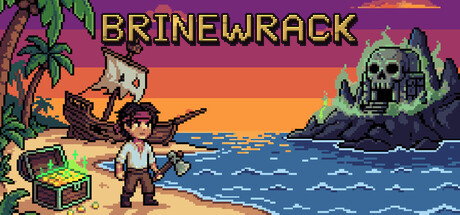 Brinewrack In-game content arttext | Pre-generated content: the pixel art (characters, animations, tiles, props, UI frames) and the store capsule art were made with the help of an AI pixel-art tool, then selected, edited and assembled by the developer. Store page texts and their translations were drafted with AI assistance and reviewed by the developer. The game does not generate any content with AI while you play. Music, sound effects and fonts are licensed assets made by people. | Ninebark | - | Sep 30, 2026 | |
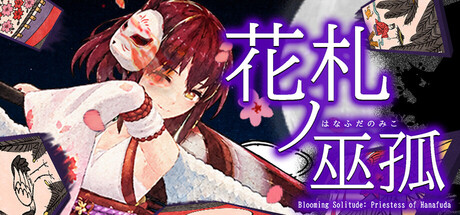 花札ノ巫孤 / Blooming Solitude: Priestess of Hanafuda In-game content arttext | Generative AI is used as a supplementary tool, primarily for partial editing of image assets and translation.
※It is not used to generate images from scratch or to create 3D models. | KNPARTICLE | - | Sep 30, 2026 | |
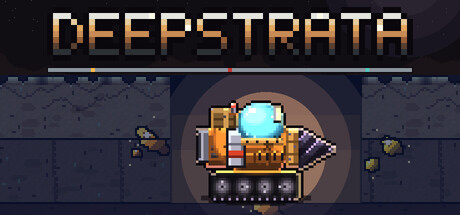 Deepstrata Store/marketing arttext | Store listing assets & descriptions passed through generative AI for enhancements & review. | Gelm | - | Sep 30, 2026 | |
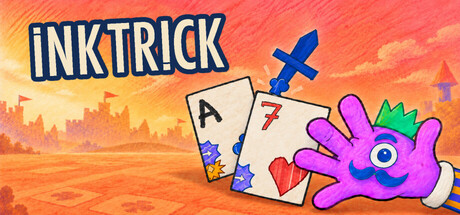 INKTRICK In-game content artaudiocode | This game is a solo-developed hobby project. Generative AI tools were used as part of the production workflow, including assistance with code, audio, and base visual assets. No generative AI output is used as a final in-game asset; all assets were manually edited, and integrated by the developer. The story, dialogue, and all other written in-game content were written by the developer. All gameplay design, creative direction, balancing, and final content decisions were made by the developer. | zweipilot | - | Sep 30, 2026 | |
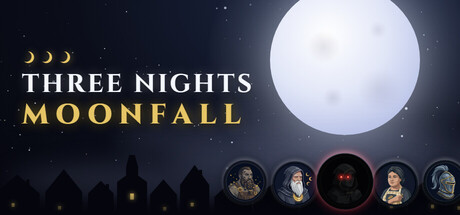 Three Nights: Moonfall In-game content arttext | The illustrated character portraits used as player avatars (also shown in our store and library artwork) were created with AI image generation (Google Gemini) and then cropped and adjusted by the developer. Some store text and interface translations were drafted with AI assistance. The game does not generate any AI content while you play. | Diay Games | - | Sep 30, 2026 |


