Public Steam disclosure research25,380 disclosures tracked
Where do games disclose AI use?
Search developers’ Steam disclosures, compare classified AI use across
games, and follow recorded changes.
This index adds cross-game classifications and statistics to
statements published on individual store pages.
Groups reflect automatic analysis of public disclosures; mature records are excluded. These counts do not measure AI use across all of Steam.
Missing or unclear statements cannot establish whether a game uses AI.
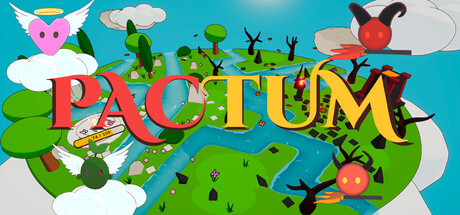
Some 2D user interface images in PACTUM (such as icons and UI elements) were created with the assistance of generative AI tools. All AI-generated images were reviewed and curated by the developer.
AI tools were used to support portions of the development process. All product decisions, rigorous testing, review, and final releases remain under full human direction and oversight.
a note on AI: this game is one bloke working very closely with AI tools. the store art and achievement icons are AI-generated images. the code, the procedural music, and the scripts that build the 3D models were written in hands-on AI-assisted sessions. everything is hand-curated - every asset, mechanic and line got reviewed, redone or binned by the developer, usually several times. the robot is never left to its own devices. nothing is generated by AI while you play.
Generative AI tools were used during development to assist with the creation of some game artwork, audio, localization text, and other game content. All AI-assisted outputs were reviewed and, where necessary, edited by the developer before being included in the game. The game does not generate AI content during gameplay.
Some marketing assets on the store page (capsules, logo) were produced with a generative AI tool, based on screenshots and 3D renders from the game itself.
Part of the in-game text (encyclopaedia entries and mission briefings) was drafted with the assistance of a large language model, then reviewed and edited by the developer.
The 3D parts, textures and the simulation itself are authored. Nothing is generated while the game is running.
ChromaFlow was developed with assistance from generative AI tools (such as Large Language Models) to help write and structure the source code and draft store descriptions. All AI-generated content was reviewed, edited, and integrated manually. The game does not feature live, runtime generative AI or external API connections during gameplay.
Generative AI was used as a writing and translation aid during development, always under human direction and review: in-game lesson and interface text, their translations into the supported languages, achievement text, and this store page. All of it was reviewed by the developer. The game itself does not use AI at runtime — nothing is generated while you play, and every level is deterministic.
Some images and sound effects were created or assisted by generative AI and were reviewed, edited, and integrated into the game by the developer. No real-time generative AI is used during gameplay.
This game uses AI-assisted tools during development, limited exclusively to programming assistance, assistance with the creation of certain UI assets, and multilingual translation assistance. AI-generated output is not integrated directly into the game. All content is manually reviewed, edited, integrated, proofread, and tested by the development team before use.
AI is not used to create characters, character illustrations, character-related artwork, animations, music, sound effects, narrative, or other core creative content. The game does not generate content in real time while running, nor does it connect to external AI services to provide generative features to players.
Localizations other than Italian are AI-assisted, with human and community review ongoing during development. All game design, writing, and art direction are human-made.
Some visual assets, branding exploration, and first-pass localization drafts were created or assisted with generative AI tools. All content is reviewed, edited, and integrated by the developer before being included in the game or store materials. The game does not generate AI content in real time during gameplay.
Generative AI tools were used during development to assist with some pre-generated visual assets, written content, and development-related creative work. All AI-assisted content included in the final game and store materials is reviewed by the developer before release. The game does not generate AI content during gameplay and does not connect to external AI services while running.
This game uses generative‑AI technology to create part of the in‑game assets, art and content. All AI‑generated content has been reviewed and adjusted by human developers.
Dashboard Engine uses AI only at runtime, on your own device, and bundles no pre-generated AI content.
On-device neural text-to-speech (installed by default): the app includes neural TTS voices (MeloTTS and Kokoro) that synthesize spoken audio from text locally on your PC. An English voice is bundled and installed by default; other languages download on demand. These voices produce speech at runtime — for the assistant's replies, spoken system alerts, and voice previews. They are used purely as speech output: a "voice profile" is a small set of tuning settings that reference a licensed base voice, and the app stores or uploads no voice recordings of any kind.
Optional AI assistant (off by default): if you turn it on, you connect it to a language model you run locally on your own machine or local network (for example Ollama or LM Studio). Your typed messages are sent to that local model to generate conversational replies in real time, which can be read aloud by the on-device TTS above. There is no cloud AI service, account, or API key — nothing leaves your PC.
All AI output is generated live from your own input and your own local models, so it is not authored or reviewed by the developer. No AI-generated content is pre-created or bundled with the app.
Cosmo Corgis is designed and directed by one person. During development, AI tools were used as a production assistant — helping write and test the game's code and assisting with portions of the 3D asset work, always under the developer's direction. The music and sound effects were generated with AI tools. Every design decision, and the game's look and feel, are the developer's own. Nothing is generated by AI while you play: everything in the game ships fixed and tested.
Some parts of the Cellarer were made with the help of generative AI tools: portions of the source code, some of the in-game icons and sfx / vfx, some store and marketing text, and some marketing artwork and assets were AI-assisted, then reviewed, edited and integrated by hand before shipping. The game itself contains nothing live-generated — no AI runs while you play, and the game never connects to an AI service.
AI tools were used during development in two areas. Code: an AI coding assistant helped write and refactor GDScript source; all output was reviewed and edited by the developer before being committed. UI design: interface layouts were prototyped as HTML mockups with AI assistance, then redrawn and implemented by hand as Godot scenes — no AI-produced file ships in the build.
All art and music in the game were created by people. Sound effects are generated procedurally by a hand-written synthesis script (numpy waveform synthesis, no models or samples involved). Fonts are open-licensed, human-designed typefaces.
The game's 2D artwork, including card and unit illustrations, worker portraits, and store assets, was generated with AI image tools and then reviewed, selected, and edited by the developer. Parts of the in-game text and localizations were also written with AI assistance. The game does not generate any content with AI at runtime.
Generative AI was used to help create certain visual assets and promotional materials. Originally hand-drawn building graphics were processed with AI tools to increase detail and were subsequently manually edited.
Some 2D art in the game was created with the help of an AI pixel-art tool during development, specifically the application icons and and was hand-adjusted before shipping. The rest of the game's art, including all fish sprites and item icons, was made without AI.
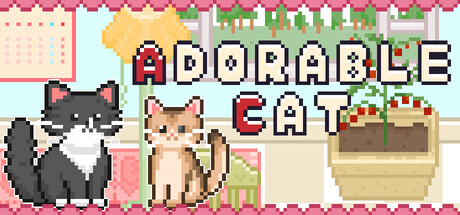
Some plant artwork and store assets were created with AI-assisted tools and then manually reviewed, edited, and integrated into the game. DeskBloom does not generate AI images, text, audio, or other content during gameplay.
Generative AI tools were used to create visual concepts and initial drafts for most of the game's artwork. These drafts were used as references and starting points for the final pixel art assets, which were manually created, reviewed, edited, and refined by the developer before being included in the game or its marketing materials.
Generative AI tools were also used to assist with localization and the creation of some in-game names and text. All AI-assisted text was manually reviewed and edited by the developer before being included in the game.
The game does not use generative AI to create content during gameplay.
Generative AI tools were used during development to assist with portions of the game's pre-generated 2D artwork, marketing artwork, localization drafts, and development code. All player-facing AI-assisted content was generated before release, selected, reviewed, edited where needed, tested, and integrated by the developer. The game does not generate or modify content with AI during gameplay and does not send player input to an external AI service.
Generative AI was used for deep game simulation to assist with designing difficulty curves and testing in game mathmatical calculations. It was also used for designing alternative UI Models for cosmetic changes.
Game Design, layout, original creations, music, sound, story, plots, etc. were Designed entirely by the Creator.
AI tools provided reference materials in development. All finished assets are manually adjusted by our team. No live AI content generates while playing.
Petrivore uses AI-assisted tools in parts of its development: some icons and steam assets were made with AI image generation, the in-game text and steam page was translated with AI translation tools. All of it was reviewed and edited by the developer.
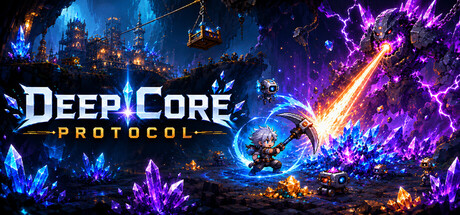
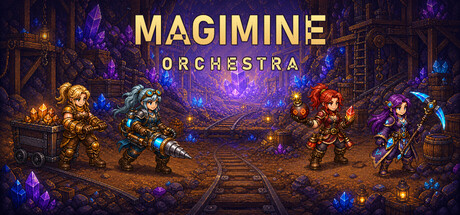
Generative AI was used during development to create some pre-generated 2D pixel art assets, including mine backgrounds, ores, and character artwork. Generative AI was also used to assist with some localization text. All generated output was reviewed, selected, and edited by the developer as needed. The game does not generate content during gameplay and does not connect to any external AI services.
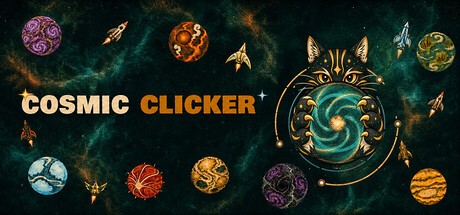
During development, we used generative AI tools to transform early sketches and visual concepts into functional 2D game assets and visual materials that help define Cosmic Clicker’s identity. This included selected in-game assets, Steam store capsules, library artwork, icons, and key art.
The generated results were reviewed, selected, refined, and integrated to maintain consistency with the game’s established art direction.
Generative AI was used to create and refine some pre-generated visual assets, including the game logo and Steam store capsule artwork. All AI-assisted assets are reviewed, edited, and curated by the developer before inclusion. The game does not generate content during gameplay and does not connect to external AI services.
Some of the content shipping with this game was created using generative AI:
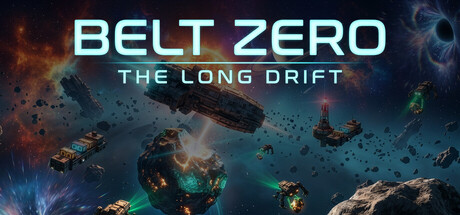
• Images: the title/loading screen, the store graphics (capsules) and the five faction portraits were generated with an image AI. • Audio: the title music, intro music, sector music tracks and the sound effects were created with AI tools. • Text: the store description was drafted with AI assistance.
All of this content was selected, reviewed and integrated by hand. Not AI-generated: the 3D world, the ships, stations and effects — those are built procedurally and in Blender. The source code was developed with AI assistance; we mention this for completeness, even though development tools are exempt from disclosure.
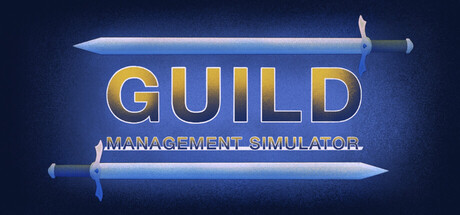
Guild Management Simulator began as an AI-assisted prototype. Generative AI tools were used during early development to assist with portions of programming, written game content, interface copy, design iteration, and the current Steam marketing artwork. All AI-assisted material is pre-generated and reviewed before inclusion. The game does not generate content while running, connect players to an AI service, or send player data to an AI system. The long-term goal is to replace AI-assisted material with original, developer-created work as the project is rebuilt in a dedicated game engine.
Some 2D user interface images in PACTUM (such as icons and UI elements) were created with the assistance of generative AI tools. All AI-generated images were reviewed and curated by the developer.
AI tools were used to support portions of the development process. All product decisions, rigorous testing, review, and final releases remain under full human direction and oversight.
a note on AI: this game is one bloke working very closely with AI tools. the store art and achievement icons are AI-generated images. the code, the procedural music, and the scripts that build the 3D models were written in hands-on AI-assisted sessions. everything is hand-curated - every asset, mechanic and line got reviewed, redone or binned by the developer, usually several times. the robot is never left to its own devices. nothing is generated by AI while you play.
Generative AI tools were used during development to assist with the creation of some game artwork, audio, localization text, and other game content. All AI-assisted outputs were reviewed and, where necessary, edited by the developer before being included in the game. The game does not generate AI content during gameplay.
Some marketing assets on the store page (capsules, logo) were produced with a generative AI tool, based on screenshots and 3D renders from the game itself.
Part of the in-game text (encyclopaedia entries and mission briefings) was drafted with the assistance of a large language model, then reviewed and edited by the developer.
The 3D parts, textures and the simulation itself are authored. Nothing is generated while the game is running.
ChromaFlow was developed with assistance from generative AI tools (such as Large Language Models) to help write and structure the source code and draft store descriptions. All AI-generated content was reviewed, edited, and integrated manually. The game does not feature live, runtime generative AI or external API connections during gameplay.
Generative AI was used as a writing and translation aid during development, always under human direction and review: in-game lesson and interface text, their translations into the supported languages, achievement text, and this store page. All of it was reviewed by the developer. The game itself does not use AI at runtime — nothing is generated while you play, and every level is deterministic.
Some images and sound effects were created or assisted by generative AI and were reviewed, edited, and integrated into the game by the developer. No real-time generative AI is used during gameplay.
This game uses AI-assisted tools during development, limited exclusively to programming assistance, assistance with the creation of certain UI assets, and multilingual translation assistance. AI-generated output is not integrated directly into the game. All content is manually reviewed, edited, integrated, proofread, and tested by the development team before use.
AI is not used to create characters, character illustrations, character-related artwork, animations, music, sound effects, narrative, or other core creative content. The game does not generate content in real time while running, nor does it connect to external AI services to provide generative features to players.
Localizations other than Italian are AI-assisted, with human and community review ongoing during development. All game design, writing, and art direction are human-made.
Some visual assets, branding exploration, and first-pass localization drafts were created or assisted with generative AI tools. All content is reviewed, edited, and integrated by the developer before being included in the game or store materials. The game does not generate AI content in real time during gameplay.
Generative AI tools were used during development to assist with some pre-generated visual assets, written content, and development-related creative work. All AI-assisted content included in the final game and store materials is reviewed by the developer before release. The game does not generate AI content during gameplay and does not connect to external AI services while running.
This game uses generative‑AI technology to create part of the in‑game assets, art and content. All AI‑generated content has been reviewed and adjusted by human developers.
Dashboard Engine uses AI only at runtime, on your own device, and bundles no pre-generated AI content.
On-device neural text-to-speech (installed by default): the app includes neural TTS voices (MeloTTS and Kokoro) that synthesize spoken audio from text locally on your PC. An English voice is bundled and installed by default; other languages download on demand. These voices produce speech at runtime — for the assistant's replies, spoken system alerts, and voice previews. They are used purely as speech output: a "voice profile" is a small set of tuning settings that reference a licensed base voice, and the app stores or uploads no voice recordings of any kind.
Optional AI assistant (off by default): if you turn it on, you connect it to a language model you run locally on your own machine or local network (for example Ollama or LM Studio). Your typed messages are sent to that local model to generate conversational replies in real time, which can be read aloud by the on-device TTS above. There is no cloud AI service, account, or API key — nothing leaves your PC.
All AI output is generated live from your own input and your own local models, so it is not authored or reviewed by the developer. No AI-generated content is pre-created or bundled with the app.
Cosmo Corgis is designed and directed by one person. During development, AI tools were used as a production assistant — helping write and test the game's code and assisting with portions of the 3D asset work, always under the developer's direction. The music and sound effects were generated with AI tools. Every design decision, and the game's look and feel, are the developer's own. Nothing is generated by AI while you play: everything in the game ships fixed and tested.
Some parts of the Cellarer were made with the help of generative AI tools: portions of the source code, some of the in-game icons and sfx / vfx, some store and marketing text, and some marketing artwork and assets were AI-assisted, then reviewed, edited and integrated by hand before shipping. The game itself contains nothing live-generated — no AI runs while you play, and the game never connects to an AI service.
AI tools were used during development in two areas. Code: an AI coding assistant helped write and refactor GDScript source; all output was reviewed and edited by the developer before being committed. UI design: interface layouts were prototyped as HTML mockups with AI assistance, then redrawn and implemented by hand as Godot scenes — no AI-produced file ships in the build.
All art and music in the game were created by people. Sound effects are generated procedurally by a hand-written synthesis script (numpy waveform synthesis, no models or samples involved). Fonts are open-licensed, human-designed typefaces.
The game's 2D artwork, including card and unit illustrations, worker portraits, and store assets, was generated with AI image tools and then reviewed, selected, and edited by the developer. Parts of the in-game text and localizations were also written with AI assistance. The game does not generate any content with AI at runtime.
Generative AI was used to help create certain visual assets and promotional materials. Originally hand-drawn building graphics were processed with AI tools to increase detail and were subsequently manually edited.
Some 2D art in the game was created with the help of an AI pixel-art tool during development, specifically the application icons and and was hand-adjusted before shipping. The rest of the game's art, including all fish sprites and item icons, was made without AI.
Some plant artwork and store assets were created with AI-assisted tools and then manually reviewed, edited, and integrated into the game. DeskBloom does not generate AI images, text, audio, or other content during gameplay.
Generative AI tools were used to create visual concepts and initial drafts for most of the game's artwork. These drafts were used as references and starting points for the final pixel art assets, which were manually created, reviewed, edited, and refined by the developer before being included in the game or its marketing materials.
Generative AI tools were also used to assist with localization and the creation of some in-game names and text. All AI-assisted text was manually reviewed and edited by the developer before being included in the game.
The game does not use generative AI to create content during gameplay.
Generative AI tools were used during development to assist with portions of the game's pre-generated 2D artwork, marketing artwork, localization drafts, and development code. All player-facing AI-assisted content was generated before release, selected, reviewed, edited where needed, tested, and integrated by the developer. The game does not generate or modify content with AI during gameplay and does not send player input to an external AI service.
Generative AI was used for deep game simulation to assist with designing difficulty curves and testing in game mathmatical calculations. It was also used for designing alternative UI Models for cosmetic changes.
Game Design, layout, original creations, music, sound, story, plots, etc. were Designed entirely by the Creator.
AI tools provided reference materials in development. All finished assets are manually adjusted by our team. No live AI content generates while playing.
Petrivore uses AI-assisted tools in parts of its development: some icons and steam assets were made with AI image generation, the in-game text and steam page was translated with AI translation tools. All of it was reviewed and edited by the developer.
Generative AI was used during development to create some pre-generated 2D pixel art assets, including mine backgrounds, ores, and character artwork. Generative AI was also used to assist with some localization text. All generated output was reviewed, selected, and edited by the developer as needed. The game does not generate content during gameplay and does not connect to any external AI services.
During development, we used generative AI tools to transform early sketches and visual concepts into functional 2D game assets and visual materials that help define Cosmic Clicker’s identity. This included selected in-game assets, Steam store capsules, library artwork, icons, and key art.
The generated results were reviewed, selected, refined, and integrated to maintain consistency with the game’s established art direction.
Generative AI was used to create and refine some pre-generated visual assets, including the game logo and Steam store capsule artwork. All AI-assisted assets are reviewed, edited, and curated by the developer before inclusion. The game does not generate content during gameplay and does not connect to external AI services.
Some of the content shipping with this game was created using generative AI:
• Images: the title/loading screen, the store graphics (capsules) and the five faction portraits were generated with an image AI. • Audio: the title music, intro music, sector music tracks and the sound effects were created with AI tools. • Text: the store description was drafted with AI assistance.
All of this content was selected, reviewed and integrated by hand. Not AI-generated: the 3D world, the ships, stations and effects — those are built procedurally and in Blender. The source code was developed with AI assistance; we mention this for completeness, even though development tools are exempt from disclosure.
Guild Management Simulator began as an AI-assisted prototype. Generative AI tools were used during early development to assist with portions of programming, written game content, interface copy, design iteration, and the current Steam marketing artwork. All AI-assisted material is pre-generated and reviewed before inclusion. The game does not generate content while running, connect players to an AI service, or send player data to an AI system. The long-term goal is to replace AI-assisted material with original, developer-created work as the project is rebuilt in a dedicated game engine.