








Disclosure
Some visual assets used in the game and its promotional materials were created with the assistance of generative AI. The game does not generate AI content at runtime.
- Creator
- Yangward Games
- Reviews
- -
- Added
- Aug 22, 2026
Public Steam disclosure research 25,380 disclosures tracked
Search developers’ Steam disclosures, compare classified AI use across games, and follow recorded changes. This index adds cross-game classifications and statistics to statements published on individual store pages.
Code help, debugging and other development work.
Capsule art, trailers and promotional material.
Pre-made art, audio, writing and other game assets.
Interactive or runtime AI features disclosed by the developer.
Groups reflect automatic analysis of public disclosures; mature records are excluded. These counts do not measure AI use across all of Steam. Missing or unclear statements cannot establish whether a game uses AI.
Some visual assets used in the game and its promotional materials were created with the assistance of generative AI. The game does not generate AI content at runtime.
Some card artwork, character illustrations, and marketing text were created with the assistance of generative AI tools, then reviewed, edited, and curated by the developer. All game design and code direction is human-led. No AI content is generated live during gameplay.
AI tools were used during development, with all output directed and reviewed by the developer: store artwork and icons, store descriptions, in-game text including the English localization, and portions of the game code. Screenshots show real, unedited gameplay. The game does not generate any content with AI at runtime.
This game uses generative AI as part of its development process. AI-assisted tools were used to help create and refine some visual assets, UI elements, icons, text drafts, and localization drafts. These materials were reviewed, edited, and integrated by the developer before being included in the game. The game does not generate new AI content in real time during gameplay. All content shown to players is pre-made, reviewed, and included as part of the game build.
CardCrafter uses generative AI to create some of the content shipped with the game: • Art: card illustrations, character and enemy portraits, icons, currencies and background scenes are created primarily with generative image models, then curated, post-processed and integrated by human. • Audio: some sound effects and background music are created with generative AI tools. • Text & localization: In-game text such as card descriptions is drafted with AI assistance and edited by hand; the Simplified Chinese and English localizations are machine-translated first, then human-proofread. All of this content is pre-generated during development and baked into the game. The game does not generate any AI content at runtime, and never sends player input to an AI. Everything produced with AI is reviewed and selected by human before inclusion.
All voices are Ai generated along with the soundtracks. They are however created under strict instructions and hours of testing to get them right. Ai assisted in creating models/props.
Some visual assets and text content used in this game were created or assisted by generative artificial intelligence tools. All AI-generated content has been reviewed, edited, and integrated by the development team to ensure consistency with the game's design and quality standards.
Generative AI tools were used during development to create and assist with many of the game's visual assets, including character artwork, card illustrations, backgrounds, and UI elements. These assets were generated during development and are included in the game as pre-generated, static content. The game does not use generative AI to create content during gameplay.
Generative AI tools were used during development to assist with the creation and refinement of some pre-generated visual artwork and marketing assets. All AI-assisted content was reviewed, edited, and integrated by the developer. Ancient Duel does not generate AI content during gameplay.
Generating UI Images Used for program development
Draftfall uses pre-generated generative AI content created during development. Most 2D visual assets—including character artwork, sprites, backgrounds, card illustrations and story panels—were created with AI assistance, along with portions of the narrative and gameplay text. All content was reviewed, edited and integrated by the developer. Draftfall does not generate AI content during gameplay or connect to generative AI services while running.
Our visual development workflow uses generative AI to create parts of graphical elements and textures. Every AI-assisted visual asset is reviewed, edited and polished by our team to maintain a consistent visual standard across the game.
AI tools were used for research and to assist in creating some visual assets. All final assets were reviewed and refined by the developer.
Some of the 3D models used for the table and room background in this game were created with the assistance of a generative AI (text-to-3D) tool, and were then adjusted and integrated by the developer. All other assets — including the dictionary data, UI artwork, sound, and all in-game text — were produced without generative AI. No content is generated by AI while you play.
AI was only used to generate minimal resources to support unit design and partial localization. All AI-assisted content has been reviewed, and the final assets were manually drawn to fit the game's artistic style and atmosphere.
The 2D art in OBOLUS is made with image generation models running locally on my own machine — Stable Diffusion XL through ComfyUI, including a style model I trained myself on 1930s cartoon references. None of it is a raw output: every sprite, backdrop, card frame and icon was directed through many passes, then cut out, colour-corrected, upscaled and assembled frame by frame into animation sheets. Everything else is not AI: the rules, every card and every number on it, the balance, the 22 heroes, the six lands, the writing and the interface. The sound effects are synthesised by code written for this game. Nothing is generated while you play. The game makes no network calls and ships with no model — nothing runs on your machine, and none of your data goes anywhere.
AI coding assistants were used during development to help create and edit portions of the code and player-facing implementation that ship with the game. The game's 2D artwork was not created by an image-generation model. All AI-assisted outputs were reviewed, edited, and integrated by the developer. The game does not use generative AI at runtime.
HASSO uses generative AI tools for part of its pre-produced content: the card illustrations, and the translation of the game's text into the languages it supports. All AI-generated content is reviewed and curated before it is included in the game. The user interface icons, the music and the sound effects are not AI-generated. No content is generated by AI at runtime: the player never sends prompts and never receives live AI output.
AI was used to generate some of the assets and most of the code.
Store art work has been generated using AI.
The game code, art, and sound was all generated by a combination of Generative AI tools.
AI tools are used to develop game content.
Wyrdane uses AI-generated artwork for its card illustrations. As a solo developer working without a starting budget, this is a pragmatic choice to bring the game's world to life and test its mechanics without a professional illustration budget. If the project finds its audience, the goal is to progressively replace these visuals with artwork made by human illustrators. Game design, card balance, game mechanics, world-building, and creative direction are entirely human-made. AI is a production tool, not the creator of this game.
Penguin Fury uses generative AI tools for part of its content. Localization: The game is available in 39 languages. The original text was written by the developer. The translations were produced with AI translation tools and reviewed before release. Art: Some achievement icons and character/UI artwork were created with the help of AI image tools and then edited by the developer. Store page: Some of the text and images on this store page were created with AI assistance and edited by the developer. No AI content is generated while you play. Everything in the game is created in advance and shipped with the build.
This game uses generative AI to assist in creating some monster and card artwork.
This game is made by a single dev, and sold for a fair price. In order to do that this dev needed the help of AI. So some pre-rendered assets in this game were created with the help of generative AI tools, always under my direction and with every asset reviewed by me the developer: certain illustrations, backdrops, and UI art; some music tracks and sound effects; and character voice lines generated via text-to-speech from scripts written by me the developer. The game design, the gameplay, physics, and large parts of the code are entirely human-made, and no AI content is generated at runtime.
Some pre-rendered artwork and marketing assets were created with generative AI tools and then reviewed and edited by the developer before inclusion. The game does not generate new content during gameplay.
The Current Card Artworks are AI generated. It will Change in the future
Some of the game's textures, models, and code were generated with the assistance of AI.
The visual art, music, sound effects, pilot voice lines and written text in Starhand were created using generative AI tools — Recraft for illustration, Suno for music, and ElevenLabs for voice and sound effects — and were then selected, edited and assembled by the developer. All of it is generated ahead of time and ships as fixed assets: the game does not generate any content while you play, and it does not connect to any AI service at runtime.
Generative AI tools were used during development to create some pre-generated 2D concept art and visual assets that appear in the game and its marketing materials. These assets were selected, edited, integrated, and reviewed by the development team. The game does not generate AI content while it is running.
AI was used to generate some icons and background images, and to create in-between frames for some character animations.
Generative AI is used in this game for localization. Text plays a supporting role here: the game has no story, dialogue or voice acting. Its text is limited to interface labels, node names and short stat descriptions, while the gameplay itself runs on numbers and visual language.
Generative AI tools were used during development to assist with programming and to create or refine portions of the game’s artwork, visual assets, sound effects, and other audio. All AI-assisted content was selected, edited, integrated, and reviewed by the developer. The game does not generate AI content or connect to external AI services during gameplay.
Guttering Light's content was created using generative AI tools, with every piece prompted, curated, and integrated by the game's solo developer. All AI-generated content is pre-generated: it was reviewed and hand-finished during development, and nothing is generated while you play.
Some of the capsule artwork on this store page was created with the help of AI tools. No AI-generated content is used in the game's in-game art, code, audio or text.
During development, OpenAI image generation tools were used to create portions of the game's 2D artwork, including characters, monsters, backgrounds, UI elements, and icons. Suno was used to create portions of the background music, and ElevenLabs was used to create portions of the sound effects. Generative AI was also used as a drafting and editing aid for some in-game writing and localization. All generated material was selected, edited, processed, and reviewed by the developer before inclusion in the game. The game does not connect to generative AI services at runtime and does not generate content from player input.
Some music, sound effects, and UI icons in this game were created with the assistance of generative AI tools during development. All AI-generated content has been directly reviewed, selected, and retouched for optimal integration.
Generative AI tools were used to assist in creating initial visual assets (such as background textures and UI elements). All generated assets have been manually edited, refined, and integrated into the game by the developer.
Pre-generated AI-assisted content is used in some 2D artwork, including unit sprites, character portraits, card illustrations, battlefield backgrounds, visual effects, UI decorative elements, and store and marketing artwork. AI assistance was also used for portions of in-game text and English/Japanese localization. All such content is generated before release and curated and edited by the developer. The game does not generate content during gameplay and does not connect to a generative AI service at runtime.
Generative artwork is used in the creation of part or full of assets that can not be generated by the game engine. AI is used in the drafting of art and writing before it is reviewed and heavily edited.
Portions of this game's written content were drafted with the assistance of Anthropic's Claude, under the direction of the developer, and were reviewed and edited by a human before inclusion. All artwork is procedurally rendered by the game's own code. No generative AI images are used. No AI content is generated during gameplay.
The 2D background images in the main menu and the promotional (capsule) designs used on the Steam store page were created with the help of generative AI tools and subsequently edited manually. The characters, battlefields, and in-game pixel art graphics that make up the core game experience are completely outside of this scope.
Generative AI was used in the development of this game. 2D artwork (characters, familiars, cards, backgrounds, etc.) was created with image-generation AI, then curated, edited, and retouched by the developer. AI-assisted tools were also used during development (e.g., programming). No AI content is generated at runtime. BOT opponents are rule-based programs, not generative AI.
Art and some code generated with AI models.
The character skill map and background scene background map use some AI, and the background music uses some AI
Generative AI was used to assist with the localization of the game's text into multiple languages. The Portuguese and English localizations were reviewed by the developer, while the Japanese localization received partial human review. Other supported languages were translated with AI assistance and have not yet received full human review, or their review is still in progress.
The game's character artwork was created with the assistance of generative AI. Generative AI is not used to generate content during gameplay.
The two announcer voices, BroadcASH and BOBcast, are generated with ElevenLabs from scripts we write and edit ourselves. Every line is approved, levelled and listened to by hand before it ships. Nothing else in the game is AI generated. The card art is emoji placeholder today, and is being replaced with original illustrations commissioned from human artists. The music is composed in-house by our own procedural scripts, and every track has a written provenance log. The rules, the design and the natural history research are ours. Some marketing and store copy is drafted with AI assistance and edited before use.
Some of the visual elements are generated.
| Title⇅ | Disclosure | Creator⇅ | Src | Reviews⇅ | Added↓ |
|---|---|---|---|---|---|
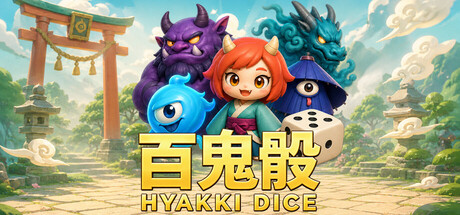 百鬼骰 In-game content art | Some visual assets used in the game and its promotional materials were created with the assistance of generative AI. The game does not generate AI content at runtime. | Yangward Games | - | Aug 22, 2026 | |
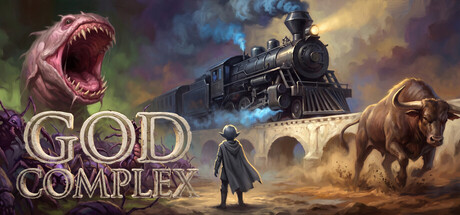 God Complex In-game content arttext | Some card artwork, character illustrations, and marketing text were created with the assistance of generative AI tools, then reviewed, edited, and curated by the developer. All game design and code direction is human-led. No AI content is generated live during gameplay. | Escaping Inevitability Games | - | Aug 22, 2026 | |
 Speed RPG In-game content arttextcode | AI tools were used during development, with all output directed and reviewed by the developer: store artwork and icons, store descriptions, in-game text including the English localization, and portions of the game code. Screenshots show real, unedited gameplay. The game does not generate any content with AI at runtime. | Harmony Project | - | Aug 22, 2026 | |
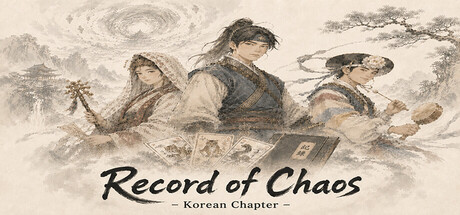 혼돈의 기록 -한국편- In-game content arttext | This game uses generative AI as part of its development process.
AI-assisted tools were used to help create and refine some visual assets, UI elements, icons, text drafts, and localization drafts. These materials were reviewed, edited, and integrated by the developer before being included in the game.
The game does not generate new AI content in real time during gameplay. All content shown to players is pre-made, reviewed, and included as part of the game build. | Sixstone Games | - | Aug 22, 2026 | |
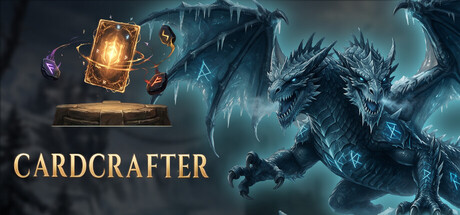 鑄牌匠心 In-game content artaudiotext | CardCrafter uses generative AI to create some of the content shipped with the game:
• Art: card illustrations, character and enemy portraits, icons, currencies and background scenes are created primarily with generative image models, then curated, post-processed and integrated by human.
• Audio: some sound effects and background music are created with generative AI tools.
• Text & localization: In-game text such as card descriptions is drafted with AI assistance and edited by hand; the Simplified Chinese and English localizations are machine-translated first, then human-proofread.
All of this content is pre-generated during development and baked into the game. The game does not generate any AI content at runtime, and never sends player input to an AI. Everything produced with AI is reviewed and selected by human before inclusion. | FunPlay Tech | - | Aug 22, 2026 | |
 21: Dead Man's Deck In-game content audioart | All voices are Ai generated along with the soundtracks. They are however created under strict instructions and hours of testing to get them right. Ai assisted in creating models/props. | Downdog2519 | - | Aug 22, 2026 | |
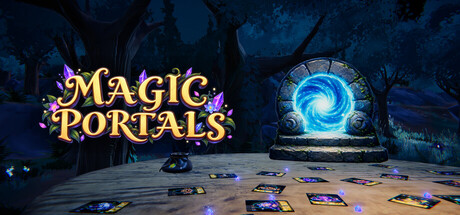 Magic Portals In-game content arttext | Some visual assets and text content used in this game were created or assisted by generative artificial intelligence tools. All AI-generated content has been reviewed, edited, and integrated by the development team to ensure consistency with the game's design and quality standards. | RTForge | - | Aug 22, 2026 | |
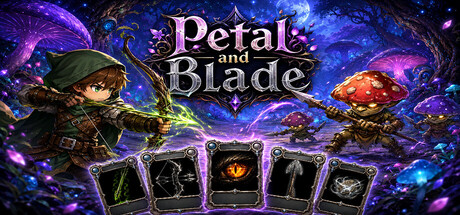 Petal and Blade In-game content art | Generative AI tools were used during development to create and assist with many of the game's visual assets, including character artwork, card illustrations, backgrounds, and UI elements. These assets were generated during development and are included in the game as pre-generated, static content. The game does not use generative AI to create content during gameplay. | Murat Akdogan | - | Aug 20, 2026 | |
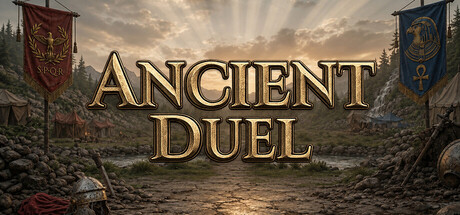 Ancient Duel Store/marketing art | Generative AI tools were used during development to assist with the creation and refinement of some pre-generated visual artwork and marketing assets. All AI-assisted content was reviewed, edited, and integrated by the developer. Ancient Duel does not generate AI content during gameplay. | Tree Web Solutions SRL | - | Aug 20, 2026 | |
 Calc and Beat Dev only art | Generating UI Images
Used for program development | zakku3 | - | Aug 20, 2026 | |
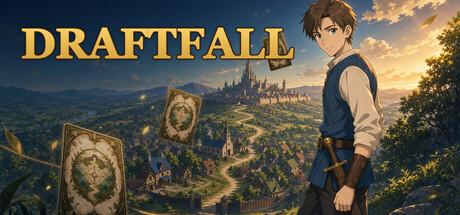 Draftfall In-game content arttext | Draftfall uses pre-generated generative AI content created during development. Most 2D visual assets—including character artwork, sprites, backgrounds, card illustrations and story panels—were created with AI assistance, along with portions of the narrative and gameplay text. All content was reviewed, edited and integrated by the developer. Draftfall does not generate AI content during gameplay or connect to generative AI services while running. | JJ Battlelokit | - | Aug 20, 2026 | |
 BUNNYBALL: Arcade Basketball Roguelike In-game content art | Our visual development workflow uses generative AI to create parts of graphical elements and textures. Every AI-assisted visual asset is reviewed, edited and polished by our team to maintain a consistent visual standard across the game. | SuperSloth Games | - | Aug 20, 2026 | |
 Wall Street Donkey In-game content art | AI tools were used for research and to assist in creating some visual assets. All final assets were reviewed and refined by the developer. | NoCoo Fox | - | Aug 20, 2026 | |
 語彙コイン In-game content art | Some of the 3D models used for the table and room background in this game were created with the assistance of a generative AI (text-to-3D) tool, and were then adjusted and integrated by the developer. All other assets — including the dictionary data, UI artwork, sound, and all in-game text — were produced without generative AI. No content is generated by AI while you play. | nonbirinon223 | - | Aug 20, 2026 | |
 Hell Deck In-game content arttext | AI was only used to generate minimal resources to support unit design and partial localization.
All AI-assisted content has been reviewed, and the final assets were manually drawn to fit the game's artistic style and atmosphere. | OFFMOON Inc. | 118 | Aug 20, 2026 | |
 Obolus In-game content art | The 2D art in OBOLUS is made with image generation models running locally on my own machine — Stable Diffusion XL through ComfyUI, including a style model I trained myself on 1930s cartoon references. None of it is a raw output: every sprite, backdrop, card frame and icon was directed through many passes, then cut out, colour-corrected, upscaled and assembled frame by frame into animation sheets.
Everything else is not AI: the rules, every card and every number on it, the balance, the 22 heroes, the six lands, the writing and the interface. The sound effects are synthesised by code written for this game.
Nothing is generated while you play. The game makes no network calls and ships with no model — nothing runs on your machine, and none of your data goes anywhere. | briciagames | - | Aug 19, 2026 | |
 FRAMEOUT In-game content codeart | AI coding assistants were used during development to help create and edit portions of the code and player-facing implementation that ship with the game. The game's 2D artwork was not created by an image-generation model. All AI-assisted outputs were reviewed, edited, and integrated by the developer. The game does not use generative AI at runtime. | Kebapp Games | - | Aug 19, 2026 | |
 HASSO In-game content arttext | HASSO uses generative AI tools for part of its pre-produced content: the card illustrations, and the translation of the game's text into the languages it supports. All AI-generated content is reviewed and curated before it is included in the game. The user interface icons, the music and the sound effects are not AI-generated. No content is generated by AI at runtime: the player never sends prompts and never receives live AI output. | Giant Turnip Games | - | Aug 19, 2026 | |
 Prevail In-game content artcode | AI was used to generate some of the assets and most of the code. | Alboc Studios | - | Aug 19, 2026 | |
 Salt & Schooners Store/marketing art | Store art work has been generated using AI. | Clayton Games | - | Aug 19, 2026 | |
 Table of War In-game content artaudiocode | The game code, art, and sound was all generated by a combination of Generative AI tools. | Densanon | - | Aug 19, 2026 | |
 牌武者 Unclear | AI tools are used to develop game content. | JZ3003 | - | Aug 19, 2026 | |
 Wyrdane In-game content art | Wyrdane uses AI-generated artwork for its card illustrations. As a solo developer working without a starting budget, this is a pragmatic choice to bring the game's world to life and test its mechanics without a professional illustration budget. If the project finds its audience, the goal is to progressively replace these visuals with artwork made by human illustrators.
Game design, card balance, game mechanics, world-building, and creative direction are entirely human-made. AI is a production tool, not the creator of this game. | Amnertaris | - | Aug 19, 2026 | |
 Penguin Fury In-game content textart | Penguin Fury uses generative AI tools for part of its content.
Localization: The game is available in 39 languages. The original text was
written by the developer. The translations were produced with AI translation
tools and reviewed before release.
Art: Some achievement icons and character/UI artwork were created with the help
of AI image tools and then edited by the developer.
Store page: Some of the text and images on this store page were created with AI
assistance and edited by the developer.
No AI content is generated while you play. Everything in the game is created in
advance and shipped with the build. | exklusiva | - | Aug 19, 2026 | |
 Arrow Rain In-game content art | This game uses generative AI to assist in creating some monster and card artwork. | potg | - | Aug 19, 2026 | |
 Pool Shark In-game content artaudiotext | This game is made by a single dev, and sold for a fair price. In order to do that this dev needed the help of AI. So some pre-rendered assets in this game were created with the help of generative AI tools, always under my direction and with every asset reviewed by me the developer: certain illustrations, backdrops, and UI art; some music tracks and sound effects; and character voice lines generated via text-to-speech from scripts written by me the developer. The game design, the gameplay, physics, and large parts of the code are entirely human-made, and no AI content is generated at runtime. | Motivation Stack LLC | - | Aug 19, 2026 | |
 Davy bones Store/marketing art | Some pre-rendered artwork and marketing assets were created with generative AI tools and then reviewed and edited by the developer before inclusion. The game does not generate new content during gameplay. | Yona games | - | Aug 19, 2026 | |
 Reliquary Store/marketing art | The Current Card Artworks are AI generated.
It will Change in the future | DiaP | - | Aug 19, 2026 | |
 Sail: Evolved Tides In-game content artcode | Some of the game's textures, models, and code were generated with the assistance of AI. | Aellora Games | - | Aug 19, 2026 | |
 Starhand In-game content artaudiotext | The visual art, music, sound effects, pilot voice lines and written text in Starhand were created using generative AI tools — Recraft for illustration, Suno for music, and ElevenLabs for voice and sound effects — and were then selected, edited and assembled by the developer. All of it is generated ahead of time and ships as fixed assets: the game does not generate any content while you play, and it does not connect to any AI service at runtime. | Christopher Hinckley | - | Aug 17, 2026 | |
 Starwood: Lantern In-game content art | Generative AI tools were used during development to create some pre-generated 2D concept art and visual assets that appear in the game and its marketing materials. These assets were selected, edited, integrated, and reviewed by the development team. The game does not generate AI content while it is running. | Coronal Magic | - | Aug 17, 2026 | |
 幻想棋局 In-game content art | AI was used to generate some icons and background images, and to create in-between frames for some character animations. | fusion labs | - | Aug 17, 2026 | |
 Path of Broken Builds In-game content text | Generative AI is used in this game for localization.
Text plays a supporting role here: the game has no story, dialogue or voice acting. Its text is limited to interface labels, node names and short stat descriptions, while the gameplay itself runs on numbers and visual language. | SadCrawler | - | Aug 17, 2026 | |
 FOIL QUEST: a TCG:RPG In-game content artaudiocode | Generative AI tools were used during development to assist with programming and to create or refine portions of the game’s artwork, visual assets, sound effects, and other audio. All AI-assisted content was selected, edited, integrated, and reviewed by the developer. The game does not generate AI content or connect to external AI services during gameplay. | House of Tactics LLC | - | Aug 17, 2026 | |
 Guttering Light In-game content arttext | Guttering Light's content was created using generative AI tools, with every piece prompted, curated, and integrated by the game's solo developer. All AI-generated content is pre-generated: it was reviewed and hand-finished during development, and nothing is generated while you play. | Harrowmere Studios LLC | - | Aug 16, 2026 | |
 Wall of Symbols Store/marketing art | Some of the capsule artwork on this store page was created with the help of AI tools. No AI-generated content is used in the game's in-game art, code, audio or text. | Canis Majoris | - | Aug 16, 2026 | |
 Memento Resonance In-game content artaudiotext | During development, OpenAI image generation tools were used to create portions of the game's 2D artwork, including characters, monsters, backgrounds, UI elements, and icons. Suno was used to create portions of the background music, and ElevenLabs was used to create portions of the sound effects. Generative AI was also used as a drafting and editing aid for some in-game writing and localization.
All generated material was selected, edited, processed, and reviewed by the developer before inclusion in the game. The game does not connect to generative AI services at runtime and does not generate content from player input. | Lipcat Games | - | Aug 16, 2026 | |
 Dustium In-game content audioart | Some music, sound effects, and UI icons in this game were created with the assistance of generative AI tools during development. All AI-generated content has been directly reviewed, selected, and retouched for optimal integration. | TeamAnchor | - | Aug 16, 2026 | |
 Across the Dark In-game content art | Generative AI tools were used to assist in creating initial visual assets (such as background textures and UI elements). All generated assets have been manually edited, refined, and integrated into the game by the developer. | Dayeong Song | - | Aug 16, 2026 | |
 WHEN ARMIES WAVER In-game content arttext | Pre-generated AI-assisted content is used in some 2D artwork, including unit sprites, character portraits, card illustrations, battlefield backgrounds, visual effects, UI decorative elements, and store and marketing artwork. AI assistance was also used for portions of in-game text and English/Japanese localization. All such content is generated before release and curated and edited by the developer. The game does not generate content during gameplay and does not connect to a generative AI service at runtime. | LDMV Works | - | Aug 16, 2026 | |
 UniversiaTCG In-game content arttext | Generative artwork is used in the creation of part or full of assets that can not be generated by the game engine. AI is used in the drafting of art and writing before it is reviewed and heavily edited. | Toad & Luck Dragon | - | Aug 16, 2026 | |
 Total Synthesis In-game content text | Portions of this game's written content were drafted with the assistance of Anthropic's Claude, under the direction of the developer, and were reviewed and edited by a human before inclusion. All artwork is procedurally rendered by the game's own code. No generative AI images are used. No AI content is generated during gameplay. | Sinter Labs LLC | - | Aug 16, 2026 | |
 Vanguard Fusion In-game content art | The 2D background images in the main menu and the promotional (capsule) designs used on the Steam store page were created with the help of generative AI tools and subsequently edited manually. The characters, battlefields, and in-game pixel art graphics that make up the core game experience are completely outside of this scope. | Epicold Interactive | - | Aug 16, 2026 | |
 Winner Takes Tea In-game content artcode | Generative AI was used in the development of this game. 2D artwork (characters, familiars, cards, backgrounds, etc.) was created with image-generation AI, then curated, edited, and retouched by the developer. AI-assisted tools were also used during development (e.g., programming). No AI content is generated at runtime. BOT opponents are rule-based programs, not generative AI. | Cocoa Dice | - | Aug 16, 2026 | |
 CARRRDS In-game content artcode | Art and some code generated with AI models. | Owen Collier | - | Aug 16, 2026 | |
 Adventure Honor In-game content artaudio | The character skill map and background scene background map use some AI, and the background music uses some AI | Laing Game | - | Aug 16, 2026 | |
 It’s Just 45 Seconds In-game content text | Generative AI was used to assist with the localization of the game's text into multiple languages. The Portuguese and English localizations were reviewed by the developer, while the Japanese localization received partial human review. Other supported languages were translated with AI assistance and have not yet received full human review, or their review is still in progress. | AA Games | - | Aug 15, 2026 | |
 Cardrooms In-game content art | The game's character artwork was created with the assistance of generative AI. Generative AI is not used to generate content during gameplay. | DriftVale | - | Aug 14, 2026 | |
 The Cup In-game content audiotext | The two announcer voices, BroadcASH and BOBcast, are generated with ElevenLabs from scripts we write and edit ourselves. Every line is approved, levelled and listened to by hand before it ships.
Nothing else in the game is AI generated. The card art is emoji placeholder today, and is being replaced with original illustrations commissioned from human artists. The music is composed in-house by our own procedural scripts, and every track has a written provenance log. The rules, the design and the natural history research are ours.
Some marketing and store copy is drafted with AI assistance and edited before use. | Tkayy | - | Aug 14, 2026 | |
 Pegs of Hell Unclear art | Some of the visual elements are generated. | WOMBEX Games | - | Aug 14, 2026 |


