








Disclosure
AI tools assisted with coding and select supporting visual assets. All writing, mechanics, systems, and game design are original.
- Creator
- SeveredGD
- Reviews
- -
- Added
- Jul 29, 2026
Public Steam disclosure research 25,380 disclosures tracked
Search developers’ Steam disclosures, compare classified AI use across games, and follow recorded changes. This index adds cross-game classifications and statistics to statements published on individual store pages.
Code help, debugging and other development work.
Capsule art, trailers and promotional material.
Pre-made art, audio, writing and other game assets.
Interactive or runtime AI features disclosed by the developer.
Groups reflect automatic analysis of public disclosures; mature records are excluded. These counts do not measure AI use across all of Steam. Missing or unclear statements cannot establish whether a game uses AI.
AI tools assisted with coding and select supporting visual assets. All writing, mechanics, systems, and game design are original.
This game extensively utilizes AI technology in character design, UI, visual effects, sound effects, music, and promotional artwork to enhance production efficiency and explore innovative styles.
Ironwake contains pre-generated AI content. Some 2D art assets (character sprites, portraits, item illustrations, backgrounds, and icon sets) were created using AI image-generation tools (PixelLab and MidJourney, plus licensed third-party icon packs produced with Stable Diffusion). Some sound effects, ambient audio, and music tracks were created using AI audio-generation tools (ElevenLabs). All AI-generated assets were reviewed, curated, and edited by the developer. The game does not generate any content with AI at runtime, and no live AI models are accessed by the game.
Some of the art and audio in The Ancient Caverns was created with the help of generative AI tools — including character and creature animations, item, weapon and environment art, and the musical soundtrack. All AI-assisted assets were reviewed, edited and integrated by the developer. The game does not generate any content with AI while you play; everything is fixed and created ahead of time.
AI was used for some asset/card art only. No live AI generation."
1.Some scenes 2.promotional renderings。
Some of this game's artwork — including key art, the main-menu background, and store/marketing images — was created with the help of generative AI (Midjourney) and then curated and edited by the developer. Everything else, including gameplay, code, sound, and the in-game pixel art, is human-made or from licensed asset packs. No AI-generated content is produced live while you play. Some in-game text translations were produced with AI assistance and reviewed for accuracy.
Our Policy on AI & Procedural Generation Valenfeld is built by one person, on a shoestring budget, with an Elder Scrolls–sized ambition. Here is exactly how, and why, AI fits into that. Why we use it Valenfeld is a solo indie project chasing a scope that normally takes a studio of dozens: a massive, hand-lorekept world you can wander for years without hitting an edge. That scope is not achievable by one person typing every tree, every ruin, and every line of dialogue by hand on a shoestring budget and an ambitious timeline. So we lean on AI-enabled workflows and, more importantly, cutting-edge procedural algorithms to scale content production and world scale to match the ambition — not to replace it. What always stays human Every piece of content in the game — every place, character, creature, item, quest, and line of lore — is built and overseen by a human creator and judge, grounded in our own ideas, our own lore, and our own systems design. AI does not decide what Valenfeld is. It never originates the world's canon, its themes, or its design intent on its own; it accelerates producing what we've already decided the world should be, and everything it touches is reviewed before it ships. Not AI slop — procedural generation is the point We're not interested in dumping raw model output into the game and calling it done. Our actual goal is an experimental, large-scale world built on cutting-edge procedural algorithms — terrain, dungeons, towns, ecosystems, even history — designed to be massively replayable for years, not a one-and-done AI slideshow. AI-assisted tooling is one part of the production pipeline that gets us there faster on a small budget; the procedural systems and the authored lore they run on are the actual craft, and that's where our attention to detail goes. Our bet We believe that if we focus relentlessly on delivering the best game possible — with a genuinely obsessive eye for detail on everything we ship — we can produce something great on a low budget and a small team of one. That is the bar we hold ourselves to, not "shipped fast" or "shipped cheap." As we grow This is how we build today, as a solo project with an ambitious scope and timeline. If and when Valenfeld earns a bigger budget for this game or for future releases, we intend to keep building just as ambitiously — with a team of art, lore, and gameplay experts working alongside these same tools, not replaced by them. Thinking about the best possible game comes first; everything else, including how we scale to build it, follows from that. — Metatransformer Studios
Artificial intelligence was used during development solely as a coding assistant for programming, code optimization, and localization.
Generative AI tools were used to help develop some in game assets.
AI assisted translations.
Some in-game item icons are created with the help of AI-assisted generation tools.
Visual assets in Blackbriar Crypt were created with generative AI tools (Stable Diffusion via ComfyUI), including in-game 2D art such as item icons, character portraits, enemy sprites, and UI backgrounds, as well as store and library marketing images. Each asset was selected, edited, and approved by the developer before release.
Evo Ascension includes limited AI‑generated content. Some audio and select graphical elements were created using AI tools, with most visuals further refined and hand‑edited in Aseprite. All gameplay systems, pixel art characters, animations, and core design remain handcrafted by the developer.
The game logo was created with the assistance of generative AI and edited by the developer. AI was also used to assist with localization translations for other languages, which were reviewed and edited by the developer. No live-generated AI content is used during gameplay.
Generative AI tools were used during development to assist in creating and refining certain pre-generated 2D visual assets, including character artwork, environments, user interface elements, promotional materials, and store page graphics. All AI-assisted content was reviewed, edited, selected, and integrated by the developer. The game does not generate AI content during gameplay and does not send player input to external AI services.
Part of the store page assets were enhanced with AI tools.
Some of the sound effects in this game were created using generative AI tools. AI-generated audio is edited and mixed by the development team before being used in the game.
The achievement icons and some store page promotional images were created with the assistance of generative AI tools.
Human-designed, AI-assisted in the creation of game assets.
Generative AI was used to help translate this game's text into languages other than English or Spanish.
Generative AI tools were used during development to assist with the creation of some 3D assets, music, and draft visual materials. Character concepts were based on human-made sketches, and AI was used only for early draft exploration; the final in-game characters were created by humans. All AI-assisted materials were reviewed, edited, and integrated into the game by the developer. AI is not used to generate content during gameplay.
Generative AI was used to enhance and improve some cutscene visuals. Apart from these specific visual assets, no other parts of the game were created using generative AI. All gameplay systems, game design, programming, writing, balancing, and the majority of visual content were created manually by the developer.
This game uses AI-generated content in two areas: background music tracks were created using Mureka AI, and some pixel art assets were generated using PixelLab. All AI-generated content was reviewed, curated, and integrated by the developer.
Some art assets in this game were created or assisted by generative AI tools during development, including selected icons, textures, and promotional images. All such assets were pre-generated, manually reviewed, edited, and integrated into the game. The game does not generate AI content during runtime and does not connect to or use any external AI services.
Some 2D art assets in Brimir: Pilgrimage to the Heart (such as background illustrations and key art) were created with the help of AI image-generation tools, then reviewed and edited by the development team. Purchased asset packs and tilesets, as well as all game code, systems, and design, are not AI-generated. We have taken care to ensure the generated content does not infringe on existing intellectual property.
Some visual assets, promotional images, and concept artwork were created or refined with AI-assisted tools. The final game design, gameplay implementation, level structure, UI integration, editing, selection, arrangement, and compilation were completed and reviewed by the developer. The game does not generate AI content during gameplay.
Some 2D art assets (weapon icons and sprites) were pre-generated using AI tools.
AI-assisted tools were used for parts of the game’s localization.
Pre-generated: Steam store capsule and library key art was created using OpenAI image generation and then cropped, titled, and prepared by the developer. No generative AI runs during gameplay.
This game uses generative AI as part of its art and localization pipeline. Specifically: - Character portrait artwork: The hunters' painted bust portraits (shown on the character-select screen, and reused in store page capsule art and the trailer) were generated using a local Stable Diffusion XL model with a custom LoRA, then composited by hand into final scenes. - Localization: UI text translations for French, German, Spanish (Spain), Spanish (Latin America), Portuguese (Brazil), Italian, Polish, and Turkish were produced with AI assistance and reviewed before shipping. All AI-assisted content was reviewed by the development team before inclusion. No content is generated live or in response to player input during gameplay — all AI-assisted assets are fixed at build time.
仅用于辅助宣传素材的创作
AI was used to assist with grammar corrections for in-game text, which were then carefully reviewed and refined by hand. We use AI solely as a supporting tool. Every aspect of the game is guided by human creativity, and our development process remains firmly centered on manual work.
AI was used for the code base and art/design of the game to allow development by only one person, Henrik Kjærulff.
Using AI-assisted drawing
Some of the content in SacriForge was created with the help of generative AI tools during development, including 2D art and illustrations, music, sound effects, and text. All AI-assisted content was reviewed and edited by the developer.
The character portraits in the game were generated by AI and then manually adjusted.
Some in-game visual assets (character portraits, icons, and interface art) were created with generative AI tools under commercial licenses, with direction and curation by the developer. Background music is licensed separately (Kevin MacLeod, CC BY 4.0). The game does not generate new art or text during gameplay.
Some 2D art assets (e.g. icons, store capsules, background art) were created with the help of generative AI image tools and then curated and edited by the developer. No AI-generated content is produced live during gameplay.
We are using AI art assets in places where our Art has not caught up to the current game progress. We are continuing to produce art to replace the AI assets.
Some in-game art assets were created or assisted using generative AI tools, then reviewed, edited, and integrated by the developer. AI tools were also used as development assistance for parts of the code. The game does not generate AI content during gameplay.
AI was used to assist on coding and to create some of the pictures and text descriptions used.
Suho's background music was produced with the help of a generative AI music tool, and some store-page text was drafted with AI assistance and edited by a human. We intend to replace the AI-generated music with commissioned, original music. All gameplay, game design, code, and in-game visual art are human-authored or rendered programmatically (not AI-generated), and no AI content is generated live during play - the soundtrack ships as fixed, pre-made audio files.
Partial images and BGM created by AI
This game uses AI-assisted tools during development to help create and iterate on some visual assets, such as concept art, UI background images, icons, effects references, and promotional artwork. The generated material is reviewed and edited by the developer before it is included in the game or store page. AI is not used during gameplay to generate player-facing text, images, audio, music, voice, 3D models, code, story choices, or gameplay decisions.
Generative AI tools were used to assist in the creation of certain visual assets during development. All final in-game content was created and reviewed by professional artists.
Some skill icons were made or altered with AI.
This game uses generative AI for the translation of in-game text. AI-generated translations are reviewed using translation services and human editing, and are revised or expanded as needed. Generative AI is also used as a production aid for some UI images. Generated materials are manually edited and adjusted by humans. Generative AI is not used to generate content while the game is running.
Parts of development (coding assistance) and the store/marketing page's text and graphics were created using AI-assisted tools (including Anthropic Claude). In-game graphics and audio come from licensed asset packs or were assembled manually; no content is generated by AI at runtime within the game.
AI tools were used to assist with localization for some of the supported languages in Guncrypt. Many translations were reviewed by native speakers at Halfbrick, although not every supported language received a full review. If you notice anything that seems incorrect in your language, please let us know. We’d appreciate your help improving it.
| Title⇅ | Disclosure | Creator⇅ | Src | Reviews⇅ | Added↓ |
|---|---|---|---|---|---|
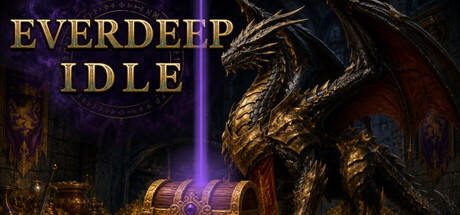 Everdeep Idle Dev only artcode | AI tools assisted with coding and select supporting visual assets. All writing, mechanics, systems, and game design are original. | SeveredGD | - | Jul 29, 2026 | |
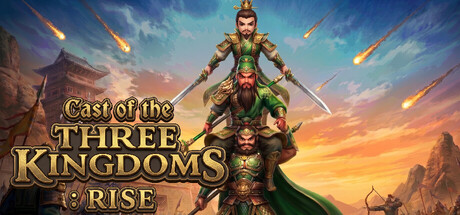 三国掷:崛起 In-game content artaudiotext | This game extensively utilizes AI technology in character design, UI, visual effects, sound effects, music, and promotional artwork to enhance production efficiency and explore innovative styles. | 星组游戏 | - | Jul 29, 2026 | |
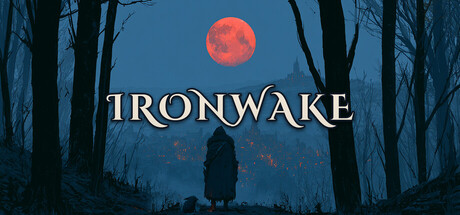 Ironwake In-game content artaudio | Ironwake contains pre-generated AI content. Some 2D art assets (character sprites, portraits, item illustrations,
backgrounds, and icon sets) were created using AI image-generation tools (PixelLab and MidJourney, plus licensed
third-party icon packs produced with Stable Diffusion). Some sound effects, ambient audio, and music tracks were created
using AI audio-generation tools (ElevenLabs). All AI-generated assets were reviewed, curated, and edited by the
developer. The game does not generate any content with AI at runtime, and no live AI models are accessed by the game. | Seahorse Games | - | Jul 27, 2026 | |
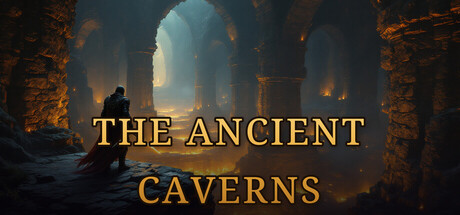 The Ancient Caverns In-game content artaudio | Some of the art and audio in The Ancient Caverns was created with the help of generative AI tools — including character and creature animations, item, weapon and environment art, and the musical soundtrack. All AI-assisted assets were reviewed, edited and integrated by the developer. The game does not generate any content with AI while you play; everything is fixed and created ahead of time. | Meridian Studios | - | Jul 25, 2026 | |
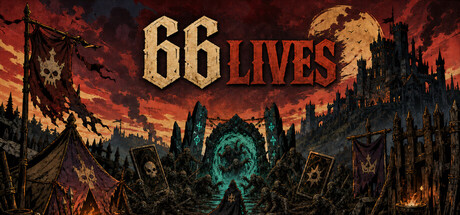 66 Lives In-game content art | AI was used for some asset/card art only. No live AI generation." | Comismele | - | Jul 25, 2026 | |
 挂机魔王 Unclear | 1.Some scenes
2.promotional renderings。 | Ashforge Games | 36 | Jul 25, 2026 | |
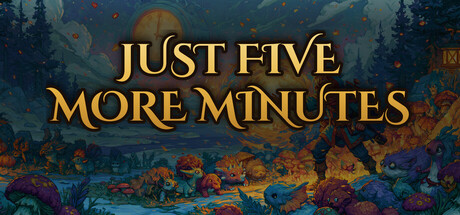 Just Five More Minutes In-game content arttext | Some of this game's artwork — including key art, the main-menu background, and store/marketing images — was created with the help of generative AI (Midjourney) and then curated and edited by the developer.
Everything else, including gameplay, code, sound, and the in-game pixel art, is human-made or from licensed asset packs. No AI-generated content is produced live while you play.
Some in-game text translations were produced with AI assistance and reviewed for accuracy. | Meridian Studios | - | Jul 25, 2026 | |
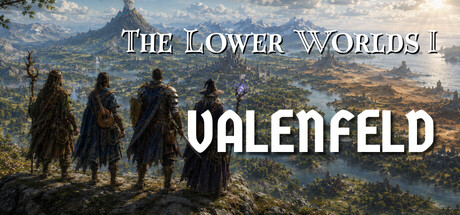 Valenfeld In-game content arttext | Our Policy on AI & Procedural Generation
Valenfeld is built by one person, on a shoestring budget, with an Elder Scrolls–sized ambition. Here is exactly how, and why, AI fits into that.
Why we use it
Valenfeld is a solo indie project chasing a scope that normally takes a studio of dozens: a massive, hand-lorekept world you can wander for years without hitting an edge. That scope is not achievable by one person typing every tree, every ruin, and every line of dialogue by hand on a shoestring budget and an ambitious timeline. So we lean on AI-enabled workflows and, more importantly, cutting-edge procedural algorithms to scale content production and world scale to match the ambition — not to replace it.
What always stays human
Every piece of content in the game — every place, character, creature, item, quest, and line of lore — is built and overseen by a human creator and judge, grounded in our own ideas, our own lore, and our own systems design. AI does not decide what Valenfeld is. It never originates the world's canon, its themes, or its design intent on its own; it accelerates producing what we've already decided the world should be, and everything it touches is reviewed before it ships.
Not AI slop — procedural generation is the point
We're not interested in dumping raw model output into the game and calling it done. Our actual goal is an experimental, large-scale world built on cutting-edge procedural algorithms — terrain, dungeons, towns, ecosystems, even history — designed to be massively replayable for years, not a one-and-done AI slideshow. AI-assisted tooling is one part of the production pipeline that gets us there faster on a small budget; the procedural systems and the authored lore they run on are the actual craft, and that's where our attention to detail goes.
Our bet
We believe that if we focus relentlessly on delivering the best game possible — with a genuinely obsessive eye for detail on everything we ship — we can produce something great on a low budget and a small team of one. That is the bar we hold ourselves to, not "shipped fast" or "shipped cheap."
As we grow
This is how we build today, as a solo project with an ambitious scope and timeline. If and when Valenfeld earns a bigger budget for this game or for future releases, we intend to keep building just as ambitiously — with a team of art, lore, and gameplay experts working alongside these same tools, not replaced by them. Thinking about the best possible game comes first; everything else, including how we scale to build it, follows from that.
— Metatransformer Studios | Metatransformer Studios | - | Jul 25, 2026 | |
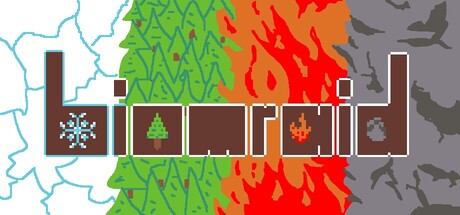 biomraid In-game content codetext | Artificial intelligence was used during development solely as a coding assistant for programming, code optimization, and localization. | Karacho Games | - | Jul 25, 2026 | |
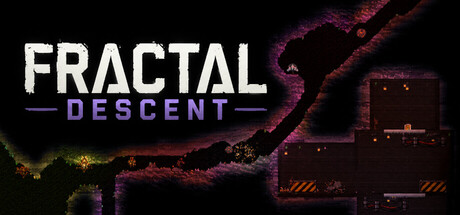 Fractal Descent In-game content art | Generative AI tools were used to help develop some in game assets. | AEVO | - | Jul 25, 2026 | |
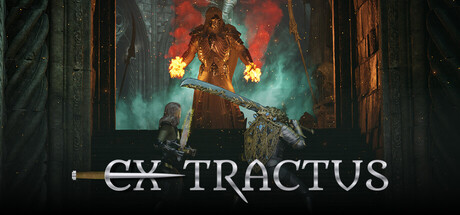 EX-Tractus In-game content text | AI assisted translations. | gameSessa | - | Jul 25, 2026 | |
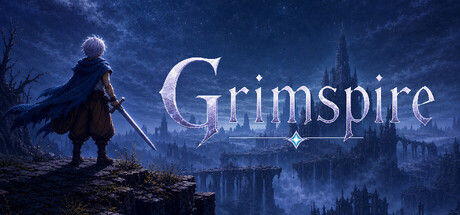 Grimspire In-game content art | Some in-game item icons are created with the help of AI-assisted generation tools. | GuavaPurr Studio | - | Jul 23, 2026 | |
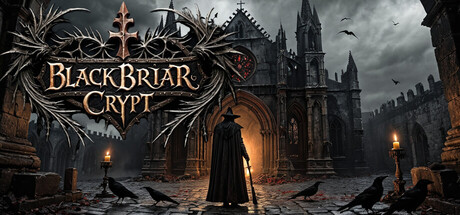 Blackbriar Crypt In-game content art | Visual assets in Blackbriar Crypt were created with generative AI tools (Stable Diffusion via ComfyUI), including in-game 2D art such as item icons, character portraits, enemy sprites, and UI backgrounds, as well as store and library marketing images. Each asset was selected, edited, and approved by the developer before release. | Donbrico Studio | - | Jul 23, 2026 | |
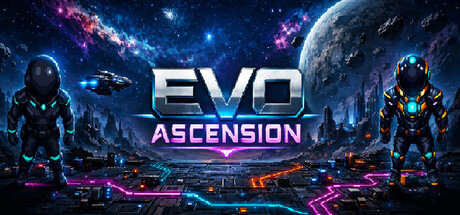 Evo Ascension In-game content artaudio | Evo Ascension includes limited AI‑generated content. Some audio and select graphical elements were created using AI tools, with most visuals further refined and hand‑edited in Aseprite. All gameplay systems, pixel art characters, animations, and core design remain handcrafted by the developer. | C4 Interactive | - | Jul 23, 2026 | |
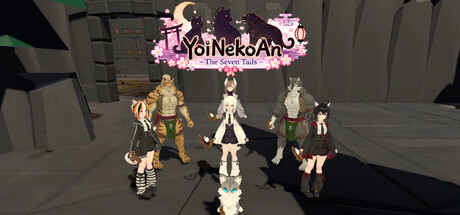 YoiNekoAn: The Seven Tails In-game content arttext | The game logo was created with the assistance of generative AI and edited by the developer. AI was also used to assist with localization translations for other languages, which were reviewed and edited by the developer. No live-generated AI content is used during gameplay. | YoiNekoAn | - | Jul 23, 2026 | |
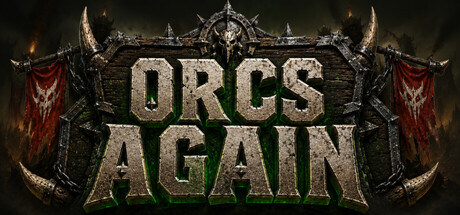 Orcs Again In-game content art | Generative AI tools were used during development to assist in creating and refining certain pre-generated 2D visual assets, including character artwork, environments, user interface elements, promotional materials, and store page graphics. All AI-assisted content was reviewed, edited, selected, and integrated by the developer. The game does not generate AI content during gameplay and does not send player input to external AI services. | Hispagames Estudios | - | Jul 22, 2026 | |
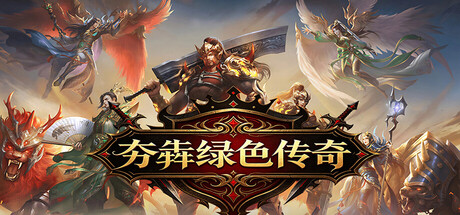 夯犇绿色传奇 Store/marketing art | Part of the store page assets were enhanced with AI tools. | 夯犇绿色传奇 | 28 | Jul 22, 2026 | |
 Just in Case In-game content audio | Some of the sound effects in this game were created using generative AI tools. AI-generated audio is edited and mixed by the development team before being used in the game. | Romantissimo | - | Jul 22, 2026 | |
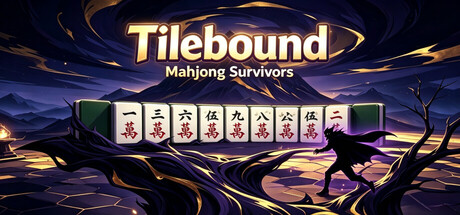 Tilebound:Mahjong Survivors In-game content art | The achievement icons and some store page promotional images were created with the assistance of generative AI tools. | BambooByte Studio | - | Jul 22, 2026 | |
 Chronicles of the Fallen Realm In-game content art | Human-designed, AI-assisted in the creation of game assets. | Cinderfall Games | - | Jul 22, 2026 | |
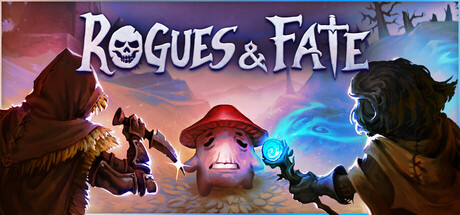 Rogues & Fate In-game content text | Generative AI was used to help translate this game's text into languages other than English or Spanish. | David Moralejo Sánchez | - | Jul 22, 2026 | |
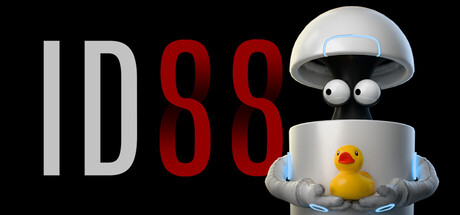 ID88 In-game content artaudio | Generative AI tools were used during development to assist with the creation of some 3D assets, music, and draft visual materials. Character concepts were based on human-made sketches, and AI was used only for early draft exploration; the final in-game characters were created by humans. All AI-assisted materials were reviewed, edited, and integrated into the game by the developer. AI is not used to generate content during gameplay. | Vayatika | - | Jul 22, 2026 | |
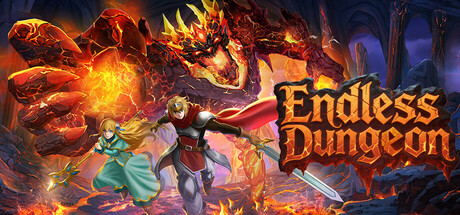 无尽地下城 In-game content art | Generative AI was used to enhance and improve some cutscene visuals. Apart from these specific visual assets, no other parts of the game were created using generative AI.
All gameplay systems, game design, programming, writing, balancing, and the majority of visual content were created manually by the developer. | 起源工作室 | - | Jul 21, 2026 | |
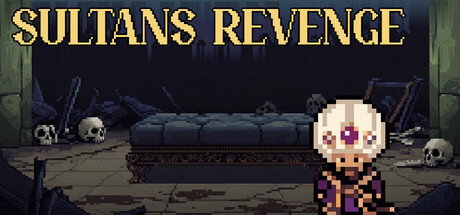 Sultans Revenge In-game content audioart | This game uses AI-generated content in two areas: background music tracks were created using Mureka AI, and some pixel art assets were generated using PixelLab. All AI-generated content was reviewed, curated, and integrated by the developer. | Wagenlight Games | - | Jul 20, 2026 | |
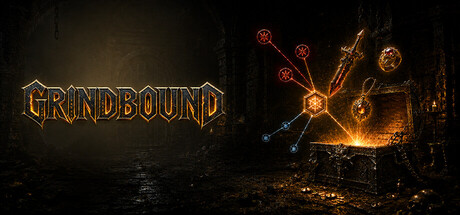 Grindbound In-game content art | Some art assets in this game were created or assisted by generative AI tools during development, including selected icons, textures, and promotional images. All such assets were pre-generated, manually reviewed, edited, and integrated into the game. The game does not generate AI content during runtime and does not connect to or use any external AI services. | Umbral Forge | - | Jul 20, 2026 | |
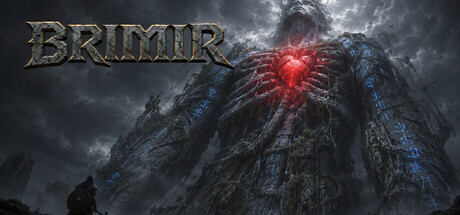 Brimir: Pilgrimage to the Heart In-game content art | Some 2D art assets in Brimir: Pilgrimage to the Heart (such as background illustrations and key art) were created with the help of AI image-generation tools, then reviewed and edited by the development team. Purchased asset packs and tilesets, as well as all game code,
systems, and design, are not AI-generated. We have taken care to ensure the generated content does not infringe on existing intellectual property. | SANG WOOK KIM | 27 | Jul 18, 2026 | |
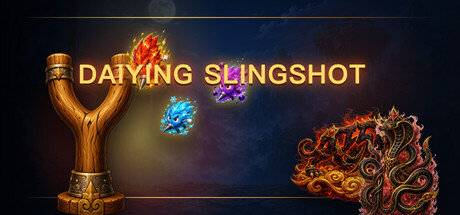 Daiying Slingshot In-game content art | Some visual assets, promotional images, and concept artwork were created or refined with AI-assisted tools. The final game design, gameplay implementation, level structure, UI integration, editing, selection, arrangement, and compilation were completed and reviewed by the developer. The game does not generate AI content during gameplay. | Daiying Studio | - | Jul 18, 2026 | |
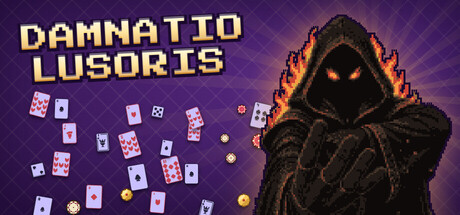 Damnatio Lusoris In-game content art | Some 2D art assets (weapon icons and sprites) were pre-generated using AI tools. | Cursed Die Studio | - | Jul 18, 2026 | |
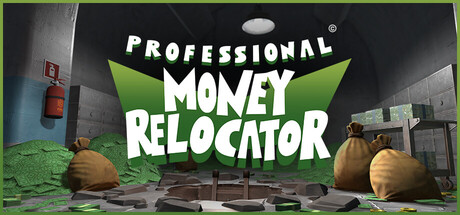 Professional Money Relocator In-game content text | AI-assisted tools were used for parts of the game’s localization. | Two Random Guys Studio | - | Jul 18, 2026 | |
 EAT THE RICH Store/marketing art | Pre-generated: Steam store capsule and library key art was created using OpenAI image generation and then cropped, titled, and prepared by the developer. No generative AI runs during gameplay. | alyssastahp | - | Jul 17, 2026 | |
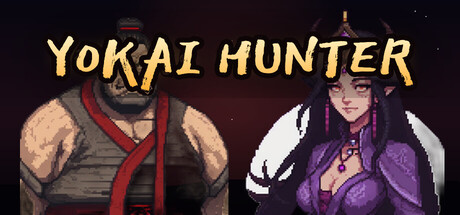 Yokai Hunter In-game content arttext | This game uses generative AI as part of its art and localization pipeline. Specifically:
- Character portrait artwork: The hunters' painted bust portraits (shown on the character-select screen, and reused in store page capsule art and the trailer) were generated using a local Stable Diffusion XL model with a custom LoRA, then composited by hand into final scenes.
- Localization: UI text translations for French, German, Spanish (Spain), Spanish (Latin America), Portuguese (Brazil), Italian, Polish, and Turkish were produced with AI assistance and reviewed before shipping.
All AI-assisted content was reviewed by the development team before inclusion. No content is generated live or in response to player input during gameplay — all AI-assisted assets are fixed at build time. | Shrimp Gang Studio | - | Jul 17, 2026 | |
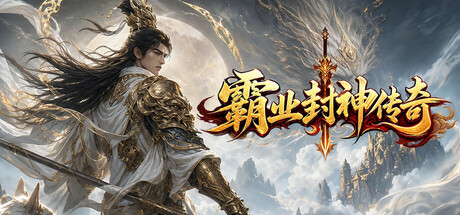 霸业封神传奇 Store/marketing art | 仅用于辅助宣传素材的创作 | 霸业封神传奇 | - | Jul 17, 2026 | |
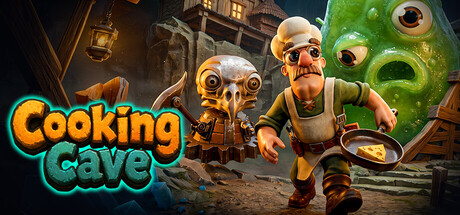 Cooking Cave In-game content text | AI was used to assist with grammar corrections for in-game text, which were then carefully reviewed and refined by hand.
We use AI solely as a supporting tool. Every aspect of the game is guided by human creativity, and our development process remains firmly centered on manual work. | RawDex | - | Jul 16, 2026 | |
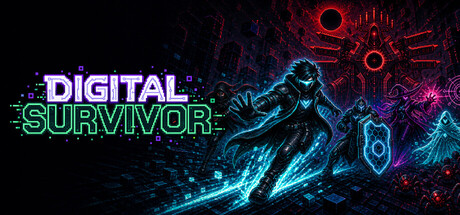 Digital Survivor In-game content artcode | AI was used for the code base and art/design of the game to allow development by only one person, Henrik Kjærulff. | Henrik 'WackyJacky101' Kjærulff | - | Jul 15, 2026 | |
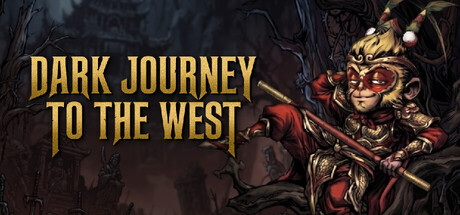 Dark Journey to the West Unclear art | Using AI-assisted drawing | QingHe Games | - | Jul 15, 2026 | |
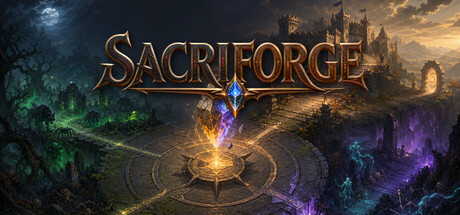 SacriForge In-game content artaudiotext | Some of the content in SacriForge was created with the help of generative AI tools during development, including 2D art and illustrations, music, sound effects, and text. All AI-assisted content was reviewed and edited by the developer. | RapidRush | - | Jul 15, 2026 | |
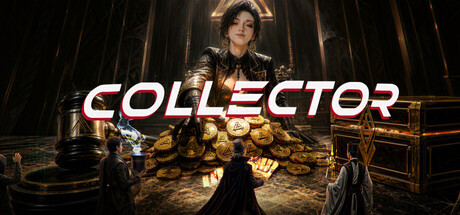 大收藏家 In-game content art | The character portraits in the game were generated by AI and then manually adjusted. | Dragon Mirror Studio | - | Jul 15, 2026 | |
 Primal Axis In-game content art | Some in-game visual assets (character portraits, icons, and interface art) were created with generative AI tools under commercial licenses, with direction and curation by the developer. Background music is licensed separately (Kevin MacLeod, CC BY 4.0). The game does not generate new art or text during gameplay. | Ásgeir Jónasson | - | Jul 15, 2026 | |
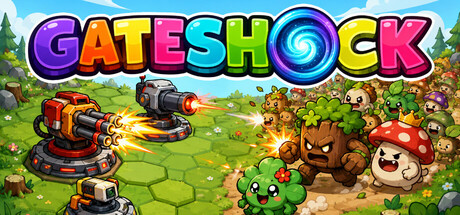 Gateshock In-game content art | Some 2D art assets (e.g. icons, store capsules, background art) were created with the help of generative AI image tools and then curated and edited by the developer. No AI-generated content is produced live during gameplay. | 3dGecko | - | Jul 15, 2026 | |
 Yokai Idle In-game content art | We are using AI art assets in places where our Art has not caught up to the current game progress. We are continuing to produce art to replace the AI assets. | OttoTsuma | - | Jul 15, 2026 | |
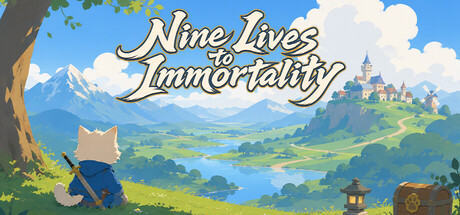 Nine Lives to Immortality: Did Kitty Break Through Today? In-game content artcode | Some in-game art assets were created or assisted using generative AI tools, then reviewed, edited, and integrated by the developer. AI tools were also used as development assistance for parts of the code. The game does not generate AI content during gameplay. | Richat Studio | - | Jul 13, 2026 | |
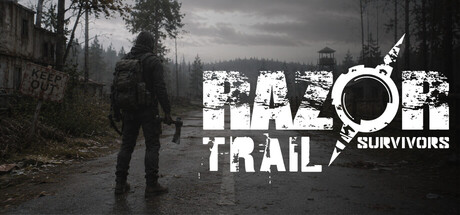 Razor Trail Survivors In-game content arttext | AI was used to assist on coding and to create some of the pictures and text descriptions used. | RH Portugal | - | Jul 11, 2026 | |
 Suho In-game content audiotext | Suho's background music was produced with the help of a generative AI music tool, and some store-page text was drafted with AI assistance and edited by a human. We intend to replace the AI-generated music with commissioned, original music. All gameplay, game design, code, and in-game visual art are human-authored or rendered programmatically (not AI-generated), and no AI content is generated live during play - the soundtrack ships as fixed, pre-made audio files. | Hanamori Labs, LLC | - | Jul 11, 2026 | |
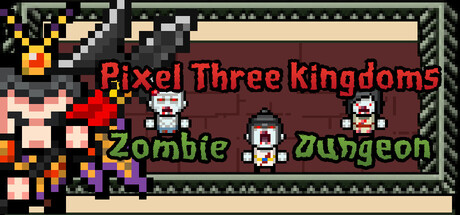 像素三国-僵尸地牢 In-game content artaudio | Partial images and BGM created by AI | YYTGAME | - | Jul 11, 2026 | |
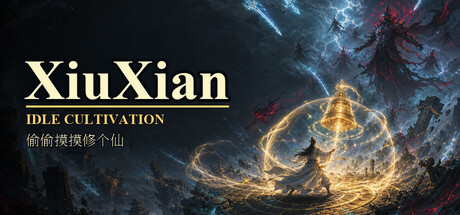 偷偷摸摸修个仙 In-game content art | This game uses AI-assisted tools during development to help create and iterate on some visual assets, such as concept art, UI background images, icons, effects references, and promotional artwork. The generated material is reviewed and edited by the developer before it is included in the game or store page. AI is not used during gameplay to generate player-facing text, images, audio, music, voice, 3D models, code, story choices, or gameplay decisions. | 浪屿峻造 | 90 | Jul 11, 2026 | |
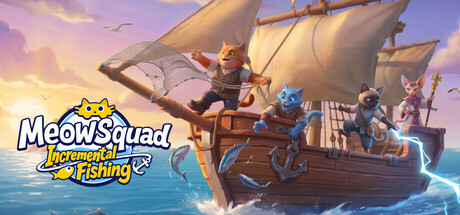 Meow Squad: Incremental Fishing In-game content art | Generative AI tools were used to assist in the creation of certain visual assets during development. All final in-game content was created and reviewed by professional artists. | Happy Universe Studios | - | Jul 11, 2026 | |
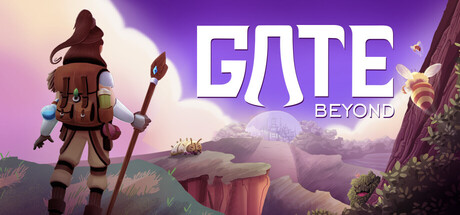 Gate: Beyond In-game content art | Some skill icons were made or altered with AI. | Guild's Gate Studio | - | Jul 11, 2026 | |
 AVILION forever In-game content textart | This game uses generative AI for the translation of in-game text.
AI-generated translations are reviewed using translation services and human editing, and are revised or expanded as needed.
Generative AI is also used as a production aid for some UI images. Generated materials are manually edited and adjusted by humans.
Generative AI is not used to generate content while the game is running. | STUDIO FRONTIER | - | Jul 9, 2026 | |
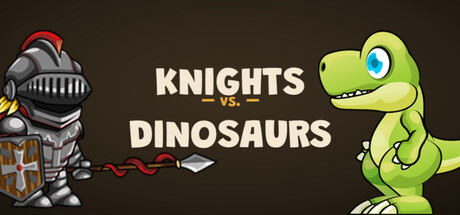 Knights vs. Dinosaurs In-game content textartcode | Parts of development (coding assistance) and the store/marketing page's text and graphics were created using AI-assisted tools (including Anthropic Claude). In-game graphics and audio come from licensed asset packs or were assembled manually; no content is generated by AI at runtime within the game. | Svenigator | - | Jul 8, 2026 | |
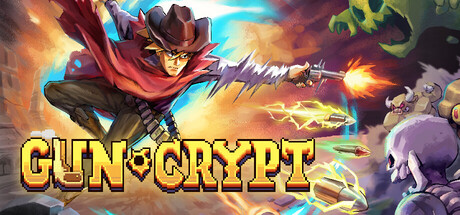 Guncrypt In-game content text | AI tools were used to assist with localization for some of the supported languages in Guncrypt. Many translations were reviewed by native speakers at Halfbrick, although not every supported language received a full review.
If you notice anything that seems incorrect in your language, please let us know. We’d appreciate your help improving it. | Halfbrick Studios | - | Jul 8, 2026 |


