








Disclosure
Some of the game's art assets were created with the assistance of generative AI tools.
- Creator
- Sojourner. Game
- Reviews
- -
- Added
- Jun 3, 2026
Public Steam disclosure research 25,380 disclosures tracked
Search developers’ Steam disclosures, compare classified AI use across games, and follow recorded changes. This index adds cross-game classifications and statistics to statements published on individual store pages.
Code help, debugging and other development work.
Capsule art, trailers and promotional material.
Pre-made art, audio, writing and other game assets.
Interactive or runtime AI features disclosed by the developer.
Groups reflect automatic analysis of public disclosures; mature records are excluded. These counts do not measure AI use across all of Steam. Missing or unclear statements cannot establish whether a game uses AI.
Some of the game's art assets were created with the assistance of generative AI tools.
Some temporary music tracks used in the game were created with the assistance of generative AI tools. (Suno)
The game itself is made entirely by human hands. All in-game art, music, sound design, and writing are created or directed by human authors without generative AI. All gameplay footage shown on this store page is real, captured from the actual game. Generative AI is used for some marketing materials — including promotional images, social media assets, and capsule art — to support a small independent studio's marketing within budget constraints. These AI-generated images are intended to represent the game's existing hand-made art style. No AI-generated content is shipped inside the game itself. If Echo Pandemic recovers its development costs, capsule images and marketing material will be replaced with commissioned human work.
Generative AI was used to create a small number of pre-rendered images used in optional easter eggs and hidden content. The core gameplay, programming, design, and the majority of the game’s assets were created manually by the developer. The game does not use real-time AI-generated content or AI-driven gameplay systems.
Some visual assets in this game, including achievement icons and video content, were created with the assistance of AI image generation tools.
This game includes some visual and audio contents created with the assistance of generative A.I. All content included in the final release was curated, edited, and integrated by the developer as part of the creative process. The game engine and logic is 100% human created.
This game using AI to creat pictures and music
Some in-game art assets were generated using AI during production and have been further polished by professional human artists.
AI for image generation and coding assistance
Ingame textures and images.
Some visual assets and promotional materials for Frozen Christmas Magic: Santa’s Hidden Village were created with the assistance of generative AI tools, then manually directed, selected, edited and integrated by the developer as part of the game’s artistic production pipeline. No real-time generative AI is used during gameplay.
We used both to create the images on the Steam page, as well as to create the music and sound in the game.
仅有部分背景(用PS木刻效果转换的图片除外)使用AI软件制作。
The content in the game is planned and designed manually, assisted by generative AI tools, and finally processed and completed by humans.
There are currently images that are AI generated. We are currently working on getting artwork done by artists to replace it.
AI technology is adopted in the game to generate videos, scenes and other in-game elements.
Some images were designed with AI assistance. (AI was not used during the initial store review, and we adopted it for design support later.)
Visual assets used in this game were created with the assistance of generative AI and were curated, edited, and integrated by the developer.
Vertical capsule image (store and library) generated using Adobe Firefly. All in-game content (sprites, music, sound effects) is human-created or licensed from human-made asset packs.
Partially. Galactic Tenebris Company believes in being transparent with the people who play our games. Here is an honest account of where AI tools contributed to this production: — Some icons and UI elements, including weapon icons — Organizing and structuring the scenario, narrative documents, and dialogue across the game's four regions — Translation from Mr. M.'s private family dialect into English. All 3D models were handcrafted by the developer. No textures were AI-generated. The music and sound effects were composed and not generated by AI tools. Our position as a company is simple — we use AI only where we have no other means or resources available. Where human craft was possible, human craft was used. Every creative decision — the story, the world, the characters, the quests, the writing — was made by the developer. The scenario and dialogues were authored by the developer and organised with AI assistance. The foundation of this game is firsthand experience. That part was not written by any tool. — Mr. M., Owner of Galactic Tenebris Company
Generative AI was used to create artwork for the game, including visual assets seen by players and/or promotional materials. All AI-generated artwork was reviewed, selected, and edited by the developer before inclusion. The game does not generate AI content live during gameplay.
Some music tracks in IconicQuest are generated using AI based on the developer's creative direction and prompts, then curated and edited for in-game use. Some sound effects are generated using AI. Promotional artwork on the Steam store page (capsule images) was generated with AI image tools as a creative starting point, then edited, composited with hand-crafted typography, and color-corrected by the developer in post-production. All in-game artwork, character sprites, tiles, environments, UI elements, and animations, is created entirely by the developer in Aseprite or sourced from art professionals. No AI is used for in-game pixel art. All in-game text content (quest dialogue, item names, NPC scripts, lore, and tutorials) is written by the developer and AI. No live AI generation occurs during gameplay. All AI-assisted content is finalized and shipped as static assets.
Beyond the Fracture contains both pre-generated and live-generated AI content. Pre-generated AI content: Some visual, audio, and voice assets were generated with AI tools during development and reviewed, edited, and curated by the developers before being included in the game. This includes selected construct opponent portraits, spoken name clips, character histories, and HERALD-7 commentary voice clips in German and English. Live-generated AI content: During first-time onboarding, the game uses external AI services to generate three candidate player identities live. Each identity includes a generated profile portrait and a generated spoken name introduction. The profile portraits are additionally guided by internal short character descriptions generated from predefined archetypes and prompt templates. This live generation is constrained by predefined prompts, fixed character archetypes, a controlled name system, and no free-form text input from players. The player selects one of the three generated identities. The chosen identity cannot be changed during the current Playtest, and repeated regeneration is not available during normal gameplay. No live AI generation occurs during normal matches after onboarding.
This game contains pre-generated content created with the assistance of generative AI tools during development. Some icons were assisted by ChatGPT, some music was assisted by Suno, and some voice content was assisted by IndexTTS. The game does not use generative AI during gameplay and does not generate text, images, music, voice, or other content in real time based on player input.
Note: The game uses human-made digital artwork inspired by designs developed by AI including designs that have been made digitally and edited digitally using only inspiration from AI-created designs, and elements enhanced or developed by the help of AI ideas and input. The usage of AI in the Game is purely for efficiency purposes; the Game is made with passion.
The store page image and title screen in game is an A.I image
AI assisted tools were utilized during development to help generate and refine various assets and ideas. All content was reviewed, edited, and integrated by the developer to ensure consistency with the game's design and vision.
NPCs powered by LLM models to create unique and real conversations responding to the players voice making the world feel alive.
AI was employed to create 2D environmental artwork, various UI components, and initial drafts of in-game dialogues. All AI-assisted content has been extensively reviewed, edited, and refined by the developer to ensure a cohesive solarpunk experience and a consistent narrative voice.
Some art assets and music in this game were created with the assistance of artificial intelligence.
Some of game art and music is basically IA generated and them modified by designers to match some quality standards
Chrongrid is a narrative experience product powered by large language models (LLMs). In-game dialogue, scene descriptions, and character responses are generated in real time by an AI model — you can choose a third-party API service (such as DeepSeek, OpenAI, or Anthropic), or run a model locally on your machine via Ollama. You provide your own API credentials and bear the associated costs; we do not operate any server to relay your requests. The AI generates dialogue and descriptive text at runtime, always within the constraints of pre-authored narrative blueprints, characters, and world settings.
ARB: Alien Races Battle is developed by a solo human author (Raphael Tremblay) with assistance from Anthropic's Claude AI as a coding, art, and writing collaborator throughout production. Specifically: - Some pixel-art unit sprites, ability icons, and UI elements were generated as SVG code with Claude's help, then reviewed, edited, and approved by the developer. - In-game ability descriptions, Field Manual codex entries, and supplementary lore text were written with Claude as a writing collaborator, all building on the existing canon of The Alien Races Book (a separate, fully human-authored book by the same author that predates this game by years). - Game code (gameplay engine, multiplayer infrastructure, UI logic) was developed with Claude as a coding-pair assistant. Every piece of AI-assisted content was reviewed and edited by the human developer before shipping. The game's core IP — the 60+ documented alien races, their homeworlds, and their first-contact records — comes from The Alien Races Book and is entirely human-authored. ARB does not use AI to generate content live during gameplay. All in-game content (units, sprites, abilities, sound, text, music) is finalized at build time and shipped as static assets.
It contains some Images generated by AI.
The code and some of the art assets for this game were developed using AI.
Heart Duels is a solo-developed game. I use AI-assisted tools for some art and audio. All assets are curated and integrated by me to create a cohesive experience.
Artificial intelligence was used in the translation of the game’s content into English.
During the development process, some AI-based tools were used to assist with content creation.
AI was used as a support tool across various aspects of development, particularly to assist with visuals and animations. The goal is not to replace human work, but to allow creative efforts to be focused where they matter most, ensuring the highest possible quality for the final game.
Nexus Legacy is made by a solo developer using AI-assisted production tools. These tools were used during development to help with visual iteration, asset production, prototyping and code assistance, making a larger persistent MMO possible with a small production pipeline. The final game is not a live AI generator. Gameplay design, balance, economy, progression, PvE/PvP rules, server logic, world structure, final visuals and updates are selected, reviewed, edited and maintained by the developer. No live generative AI is used to create player-facing content while the game is running.
Part of the art was assisted by AI
Music and character/dialogue voice lines in the game were created with the assistance of generative AI tools. These AI-generated assets are used for background music, atmosphere, character dialogue, and narrative audio.
Visual assets (hero portraits, card art backgrounds, dice imagery, booster pack illustrations) were generated using Midjourney and refined/composed in Photopea. Suit pip icons are by Lorc and Delapouite via game-icons.net (CC BY 3.0). Sound effects and music were generated using AI tools. All AI-generated content was directed, curated, and integrated by the developer. No AI is used to generate content live at runtime — all assets are pre-rendered and embedded in the build.
Some visual assets in Triad were created with the assistance of AI tools and further refined by the developer. Triad is a solo-developed project, and these tools helped make its creation possible. — Raph, developer of Triad
The game uses AI voice generation tools to create audio voiceovers for partial narrative texts and dialogue. All underlying text and story are originally created by the developer.
AI has been used to generate 3D models based off of human-created concept art.
Visuals: We used generative AI tools (Midjourney, ComfyUI) to assist in creating background illustrations and concept art for characters. All AI-generated outputs were manually refined, overpainted, and edited by human artists to ensure visual consistency and quality. Text: We utilized AI-powered translation tools to assist in localizing scripts and store page descriptions from Korean to English. All translated text was proofread and edited by a native speaker to maintain the narrative's tone and nuance.
AI support has been used for language translations as part of the game's localization process.
Necromancer's Army uses generative AI to assist with portions of the in-game soundtrack and certain Steam store marketing assets (such as capsule art and banners). Localization for the game's 8 supported languages was created using AI-assisted translation and reviewed and refined by our team for overall accuracy and quality. All in-game visuals are procedurally generated through deterministic algorithms and do not use machine learning or AI techniques. All narrative writing is fully authored by our team. If the game finds its audience, we plan to replace these AI-assisted assets with original work commissioned from human artists, and have the localization reviewed by native speakers prior to full release.
Crownseeker's store page artwork — including capsule images and promotional materials — was created with the assistance of generative AI image tools.
| Title⇅ | Disclosure | Creator⇅ | Src | Reviews⇅ | Added↓ |
|---|---|---|---|---|---|
 Jesus Christ: A Gospel Visual Novel In-game content art | Some of the game's art assets were created with the assistance of generative AI tools. | Sojourner. Game | - | Jun 3, 2026 | |
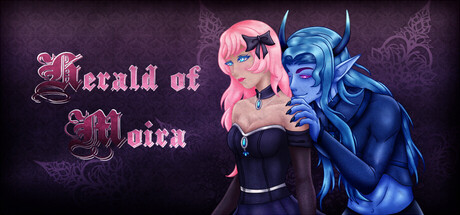 Herald of Moira In-game content audio | Some temporary music tracks used in the game were created with the assistance of generative AI tools. (Suno) | Icelot Project | - | Jun 3, 2026 | |
 Echo Pandemic Store/marketing art | The game itself is made entirely by human hands. All in-game art, music, sound design, and writing are created or directed by human authors without generative AI. All gameplay footage shown on this store page is real, captured from the actual game.
Generative AI is used for some marketing materials — including promotional images, social media assets, and capsule art — to support a small independent studio's marketing within budget constraints. These AI-generated images are intended to represent the game's existing hand-made art style.
No AI-generated content is shipped inside the game itself. If Echo Pandemic recovers its development costs, capsule images and marketing material will be replaced with commissioned human work. | Fooldog Studios | - | Jun 3, 2026 | |
 Decline In-game content art | Generative AI was used to create a small number of pre-rendered images used in optional easter eggs and hidden content. The core gameplay, programming, design, and the majority of the game’s assets were created manually by the developer. The game does not use real-time AI-generated content or AI-driven gameplay systems. | Ronaldo Campos | - | Jun 3, 2026 | |
 The Disclosure Loop In-game content art | Some visual assets in this game, including achievement icons and video content, were created with the assistance of AI image generation tools. | IonianCore | - | Jun 3, 2026 | |
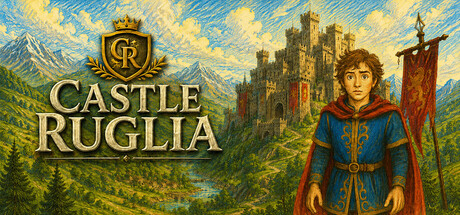 Castle Ruglia In-game content artaudio | This game includes some visual and audio contents created with the assistance of generative A.I. All content included in the final release was curated, edited, and integrated by the developer as part of the creative process. The game engine and logic is 100% human created. | ShareDev Technologies | - | Jun 3, 2026 | |
 Reverie Unbound In-game content artaudio | This game using AI to creat pictures and music | MISHRA GAMES | - | Jun 3, 2026 | |
 我的女友是杀手 In-game content art | Some in-game art assets were generated using AI during production and have been further polished by professional human artists. | 故障猫 Studio | - | Jun 3, 2026 | |
 末世方舟 Unclear artcode | AI for image generation and coding assistance | 馬吉氏 | - | Jun 3, 2026 | |
 Tales of Tiolis In-game content art | Ingame textures and images. | Omne Lab | - | Jun 3, 2026 | |
 Frozen Christmas Magic ; Santa’s Hidden Village Store/marketing art | Some visual assets and promotional materials for Frozen Christmas Magic: Santa’s Hidden Village were created with the assistance of generative AI tools, then manually directed, selected, edited and integrated by the developer as part of the game’s artistic production pipeline.
No real-time generative AI is used during gameplay. | Rivardus | - | Jun 3, 2026 | |
 Breeze Of Adventure In-game content artaudio | We used both to create the images on the Steam page, as well as to create the music and sound in the game. | Carpe Diem Studio | - | Jun 3, 2026 | |
 寻味记 In-game content art | 仅有部分背景(用PS木刻效果转换的图片除外)使用AI软件制作。 | Gujiu-郁居 | - | Jun 3, 2026 | |
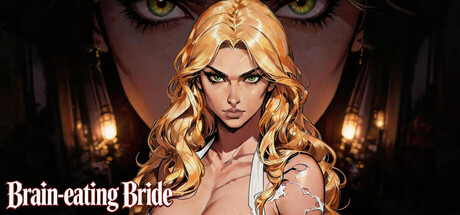 Brain-eating Bride In-game content textart | The content in the game is planned and designed manually, assisted by generative AI tools, and finally processed and completed by humans. | FSK2_0007 | - | Jun 3, 2026 | |
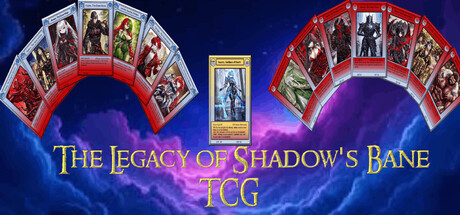 The Legacy of Shadow's Bane TCG Store/marketing art | There are currently images that are AI generated. We are currently working on getting artwork done by artists to replace it. | Omni-Games and Collectibles LLC | - | Jun 3, 2026 | |
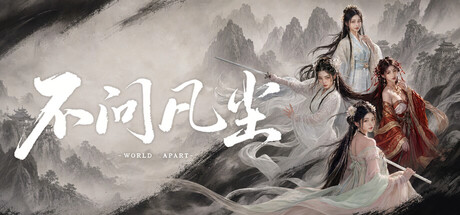 不问凡尘 In-game content art | AI technology is adopted in the game to generate videos, scenes and other in-game elements. | Nuverse | - | Jun 3, 2026 | |
 修仙法则 Store/marketing art | Some images were designed with AI assistance. (AI was not used during the initial store review, and we adopted it for design support later.) | NewSmile Games | - | Jun 3, 2026 | |
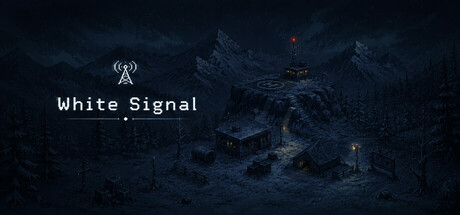 White Signal In-game content art | Visual assets used in this game were created with the assistance of generative AI and were curated, edited, and integrated by the developer. | Frenari | - | May 23, 2026 | |
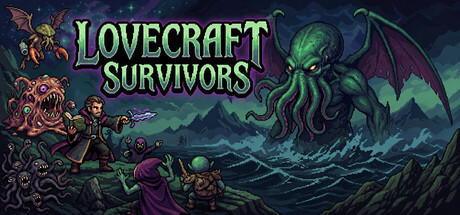 Lovecraft Survivors In-game content art | Vertical capsule image (store and library) generated using Adobe Firefly.
All in-game content (sprites, music, sound effects) is human-created or licensed from human-made asset packs. | Threshold Games | - | May 23, 2026 | |
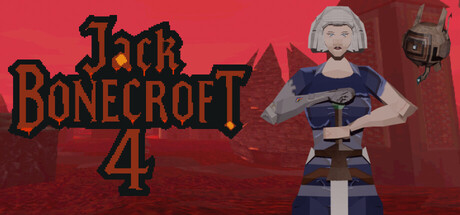 Jack Bonecroft 4 In-game content text | Partially. Galactic Tenebris Company believes in being transparent with the people who play our games. Here is an honest account of where AI tools contributed to this production:
— Some icons and UI elements, including weapon icons
— Organizing and structuring the scenario, narrative documents, and dialogue across the game's four regions
— Translation from Mr. M.'s private family dialect into English.
All 3D models were handcrafted by the developer. No textures were AI-generated. The music and sound effects were composed and not generated by AI tools.
Our position as a company is simple — we use AI only where we have no other means or resources available. Where human craft was possible, human craft was used.
Every creative decision — the story, the world, the characters, the quests, the writing — was made by the developer. The scenario and dialogues were authored by the developer and organised with AI assistance. The foundation of this game is firsthand experience. That part was not written by any tool.
— Mr. M., Owner of Galactic Tenebris Company | Galactic Tenebris Company | - | May 23, 2026 | |
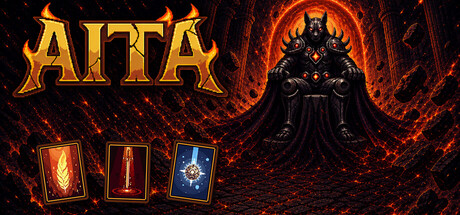 AITA: The Dark Domain In-game content art | Generative AI was used to create artwork for the game, including visual assets seen by players and/or promotional materials. All AI-generated artwork was reviewed, selected, and edited by the developer before inclusion. The game does not generate AI content live during gameplay. | Tommyruin | - | May 23, 2026 | |
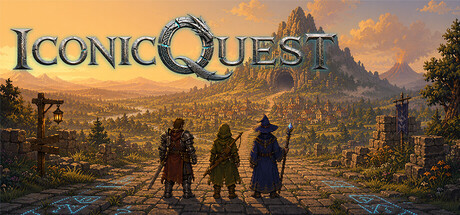 IconicQuest In-game content audiotextart | Some music tracks in IconicQuest are generated using AI based on the developer's creative direction and prompts, then curated and edited for in-game use. Some sound effects are generated using AI.
Promotional artwork on the Steam store page (capsule images) was generated with AI image tools as a creative starting point, then edited, composited with hand-crafted typography, and color-corrected by the developer in post-production.
All in-game artwork, character sprites, tiles, environments, UI
elements, and animations, is created entirely by the developer in Aseprite or sourced from art professionals. No AI is used for in-game pixel art.
All in-game text content (quest dialogue, item names, NPC scripts, lore, and tutorials) is written by the developer and AI.
No live AI generation occurs during gameplay. All AI-assisted content is finalized and shipped as static assets. | Swerk | - | May 23, 2026 | |
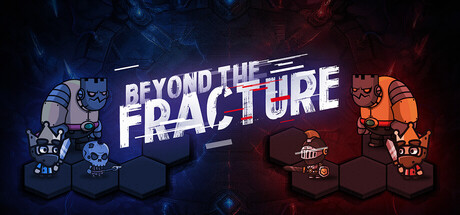 Beyond the Fracture Live AI artaudiotext | Beyond the Fracture contains both pre-generated and live-generated AI content.
Pre-generated AI content:
Some visual, audio, and voice assets were generated with AI tools during development and reviewed, edited, and curated by the developers before being included in the game. This includes selected construct opponent portraits, spoken name clips, character histories, and HERALD-7 commentary voice clips in German and English.
Live-generated AI content:
During first-time onboarding, the game uses external AI services to generate three candidate player identities live. Each identity includes a generated profile portrait and a generated spoken name introduction. The profile portraits are additionally guided by internal short character descriptions generated from predefined archetypes and prompt templates.
This live generation is constrained by predefined prompts, fixed character archetypes, a controlled name system, and no free-form text input from players. The player selects one of the three generated identities. The chosen identity cannot be changed during the current Playtest, and repeated regeneration is not available during normal gameplay.
No live AI generation occurs during normal matches after onboarding. | Turning Rook Games | - | May 23, 2026 | |
 沙雕之路最终章 In-game content artaudiotext | This game contains pre-generated content created with the assistance of generative AI tools during development.
Some icons were assisted by ChatGPT, some music was assisted by Suno, and some voice content was assisted by IndexTTS.
The game does not use generative AI during gameplay and does not generate text, images, music, voice, or other content in real time based on player input. | Ayuuki | - | May 23, 2026 | |
 Fearia Clicker In-game content art | Note: The game uses human-made digital artwork inspired by designs developed by AI including designs that have been made digitally and edited digitally using only inspiration from AI-created designs, and elements enhanced or developed by the help of AI ideas and input.
The usage of AI in the Game is purely for efficiency purposes; the Game is made with passion. | Fearia | - | May 23, 2026 | |
 Veilbreak Store/marketing art | The store page image and title screen in game is an A.I image | Wolfs Moon Studios | 16 | May 23, 2026 | |
 Galaxiwilds Unclear arttext | AI assisted tools were utilized during development to help generate and refine various assets and ideas. All content was reviewed, edited, and integrated by the developer to ensure consistency with the game's design and vision. | Blake Sherwin | - | May 23, 2026 | |
 Eruin Live AI text | NPCs powered by LLM models to create unique and real conversations responding to the players voice making the world feel alive. | Veilstone Games | - | May 23, 2026 | |
 Solantis In-game content arttext | AI was employed to create 2D environmental artwork, various UI components, and initial drafts of in-game dialogues. All AI-assisted content has been extensively reviewed, edited, and refined by the developer to ensure a cohesive solarpunk experience and a consistent narrative voice. | Mystic Art Games | - | May 23, 2026 | |
 大侠博士 In-game content artaudio | Some art assets and music in this game were created with the assistance of artificial intelligence. | 一刀叔 | - | May 23, 2026 | |
 Portucale Sword and Subtlety In-game content artaudio | Some of game art and music is basically IA generated and them modified by designers to match some quality standards | Pedro Nuno Lemos | - | May 23, 2026 | |
 Chrongrid Live AI text | Chrongrid is a narrative experience product powered by large language models (LLMs). In-game dialogue, scene descriptions, and character responses are generated in real time by an AI model — you can choose a third-party API service (such as DeepSeek, OpenAI, or Anthropic), or run a model locally on your machine via Ollama. You provide your own API credentials and bear the associated costs; we do not operate any server to relay your requests. The AI generates dialogue and descriptive text at runtime, always within the constraints of pre-authored narrative blueprints, characters, and world settings. | Chrongrid Studio | - | May 23, 2026 | |
 ARB: Alien Races Battle In-game content arttextcode | ARB: Alien Races Battle is developed by a solo human author (Raphael Tremblay) with assistance from Anthropic's Claude AI as a coding, art, and writing collaborator throughout production. Specifically:
- Some pixel-art unit sprites, ability icons, and UI elements were generated as SVG code with Claude's help, then reviewed, edited, and approved by the developer.
- In-game ability descriptions, Field Manual codex entries, and supplementary lore text were written with Claude as a writing collaborator, all building on the existing canon of The Alien Races Book (a separate, fully human-authored book by the same author that predates this game by years).
- Game code (gameplay engine, multiplayer infrastructure, UI logic) was developed with Claude as a coding-pair assistant.
Every piece of AI-assisted content was reviewed and edited by the human developer before shipping. The game's core IP — the 60+ documented alien races, their homeworlds, and their first-contact records — comes from The Alien Races Book and is entirely human-authored.
ARB does not use AI to generate content live during gameplay. All in-game content (units, sprites, abilities, sound, text, music) is finalized at build time and shipped as static assets. | Raphael Tremblay | - | May 23, 2026 | |
 Shadows Over Fog City Store/marketing art | It contains some Images generated by AI. | None Studio | - | May 23, 2026 | |
 The Prime Minister's Crest: Path to Power In-game content codeart | The code and some of the art assets for this game were developed using AI. | WAWELLC | - | May 23, 2026 | |
 Heart Duels In-game content artaudio | Heart Duels is a solo-developed game. I use AI-assisted tools for some art and audio. All assets are curated and integrated by me to create a cohesive experience. | Encased Heart | - | May 23, 2026 | |
 Gold & Brown In-game content text | Artificial intelligence was used in the translation of the game’s content into English. | Side Project Games | - | May 23, 2026 | |
 Apotheosis Engine Unclear | During the development process, some AI-based tools were used to assist with content creation. | genkakusoft | - | May 23, 2026 | |
 Ceraphic Requiem Dev only art | AI was used as a support tool across various aspects of development, particularly to assist with visuals and animations. The goal is not to replace human work, but to allow creative efforts to be focused where they matter most, ensuring the highest possible quality for the final game. | Elias IDIRI | - | May 23, 2026 | |
 Nexus Legacy In-game content artcode | Nexus Legacy is made by a solo developer using AI-assisted production tools. These tools were used during development to help with visual iteration, asset production, prototyping and code assistance, making a larger persistent MMO possible with a small production pipeline.
The final game is not a live AI generator. Gameplay design, balance, economy, progression, PvE/PvP rules, server logic, world structure, final visuals and updates are selected, reviewed, edited and maintained by the developer.
No live generative AI is used to create player-facing content while the game is running. | Nexus Legacy Team | 214 | May 23, 2026 | |
 丹命 Unclear art | Part of the art was assisted by AI | Pelican Game | - | May 23, 2026 | |
 The Last Elf In-game content audiotext | Music and character/dialogue voice lines in the game were created with the assistance of generative AI tools. These AI-generated assets are used for background music, atmosphere, character dialogue, and narrative audio. | Conteza LLC | - | May 23, 2026 | |
 Against the Dark Moon In-game content artaudio | Visual assets (hero portraits, card art backgrounds, dice imagery, booster pack illustrations) were generated using Midjourney and refined/composed in Photopea. Suit pip icons are by Lorc and Delapouite via game-icons.net (CC BY 3.0). Sound effects and music were generated using AI tools. All AI-generated content was directed, curated, and integrated by the developer. No AI is used to generate content live at runtime — all assets are pre-rendered and embedded in the build. | Orthus Games | - | May 23, 2026 | |
 Triad: Elemental Saga In-game content art | Some visual assets in Triad were created with the assistance of AI tools and further refined by the developer.
Triad is a solo-developed project, and these tools helped make its creation possible.
— Raph, developer of Triad | Heritage Games | - | May 23, 2026 | |
 Legacy Code: Relic Restorer In-game content audiotext | The game uses AI voice generation tools to create audio voiceovers for partial narrative texts and dialogue. All underlying text and story are originally created by the developer. | ZENG ZIZHAO | - | May 23, 2026 | |
 Varren's Expanse In-game content art | AI has been used to generate 3D models based off of human-created concept art. | Wonder Forge, Inc. | - | May 23, 2026 | |
 Iris and the Moonlight Bakery In-game content arttext | Visuals: We used generative AI tools (Midjourney, ComfyUI) to assist in creating background illustrations and concept art for characters. All AI-generated outputs were manually refined, overpainted, and edited by human artists to ensure visual consistency and quality.
Text: We utilized AI-powered translation tools to assist in localizing scripts and store page descriptions from Korean to English. All translated text was proofread and edited by a native speaker to maintain the narrative's tone and nuance. | Gunoha Games | - | May 23, 2026 | |
 Misa Online In-game content text | AI support has been used for language translations as part of the game's localization process. | Misa Games | - | May 23, 2026 | |
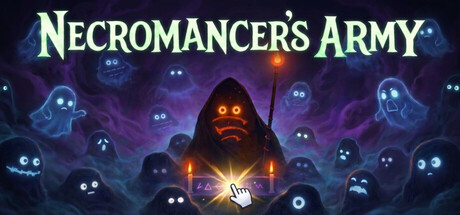 Necromancer's Army In-game content audiotextart | Necromancer's Army uses generative AI to assist with portions of the in-game soundtrack and certain Steam store marketing assets (such as capsule art and banners).
Localization for the game's 8 supported languages was created using AI-assisted translation and reviewed and refined by our team for overall accuracy and quality.
All in-game visuals are procedurally generated through deterministic algorithms and do not use machine learning or AI techniques. All narrative writing is fully authored by our team.
If the game finds its audience, we plan to replace these AI-assisted assets with original work commissioned from human artists, and have the localization reviewed by native speakers prior to full release. | Wander & Wilt Studios | - | May 23, 2026 | |
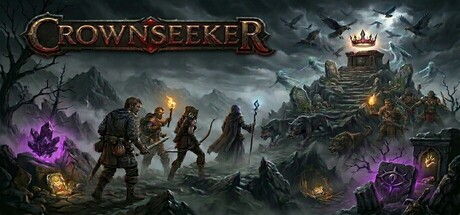 Crownseeker Store/marketing art | Crownseeker's store page artwork — including capsule images and promotional materials — was created with the assistance of generative AI image tools. | Jeremy Petersen | - | May 23, 2026 |


