Public Steam disclosure research25,376 disclosures tracked
Where do games disclose AI use?
Search developers’ Steam disclosures, compare classified AI use across
games, and follow recorded changes.
This index adds cross-game classifications and statistics to
statements published on individual store pages.
Groups reflect automatic analysis of public disclosures; mature records are excluded. These counts do not measure AI use across all of Steam.
Missing or unclear statements cannot establish whether a game uses AI.
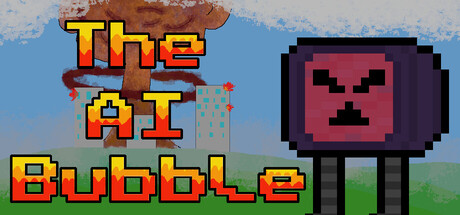
This project utilizes generative AI tools as a development assistant. AI was used for Assisting with writing and debugging C# scripts for Unity. Brainstorming mechanics, item names, descriptions, and lore elements. Generating concept arts initial reference images for inspiration.
Disclaimer: All final in-game visual assets (pixel art sprites, animations, and UI elements) were hand-drawn by the developer. No AI-generated graphics are included in the final build.
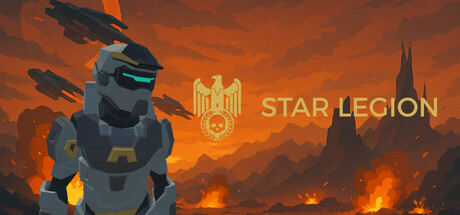
Star Legion uses AI-enhanced pre-rendered images for marketing and promotional materials, such as key art and store visuals. All in-game content, mechanics, and code are handcrafted without AI assistance.
The soundtrack blends compositions generated with tools like Suno and hands-on sound design to reflect the meaning, feel, and emotions the game aims to transmit.
We’ve been working since 2009 (when the Bot Colony concept was unveiled at GDC) on a game where players can say ANYTHING to a character and be understood. Adding a Generative AI component to our proprietary dialogue technology enables us to make the dream come true.
AI was used in the following areas:
• Generation of in-game scripts
• Translation of in-game text
• Translation of the Steam store page into English and Simplified Chinese
We used ElevenLabs to write "Announcer" voice lines that are heard in the game. One example would be hearing: "You are victorious" after winning a match. Another example would be hearing: "Lost the lead" after losing first position.
Some aspects of this game were developed with AI assistance. However, AI-generated content plays a very minor role, and the overall game experience does not rely on AI. Additionally, AI does not generate any content in real-time during gameplay.
This game uses generated AI for the following purposes
- To generate some of the game's program code
- To format text in the store to make it easier to read
- To translate text into languages other than Japanese
- However, the text rarely appears in the game
- No content or code is generated live during gameplay
Our game does not use AI to influence gameplay, player behavior, difficulty, or decision-making.
The only temporary use of AI in the project is for generating placeholder narrator voice-over lines during development. All narration content is written by our team, and the AI is used solely as a text-to-speech tool for prototyping and demo purposes. These AI-generated voice-overs are planned to be fully replaced with recorded performances by a human voice actor before release.
No other AI systems are used in the project.
Some logos, text, in-game translations, and character voices were created with AI assistance. All other gameplay content, including characters, animations, and code, is handcrafted.
We use AI to let our robots express themselves!
If a robot became alive, it wouldn’t come pre-programmed with the perfect way to express its thoughts or emotions — it would have to figure it out along the way. That’s why the hero robots in Endless Machines use AI to give voice to their thoughts and feelings.
What they say isn’t always polished or logical. It's quirky, weird, funny, and sometimes unexpectedly touching. It’s not a scripted, perfect dialogue. It’s more like a robot trying to make sense of the world — and itself — in real time.
This approach makes their personalities dynamic and unpredictable. For us, that’s what makes AI-driven dialogue a perfect fit for the game: It’s about learning, exploring, and growing — just like the robots themselves.
Under the hood, the game runs a small language model that has been custom fine-tuned for each robot's personality. It is instructed to speak through prompt engineering, ensuring the robot stays in character and relates to the game's lore. The model does not require online access.
We chose to use SmolLM because we were looking for a language model where the training background, technical setup, and use of data are transparent (open source and based on publicly available texts), and where the model can be run locally. We use this locally hosted language model (LLM) to generate text content during gameplay.
What the robots say in the game is defined and moderated by us. We have written a set of foundational texts that form the basis for each robot’s personality, tone, and way of expressing itself. From that foundation, they “build” further and develop over time. Endless Machines does not and cannot collect any data from the person playing the game.
All outputs are guided by custom prompt engineering, custom fine-tuning, and are controlled by local code at runtime to ensure appropriate content. More details on the model architecture and dataset can be found here:
🔗 https://huggingface.co/datasets/HuggingFaceTB/smoltalk
The current iteration of the game (the 5th Dimension World Builder application) does not utilize A.I. technology.
However the beta release of the game following the end of early access in 2026, will empower players to create in-game companions called Mechs that will utilize large language model technology to produce humanlike conversational responses to questions and comments from players during the course of gameplay user experience
Only the JusTD logo, without the text, so basically no A.I. content.
The languages - other than English and Hungarian - were translated using ChatGPT and Google translate!
This game uses AI-generated content. Some character portraits and UI elements were created using generative AI tools. Voice lines were synthesized using AI voice technology. AI tools also assisted in drafting parts of the game’s code, all of which was reviewed and finalized by the development team. No AI-generated content is produced during gameplay.
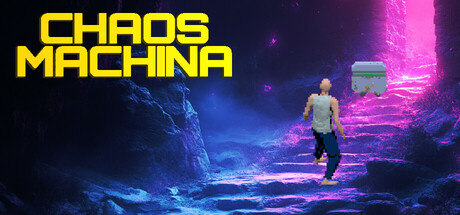
I use generative AI in Chaos Machina for the following:
1. Generating background for some promotional materials (example is Steam Capsule).
2. Grammar check of all written text.
3. Translation of Chaos Machina text to languages that are not English and Croatian.
"This game uses AI-generated assets, such as images, that were pre-generated before development. The game does not feature live AI content generation."
Some marketing artwork for this game was produced in part through the use of AI.
The game itself is NOT AI-generated. In-game content and assets, including its graphics, music, story and dialogue, are human-generated.
Some in-game images, illustrations, and decorative elements were created using AI-assisted image generation tools.
Additionally, select voiceovers and sound effects were generated or enhanced using AI-based audio technologies.
AI was used in the BlueSky/Concepting phase of development to help ideate some designs of characters and UI to save time on our small team. Stable Diffusion using in-house created libraries and loras created from our own original art and not publicly available libraries was used in this process. These concepts are then taken and turned into functional useable game art created by hand, by real artists. Oftentimes this human created art ends up looking nothing like the original concept. No where in the game is any raw AI art used.
This project utilizes generative AI tools as a development assistant. AI was used for Assisting with writing and debugging C# scripts for Unity. Brainstorming mechanics, item names, descriptions, and lore elements. Generating concept arts initial reference images for inspiration.
Disclaimer: All final in-game visual assets (pixel art sprites, animations, and UI elements) were hand-drawn by the developer. No AI-generated graphics are included in the final build.
Star Legion uses AI-enhanced pre-rendered images for marketing and promotional materials, such as key art and store visuals. All in-game content, mechanics, and code are handcrafted without AI assistance.
The soundtrack blends compositions generated with tools like Suno and hands-on sound design to reflect the meaning, feel, and emotions the game aims to transmit.
We’ve been working since 2009 (when the Bot Colony concept was unveiled at GDC) on a game where players can say ANYTHING to a character and be understood. Adding a Generative AI component to our proprietary dialogue technology enables us to make the dream come true.
AI was used in the following areas:
• Generation of in-game scripts
• Translation of in-game text
• Translation of the Steam store page into English and Simplified Chinese
We used ElevenLabs to write "Announcer" voice lines that are heard in the game. One example would be hearing: "You are victorious" after winning a match. Another example would be hearing: "Lost the lead" after losing first position.
Some aspects of this game were developed with AI assistance. However, AI-generated content plays a very minor role, and the overall game experience does not rely on AI. Additionally, AI does not generate any content in real-time during gameplay.
This game uses generated AI for the following purposes
- To generate some of the game's program code
- To format text in the store to make it easier to read
- To translate text into languages other than Japanese
- However, the text rarely appears in the game
- No content or code is generated live during gameplay
Our game does not use AI to influence gameplay, player behavior, difficulty, or decision-making.
The only temporary use of AI in the project is for generating placeholder narrator voice-over lines during development. All narration content is written by our team, and the AI is used solely as a text-to-speech tool for prototyping and demo purposes. These AI-generated voice-overs are planned to be fully replaced with recorded performances by a human voice actor before release.
No other AI systems are used in the project.
Some logos, text, in-game translations, and character voices were created with AI assistance. All other gameplay content, including characters, animations, and code, is handcrafted.
We use AI to let our robots express themselves!
If a robot became alive, it wouldn’t come pre-programmed with the perfect way to express its thoughts or emotions — it would have to figure it out along the way. That’s why the hero robots in Endless Machines use AI to give voice to their thoughts and feelings.
What they say isn’t always polished or logical. It's quirky, weird, funny, and sometimes unexpectedly touching. It’s not a scripted, perfect dialogue. It’s more like a robot trying to make sense of the world — and itself — in real time.
This approach makes their personalities dynamic and unpredictable. For us, that’s what makes AI-driven dialogue a perfect fit for the game: It’s about learning, exploring, and growing — just like the robots themselves.
Under the hood, the game runs a small language model that has been custom fine-tuned for each robot's personality. It is instructed to speak through prompt engineering, ensuring the robot stays in character and relates to the game's lore. The model does not require online access.
We chose to use SmolLM because we were looking for a language model where the training background, technical setup, and use of data are transparent (open source and based on publicly available texts), and where the model can be run locally. We use this locally hosted language model (LLM) to generate text content during gameplay.
What the robots say in the game is defined and moderated by us. We have written a set of foundational texts that form the basis for each robot’s personality, tone, and way of expressing itself. From that foundation, they “build” further and develop over time. Endless Machines does not and cannot collect any data from the person playing the game.
All outputs are guided by custom prompt engineering, custom fine-tuning, and are controlled by local code at runtime to ensure appropriate content. More details on the model architecture and dataset can be found here:
🔗 https://huggingface.co/datasets/HuggingFaceTB/smoltalk
The current iteration of the game (the 5th Dimension World Builder application) does not utilize A.I. technology.
However the beta release of the game following the end of early access in 2026, will empower players to create in-game companions called Mechs that will utilize large language model technology to produce humanlike conversational responses to questions and comments from players during the course of gameplay user experience
Only the JusTD logo, without the text, so basically no A.I. content.
The languages - other than English and Hungarian - were translated using ChatGPT and Google translate!
This game uses AI-generated content. Some character portraits and UI elements were created using generative AI tools. Voice lines were synthesized using AI voice technology. AI tools also assisted in drafting parts of the game’s code, all of which was reviewed and finalized by the development team. No AI-generated content is produced during gameplay.
I use generative AI in Chaos Machina for the following:
1. Generating background for some promotional materials (example is Steam Capsule).
2. Grammar check of all written text.
3. Translation of Chaos Machina text to languages that are not English and Croatian.
"This game uses AI-generated assets, such as images, that were pre-generated before development. The game does not feature live AI content generation."
Some marketing artwork for this game was produced in part through the use of AI.
The game itself is NOT AI-generated. In-game content and assets, including its graphics, music, story and dialogue, are human-generated.
Some in-game images, illustrations, and decorative elements were created using AI-assisted image generation tools.
Additionally, select voiceovers and sound effects were generated or enhanced using AI-based audio technologies.
AI was used in the BlueSky/Concepting phase of development to help ideate some designs of characters and UI to save time on our small team. Stable Diffusion using in-house created libraries and loras created from our own original art and not publicly available libraries was used in this process. These concepts are then taken and turned into functional useable game art created by hand, by real artists. Oftentimes this human created art ends up looking nothing like the original concept. No where in the game is any raw AI art used.