








Disclosure
Generative AI was solely utilized to create the 2D background artwork for the main menu screen.
- Creator
- AnNguyen
- Reviews
- -
- Added
- Sep 10, 2026
Public Steam disclosure research 25,380 disclosures tracked
Search developers’ Steam disclosures, compare classified AI use across games, and follow recorded changes. This index adds cross-game classifications and statistics to statements published on individual store pages.
Code help, debugging and other development work.
Capsule art, trailers and promotional material.
Pre-made art, audio, writing and other game assets.
Interactive or runtime AI features disclosed by the developer.
Groups reflect automatic analysis of public disclosures; mature records are excluded. These counts do not measure AI use across all of Steam. Missing or unclear statements cannot establish whether a game uses AI.
Generative AI was solely utilized to create the 2D background artwork for the main menu screen.
AI was used exclusively in the creation of select graphical assets and cutscene videos.
Our team used AI tools to assist with improving some existing sketches and character elements, creating some background elements, and producing/ improving translations and character voices. The vast majority of the game was created by our team without AI.
Since I'm working on the game by oneself, I use AI for some 3D models and some instruments (synthesizers, pads) in the music tracks.
游戏开发期间借助 Claude 大模型辅助完成部分代码撰写与逻辑梳理,部分 UI 界面、动画视觉素材使用 AI 工具辅助创作。游戏整体玩法框架、核心业务逻辑、数值策划全部由开发者独立设计与校验。 游戏正式运行时不会联网访问任何 AI 服务,不会在游戏内实时生成任何玩家可见内容。
Generative AI tools were used to assist with English localization/translation of text originally written by the developer. No AI-generated content is created dynamically during gameplay. We do our best to rely on high-quality human translations whenever possible.
This game uses AI to assist in code generation
AI tools were used to help create some in game assets. In all such cases, the final product reflects our team’s craft and creative vision.
Generative AI is used as a support tool during development, mainly to assist with the creation and iteration of some visual assets and promotional materials. All content is selected, edited, adapted, composed and implemented by the developer. No AI-generated content is created in real time during gameplay.
Some art and audio in Bunker And Friends was produced with generative AI tools during development. This includes store and marketing artwork — the key art, store capsules, and logo elements — and some sound effects and music. All of it was generated ahead of time and ships as fixed assets. The game does not generate any content using AI while you play, and it does not connect to any external AI service during gameplay.
Some pre-rendered art assets (enemy and background artwork) and localization were created with generative AI tools under human direction, then manually cleaned up and integrated by the developers. Development used AI-assisted coding tools. No content is AI-generated at runtime.
Some of the game’s visual assets were created with the assistance of AI tools. All music featured in the game was created by human artists and is not AI-generated.
No AI-generated images, models, or audio appear in the game or on this Steam page. Music is composed and arranged by me in BandLab. UI and VFX are handmade or generated procedurally with code, including the breaking waves shaped by hand. Otherwise, I code Shorebreaker with AI assistance: the design decisions are mine, and AI helps me work through, implement, and debug them. For self-marketing, some of my social media videos use AI voiceover from CapCut because I can't wake the baby.
Used to create concept imagery
Generative AI is utilized as support in the game's development, employed for concept creation, texture upscaling, and the design of icons and visual elements.
- Used generative AI to adjust the game program - Used generative AI to create art assets - Used generative AI to generate background music
Some of the art, music, voice-over and cinematic clips in Synapse Grid were produced with generative AI tools during development, then edited, curated and directed for release. Nothing is generated while you play. The tools used, and what each produced: Google Gemini - concept art and texture reference ACE-Step - original music tracks MiniMax-Music3 - original music tiles IndexTTS - cast voice-over MiniMax H3 (via ComfyUI) - tutorial and transmission video clips All of this content was generated for this project. No third party's personal media, voice or likeness is used. The same list is shown in the game's own credits screen. Separately, the opponent riders use a neural network trained by self-play. That system decides how a bike steers; it does not generate any art, audio or text that you see or hear.
This game was made with the help of generative AI. AI tools assisted in various parts of development, including code, art, and music.
Quiet Sky uses generative AI during gameplay to simulate evolving societies and create narrative observation reports, summaries, Companion responses, and optional report illustrations based on the current simulation and the player’s decisions. The Steam desktop edition runs the included generative models locally on the player’s computer. Generated results vary between campaigns.
This game uses generative AI in a limited capacity on the game server in real time. The AI is used solely to generate narrative text: mission names and descriptions, in-world news broadcasts, and some NPC dialogue. All game logic — including mission mechanics, rewards, and balance — is governed by deterministic code and is never decided by AI. If the AI service is unavailable, the game automatically falls back to pre-written text templates. Portions of imagery were produced with the assistance of generative AI.
This game was created by a real human, using the Codex development environment. Contains lots of generated artwork and descriptive text, as well as gameplay refinements gained through AI powered balance testing.
The game uses AI for generating the assets
Generative AI tools were used during development to assist with portions of programming code and to draft portions of the store-page text. All outputs were reviewed and edited by the development team. No AI-generated artwork, audio, or other visual assets are included in the released game or store materials. The game does not use generative AI during gameplay.
Generative AI was used throughout the development process. It was utilized alongside the developer to assist with tasks. Notably: debugging, localization, asset creation, and marketing materials. All AI-generated content was reviewed, edited, and integrated by the developer to ensure both quality and consistency standards were met.
The game's art and sound are drawn and synthesised in code at runtime rather than shipped as asset files, and that code was written with AI coding assistance under human direction. No AI runs while the game is playing. The soundtrack is licensed human-authored works.
All pre-rendered visual artwork was created using generative AI under developer direction. This includes environment backgrounds, interface and menu artwork, branding, icons, and promotional/title-card images.
Some of the graphical and audio assets in this title were created with the assistance of generative AI tools. All AI-assisted content was reviewed, curated, and refined by our development team prior to release. This game does not use AI to generate any content in real time during gameplay.
Generative AI tools were used during the development process to assist with writing script dialogues and to generate background music and songs for the game. All AI assets were pre-generated prior to release, and no AI content is generated in real time during gameplay.
Very few materials are AI-generated
AI was used to help create localized versions of the game and store page, as well as some 3D models.
Generative AI was used as an assistive tool during the development of ASTROLANDER. It helped accelerate certain prototyping phases, explore concept art ideas, and experiment with programming solutions. All assets integrated into the game were modified or recreated by the developer to align with the project's art direction and gameplay.
AI-assisted translation was used in the localization of the game text.
Some 2D art assets in this game — including UI textures, item icons, and the title and loading screens — were created with the help of generative AI tools and then hand-edited for use in the game. All game design, simulation systems, and gameplay logic are authored and directed by the developer. No content is generated by AI while the game is running.
Generative AI tools were used during development to assist with certain parts of the game, including code and game assets such as artwork, audio, and localization. All AI generated content has been reviewed before being included in the game.
Some store page artwork, promotional images, textures, and visual assets were created using generative AI tools and then edited and finalized by the developer. AI-generated content is used only for visual assets and does not generate content during gameplay.
Some pre-generated visual assets currently used in Forms of War and its store materials were created with generative AI tools. Most in-game visuals are drawn procedurally in code using Phaser. AI-assisted coding tools were used during development. No generative AI is used while the game is running.
Some of this game's dialogue was refined with the help of a generative AI tool during revision. Every line in the finished game was reviewed and edited by the developer. No generative AI was used to create the artwork, sound, or music, and no content is generated during gameplay.
Generative AI was used to create some pre-rendered marketing artwork for the Steam store page and to assist with drafting and translating store-page text. No generative AI content is generated during gameplay.
Some of this game's assets (e.g., sprites, artwork, and music) were made with the assistance of generative AI tools and were reviewed, curated, and hand-finished by the developer. No content is generated while you play.
Anomaly profile image
Dystopia uses AI to live-generate its radio: all music, DJ voices, lyrics, song titles, and artist names are created by AI on our own servers and streamed to every player. Our 3D environments render as Gaussian splats and were AI generated using World Labs' Marble.
Some images
Generative AI tools were used during development to assist with pre-generated visual and audio assets. Final content was reviewed and integrated under the developer’s direction. NO content is generated by AI during gameplay.
The music, a few sound effects. And very few of the menus have been created using AI. I know that many communities hate games with AI. And yes, lads, I’ve used it. But I can assure you that 90 per cent of the game has been lovingly crafted by a developer.
"This game uses generative artificial intelligence (AI) in the development process to assist with creating certain visual and audio assets."
The ship and part artwork was generated with AI, then hand-edited and traced by me into the sprites and collision shapes the game actually uses. Nothing generative runs while you play. There is no AI service wired into the build, and the game never calls one. The music is licensed from real artists, and the sound effects come out of a script I wrote. Neither is AI. I want to replace the AI art with work from real artists before Early Access ends. I am not going to promise a date for that, but it is what I am working toward.
Generative AI tools were used during development to assist with the creation of some visual assets and development materials. All AI-assisted content was reviewed and integrated by the developer. No generative AI is used during gameplay.
A large chunk of the netcode was ai assisted as well as many in game features
Neural Defense was developed by a five-person indie team using a combination of hand-crafted work and generative AI tools. Generative AI was used during development to assist with music composition, concept art, portions of the game's code, and the editing and expansion of some narrative text. All final in-game assets — including 3D models, textures, and visual art seen during gameplay — were hand-crafted by the studio's artists. No content or code is generated live during gameplay; everything was created, reviewed, and finalized by the team prior to release.
Dream Simulators uses generative AI to create dynamic dialogue, story continuations, characters, missions, and narrative events based on player input and the active Lore system. Each Expansion Pack features its own world, Lore, characters, and adventures, creating a unique storytelling experience. The AI also generates creative scene descriptions and prompts that players can use as inspiration for creating images and videos. Because the experience is driven by player input, generated content may vary between playthroughs.
| Title⇅ | Disclosure | Creator⇅ | Src | Reviews⇅ | Added↓ |
|---|---|---|---|---|---|
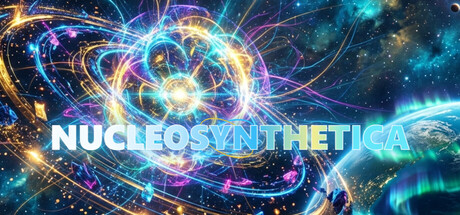 NucleoSynthetica In-game content art | Generative AI was solely utilized to create the 2D background artwork for the main menu screen. | AnNguyen | - | Sep 10, 2026 | |
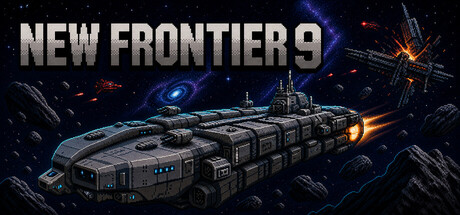 New Frontier9 In-game content art | AI was used exclusively in the creation of select graphical assets and cutscene videos. | PSK | - | Sep 10, 2026 | |
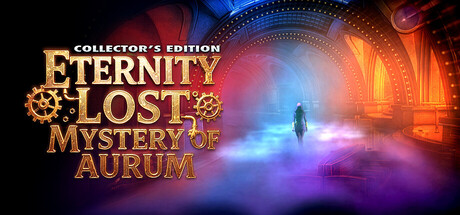 Eternity Lost: Mystery of Aurum Collector's Edition In-game content arttextaudio | Our team used AI tools to assist with improving some existing sketches and character elements, creating some background elements, and producing/ improving translations and character voices.
The vast majority of the game was created by our team without AI. | Cateia Games | - | Sep 10, 2026 | |
 ClusterForce In-game content artaudio | Since I'm working on the game by oneself, I use AI for some 3D models and some instruments (synthesizers, pads) in the music tracks. | Team ClusterForce | - | Sep 10, 2026 | |
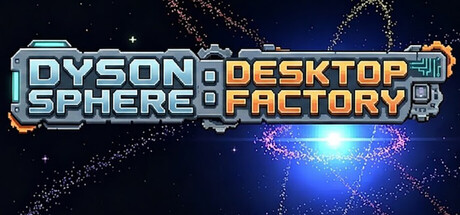 Dyson:DesktopFactory In-game content artcode | 游戏开发期间借助 Claude 大模型辅助完成部分代码撰写与逻辑梳理,部分 UI 界面、动画视觉素材使用 AI 工具辅助创作。游戏整体玩法框架、核心业务逻辑、数值策划全部由开发者独立设计与校验。
游戏正式运行时不会联网访问任何 AI 服务,不会在游戏内实时生成任何玩家可见内容。 | XRT | - | Sep 10, 2026 | |
 CYBERLIFE In-game content text | Generative AI tools were used to assist with English localization/translation of text originally written by the developer. No AI-generated content is created dynamically during gameplay. We do our best to rely on high-quality human translations whenever possible. | CYBERLIFE Studios | - | Sep 10, 2026 | |
 Echo Protocol Dev only code | This game uses AI to assist in code generation | Black Cat Games | - | Sep 10, 2026 | |
 Solar Imperium In-game content artaudiotext | AI tools were used to help create some in game assets. In all such cases, the final product reflects our team’s craft and creative vision. | Node One Digital | - | Sep 9, 2026 | |
 LoHa Beta Bot Store/marketing art | Generative AI is used as a support tool during development, mainly to assist with the creation and iteration of some visual assets and promotional materials. All content is selected, edited, adapted, composed and implemented by the developer. No AI-generated content is created in real time during gameplay. | CBA Entertainment | - | Sep 9, 2026 | |
 Bunker And Friends In-game content artaudio | Some art and audio in Bunker And Friends was produced with generative AI tools during development. This includes store and marketing artwork — the key art, store capsules, and logo elements — and some sound effects and music. All of it was generated ahead of time and ships as fixed assets. The game does not generate any content using AI while you play, and it does not connect to any external AI service during gameplay. | We Game at Noon | - | Sep 9, 2026 | |
 Last Haul In-game content arttext | Some pre-rendered art assets (enemy and background artwork) and localization were created with generative AI tools under human direction, then manually cleaned up and integrated by the developers. Development used AI-assisted coding tools. No content is AI-generated at runtime. | Eryk Włoszczyński | - | Sep 9, 2026 | |
 Starport Tycoon In-game content art | Some of the game’s visual assets were created with the assistance of AI tools.
All music featured in the game was created by human artists and is not AI-generated. | Michael Blum | - | Sep 9, 2026 | |
 Shorebreaker In-game content codeaudioart | No AI-generated images, models, or audio appear in the game or on this Steam page. Music is composed and arranged by me in BandLab. UI and VFX are handmade or generated procedurally with code, including the breaking waves shaped by hand.
Otherwise, I code Shorebreaker with AI assistance: the design decisions are mine, and AI helps me work through, implement, and debug them. For self-marketing, some of my social media videos use AI voiceover from CapCut because I can't wake the baby. | Pailside Games | - | Sep 8, 2026 | |
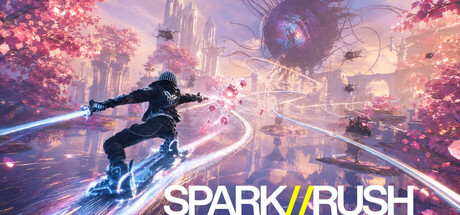 SPARK//RUSH Unclear art | Used to create concept imagery | Tuckspace Games | - | Sep 7, 2026 | |
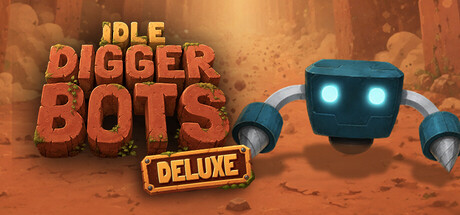 Idle Digger Bots Deluxe In-game content arttext | Generative AI is utilized as support in the game's development, employed for concept creation, texture upscaling, and the design of icons and visual elements. | Raido Studios | - | Sep 7, 2026 | |
 与AI的最后一战! In-game content artaudiocode | - Used generative AI to adjust the game program
- Used generative AI to create art assets
- Used generative AI to generate background music | 小w的游戏开发小组 | - | Sep 7, 2026 | |
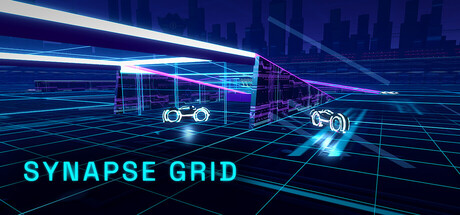 Synapse Grid In-game content artaudiotext | Some of the art, music, voice-over and cinematic clips in Synapse Grid were produced with generative AI tools during development, then edited, curated and directed for release. Nothing is generated while you play.
The tools used, and what each produced:
Google Gemini - concept art and texture reference
ACE-Step - original music tracks
MiniMax-Music3 - original music tiles
IndexTTS - cast voice-over
MiniMax H3 (via ComfyUI) - tutorial and transmission video clips
All of this content was generated for this project. No third party's personal media, voice or likeness is used. The same list is shown in the game's own credits screen.
Separately, the opponent riders use a neural network trained by self-play. That system decides how a bike steers; it does not generate any art, audio or text that you see or hear. | AlluringCoffee | - | Sep 7, 2026 | |
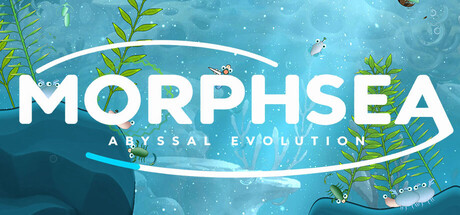 Morphsea: Abyssal Evolution In-game content artaudiocode | This game was made with the help of generative AI. AI tools assisted in various parts of development, including code, art, and music. | Jungu | - | Sep 7, 2026 | |
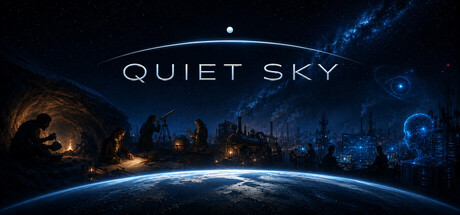 Quiet Sky Live AI text | Quiet Sky uses generative AI during gameplay to simulate evolving societies and create narrative observation reports, summaries, Companion responses, and optional report illustrations based on the current simulation and the player’s decisions. The Steam desktop edition runs the included generative models locally on the player’s computer. Generated results vary between campaigns. | Divyanth Jayaraj | - | Sep 7, 2026 | |
 Astravek Live AI textart | This game uses generative AI in a limited capacity on the game server in real time. The AI is used solely to generate narrative text: mission names and descriptions, in-world news broadcasts, and some NPC dialogue. All game logic — including mission mechanics, rewards, and balance — is governed by deterministic code and is never decided by AI. If the AI service is unavailable, the game automatically falls back to pre-written text templates.
Portions of imagery were produced with the assistance of generative AI. | Moonpixelgames | - | Sep 7, 2026 | |
 10000 Rats: The Simulation In-game content arttext | This game was created by a real human, using the Codex development environment. Contains lots of generated artwork and descriptive text, as well as gameplay refinements gained through AI powered balance testing. | CleoTronix Software | - | Sep 7, 2026 | |
 Star Duality In-game content art | The game uses AI for generating the assets | Sjerrul | - | Sep 7, 2026 | |
 Rush Out Death Store/marketing codetext | Generative AI tools were used during development to assist with portions of programming code and to draft portions of the store-page text. All outputs were reviewed and edited by the development team. No AI-generated artwork, audio, or other visual assets are included in the released game or store materials. The game does not use generative AI during gameplay. | PINGDINGSHAN MENGYE GAME TECHNOLOGY CO., LTD. | - | Sep 6, 2026 | |
 Section 80 In-game content arttext | Generative AI was used throughout the development process. It was utilized alongside the developer to assist with tasks. Notably: debugging, localization, asset creation, and marketing materials. All AI-generated content was reviewed, edited, and integrated by the developer to ensure both quality and consistency standards were met. | ZaxtorGameS | - | Sep 6, 2026 | |
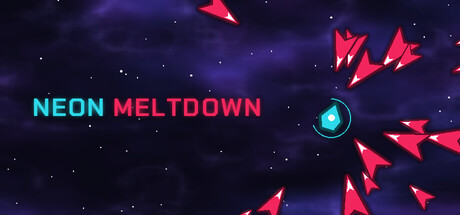 Neon Meltdown Dev only artaudiocode | The game's art and sound are drawn and synthesised in code at runtime rather than shipped as asset files, and that code was written with AI coding assistance under human direction. No AI runs while the game is playing. The soundtrack is licensed human-authored works. | Living Skies Interactive | - | Sep 6, 2026 | |
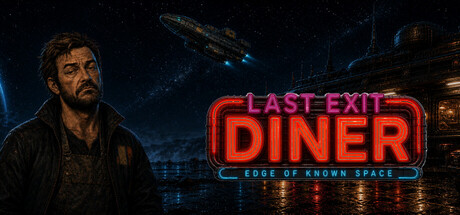 Last Exit Diner: Edge of Known Space In-game content art | All pre-rendered visual artwork was created using generative AI under developer direction. This includes environment backgrounds, interface and menu artwork, branding, icons, and promotional/title-card images. | Last Exit Diner | - | Sep 6, 2026 | |
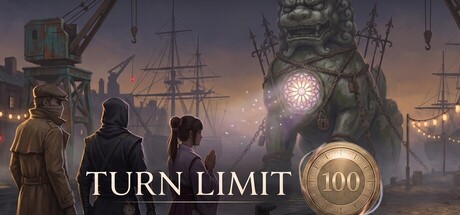 TurnLimit100 In-game content artaudio | Some of the graphical and audio assets in this title were created with the assistance of generative AI tools. All AI-assisted content was reviewed, curated, and refined by our development team prior to release. This game does not use AI to generate any content in real time during gameplay. | Yosuke Kobayashi | - | Sep 6, 2026 | |
 BIG BANG TO US In-game content textaudio | Generative AI tools were used during the development process to assist with writing script dialogues and to generate background music and songs for the game. All AI assets were pre-generated prior to release, and no AI content is generated in real time during gameplay. | phyilm | - | Sep 6, 2026 | |
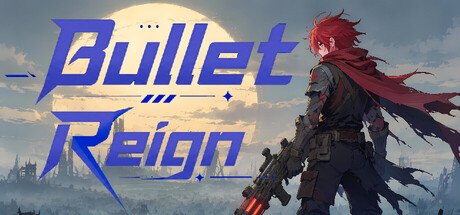 Wasteland Frenzy Unclear | Very few materials are AI-generated | WindGames | - | Sep 6, 2026 | |
 Project TITAN In-game content textart | AI was used to help create localized versions of the game and store page, as well as some 3D models. | Campo | - | Sep 6, 2026 | |
 Astrolander Dev only artcode | Generative AI was used as an assistive tool during the development of ASTROLANDER. It helped accelerate certain prototyping phases, explore concept art ideas, and experiment with programming solutions. All assets integrated into the game were modified or recreated by the developer to align with the project's art direction and gameplay. | SpaghetGames | - | Sep 6, 2026 | |
 Bullets and Mods In-game content text | AI-assisted translation was used in the localization of the game text. | YYYANG | - | Sep 6, 2026 | |
 Valley of Stability In-game content art | Some 2D art assets in this game — including UI textures, item icons, and the title and loading screens — were created with the help of generative AI tools and then hand-edited for use in the game. All game design, simulation systems, and gameplay logic are authored and directed by the developer. No content is generated by AI while the game is running. | Filip Pancik | - | Sep 5, 2026 | |
 The Last Roll In-game content artaudiotext | Generative AI tools were used during development to assist with certain parts of the game, including code and game assets such as artwork, audio, and localization. All AI generated content has been reviewed before being included in the game. | Aspiro Games | - | Sep 5, 2026 | |
 Night Shift: Anomaly In-game content art | Some store page artwork, promotional images, textures, and visual assets were created using generative AI tools and then edited and finalized by the developer. AI-generated content is used only for visual assets and does not generate content during gameplay. | VLight Studio | - | Sep 4, 2026 | |
 Forms of War In-game content artcode | Some pre-generated visual assets currently used in Forms of War and its store materials were created with generative AI tools. Most in-game visuals are drawn procedurally in code using Phaser. AI-assisted coding tools were used during development. No generative AI is used while the game is running. | Ooh Games | - | Sep 4, 2026 | |
 HadalLine In-game content text | Some of this game's dialogue was refined with the help of a generative AI tool during revision. Every line in the finished game was reviewed and edited by the developer.
No generative AI was used to create the artwork, sound, or music, and no content is generated during gameplay. | Ebi Odore | - | Sep 4, 2026 | |
 VALTERION: THE LOST EARTH In-game content arttext | Generative AI was used to create some pre-rendered marketing artwork for the Steam store page and to assist with drafting and translating store-page text. No generative AI content is generated during gameplay. | NeuroCore Game Design | - | Sep 4, 2026 | |
 Blade Dodger In-game content artaudio | Some of this game's assets (e.g., sprites, artwork, and music) were made with the assistance of generative AI tools and were reviewed, curated, and hand-finished by the developer. No content is generated while you play. | Sota Games LLC | - | Sep 4, 2026 | |
 AnomalyVault Store/marketing art | Anomaly profile image | PostSIM | - | Sep 4, 2026 | |
 Dystopia audioart | Dystopia uses AI to live-generate its radio: all music, DJ voices, lyrics,
song titles, and artist names are created by AI on our own servers and
streamed to every player. Our 3D environments render as Gaussian splats and
were AI generated using World Labs' Marble. | Null Hypothesis Inc. | - | Sep 4, 2026 | |
 MEANINGLESS Unclear art | Some images | VIRGO GAMES | - | Sep 4, 2026 | |
 NUVRATE In-game content artaudio | Generative AI tools were used during development to assist with pre-generated visual and audio assets. Final content was reviewed and integrated under the developer’s direction. NO content is generated by AI during gameplay. | PELKOCHA | - | Sep 4, 2026 | |
 Zero Hour Deadfront In-game content audioart | The music, a few sound effects. And very few of the menus have been created using AI. I know that many communities hate games with AI. And yes, lads, I’ve used it. But I can assure you that 90 per cent of the game has been lovingly crafted by a developer. | Lunar Bytes Games | - | Sep 4, 2026 | |
 Echoes of Aether In-game content artaudio | "This game uses generative artificial intelligence (AI) in the development process to assist with creating certain visual and audio assets." | SiRang | - | Sep 4, 2026 | |
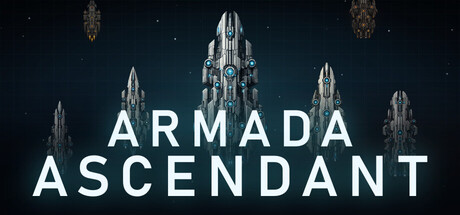 Armada Ascendant In-game content art | The ship and part artwork was generated with AI, then hand-edited and traced by me into the sprites and collision shapes the game actually uses.
Nothing generative runs while you play. There is no AI service wired into the build, and the game never calls one.
The music is licensed from real artists, and the sound effects come out of a script I wrote. Neither is AI.
I want to replace the AI art with work from real artists before Early Access ends. I am not going to promise a date for that, but it is what I am working toward. | aeronothis | - | Sep 4, 2026 | |
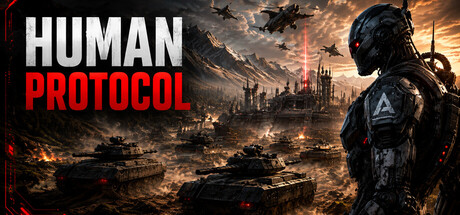 Human Protocol Dev only art | Generative AI tools were used during development to assist with the creation of some visual assets and development materials. All AI-assisted content was reviewed and integrated by the developer. No generative AI is used during gameplay. | IONAR Studio Games | - | Sep 4, 2026 | |
 Anispo In-game content code | A large chunk of the netcode was ai assisted as well as many in game features | Devin Nickell | - | Sep 4, 2026 | |
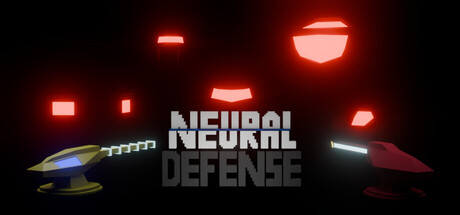 Neural Defense In-game content audioarttextcode | Neural Defense was developed by a five-person indie team using a combination of hand-crafted work and generative AI tools. Generative AI was used during development to assist with music composition, concept art, portions of the game's code, and the editing and expansion of some narrative text. All final in-game assets — including 3D models, textures, and visual art seen during gameplay — were hand-crafted by the studio's artists. No content or code is generated live during gameplay; everything was created, reviewed, and finalized by the team prior to release. | Synapse Game Studios | - | Sep 4, 2026 | |
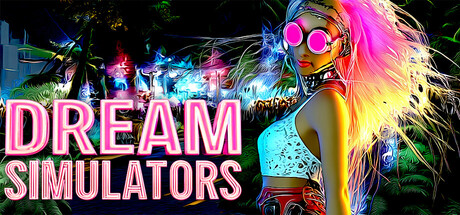 Dream Simulators Live AI text | Dream Simulators uses generative AI to create dynamic dialogue, story continuations, characters, missions, and narrative events based on player input and the active Lore system. Each Expansion Pack features its own world, Lore, characters, and adventures, creating a unique storytelling experience. The AI also generates creative scene descriptions and prompts that players can use as inspiration for creating images and videos. Because the experience is driven by player input, generated content may vary between playthroughs. | Angelkiss Games | - | Sep 4, 2026 |


