








Disclosure
Localization of store page description
- Creator
- Lui Labs
- Reviews
- -
- Added
- Oct 2, 2026
Public Steam disclosure research 25,380 disclosures tracked
Search developers’ Steam disclosures, compare classified AI use across games, and follow recorded changes. This index adds cross-game classifications and statistics to statements published on individual store pages.
Code help, debugging and other development work.
Capsule art, trailers and promotional material.
Pre-made art, audio, writing and other game assets.
Interactive or runtime AI features disclosed by the developer.
Groups reflect automatic analysis of public disclosures; mature records are excluded. These counts do not measure AI use across all of Steam. Missing or unclear statements cannot establish whether a game uses AI.
Localization of store page description
Translations wher made by AI from human written German texts
This game contains content created with the assistance of AI tools. AI was used during development to assist with programming, visual assets, and other creative elements. All generated content was reviewed, edited, and integrated by the dev.
Misty and the Last Breeze is a solo-developed game made with a lot of AI assistance. Here is how AI was used. Code. The game is built in Godot. Most of the gameplay code, tooling and automated tests were written with AI coding assistants (Claude Code and Codex), working from my design direction, and reviewed, playtested and revised by me. Design decisions, level layouts, movement feel and what ships are mine; the assistants do much of the typing. 3D models and art. Many in-game models and textures were made in Blender through scripts written with AI assistance, often rebuilt from concept images. Some of those reference images were generated with AI image tools. Other visuals, such as shaders, UI and effects, are authored in code. Painting and key-art images in the game that began as AI-generated images are kept as AI-assisted work. Music. Music is generated with Suno and then selected, arranged and edited by me. Ambience and sound effects are mostly synthesized in code (procedural audio) rather than sampled from other artists. Mockups and planning. I use ChatGPT's image generation for mockups, mood boards, UI layouts and promotional concepts while planning. These are for exploring ideas; they are not meant to ship as finished art unless noted above. What is not AI. The game itself has no runtime AI: every enemy, NPC, line of dialogue and level is fixed content that I designed and authored. Nothing is generated or adapted while you play.
Hardpack Rally is made by solo developer Andre Gomes with assistance from AI tools, including Claude, ChatGPT and Codex. These tools help write game code and scripts that create the cars and scenery. No AI generates content while you play.
Parts of Howling Woods were made with generative AI during development: its music and sound effects, its interface icons and store art, some of its set-piece models, and parts of its code. All of it was reviewed and reworked by hand, and nothing is generated while you play.
Pre-generated: the game's code, its procedurally built 3D models, levels and effects, the synthesized in-game music, parts of the UI art, the store artwork and the store texts/translations were created with the help of AI tools (Anthropic Claude) under the developer's direction and review. The menu music tracks were generated by the developer with Google Gemini. Sound effects are edited recordings from Kenney (CC0) and Mixkit. No AI content is generated live while playing.
Some artwork, translations, and store page text were created with the help of AI tools.
Generative AI tools were used during development to create pre-generated character voices, music, and store artwork, and to assist with writing. These assets are prepared in advance. The game does not generate AI content or connect to third-party AI services during gameplay.
Generative AI tools were used during development to create visual assets and music, and to assist with localization. All content is prepared in advance. The game does not generate AI content during gameplay or connect to external AI services.
Parts of this game were made with the help of AI tools: the store page text, the Turkish and Simplified Chinese translations, and some of the 3D models, UI graphics and store images. The game does not generate any content with AI while you play.
The key art, store capsules and library artwork were created with an AI image generator and edited by the developer. The trailer music was generated with Suno under a paid plan. No AI-generated content is included in the game itself, and the game runs no AI generation and requires no AI service.
The game's art assets (tile, monster and item sprite atlases) were produced during development using OpenAI's image generation service. We then processed the output ourselves into transparent PNGs and assembled them into atlases, which ship as static assets inside the build. The game does not call any AI service at runtime and contains no live-generated content. Every generated image was manually reviewed and corrected before being added to the atlas. Apart from the art, the code, game design, balance and text involve no AI-generated content.
Generative AI was used during development to help create some visual assets and assist with development work. The resulting content was selected, edited, and integrated into the game by the developer.
Only for localization
Pre-generated AI-assisted art and text are used. Tencent Hunyuan 3D helped create initial models and textures; OpenAI image tools helped create UI art and reference images. Assets were edited and optimized for the game. Some fixed UI text, incident captions and translations were drafted with AI assistance. No AI content is generated during gameplay.
Generative AI assisted development, including artwork, writing and translations. This includes in-game and Steam store content. The game does not generate new AI content during play.
all the pictures are generated by artificial intelligence.
Generative AI tools were used during development to create visual assets, including character and enemy artwork, environmental backgrounds, user interface graphics, item textures, and promotional artwork. ChatGPT also assisted with dialogue and educational text. The developer directed, selected, and reviewed this content for inclusion in the game. All AI-generated content was created before release; the game does not generate AI content during gameplay.
This game includes content created with the assistance of generative AI. Specifically, the clock face and background designs available in the in-game shop were created using generative AI image tools, and the localization of the in-game interface text into several additional languages was produced with generative AI. The game's audio and other content were created without generative AI. No generative AI runs while the game is played — all such content is pre-generated and included in the build.
RoomFolk used generative AI during development to assist with drafting and debugging parts of its source code and text.
Generative AI tools were used during development to help create some of the game's visual assets, including 3D props and environments, as well as localized text and store page descriptions. The main cat character model is a purchased third-party asset. The game does not generate AI content or connect to external AI services during gameplay.
Some of the in-game and store page text was written with the help of AI tools and edited by the developer. No AI image, music or voice generators were used.
Generative AI was used during development to create or refine some visual assets and localized text, including character and background artwork, logos, textures, and pre-rendered presentation videos. This content is prepared in advance. The game does not generate AI content during gameplay or connect to an external AI service.
Artificial Intelligence utilized in store images due to solo developer budget constraints. Images will be updated in the near future as budget constraints ease.
Generative AI tools were used to create and refine promotional artwork and startup/loading artwork based on our game’s character designs. The startup artwork is included in the game.
Localization was produced with AI-assisted
Generative AI tools were used during development, and every output was reviewed, edited and integrated by the developer. AI contributed to: parts of the code, the English translation and store copy, some tower and enemy 3D models and textures, UI icons, co-op stickers, title and loading screen illustrations, the opening and ending cinematics, the store key art, the promotional mascot, and the background music and some sound effects. Game design, levels, balance and overall direction were decided by the developer. Nothing is generated by AI while you play.
The store artwork (capsules and key art) was generated with an image model and then composed, cropped and combined with our own logo by hand. The game's ambient background music tracks were generated with an AI music tool and edited afterwards.
Generative AI was used to assist with artwork, UI elements and sound effects. No AI content is generated during gameplay.
Cards Rumble: Clash Of Elements uses generative AI tools during development to help create some of the game's card artwork and illustrations, as well as some of its music, sound effects, and voice lines. All AI-assisted content was reviewed, edited, and refined by our team before being included in the game. No content is generated by AI while you play.
This game uses generative artificial intelligence (AI) to assist with localization. AI tools were used to generate translations of the game’s text into multiple languages. The translations were reviewed and edited by the development team to ensure quality and accuracy. No generative AI was used to create gameplay content, art, audio, or other core elements of the game.
Generative AI was used to assist in the development of this game. Approximately 60% of the code was generated or written with the assistance of AI; in-game imagery was created using generative AI, with a portion of the assets refined and post-processed manually; music was created using generative AI; and approximately 90% of the sound effects were generated or created with AI assistance. Except for Traditional Chinese, localization for all other languages was translated using AI.
Music and sounds were produced with ElevenLabs.
Generative AI was used during development to assist in creating some character, monster, environment, UI icon, and store promotional artwork, as well as portions of the text and translations. These materials were selected, edited, and integrated by the developer. The game does not generate AI content during gameplay.
Most of if not all of the models / graphics / music you see in game is made by humans. Rare exceptions were made for some basic models (That we really liked and made a creative decision to keep). We support artists and will continue to do so so in this game and all future ones.
Generative AI was used to create portions of the game’s artwork. All such content is prepared during development; no content is AI-generated during gameplay.
We used AI-assisted tools to help create and refine a small selection of visual assets. Each one was reviewed and adjusted by hand before it was used. AI also helped us tidy up the grammar and wording in a small amount of in-game and store-page text. We checked and edited every final line ourselves. For us, AI is simply a supporting tool. Dino Dome: Tidy Up! is still shaped by our own ideas, judgement, and hands-on creative work.
AI tools were used to create or edit some in-game and store artwork and textures, and to assist with translations. Creative direction and final content selection are ours. No AI content is generated during gameplay.
Some sprite artwork was pre-generated with AI assistance, then manually selected, edited, and integrated into the shipped game. No AI-generated content is created during gameplay.
The music under the trailer is generated by Suno. That's it. I ain't a musician.
Some artwork and marketing assets for Fallen Crowns were created with the assistance of generative AI tools. All AI-assisted assets were reviewed and edited by the developer before inclusion. The game does not use AI to generate content live during gameplay.
本游戏有借助AI生成部分图片,比如游戏加载页,部分人物素材,其余游戏内容均为原创。
Shark Bait was made with AI assistance. AI assistants wrote the game's code, including the code that creates its 3D models, sound effects and music, so those were made by AI too. They also helped write the in-game text. The developer directed, played and reviewed all of it.
The game's code, which procedurally generates all 3D models, textures, sound effects and music at runtime, was written with the help of an AI coding assistant, as were the store description, marketing images and trailer. No AI generation happens while the game is running.
Generative AI tools were used during development to assist in creating pre-generated audio and other selected content. These assets are reviewed and integrated by the developer before being included in the game or its promotional materials. The game does not use real-time generative AI during gameplay.
This game uses generative artificial intelligence to assist in the creation of its original soundtrack. All tracks were composed with AI support, resulting in a music selection inspired by J-Rock, K-Pop, electronic music, and classic football games from the 90s/2000s. The goal was to deliver an energetic, nostalgic, and vibrant atmosphere that perfectly matches the 2.5D pixel art aesthetic of Free Kick. Artificial intelligence was used exclusively as a production tool during development. The soundtrack is not generated in real time and does not dynamically adapt to match conditions — all tracks are fixed, curated, and manually integrated to ensure quality and consistency throughout the experience.
Generative AI tools were used to create some pre-generated visual assets for the game and its Steam store materials. All outputs were reviewed and edited by the developer. The game does not generate content during gameplay.
Master Builders was created through close collaboration between a human developer and AI tools: the concept, rules, balance, narrative, and every creative decision came from the developer, while AI assisted with coding and image production to the developer's exact specifications.
Our AI assistance is mainly focused on copy polishing (e.g., correcting typos and logical errors), a small amount of scene refinement and VFX for the second part of the game (the second part is a redesign of some original scenes from ICEY; after handcrafting the concept design and finishing the demo, we use AI to batch-reduce repetitive work), and some programming implementation and test cases. In all other areas—such as concept design, character design (character illustrations), scene design and related design work, combat animation and VFX, and scene implementation (from hand-drawn 2D animation to final implementation)—there is no AI content at all. The specific iteration details are basically all in the development VLOG; if you're interested, feel free to look through it.
| Title⇅ | Disclosure | Creator⇅ | Src | Reviews⇅ | Added↓ |
|---|---|---|---|---|---|
 My Little Bento Shop Store/marketing text | Localization of store page description | Lui Labs | - | Oct 2, 2026 | |
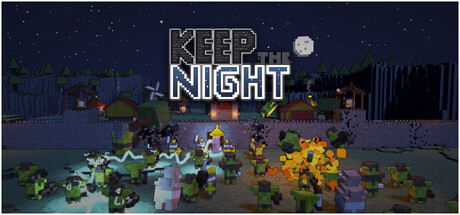 Keep the night In-game content text | Translations wher made by AI from human written German texts | GamingPugsStudios | - | Oct 1, 2026 | |
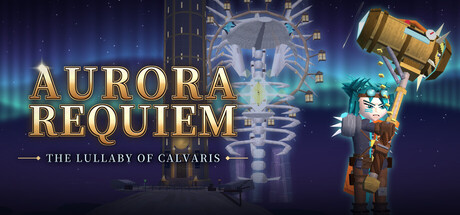 AURORA REQUIEM In-game content artcode | This game contains content created with the assistance of AI tools. AI was used during development to assist with programming, visual assets, and other creative elements. All generated content was reviewed, edited, and integrated by the dev. | ISEKAI Games | - | Oct 1, 2026 | |
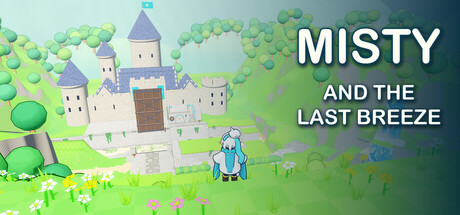 Misty and the Last Breeze In-game content artaudiocodetext | Misty and the Last Breeze is a solo-developed game made with a lot of AI assistance. Here is how AI was used.
Code. The game is built in Godot. Most of the gameplay code, tooling and automated tests were written with AI coding assistants (Claude Code and Codex), working from my design direction, and reviewed, playtested and revised by me. Design decisions, level layouts, movement feel and what ships are mine; the assistants do much of the typing.
3D models and art. Many in-game models and textures were made in Blender through scripts written with AI assistance, often rebuilt from concept images. Some of those reference images were generated with AI image tools. Other visuals, such as shaders, UI and effects, are authored in code. Painting and key-art images in the game that began as AI-generated images are kept as AI-assisted work.
Music. Music is generated with Suno and then selected, arranged and edited by me. Ambience and sound effects are mostly synthesized in code (procedural audio) rather than sampled from other artists.
Mockups and planning. I use ChatGPT's image generation for mockups, mood boards, UI layouts and promotional concepts while planning. These are for exploring ideas; they are not meant to ship as finished art unless noted above.
What is not AI. The game itself has no runtime AI: every enemy, NPC, line of dialogue and level is fixed content that I designed and authored. Nothing is generated or adapted while you play. | Ilia Reingold | - | Oct 1, 2026 | |
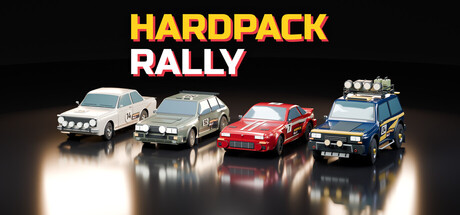 Hardpack Rally In-game content codeart | Hardpack Rally is made by solo developer Andre Gomes with assistance from AI tools, including Claude, ChatGPT and Codex. These tools help write game code and scripts that create the cars and scenery. No AI generates content while you play. | Andre Gomes | - | Oct 1, 2026 | |
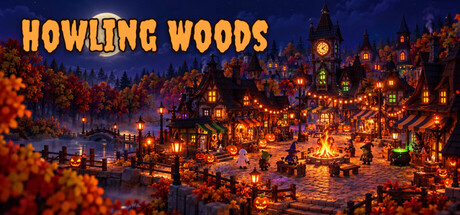 Howling Woods In-game content artaudiocode | Parts of Howling Woods were made with generative AI during development: its music and sound effects, its interface icons and store art, some of its set-piece models, and parts of its code. All of it was reviewed and reworked by hand, and nothing is generated while you play. | Clackety Rock LLC | - | Oct 1, 2026 | |
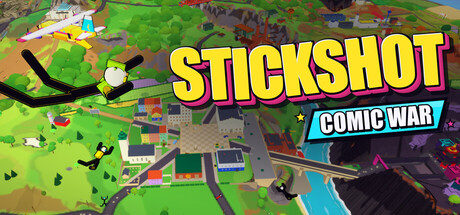 STICKSHOT: Comic War In-game content artaudiotextcode | Pre-generated: the game's code, its procedurally built 3D models, levels and effects, the synthesized in-game music, parts of the UI art, the store artwork and the store texts/translations were created with the help of AI tools (Anthropic Claude) under the developer's direction and review. The menu music tracks were generated by the developer with Google Gemini. Sound effects are edited recordings from Kenney (CC0) and Mixkit. No AI content is generated live while playing. | Millennial Game Dreams | - | Oct 1, 2026 | |
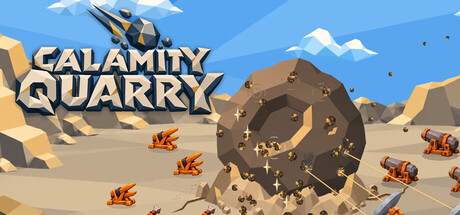 Calamity Quarry In-game content arttext | Some artwork, translations, and store page text were created with the help of AI tools. | Prussian_lemon | - | Oct 1, 2026 | |
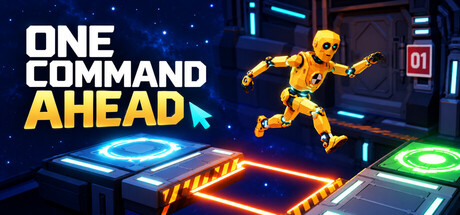 One Command Ahead In-game content audiotextart | Generative AI tools were used during development to create pre-generated character voices, music, and store artwork, and to assist with writing. These assets are prepared in advance. The game does not generate AI content or connect to third-party AI services during gameplay. | Newtro Studios | - | Oct 1, 2026 | |
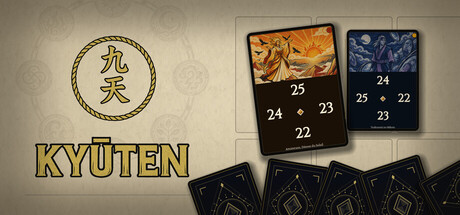 Kyūten In-game content artaudiotext | Generative AI tools were used during development to create visual assets and music, and to assist with localization. All content is prepared in advance. The game does not generate AI content during gameplay or connect to external AI services. | Pix4Geeks | - | Oct 1, 2026 | |
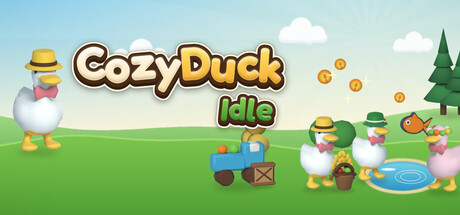 CozyDuck Idle In-game content textart | Parts of this game were made with the help of AI tools: the store page text, the Turkish and Simplified Chinese translations, and some of the 3D models, UI graphics and store images. The game does not generate any content with AI while you play. | Eren Kurular | - | Oct 1, 2026 | |
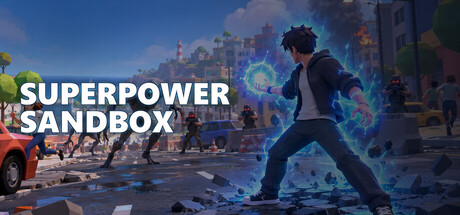 Superpower Sandbox Store/marketing artaudio | The key art, store capsules and library artwork were created with an AI image generator and edited by the developer. The trailer music was generated with Suno under a paid plan. No AI-generated content is included in the game itself, and the game runs no AI generation and requires no AI service. | PHABDEV | - | Oct 1, 2026 | |
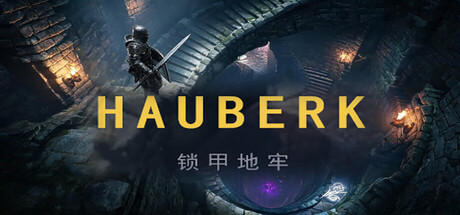 Hauberk锁甲地牢 In-game content art | The game's art assets (tile, monster and item sprite atlases) were produced during development using OpenAI's image generation service. We then processed the output ourselves into transparent PNGs and assembled them into atlases, which ship as static assets inside the build. The game does not call any AI service at runtime and contains no live-generated content. Every generated image was manually reviewed and corrected before being added to the atlas. Apart from the art, the code, game design, balance and text involve no AI-generated content. | BAI XIAN LE | - | Oct 1, 2026 | |
 Roguelette In-game content art | Generative AI was used during development to help create some visual assets and assist with development work. The resulting content was selected, edited, and integrated into the game by the developer. | Nightbyte | - | Oct 1, 2026 | |
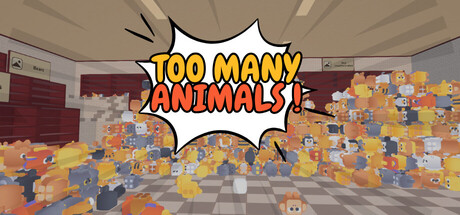 Too Many Animals ! In-game content text | Only for localization | Lip Chuan Sui | - | Oct 1, 2026 | |
 Friendship Boat In-game content arttext | Pre-generated AI-assisted art and text are used. Tencent Hunyuan 3D helped create initial models and textures; OpenAI image tools helped create UI art and reference images. Assets were edited and optimized for the game. Some fixed UI text, incident captions and translations were drafted with AI assistance. No AI content is generated during gameplay. | Kibernet | - | Oct 1, 2026 | |
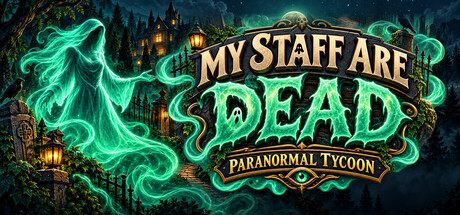 My Staff Are Dead! Paranormal Tycoon In-game content arttext | Generative AI assisted development, including artwork, writing and translations. This includes in-game and Steam store content. The game does not generate new AI content during play. | TheCarloBird | - | Oct 1, 2026 | |
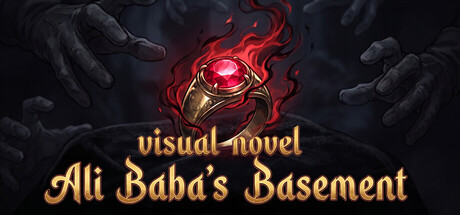 Visual Novel: Ali Baba Basemen In-game content art | all the pictures are generated by artificial intelligence. | Reanim Games | - | Oct 1, 2026 | |
 The Liberty League In-game content arttext | Generative AI tools were used during development to create visual assets, including character and enemy artwork, environmental backgrounds, user interface graphics, item textures, and promotional artwork. ChatGPT also assisted with dialogue and educational text. The developer directed, selected, and reviewed this content for inclusion in the game. All AI-generated content was created before release; the game does not generate AI content during gameplay. | Michael Giaccotto | - | Oct 1, 2026 | |
 Waste Your Time In-game content arttext | This game includes content created with the assistance of generative AI. Specifically, the clock face and background designs available in the in-game shop were created using generative AI image tools, and the localization of the in-game interface text into several additional languages was produced with generative AI. The game's audio and other content were created without generative AI. No generative AI runs while the game is played — all such content is pre-generated and included in the build. | XejiksGG | - | Oct 1, 2026 | |
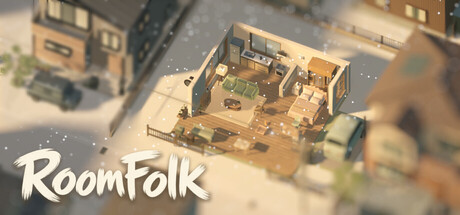 方寸小家 RoomFolk Dev only codetext | RoomFolk used generative AI during development to assist with drafting and debugging parts of its source code and text. | Minumote Studio | - | Oct 1, 2026 | |
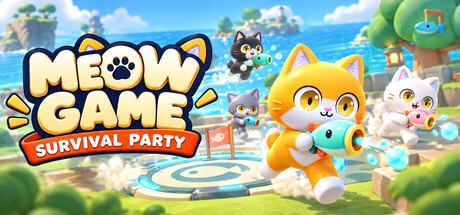 Meow Game Desert Island Survival In-game content arttext | Generative AI tools were used during development to help create some of the game's visual assets, including 3D props and environments, as well as localized text and store page descriptions. The main cat character model is a purchased third-party asset. The game does not generate AI content or connect to external AI services during gameplay. | Webhack | - | Oct 1, 2026 | |
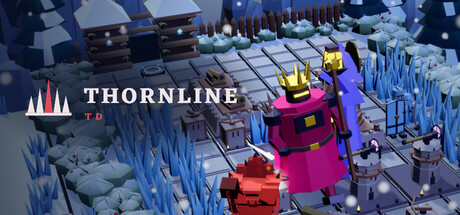 Thornline TD In-game content text | Some of the in-game and store page text was written with the help of AI tools and edited by the developer. No AI image, music or voice generators were used. | Corby Wenzelbach | - | Oct 1, 2026 | |
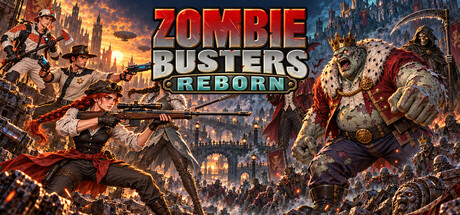 ZombieBusters: Reborn In-game content arttext | Generative AI was used during development to create or refine some visual assets and localized text, including character and background artwork, logos, textures, and pre-rendered presentation videos. This content is prepared in advance. The game does not generate AI content during gameplay or connect to an external AI service. | YOOLKWON LABS | - | Oct 1, 2026 | |
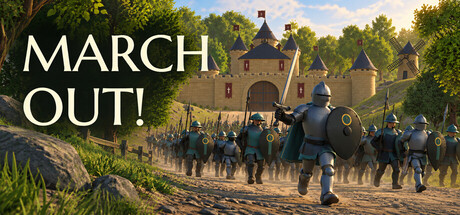 March Out! Store/marketing art | Artificial Intelligence utilized in store images due to solo developer budget constraints. Images will be updated in the near future as budget constraints ease. | Mason Brignac | - | Oct 1, 2026 | |
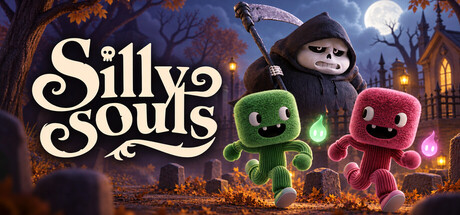 Silly Souls In-game content art | Generative AI tools were used to create and refine promotional artwork and startup/loading artwork based on our game’s character designs. The startup artwork is included in the game. | Pasta Desert Studios | - | Oct 1, 2026 | |
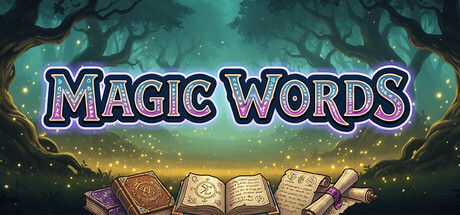 Magic Words In-game content text | Localization was produced with AI-assisted | Maboy Games | - | Oct 1, 2026 | |
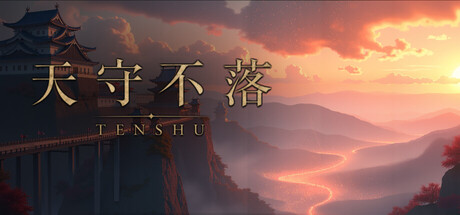 Tenshu: The Keep Must Hold In-game content artaudiocodetext | Generative AI tools were used during development, and every output was reviewed, edited and integrated by the developer. AI contributed to: parts of the code, the English translation and store copy, some tower and enemy 3D models and textures, UI icons, co-op stickers, title and loading screen illustrations, the opening and ending cinematics, the store key art, the promotional mascot, and the background music and some sound effects. Game design, levels, balance and overall direction were decided by the developer. Nothing is generated by AI while you play. | 亞瑟先生 Mister Arthur Games | - | Oct 1, 2026 | |
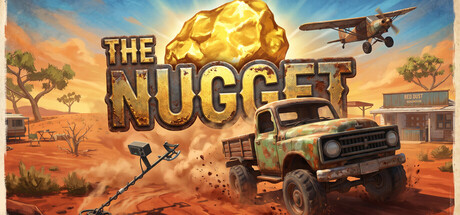 THE NUGGET In-game content artaudio | The store artwork (capsules and key art) was generated with an image model and then composed, cropped and combined with our own logo by hand. The game's ambient background music tracks were generated with an AI music tool and edited afterwards. | OverLKD Studio | - | Oct 1, 2026 | |
 Cook Or Get Cooked In-game content artaudio | Generative AI was used to assist with artwork, UI elements and sound effects. No AI content is generated during gameplay. | Fruitdish | - | Oct 1, 2026 | |
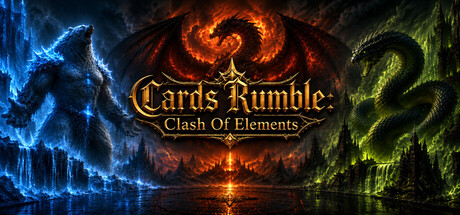 Cards Rumble: Clash of Elements In-game content artaudio | Cards Rumble: Clash Of Elements uses generative AI tools during development to help create some of the game's card artwork and illustrations, as well as some of its music, sound effects, and voice lines. All AI-assisted content was reviewed, edited, and refined by our team before being included in the game. No content is generated by AI while you play. | OnPixel Software | - | Oct 1, 2026 | |
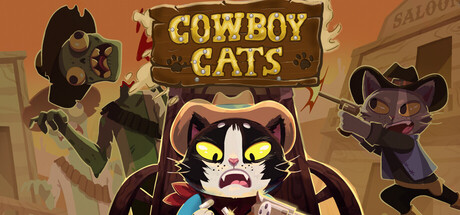 Cowboy Cats In-game content text | This game uses generative artificial intelligence (AI) to assist with localization.
AI tools were used to generate translations of the game’s text into multiple languages. The translations were reviewed and edited by the development team to ensure quality and accuracy. No generative AI was used to create gameplay content, art, audio, or other core elements of the game. | Cat Nails Studio | - | Oct 1, 2026 | |
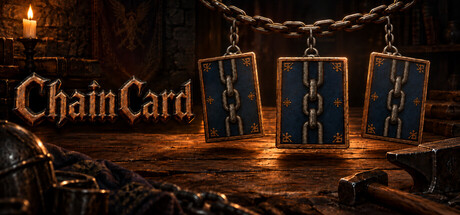 Chain Card In-game content artaudiocodetext | Generative AI was used to assist in the development of this game. Approximately 60% of the code was generated or written with the assistance of AI; in-game imagery was created using generative AI, with a portion of the assets refined and post-processed manually; music was created using generative AI; and approximately 90% of the sound effects were generated or created with AI assistance. Except for Traditional Chinese, localization for all other languages was translated using AI. | 9667 | - | Oct 1, 2026 | |
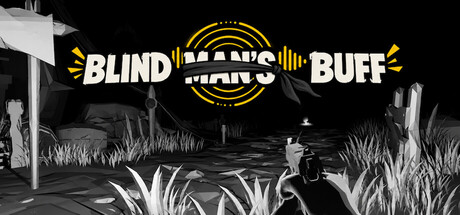 Blind Man's Buff In-game content audio | Music and sounds were produced with ElevenLabs. | sanzyman | - | Oct 1, 2026 | |
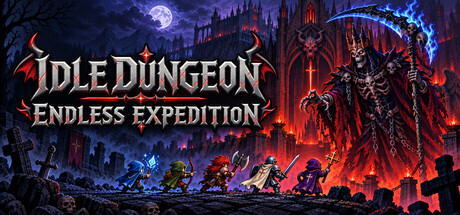 放置地下城:无尽远征 In-game content arttext | Generative AI was used during development to assist in creating some character, monster, environment, UI icon, and store promotional artwork, as well as portions of the text and translations. These materials were selected, edited, and integrated by the developer. The game does not generate AI content during gameplay. | 程序员小灰 | - | Oct 1, 2026 | |
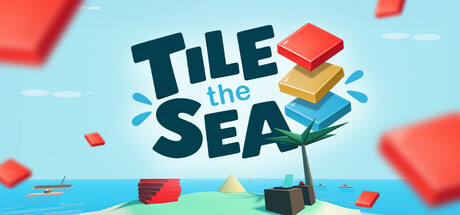 Tile The Sea general | Most of if not all of the models / graphics / music you see in game is made by humans. Rare exceptions were made for some basic models (That we really liked and made a creative decision to keep). We support artists and will continue to do so so in this game and all future ones. | Derrad | - | Oct 1, 2026 | |
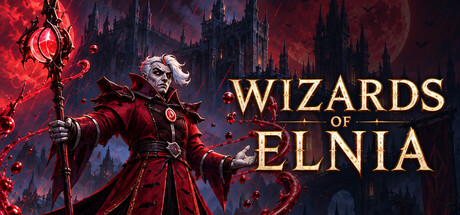 Wizards of Elnia In-game content art | Generative AI was used to create portions of the game’s artwork. All such content is prepared during development; no content is AI-generated during gameplay. | Black Fox Games | - | Oct 1, 2026 | |
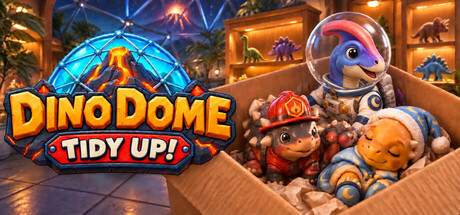 Dino Dome: Tidy Up! In-game content arttext | We used AI-assisted tools to help create and refine a small selection of visual assets. Each one was reviewed and adjusted by hand before it was used.
AI also helped us tidy up the grammar and wording in a small amount of in-game and store-page text. We checked and edited every final line ourselves.
For us, AI is simply a supporting tool. Dino Dome: Tidy Up! is still shaped by our own ideas, judgement, and hands-on creative work. | Obsessive Games | - | Oct 1, 2026 | |
 Night at the Fun Park In-game content arttext | AI tools were used to create or edit some in-game and store artwork and textures, and to assist with translations. Creative direction and final content selection are ours. No AI content is generated during gameplay. | Sitting Teddy | - | Oct 1, 2026 | |
 Jirai Kei Nemu In-game content art | Some sprite artwork was pre-generated with AI assistance, then manually selected, edited, and integrated into the shipped game. No AI-generated content is created during gameplay. | Code in Pixel | - | Oct 1, 2026 | |
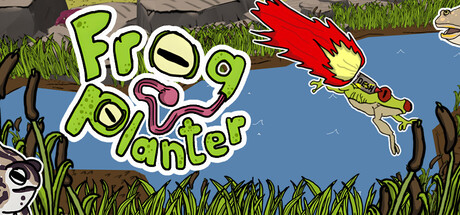 Frog Planter Store/marketing audio | The music under the trailer is generated by Suno. That's it. I ain't a musician. | Lazy Platypus Kft. | - | Oct 1, 2026 | |
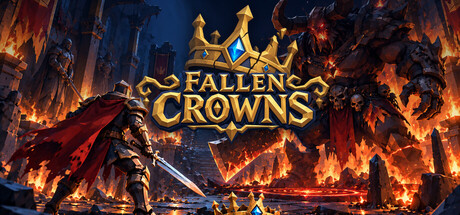 Fallen Crowns Store/marketing art | Some artwork and marketing assets for Fallen Crowns were created with the assistance of generative AI tools. All AI-assisted assets were reviewed and edited by the developer before inclusion. The game does not use AI to generate content live during gameplay. | Demonia Game Studios | - | Oct 1, 2026 | |
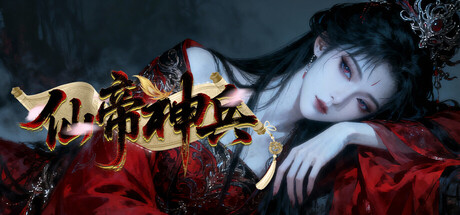 仙帝神兵 In-game content art | 本游戏有借助AI生成部分图片,比如游戏加载页,部分人物素材,其余游戏内容均为原创。 | 仙帝神兵工作室 | - | Oct 1, 2026 | |
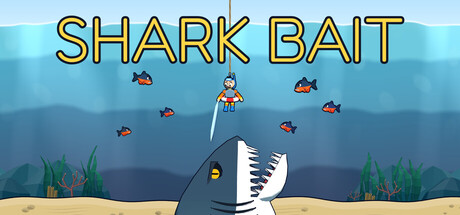 Shark Bait In-game content artaudiotextcode | Shark Bait was made with AI assistance. AI assistants wrote the game's code, including the code that creates its 3D models, sound effects and music, so those were made by AI too. They also helped write the in-game text. The developer directed, played and reviewed all of it. | Fire Tornado Studio | - | Oct 1, 2026 | |
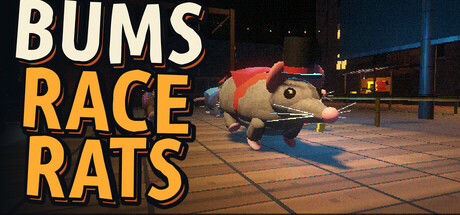 Bums Race Rats In-game content artaudiocode | The game's code, which procedurally generates all 3D models, textures, sound effects and music at runtime, was written with the help of an AI coding assistant, as were the store description, marketing images and trailer. No AI generation happens while the game is running. | RatMaxxing | - | Oct 1, 2026 | |
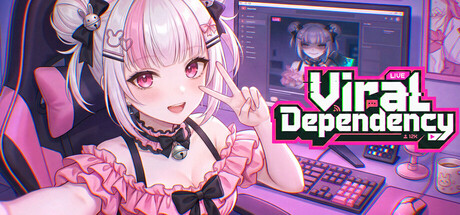 流量依存症 In-game content audio | Generative AI tools were used during development to assist in creating pre-generated audio and other selected content. These assets are reviewed and integrated by the developer before being included in the game or its promotional materials. The game does not use real-time generative AI during gameplay. | OBINO Studio | - | Oct 1, 2026 | |
 Free Kick In-game content audio | This game uses generative artificial intelligence to assist in the creation of its original soundtrack.
All tracks were composed with AI support, resulting in a music selection inspired by J-Rock, K-Pop, electronic music, and classic football games from the 90s/2000s. The goal was to deliver an energetic, nostalgic, and vibrant atmosphere that perfectly matches the 2.5D pixel art aesthetic of Free Kick.
Artificial intelligence was used exclusively as a production tool during development. The soundtrack is not generated in real time and does not dynamically adapt to match conditions — all tracks are fixed, curated, and manually integrated to ensure quality and consistency throughout the experience. | Mars Vinum Games | - | Oct 1, 2026 | |
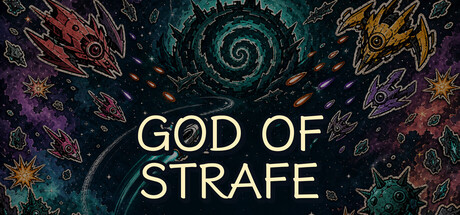 God of Strafe In-game content art | Generative AI tools were used to create some pre-generated visual assets for the game and its Steam store materials. All outputs were reviewed and edited by the developer. The game does not generate content during gameplay. | Ren You Suo Cao Studio | - | Oct 1, 2026 | |
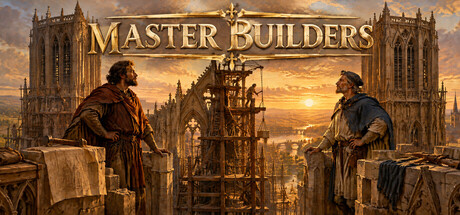 Master Builders In-game content artcode | Master Builders was created through close collaboration between a human developer and AI tools: the concept, rules, balance, narrative, and every creative decision came from the developer, while AI assisted with coding and image production to the developer's exact specifications. | ZELVANIX | - | Oct 1, 2026 | |
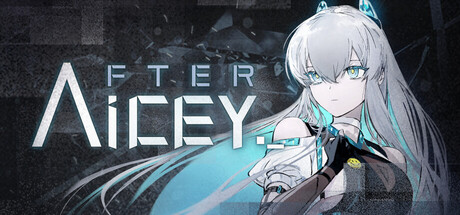 After ICEY In-game content textartcode | Our AI assistance is mainly focused on copy polishing (e.g., correcting typos and logical errors), a small amount of scene refinement and VFX for the second part of the game (the second part is a redesign of some original scenes from ICEY; after handcrafting the concept design and finishing the demo, we use AI to batch-reduce repetitive work), and some programming implementation and test cases.
In all other areas—such as concept design, character design (character illustrations), scene design and related design work, combat animation and VFX, and scene implementation (from hand-drawn 2D animation to final implementation)—there is no AI content at all. The specific iteration details are basically all in the development VLOG; if you're interested, feel free to look through it. | TAMASHI GAMING | - | Sep 30, 2026 |


