








Disclosure
The character voice in trailer
- Creator
- LIDO GAMES
- Reviews
- -
- Added
- Jun 3, 2026
Public Steam disclosure research 25,380 disclosures tracked
Search developers’ Steam disclosures, compare classified AI use across games, and follow recorded changes. This index adds cross-game classifications and statistics to statements published on individual store pages.
Code help, debugging and other development work.
Capsule art, trailers and promotional material.
Pre-made art, audio, writing and other game assets.
Interactive or runtime AI features disclosed by the developer.
Groups reflect automatic analysis of public disclosures; mature records are excluded. These counts do not measure AI use across all of Steam. Missing or unclear statements cannot establish whether a game uses AI.
The character voice in trailer
Some visual assets, promotional artwork, sound concepts, and early creative content for Lumibloom were created or assisted using generative AI tools during development. All AI-assisted content is reviewed, edited, and integrated by the developer to fit the game’s final artistic direction and gameplay experience.
The following aspects of this game's development were assisted by AI tools: • Code architecture planning and refactoring suggestions • Debugging assistance • Localization (English / Simplified Chinese / Japanese / and other supported languages) • Initial drafts of select art assets • Background music generation (SUNO) All AI-generated output was reviewed, edited, and integrated by a human before inclusion in the final build. Core gameplay design, balancing, and final decisions were made by the developer.
Only library capsule images have been enhanced by AI.
Generative AI has been used to create or enhance image material for the game and market assets.
Some assets AI was used to speed along development time and our music person (JenZ) used some AI in creating the sound track.
Intro music only.
All music was generated by AI. Anything not covered up with an effect was touched up by AI. We created the original concepts in Piskel. Ai assisted with some aspects of coding/refactoring/debugging. The image in our store media, with the 3 ships, was generated using AI based on our in-game enemy ships and the players "elite" ship. Everything else was created using Canva.
All background music and translation/localization were made using AI.
Some game & marketing assets are developed with developer curated AI-assisted workflows.
Generative AI tools were used during development to assist with early concept art, visual ideation, logos, and certain promotional materials. All final in-game content and gameplay implementation were curated, edited, and integrated by the developers.
I use AI to summarize documentation, criticize my code, and help me make sense of error messages. Sometimes I feel discouraged and I ask AI to write stuff for me. Seeing the garbage it produces makes me feel better, and encourages me to try again :)
Some background images were expanded to fit higher resolutions with the assistance of generative AI tools. All core content and gameplay experiences were designed and created by the developer.
Some game images and few graphics assets
Some music uses AI
All gameplay systems, game design decisions, balancing decisions, story/context decisions, implementation choices, and final creative decisions were made by the development team. Generative AI tools were used only as assistive tools during development. This may include support for brainstorming, improving workflows, and creating or refining some static 2D visual materials used in the game and its marketing, such as item icons, UI-related images, capsule/key art elements, and visuals that may appear in trailers or screenshots. All AI-assisted materials were reviewed, selected, edited, and approved by the developers before being included. No AI system makes gameplay decisions, controls game logic, generates levels, creates player-facing content, or produces images, videos, text, audio, or any other content in real time during gameplay.
This game uses AI tools during development to assist with the creation of certain 3D models and prototyping. All gameplay design, final programming, balancing, creative direction, and system integration were carried out by the developer.
This game is the handcrafted work of developer duo. During the development process, generative tools were used as supportive instruments within the creative workflow. The final game experience fully reflects the developer’s original creative vision and craftsmanship.
Some UI elements and musical accompaniment were generated by neural networks.
Cyber Spartan uses AI-generated content for select visual assets, including character expression artwork and some promotional materials. Core gameplay code, game design, and level design are human-directed. AI tools were used as a creative partner throughout development.
part of the images and videos generated by ai tools, there is no realtime ai in the game.
Generative AI tools were used to assist with creating promotional artwork. Character artwork used in promotional images is based on the game's actual 3D character models and visual designs. All gameplay screenshots shown on the store page are captured from the actual in-game build and are not AI-generated or composited. The game does not use live generative AI during gameplay, and no gameplay content is generated dynamically by AI while the player is playing.
Generative AI tools were used during development to assist with code, localization text, store page copy, and procedural geometric marketing assets. The game does not use live generative AI during gameplay. All AI-assisted content was reviewed, edited, and integrated by the developer.
Game loading interface and game icon generated by AI
Vector Storm's music is procedurally generated in real time using mathematical audio synthesis — not a generative AI model. The game contains no AI-generated artwork, dialogue, or other content. AI coding tools were used during development to assist with programming.
Used minimal AI to assist in the creation.
During the development process, I used generative AI tools to assist in creating certain art assets and sound effects. All AI-generated content has been reviewed and refined to ensure quality and consistency. The final product reflects my creative vision , and no illegal or infringing content is included.
BreakDespair2D uses Stable Diffusion for some character portraits and background images. No AI-generated content is created during gameplay. The game design, programming, balancing, story, and implementation were created by HappyLuckyRainbowGames.
According to our Generative AI policy, we will not use it to generate any Assets, Sounds, or Art. Subject to change. Generative AI was used to generate a portion of code during development.
Due to lack of artistic capabilities some raw assets shown in the store page have been generated and manually edited to fit the games purpose (Skill Issue lol) Most assets have been replaced in a later build
This game utilized AI generation tools for some background images and character portraits.
Generative AI was used to assist in the creation of the game's soundtrack and audio assets. All AI-generated content has been reviewed and edited to ensure it meets quality standards and does not infringe on existing copyrights.
Death Before Decaf uses generative AI tools to assist with visual asset production. This includes character and enemy sprites, environment art, and marketing capsule images, all created using a fine-tuned model trained on reference materials owned by Overdose Interactive (Scenario.gg with a custom DBD LoRA, plus Replicate/Flux for select assets). All AI-generated outputs are reviewed, edited, and approved by a human art director before being shipped in the game. The game itself does not generate any AI content at runtime: all assets are pre-rendered and bundled with the build. The game does not connect to any external AI services during gameplay.
WinBolo's core engine and gameplay code was originally written by John Morrison between 1998 and 2008. The 2.0 modernization — including build system updates, the networking rewrite and platform ports — was developed with assistance from AI coding tools, with all architectural decisions, code review, and final integration handled by John Morrison. Some non-gameplay marketing materials — including images and video elements used in trailers, social media, and the store page — were created using AI image generation as a starting point, with composition, editing, effects, and final selection done by hand. Gameplay screenshots and video footage are unedited captures from the actual game. The game itself contains no generative AI content at runtime. Player-facing in-game assets (graphics, sound, music, text, UI) are human-created. The in-game AI opponents ("Brains," including NewAutopilot and future ML-trained agents) use traditional game AI techniques and trained reinforcement-learning models — they don't generate text, images, or audio during play.
The game was made with the help of generative AI tools for visual assets, store artwork, music, localization support, and development assistance. AI-assisted materials were reviewed, selected, edited where necessary, and integrated by the developer.
Partial materials
The Music and some of the Paintings in the Houses are A.I. Generated
Some visual assets and audio elements in the game were created using AI-assisted tools and then refined and integrated into the final experience by the developer.
It is used in some of the assets.
Developer Logo was created partly using AI, some basic environmental obstacle and enemy placements are randomly generated with an algorithm. There are RNG elements.
AI has been used to check for localizations mistakes, some PoC textures that will be replaced, and boiler plate code.
This game utilizes AI generation for most of its code, most of its image assets, and some of its sound sources.
Generative AI tools were used as development assistance for portions of the source code, including drafting, organization, and commenting. No live AI-generated content is produced during gameplay.
Generative AI was used only in a limited capacity for some sound effects, translations, and Steam store page marketing assets. The game does not contain any real-time AI-generated content during gameplay.
We employ AI-enhanced pipelines for the optimization of certain artistic resources.
Generative AI was used during the pre-production phase to create and refine visual concepts, character designs (including enemies and the protagonist), and environmental assets. All AI-generated content was further edited and processed by the developer to fit the game's unique pixel-art constructivist style. No AI content is generated live during gameplay.
This game used ai for translation assistance.
Some visual assets in the game and store materials were created or assisted using generative AI tools and have been reviewed, refined, and integrated by the developer.
Shatterhold uses AI-generated art for environmental paintings, creature portraits, and music tracks. All gameplay mechanics, code, and game design are human-directed.
Sound-tracks were created with the assistance of diffusion generation.
| Title⇅ | Disclosure | Creator⇅ | Src | Reviews⇅ | Added↓ |
|---|---|---|---|---|---|
 Blades of Four In-game content audio | The character voice in trailer | LIDO GAMES | - | Jun 3, 2026 | |
 Lumibloom In-game content artaudio | Some visual assets, promotional artwork, sound concepts, and early creative content for Lumibloom were created or assisted using generative AI tools during development. All AI-assisted content is reviewed, edited, and integrated by the developer to fit the game’s final artistic direction and gameplay experience. | Zan Games | - | Jun 3, 2026 | |
 Friendly Fire In-game content codetextaudioart | The following aspects of this game's development were assisted by AI tools:
• Code architecture planning and refactoring suggestions
• Debugging assistance
• Localization (English / Simplified Chinese / Japanese / and other supported languages)
• Initial drafts of select art assets
• Background music generation (SUNO)
All AI-generated output was reviewed, edited, and integrated by a human before inclusion in the final build. Core gameplay design, balancing, and final decisions were made by the developer. | HuntForge | - | Jun 3, 2026 | |
 Universe X Store/marketing art | Only library capsule images have been enhanced by AI. | Oni7 | - | Jun 3, 2026 | |
 Snapshot Survivor Store/marketing art | Generative AI has been used to create or enhance image material for the game and market assets. | Tiny Secret Games | - | Jun 3, 2026 | |
 CellShocked In-game content audio | Some assets AI was used to speed along development time and our music person (JenZ) used some AI in creating the sound track. | Pre-Tech | - | Jun 3, 2026 | |
 Moon Rocks and Slimes In-game content audio | Intro music only. | Voided Pixels Studio | - | Jun 3, 2026 | |
 Ore & Ordnance In-game content audioart | All music was generated by AI.
Anything not covered up with an effect was touched up by AI. We created the original concepts in Piskel.
Ai assisted with some aspects of coding/refactoring/debugging.
The image in our store media, with the 3 ships, was generated using AI based on our in-game enemy ships and the players "elite" ship. Everything else was created using Canva. | Hooley Studios | - | Jun 3, 2026 | |
 Mighty X Arms In-game content audiotext | All background music and translation/localization were made using AI. | Stale Boi | - | Jun 3, 2026 | |
 Wolf Commando Unclear art | Some game & marketing assets are developed with developer curated AI-assisted workflows. | Nitro Games | - | Jun 3, 2026 | |
 Lorenium Orbit In-game content art | Generative AI tools were used during development to assist with early concept art, visual ideation, logos, and certain promotional materials. All final in-game content and gameplay implementation were curated, edited, and integrated by the developers. | TGZ Studios, LLC | - | Jun 3, 2026 | |
 AI CARAMBA Dev only codetext | I use AI to summarize documentation, criticize my code, and help me make sense of error messages.
Sometimes I feel discouraged and I ask AI to write stuff for me. Seeing the garbage it produces makes me feel better, and encourages me to try again :) | Works of Love | - | Jun 3, 2026 | |
 JoyWorld Remastered (조이월드 리마스터) In-game content art | Some background images were expanded to fit higher resolutions with the assistance of generative AI tools.
All core content and gameplay experiences were designed and created by the developer. | pOn Studio | - | Jun 3, 2026 | |
 Star Hero Unclear art | Some game images and few graphics assets | Galactic Space Forge | - | Jun 3, 2026 | |
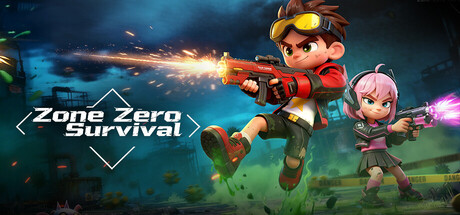 零区生还 In-game content audio | Some music uses AI | HongYe | - | Jun 3, 2026 | |
 Donboz Jailbreak In-game content art | All gameplay systems, game design decisions, balancing decisions, story/context decisions, implementation choices, and final creative decisions were made by the development team.
Generative AI tools were used only as assistive tools during development. This may include support for brainstorming, improving workflows, and creating or refining some static 2D visual materials used in the game and its marketing, such as item icons, UI-related images, capsule/key art elements, and visuals that may appear in trailers or screenshots.
All AI-assisted materials were reviewed, selected, edited, and approved by the developers before being included. No AI system makes gameplay decisions, controls game logic, generates levels, creates player-facing content, or produces images, videos, text, audio, or any other content in real time during gameplay. | SKR Interactive | - | Jun 3, 2026 | |
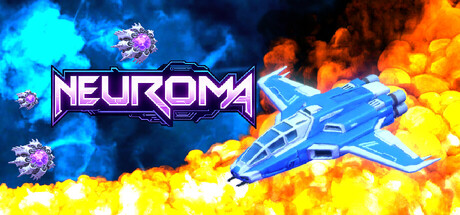 Neuroma In-game content art | This game uses AI tools during development to assist with the creation of certain 3D models and prototyping. All gameplay design, final programming, balancing, creative direction, and system integration were carried out by the developer. | NextLayer | - | Jun 3, 2026 | |
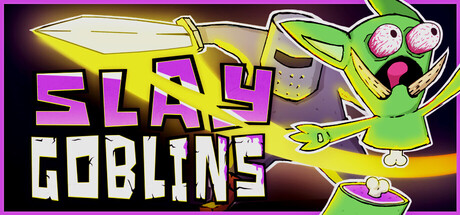 Slay Goblins Dev only | This game is the handcrafted work of developer duo. During the development process, generative tools were used as supportive instruments within the creative workflow. The final game experience fully reflects the developer’s original creative vision and craftsmanship. | Ivy Juice Games | - | Jun 3, 2026 | |
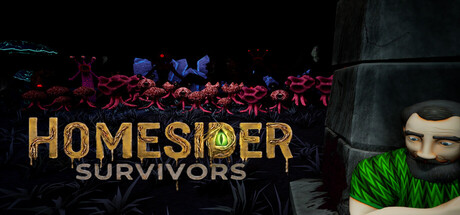 Homesider Survivors In-game content artaudio | Some UI elements and musical accompaniment were generated by neural networks. | Indie Mef | - | May 23, 2026 | |
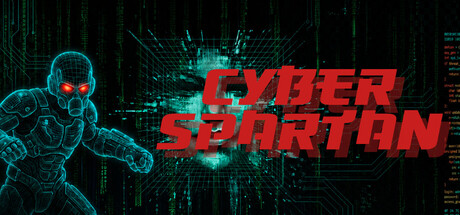 Cyber Spartan In-game content art | Cyber Spartan uses AI-generated content for select visual assets, including character expression artwork and some promotional materials. Core gameplay code, game design, and level design are human-directed. AI tools were used as a creative partner
throughout development. | PLICA GAMES | - | May 23, 2026 | |
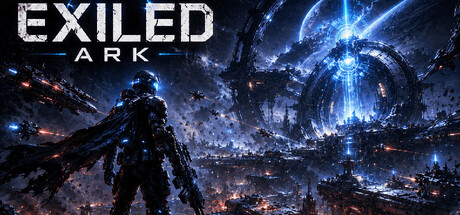 Exiled Ark Store/marketing art | part of the images and videos generated by ai tools, there is no realtime ai in the game. | Crisen | - | May 23, 2026 | |
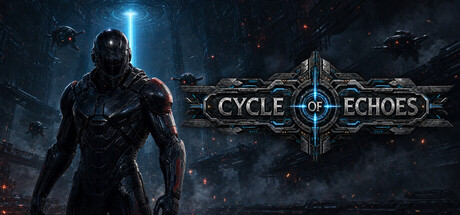 Cycle of Echoes Store/marketing art | Generative AI tools were used to assist with creating promotional artwork. Character artwork used in promotional images is based on the game's actual 3D character models and visual designs. All gameplay screenshots shown on the store page are captured from the actual in-game build and are not AI-generated or composited. The game does not use live generative AI during gameplay, and no gameplay content is generated dynamically by AI while the player is playing. | ArkNodeAI | - | May 23, 2026 | |
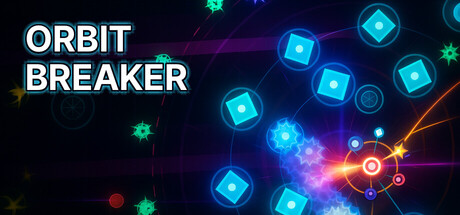 Orbit Breaker In-game content codetextart | Generative AI tools were used during development to assist with code, localization text, store page copy, and procedural geometric marketing assets. The game does not use live generative AI during gameplay. All AI-assisted content was reviewed, edited, and integrated by the developer. | Shape Loop Studio | - | May 23, 2026 | |
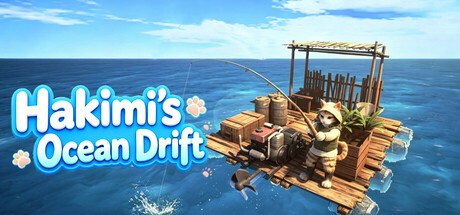 哈基米的海上漂流 In-game content art | Game loading interface and game icon generated by AI | 哈基米 | - | May 23, 2026 | |
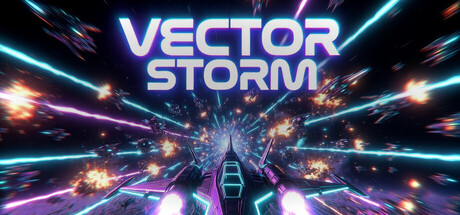 Vector Storm Dev only code | Vector Storm's music is procedurally generated in real time using mathematical audio synthesis — not a generative AI
model. The game contains no AI-generated artwork, dialogue, or other content. AI coding tools were used during
development to assist with programming. | WHODATYAT | - | May 23, 2026 | |
 乒乓行 Unclear | Used minimal AI to assist in the creation. | RoeBox | - | May 23, 2026 | |
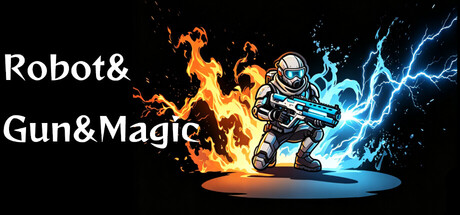 Robot&Gun&Magic In-game content artaudio | During the development process, I used generative AI tools to assist in creating certain art assets and sound effects. All AI-generated content has been reviewed and refined to ensure quality and consistency. The final product reflects my creative vision , and no illegal or infringing content is included. | PX Games | - | May 23, 2026 | |
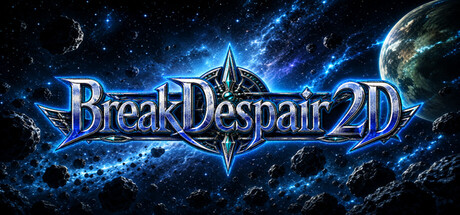 BreakDespair2D In-game content art | BreakDespair2D uses Stable Diffusion for some character portraits and background images.
No AI-generated content is created during gameplay.
The game design, programming, balancing, story, and implementation were created by HappyLuckyRainbowGames. | HappyLuckyRainbowGames | - | May 23, 2026 | |
 Astrojumper Dev only code | According to our Generative AI policy, we will not use it to generate any Assets, Sounds, or Art.
Subject to change. Generative AI was used to generate a portion of code during development. | GalacticGoons | - | May 23, 2026 | |
 Octogun - Idle Store/marketing art | Due to lack of artistic capabilities some raw assets shown in the store page have been generated and manually edited to fit the games purpose (Skill Issue lol)
Most assets have been replaced in a later build | Ivy Leaf | - | May 23, 2026 | |
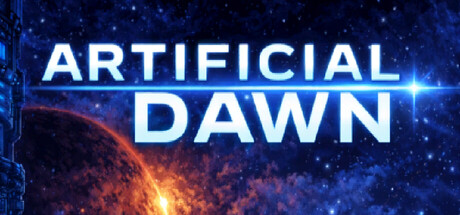 Artificial Dawn In-game content art | This game utilized AI generation tools for some background images and character portraits. | Biryeong | - | May 23, 2026 | |
 I HATE SNAKE: Retro Phone Simulator In-game content audio | Generative AI was used to assist in the creation of the game's soundtrack and audio assets. All AI-generated content has been reviewed and edited to ensure it meets quality standards and does not infringe on existing copyrights. | Ivory Games | - | May 23, 2026 | |
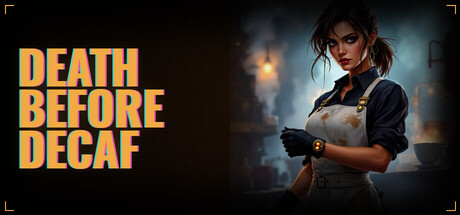 Death Before Decaf In-game content art | Death Before Decaf uses generative AI tools to assist with visual asset production. This includes character and enemy sprites, environment art, and marketing capsule images, all created using a fine-tuned model trained on reference materials owned by Overdose Interactive (Scenario.gg with a custom DBD LoRA, plus Replicate/Flux for select assets). All AI-generated outputs are reviewed, edited, and approved by a human art director before being shipped in the game.
The game itself does not generate any AI content at runtime: all assets are pre-rendered and bundled with the build. The game does not connect to any external AI services during gameplay. | Overdose Interactive | - | May 23, 2026 | |
 WinBolo In-game content codeart | WinBolo's core engine and gameplay code was originally written by John Morrison between 1998 and 2008. The 2.0 modernization — including build system updates, the networking rewrite and platform ports — was developed with assistance from AI coding tools, with all architectural decisions, code review, and final integration handled by John Morrison.
Some non-gameplay marketing materials — including images and video elements used in trailers, social media, and the store page — were created using AI image generation as a starting point, with composition, editing, effects, and final selection done by hand. Gameplay screenshots and video footage are unedited captures from the actual game.
The game itself contains no generative AI content at runtime. Player-facing in-game assets (graphics, sound, music, text, UI) are human-created. The in-game AI opponents ("Brains," including NewAutopilot and future ML-trained agents) use traditional game AI techniques and trained reinforcement-learning models — they don't generate text, images, or audio during play. | John Morrison | 13 | May 23, 2026 | |
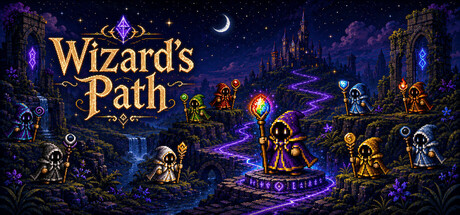 The Wizard's Path In-game content artaudiotext | The game was made with the help of generative AI tools for visual assets, store artwork, music, localization support, and development assistance. AI-assisted materials were reviewed, selected, edited where necessary, and integrated by the developer. | Beruke Games | - | May 23, 2026 | |
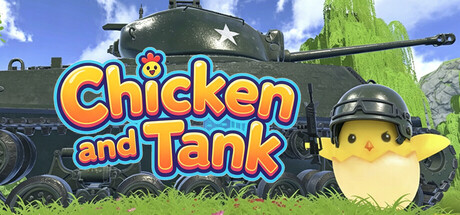 Chicken and Tank Unclear | Partial materials | DarkStarCloud | - | May 23, 2026 | |
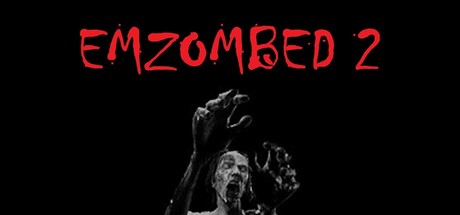 EMZOMBED 2 In-game content audioart | The Music and some of the Paintings in the Houses are A.I. Generated | Archor Wright | - | May 23, 2026 | |
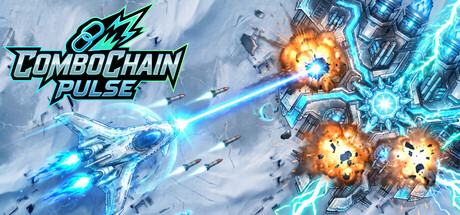 ComboChain Pulse In-game content artaudio | Some visual assets and audio elements in the game were created using AI-assisted tools and then refined and integrated into the final experience by the developer. | DaminDesign | - | May 23, 2026 | |
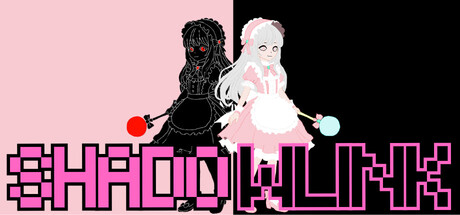 SHADOW LINK~Two Of Me~ In-game content | It is used in some of the assets. | Soliloqu-You | - | May 23, 2026 | |
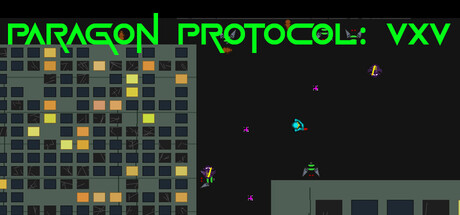 Paragon Protocol: V X V In-game content art | Developer Logo was created partly using AI, some basic environmental obstacle and enemy placements are randomly generated with an algorithm. There are RNG elements. | XerxestheFowl | - | May 23, 2026 | |
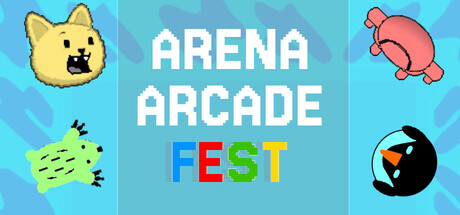 Arena Arcade Fest In-game content textartcode | AI has been used to check for localizations mistakes, some PoC textures that will be replaced, and boiler plate code. | Oscar Ortigueira López | - | May 23, 2026 | |
 Looter Survivors In-game content codeartaudio | This game utilizes AI generation for most of its code, most of its image assets, and some of its sound sources. | iida-lab | - | May 23, 2026 | |
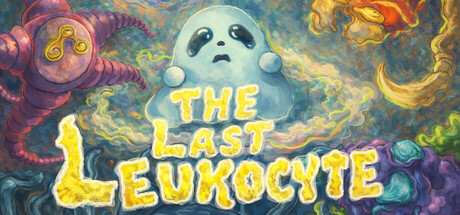 The Last Leukocyte Dev only code | Generative AI tools were used as development assistance for portions of the source code, including drafting, organization, and commenting. No live AI-generated content is produced during gameplay. | Ballpoint Studios | - | May 23, 2026 | |
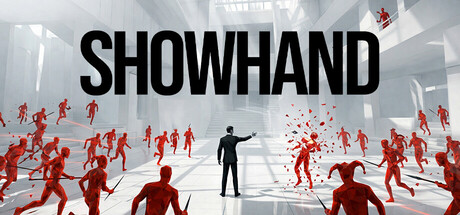 SHOWHAND In-game content audiotextart | Generative AI was used only in a limited capacity for some sound effects, translations, and Steam store page marketing assets.
The game does not contain any real-time AI-generated content during gameplay. | WINDUP | - | May 23, 2026 | |
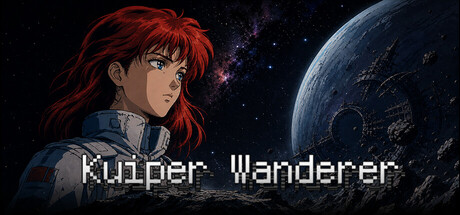 Kuiper Wanderer Dev only art | We employ AI-enhanced pipelines for the optimization of certain artistic resources. | Moonage Games | - | May 23, 2026 | |
 Archivist: Protocol Zero In-game content art | Generative AI was used during the pre-production phase to create and refine visual concepts, character designs (including enemies and the protagonist), and environmental assets. All AI-generated content was further edited and processed by the developer to fit the game's unique pixel-art constructivist style. No AI content is generated live during gameplay. | Opentech OU | - | May 23, 2026 | |
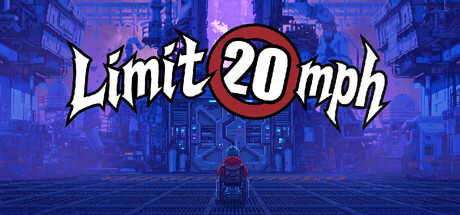 限速20迈 In-game content text | This game used ai for translation assistance. | paperghost | - | May 23, 2026 | |
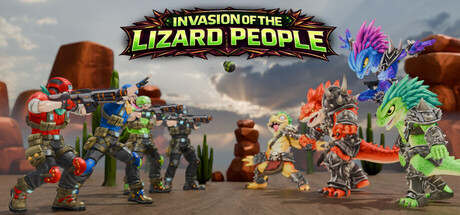 Invasion of the Lizard People In-game content art | Some visual assets in the game and store materials were created or assisted using generative AI tools and have been reviewed, refined, and integrated by the developer. | Wian Jacobs | - | May 23, 2026 | |
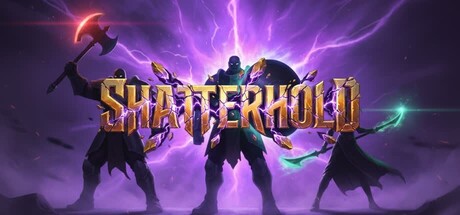 Shatterhold In-game content artaudio | Shatterhold uses AI-generated art for environmental paintings, creature portraits, and music tracks. All gameplay mechanics, code, and game design are human-directed. | Grey Line Interactive LLC | - | May 23, 2026 | |
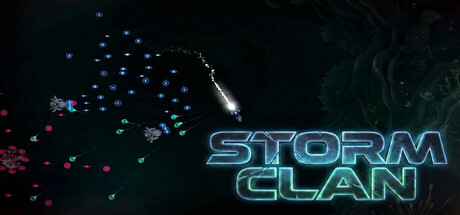 Storm Clan In-game content audio | Sound-tracks were created with the assistance of diffusion generation. | Studio Zamudio One | - | May 23, 2026 |


