Public Steam disclosure research25,380 disclosures tracked
Where do games disclose AI use?
Search developers’ Steam disclosures, compare classified AI use across
games, and follow recorded changes.
This index adds cross-game classifications and statistics to
statements published on individual store pages.
Groups reflect automatic analysis of public disclosures; mature records are excluded. These counts do not measure AI use across all of Steam.
Missing or unclear statements cannot establish whether a game uses AI.
We used generative AI mainly for generating code. It has also been used for writing flavour text, many interface descriptions and some lines for an AI character. Finally it has also been used for proofreading.
All character and unit art is hand-drawn; audio and music contain no AI. Some background art and UI icons were made with help from generative AI tools and then edited by the developer. AI also assists translation, with every translation human-reviewed before release.
Most character avatars, icons and in-game buildings are generated or modified with AI tools. Building names and certain text content are AI-generated, while all remaining assets are manually created.
During the early stages of development, generative AI was used to create prototypes for some visual assets. These assets were manually redrawn and revised by the developer before being included in the game.
AI-assisted tools were used to help create some splash screen visuals and store page promotional artwork. All assets were reviewed and finalized by the developer before being included in the game and store materials.
All materials and assets used in this game were created by hand. Generative AI tools were used only as a supportive enhancement tool, for example to refine, polish, or improve certain elements. The final content, including visual assets, story elements, audio direction, and overall creative design, remains the result of human creation and artistic direction.
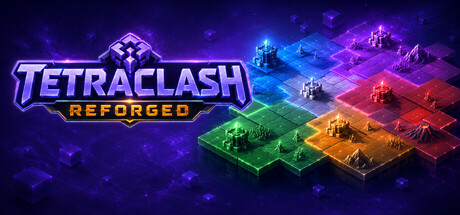
Some store assets (capsules, library art, promotional images) and some in-game terrain sprites (such as mountains and forests) started from drafts produced with AI image tools, then selected, color-graded, composited, and cropped by the developer. All publicly released assets are human-reviewed. UI, fonts, icons, player avatars, faction emblems, and other non-terrain art are drawn directly by the developer or built from licensed fonts / open-source resources — no AI generation involved. Player-to-player text messages produced at runtime by the AI model each player has chosen are disclosed separately under "Live-Generated AI".
This game utilizes generative artificial intelligence tools in its development to assist our small team. Specifically, AI was used to help localize our Steam store listing text into multiple languages to reach a broader audience. Additionally, AI tools were used to help refine and format certain store promotional images and icons, which are strictly based on and adapted from our original, human-created hand-drawn concept art. No live-generated AI content is used during active gameplay.
Generative AI technology was used to create high-quality voice-overs for the game's characters. This allowed this independent project to feature full voice acting, providing a more immersive narrative experience and bringing the historical journey of Wojtek the Bear to life. All AI-generated audio assets are pre-rendered and have been manually reviewed and edited to ensure high quality and consistency with the game's emotional tone.
Some store page promotional artworks and trailer footage materials are assisted and initially generated by AI tools. All AI-generated content has been deeply manually revised, adjusted and optimized by our development team to ensure originality and compliance. No runtime AI dynamic content will be generated during the game running process.
Generative AI was used in this game’s development and related asset creation, including the game code, three music tracks, selected visual assets, and multilingual localization translation.
This game includes content created with the assistance of generative AI tools. Some character and UI artwork was produced using AI image generation (ChatGPT) and then edited by the developer, and the background music was generated using ACE-Step (an open-source model whose output permits commercial use). All AI-assisted assets were reviewed by the developer to ensure they do not infringe the intellectual property of third parties. No AI is used at runtime—all generation occurred during development (pre-generated).
Generative AI was used only for certain voice and audio elements featured in the game and its trailer. All gameplay systems, visual assets, game design, programming, and other content were created and implemented by the developer.
Players cannot generate content using AI within the game, and no AI-generated content is created during gameplay.
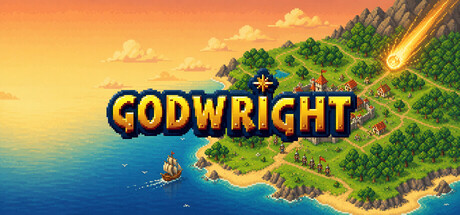
Godwright ships some generative-AI content, all pre-rendered (baked into the build, never live-generated):
Localization: the non-English UI text (Simplified Chinese, Spanish, Portuguese-BR, Russian, German, French, Japanese, Korean, Turkish, Indonesian) was machine-translated.
During the development process, AI tools were used to assist in the design of some visual assets (such as UI elements and environmental textures) and in optimizing the coding structure. All AI-assisted content was reviewed and refined before being integrated into the final build
This game uses generative AI tools as part of its development and content production process. AI-assisted workflows were used for selected visual assets, video materials, music or audio drafts, localization/text drafts, code assistance, and marketing/store page materials. All AI-assisted outputs are reviewed, edited, and integrated by the developer before inclusion.
The game does not generate AI content during gameplay and does not connect to external AI services while the game is running.
Some marketing and store page artwork (capsule
images, avatars and banners) were created with
the assistance of generative AI tools. Some
audio assets were also generated or assisted
with AI tools. All AI-generated assets are
reviewed and edited by the developer to ensure
quality and consistency with the game's
identity.
Some game assets and content were created with the assistance of generative AI tools during development. AI-assisted content was reviewed, curated, edited, and integrated into the final game by the developer. Generative AI is not used to create content during gameplay.
Some placeholder assets have been AI generated. We are actively working with human artists to replace all of the AI art in the game with human made art.
This game utilizes generative AI technology to assist in the batch processing and optimization of certain art assets, including but not limited to: style unification of character sprites, detail enhancement of background elements, and rapid generation of some UI icons. All AI-generated content has been manually reviewed, adjusted, and integrated by the developers to ensure consistency with the game's overall art direction. The core gameplay design, system architecture, balance tuning, and all other critical elements were completed independently by the developers.
Some visual and audio assets in this game were created with the assistance of generative AI tools
and then reviewed, edited, and curated by the developer. The game does not use live generative AI
during gameplay and does not generate content from player input.
Finesse uses generative AI tools for select pre-generated content created during development:
- Meshy — 3D model generation for some character and environment assets
- ElevenLabs — voice line generation for in-game audio
- Suno — music track generation for soundtrack and ambient audio
- Anthropic Claude — assistance with in-game text content (descriptions, narrative copy)
All AI-generated content is pre-rendered during development and shipped as static assets. No generative AI runs at runtime; nothing is generated live or unique per player. All AI outputs are reviewed, edited, and curated by the developer before being included in the final game.
This game uses generative AI to produce dialogue content in real time. All character responses are generated by a large language model (LLM) based on user input and the loaded character card settings. No pre-written dialogue scripts are included in the shipped game. Character cards are created by third-party authors and may themselves contain AI-generated content.
Some assets included in this game were created with generative AI including some sound effects, background music, character sprites, background sprites, and the intro trailer that plays when launching the game.
This project's entire graphic asset collection (all sprites) and all code is entirely generated by AI. It has been assembled and tweaked by the creator, but otherwise is 95% AI generated. This is purposeful and was intended to test some limits of Claude and GPT5.
This game used generative AI as an auxiliary tool during development, mainly for early concept references, draft store assets, text drafts, and code-related development assistance. All final content used in the game and on the store page has been reviewed, edited, integrated, and approved by the development team. The game does not use generative AI services during gameplay and does not generate images, audio, text, code, or other content in real time based on player input.
Some of the 2D user interface (UI) elements and 3D models in the game were generated using AI tools. These assets have been carefully reviewed, edited, and integrated by the developer to fit the game's art style and ensure they comply with copyright standards.
Master of the Ages is a grand strategy game engineered by a solo developer with 15+ years of senior software engineering and programming competition experience. To achieve grand-strategy scale as a single creator, a generative AI workflow was utilized to co-design the code architecture and write the codebase under the developer's supervision, backed by a rigorous framework of over 2,500 automated tests to catch edge-case bugs and prevent regressions during development. Generative AI was also used to produce all player-facing graphics (including all unit, building, and technology assets) and generate the historical text layers.
We used generative AI mainly for generating code. It has also been used for writing flavour text, many interface descriptions and some lines for an AI character. Finally it has also been used for proofreading.
All character and unit art is hand-drawn; audio and music contain no AI. Some background art and UI icons were made with help from generative AI tools and then edited by the developer. AI also assists translation, with every translation human-reviewed before release.
Most character avatars, icons and in-game buildings are generated or modified with AI tools. Building names and certain text content are AI-generated, while all remaining assets are manually created.
During the early stages of development, generative AI was used to create prototypes for some visual assets. These assets were manually redrawn and revised by the developer before being included in the game.
AI-assisted tools were used to help create some splash screen visuals and store page promotional artwork. All assets were reviewed and finalized by the developer before being included in the game and store materials.
All materials and assets used in this game were created by hand. Generative AI tools were used only as a supportive enhancement tool, for example to refine, polish, or improve certain elements. The final content, including visual assets, story elements, audio direction, and overall creative design, remains the result of human creation and artistic direction.
Some store assets (capsules, library art, promotional images) and some in-game terrain sprites (such as mountains and forests) started from drafts produced with AI image tools, then selected, color-graded, composited, and cropped by the developer. All publicly released assets are human-reviewed. UI, fonts, icons, player avatars, faction emblems, and other non-terrain art are drawn directly by the developer or built from licensed fonts / open-source resources — no AI generation involved. Player-to-player text messages produced at runtime by the AI model each player has chosen are disclosed separately under "Live-Generated AI".
This game utilizes generative artificial intelligence tools in its development to assist our small team. Specifically, AI was used to help localize our Steam store listing text into multiple languages to reach a broader audience. Additionally, AI tools were used to help refine and format certain store promotional images and icons, which are strictly based on and adapted from our original, human-created hand-drawn concept art. No live-generated AI content is used during active gameplay.
Generative AI technology was used to create high-quality voice-overs for the game's characters. This allowed this independent project to feature full voice acting, providing a more immersive narrative experience and bringing the historical journey of Wojtek the Bear to life. All AI-generated audio assets are pre-rendered and have been manually reviewed and edited to ensure high quality and consistency with the game's emotional tone.
Some store page promotional artworks and trailer footage materials are assisted and initially generated by AI tools. All AI-generated content has been deeply manually revised, adjusted and optimized by our development team to ensure originality and compliance. No runtime AI dynamic content will be generated during the game running process.
Generative AI was used in this game’s development and related asset creation, including the game code, three music tracks, selected visual assets, and multilingual localization translation.
This game includes content created with the assistance of generative AI tools. Some character and UI artwork was produced using AI image generation (ChatGPT) and then edited by the developer, and the background music was generated using ACE-Step (an open-source model whose output permits commercial use). All AI-assisted assets were reviewed by the developer to ensure they do not infringe the intellectual property of third parties. No AI is used at runtime—all generation occurred during development (pre-generated).
Generative AI was used only for certain voice and audio elements featured in the game and its trailer. All gameplay systems, visual assets, game design, programming, and other content were created and implemented by the developer.
Players cannot generate content using AI within the game, and no AI-generated content is created during gameplay.
Godwright ships some generative-AI content, all pre-rendered (baked into the build, never live-generated):
Localization: the non-English UI text (Simplified Chinese, Spanish, Portuguese-BR, Russian, German, French, Japanese, Korean, Turkish, Indonesian) was machine-translated.
During the development process, AI tools were used to assist in the design of some visual assets (such as UI elements and environmental textures) and in optimizing the coding structure. All AI-assisted content was reviewed and refined before being integrated into the final build
This game uses generative AI tools as part of its development and content production process. AI-assisted workflows were used for selected visual assets, video materials, music or audio drafts, localization/text drafts, code assistance, and marketing/store page materials. All AI-assisted outputs are reviewed, edited, and integrated by the developer before inclusion.
The game does not generate AI content during gameplay and does not connect to external AI services while the game is running.
Some marketing and store page artwork (capsule
images, avatars and banners) were created with
the assistance of generative AI tools. Some
audio assets were also generated or assisted
with AI tools. All AI-generated assets are
reviewed and edited by the developer to ensure
quality and consistency with the game's
identity.
Some game assets and content were created with the assistance of generative AI tools during development. AI-assisted content was reviewed, curated, edited, and integrated into the final game by the developer. Generative AI is not used to create content during gameplay.
Some placeholder assets have been AI generated. We are actively working with human artists to replace all of the AI art in the game with human made art.
This game utilizes generative AI technology to assist in the batch processing and optimization of certain art assets, including but not limited to: style unification of character sprites, detail enhancement of background elements, and rapid generation of some UI icons. All AI-generated content has been manually reviewed, adjusted, and integrated by the developers to ensure consistency with the game's overall art direction. The core gameplay design, system architecture, balance tuning, and all other critical elements were completed independently by the developers.
Some visual and audio assets in this game were created with the assistance of generative AI tools
and then reviewed, edited, and curated by the developer. The game does not use live generative AI
during gameplay and does not generate content from player input.
Finesse uses generative AI tools for select pre-generated content created during development:
- Meshy — 3D model generation for some character and environment assets
- ElevenLabs — voice line generation for in-game audio
- Suno — music track generation for soundtrack and ambient audio
- Anthropic Claude — assistance with in-game text content (descriptions, narrative copy)
All AI-generated content is pre-rendered during development and shipped as static assets. No generative AI runs at runtime; nothing is generated live or unique per player. All AI outputs are reviewed, edited, and curated by the developer before being included in the final game.
This game uses generative AI to produce dialogue content in real time. All character responses are generated by a large language model (LLM) based on user input and the loaded character card settings. No pre-written dialogue scripts are included in the shipped game. Character cards are created by third-party authors and may themselves contain AI-generated content.
Some assets included in this game were created with generative AI including some sound effects, background music, character sprites, background sprites, and the intro trailer that plays when launching the game.
This project's entire graphic asset collection (all sprites) and all code is entirely generated by AI. It has been assembled and tweaked by the creator, but otherwise is 95% AI generated. This is purposeful and was intended to test some limits of Claude and GPT5.
This game used generative AI as an auxiliary tool during development, mainly for early concept references, draft store assets, text drafts, and code-related development assistance. All final content used in the game and on the store page has been reviewed, edited, integrated, and approved by the development team. The game does not use generative AI services during gameplay and does not generate images, audio, text, code, or other content in real time based on player input.
Some of the 2D user interface (UI) elements and 3D models in the game were generated using AI tools. These assets have been carefully reviewed, edited, and integrated by the developer to fit the game's art style and ensure they comply with copyright standards.
Master of the Ages is a grand strategy game engineered by a solo developer with 15+ years of senior software engineering and programming competition experience. To achieve grand-strategy scale as a single creator, a generative AI workflow was utilized to co-design the code architecture and write the codebase under the developer's supervision, backed by a rigorous framework of over 2,500 automated tests to catch edge-case bugs and prevent regressions during development. Generative AI was also used to produce all player-facing graphics (including all unit, building, and technology assets) and generate the historical text layers.