Public Steam disclosure research25,706 disclosures tracked
Where do games disclose AI use?
Search developers’ Steam disclosures, compare classified AI use across
games, and follow recorded changes.
This index adds cross-game classifications and statistics to
statements published on individual store pages.
Groups reflect automatic analysis of public disclosures; mature records are excluded. These counts do not measure AI use across all of Steam.
Missing or unclear statements cannot establish whether a game uses AI.
This game uses generative AI tools during development to assist in the creation of certain pre-rendered visual assets such as textures and images. All AI-assisted content was directed, reviewed, and refined by the developer to ensure it aligns with the game’s artistic vision and quality standards. The game does not use live-generated AI content during gameplay.
Generative AI was used only as a support tool during development to help create some 2D art assets. No AI-generated content is created during gameplay, and the game does not use any third-party AI services at runtime.
Some visual assets in the game and store page were created using generative AI and then edited and integrated by the developer. No real-time AI generation is used during gameplay.
Artificial intelligence tools were used during development to assist in the creation of certain 3D models. All generated assets were reviewed, modified, and integrated into the game by the developer.
"Developed in Godot with a focus on precision and hand-crafted systems. To maintain absolute control over the game’s quality and vision, generative AI was used for less than 10% of development, limited strictly to early-stage conceptual ideation for visual assets. Every final in-game asset has been manually hand-drawn, and 100% of the game’s code—including the massive 3,000+ line player controller—is hand-written. This ensures the tight, responsive gameplay essential for a high-stakes Metoridvania."
Artificial intelligence technologies are widely used to assist in translating text content into multiple languages.
Some game assets are commercially licensed materials generated by artificial intelligence. The developer added custom dynamic effects based on these source assets within the game engine.
The game does not integrate any AI APIs, and no generative AI runs during gameplay.
This game uses AI-generated voice performances for certain in-game recordings. All narrative design, gameplay systems, and environmental content were created and implemented by the developer.
"Approximately 30 static monster sprites were created using the Nana Banana AI tool to serve as high-fidelity placeholders for this solo-developed project. These assets are a temporary measure to realize the game's tactical scope; we are committed to replacing them with handcrafted human artwork as development milestones are met. We confirm these materials do not contain illegal content or infringe on existing intellectual property."
Some assets used during development were created with the assistance of AI tools, including background music, background images, character illustration support, and programming assistance.
All AI-assisted content was reviewed, edited, and integrated into the game by the developer.
The game does not generate AI content during gameplay and does not use generative AI systems at runtime.
Original assets such as UI elements and pixel characters were created directly by the developer.
We use AI tools as a support system for our small development team to enhance the quality and balance of the game. Specifically:
Balancing & Math: We use AI to help calculate and balance the game ecosystem (drop rates, damage scaling, and economy).
Concepting: AI is used to generate reference images and mood boards to inspire our artists. The final in-game visual assets are hand-crafted or manually refined based on these concepts.
Drafting: AI assists in drafting initial marketing copy and lore structures, which are then finalized by our writers.
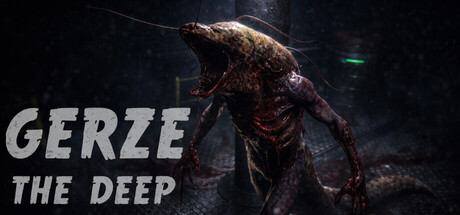
Some visual and audio assets in Gerze: The Deep were created or enhanced with the assistance of AI-based tools during development. These tools helped generate or refine certain textures, images, sound elements, and environmental details. All AI-assisted content was reviewed, edited, and integrated by the developer. AI was not used to generate gameplay, code, or real-time content.
Our core development is currently taking place in Unreal Engine 5.7. We are utilizing its full suite of tools, including the new AI features that assist us with Blueprint scripting and setting up cinematics in the Movie Render Queue.
Overall, we treat AI strictly as an assistive tool rather than relying on it to fully generate assets from scratch. Since our game is deeply rooted in folklore, it demands highly specific characteristics and a precise visual identity for the characters, which AI alone cannot accurately reproduce.
This game uses AI-generated content. Marketing artwork and store capsule images were created using image generation. Voice narration audio was generated using text-to-speech AI. Game code was developed with AI assistance. All AI-generated content was reviewed and curated by the developer.
Static Condition utilizes generative AI to assist in creating certain environmental textures, audio elements, and localization translations. All AI-generated content has been curated and refined by the developer to ensure quality and consistency with the game's aesthetic.
This game uses generative artificial intelligence tools as support in certain creative processes, including visual and/or production elements.
All final content has been supervised, edited, and directed by the developer to ensure artistic and narrative coherence.
some of the games assets were generated using ai. Almost every time I used ai when making this game I had to tweak something within the image. The code was entirely made by human input.
Live Through Time utilizes the Gemini 2.5 Flash AI model to act as a dynamic, interactive historian. All narrative text, NPC dialogue, character biographies, and world events are generated live in real-time based entirely on player input. The game contains no pre-written scripts; instead, the AI calculates the historical causality of your actions to create a completely unique, unscripted roleplaying experience.
In the promotional materials, AI was only used to check the correctness of the English text and to assist with minor aspects of character animation in the trailer, such as verifying the spoken dialogue. Some images were also created with the help of AI based on my own sketches.
The game utilizes pre-generated content created with the assistance of Artificial Intelligence (AI). As a solo developer, I used AI tools in the following areas:
2D Graphics: Generation and processing of backgrounds, character portraits (e.g., images of Saints in the notebook), and user interface elements.
Coding: Assistance in writing and optimizing scripts within the Godot engine.
All generated content has been manually verified, edited, and approved by the author to ensure consistency with the story and values presented in the game.
This game feature a fictional AI entity, and developer of this game uses AI voice acting for this AI entity, although final sound files are heavily edited by the developer for better result.
The store graphic and some portions of the code scaffolding were supported by pregenerative and iterative processes. All content was reviewed and adapted to ensure originality and quality.
Generative AI has been used for translations into certain languages and as support for various aspects of the implementation.
Detailed breakdown : https://www.reddit.com/r/incremental_games/comments/1sty0xg/ai_disclosure_on_loopbound/
This game was made entirely with AI. The writing, code, art, music, and deployment were all created using generative AI tools — primarily Claude by Anthropic. That's not a disclaimer, it's the premise. Meet Claude is a satire about AI dependency, built with AI, by someone still figuring out where the line is.
AI Disclosure for "Lake Town Stories"
We use generative AI to assist in the creation of the following game assets:
Artwork: Background environments and character concepts were generated and refined with the assistance of AI tools.
Audio: Background music tracks and ambient sounds were created with the assistance of AI audio generation tools.
All AI-assisted content has been manually reviewed and integrated by the developer to ensure it aligns with the game's artistic vision.
This game uses generative AI tools during development to assist in the creation of certain pre-rendered visual assets such as textures and images. All AI-assisted content was directed, reviewed, and refined by the developer to ensure it aligns with the game’s artistic vision and quality standards. The game does not use live-generated AI content during gameplay.
Generative AI was used only as a support tool during development to help create some 2D art assets. No AI-generated content is created during gameplay, and the game does not use any third-party AI services at runtime.
Some visual assets in the game and store page were created using generative AI and then edited and integrated by the developer. No real-time AI generation is used during gameplay.
Artificial intelligence tools were used during development to assist in the creation of certain 3D models. All generated assets were reviewed, modified, and integrated into the game by the developer.
"Developed in Godot with a focus on precision and hand-crafted systems. To maintain absolute control over the game’s quality and vision, generative AI was used for less than 10% of development, limited strictly to early-stage conceptual ideation for visual assets. Every final in-game asset has been manually hand-drawn, and 100% of the game’s code—including the massive 3,000+ line player controller—is hand-written. This ensures the tight, responsive gameplay essential for a high-stakes Metoridvania."
Artificial intelligence technologies are widely used to assist in translating text content into multiple languages.
Some game assets are commercially licensed materials generated by artificial intelligence. The developer added custom dynamic effects based on these source assets within the game engine.
The game does not integrate any AI APIs, and no generative AI runs during gameplay.
This game uses AI-generated voice performances for certain in-game recordings. All narrative design, gameplay systems, and environmental content were created and implemented by the developer.
"Approximately 30 static monster sprites were created using the Nana Banana AI tool to serve as high-fidelity placeholders for this solo-developed project. These assets are a temporary measure to realize the game's tactical scope; we are committed to replacing them with handcrafted human artwork as development milestones are met. We confirm these materials do not contain illegal content or infringe on existing intellectual property."
Some assets used during development were created with the assistance of AI tools, including background music, background images, character illustration support, and programming assistance.
All AI-assisted content was reviewed, edited, and integrated into the game by the developer.
The game does not generate AI content during gameplay and does not use generative AI systems at runtime.
Original assets such as UI elements and pixel characters were created directly by the developer.
We use AI tools as a support system for our small development team to enhance the quality and balance of the game. Specifically:
Balancing & Math: We use AI to help calculate and balance the game ecosystem (drop rates, damage scaling, and economy).
Concepting: AI is used to generate reference images and mood boards to inspire our artists. The final in-game visual assets are hand-crafted or manually refined based on these concepts.
Drafting: AI assists in drafting initial marketing copy and lore structures, which are then finalized by our writers.
Some visual and audio assets in Gerze: The Deep were created or enhanced with the assistance of AI-based tools during development. These tools helped generate or refine certain textures, images, sound elements, and environmental details. All AI-assisted content was reviewed, edited, and integrated by the developer. AI was not used to generate gameplay, code, or real-time content.
Our core development is currently taking place in Unreal Engine 5.7. We are utilizing its full suite of tools, including the new AI features that assist us with Blueprint scripting and setting up cinematics in the Movie Render Queue.
Overall, we treat AI strictly as an assistive tool rather than relying on it to fully generate assets from scratch. Since our game is deeply rooted in folklore, it demands highly specific characteristics and a precise visual identity for the characters, which AI alone cannot accurately reproduce.
This game uses AI-generated content. Marketing artwork and store capsule images were created using image generation. Voice narration audio was generated using text-to-speech AI. Game code was developed with AI assistance. All AI-generated content was reviewed and curated by the developer.
Static Condition utilizes generative AI to assist in creating certain environmental textures, audio elements, and localization translations. All AI-generated content has been curated and refined by the developer to ensure quality and consistency with the game's aesthetic.
This game uses generative artificial intelligence tools as support in certain creative processes, including visual and/or production elements.
All final content has been supervised, edited, and directed by the developer to ensure artistic and narrative coherence.
some of the games assets were generated using ai. Almost every time I used ai when making this game I had to tweak something within the image. The code was entirely made by human input.
Live Through Time utilizes the Gemini 2.5 Flash AI model to act as a dynamic, interactive historian. All narrative text, NPC dialogue, character biographies, and world events are generated live in real-time based entirely on player input. The game contains no pre-written scripts; instead, the AI calculates the historical causality of your actions to create a completely unique, unscripted roleplaying experience.
In the promotional materials, AI was only used to check the correctness of the English text and to assist with minor aspects of character animation in the trailer, such as verifying the spoken dialogue. Some images were also created with the help of AI based on my own sketches.
The game utilizes pre-generated content created with the assistance of Artificial Intelligence (AI). As a solo developer, I used AI tools in the following areas:
2D Graphics: Generation and processing of backgrounds, character portraits (e.g., images of Saints in the notebook), and user interface elements.
Coding: Assistance in writing and optimizing scripts within the Godot engine.
All generated content has been manually verified, edited, and approved by the author to ensure consistency with the story and values presented in the game.
This game feature a fictional AI entity, and developer of this game uses AI voice acting for this AI entity, although final sound files are heavily edited by the developer for better result.
The store graphic and some portions of the code scaffolding were supported by pregenerative and iterative processes. All content was reviewed and adapted to ensure originality and quality.
Generative AI has been used for translations into certain languages and as support for various aspects of the implementation.
Detailed breakdown : https://www.reddit.com/r/incremental_games/comments/1sty0xg/ai_disclosure_on_loopbound/
This game was made entirely with AI. The writing, code, art, music, and deployment were all created using generative AI tools — primarily Claude by Anthropic. That's not a disclaimer, it's the premise. Meet Claude is a satire about AI dependency, built with AI, by someone still figuring out where the line is.
AI Disclosure for "Lake Town Stories"
We use generative AI to assist in the creation of the following game assets:
Artwork: Background environments and character concepts were generated and refined with the assistance of AI tools.
Audio: Background music tracks and ambient sounds were created with the assistance of AI audio generation tools.
All AI-assisted content has been manually reviewed and integrated by the developer to ensure it aligns with the game's artistic vision.