Public Steam disclosure research25,380 disclosures tracked
Where do games disclose AI use?
Search developers’ Steam disclosures, compare classified AI use across
games, and follow recorded changes.
This index adds cross-game classifications and statistics to
statements published on individual store pages.
Groups reflect automatic analysis of public disclosures; mature records are excluded. These counts do not measure AI use across all of Steam.
Missing or unclear statements cannot establish whether a game uses AI.
Generative AI was used as part of the development process to create and refine some pre-rendered 2D artwork, including icons, item and character sprites, backgrounds, UI elements, and marketing images. All AI-assisted assets were reviewed and curated by the developer before inclusion.
The use of third-party assets were also used in the creation which got refined.
No content is generated by AI during gameplay, and the game does not connect to any external AI services.
This game uses generative AI for some of its text content — achievement names and descriptions, story fragments, and flavor text were generated with AI assistance during development, along with parts of this store page. The game's art and sound are not AI-generated: every visual is procedural code (vector shapes, no images or bitmaps), and every sound is synthesized in real time — nothing recorded, nothing AI-generated.
CRETA: Taskbar Fishing uses generative AI tools to assist with the creation of some visual and audio assets used in the game. AI was used as a supporting tool during development, while the game's design, gameplay systems, programming, and overall creative direction were created by the developer.
This game was developed with AI assistance for localization, in-game text (tutorial, lore, item descriptions, UI), monster/enemy artwork, and store page artwork (including the game's capsule image). All AI-assisted content was reviewed and edited by the developer before release. No content is generated by AI during gameplay.
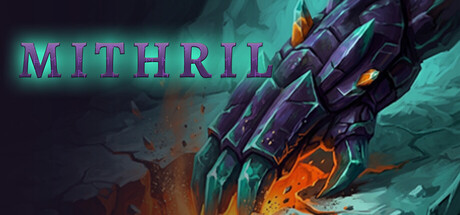
Mithril uses generative AI in much of its art and audio. This includes 3D models, textures and materials throughout the game — cave and terrain surfaces, environment art and interface textures — 2D item and UI icons, store page and marketing images, music and sound effects. All of it was edited and finalised by hand against the game's art direction.
No AI-generated voice is used, and no generative AI runs while you play — the game generates nothing at runtime.
Not AI-generated: world generation (hand-written procedural algorithms, not AI), model animations, game code, and level and systems design.
Generative AI tools were used during development to assist with the creation of certain pre-rendered visual assets, including selected UI elements, background artwork, promotional images, and store page materials. All generated assets were reviewed, edited, and curated by the development team before inclusion. The game does not generate AI content during gameplay.
Generative AI tools are used to create part of the game's artwork, music soundtrack and programming auxiliary content. All AI-generated materials have been manually reviewed, adjusted and optimized by our team to match the game's overall style and gameplay experience.
This game was developed with the assistance of AI tools. Some visual and audio assets were created using generative AI tools, then reviewed, selected, and refined by the developer. Portions of the game's code were written with the assistance of AI coding tools under the developer's direction and review. Game design, systems, balance, and all final decisions are the developer's own. No AI content is generated live within the game.
We view artificial intelligence solely as a supportive tool. Generative AI was used only as a supportive tool for certain visual designs and language translation.
Artificial intelligence helped with grammar corrections in in-game text; these corrections were then carefully reviewed and edited manually.
AI was used to generate code, art prototypes which were then handcrafted in Aseprite, CSS for UIs, and tedious copy stuffed in nooks and crannies to fill out the world.
AI was used to assist with code, art, and sfx. I have manually edited and polished all AI-assisted elements by hand to make them as unsloppy as I possibly can. If anything feels like slop, please let me know in the Community Discussions / Discord, and I'll do my best to fix it. Thanks! :)
This game uses artificial Intelligence to render some of the games artwork, such as 2D sprites and sound effects.
I've always loved the idle genre, AI has finally allowed me to create a game even with my somewhat limited artistic abilities.
The music in the store page trailer was AI-generated; no AI-generated content appears in the game itself. All images, texts, and sounds, were created by real humans.
"AI tools (LLMs and image generators) were used to assist in writing/optimizing C# scripts and generating minor 2D visual assets (e.g., UI or achievement icons). All AI-assisted content was strictly reviewed, modified, and integrated manually by the developer."
AI was used only during early development for temporary placeholder assets. These materials are not intended to be included in the final shipped game.
The game does not use live-generated AI content during gameplay.
Some BGM are AI-generated. Additionally, some textures were AI-generated based on human designs and fully refined by hand. AI tools were also used for translation and general development assistance.
Narrative dialogue and story text were generated with AI assistance. Placeholder textures generated with AI appear in store page screenshots and marketing assets.
The drone images on the website and Steam game page, (not used in the actual game), were generated by AI. The Symbology of the in-game tactical display was generated by AI under close human supervision and iteration. The music in this game was not generated by AI.
Some of the background music in Aquora was produced using a generative audio tool. Those tracks are placeholder. They are being replaced with commissioned
original music, and any remaining generated audio will be phased out of the game over time.
All visual art in Aquora is procedurally generated by the developer's own custom tooling, drawn from hand-authored colour palettes, explicit shape instructions
and seeded random number generation. No image generation model is involved at any point in the art pipeline, and no AI generated images appear in the game.
Generative AI tools were used during development to create portions of the game’s artwork,sound and localization. Each AI-assisted asset was reviewed, edited, palette-matched, and curated by the developer.
AI tools were used during development to help compose the soundtrack, draw the pixel art, and draft text (including localization and this store page), all under human direction — every piece was reviewed, curated, and approved by the developer. All content is fixed at build time; the game contains no live or runtime AI generation.
Selby is a desktop AI assistant tool. It generates text responses, code, and document content in real time, and performs automated tasks to streamline your workflow.
Some 2D art assets and music in this game were created with the assistance of generative AI during development. All such content was reviewed, edited, and curated by the developer. The game does not generate any AI content in real time.
Generative AI tools were used as development assistants for portions of game code, UI text, localization, and the preparation of some store-page copy and marketing layouts. All results were reviewed and edited by the developer. No generative AI is used during gameplay, and the game does not connect to external AI services.
The voice of R.E.I.K.A, the AI companion character, is generated using AI text-to-speech technology same as the voice lines of the end dialogue; all other game content — code, art, design, and writing — is handmade.
Some store page artwork was created with the assistance of generative AI and manually reviewed and edited. All in-game content and gameplay systems are made by the developer.
Generative AI tools were used as production assistance for portions of the game's 2D artwork, character voices, and localization. All such content is pre-generated and manually reviewed before release. The game does not generate content with AI during play.
Some of this game's localized text was translated with AI assistance. All translated content has been manually reviewed and proofread to ensure quality and accuracy, and does not contain any illegal or infringing material.
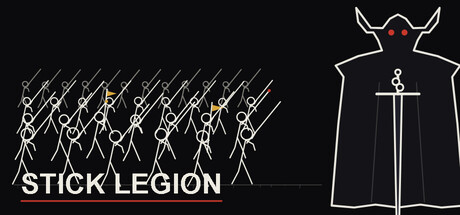
Some of Stick Legion's in-game text and promotional materials were created with the help of generative AI tools, all reviewed and edited by the developer. The game performs no live AI generation during play.
Some promotional artwork and marketing materials for this game were created with the assistance of generative AI tools. All gameplay content, systems, and game assets are developed and reviewed by the development team.
Generative AI was used as part of the development process to create and refine some pre-rendered 2D artwork, including icons, item and character sprites, backgrounds, UI elements, and marketing images. All AI-assisted assets were reviewed and curated by the developer before inclusion.
The use of third-party assets were also used in the creation which got refined.
No content is generated by AI during gameplay, and the game does not connect to any external AI services.
This game uses generative AI for some of its text content — achievement names and descriptions, story fragments, and flavor text were generated with AI assistance during development, along with parts of this store page. The game's art and sound are not AI-generated: every visual is procedural code (vector shapes, no images or bitmaps), and every sound is synthesized in real time — nothing recorded, nothing AI-generated.
CRETA: Taskbar Fishing uses generative AI tools to assist with the creation of some visual and audio assets used in the game. AI was used as a supporting tool during development, while the game's design, gameplay systems, programming, and overall creative direction were created by the developer.
This game was developed with AI assistance for localization, in-game text (tutorial, lore, item descriptions, UI), monster/enemy artwork, and store page artwork (including the game's capsule image). All AI-assisted content was reviewed and edited by the developer before release. No content is generated by AI during gameplay.
Mithril uses generative AI in much of its art and audio. This includes 3D models, textures and materials throughout the game — cave and terrain surfaces, environment art and interface textures — 2D item and UI icons, store page and marketing images, music and sound effects. All of it was edited and finalised by hand against the game's art direction.
No AI-generated voice is used, and no generative AI runs while you play — the game generates nothing at runtime.
Not AI-generated: world generation (hand-written procedural algorithms, not AI), model animations, game code, and level and systems design.
Generative AI tools were used during development to assist with the creation of certain pre-rendered visual assets, including selected UI elements, background artwork, promotional images, and store page materials. All generated assets were reviewed, edited, and curated by the development team before inclusion. The game does not generate AI content during gameplay.
Generative AI tools are used to create part of the game's artwork, music soundtrack and programming auxiliary content. All AI-generated materials have been manually reviewed, adjusted and optimized by our team to match the game's overall style and gameplay experience.
This game was developed with the assistance of AI tools. Some visual and audio assets were created using generative AI tools, then reviewed, selected, and refined by the developer. Portions of the game's code were written with the assistance of AI coding tools under the developer's direction and review. Game design, systems, balance, and all final decisions are the developer's own. No AI content is generated live within the game.
We view artificial intelligence solely as a supportive tool. Generative AI was used only as a supportive tool for certain visual designs and language translation.
Artificial intelligence helped with grammar corrections in in-game text; these corrections were then carefully reviewed and edited manually.
AI was used to generate code, art prototypes which were then handcrafted in Aseprite, CSS for UIs, and tedious copy stuffed in nooks and crannies to fill out the world.
AI was used to assist with code, art, and sfx. I have manually edited and polished all AI-assisted elements by hand to make them as unsloppy as I possibly can. If anything feels like slop, please let me know in the Community Discussions / Discord, and I'll do my best to fix it. Thanks! :)
This game uses artificial Intelligence to render some of the games artwork, such as 2D sprites and sound effects.
I've always loved the idle genre, AI has finally allowed me to create a game even with my somewhat limited artistic abilities.
The music in the store page trailer was AI-generated; no AI-generated content appears in the game itself. All images, texts, and sounds, were created by real humans.
"AI tools (LLMs and image generators) were used to assist in writing/optimizing C# scripts and generating minor 2D visual assets (e.g., UI or achievement icons). All AI-assisted content was strictly reviewed, modified, and integrated manually by the developer."
AI was used only during early development for temporary placeholder assets. These materials are not intended to be included in the final shipped game.
The game does not use live-generated AI content during gameplay.
Some BGM are AI-generated. Additionally, some textures were AI-generated based on human designs and fully refined by hand. AI tools were also used for translation and general development assistance.
Narrative dialogue and story text were generated with AI assistance. Placeholder textures generated with AI appear in store page screenshots and marketing assets.
The drone images on the website and Steam game page, (not used in the actual game), were generated by AI. The Symbology of the in-game tactical display was generated by AI under close human supervision and iteration. The music in this game was not generated by AI.
Some of the background music in Aquora was produced using a generative audio tool. Those tracks are placeholder. They are being replaced with commissioned
original music, and any remaining generated audio will be phased out of the game over time.
All visual art in Aquora is procedurally generated by the developer's own custom tooling, drawn from hand-authored colour palettes, explicit shape instructions
and seeded random number generation. No image generation model is involved at any point in the art pipeline, and no AI generated images appear in the game.
Generative AI tools were used during development to create portions of the game’s artwork,sound and localization. Each AI-assisted asset was reviewed, edited, palette-matched, and curated by the developer.
AI tools were used during development to help compose the soundtrack, draw the pixel art, and draft text (including localization and this store page), all under human direction — every piece was reviewed, curated, and approved by the developer. All content is fixed at build time; the game contains no live or runtime AI generation.
Selby is a desktop AI assistant tool. It generates text responses, code, and document content in real time, and performs automated tasks to streamline your workflow.
Some 2D art assets and music in this game were created with the assistance of generative AI during development. All such content was reviewed, edited, and curated by the developer. The game does not generate any AI content in real time.
Generative AI tools were used as development assistants for portions of game code, UI text, localization, and the preparation of some store-page copy and marketing layouts. All results were reviewed and edited by the developer. No generative AI is used during gameplay, and the game does not connect to external AI services.
The voice of R.E.I.K.A, the AI companion character, is generated using AI text-to-speech technology same as the voice lines of the end dialogue; all other game content — code, art, design, and writing — is handmade.
Some store page artwork was created with the assistance of generative AI and manually reviewed and edited. All in-game content and gameplay systems are made by the developer.
Generative AI tools were used as production assistance for portions of the game's 2D artwork, character voices, and localization. All such content is pre-generated and manually reviewed before release. The game does not generate content with AI during play.
Some of this game's localized text was translated with AI assistance. All translated content has been manually reviewed and proofread to ensure quality and accuracy, and does not contain any illegal or infringing material.
Some of Stick Legion's in-game text and promotional materials were created with the help of generative AI tools, all reviewed and edited by the developer. The game performs no live AI generation during play.
Some promotional artwork and marketing materials for this game were created with the assistance of generative AI tools. All gameplay content, systems, and game assets are developed and reviewed by the development team.