








Disclosure
As a solo dev, I created or commissioned/licensed the game assets. No 3D assets were AI-generated. AI was used only for some 2D artwork and audio.
- Creator
- Rocket Munky
- Reviews
- -
- Added
- Sep 3, 2026
Public Steam disclosure research 25,380 disclosures tracked
Search developers’ Steam disclosures, compare classified AI use across games, and follow recorded changes. This index adds cross-game classifications and statistics to statements published on individual store pages.
Code help, debugging and other development work.
Capsule art, trailers and promotional material.
Pre-made art, audio, writing and other game assets.
Interactive or runtime AI features disclosed by the developer.
Groups reflect automatic analysis of public disclosures; mature records are excluded. These counts do not measure AI use across all of Steam. Missing or unclear statements cannot establish whether a game uses AI.
As a solo dev, I created or commissioned/licensed the game assets. No 3D assets were AI-generated. AI was used only for some 2D artwork and audio.
The game was made with the Godot Engine and Cursor IDE.
"This game's code, including the level and cosmetics editors, are all AI-generated. The maps and music are not AI-generated. Some cosmetics may be AI-generated, but most are not."
Generative AI tools were used during development to assist with programming and to create some pre-generated visual assets, including icons, illustrations, and sprite artwork. All AI-assisted content was reviewed, edited, selected, and integrated by the developer. The game does not generate AI content during gameplay.
Some of the displayed visuals were generated with the assistance of AI.
Generative AI tools were used during development to create the artwork and audio used throughout the game. The generated assets were reviewed, selected, edited as needed, and incorporated into the final game by the developer.
The game is developed with AI assistance
AI was used to help program the game. All art, assets, and game design decisions did not use any AI.
OpenAI image generation was used to create a pre-generated background image used in some of the game's Steam store capsule artwork and screenshots. The image is fixed and was reviewed by the developer. No content is generated using AI during gameplay.
Artwork featured in Celebria has been AI-assisted. All AI-assisted material was reviewed and edited by the developer, and no content is live generated by AI during gameplay.
FryDay does not use generative AI in real time. It's only used as an assisstant during production, marketing, sound, and music.
AI is used in the first section of gameplay trailer, the scenes with Ethan.
Some of this game's 2D graphics — including UI icons, part icons and mission cards — were created ahead of time with the help of AI image generation tools. Every generated asset was reviewed, selected and adjusted by the developer before being included. No content is generated by AI while the game is running. The 3D models, stages, effects and all game logic were produced by scripts and by hand, not by AI.
This app uses AI tools during the development process, for example to configure some behavior algorithms. All dog sprite art consists of hand-drawn works by human artists, purchased under a commercial license. No generative AI is used during gameplay.
I cannot draw and I have no experience with graphics either, which is why I turned to AI for the images in the game: the creatures, items, zones and the class portraits. I picked, edited and placed every single one of them myself, and plenty were thrown out again before the rest fit together.
Generative AI was used during development to create or refine pre-generated visual assets, music and audio, and localization drafts included in the game and its marketing materials. All such content was reviewed and curated by the developer before release. The game does not generate AI content during play and does not send player data to external AI services.
Some pre-generated artwork and audio were created with generative AI during development. These outputs are integrated as fixed assets; the game does not generate content live during gameplay or connect to a third-party AI service during gameplay.
Generative AI tools have been used in a limited capacity to assist with pre-generated promotional content. All AI-assisted material is reviewed and curated by the developer. No generative AI is used during gameplay, and the game does not connect to external AI services.
Generative AI has been used to create sound effects, music and some user interface elements.
Generative AI was used as a development aid to create and modify program code, produce some visual assets, and draft localized text. All AI-generated content has been reviewed, edited, and adjusted by the developer. No AI content is generated while the game is running.
Generative AI was used to assist in creating some UI graphics, equipment graphic assets, and music, as well as to assist with programming. All generated content was reviewed and edited as needed by the developer. No live-generated AI content is used while the game is running.
Some of the models were made using AI.
Some art assets and textures in this game were created with the help of generative AI tools. Translations were initially machine-generated. No content is generated by AI while the game is running.
Generative AI was used to assist in creating certain decorative user interface elements, and background graphics. All gameplay systems, mechanics, programming, game design, and core game content were created and curated by the development team.
Protocell's soundtrack was generated with an AI music tool, and a few interface layouts were explored with the help of AI image tool. Everything else — the code, the design, the pixel art and the procedurally generated creatures — is hand-crafted or produced by the game's own engine. No generative AI runs in real time while you play.
This game includes limited use of generative artificial intelligence in the creation of certain visual and audio assets. These AI-assisted elements were used to support the development process and are integrated alongside original, human-created content. All assets have been reviewed and curated to ensure they meet the quality and artistic standards of the game.
Generative AI tools were used during development to assist with writing portions of the game's code and to generate some of the visual assets used in the game.
Generative AI tools were used during development to assist with the creation of selected promotional artwork and Steam store graphical assets. These assets were reviewed and curated by the development team before being used. The game does not currently use live generative AI during gameplay.
Generative AI was used to create some of the capsule artwork used on the Steam store page.
Generative AI tools were used during the development of Dungeon Crawl 94: What Was Taken to assist in creating portions of the game's artwork, music, and other pre-generated creative content. Generative AI was also used to create some promotional artwork displayed on the Steam store page and in the Steam Library. All AI-generated content is pre-generated and incorporated during development; the game does not use live generative AI during gameplay.
AI is used in some of the musics in game. AI is used for Game's logo
AI assisted in-game and store-page visuals, plus music.
Store images not including video and screenshots, were generated by ChatGPT due to artistic limitations.
Uses voice cloning by Speechify. Uses AI generated images uploaded by other users to Pixabay when there wasn't a better alternative available. Most such images are for character portraits and similar placeholder assets of secondary importance. There is no prompt or direct AI usage.
游戏部分背景采用AI绘画 角色纸娃娃为手绘
I used generative AI tools to create initial concept art and sketches for my game characters, which I then manually recreated and modeled in 3D myself. I also used AI to assist in sketching the game's official logo
Utilizes artificial intelligence tools to assist in the development of certain in-game content.
As a solo developer, I used a combination of purchased assets, original artwork, and AI-assisted tools to create and refine game assets.
During development, parts of Marsheez were made with generative AI: some of the source code was written with the help of an AI coding assistant, and some of the art and music were created with help of AI tools and then later edited by the developer. The game does not use any generative AI while you play.
This game uses generative AI tools during development. - Artwork in Steam Shop , and Picture Character in Game
The game is a single hand-maintained source file. It was written together with an AI coding assistant. Every change was reviewed, tested and integrated by the developer; the game ships with its own automated test suite.
Part of the program code, art materials, and text content in this work were created using generative artificial intelligence and have been manually reviewed and adjusted to ensure a seamless gaming experience. During gameplay, AI does not generate content in real-time, all content is pre generated.
Generative AI tools were used to create voice-over content for the game. The generated voice content was reviewed and edited by the development team before being implemented in the game.
Some of this game's promotional and background artwork was made with generative AI tools and then edited by the developer: the store capsule/key art images, the painted title-screen background, and the cinematic clips used in the intro trailer. All gameplay, code, game design, in-game visuals (the emoji fighters, gloves, effects and UI), sound effects and music were created without generative AI. No AI content is generated during gameplay and the game does not connect to any AI service.
Generative AI tools were used during development to create certain pre-generated visual and audio assets, including character portraits and video sequences, mech and environment artwork, synthetic voice-over, and some sound effects. All generated assets were reviewed and curated by the developer. The game does not generate content during gameplay, and no player input is sent to generative AI services.
In-game 3D props, audio sound effects, etc.
Generative AI-assisted tools were used in the creation and development of some 3D models, audio, and visual content in the game. All such content was generated in advance during the development process and added to the game as pre-made assets. No content is generated in real time using generative AI during gameplay.
Used AI on preexisting artwork made by myself (ICONS) to speed up DEV by replacing frames faster than manual edit each button
There is usage of generative AI in two places and everything it produced has been reviewed. The soundtrack was created with the assistance of AI, and some of the writing was drafted with an AI assistant and then edited afterwards: card, UI and help text, the Simplified Chinese translation, and the store page and marketing copy. Nothing else is model output — the logo, the app icon and every visual in the game are drawn by the game's own code from geometry in the source, and the sound effects are synthesized as you play.
A moonlighting project from a husband and father of two, where late evenings and early mornings were made a little easier by generative AI tooling. The game's art, the pilot voice-over, and the music all started as AI-generated assets that I then reviewed, edited, and shaped into the game. The direction and the decisions are mine; nothing is generated while you play. Always open to constructive feedback.
| Title⇅ | Disclosure | Creator⇅ | Src | Reviews⇅ | Added↓ |
|---|---|---|---|---|---|
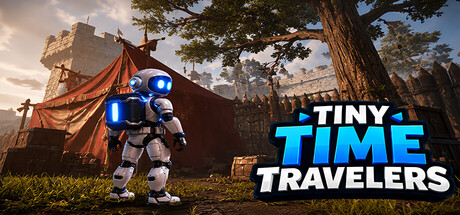 Tiny Time Travelers In-game content artaudio | As a solo dev, I created or commissioned/licensed the game assets. No 3D assets were AI-generated. AI was used only for some 2D artwork and audio. | Rocket Munky | - | Sep 3, 2026 | |
 Pinball Hero general | The game was made with the Godot Engine and Cursor IDE. | Luke6B | - | Sep 3, 2026 | |
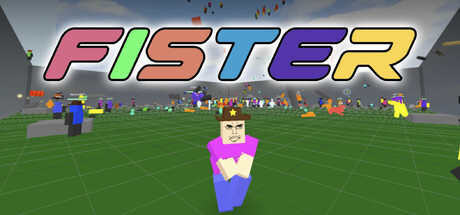 Fister In-game content codeart | "This game's code, including the level and cosmetics editors, are all AI-generated.
The maps and music are not AI-generated.
Some cosmetics may be AI-generated, but most are not." | Bootloop Studio | - | Sep 2, 2026 | |
 Horta Maluca In-game content artcode | Generative AI tools were used during development to assist with programming and to create some pre-generated visual assets, including icons, illustrations, and sprite artwork. All AI-assisted content was reviewed, edited, selected, and integrated by the developer. The game does not generate AI content during gameplay. | BKP STUDIO | - | Sep 1, 2026 | |
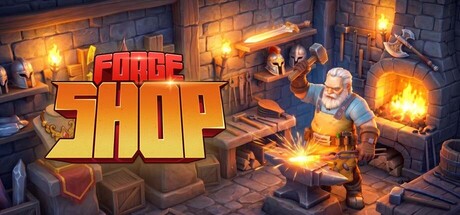 Forge Shop Unclear art | Some of the displayed visuals were generated with the assistance of AI. | JoyMore | - | Sep 1, 2026 | |
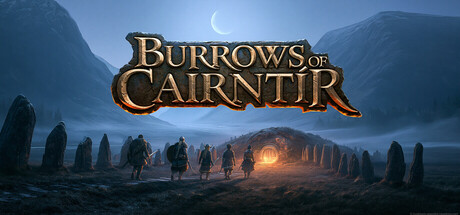 Burrows of Cairntir In-game content artaudio | Generative AI tools were used during development to create the artwork and audio used throughout the game. The generated assets were reviewed, selected, edited as needed, and incorporated into the final game by the developer. | Cairntir Games | - | Sep 1, 2026 | |
 Trumps Of Albion Unclear | The game is developed with AI assistance | Ka Yan Liu | - | Sep 1, 2026 | |
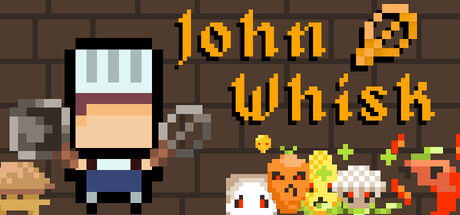 John Whisk Dev only code | AI was used to help program the game. All art, assets, and game design decisions did not use any AI. | Magirush | - | Sep 1, 2026 | |
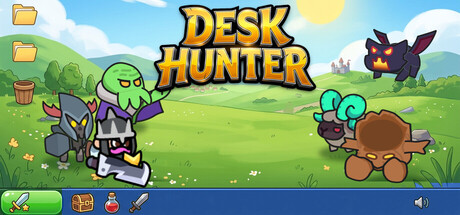 Desk Hunter Store/marketing art | OpenAI image generation was used to create a pre-generated background image used in some of the game's Steam store capsule artwork and screenshots. The image is fixed and was reviewed by the developer. No content is generated using AI during gameplay. | Corner Forge | - | Sep 1, 2026 | |
 Celebria In-game content art | Artwork featured in Celebria has been AI-assisted. All AI-assisted material was reviewed and edited by the developer, and no content is live generated by AI during gameplay. | Stage Name Games | - | Sep 1, 2026 | |
 Fryday Dev only audioart | FryDay does not use generative AI in real time. It's only used as an assisstant during production, marketing, sound, and music. | End Games | - | Sep 1, 2026 | |
 MoonLite Store/marketing art | AI is used in the first section of gameplay trailer, the scenes with Ethan. | Lector Interactive | - | Sep 1, 2026 | |
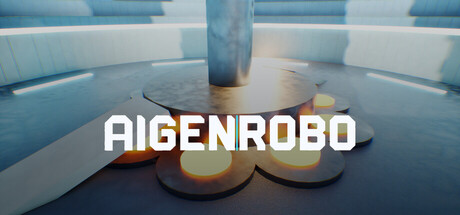 AIGENROBO In-game content art | Some of this game's 2D graphics — including UI icons, part icons and mission cards — were created ahead of time with the help of AI image generation tools. Every generated asset was reviewed, selected and adjusted by the developer before being included.
No content is generated by AI while the game is running. The 3D models, stages, effects and all game logic were produced by scripts and by hand, not by AI. | RAIDENWORKS | - | Sep 1, 2026 | |
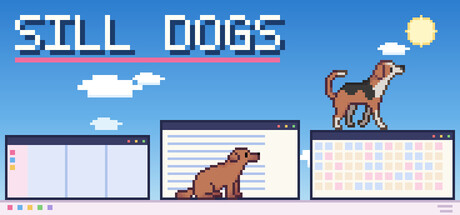 Sill Dogs Dev only code | This app uses AI tools during the development process, for example to configure some behavior algorithms. All dog sprite art consists of hand-drawn works by human artists, purchased under a commercial license. No generative AI is used during gameplay. | SQOOL | - | Sep 1, 2026 | |
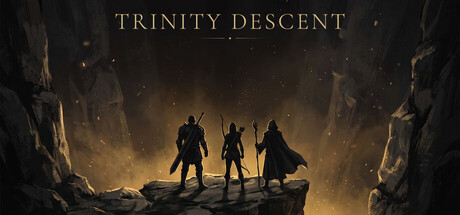 Trinity Descent In-game content art | I cannot draw and I have no experience with graphics either, which is why I turned to AI for the images in the game: the creatures, items, zones and the class portraits. I picked, edited and placed every single one of them myself, and plenty were thrown out again before the rest fit together. | Lipsia Games | - | Sep 1, 2026 | |
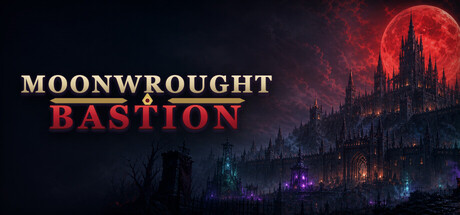 Moonwrought Bastion In-game content artaudiotext | Generative AI was used during development to create or refine pre-generated visual assets, music and audio, and localization drafts included in the game and its marketing materials. All such content was reviewed and curated by the developer before release. The game does not generate AI content during play and does not send player data to external AI services. | Moonwrought Games | - | Sep 1, 2026 | |
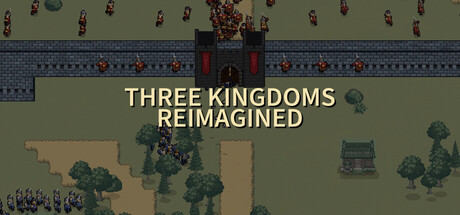 Three Kingdoms Reimagined In-game content artaudio | Some pre-generated artwork and audio were created with generative AI during development. These outputs are integrated as fixed assets; the game does not generate content live during gameplay or connect to a third-party AI service during gameplay. | Jeremy Cabaccang | - | Sep 1, 2026 | |
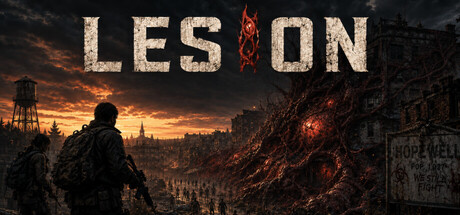 Lesion In-game content arttext | Generative AI tools have been used in a limited capacity to assist with pre-generated promotional content. All AI-assisted material is reviewed and curated by the developer. No generative AI is used during gameplay, and the game does not connect to external AI services. | SocksandGoats Studios | - | Sep 1, 2026 | |
 Center Ice Hockey In-game content audioart | Generative AI has been used to create sound effects, music and some user interface elements. | Joonas Kaunisto | - | Sep 1, 2026 | |
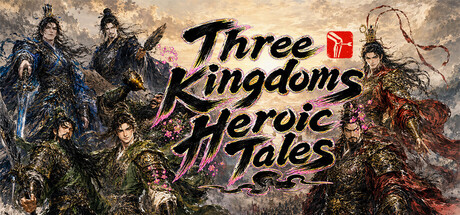 Three Kingdoms Heroic Tales In-game content arttext | Generative AI was used as a development aid to create and modify program code, produce some visual assets, and draft localized text. All AI-generated content has been reviewed, edited, and adjusted by the developer. No AI content is generated while the game is running. | hizaniya games | - | Sep 1, 2026 | |
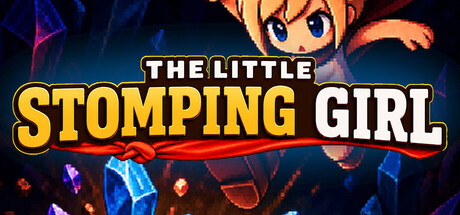 The Little Stomping Girl In-game content artaudiocode | Generative AI was used to assist in creating some UI graphics, equipment graphic assets, and music, as well as to assist with programming. All generated content was reviewed and edited as needed by the developer. No live-generated AI content is used while the game is running. | DreamaGames | - | Sep 1, 2026 | |
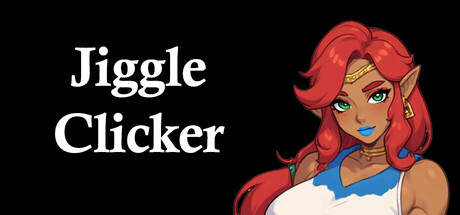 Jiggle Clicker Unclear | Some of the models were made using AI. | Patroclus Dev | - | Sep 1, 2026 | |
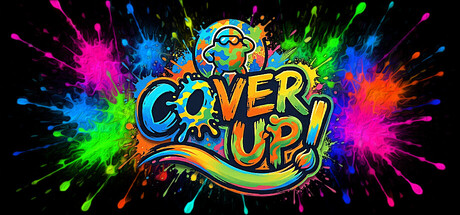 Cover Up! In-game content arttext | Some art assets and textures in this game were created with the help of generative AI tools. Translations were initially machine-generated. No content is generated by AI while the game is running. | Arctic Heatwave | - | Sep 1, 2026 | |
 Blood & Canvas: Bareknuckle Boxing In-game content art | Generative AI was used to assist in creating certain decorative user interface elements, and background graphics. All gameplay systems, mechanics, programming, game design, and core game content were created and curated by the development team. | Thiefcatcher Games | - | Sep 1, 2026 | |
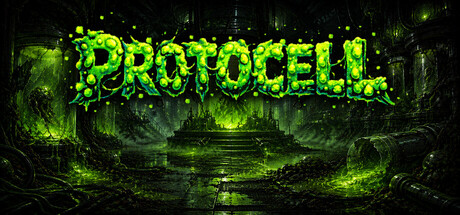 Protocell In-game content audioart | Protocell's soundtrack was generated with an AI music tool, and a few interface layouts were explored with the help of AI image tool. Everything else — the code, the design, the pixel art and the procedurally generated creatures — is hand-crafted or produced by the game's own engine. No generative AI runs in real time while you play. | Lejiww | - | Sep 1, 2026 | |
 Derby Champions In-game content artaudio | This game includes limited use of generative artificial intelligence in the creation of certain visual and audio assets. These AI-assisted elements were used to support the development process and are integrated alongside original, human-created content. All assets have been reviewed and curated to ensure they meet the quality and artistic standards of the game. | The Lazy Grid | - | Sep 1, 2026 | |
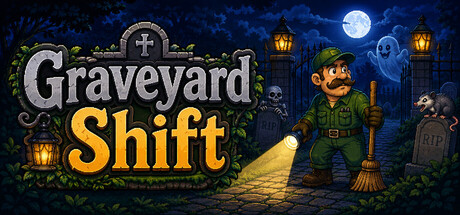 Graveyard Shift In-game content artcode | Generative AI tools were used during development to assist with writing portions of the game's code and to generate some of the visual assets used in the game. | Goat Chef Studios | - | Aug 31, 2026 | |
 TENGRI: Night of Orda Store/marketing art | Generative AI tools were used during development to assist with the creation of selected promotional artwork and Steam store graphical assets. These assets were reviewed and curated by the development team before being used. The game does not currently use live generative AI during gameplay. | Tengri Art Studio | - | Aug 31, 2026 | |
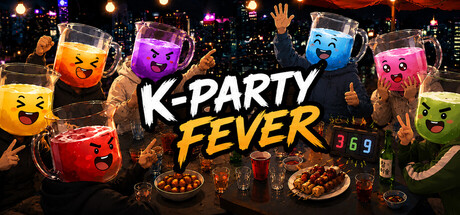 K-PARTY FEVER Store/marketing art | Generative AI was used to create some of the capsule artwork used on the Steam store page. | E13 FunnyLab | - | Aug 31, 2026 | |
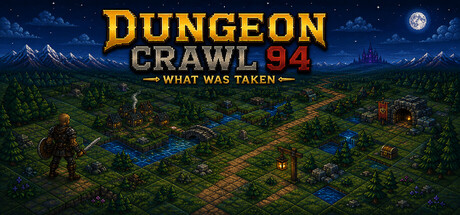 Dungeon Crawl 94: What Was Taken In-game content artaudio | Generative AI tools were used during the development of Dungeon Crawl 94: What Was Taken to assist in creating portions of the game's artwork, music, and other pre-generated creative content. Generative AI was also used to create some promotional artwork displayed on the Steam store page and in the Steam Library. All AI-generated content is pre-generated and incorporated during development; the game does not use live generative AI during gameplay. | Underwood Studios | - | Aug 31, 2026 | |
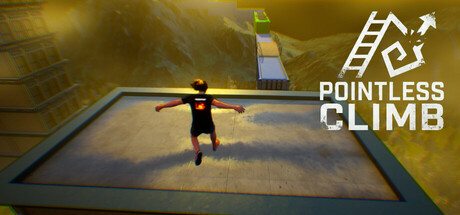 Pointless Climb In-game content audioart | AI is used in some of the musics in game.
AI is used for Game's logo | Morteza Ahmadi | - | Aug 31, 2026 | |
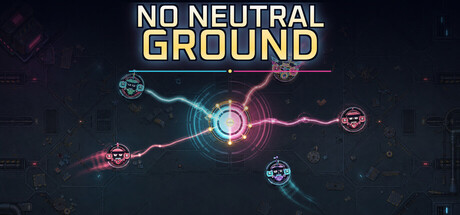 No Neutral Ground In-game content artaudio | AI assisted in-game and store-page visuals, plus music. | Cyvana | - | Aug 31, 2026 | |
 Heroes of Brihn Store/marketing art | Store images not including video and screenshots, were generated by ChatGPT due to artistic limitations. | Scott Conway | - | Aug 30, 2026 | |
 Winter Wraith In-game content artaudio | Uses voice cloning by Speechify.
Uses AI generated images uploaded by other users to Pixabay when there wasn't a better alternative available.
Most such images are for character portraits and similar placeholder assets of secondary importance.
There is no prompt or direct AI usage. | Marix | - | Aug 30, 2026 | |
 Disaster City: Magical Girl Dispatch In-game content art | 游戏部分背景采用AI绘画
角色纸娃娃为手绘 | 黑帽雀 | - | Aug 29, 2026 | |
 BASHDASH Dev only art | I used generative AI tools to create initial concept art and sketches for my game characters, which I then manually recreated and modeled in 3D myself. I also used AI to assist in sketching the game's official logo | Polytens | - | Aug 29, 2026 | |
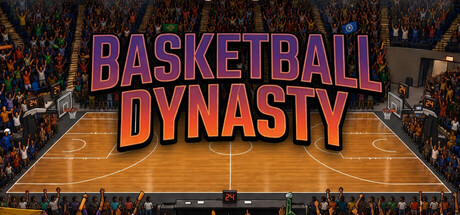 Basketball Dynasty Unclear | Utilizes artificial intelligence tools to assist in the development of certain in-game content. | YBC Studio | - | Aug 29, 2026 | |
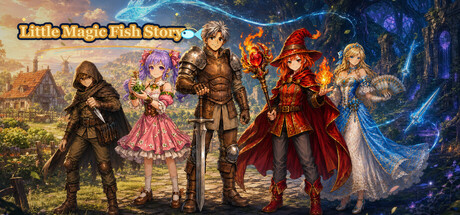 Little Magic Fish Story In-game content art | As a solo developer, I used a combination of purchased assets, original artwork, and AI-assisted tools to create and refine game assets. | III SRISLE | - | Aug 29, 2026 | |
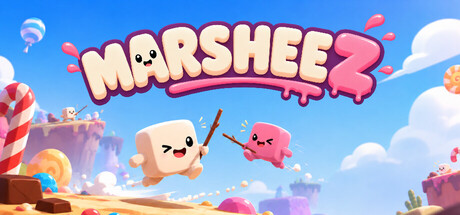 Marsheez In-game content artaudiocode | During development, parts of Marsheez were made with generative AI: some of the source code was written with the help of an AI coding assistant, and some of the art and music were created with help of AI tools and then later edited by the developer. The game does not use any generative AI while you play. | Tijmen Meijer MSc | - | Aug 29, 2026 | |
 Hunt Soul Infinity art | This game uses generative AI tools during development.
- Artwork in Steam Shop , and Picture Character in Game | VORAWIT KIDARN | - | Aug 29, 2026 | |
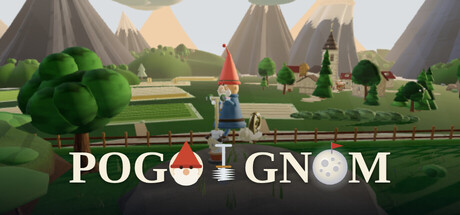 Pogo Gnom Dev only code | The game is a single hand-maintained source file. It was written together
with an AI coding assistant. Every change was reviewed, tested and integrated by
the developer; the game ships with its own automated test suite. | KILIRAU | - | Aug 29, 2026 | |
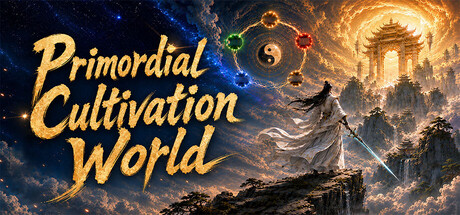 洪荒修仙界 In-game content arttextcode | Part of the program code, art materials, and text content in this work were created using generative artificial intelligence and have been manually reviewed and adjusted to ensure a seamless gaming experience. During gameplay, AI does not generate content in real-time, all content is pre generated. | Janyouth | - | Aug 29, 2026 | |
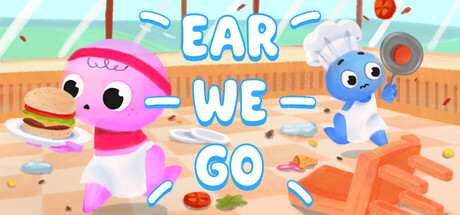 Ear We Go In-game content audio | Generative AI tools were used to create voice-over content for the game. The generated voice content was reviewed and edited by the development team before being implemented in the game. | Tripawzs | - | Aug 28, 2026 | |
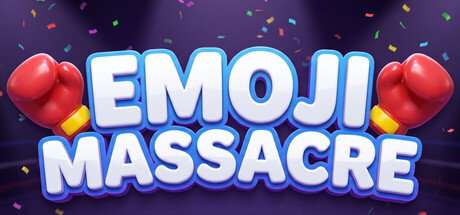 Emoji Massacre Store/marketing art | Some of this game's promotional and background artwork was made with generative AI tools and then edited by the developer: the store capsule/key art images, the painted title-screen background, and the cinematic clips used in the intro trailer. All gameplay, code, game design, in-game visuals (the emoji fighters, gloves, effects and UI), sound effects and music were created without generative AI. No AI content is generated during gameplay and the game does not connect to any AI service. | UndaWirrld Arcade | - | Aug 28, 2026 | |
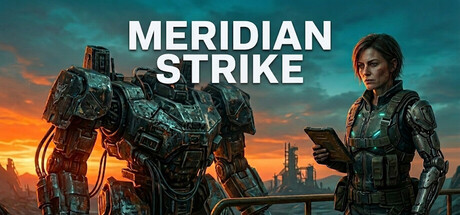 Meridian Strike In-game content artaudio | Generative AI tools were used during development to create certain pre-generated visual and audio assets, including character portraits and video sequences, mech and environment artwork, synthetic voice-over, and some sound effects. All generated assets were reviewed and curated by the developer. The game does not generate content during gameplay, and no player input is sent to generative AI services. | Fredrik Carleson | - | Aug 28, 2026 | |
 Kennel Chaos In-game content artaudio | In-game 3D props, audio sound effects, etc. | Watashi Games | - | Aug 28, 2026 | |
 EXAM WATCH! In-game content artaudio | Generative AI-assisted tools were used in the creation and development of some 3D models, audio, and visual content in the game. All such content was generated in advance during the development process and added to the game as pre-made assets. No content is generated in real time using generative AI during gameplay. | PRC Games | - | Aug 28, 2026 | |
 Horror Game Creator In-game content art | Used AI on preexisting artwork made by myself (ICONS) to speed up DEV by replacing frames faster than manual edit each button | Outlaw Games | - | Aug 28, 2026 | |
 Scrapstorm In-game content audiotext | There is usage of generative AI in two places and everything it produced has been reviewed. The soundtrack was created with the assistance of AI, and some of the writing was drafted with an AI assistant and then edited afterwards: card, UI and help text, the Simplified Chinese translation, and the store page and marketing copy. Nothing else is model output — the logo, the app icon and every visual in the game are drawn by the game's own code from geometry in the source, and the sound effects are synthesized as you play. | Pixiliated | - | Aug 28, 2026 | |
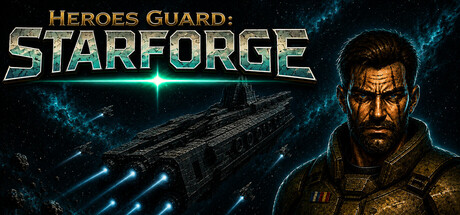 Heroes Guard: Starforge In-game content artaudiotext | A moonlighting project from a husband and father of two, where late evenings and early mornings were made a little easier by generative AI tooling. The game's art, the pilot voice-over, and the music all started as AI-generated assets that I then reviewed, edited, and shaped into the game. The direction and the decisions are mine; nothing is generated while you play. Always open to constructive feedback. | Under Byte Studios, LLC | - | Aug 28, 2026 |


