Public Steam disclosure research25,380 disclosures tracked
Where do games disclose AI use?
Search developers’ Steam disclosures, compare classified AI use across
games, and follow recorded changes.
This index adds cross-game classifications and statistics to
statements published on individual store pages.
Groups reflect automatic analysis of public disclosures; mature records are excluded. These counts do not measure AI use across all of Steam.
Missing or unclear statements cannot establish whether a game uses AI.
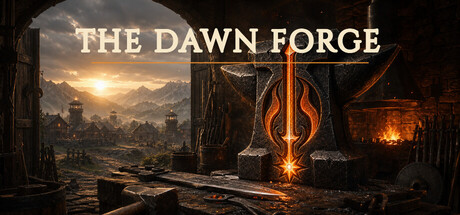
Some of the artwork in The Dawn Forge — the item, building, unit and boss illustrations — and the spoken narration lines were created using AI image and voice tools, working from the developer's own art direction and scripts, and then composed and edited by hand. Nothing is generated while you play: the game runs entirely offline and never contacts an AI service.
I have used generative AI tools to assist in the creation of the character Elara's artwork for the capsule and for the in-game voiceover. All other aspects of the game are entirely handmade. No generative AI is used during gameplay.
The game's menu interface and Steam store page assets (capsule images and other promotional artwork) were designed with the assistance of an AI-based design tool. All other art, environments, characters, and audio in the game were created without the use of generative AI.
We use AI tools to assist with some parts of development, such as localization and improving our art production workflow. All designs and creative ideas come from our team, and AI-assisted assets are reviewed and refined before being used in the game.
As an indie studio, we use generative AI to continue developing the games we love. It allows us to accomplish tasks that would otherwise be beyond our small team's capacity.
Generative AI was used during the development of the game's user interface and to assist with creating parts of the game's audio. Every AI-generated asset was carefully reviewed and refined before being included in the final game.
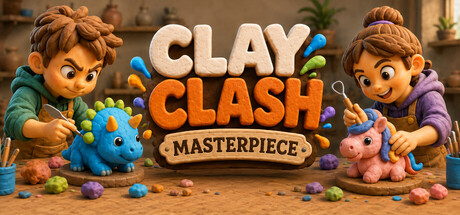
Generative AI tools were used during development to assist with the creation of selected promotional and visual assets. During gameplay, an AI-based analysis service may also be used to evaluate submitted player-created clay sculptures and determine how closely they match the given challenge.
Generative AI was used during development to create all visual art assets and music featured in the game. The generated content was reviewed, selected, and integrated by the developer. The game does not generate AI content during gameplay.
Artwork, music and parts of the text were created with AI tools and individually curated, refined and hand-fitted into the game by the developer. No AI content is generated at runtime.
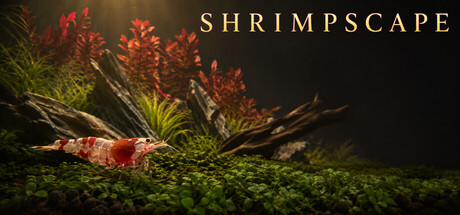
Some of Shrimpscape's assets were produced with generative AI. The shrimp, plant and hardscape artwork was generated with AI image tools and then hand-edited, colour-corrected and assembled by the developer. The 3D hardscape models were generated with an AI mesh tool and then cleaned up and textured by hand in Blender. Store page and capsule art was made the same way. Text outside English is machine-translated. Nothing is generated while you play — everything shipped in the game is fixed and reviewed before release.
AI tools were used in the creation of some promotional renderings and in-game scene assets. All AI-generated visual content was reviewed, edited, and finalized by the development team to ensure consistency with the game's artistic direction.
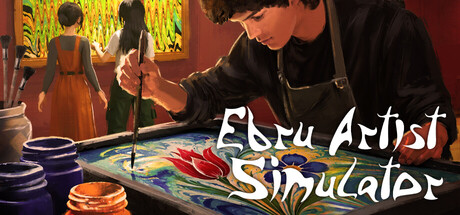
Ebru Artist Simulator uses generative AI-assisted artwork for a small number of textures and UI icons. AI is not used in any other aspect of the game, and we are currently working to replace these AI-assisted visuals before the full release.
Generative AI was used to create a small number of 3D models and art assets. All game code, design, and gameplay systems were created without the use of Generative AI.
Generative AI tools were used during the development of the game in the following areas:
Programming & Code: The vast majority of the game's codebase was written with the assistance of AI.
Graphics & Visuals: A portion of the 2D artwork, promotional graphics, and UI icons were generated or created using AI tools.
Audio & Music: AI tools were used to generate some of the soundtrack.
All AI-generated content was reviewed, edited, and integrated into the final game by human developers.
All photorealistic in-game assets and store promotional images are pre-generated via text-to-image AI tools during development. No existing copyrighted photographs, real-life reference images, or specific real-person portraits are used as the basis for generation.
All character visuals are created solely from broad, generic descriptive prompts such as "Chinese young man in the 1990s", and do not reference any real individual. All third-party brand logos, commercial trademarks and potentially infringing elements have been manually reviewed and removed from the generated content.
The developer holds full commercial rights to all AI-generated content in the game and promotional materials.
Some images and sound effects were created or assisted by generative AI and were reviewed, edited, and integrated into the game by the developer. No real-time generative AI is used during gameplay.
Generative AI tools were used during development to help create and refine pre generated visual assets, text and localization, and code. All AI-assisted material included in the game was reviewed and integrated by the developer, with further editing where needed. The game does not use live generative AI and does not generate content during gameplay.
Generative AI tools were used during development to assist with selected pre-generated visual assets, promotional and store-page materials, and localization/text. All AI-assisted content was reviewed, edited, curated, and approved by the developer before inclusion. No generative AI is used during gameplay, and the game does not connect to external AI services while running.
Generative AI was used during development as a coding assistant and to assist with drafting and translating store-page and marketing text. Some pixel-art assets were rendered by deterministic drawing code written with AI assistance; the final images were not directly output by a text-to-image or diffusion model. All shipped and published content was reviewed and edited by the developer. No generative AI runs in the game, and no content is generated from player input.
Generative AI tools were used during development to assist with concept exploration and some fixed, pre-generated visual assets. All outputs were reviewed, edited, curated, and integrated by the developer. The game does not generate AI content at runtime, and players cannot prompt or create AI-generated content.
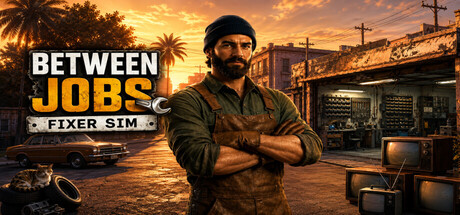
Generative AI was used during the development of Between Jobs to assist in creating 2D graphical assets. This includes static background art, environmental textures, and store page graphics. No AI content is live-generated while playing the game.
Localizations other than Italian are AI-assisted, with human and community review ongoing during development. All game design, writing, and art direction are human-made.
Some visual assets, branding exploration, and first-pass localization drafts were created or assisted with generative AI tools. All content is reviewed, edited, and integrated by the developer before being included in the game or store materials. The game does not generate AI content in real time during gameplay.
This game uses generative AI to create visual art assets (plants, scenery, animals, UI, etc.) during development. In-game, the cat companion's chat dialogue is generated in real time by a local AI model that runs entirely offline on the player's device; no player input is sent to any external service.
Some visual assets (a portion of skill icons and the boss health-bar UI element) and background music tracks were created with the assistance of AI generation tools.
The visual art in Gearbound is made with PixelLab, an AI pixel-art tool. Every sprite, animation, tileset, background, prop, interface element and piece of marketing art was generated with PixelLab and then directed, edited and assembled by us.
The music and sound effects are rendered by synthesis scripts that were written with AI assistance. No generative audio model was used, and nothing was sourced from a music-generation service.
Nothing is generated by AI while you play. Every asset is finished and baked into the build before it ships, and the game makes no AI calls at runtime.
Music and sound effects were AI-generated (Suno / ElevenLabs) and edited by the developer. AI (Claude Code) was also used as a coding assistant during development. Visual assets are licensed/purchased assets and are not AI-generated. No AI content is generated live during gameplay all content is fixed and authored before release.
AI tools were used for some initial concept designs. All final in-game assets, characters and scenes have been extensively hand-edited, redrawn and post-processed by the developer to achieve a consistent hand-drawn comic style.
Some of the artwork in The Dawn Forge — the item, building, unit and boss illustrations — and the spoken narration lines were created using AI image and voice tools, working from the developer's own art direction and scripts, and then composed and edited by hand. Nothing is generated while you play: the game runs entirely offline and never contacts an AI service.
I have used generative AI tools to assist in the creation of the character Elara's artwork for the capsule and for the in-game voiceover. All other aspects of the game are entirely handmade. No generative AI is used during gameplay.
The game's menu interface and Steam store page assets (capsule images and other promotional artwork) were designed with the assistance of an AI-based design tool. All other art, environments, characters, and audio in the game were created without the use of generative AI.
We use AI tools to assist with some parts of development, such as localization and improving our art production workflow. All designs and creative ideas come from our team, and AI-assisted assets are reviewed and refined before being used in the game.
As an indie studio, we use generative AI to continue developing the games we love. It allows us to accomplish tasks that would otherwise be beyond our small team's capacity.
Generative AI was used during the development of the game's user interface and to assist with creating parts of the game's audio. Every AI-generated asset was carefully reviewed and refined before being included in the final game.
Generative AI tools were used during development to assist with the creation of selected promotional and visual assets. During gameplay, an AI-based analysis service may also be used to evaluate submitted player-created clay sculptures and determine how closely they match the given challenge.
Generative AI was used during development to create all visual art assets and music featured in the game. The generated content was reviewed, selected, and integrated by the developer. The game does not generate AI content during gameplay.
Artwork, music and parts of the text were created with AI tools and individually curated, refined and hand-fitted into the game by the developer. No AI content is generated at runtime.
Some of Shrimpscape's assets were produced with generative AI. The shrimp, plant and hardscape artwork was generated with AI image tools and then hand-edited, colour-corrected and assembled by the developer. The 3D hardscape models were generated with an AI mesh tool and then cleaned up and textured by hand in Blender. Store page and capsule art was made the same way. Text outside English is machine-translated. Nothing is generated while you play — everything shipped in the game is fixed and reviewed before release.
AI tools were used in the creation of some promotional renderings and in-game scene assets. All AI-generated visual content was reviewed, edited, and finalized by the development team to ensure consistency with the game's artistic direction.
Ebru Artist Simulator uses generative AI-assisted artwork for a small number of textures and UI icons. AI is not used in any other aspect of the game, and we are currently working to replace these AI-assisted visuals before the full release.
Generative AI was used to create a small number of 3D models and art assets. All game code, design, and gameplay systems were created without the use of Generative AI.
Generative AI tools were used during the development of the game in the following areas:
Programming & Code: The vast majority of the game's codebase was written with the assistance of AI.
Graphics & Visuals: A portion of the 2D artwork, promotional graphics, and UI icons were generated or created using AI tools.
Audio & Music: AI tools were used to generate some of the soundtrack.
All AI-generated content was reviewed, edited, and integrated into the final game by human developers.
All photorealistic in-game assets and store promotional images are pre-generated via text-to-image AI tools during development. No existing copyrighted photographs, real-life reference images, or specific real-person portraits are used as the basis for generation.
All character visuals are created solely from broad, generic descriptive prompts such as "Chinese young man in the 1990s", and do not reference any real individual. All third-party brand logos, commercial trademarks and potentially infringing elements have been manually reviewed and removed from the generated content.
The developer holds full commercial rights to all AI-generated content in the game and promotional materials.
Some images and sound effects were created or assisted by generative AI and were reviewed, edited, and integrated into the game by the developer. No real-time generative AI is used during gameplay.
Generative AI tools were used during development to help create and refine pre generated visual assets, text and localization, and code. All AI-assisted material included in the game was reviewed and integrated by the developer, with further editing where needed. The game does not use live generative AI and does not generate content during gameplay.
Generative AI tools were used during development to assist with selected pre-generated visual assets, promotional and store-page materials, and localization/text. All AI-assisted content was reviewed, edited, curated, and approved by the developer before inclusion. No generative AI is used during gameplay, and the game does not connect to external AI services while running.
Generative AI was used during development as a coding assistant and to assist with drafting and translating store-page and marketing text. Some pixel-art assets were rendered by deterministic drawing code written with AI assistance; the final images were not directly output by a text-to-image or diffusion model. All shipped and published content was reviewed and edited by the developer. No generative AI runs in the game, and no content is generated from player input.
Generative AI tools were used during development to assist with concept exploration and some fixed, pre-generated visual assets. All outputs were reviewed, edited, curated, and integrated by the developer. The game does not generate AI content at runtime, and players cannot prompt or create AI-generated content.
Generative AI was used during the development of Between Jobs to assist in creating 2D graphical assets. This includes static background art, environmental textures, and store page graphics. No AI content is live-generated while playing the game.
Localizations other than Italian are AI-assisted, with human and community review ongoing during development. All game design, writing, and art direction are human-made.
Some visual assets, branding exploration, and first-pass localization drafts were created or assisted with generative AI tools. All content is reviewed, edited, and integrated by the developer before being included in the game or store materials. The game does not generate AI content in real time during gameplay.
This game uses generative AI to create visual art assets (plants, scenery, animals, UI, etc.) during development. In-game, the cat companion's chat dialogue is generated in real time by a local AI model that runs entirely offline on the player's device; no player input is sent to any external service.
Some visual assets (a portion of skill icons and the boss health-bar UI element) and background music tracks were created with the assistance of AI generation tools.
The visual art in Gearbound is made with PixelLab, an AI pixel-art tool. Every sprite, animation, tileset, background, prop, interface element and piece of marketing art was generated with PixelLab and then directed, edited and assembled by us.
The music and sound effects are rendered by synthesis scripts that were written with AI assistance. No generative audio model was used, and nothing was sourced from a music-generation service.
Nothing is generated by AI while you play. Every asset is finished and baked into the build before it ships, and the game makes no AI calls at runtime.
Music and sound effects were AI-generated (Suno / ElevenLabs) and edited by the developer. AI (Claude Code) was also used as a coding assistant during development. Visual assets are licensed/purchased assets and are not AI-generated. No AI content is generated live during gameplay all content is fixed and authored before release.
AI tools were used for some initial concept designs. All final in-game assets, characters and scenes have been extensively hand-edited, redrawn and post-processed by the developer to achieve a consistent hand-drawn comic style.