Public Steam disclosure research25,380 disclosures tracked
Where do games disclose AI use?
Search developers’ Steam disclosures, compare classified AI use across
games, and follow recorded changes.
This index adds cross-game classifications and statistics to
statements published on individual store pages.
Groups reflect automatic analysis of public disclosures; mature records are excluded. These counts do not measure AI use across all of Steam.
Missing or unclear statements cannot establish whether a game uses AI.
Some assets in this game were created with the help of generative AI tools during development, including images, animations, sound effects, and background music. All generated content was reviewed and edited by the developer before being used in the game. No generative AI runs in real time during gameplay.
OpenAI image generation was used to create a pre-generated background image used in some of the game's Steam store capsule artwork and screenshots. The image is fixed and was reviewed by the developer. No content is generated using AI during gameplay.
I’m an indie game developer and have tried making games for years. Generative AI has been used as part of my development process, including helping with code, visual and sound assets. It is not a simple one-shot process, but effort has been put in over multiple generations to control and curate the art style.
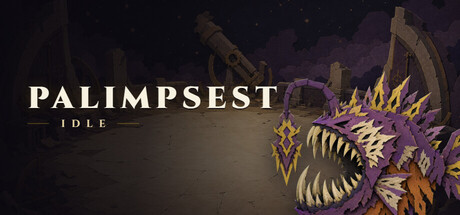
The visual art in Palimpsest Idle (character, enemy, weapon, equipment, icon and background art) was created during development using AI image generation tools, then curated, processed and hand-assembled by the developer. The game's two music tracks were produced during development using an AI music composition service under a licence granting full ownership of the resulting compositions. Sound effects are royalty-free library recordings and are not AI-generated. No content is generated while the game is running - all assets ship as fixed files, and the game makes no network requests during play.
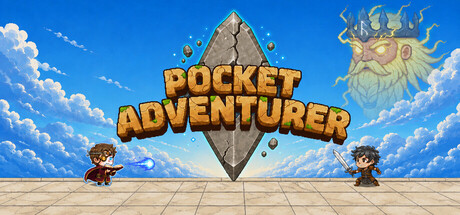
Pocket Adventurer is a solo-developed game that uses AI tools as part of its production pipeline. Character and monster artwork is originally hand-drawn, then processed with AI animation tools and converted into animated sprite sheets for use in the game. Code was written with AI coding assistance under direct human design, testing, and review. All content is pre-rendered; the game contains no live AI generation.
Some AI generation for promotional imagery
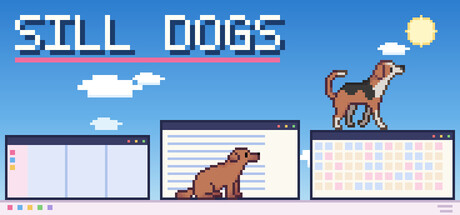
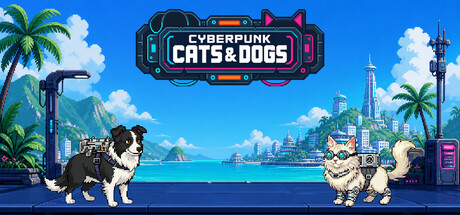
This app uses AI tools during the development process, for example to configure some behavior algorithms. All dog sprite art consists of hand-drawn works by human artists, purchased under a commercial license. No generative AI is used during gameplay.
I cannot draw and I have no experience with graphics either, which is why I turned to AI for the images in the game: the creatures, items, zones and the class portraits. I picked, edited and placed every single one of them myself, and plenty were thrown out again before the rest fit together.
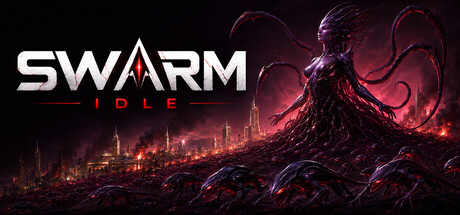
Swarm Idle uses generative AI as part of its development workflow to assist with localization and the creation of some visual assets. All AI-assisted content is reviewed and integrated by the developer. No generative AI is used during gameplay or at runtime.
Development tools assisted with localization and the creation and refinement of some visual content. All resulting content was reviewed and edited by the developer before being included in the game.
Pre-generated 2D marketing artwork and Steam store assets were created with assistance from OpenAI image-generation tools during development. All outputs were reviewed and selected by the developer. The game itself does not include AI-generated content, generate AI content at runtime, or connect to AI services.
Some visual assets were created with the assistance of generative AI tools during development. These assets were subsequently reviewed, edited, and refined by the development team before being included in the final game.
No AI-generated content is created during gameplay.
Generative AI tools were used to assist in the creation of some pre-generated visual assets for this game, including character and enemy artwork, scene and interface backgrounds, item and skill icons, and some promotional artwork for the Steam store. All such assets were manually selected, edited, cropped, adjusted, and reviewed by the developer before being integrated into the game.
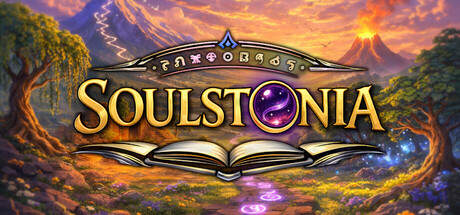
Generative AI tools were used during development to assist with creating and refining select 2D artwork, icons, and marketing materials, as well as game and marketing copy localization. All AI-assisted content is reviewed, edited, and curated by the developer before being included in the game. Soulstonia does not use generative AI to create content live during gameplay.
Generative AI tools were used during development to assist in creating selected pre-generated 3D assets and visual artwork used in the game. All generated outputs were reviewed, edited, and integrated by the developer. The game does not generate AI content during gameplay or connect to external AI services.
Some of the game's visual assets (character art, animation frames, and store/marketing images) were created with the assistance of generative AI tools. Every AI-assisted asset is reviewed, curated, and edited by a human before inclusion. The game does not use AI to generate any content at runtime — everything players see ships as pre-made, human-reviewed assets.
Some of the text content in this game was produced with the help of generative AI tools, then reviewed and edited by the developer:
- Localization into Ukrainian, Russian, Korean and Simplified Chinese
- Drafting of in-game news headline templates and procedural coin names
All of this content is generated ahead of time and ships as fixed text. The game uses no AI at runtime: it is fully offline, makes no network requests, and generates nothing while you play.
All game systems, market simulation and balance design are the developer's own work.
Some of the game's content was created with the assistance of generative AI tools and was then reviewed, edited and curated by the developer. This includes portions of the art assets, some audio content, and the translation of interface and subtitle text into languages other than Turkish and English. No content is generated by AI at runtime.
- Audio: background music is generated with AI music tools.
- Translation: in-game and store text is translated using AI.
- Code: the game's code, including the code that draws every visual at runtime,
was written with the help of an AI coding assistant.
Generative AI tools were used during development to assist with creating some visual assets. These assets were manually reviewed, edited, and finalized before being included in the game. AI tools were also used as a programming assistant during development. The game does not use generative AI during gameplay.
Generative AI was used only to assist with text localization and marketing assets; no AI-generated artwork, audio, or runtime content is included in the game.
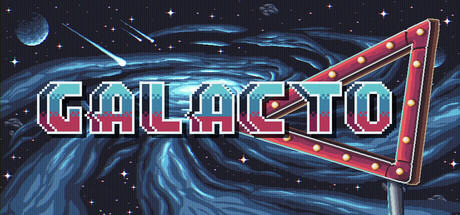
We used generative AI to assist with translating Galacto's in-game text into its supported languages. All game design, artwork, sound and music were created by hand without generative AI
Generative AI was not used to create any in-game content resources. AI was utilized solely for the translation of certain in-game languages and external content, such as our Steam page.
This game uses AI-assisted translation for the Steam store page and some in-game UI text. As a solo indie developer with limited resources, AI translation helps make the game accessible to more players and support a wider range of languages.
Pre-generated pixel-art character artwork, animation frames, and localization text were created with assistance from generative AI tools during development. All shipped results are fixed in the build, human-reviewed, and based on original prompts or project-owned references. The application performs no live AI generation.
This project used AI-assisted tools during development, primarily for promotional artwork, code development, the creation of art assets, and music production.
AI was mainly used to improve development efficiency and assist in creating original content. All AI-assisted content was manually reviewed, selected, edited, redrawn, adjusted, tested, or rearranged, and was further refined to ensure consistency with the game's overall style and actual development needs.
Some in-game 2D UI icons, some music and sound effects, and Steam store page / promotional visuals were created during development with the help of generative AI tools, then manually reviewed, cropped, or adjusted before shipping. This game does not use generative AI to create content in real time during gameplay.
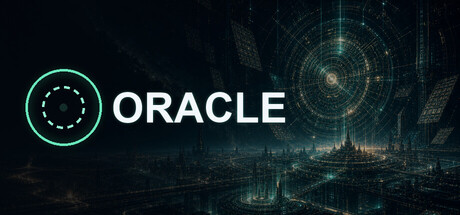
ORACLE uses generative AI in two ways: some marketing artwork was created with generative tools, and an optional bundled local language model can generate short, context-aware ORACLE narration during play. Live generation runs locally on the player's PC and is limited to text; it does not generate code, images, audio, or gameplay rules.
Despite game is simulating the AI, all conversations are hard coded and written by person.
AI was used to generate the names and descriptions for some items, but it was manually reviewed by developer.
This game uses generative AI tools. Some art assets, texts and portions of the game's code were created with the assistance of generative AI during development. All AI-assisted content was reviewed, edited, and integrated by the developer before release. The game does not use generative AI in real time during gameplay.
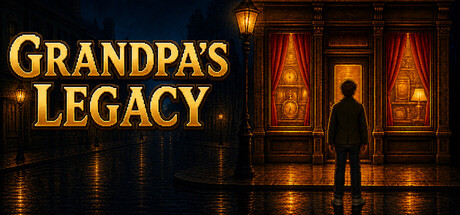
Some visual assets in Grandpa's Legacy (including expedition artwork and selected store/marketing images) were created or assisted with generative AI tools, then curated and edited by the development team. No generative AI runs during gameplay, and the game does not connect to external AI services while you play.
Some assets in this game were created with the help of generative AI tools during development, including images, animations, sound effects, and background music. All generated content was reviewed and edited by the developer before being used in the game. No generative AI runs in real time during gameplay.
OpenAI image generation was used to create a pre-generated background image used in some of the game's Steam store capsule artwork and screenshots. The image is fixed and was reviewed by the developer. No content is generated using AI during gameplay.
I’m an indie game developer and have tried making games for years. Generative AI has been used as part of my development process, including helping with code, visual and sound assets. It is not a simple one-shot process, but effort has been put in over multiple generations to control and curate the art style.
The visual art in Palimpsest Idle (character, enemy, weapon, equipment, icon and background art) was created during development using AI image generation tools, then curated, processed and hand-assembled by the developer. The game's two music tracks were produced during development using an AI music composition service under a licence granting full ownership of the resulting compositions. Sound effects are royalty-free library recordings and are not AI-generated. No content is generated while the game is running - all assets ship as fixed files, and the game makes no network requests during play.
Pocket Adventurer is a solo-developed game that uses AI tools as part of its production pipeline. Character and monster artwork is originally hand-drawn, then processed with AI animation tools and converted into animated sprite sheets for use in the game. Code was written with AI coding assistance under direct human design, testing, and review. All content is pre-rendered; the game contains no live AI generation.
Some AI generation for promotional imagery
This app uses AI tools during the development process, for example to configure some behavior algorithms. All dog sprite art consists of hand-drawn works by human artists, purchased under a commercial license. No generative AI is used during gameplay.
I cannot draw and I have no experience with graphics either, which is why I turned to AI for the images in the game: the creatures, items, zones and the class portraits. I picked, edited and placed every single one of them myself, and plenty were thrown out again before the rest fit together.
Swarm Idle uses generative AI as part of its development workflow to assist with localization and the creation of some visual assets. All AI-assisted content is reviewed and integrated by the developer. No generative AI is used during gameplay or at runtime.
Development tools assisted with localization and the creation and refinement of some visual content. All resulting content was reviewed and edited by the developer before being included in the game.
Pre-generated 2D marketing artwork and Steam store assets were created with assistance from OpenAI image-generation tools during development. All outputs were reviewed and selected by the developer. The game itself does not include AI-generated content, generate AI content at runtime, or connect to AI services.
Some visual assets were created with the assistance of generative AI tools during development. These assets were subsequently reviewed, edited, and refined by the development team before being included in the final game.
No AI-generated content is created during gameplay.
Generative AI tools were used to assist in the creation of some pre-generated visual assets for this game, including character and enemy artwork, scene and interface backgrounds, item and skill icons, and some promotional artwork for the Steam store. All such assets were manually selected, edited, cropped, adjusted, and reviewed by the developer before being integrated into the game.
Generative AI tools were used during development to assist with creating and refining select 2D artwork, icons, and marketing materials, as well as game and marketing copy localization. All AI-assisted content is reviewed, edited, and curated by the developer before being included in the game. Soulstonia does not use generative AI to create content live during gameplay.
Generative AI tools were used during development to assist in creating selected pre-generated 3D assets and visual artwork used in the game. All generated outputs were reviewed, edited, and integrated by the developer. The game does not generate AI content during gameplay or connect to external AI services.
Some of the game's visual assets (character art, animation frames, and store/marketing images) were created with the assistance of generative AI tools. Every AI-assisted asset is reviewed, curated, and edited by a human before inclusion. The game does not use AI to generate any content at runtime — everything players see ships as pre-made, human-reviewed assets.
Some of the text content in this game was produced with the help of generative AI tools, then reviewed and edited by the developer:
- Localization into Ukrainian, Russian, Korean and Simplified Chinese
- Drafting of in-game news headline templates and procedural coin names
All of this content is generated ahead of time and ships as fixed text. The game uses no AI at runtime: it is fully offline, makes no network requests, and generates nothing while you play.
All game systems, market simulation and balance design are the developer's own work.
Some of the game's content was created with the assistance of generative AI tools and was then reviewed, edited and curated by the developer. This includes portions of the art assets, some audio content, and the translation of interface and subtitle text into languages other than Turkish and English. No content is generated by AI at runtime.
- Audio: background music is generated with AI music tools.
- Translation: in-game and store text is translated using AI.
- Code: the game's code, including the code that draws every visual at runtime,
was written with the help of an AI coding assistant.
Generative AI tools were used during development to assist with creating some visual assets. These assets were manually reviewed, edited, and finalized before being included in the game. AI tools were also used as a programming assistant during development. The game does not use generative AI during gameplay.
Generative AI was used only to assist with text localization and marketing assets; no AI-generated artwork, audio, or runtime content is included in the game.
We used generative AI to assist with translating Galacto's in-game text into its supported languages. All game design, artwork, sound and music were created by hand without generative AI
Generative AI was not used to create any in-game content resources. AI was utilized solely for the translation of certain in-game languages and external content, such as our Steam page.
This game uses AI-assisted translation for the Steam store page and some in-game UI text. As a solo indie developer with limited resources, AI translation helps make the game accessible to more players and support a wider range of languages.
Pre-generated pixel-art character artwork, animation frames, and localization text were created with assistance from generative AI tools during development. All shipped results are fixed in the build, human-reviewed, and based on original prompts or project-owned references. The application performs no live AI generation.
This project used AI-assisted tools during development, primarily for promotional artwork, code development, the creation of art assets, and music production.
AI was mainly used to improve development efficiency and assist in creating original content. All AI-assisted content was manually reviewed, selected, edited, redrawn, adjusted, tested, or rearranged, and was further refined to ensure consistency with the game's overall style and actual development needs.
Some in-game 2D UI icons, some music and sound effects, and Steam store page / promotional visuals were created during development with the help of generative AI tools, then manually reviewed, cropped, or adjusted before shipping. This game does not use generative AI to create content in real time during gameplay.
ORACLE uses generative AI in two ways: some marketing artwork was created with generative tools, and an optional bundled local language model can generate short, context-aware ORACLE narration during play. Live generation runs locally on the player's PC and is limited to text; it does not generate code, images, audio, or gameplay rules.
Despite game is simulating the AI, all conversations are hard coded and written by person.
AI was used to generate the names and descriptions for some items, but it was manually reviewed by developer.
This game uses generative AI tools. Some art assets, texts and portions of the game's code were created with the assistance of generative AI during development. All AI-assisted content was reviewed, edited, and integrated by the developer before release. The game does not use generative AI in real time during gameplay.
Some visual assets in Grandpa's Legacy (including expedition artwork and selected store/marketing images) were created or assisted with generative AI tools, then curated and edited by the development team. No generative AI runs during gameplay, and the game does not connect to external AI services while you play.