Public Steam disclosure research25,380 disclosures tracked
Where do games disclose AI use?
Search developers’ Steam disclosures, compare classified AI use across
games, and follow recorded changes.
This index adds cross-game classifications and statistics to
statements published on individual store pages.
Groups reflect automatic analysis of public disclosures; mature records are excluded. These counts do not measure AI use across all of Steam.
Missing or unclear statements cannot establish whether a game uses AI.
Generative AI tools were used to assist in creating initial visual assets (such as background textures and UI elements). All generated assets have been manually edited, refined, and integrated into the game by the developer.
Pre-generated AI-assisted content is used in some 2D artwork, including unit sprites, character portraits, card illustrations, battlefield backgrounds, visual effects, UI decorative elements, and store and marketing artwork. AI assistance was also used for portions of in-game text and English/Japanese localization. All such content is generated before release and curated and edited by the developer. The game does not generate content during gameplay and does not connect to a generative AI service at runtime.
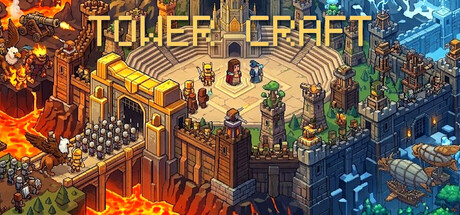
Tower Craft was developed with AI-assisted tools. All 3D models, animations and sound effects are procedurally generated by code that was written with AI assistance; the interface translations for the game's 14 languages were produced with AI assistance and reviewed by the developer. Store page text and marketing materials were also created with AI assistance. The game does not generate any content with AI at runtime — every battle plays out through deterministic, hand-tuned game logic.
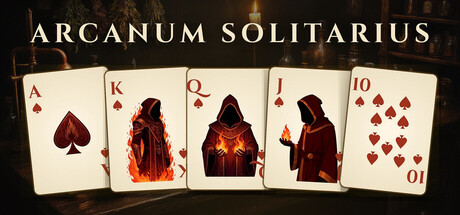
All the art in Arcanum Solitarius, from the playing cards to the Arcana and the workshop backgrounds, was made with AI image generation using a model I trained myself. I was after one specific look: a medieval alchemist's workshop by candlelight, in aged parchment and dark walnut with verdigris and old gold. Most of the music was made the same way. I used AI to draft some of the in-game writing, then rewrote it into my own words. I picked and edited every piece before it went into the game, and the images on this page come from those same assets. Nothing is generated while you play.
Some of the artwork in FAVOR — including character board illustrations, card art and cover art — was created with the help of generative AI image tools, then curated, edited and assembled by our team for the printed 1st Edition of the game and this digital adaptation. No content is generated live during gameplay: every card, board and illustration is a fixed, pre-made asset that ships with the game.
Music and certain in-game UI icons were created using generative AI tools. All AI-generated assets were reviewed, selected, and, where necessary, edited by the developer before being included in the game. The game does not generate any AI content during gameplay.
This game contains pre-generated AI-assisted visual assets, including promotional images, icons, artwork, character portraits, and some UI elements. No live or runtime AI is used during gameplay. All gameplay, mechanics, code, and player interactions are handcrafted.
Generative AI was used to assist in the creation of character illustrations, selected artwork, store page assets, and localization. All AI-assisted content has been reviewed, edited, and integrated by the developer. The game does not use generative AI to create content during gameplay.
This game utilized generative AI tools to assist with code writing and creative design during development. All AI-generated content has been strictly tested, reviewed, and optimized to ensure game quality and stability.
Some graphical elements of the user interface (menus, icons, and buttons), as well as store page assets (capsule images, header, and screenshots containing generated elements), were created with the assistance of generative AI tools and manually reviewed and edited by the developer
This game uses generative AI to create visual assets, including character portraits, event CGs, and background images. All generated images were selected, adjusted, and finalized by the developer.
The scenario, dialogue, game design, and system programming were created by the developer. AI translation assistance was used as part of the localization process, with the results reviewed by the developer.
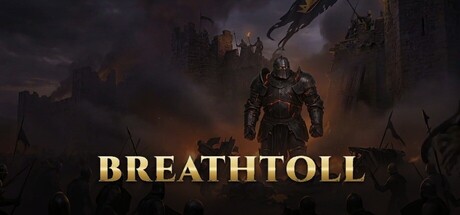
Breathtoll includes some AI-generated content, all of it created during development. Nothing is generated live while you play.
Cinematic cutscenes: the video imagery and animation are AI-generated.
Creatures: the 3D creature models began as AI-generated base meshes and were hand-refined through multiple Blender passes (cleanup, retopology, and texturing) before use in the game.
Store and marketing art: some capsule and store images are composed from frames of the AI-generated cutscenes.
All other content is human-made, including the game code, systems, design, all writing (scripts, narration, and story), and the hand-authored card art. We hold the rights to the AI-generated content under the generating tools' commercial licenses.
This disclosure reflects the current build. We are in the process of bringing on an artist for human-made renderings, and some of the AI-generated content above will be replaced with human-created work for the full launch. We will update this disclosure as that happens.
AI was used to generate code, art prototypes which were then handcrafted in Aseprite, CSS for UIs, and tedious copy stuffed in nooks and crannies to fill out the world.
The music in the store page trailer was AI-generated; no AI-generated content appears in the game itself. All images, texts, and sounds, were created by real humans.
Pre-generated AI content: Character voice-over audio was generated using ElevenLabs, and the crow image used in the game's logo was generated using Google Flow. These assets are pre-generated and included in the game; no AI content is generated dynamically during gameplay.
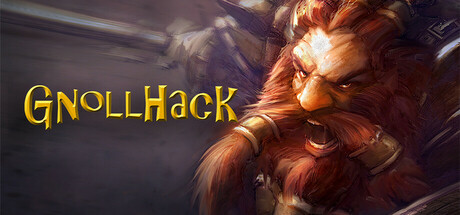
GnollHack features 'Overseer', an optional in-game AI assistant. Using external generative AI models, Overseer provides live-generated text responses to players during gameplay. Players can ask questions about mechanics or request contextual hints based on their current game state. AI content is strictly limited to text chat, and the service utilizes safety filters and prompt guardrails to ensure responses are safe, relevant, and free of illegal or harmful content.
Portions of the game’s art assets, including environments, title artwork and several icons, were created and revised with AI tools. All background music in the game, including main menu music and combat soundtracks, is AI-generated.
AI tools were used to create certain loading screen images, background music and music for the game trailer. All of these Assets were reviewed and modified as necessary to ensure they comply with copyright and content guidelines.
Generative AI tools were used during development to assist with the refinement of certain visual assets and to improve the quality and consistency of translations. All AI-assisted content was reviewed and edited by the developer before being included in the final game. No generative AI is used to create content dynamically during gameplay.
Dungeon Cooking uses generative AI tools for some of its content, created during development (pre-generated, not generated in real time):
- Part of the creature art: 6 of the game's 18 monsters were made with AI image tools, then edited and integrated by the developer.
- Some in-game dungeon event content was drafted with AI assistance and edited by the developer.
- The announcement trailer was produced using AI tools.
The rest of the game's art comes from licensed asset packs and the developer's own work. All AI-generated content was reviewed and curated by the developer before shipping.
Generative AI was used to create some base assets, which were subsequently heavily edited by hand. All final assets included in the game have undergone substantial manual editing.
I used generative AI tools to help create some of the game's art — including certain UI elements (buttons and icons), backgrounds, story illustrations, and marketing images — which I then edited and finished by hand in Photoshop.
Algumas imagens presentes neste jogo foram criadas com auxílio de inteligência artificial generativa e posteriormente revisadas, editadas e integradas pelo desenvolvedor. Todo o restante do jogo, incluindo programação, design, mecânicas e direção criativa, foi desenvolvido manualmente.
Some of this game's assets were made with the assistance of generative AI tools and were reviewed, curated and hand-finished by the developer. No content is generated while you play.
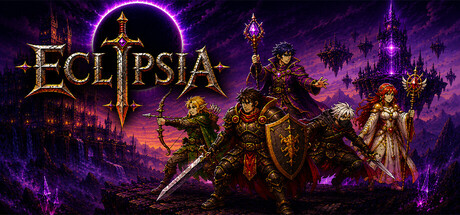
Eclipsia uses generative AI as part of the development process to assist in creating certain visual assets. All AI-assisted content is reviewed, edited, and integrated by the development team. The game does not use generative AI to generate gameplay, game logic, or player-created content in real time.
This game was developed with the assistance of generative AI tools during production. AI-generated 2D artwork (building icons, unit portraits, background illustrations, and UI elements) was created and curated by the development team as part of the game's visual assets. AI is not used to generate content dynamically during gameplay -- all art assets are fixed and shipped with the game. In-game opponent behavior uses traditional programmed game logic, not generative AI.
AI tools were used as assistive tools during development, specifically for code writing and text proofreading. No AI-generated content is used in the game's art assets, sound effects, or music.
Generative AI tools were used to assist in creating initial visual assets (such as background textures and UI elements). All generated assets have been manually edited, refined, and integrated into the game by the developer.
Pre-generated AI-assisted content is used in some 2D artwork, including unit sprites, character portraits, card illustrations, battlefield backgrounds, visual effects, UI decorative elements, and store and marketing artwork. AI assistance was also used for portions of in-game text and English/Japanese localization. All such content is generated before release and curated and edited by the developer. The game does not generate content during gameplay and does not connect to a generative AI service at runtime.
Tower Craft was developed with AI-assisted tools. All 3D models, animations and sound effects are procedurally generated by code that was written with AI assistance; the interface translations for the game's 14 languages were produced with AI assistance and reviewed by the developer. Store page text and marketing materials were also created with AI assistance. The game does not generate any content with AI at runtime — every battle plays out through deterministic, hand-tuned game logic.
All the art in Arcanum Solitarius, from the playing cards to the Arcana and the workshop backgrounds, was made with AI image generation using a model I trained myself. I was after one specific look: a medieval alchemist's workshop by candlelight, in aged parchment and dark walnut with verdigris and old gold. Most of the music was made the same way. I used AI to draft some of the in-game writing, then rewrote it into my own words. I picked and edited every piece before it went into the game, and the images on this page come from those same assets. Nothing is generated while you play.
Some of the artwork in FAVOR — including character board illustrations, card art and cover art — was created with the help of generative AI image tools, then curated, edited and assembled by our team for the printed 1st Edition of the game and this digital adaptation. No content is generated live during gameplay: every card, board and illustration is a fixed, pre-made asset that ships with the game.
Music and certain in-game UI icons were created using generative AI tools. All AI-generated assets were reviewed, selected, and, where necessary, edited by the developer before being included in the game. The game does not generate any AI content during gameplay.
This game contains pre-generated AI-assisted visual assets, including promotional images, icons, artwork, character portraits, and some UI elements. No live or runtime AI is used during gameplay. All gameplay, mechanics, code, and player interactions are handcrafted.
Generative AI was used to assist in the creation of character illustrations, selected artwork, store page assets, and localization. All AI-assisted content has been reviewed, edited, and integrated by the developer. The game does not use generative AI to create content during gameplay.
This game utilized generative AI tools to assist with code writing and creative design during development. All AI-generated content has been strictly tested, reviewed, and optimized to ensure game quality and stability.
Some graphical elements of the user interface (menus, icons, and buttons), as well as store page assets (capsule images, header, and screenshots containing generated elements), were created with the assistance of generative AI tools and manually reviewed and edited by the developer
This game uses generative AI to create visual assets, including character portraits, event CGs, and background images. All generated images were selected, adjusted, and finalized by the developer.
The scenario, dialogue, game design, and system programming were created by the developer. AI translation assistance was used as part of the localization process, with the results reviewed by the developer.
Breathtoll includes some AI-generated content, all of it created during development. Nothing is generated live while you play.
Cinematic cutscenes: the video imagery and animation are AI-generated.
Creatures: the 3D creature models began as AI-generated base meshes and were hand-refined through multiple Blender passes (cleanup, retopology, and texturing) before use in the game.
Store and marketing art: some capsule and store images are composed from frames of the AI-generated cutscenes.
All other content is human-made, including the game code, systems, design, all writing (scripts, narration, and story), and the hand-authored card art. We hold the rights to the AI-generated content under the generating tools' commercial licenses.
This disclosure reflects the current build. We are in the process of bringing on an artist for human-made renderings, and some of the AI-generated content above will be replaced with human-created work for the full launch. We will update this disclosure as that happens.
AI was used to generate code, art prototypes which were then handcrafted in Aseprite, CSS for UIs, and tedious copy stuffed in nooks and crannies to fill out the world.
The music in the store page trailer was AI-generated; no AI-generated content appears in the game itself. All images, texts, and sounds, were created by real humans.
Pre-generated AI content: Character voice-over audio was generated using ElevenLabs, and the crow image used in the game's logo was generated using Google Flow. These assets are pre-generated and included in the game; no AI content is generated dynamically during gameplay.
GnollHack features 'Overseer', an optional in-game AI assistant. Using external generative AI models, Overseer provides live-generated text responses to players during gameplay. Players can ask questions about mechanics or request contextual hints based on their current game state. AI content is strictly limited to text chat, and the service utilizes safety filters and prompt guardrails to ensure responses are safe, relevant, and free of illegal or harmful content.
Portions of the game’s art assets, including environments, title artwork and several icons, were created and revised with AI tools. All background music in the game, including main menu music and combat soundtracks, is AI-generated.
AI tools were used to create certain loading screen images, background music and music for the game trailer. All of these Assets were reviewed and modified as necessary to ensure they comply with copyright and content guidelines.
Generative AI tools were used during development to assist with the refinement of certain visual assets and to improve the quality and consistency of translations. All AI-assisted content was reviewed and edited by the developer before being included in the final game. No generative AI is used to create content dynamically during gameplay.
Dungeon Cooking uses generative AI tools for some of its content, created during development (pre-generated, not generated in real time):
- Part of the creature art: 6 of the game's 18 monsters were made with AI image tools, then edited and integrated by the developer.
- Some in-game dungeon event content was drafted with AI assistance and edited by the developer.
- The announcement trailer was produced using AI tools.
The rest of the game's art comes from licensed asset packs and the developer's own work. All AI-generated content was reviewed and curated by the developer before shipping.
Generative AI was used to create some base assets, which were subsequently heavily edited by hand. All final assets included in the game have undergone substantial manual editing.
I used generative AI tools to help create some of the game's art — including certain UI elements (buttons and icons), backgrounds, story illustrations, and marketing images — which I then edited and finished by hand in Photoshop.
Algumas imagens presentes neste jogo foram criadas com auxílio de inteligência artificial generativa e posteriormente revisadas, editadas e integradas pelo desenvolvedor. Todo o restante do jogo, incluindo programação, design, mecânicas e direção criativa, foi desenvolvido manualmente.
Some of this game's assets were made with the assistance of generative AI tools and were reviewed, curated and hand-finished by the developer. No content is generated while you play.
Eclipsia uses generative AI as part of the development process to assist in creating certain visual assets. All AI-assisted content is reviewed, edited, and integrated by the development team. The game does not use generative AI to generate gameplay, game logic, or player-created content in real time.
This game was developed with the assistance of generative AI tools during production. AI-generated 2D artwork (building icons, unit portraits, background illustrations, and UI elements) was created and curated by the development team as part of the game's visual assets. AI is not used to generate content dynamically during gameplay -- all art assets are fixed and shipped with the game. In-game opponent behavior uses traditional programmed game logic, not generative AI.
AI tools were used as assistive tools during development, specifically for code writing and text proofreading. No AI-generated content is used in the game's art assets, sound effects, or music.