








Disclosure
AI was used to analyze and help with debugging of networking code, helped in improving artwork and voice lines.
- Creator
- Kruger28
- Reviews
- -
- Added
- Aug 28, 2026
Public Steam disclosure research 25,380 disclosures tracked
Search developers’ Steam disclosures, compare classified AI use across games, and follow recorded changes. This index adds cross-game classifications and statistics to statements published on individual store pages.
Code help, debugging and other development work.
Capsule art, trailers and promotional material.
Pre-made art, audio, writing and other game assets.
Interactive or runtime AI features disclosed by the developer.
Groups reflect automatic analysis of public disclosures; mature records are excluded. These counts do not measure AI use across all of Steam. Missing or unclear statements cannot establish whether a game uses AI.
AI was used to analyze and help with debugging of networking code, helped in improving artwork and voice lines.
This game was created by an independent developer. Generative AI tools were used during development to assist with programming, debugging, text editing, and the initial localization of Simplified Chinese, Traditional Chinese, English, Japanese, and Korean. All AI-assisted content was manually reviewed, edited, and approved by the developer. The game does not use generative AI to create content during gameplay, and player data is not used for AI training.
Swirl Together contains a rotoscoping/masking model similar to Adobe’s roto brush, or Davinci Resolve's magic masking tool, and a depth-estimating model for colliders.
Generative AI technologies were utilized during the development and content creation process of our game. In addition to software development support, AI tools were used to draft in-game narratives, assist with localization, and generate store page descriptions. All AI-assisted content has been thoroughly reviewed, edited, and curated by the development team to ensure quality standards and compliance with copyright policies.
Space Travelers uses generative AI only as a writing aid during development. The game's text content (interface text, event and log lines) and its localization into the 14 supported interface languages were produced with the assistance of large language models, directed and reviewed by the developer. Parts of this store page were drafted the same way. No AI-generated images, audio or video are used: all artwork, animation and sound in the game are produced by hand-written procedural code. The game does not generate any content with AI while you play, and it never connects to an external AI service.
Artificial Intelligence Usage Notice: We have used some generative models to prototype new ideas, and some of them have been made into production. However, AI-generated content is no more than 1% of the total game assets and arts.
Certain graphical assets, such as the game’s loading-screen images, were generated using AI.
Some sprites started as AI-generated references before being rebuilt in the game's palette and resolution. All English writing is my own; the other nine languages are machine translated. No AI runs in the game itself. Nothing is generated while you play, and it never connects to an AI service.
Some of Card Slay's pre-generated content was created with the help of generative AI tools and then reviewed and finished by hand. No content is generated by AI during gameplay.
This game contains AI‑generated content.
Some pre-rendered assets were created with generative AI tools and then curated, edited and integrated by hand: music tracks and their cover art, some sound effects and portions of 2d artwork (weapon, prop, and enemy sprites.) All generated content was reviewed by the developer before inclusion. No content is AI-generated at runtime.
AI (WAN 2.2) was used to help generate idle animation frames from 100% original, human-made art. All animations were reviewed and curated by the developer before being included in the game.
The game is developed entirely by a solo developer. AI has therefore only been leveraged as a tool for productivity and efficiency - the overall game is fully imagined, designed, and brought together by the developer.
The music in Sandweh was generated with the assistance of AI tools. The developer curated, edited, and implemented the tracks in-game.
Generative AI was used to create selected store and library artwork, music, and sound-effect source material. The outputs were curated and edited by the developer before inclusion. No generative AI runs during gameplay, and players cannot generate AI content.
Standard C++ game code, written during development with the assistance of an AI programming assistant, used as a pair-programming tool. This includes gameplay systems (crafting, inventory, world simulation), rendering and UI code, and development tooling. It is ordinary, static game logic. AI assistance was used only during development, directed by myself through specific requests, with every change reviewed, tested, and committed to version control by myself. The shipped game contains no AI models and does not execute or generate any code or content via AI at runtime. The game is a fully offline, single-player experience.
AI was used to assist with writing the game source code. All visual assets are handmade pixel art by the author. All audio assets are licensed from 3rd party sample banks.
Rhythm Nebula's chart generation runs totally offline, on your local hardware. None of the art, music, or other assets are AI-generated.
Pixel art assets (characters, monsters, bosses, projectiles, spirits, tiles) were created with PixelLab, an AI pixel-art tool, and then edited by hand to fit the game. No AI is used at runtime. All code, game design, sound effects and music are human-authored (audio is synthesized in code).
This game uses generative AI in two ways. (1) Live generation: narrative text and NPC dialogue are generated in real time based on the player's choices and current game state. Illustrative images for locations, scenes and items are also generated on demand the first time such an element appears, then cached and reused. Core game rules, numerical outcomes, inventory changes, and progression are always resolved by deterministic game systems. Live text generation is governed by server-side content rules that cannot be directly modified by player input. Live image generation uses server-controlled prompt templates based on structured game data (entity type, name, and a short in-world description) within a fixed ink-painting style; players cannot directly provide image-generation prompts. (2) Development-time generation: some static art assets (including location, scene, item and background illustrations) were generated with image-generation AI tools during development. Store-facing marketing assets and selected screenshots containing such artwork were reviewed by a human before publication. Store page copy was drafted with AI assistance and reviewed by a human. 本游戏以两种方式使用生成式AI。(1)实时生成:叙事文本与NPC对话根据玩家选择与当前游戏状态实时生成;地点/场景/物品的插画也会在其首次出现时按需生成,之后缓存复用。核心规则、数值结算、物品变动与进度始终由确定性游戏系统裁定。实时文本生成受服务端内容规则约束(玩家输入无法直接修改);实时图像生成使用服务端控制的提示词模板,基于结构化游戏数据(实体类别、名称与简短的世界内描述)并锁定水墨画风格,玩家不能直接书写图像提示词。(2)开发期生成:部分静态美术素材(包括地点、场景、物品与背景插画)在开发过程中使用图像生成AI制作;用于商店宣传以及所选商店截图中的相关素材均经过人工审阅后发布。商店页文案由AI辅助创作、经人工审定。
AI was used to assist with localised translations.
Some promotional and store assets for this game, including the capsule images, library artwork and application icons, were created with the assistance of generative AI tools. All in game visuals are generated procedurally by the game's own code at runtime: characters, buildings, terrain, animals and effects are drawn from algorithmic vector shapes, not from AI generated images. All audio is synthesised in real time by the game engine. All game code was written by the developer.
Ashen Wild was created almost exclusively with AI tools to generate the code and graphics, VFX, sound etc. The store page, website and other marketing materials were created using AI.
AI is used only for translation.
One man team with no budget who used Codex to add code, and some AI Upscaling etc.
Some of this game's art and audio assets were created using generative AI tools, from the studio's own prompts and under our tool licenses, then curated and edited by the team. All game code and text were written by hand.
This game heavily uses generative AI to generate the initial world and direct events and experiences for the player in real time.
Use of AI-generated content: solely for visual design. Most of the visuals were created using a generative artificial intelligence.
The artwork was made by hand, AI was used to upscale the images.
Parts of this game's content were created with generative AI tools: - 3D models and their textures (towers, enemies, terrain and scenery props) were generated with Meshy AI, then hand-adjusted and assembled by the developer. - The English localization was AI-translated from the original Chinese text and then reviewed by the developer. - Some in-game flavor text (event, relic and achievement descriptions) was drafted with an AI writing assistant. - Some store page and marketing artwork was produced with AI image tools. All of this content is generated ahead of time and ships as fixed assets. The game does not generate any content live during play and does not connect to any AI service at runtime. Sound effects and music are procedurally synthesized by our own scripts and are not AI-generated.
Some art assets, localized text, and store marketing materials were created with the assistance of generative AI during development, then reviewed, edited, and integrated by the developer. The game does not use generative AI to create content during gameplay.
Some graphics, music, and translations were created with the help of AI and refined manually.
As a solo developer, AI has been a big help in making the development of this game more efficient by assisting in, but not be the sole performer of: testing, performing repetitive and some programming tasks, brainstorming and discussions, translations and some design.
This game uses generative AI tools to help create static visual assets, including card illustrations and background artwork. All AI-generated content is produced during development and does not change during gameplay — nothing is generated in real time.
I used generative AI in the process of creating most art/visual assets in Trouble Shooters, with touch ups made after generation. Music and sound effects were either composed without the use of generative AI or sourced from sound libraries that predate generative AI workflows. Nothing is generated on-the-fly.
Some in-game text (such as the messages in bottles) and store page copy were written with the assistance of AI tools. All content has been reviewed and edited by the developer.
Generative AI was used as an auxiliary tool during development and to make minor edits and compositions to graphical assets, including logos. No generative AI is used to generate content dynamically during gameplay.
3D models for props and buildings have been generated with code developed by AI. The game splash screens and logo have been generated by AI. Music is generated live with code developed by AI.
During development, we used AI tools to assist in creating some art assets, voice acting, and dialogue. All AI-assisted content is pre-generated before release — the game does not generate content with AI in real time while you play. All such content is reviewed and refined by our team to ensure quality and originality, and to avoid generic-looking characters.
Generative A.I. was used to create some artwork for the Game.
Generative AI was used during development to create initial visual concepts and source imagery. These images were then substantially edited, redrawn, and altered by the developer before being included in the final game.
The game's surface textures — the colour and relief maps applied to parts, buildings, terrain and visual effects — and its sound effects were created with generative AI tools during development. They are generated ahead of time, reviewed and integrated by hand, and ship with the game as ordinary image and audio files. Nothing is generated while you play, and the game never connects to an AI service. The simulation itself — orbital mechanics, aerodynamics, the production chains — is written by hand.
Some of this game's assets were created with the assistance of generative AI and then curated, edited, and integrated by the developer. Art: two character portraits were generated with Midjourney (paid commercial plan); other artwork — card illustrations, backgrounds, and character art — was generated with a locally run image-generation pipeline. Audio: the music, ambience, and sound-effect clips were generated with ElevenLabs under a paid commercial plan. Some game text was written with AI assistance and reviewed by the developer. All AI output was human-reviewed before inclusion. No content is generated by AI at runtime.
Generative AI was used to write, edit, and translate text on this Steam store page. It is not used during gameplay, and no AI-generated images, audio, or in-game assets are included.
Some of the art in Spell Death was generated with an image model, then selected and edited by hand. Nothing is generated while you play.
Storepage placeholder assets
NDP features some AI generated narrations, sounds effects and background music.
The in-game voiceover is generated in real-time by a text-to-speech AI model running entirely on your computer. This model only narrates built-in, pre-approved game text. None of your inputs will be sent to the AI model. The entire process runs locally offline.
The text on this game's Steam store page was drafted with the help of generative AI and then edited by the developer. All in-game art, models, sounds and the game's logo are made by hand. No AI-generated content is produced while the game is running.
Some of the store promotional materials for this game (including the cover, main key visual, and some 2D UI elements) were created with the assistance of generative AI. In-game visual effects, programming, gameplay, and all other game content were developed entirely by human developers. The game does not use generative AI during runtime, nor does it collect or upload player data.
| Title⇅ | Disclosure | Creator⇅ | Src | Reviews⇅ | Added↓ |
|---|---|---|---|---|---|
 SPOTREP In-game content codeartaudio | AI was used to analyze and help with debugging of networking code, helped in improving artwork and voice lines. | Kruger28 | - | Aug 28, 2026 | |
 Minesweeper Online In-game content codetext | This game was created by an independent developer. Generative AI tools were used during development to assist with programming, debugging, text editing, and the initial localization of Simplified Chinese, Traditional Chinese, English, Japanese, and Korean. All AI-assisted content was manually reviewed, edited, and approved by the developer. The game does not use generative AI to create content during gameplay, and player data is not used for AI training. | MagicBox | - | Aug 28, 2026 | |
 Swirl Together Dev only art | Swirl Together contains a rotoscoping/masking model similar to Adobe’s roto brush, or Davinci Resolve's magic masking tool, and a depth-estimating model for colliders. | Gabriel Martin | - | Aug 28, 2026 | |
 Derby Dynasty : Horse Racing RPG In-game content text | Generative AI technologies were utilized during the development and content creation process of our game. In addition to software development support, AI tools were used to draft in-game narratives, assist with localization, and generate store page descriptions. All AI-assisted content has been thoroughly reviewed, edited, and curated by the development team to ensure quality standards and compliance with copyright policies. | Corvein Studio | - | Aug 28, 2026 | |
 Space Travelers In-game content text | Space Travelers uses generative AI only as a writing aid during development.
The game's text content (interface text, event and log lines) and its
localization into the 14 supported interface languages were produced with
the assistance of large language models, directed and reviewed by the
developer. Parts of this store page were drafted the same way.
No AI-generated images, audio or video are used: all artwork, animation
and sound in the game are produced by hand-written procedural code. The
game does not generate any content with AI while you play, and it never
connects to an external AI service. | Enes Altas | - | Aug 28, 2026 | |
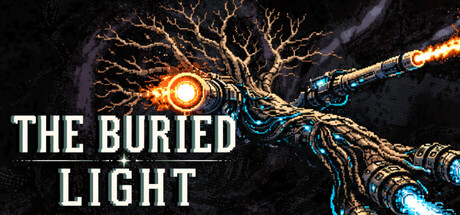 The Buried Light In-game content art | Artificial Intelligence Usage Notice:
We have used some generative models to prototype new ideas, and some of them have been made into production. However, AI-generated content is no more than 1% of the total game assets and arts. | Lupittus | - | Aug 28, 2026 | |
 Abyssal Descent In-game content art | Certain graphical assets, such as the game’s loading-screen images, were generated using AI. | Trident Studio | - | Aug 28, 2026 | |
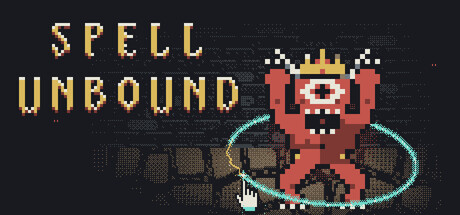 Spell Unbound In-game content arttext | Some sprites started as AI-generated references before being rebuilt in the game's palette and resolution. All English writing is my own; the other nine languages are machine translated. No AI runs in the game itself. Nothing is generated while you play, and it never connects to an AI service. | Alk Games | - | Aug 28, 2026 | |
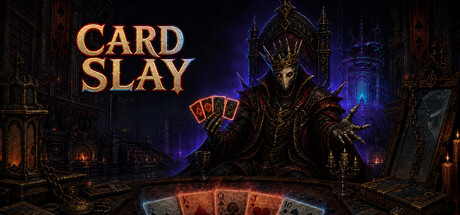 Card Slay In-game content arttext | Some of Card Slay's pre-generated content was created with the help of generative AI tools and then reviewed and finished by hand. No content is generated by AI during gameplay. | Vibe Apps LLC | - | Aug 28, 2026 | |
 jigsaw-puzzle Unclear | This game contains AI‑generated content. | Indeveloper | - | Aug 28, 2026 | |
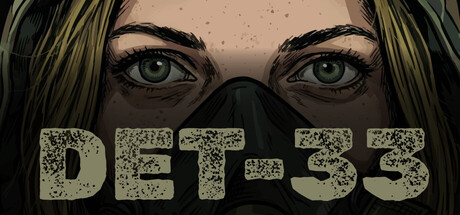 DET-33 In-game content artaudio | Some pre-rendered assets were created with generative AI tools and then curated, edited and integrated by hand: music tracks and their cover art, some sound effects and portions of 2d artwork (weapon, prop, and enemy sprites.) All generated content was reviewed by the developer before inclusion. No content is AI-generated at runtime. | Twinspear | - | Aug 28, 2026 | |
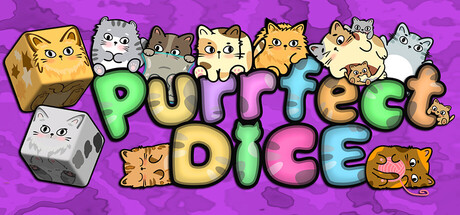 Purrfect Dice In-game content art | AI (WAN 2.2) was used to help generate idle animation frames from 100% original, human-made art. All animations were reviewed and curated by the developer before being included in the game. | Bearly Made It Games | - | Aug 28, 2026 | |
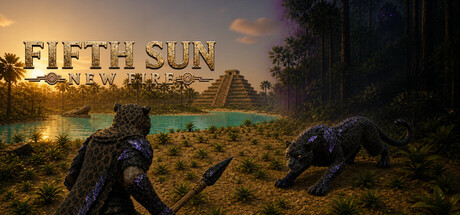 Fifth Sun: New Fire Dev only | The game is developed entirely by a solo developer. AI has therefore only been leveraged as a tool for productivity and efficiency - the overall game is fully imagined, designed, and brought together by the developer. | Daedralus | - | Aug 28, 2026 | |
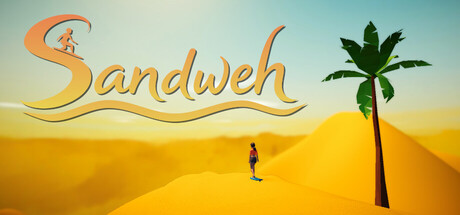 Sandweh In-game content audio | The music in Sandweh was generated with the assistance of AI tools. The developer curated, edited, and implemented the tracks in-game. | Rising Fox Studio | - | Aug 28, 2026 | |
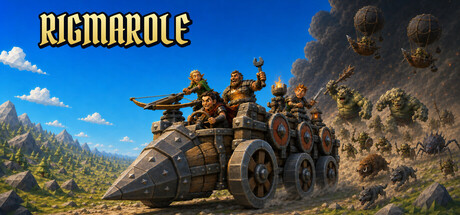 RIGMAROLE In-game content artaudio | Generative AI was used to create selected store and library artwork, music, and sound-effect source material. The outputs were curated and edited by the developer before inclusion. No generative AI runs during gameplay, and players cannot generate AI content. | The Iron Writ | - | Aug 28, 2026 | |
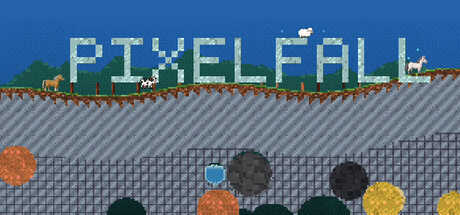 PixelFall Dev only code | Standard C++ game code, written during development with the assistance of an AI programming assistant, used as a pair-programming tool. This includes gameplay systems (crafting, inventory, world simulation), rendering and UI code, and development tooling. It is ordinary, static game logic.
AI assistance was used only during development, directed by myself through specific requests, with every change reviewed, tested, and committed to version control by myself.
The shipped game contains no AI models and does not execute or generate any code or content via AI at runtime. The game is a fully offline, single-player experience. | Miguel Benavides | - | Aug 28, 2026 | |
 One More Wave Dev only code | AI was used to assist with writing the game source code.
All visual assets are handmade pixel art by the author.
All audio assets are licensed from 3rd party sample banks. | Juha Kiili | - | Aug 28, 2026 | |
 RHYTHM NEBULA general | Rhythm Nebula's chart generation runs totally offline, on your local hardware. None of the art, music, or other assets are AI-generated. | NEBULA CORP | - | Aug 28, 2026 | |
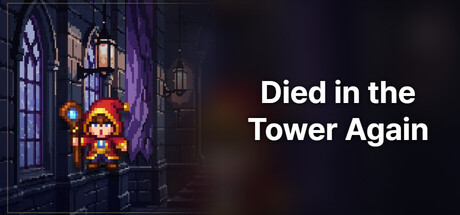 Died in the Tower Again In-game content art | Pixel art assets (characters, monsters, bosses, projectiles, spirits, tiles) were created with PixelLab, an AI pixel-art tool, and then edited by hand to fit the game. No AI is used at runtime. All code, game design, sound effects and music are human-authored (audio is synthesized in code). | BANANAK | - | Aug 26, 2026 | |
 The Grand Furnace Live AI arttext | This game uses generative AI in two ways. (1) Live generation: narrative text and NPC dialogue are generated in real time based on the player's choices and current game state. Illustrative images for locations, scenes and items are also generated on demand the first time such an element appears, then cached and reused. Core game rules, numerical outcomes, inventory changes, and progression are always resolved by deterministic game systems. Live text generation is governed by server-side content rules that cannot be directly modified by player input. Live image generation uses server-controlled prompt templates based on structured game data (entity type, name, and a short in-world description) within a fixed ink-painting style; players cannot directly provide image-generation prompts. (2) Development-time generation: some static art assets (including location, scene, item and background illustrations) were generated with image-generation AI tools during development. Store-facing marketing assets and selected screenshots containing such artwork were reviewed by a human before publication. Store page copy was drafted with AI assistance and reviewed by a human.
本游戏以两种方式使用生成式AI。(1)实时生成:叙事文本与NPC对话根据玩家选择与当前游戏状态实时生成;地点/场景/物品的插画也会在其首次出现时按需生成,之后缓存复用。核心规则、数值结算、物品变动与进度始终由确定性游戏系统裁定。实时文本生成受服务端内容规则约束(玩家输入无法直接修改);实时图像生成使用服务端控制的提示词模板,基于结构化游戏数据(实体类别、名称与简短的世界内描述)并锁定水墨画风格,玩家不能直接书写图像提示词。(2)开发期生成:部分静态美术素材(包括地点、场景、物品与背景插画)在开发过程中使用图像生成AI制作;用于商店宣传以及所选商店截图中的相关素材均经过人工审阅后发布。商店页文案由AI辅助创作、经人工审定。 | Zhanjidao | - | Aug 26, 2026 | |
 Salt of the Earth In-game content text | AI was used to assist with localised translations. | Cattrall Games | - | Aug 26, 2026 | |
 All Our Winters In-game content art | Some promotional and store assets for this game, including the capsule images, library artwork and application icons, were created with the assistance of generative AI tools.
All in game visuals are generated procedurally by the game's own code at runtime: characters, buildings, terrain, animals and effects are drawn from algorithmic vector shapes, not from AI generated images. All audio is synthesised in real time by the game engine. All game code was written by the developer. | Distant Hearth Games | - | Aug 26, 2026 | |
 Ashen Wild In-game content artaudiocode | Ashen Wild was created almost exclusively with AI tools to generate the code and graphics, VFX, sound etc. The store page, website and other marketing materials were created using AI. | Game Genius Studio | - | Aug 26, 2026 | |
 Just One Bite In-game content text | AI is used only for translation. | Opus Nine | - | Aug 26, 2026 | |
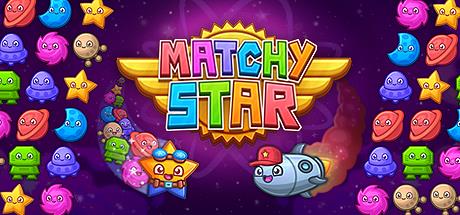 Matchy Star Dev only code | One man team with no budget who used Codex to add code, and some AI Upscaling etc. | Silverware Games, Inc. | - | Aug 25, 2026 | |
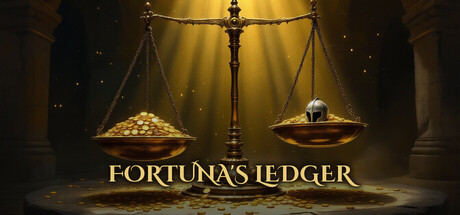 Fortuna's Ledger In-game content artaudio | Some of this game's art and audio assets were created using generative AI tools, from the studio's own prompts and under our tool licenses, then curated and edited by the team. All game code and text were written by hand. | Meridian Studios | - | Aug 25, 2026 | |
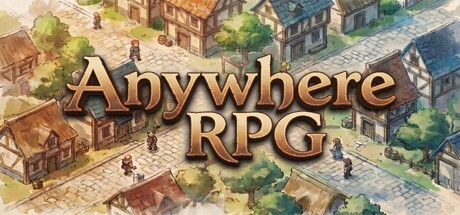 Anywhere RPG Live AI arttext | This game heavily uses generative AI to generate the initial world and direct events and experiences for the player in real time. | Max Loh | - | Aug 25, 2026 | |
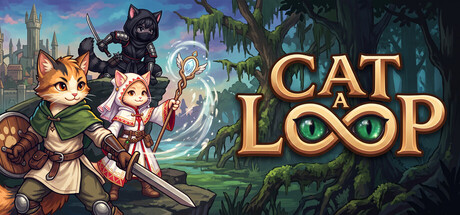 Cat a Loop In-game content art | Use of AI-generated content: solely for visual design. Most of the visuals were created using a generative artificial intelligence. | Kitten Purradise Studios | - | Aug 25, 2026 | |
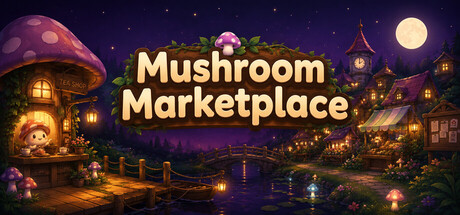 Mushroom Marketplace In-game content art | The artwork was made by hand, AI was used to upscale the images. | HotRock Games | - | Aug 25, 2026 | |
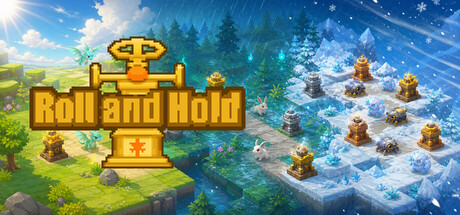 Roll and Hold In-game content arttext | Parts of this game's content were created with generative AI tools:
- 3D models and their textures (towers, enemies, terrain and scenery props) were generated with Meshy AI, then hand-adjusted and assembled by the developer.
- The English localization was AI-translated from the original Chinese text and then reviewed by the developer.
- Some in-game flavor text (event, relic and achievement descriptions) was drafted with an AI writing assistant.
- Some store page and marketing artwork was produced with AI image tools.
All of this content is generated ahead of time and ships as fixed assets. The game does not generate any content live during play and does not connect to any AI service at runtime. Sound effects and music are procedurally synthesized by our own scripts and are not AI-generated. | Kai Games | - | Aug 25, 2026 | |
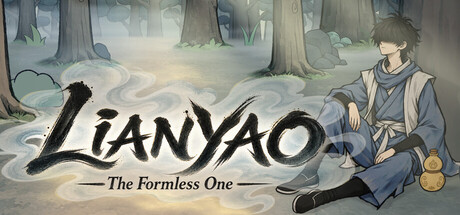 炼妖录:无相之人 In-game content arttext | Some art assets, localized text, and store marketing materials were created with the assistance of generative AI during development, then reviewed, edited, and integrated by the developer. The game does not use generative AI to create content during gameplay. | 捣鼓作坊 | - | Aug 25, 2026 | |
 Pre-Warp Age In-game content artaudiotext | Some graphics, music, and translations were created with the help of AI and refined manually. | Clarus Victoria | - | Aug 25, 2026 | |
 Dungeoneers Idle | As a solo developer, AI has been a big help in making the development of this game more efficient by assisting in, but not be the sole performer of: testing, performing repetitive and some programming tasks, brainstorming and discussions, translations and some design. | VindR Games | - | Aug 25, 2026 | |
 Tai Chi Tarot In-game content art | This game uses generative AI tools to help create static visual assets, including card illustrations and background artwork. All AI-generated content is produced during development and does not change during gameplay — nothing is generated in real time. | Mistorch | - | Aug 25, 2026 | |
 TROUBLE SHOOTERS In-game content art | I used generative AI in the process of creating most art/visual assets in Trouble Shooters, with touch ups made after generation. Music and sound effects were either composed without the use of generative AI or sourced from sound libraries that predate generative AI workflows. Nothing is generated on-the-fly. | Music For Robots | - | Aug 25, 2026 | |
 Windowsill Isle In-game content text | Some in-game text (such as the messages in bottles) and store page copy were written with the assistance of AI tools. All content has been reviewed and edited by the developer. | 7382Team | - | Aug 25, 2026 | |
 Centauri B In-game content art | Generative AI was used as an auxiliary tool during development and to make minor edits and compositions to graphical assets, including logos. No generative AI is used to generate content dynamically during gameplay. | Vinribs Games | - | Aug 25, 2026 | |
 Paint The World In-game content artaudiocode | 3D models for props and buildings have been generated with code developed by AI. The game splash screens and logo have been generated by AI. Music is generated live with code developed by AI. | Facey Sock Studios | - | Aug 25, 2026 | |
 Beneath the Nine Skies: Immortal Stratagems In-game content artaudiotext | During development, we used AI tools to assist in creating some art assets, voice acting, and dialogue. All AI-assisted content is pre-generated before release — the game does not generate content with AI in real time while you play. All such content is reviewed and refined by our team to ensure quality and originality, and to avoid generic-looking characters. | 做游戏的魏同学 | - | Aug 24, 2026 | |
 Seam Walker In-game content art | Generative A.I. was used to create some artwork for the Game. | Infinite Mana | - | Aug 24, 2026 | |
 Pawn of the Pit In-game content art | Generative AI was used during development to create initial visual concepts and source imagery. These images were then substantially edited, redrawn, and altered by the developer before being included in the final game. | ArdenGames | - | Aug 24, 2026 | |
 StarWorks art | The game's surface textures — the colour and relief maps applied to parts,
buildings, terrain and visual effects — and its sound effects were created
with generative AI tools during development. They are generated ahead of
time, reviewed and integrated by hand, and ship with the game as ordinary
image and audio files.
Nothing is generated while you play, and the game never connects to an AI
service.
The simulation itself — orbital mechanics, aerodynamics, the production chains — is written by hand. | ayvem | - | Aug 24, 2026 | |
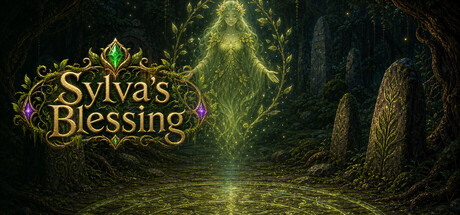 Sylva's Blessing In-game content artaudiotext | Some of this game's assets were created with the assistance of generative AI and then curated, edited, and integrated by the developer. Art: two character portraits were generated with Midjourney (paid commercial plan); other artwork — card illustrations, backgrounds, and character art — was generated with a locally run image-generation pipeline. Audio: the music, ambience, and sound-effect clips were generated with ElevenLabs under a paid commercial plan. Some game text was written with AI assistance and reviewed by the developer. All AI output was human-reviewed before inclusion. No content is generated by AI at runtime. | ImmersiveGamingVR LLC | - | Aug 24, 2026 | |
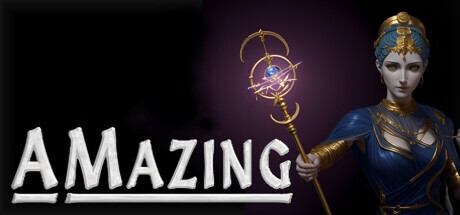 AMazing TD Store/marketing text | Generative AI was used to write, edit, and translate text on this Steam store page. It is not used during gameplay, and no AI-generated images, audio, or in-game assets are included. | Go4 Entertainment | 74 | Aug 24, 2026 | |
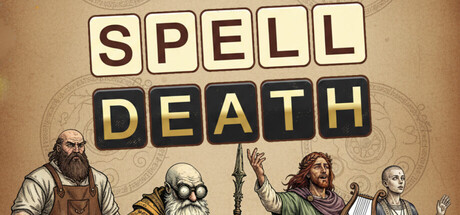 Spell Death In-game content art | Some of the art in Spell Death was generated with an image model, then selected and edited by hand. Nothing is generated while you play. | Serhat Marasligil | - | Aug 24, 2026 | |
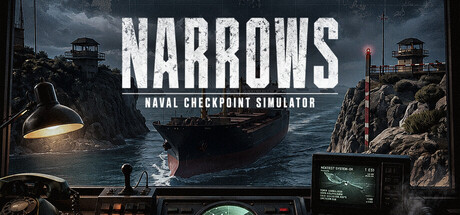 Steeltide Unclear | Storepage placeholder assets | Tecera Games | - | Aug 24, 2026 | |
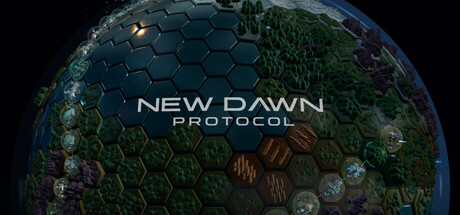 New Dawn Protocol In-game content audio | NDP features some AI generated narrations, sounds effects and background music. | UNMS | - | Aug 24, 2026 | |
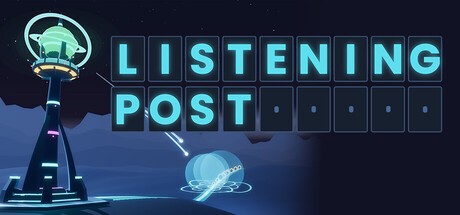 Listening Post: Typing Tower Defense Live AI audio | The in-game voiceover is generated in real-time by a text-to-speech AI model running entirely on your computer. This model only narrates built-in, pre-approved game text. None of your inputs will be sent to the AI model. The entire process runs locally offline. | Ashen Knight Games | - | Aug 24, 2026 | |
 Don't Wake the King Store/marketing text | The text on this game's Steam store page was drafted with the help of generative AI and then edited by the developer. All in-game art, models, sounds and the game's logo are made by hand. No AI-generated content is produced while the game is running. | Shroudbound Studios | - | Aug 24, 2026 | |
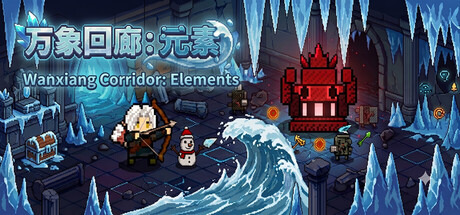 万象回廊:元素 In-game content art | Some of the store promotional materials for this game (including the cover, main key visual, and some 2D UI elements) were created with the assistance of generative AI. In-game visual effects, programming, gameplay, and all other game content were developed entirely by human developers. The game does not use generative AI during runtime, nor does it collect or upload player data. | 黄涛 | - | Aug 23, 2026 |


