








Disclosure
1.Some scenes 2.promotional renderings。
- Creator
- Ashforge Games
- Reviews
- 36
- Added
- Jul 25, 2026
Public Steam disclosure research 25,380 disclosures tracked
Search developers’ Steam disclosures, compare classified AI use across games, and follow recorded changes. This index adds cross-game classifications and statistics to statements published on individual store pages.
Code help, debugging and other development work.
Capsule art, trailers and promotional material.
Pre-made art, audio, writing and other game assets.
Interactive or runtime AI features disclosed by the developer.
Groups reflect automatic analysis of public disclosures; mature records are excluded. These counts do not measure AI use across all of Steam. Missing or unclear statements cannot establish whether a game uses AI.
1.Some scenes 2.promotional renderings。
Our Policy on AI & Procedural Generation Valenfeld is built by one person, on a shoestring budget, with an Elder Scrolls–sized ambition. Here is exactly how, and why, AI fits into that. Why we use it Valenfeld is a solo indie project chasing a scope that normally takes a studio of dozens: a massive, hand-lorekept world you can wander for years without hitting an edge. That scope is not achievable by one person typing every tree, every ruin, and every line of dialogue by hand on a shoestring budget and an ambitious timeline. So we lean on AI-enabled workflows and, more importantly, cutting-edge procedural algorithms to scale content production and world scale to match the ambition — not to replace it. What always stays human Every piece of content in the game — every place, character, creature, item, quest, and line of lore — is built and overseen by a human creator and judge, grounded in our own ideas, our own lore, and our own systems design. AI does not decide what Valenfeld is. It never originates the world's canon, its themes, or its design intent on its own; it accelerates producing what we've already decided the world should be, and everything it touches is reviewed before it ships. Not AI slop — procedural generation is the point We're not interested in dumping raw model output into the game and calling it done. Our actual goal is an experimental, large-scale world built on cutting-edge procedural algorithms — terrain, dungeons, towns, ecosystems, even history — designed to be massively replayable for years, not a one-and-done AI slideshow. AI-assisted tooling is one part of the production pipeline that gets us there faster on a small budget; the procedural systems and the authored lore they run on are the actual craft, and that's where our attention to detail goes. Our bet We believe that if we focus relentlessly on delivering the best game possible — with a genuinely obsessive eye for detail on everything we ship — we can produce something great on a low budget and a small team of one. That is the bar we hold ourselves to, not "shipped fast" or "shipped cheap." As we grow This is how we build today, as a solo project with an ambitious scope and timeline. If and when Valenfeld earns a bigger budget for this game or for future releases, we intend to keep building just as ambitiously — with a team of art, lore, and gameplay experts working alongside these same tools, not replaced by them. Thinking about the best possible game comes first; everything else, including how we scale to build it, follows from that. — Metatransformer Studios
Some images are drawn after being referenced by AI-assisted generation
This game uses generative AI to pre-generate visual assets (character portraits, capsule/marketing art) and voice narration (TTS). All AI-generated content is created during development and reviewed/curated by the developer before shipping. No generative AI runs live during gameplay. We have the necessary rights to use the AI tools and their outputs, and the content does not infringe third-party IP.
Some in-game item icons are created with the help of AI-assisted generation tools.
Generative AI was used during the development of this game. Specifically, AI tools were utilized to assist in the creation and optimization of [some art assets / text localization / narrative polish]. All AI-generated content has been thoroughly reviewed and manually refined by the development team to ensure quality.
Some marketing artwork on this Steam store page was created with OpenAI image generation using current in-game screenshots and existing brand artwork as references. The game itself does not generate AI content during play.
The game logo was created with the assistance of generative AI and edited by the developer. AI was also used to assist with localization translations for other languages, which were reviewed and edited by the developer. No live-generated AI content is used during gameplay.
Generative AI was used to assist with grammar and spelling checks for some in-game text, translate store page content, and generate some sound assets. All content was reviewed and approved by the developer before inclusion. The game does not use live-generated AI.
AI was used to create the artwork (not the logo) for the store's website.
Character Art, Enemy Art, Two Backgrounds
Human-designed, AI-assisted in the creation of game assets.
Fateward's visuals, UI, music, sound, character voices, and Steam store assets are created using generative AI and curated by hand, from a game written and directed by the developer.
AI image-generation tools were used to create the background illustrations, card illustrations, and other visual assets for this game. AI tools were also used to produce the background music (BGM), based on melodies I composed.
AI was used to generate logos and default sprites for this program.
AI Disclosure: Music is Generated at least for now.
Kaironia uses generative AI tools during the development process to create pre-rendered assets. Specifically, AI-assisted tools were used to help create background music tracks, certain 2D environmental icons and images, and to assist with multi-language text localization. None of these assets are generated dynamically or live during gameplay.
Some character and environment artwork, and portions of marketing/store text, were created with the assistance of generative AI tools. All assets were selected, edited, and integrated by the developer, who has the rights to use them. No AI runs at runtime in the game.
Some art assets in this game were created or assisted by generative AI tools during development, including selected icons, textures, and promotional images. All such assets were pre-generated, manually reviewed, edited, and integrated into the game. The game does not generate AI content during runtime and does not connect to or use any external AI services.
Translated with the help of AI. Thank you for your understanding.
The game's art assets were generated using AI tools. All assets are originally created and contain no infringing content.
The visual art assets in this game — including character and enemy portraits, item icons, environment/scene artwork, UI elements, the game icon, and the store/library capsule images — were created with the help of generative AI image tools during development. All of this content was manually reviewed, curated, and edited by the team. The game does not use generative AI in real time during gameplay.
Some 2D art assets in Brimir: Pilgrimage to the Heart (such as background illustrations and key art) were created with the help of AI image-generation tools, then reviewed and edited by the development team. Purchased asset packs and tilesets, as well as all game code, systems, and design, are not AI-generated. We have taken care to ensure the generated content does not infringe on existing intellectual property.
AI Coding tools are used for optimisation and bug fixes.
This game called upon several artificial intelligences during its development, both in terms of functions and visuals.
Some AI was used to generate images (player and creature portraits) used in this game.
We are using AI to create flip phone-style frames.
Part of the localization was AI-assisted, and certain textures and sound effects were initially generated by AI for reference.
Campaign Forge uses generative AI as a core, opt-in feature. Worlds, characters, regions, and stories are generated live, on demand, at the player's direction, using an AI provider and model the player chooses (paid cloud, free cloud, or a fully local/offline model — bring your own API key or run locally).
Some in-game visual assets (character portraits, icons, and interface art) were created with generative AI tools under commercial licenses, with direction and curation by the developer. Background music is licensed separately (Kevin MacLeod, CC BY 4.0). The game does not generate new art or text during gameplay.
We are using AI art assets in places where our Art has not caught up to the current game progress. We are continuing to produce art to replace the AI assets.
Some in-game art assets were created or assisted using generative AI tools, then reviewed, edited, and integrated by the developer. AI tools were also used as development assistance for parts of the code. The game does not generate AI content during gameplay.
1. Some character art utilizes hand-drawn original sketches and designs, with AI used for coloring and lighting effects. 2. Background illustrations are AI-generated and then manually refined. 3. The script is AI-generated, with manual editing and content additions. 4. For languages other than Traditional Chinese, AI translation is used, followed by manual proofreading of terminology and content.
Some of this game's assets were created with the assistance of generative AI tools, then curated, edited, and integrated by the developer. This includes art assets such as character portraits, location backgrounds, and promotional artwork, as well as sound. The game's code was written with AI coding tools under the developer's direction. The game's design, systems, writing, and creative direction are human-authored and directed.
Some non-gameplay assets in this game (backgrounds, environment and concept art) were created using AI-assisted workflows, specifically: Runecraft AI (in-house workflow), Higgsfield and Pixellabs (select assets). The game's music is produced through studio recordings with live-played instruments; Suno is used supplementarily for optimizations and atmospheric additions. The majority of all game content (characters, sprites and core assets) is hand-crafted; AI is a supplementary tool in the production process. The shipped game does not generate any content at runtime via AI.
Some skill icons were made or altered with AI.
This game uses AI-assisted tools to create character voices. All dialogue was written, directed, edited, and implemented by the developer to fit the characters and story.
SWIFTALE PLAYER uses generative AI for live text generation during gameplay. The player connects their own supported local or cloud LLM, and the model acts as a game master by generating narration, action suggestions, and story responses. The game does not include a hosted AI service. AI output is processed through structured game systems, including rule-based safety checks, resource/state management, and engine-side adjudication constraints. The intended content profile is general fantasy adventure, and the game is not designed to generate sexual content, hate content, extreme gore, or adult-only material.
This game uses generative AI for the translation of in-game text. AI-generated translations are reviewed using translation services and human editing, and are revised or expanded as needed. Generative AI is also used as a production aid for some UI images. Generated materials are manually edited and adjusted by humans. Generative AI is not used to generate content while the game is running.
Store and marketing art assets were created with the assistance of generative AI image tools, based on the developer's original prompts. All other game content is human-authored. No AI content is generated during gameplay.
Thousand Ward uses generative AI as part of the development pipeline to help create and refine some visual assets, including promotional artwork, background illustrations, event imagery, and supporting art concepts. Gameplay systems, balance, progression, and player-facing game design are authored and reviewed by the development team.
We use generative AI tools to assist with:- Machine translation (MT) of interface and data text, reviewed before release.- Drafts of store page text and marketing materials.All content is reviewed by a human before publication.Art, creatures, and music [adjust to reflect reality] do not use generative AI / use AI for [X].
部分 周边C++ 代码 ,非核心代码,大约占40% AI 生成。比如, 1、读写带BOM 的utf8格式文本文件。 2、解析 json格式数据 通过调用boost实现。 3、 任务系统的配置文件生成。 4、http 访问封装。 5、各自测试单元,测试用例。 6、调用AI接口, 驱动NPC 跟玩家对话, 通过调用curl 封装后 调用 deepseek API 实现。 7、TapDB的sdk 对接。 8、声音播放,对UE 调用的声音相关API,进行封装。上层代码使用不依赖UE的接口。 AI生成物品图片。 游戏中有几千种物品道具, 其中95%属于补位物品, AI 生成,游戏中把真实有价值的物品隐藏其中。
Some art assets in this game were created with the assistance of AI tools. All AI-generated content was pre-generated during development, and the game does not include any real-time AI-generated content during gameplay.
Generative AI tools were used only to assist with localization and translation drafts. All final text was reviewed and edited by the developer.
Guild's Requiem uses generative AI tools to create parts of its content during development. Visual assets — including card illustrations, character portraits, backgrounds, enemy artwork, and UI icons — were produced with AI image tools (Midjourney, Leonardo, Stable Diffusion, and DALL·E) and then reviewed, edited, and curated by the developer. Music and some sound effects were generated with AI audio tools (Udio and ElevenLabs). All AI-assisted content was checked and integrated by the developer, who has taken steps to ensure the shipped content is appropriate and does not infringe third-party rights. The game does not generate any content in real time; there is no AI running during gameplay.
The front-end and some of the art-assets have been created with the help of AI.
Most art has been hand-crafted but some art has been assisted by generative AI. Art assisted by generative AI includes UI Icons, monsters, items and marketing promotional art. All ingame art has been finalized by hand.
Some visual and promotional elements of the game have been created with the use of ai.
The artwork in this game. such as item, equipment, and creature icons is currently AI-generated. We plan to replace it with hand-crafted art as the project's budget grows.
| Title⇅ | Disclosure | Creator⇅ | Src | Reviews⇅ | Added↓ |
|---|---|---|---|---|---|
 挂机魔王 Unclear | 1.Some scenes
2.promotional renderings。 | Ashforge Games | 36 | Jul 25, 2026 | |
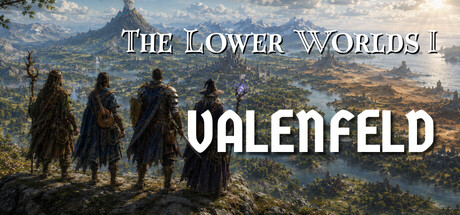 Valenfeld In-game content arttext | Our Policy on AI & Procedural Generation
Valenfeld is built by one person, on a shoestring budget, with an Elder Scrolls–sized ambition. Here is exactly how, and why, AI fits into that.
Why we use it
Valenfeld is a solo indie project chasing a scope that normally takes a studio of dozens: a massive, hand-lorekept world you can wander for years without hitting an edge. That scope is not achievable by one person typing every tree, every ruin, and every line of dialogue by hand on a shoestring budget and an ambitious timeline. So we lean on AI-enabled workflows and, more importantly, cutting-edge procedural algorithms to scale content production and world scale to match the ambition — not to replace it.
What always stays human
Every piece of content in the game — every place, character, creature, item, quest, and line of lore — is built and overseen by a human creator and judge, grounded in our own ideas, our own lore, and our own systems design. AI does not decide what Valenfeld is. It never originates the world's canon, its themes, or its design intent on its own; it accelerates producing what we've already decided the world should be, and everything it touches is reviewed before it ships.
Not AI slop — procedural generation is the point
We're not interested in dumping raw model output into the game and calling it done. Our actual goal is an experimental, large-scale world built on cutting-edge procedural algorithms — terrain, dungeons, towns, ecosystems, even history — designed to be massively replayable for years, not a one-and-done AI slideshow. AI-assisted tooling is one part of the production pipeline that gets us there faster on a small budget; the procedural systems and the authored lore they run on are the actual craft, and that's where our attention to detail goes.
Our bet
We believe that if we focus relentlessly on delivering the best game possible — with a genuinely obsessive eye for detail on everything we ship — we can produce something great on a low budget and a small team of one. That is the bar we hold ourselves to, not "shipped fast" or "shipped cheap."
As we grow
This is how we build today, as a solo project with an ambitious scope and timeline. If and when Valenfeld earns a bigger budget for this game or for future releases, we intend to keep building just as ambitiously — with a team of art, lore, and gameplay experts working alongside these same tools, not replaced by them. Thinking about the best possible game comes first; everything else, including how we scale to build it, follows from that.
— Metatransformer Studios | Metatransformer Studios | - | Jul 25, 2026 | |
 群琼逐鹿 In-game content art | Some images are drawn after being referenced by AI-assisted generation | YiTuiZhe | - | Jul 25, 2026 | |
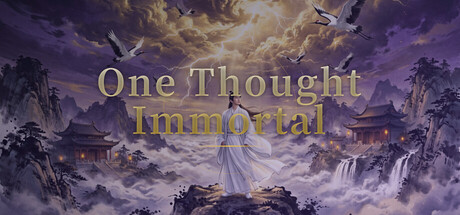 One Thought Immortal / 一念修仙 In-game content artaudio | This game uses generative AI to pre-generate visual assets (character portraits, capsule/marketing art) and voice narration (TTS). All AI-generated content is created during development and reviewed/curated
by the developer before shipping. No generative AI runs live during gameplay. We have the necessary rights to use the AI tools and their outputs, and the content does not infringe third-party IP. | Tiger | - | Jul 23, 2026 | |
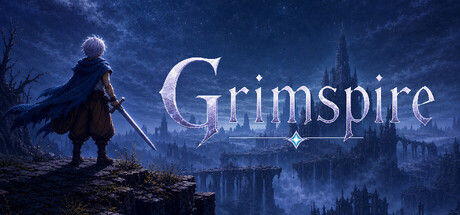 Grimspire In-game content art | Some in-game item icons are created with the help of AI-assisted generation tools. | GuavaPurr Studio | - | Jul 23, 2026 | |
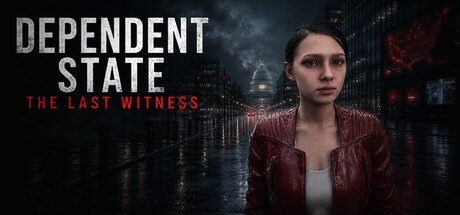 空港:最后证人 In-game content arttext | Generative AI was used during the development of this game. Specifically, AI tools were utilized to assist in the creation and optimization of [some art assets / text localization / narrative polish]. All AI-generated content has been thoroughly reviewed and manually refined by the development team to ensure quality. | HUATY//OFFGRID | - | Jul 23, 2026 | |
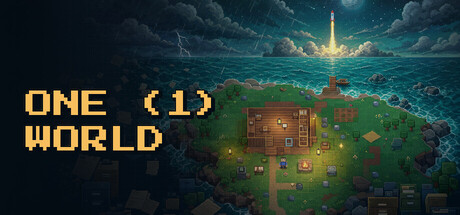 ONE (1) WORLD In-game content art | Some marketing artwork on this Steam store page was created with OpenAI image generation using current in-game screenshots and existing brand artwork as references. The game itself does not generate AI content during play. | Overboard Games | - | Jul 23, 2026 | |
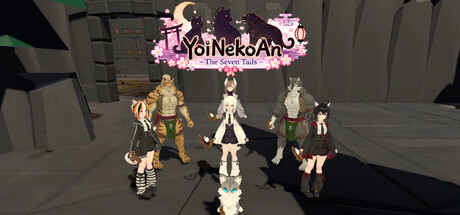 YoiNekoAn: The Seven Tails In-game content arttext | The game logo was created with the assistance of generative AI and edited by the developer. AI was also used to assist with localization translations for other languages, which were reviewed and edited by the developer. No live-generated AI content is used during gameplay. | YoiNekoAn | - | Jul 23, 2026 | |
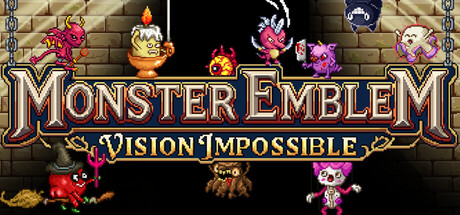 Monster Emblem: Vision Impossible In-game content textaudio | Generative AI was used to assist with grammar and spelling checks for some in-game text, translate store page content, and generate some sound assets. All content was reviewed and approved by the developer before inclusion. The game does not use live-generated AI. | Peepton | - | Jul 23, 2026 | |
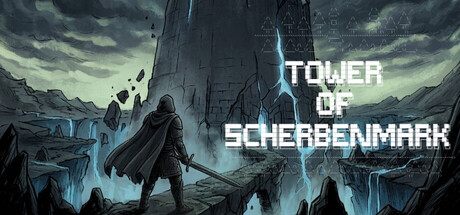 Tower of Scherbenmark Store/marketing art | AI was used to create the artwork (not the logo) for the store's website. | Bernhard Kokesch | - | Jul 22, 2026 | |
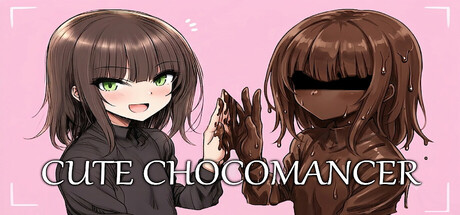 Cute Chocomancer Unclear art | Character Art, Enemy Art, Two Backgrounds | Apropia's Welcome | - | Jul 22, 2026 | |
 Chronicles of the Fallen Realm In-game content art | Human-designed, AI-assisted in the creation of game assets. | Cinderfall Games | - | Jul 22, 2026 | |
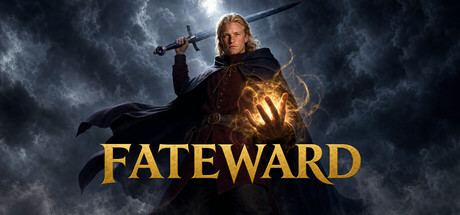 Fateward In-game content artaudiotext | Fateward's visuals, UI, music, sound, character voices, and Steam store assets are created using generative AI and curated by hand, from a game written and directed by the developer. | Kamacite | - | Jul 22, 2026 | |
 Eternal Embrace: Lumina's Sunshine In-game content artaudio | AI image-generation tools were used to create the background illustrations, card illustrations, and other visual assets for this game. AI tools were also used to produce the background music (BGM), based on melodies I composed. | Lumina Games Studio | - | Jul 22, 2026 | |
 Warden Campaigns In-game content art | AI was used to generate logos and default sprites for this program. | Warden Campaigns | - | Jul 22, 2026 | |
 OddSpawns In-game content audio | AI Disclosure: Music is Generated at least for now. | Jake | - | Jul 22, 2026 | |
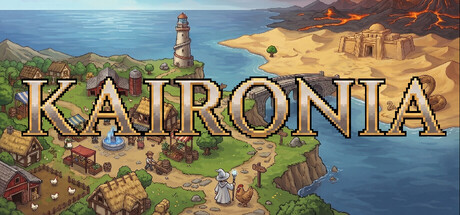 Kaironia In-game content audioarttext | Kaironia uses generative AI tools during the development process to create pre-rendered assets. Specifically, AI-assisted tools were used to help create background music tracks, certain 2D environmental icons and images, and to assist with multi-language text localization. None of these assets are generated dynamically or live during gameplay. | Kaironia | - | Jul 20, 2026 | |
 Aethermoor In-game content arttext | Some character and environment artwork, and portions of marketing/store text, were created with the assistance of generative AI tools. All assets were selected, edited, and integrated by the developer, who has the rights to use them. No AI runs at runtime in the game. | Jonathan Cogswell | - | Jul 20, 2026 | |
 Grindbound In-game content art | Some art assets in this game were created or assisted by generative AI tools during development, including selected icons, textures, and promotional images. All such assets were pre-generated, manually reviewed, edited, and integrated into the game. The game does not generate AI content during runtime and does not connect to or use any external AI services. | Umbral Forge | - | Jul 20, 2026 | |
 Provener In-game content text | Translated with the help of AI. Thank you for your understanding. | Provener Works | - | Jul 19, 2026 | |
 崇文书院 In-game content art | The game's art assets were generated using AI tools. All assets are originally created and contain no infringing content. | DimDim AI Studio | - | Jul 18, 2026 | |
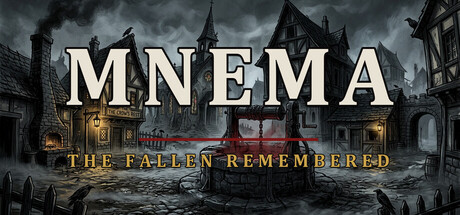 Mnema: The Fallen Remembered In-game content art | The visual art assets in this game — including character and enemy portraits, item icons, environment/scene artwork, UI elements, the game icon, and the store/library capsule images — were created with the help of generative AI image tools during development. All of this content was manually reviewed, curated, and edited by the team. The game does not use generative AI in real time during gameplay. | Ukammi | - | Jul 18, 2026 | |
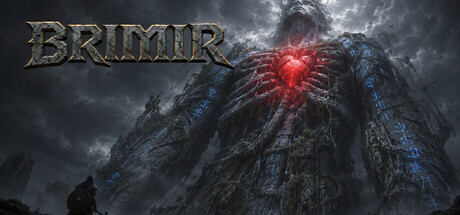 Brimir: Pilgrimage to the Heart In-game content art | Some 2D art assets in Brimir: Pilgrimage to the Heart (such as background illustrations and key art) were created with the help of AI image-generation tools, then reviewed and edited by the development team. Purchased asset packs and tilesets, as well as all game code,
systems, and design, are not AI-generated. We have taken care to ensure the generated content does not infringe on existing intellectual property. | SANG WOOK KIM | 27 | Jul 18, 2026 | |
 Botter Dev only code | AI Coding tools are used for optimisation and bug fixes. | Dean Ryan | - | Jul 18, 2026 | |
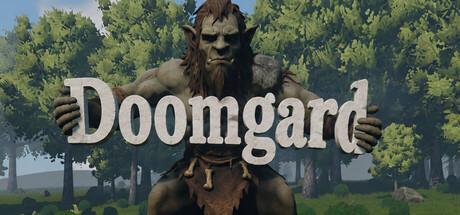 Doomgard Unclear | This game called upon several artificial intelligences during its development, both in terms of functions and visuals. | 99th Game Project | - | Jul 17, 2026 | |
 Fantasy Classic: Dungeon Crawler In-game content art | Some AI was used to generate images (player and creature portraits) used in this game. | Eternal Play Office | - | Jul 17, 2026 | |
 Bravest! Side Story: KURIMOTO QUEST In-game content art | We are using AI to create flip phone-style frames. | nazenaninadesico | - | Jul 17, 2026 | |
 SunSet Diffusion In-game content textartaudio | Part of the localization was AI-assisted,
and certain textures and sound effects were initially generated by AI for reference. | RinGames | - | Jul 15, 2026 | |
 Campaign Forge Live AI text | Campaign Forge uses generative AI as a core, opt-in feature. Worlds, characters, regions, and stories are generated live, on demand, at the player's direction, using an AI provider and model the player chooses (paid cloud, free cloud, or a fully local/offline model — bring your own API key or run locally). | Daedalus | - | Jul 15, 2026 | |
 Primal Axis In-game content art | Some in-game visual assets (character portraits, icons, and interface art) were created with generative AI tools under commercial licenses, with direction and curation by the developer. Background music is licensed separately (Kevin MacLeod, CC BY 4.0). The game does not generate new art or text during gameplay. | Ásgeir Jónasson | - | Jul 15, 2026 | |
 Yokai Idle In-game content art | We are using AI art assets in places where our Art has not caught up to the current game progress. We are continuing to produce art to replace the AI assets. | OttoTsuma | - | Jul 15, 2026 | |
 Nine Lives to Immortality: Did Kitty Break Through Today? In-game content artcode | Some in-game art assets were created or assisted using generative AI tools, then reviewed, edited, and integrated by the developer. AI tools were also used as development assistance for parts of the code. The game does not generate AI content during gameplay. | Richat Studio | - | Jul 13, 2026 | |
 這個觸手…是我的…隊友!? In-game content arttext | 1. Some character art utilizes hand-drawn original sketches and designs, with AI used for coloring and lighting effects.
2. Background illustrations are AI-generated and then manually refined.
3. The script is AI-generated, with manual editing and content additions.
4. For languages other than Traditional Chinese, AI translation is used, followed by manual proofreading of terminology and content. | Evin | - | Jul 13, 2026 | |
 You Are Not the Chosen One In-game content artaudiocode | Some of this game's assets were created with the assistance of generative AI tools, then curated, edited, and integrated by the developer. This includes art assets such as character portraits, location backgrounds, and promotional artwork, as well as sound. The game's code was written with AI coding tools under the developer's direction. The game's design, systems, writing, and creative direction are human-authored and directed. | Acharya Interactive | - | Jul 11, 2026 | |
 NOSTRA In-game content artaudio | Some non-gameplay assets in this game (backgrounds, environment and concept art) were created using AI-assisted workflows, specifically: Runecraft AI (in-house workflow), Higgsfield and Pixellabs (select assets). The game's music is produced through studio recordings with live-played instruments; Suno is used supplementarily for optimizations and atmospheric additions. The majority of all game content (characters, sprites and core assets) is hand-crafted; AI is a supplementary tool in the production process. The shipped game does not generate any content at runtime via AI. | Runecraft Studios | - | Jul 11, 2026 | |
 Gate: Beyond In-game content art | Some skill icons were made or altered with AI. | Guild's Gate Studio | - | Jul 11, 2026 | |
 Vaulted Valor In-game content audio | This game uses AI-assisted tools to create character voices. All dialogue was written, directed, edited, and implemented by the developer to fit the characters and story. | deeplabs | - | Jul 10, 2026 | |
 SWIFTALE PLAYER Live AI text | SWIFTALE PLAYER uses generative AI for live text generation during gameplay. The player connects their own supported local or cloud LLM, and the model acts as a game master by generating narration, action suggestions, and story responses.
The game does not include a hosted AI service. AI output is processed through structured game systems, including rule-based safety checks, resource/state management, and engine-side adjudication constraints. The intended content profile is general fantasy adventure, and the game is not designed to generate sexual content, hate content, extreme gore, or adult-only material. | moaiwithadog | - | Jul 9, 2026 | |
 AVILION forever In-game content textart | This game uses generative AI for the translation of in-game text.
AI-generated translations are reviewed using translation services and human editing, and are revised or expanded as needed.
Generative AI is also used as a production aid for some UI images. Generated materials are manually edited and adjusted by humans.
Generative AI is not used to generate content while the game is running. | STUDIO FRONTIER | - | Jul 9, 2026 | |
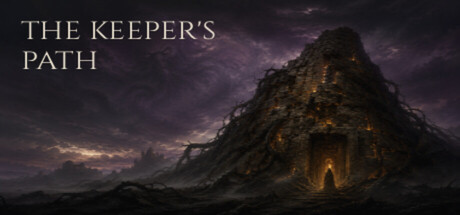 The Keeper's Path In-game content art | Store and marketing art assets were created with the assistance of generative AI image tools, based on the developer's original prompts. All other game content is human-authored. No AI content is generated during gameplay. | Call Yourself a Lord Studios | - | Jul 8, 2026 | |
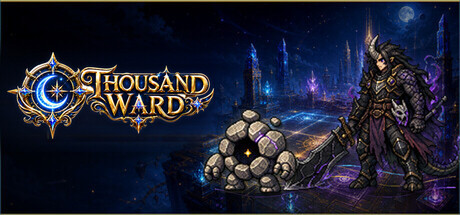 Thousand Ward In-game content art | Thousand Ward uses generative AI as part of the development pipeline to help create and refine some visual assets, including promotional artwork, background illustrations, event imagery, and supporting art concepts. Gameplay systems, balance, progression, and player-facing game design are authored and reviewed by the development team. | Veles Labs | - | Jul 8, 2026 | |
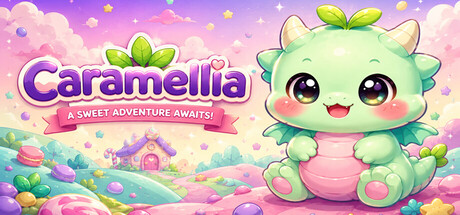 Caramellia In-game content text | We use generative AI tools to assist with:- Machine translation (MT) of interface and data text, reviewed before release.- Drafts of store page text and marketing materials.All content is reviewed by a human before publication.Art, creatures, and music [adjust to reflect reality] do not use generative AI / use AI for [X]. | Joaquin Orozco | - | Jul 8, 2026 | |
 乾坤玺•明 In-game content codeart | 部分 周边C++ 代码 ,非核心代码,大约占40% AI 生成。比如,
1、读写带BOM 的utf8格式文本文件。
2、解析 json格式数据 通过调用boost实现。
3、 任务系统的配置文件生成。
4、http 访问封装。
5、各自测试单元,测试用例。
6、调用AI接口, 驱动NPC 跟玩家对话, 通过调用curl 封装后 调用 deepseek API 实现。
7、TapDB的sdk 对接。
8、声音播放,对UE 调用的声音相关API,进行封装。上层代码使用不依赖UE的接口。
AI生成物品图片。
游戏中有几千种物品道具, 其中95%属于补位物品, AI 生成,游戏中把真实有价值的物品隐藏其中。 | 玉刃工作室 | - | Jul 8, 2026 | |
 Twilight Tides : Mirage Journey In-game content art | Some art assets in this game were created with the assistance of AI tools. All AI-generated content was pre-generated during development, and the game does not include any real-time AI-generated content during gameplay. | TTMJTV | - | Jul 8, 2026 | |
 Roll and Die In-game content text | Generative AI tools were used only to assist with localization and translation drafts. All final text was reviewed and edited by the developer. | Faven Games | - | Jul 8, 2026 | |
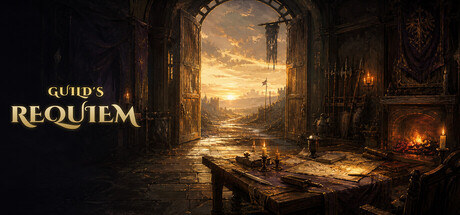 Guild's Requiem In-game content artaudio | Guild's Requiem uses generative AI tools to create parts of its content during development. Visual assets — including card illustrations, character portraits, backgrounds, enemy artwork, and UI icons — were produced with AI image tools (Midjourney, Leonardo, Stable Diffusion, and DALL·E) and then reviewed, edited, and curated by the developer. Music and some sound effects were generated with AI audio tools (Udio and ElevenLabs). All AI-assisted content was checked and integrated by the developer, who has taken steps to ensure the shipped content is appropriate and does not infringe third-party rights. The game does not generate any content in real time; there is no AI running during gameplay. | HAGOPA Studio | - | Jul 8, 2026 | |
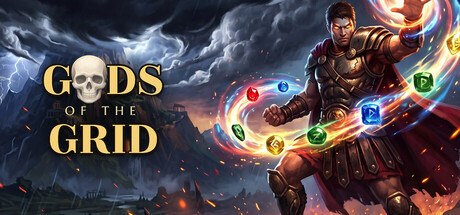 Gods of the Grid In-game content art | The front-end and some of the art-assets have been created with the help of AI. | Alexandros | - | Jul 7, 2026 | |
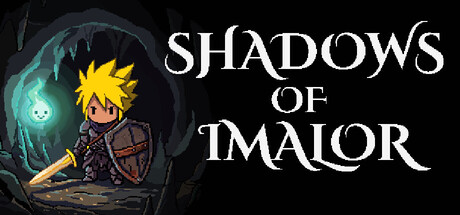 Shadows of Imalor In-game content art | Most art has been hand-crafted but some art has been assisted by generative AI. Art assisted by generative AI includes UI Icons, monsters, items and marketing promotional art. All ingame art has been finalized by hand. | Edling Interactive | - | Jul 7, 2026 | |
 The Legend of Fireball Store/marketing art | Some visual and promotional elements of the game have been created with the use of ai. | TapNation | 31 | Jul 7, 2026 | |
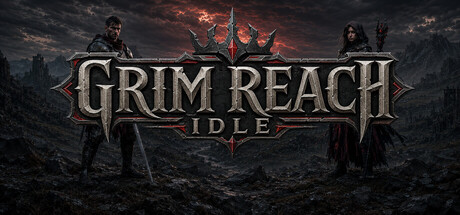 Grim Reach In-game content art | The artwork in this game. such as item, equipment, and creature icons is currently AI-generated. We plan to replace it with hand-crafted art as the project's budget grows. | Heartforge Studios | 22 | Jul 7, 2026 |


