Public Steam disclosure research25,380 disclosures tracked
Where do games disclose AI use?
Search developers’ Steam disclosures, compare classified AI use across
games, and follow recorded changes.
This index adds cross-game classifications and statistics to
statements published on individual store pages.
Groups reflect automatic analysis of public disclosures; mature records are excluded. These counts do not measure AI use across all of Steam.
Missing or unclear statements cannot establish whether a game uses AI.
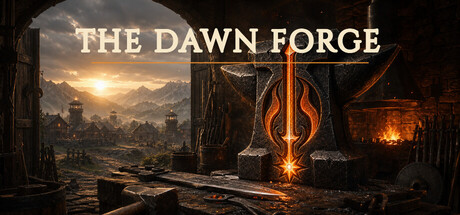
Some of the artwork in The Dawn Forge — the item, building, unit and boss illustrations — and the spoken narration lines were created using AI image and voice tools, working from the developer's own art direction and scripts, and then composed and edited by hand. Nothing is generated while you play: the game runs entirely offline and never contacts an AI service.
We use AI tools to assist with some parts of development, such as localization and improving our art production workflow. All designs and creative ideas come from our team, and AI-assisted assets are reviewed and refined before being used in the game.
A large portion of visual art assets in this game are produced with generative AI tools during the development phase, including all in-game character portraits & character sprites, UI panels, functional icons, decorative interface elements, scene backgrounds, environment illustrations and promotional store page artwork.
All AI-generated draft materials have been comprehensively manually revised, redrawn, style unified, technically trimmed and fully copyright compliance verified by our internal professional art team before being packaged into the final released build.
There is NO real-time, runtime AI content generation function activated while players are running the game. All AI-assisted content is fixed pre-rendered static assets only.
A solo dev made this game. Some of the art was created or refined with AI tools; the design, code, UI, music (using fruit loops), writing, and everything the game actually does are hand-built.
Generative AI tools were used during development to assist in creating and refining some pre-generated visual assets, including selected in-game backgrounds. All AI-assisted content was reviewed, edited, and integrated by the development team. The game does not generate content using AI during gameplay.
"Generative AI tools were used during development to assist in creating a portion of the art, background assets, and UI icons. All AI-generated content was reviewed and manually refined by our team."
Pixel art assets, in-game text translation to other languages were produced with AI assistance during development and edited by the developer. No content is generated at runtime.
As a solo developer, I made use of AI for generation of models and music to act as base components. These typically went through much manual editing afterwards.
Some AI was used for testing & improvements to code in some areas
Investors and characters respond to the business idea you type, because a language model re-words our hand-written dialogue at runtime. It only changes wording — never numbers, outcomes, or anything in your save. If a generation fails, you get the hand-written line instead.
Your product illustration is generated from your own idea text.
Generative AI was used during development to create selected 2D artwork, including crew portraits, environmental elements, user interface icons, and key art. Generated assets were selected, edited, and adapted to match the game’s visual style and technical requirements. The game does not generate any AI content at runtime and does not send player data to generative AI services.
Some visual assets used in the game and its promotional materials were created with the assistance of generative AI. The game does not generate AI content at runtime.
This game uses generative AI tools for parts of its 3D model creation and music/sound effect production.
Core elements of the game experience — including the scenario, game design, AI logic design and implementation, and part balance adjustments — are created and decided primarily by the developer himself.
In keeping with the game's own concept of "designing AI logic to fight," the development process itself also actively incorporates collaboration with AI. This game was completed by using dialogue with AI to work around the limitations of a one-person team.
Generative AI tools were used during development to assist with selected 2D visual assets, UI artwork, and initial drafts of interface and localization text. All AI-assisted content included in the game was reviewed, edited, and approved by the developer before release. The game does not generate content during gameplay and does not connect to external AI services.
Some game assets were created with AI assistance under paid commercial licenses: background art and the title logo (image generation), BGM (Suno), and sound effects (ElevenLabs). All AI-generated assets are recorded in an internal license ledger, were generated on paid plans permitting commercial use, and were reviewed by the developer before inclusion.
The core mechanic uses AI at runtime: the player draws a creature and enters a name for it, and both the drawing and the player-supplied name are sent to a vision AI model, which evaluates them and produces the creature's element, size, stats, move names and descriptions, catchphrase, and flavor text. The creature always carries the name the player typed: the model returns a suggested name, but the server discards it whenever the player supplied one, and falls back to the model's name only when the player leaves the field blank. Guardrails: (1) every submission passes a server-side moderation gate before any sharing — CSAM is absolutely blocked with evidence preservation and reporting, and clearly NSFW content is auto-rejected; (2) all player-visible text generated by AI is length-clamped and moderated (names, catchphrases, flavor text, move names); (3) shared content (ghost teams) is moderated again server-side, is opt-in, expires automatically (TTL), and there is no public gallery; (4) a player report channel (notice-and-takedown) is provided in-game and on the official site; (5) battle results are computed deterministically by game rules, not by AI.
This game uses generative AI as part of its development process.
AI-assisted tools were used to help create and refine some visual assets, UI elements, icons, text drafts, and localization drafts. These materials were reviewed, edited, and integrated by the developer before being included in the game.
The game does not generate new AI content in real time during gameplay. All content shown to players is pre-made, reviewed, and included as part of the game build.
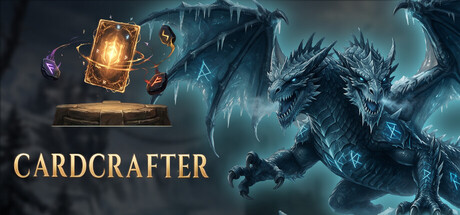
CardCrafter uses generative AI to create some of the content shipped with the game:
• Art: card illustrations, character and enemy portraits, icons, currencies and background scenes are created primarily with generative image models, then curated, post-processed and integrated by human.
• Audio: some sound effects and background music are created with generative AI tools.
• Text & localization: In-game text such as card descriptions is drafted with AI assistance and edited by hand; the Simplified Chinese and English localizations are machine-translated first, then human-proofread.
All of this content is pre-generated during development and baked into the game. The game does not generate any AI content at runtime, and never sends player input to an AI. Everything produced with AI is reviewed and selected by human before inclusion.
The game uses a wide variety of artificial intelligence products in the art creation process. Ranging from 3d model generation to 2D art, music and sound effects.
All voices are Ai generated along with the soundtracks. They are however created under strict instructions and hours of testing to get them right. Ai assisted in creating models/props.
Hi! I’m a solo indie developer working on this game during my free time outside of daily life.
To bring this project to life with limited time and resources, I used AI tools to assist parts of the development process, such as brainstorming, early prototypes, draft writing, and iteration support.
However, the core game design, gameplay systems, story structure, balancing, and final implementation were all personally planned, edited, and integrated by me.
AI is a tool that helps me turn ideas into something playable—it does not replace the creative decisions behind this game.
I know people may have different opinions about AI, so I want to be transparent about it.
Thank you for playing and supporting my work.
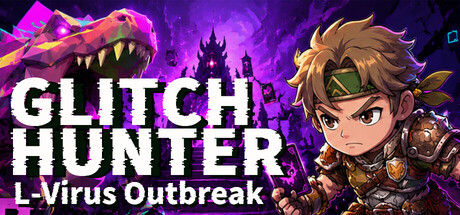
I hope you enjoy exploring this broken, virus-corrupted world.
Generative AI tools were used during development to create and assist with many of the game's visual assets, including character artwork, card illustrations, backgrounds, and UI elements. These assets were generated during development and are included in the game as pre-generated, static content. The game does not use generative AI to create content during gameplay.
Generative AI tools were used during development to help create and refine pre generated visual assets, text and localization, and code. All AI-assisted material included in the game was reviewed and integrated by the developer, with further editing where needed. The game does not use live generative AI and does not generate content during gameplay.
Generative AI tools were used during development to assist with the creation and refinement of some pre-generated visual artwork and marketing assets. All AI-assisted content was reviewed, edited, and integrated by the developer. Ancient Duel does not generate AI content during gameplay.
Generative AI tools were used during development to assist with selected pre-generated visual assets, promotional and store-page materials, and localization/text. All AI-assisted content was reviewed, edited, curated, and approved by the developer before inclusion. No generative AI is used during gameplay, and the game does not connect to external AI services while running.
Selected visual assets and music tracks were created using generative AI tools as part of the production process. All AI-generated material was reviewed, curated, and integrated by the developer to ensure consistency with the game’s creative direction. No AI-generated content is produced during gameplay.
Some of the game's background music was created using generative AI tools. Parts of the game's localization (text translations) were also produced with AI assistance and reviewed by the team. All other content — game design, artwork, and core systems — was created without generative AI.
Portions of the game's written content (event texts, character letters, narrative descriptions) and the English localization were created with the assistance of generative AI tools, under the developer's direction, with human review and editing of all content. Some artwork was created with AI image tools and manually edited. No content is generated by AI at runtime.
Artificial intelligence tools were utilized as a reference and assistive aid in the creation of certain art assets, audio elements, and localization translations for this game.
Voxel Siege uses generative AI for some pre-generated content, all reviewed by the developer before inclusion. Specifically: some in-game material/block textures were created with AI image tools; the music and sound effects were created with AI audio-generation tools; the store page description and some marketing copy were drafted with AI assistance; and some level/fortress layouts were generated with AI-assisted tooling. All AI-generated content was created during development (not live or at runtime), was reviewed by the developer, and does not incorporate third-party intellectual property. The game does not generate any AI content live during gameplay.
Generative AI was used for:
- The game's logo and Steam store capsule artwork (image generation)
- Translation of in-game text into Turkish, German, French and Spanish
-AI-generated images were reviewed and edited before use.
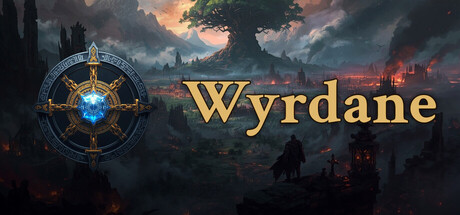
Wyrdane uses AI-generated artwork for its card illustrations. As a solo developer working without a starting budget, this is a pragmatic choice to bring the game's world to life and test its mechanics without a professional illustration budget. If the project finds its audience, the goal is to progressively replace these visuals with artwork made by human illustrators.
Game design, card balance, game mechanics, world-building, and creative direction are entirely human-made. AI is a production tool, not the creator of this game.
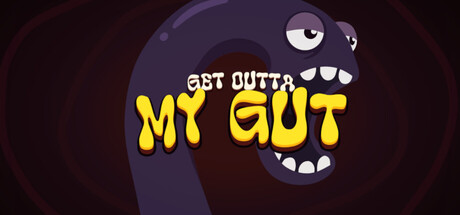
Various visual assets and promotional materials for Get Outta My Gut were created with the assistance of generative AI tools.
All AI-generated content was reviewed, refined, and integrated by the developer to ensure consistency with the game's artistic direction and quality standards.
Generative AI tools were used in part during the development of this
game.
· Some character concept art and illustrations were produced using
generative AI tools. All such images were subsequently reviewed and
adjusted by our development team before being used in the game.
· The images shipped in the game are the result of that review and
adjustment process.
Game design, systems, programming, rules, and balancing were created
by our development team without generative AI.
This game includes pre-generated content created with the assistance of generative AI tools during development. AI tools were used to assist with some artwork, UI visual assets, and visual design elements for video materials and story/dialogue panels. These materials are shipped with the game and are presented to players through the in-game UI, story/dialogue panels, and related video or narrative presentation content. Before release, the developer selected, edited, integrated, and manually reviewed these materials.
The game does not use generative AI at runtime. It does not generate new images, videos, dialogue, or other game content based on player input, and it does not send player input to an AI service.
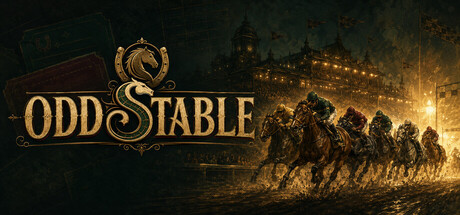
Generative AI tools were used during development to create or assist with portions of the game's pre-generated visual artwork, including horse illustrations, environmental backgrounds, contract and item icons, decorative UI artwork, the game logo, and Steam store and library artwork. AI-assisted tools were also used to draft or refine portions of in-game text and localization.
All such materials were generated before release, then reviewed, selected, and edited by the developer, and are included in the game as fixed assets. No AI content is generated during gameplay, and the game does not connect to any external AI service.
Some of the artwork in The Dawn Forge — the item, building, unit and boss illustrations — and the spoken narration lines were created using AI image and voice tools, working from the developer's own art direction and scripts, and then composed and edited by hand. Nothing is generated while you play: the game runs entirely offline and never contacts an AI service.
We use AI tools to assist with some parts of development, such as localization and improving our art production workflow. All designs and creative ideas come from our team, and AI-assisted assets are reviewed and refined before being used in the game.
A large portion of visual art assets in this game are produced with generative AI tools during the development phase, including all in-game character portraits & character sprites, UI panels, functional icons, decorative interface elements, scene backgrounds, environment illustrations and promotional store page artwork.
All AI-generated draft materials have been comprehensively manually revised, redrawn, style unified, technically trimmed and fully copyright compliance verified by our internal professional art team before being packaged into the final released build.
There is NO real-time, runtime AI content generation function activated while players are running the game. All AI-assisted content is fixed pre-rendered static assets only.
A solo dev made this game. Some of the art was created or refined with AI tools; the design, code, UI, music (using fruit loops), writing, and everything the game actually does are hand-built.
Generative AI tools were used during development to assist in creating and refining some pre-generated visual assets, including selected in-game backgrounds. All AI-assisted content was reviewed, edited, and integrated by the development team. The game does not generate content using AI during gameplay.
"Generative AI tools were used during development to assist in creating a portion of the art, background assets, and UI icons. All AI-generated content was reviewed and manually refined by our team."
Pixel art assets, in-game text translation to other languages were produced with AI assistance during development and edited by the developer. No content is generated at runtime.
As a solo developer, I made use of AI for generation of models and music to act as base components. These typically went through much manual editing afterwards.
Some AI was used for testing & improvements to code in some areas
Investors and characters respond to the business idea you type, because a language model re-words our hand-written dialogue at runtime. It only changes wording — never numbers, outcomes, or anything in your save. If a generation fails, you get the hand-written line instead.
Your product illustration is generated from your own idea text.
Generative AI was used during development to create selected 2D artwork, including crew portraits, environmental elements, user interface icons, and key art. Generated assets were selected, edited, and adapted to match the game’s visual style and technical requirements. The game does not generate any AI content at runtime and does not send player data to generative AI services.
Some visual assets used in the game and its promotional materials were created with the assistance of generative AI. The game does not generate AI content at runtime.
This game uses generative AI tools for parts of its 3D model creation and music/sound effect production.
Core elements of the game experience — including the scenario, game design, AI logic design and implementation, and part balance adjustments — are created and decided primarily by the developer himself.
In keeping with the game's own concept of "designing AI logic to fight," the development process itself also actively incorporates collaboration with AI. This game was completed by using dialogue with AI to work around the limitations of a one-person team.
Generative AI tools were used during development to assist with selected 2D visual assets, UI artwork, and initial drafts of interface and localization text. All AI-assisted content included in the game was reviewed, edited, and approved by the developer before release. The game does not generate content during gameplay and does not connect to external AI services.
Some game assets were created with AI assistance under paid commercial licenses: background art and the title logo (image generation), BGM (Suno), and sound effects (ElevenLabs). All AI-generated assets are recorded in an internal license ledger, were generated on paid plans permitting commercial use, and were reviewed by the developer before inclusion.
The core mechanic uses AI at runtime: the player draws a creature and enters a name for it, and both the drawing and the player-supplied name are sent to a vision AI model, which evaluates them and produces the creature's element, size, stats, move names and descriptions, catchphrase, and flavor text. The creature always carries the name the player typed: the model returns a suggested name, but the server discards it whenever the player supplied one, and falls back to the model's name only when the player leaves the field blank. Guardrails: (1) every submission passes a server-side moderation gate before any sharing — CSAM is absolutely blocked with evidence preservation and reporting, and clearly NSFW content is auto-rejected; (2) all player-visible text generated by AI is length-clamped and moderated (names, catchphrases, flavor text, move names); (3) shared content (ghost teams) is moderated again server-side, is opt-in, expires automatically (TTL), and there is no public gallery; (4) a player report channel (notice-and-takedown) is provided in-game and on the official site; (5) battle results are computed deterministically by game rules, not by AI.
This game uses generative AI as part of its development process.
AI-assisted tools were used to help create and refine some visual assets, UI elements, icons, text drafts, and localization drafts. These materials were reviewed, edited, and integrated by the developer before being included in the game.
The game does not generate new AI content in real time during gameplay. All content shown to players is pre-made, reviewed, and included as part of the game build.
CardCrafter uses generative AI to create some of the content shipped with the game:
• Art: card illustrations, character and enemy portraits, icons, currencies and background scenes are created primarily with generative image models, then curated, post-processed and integrated by human.
• Audio: some sound effects and background music are created with generative AI tools.
• Text & localization: In-game text such as card descriptions is drafted with AI assistance and edited by hand; the Simplified Chinese and English localizations are machine-translated first, then human-proofread.
All of this content is pre-generated during development and baked into the game. The game does not generate any AI content at runtime, and never sends player input to an AI. Everything produced with AI is reviewed and selected by human before inclusion.
The game uses a wide variety of artificial intelligence products in the art creation process. Ranging from 3d model generation to 2D art, music and sound effects.
All voices are Ai generated along with the soundtracks. They are however created under strict instructions and hours of testing to get them right. Ai assisted in creating models/props.
Hi! I’m a solo indie developer working on this game during my free time outside of daily life.
To bring this project to life with limited time and resources, I used AI tools to assist parts of the development process, such as brainstorming, early prototypes, draft writing, and iteration support.
However, the core game design, gameplay systems, story structure, balancing, and final implementation were all personally planned, edited, and integrated by me.
AI is a tool that helps me turn ideas into something playable—it does not replace the creative decisions behind this game.
I know people may have different opinions about AI, so I want to be transparent about it.
Thank you for playing and supporting my work.
I hope you enjoy exploring this broken, virus-corrupted world.
Generative AI tools were used during development to create and assist with many of the game's visual assets, including character artwork, card illustrations, backgrounds, and UI elements. These assets were generated during development and are included in the game as pre-generated, static content. The game does not use generative AI to create content during gameplay.
Generative AI tools were used during development to help create and refine pre generated visual assets, text and localization, and code. All AI-assisted material included in the game was reviewed and integrated by the developer, with further editing where needed. The game does not use live generative AI and does not generate content during gameplay.
Generative AI tools were used during development to assist with the creation and refinement of some pre-generated visual artwork and marketing assets. All AI-assisted content was reviewed, edited, and integrated by the developer. Ancient Duel does not generate AI content during gameplay.
Generative AI tools were used during development to assist with selected pre-generated visual assets, promotional and store-page materials, and localization/text. All AI-assisted content was reviewed, edited, curated, and approved by the developer before inclusion. No generative AI is used during gameplay, and the game does not connect to external AI services while running.
Selected visual assets and music tracks were created using generative AI tools as part of the production process. All AI-generated material was reviewed, curated, and integrated by the developer to ensure consistency with the game’s creative direction. No AI-generated content is produced during gameplay.
Some of the game's background music was created using generative AI tools. Parts of the game's localization (text translations) were also produced with AI assistance and reviewed by the team. All other content — game design, artwork, and core systems — was created without generative AI.
Portions of the game's written content (event texts, character letters, narrative descriptions) and the English localization were created with the assistance of generative AI tools, under the developer's direction, with human review and editing of all content. Some artwork was created with AI image tools and manually edited. No content is generated by AI at runtime.
Artificial intelligence tools were utilized as a reference and assistive aid in the creation of certain art assets, audio elements, and localization translations for this game.
Voxel Siege uses generative AI for some pre-generated content, all reviewed by the developer before inclusion. Specifically: some in-game material/block textures were created with AI image tools; the music and sound effects were created with AI audio-generation tools; the store page description and some marketing copy were drafted with AI assistance; and some level/fortress layouts were generated with AI-assisted tooling. All AI-generated content was created during development (not live or at runtime), was reviewed by the developer, and does not incorporate third-party intellectual property. The game does not generate any AI content live during gameplay.
Generative AI was used for:
- The game's logo and Steam store capsule artwork (image generation)
- Translation of in-game text into Turkish, German, French and Spanish
-AI-generated images were reviewed and edited before use.
Wyrdane uses AI-generated artwork for its card illustrations. As a solo developer working without a starting budget, this is a pragmatic choice to bring the game's world to life and test its mechanics without a professional illustration budget. If the project finds its audience, the goal is to progressively replace these visuals with artwork made by human illustrators.
Game design, card balance, game mechanics, world-building, and creative direction are entirely human-made. AI is a production tool, not the creator of this game.
Various visual assets and promotional materials for Get Outta My Gut were created with the assistance of generative AI tools.
All AI-generated content was reviewed, refined, and integrated by the developer to ensure consistency with the game's artistic direction and quality standards.
Generative AI tools were used in part during the development of this
game.
· Some character concept art and illustrations were produced using
generative AI tools. All such images were subsequently reviewed and
adjusted by our development team before being used in the game.
· The images shipped in the game are the result of that review and
adjustment process.
Game design, systems, programming, rules, and balancing were created
by our development team without generative AI.
This game includes pre-generated content created with the assistance of generative AI tools during development. AI tools were used to assist with some artwork, UI visual assets, and visual design elements for video materials and story/dialogue panels. These materials are shipped with the game and are presented to players through the in-game UI, story/dialogue panels, and related video or narrative presentation content. Before release, the developer selected, edited, integrated, and manually reviewed these materials.
The game does not use generative AI at runtime. It does not generate new images, videos, dialogue, or other game content based on player input, and it does not send player input to an AI service.
Generative AI tools were used during development to create or assist with portions of the game's pre-generated visual artwork, including horse illustrations, environmental backgrounds, contract and item icons, decorative UI artwork, the game logo, and Steam store and library artwork. AI-assisted tools were also used to draft or refine portions of in-game text and localization.
All such materials were generated before release, then reviewed, selected, and edited by the developer, and are included in the game as fixed assets. No AI content is generated during gameplay, and the game does not connect to any external AI service.