Public Steam disclosure research25,376 disclosures tracked
Where do games disclose AI use?
Search developers’ Steam disclosures, compare classified AI use across
games, and follow recorded changes.
This index adds cross-game classifications and statistics to
statements published on individual store pages.
Groups reflect automatic analysis of public disclosures; mature records are excluded. These counts do not measure AI use across all of Steam.
Missing or unclear statements cannot establish whether a game uses AI.
Generative AI tools were used during development to create pre-rendered visual assets, UI elements, and marketing materials. All generated assets were reviewed, finalized, and statically integrated into the game build prior to release. No content is generated in real-time or dynamically during gameplay.
Some visual assets were created with the assistance of generative AI during development, while others were created manually. AI-assisted assets were reviewed and adjusted by the developer. The game does not generate AI content during gameplay.
Disclosure regarding Generative AI
This game utilizes artificial intelligence (AI) tools to assist in generating some of the promotional materials on the store page, as well as certain in-game visual assets.
Some of the game's content was created with the help of generative AI tools and then reviewed, edited and integrated by the developer: parts of the 3D unit and vehicle models and their textures, the key art and store artwork, backgrounds, voice lines and music.
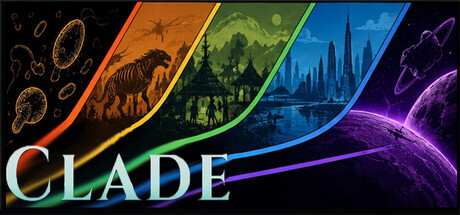
Clade is made by a small independent developer. During development, AI tools were used to help write some of the game's code, and to create some placeholder 3D models and text. All placeholder art is being replaced with handmade work, and this note will be updated as that happens. The game does not generate any content with AI while you play. The computer controlled empires are traditional game AI written for Clade, not generative AI.
Realm utilizes generative artificial intelligence for various assets, including artwork, and audio. Additionally, the in-game map creator suite features an integrated AI assistant to help creators realize their vision.
Generative AI was used as part of the creative process to assist in the creation of some artwork and visual assets used in the game and its marketing materials.
We don’t particularly like using AI.
Unfortunately, we are a small indie studio made of programmers and designers who are currently somewhere between “making a game” and “having existential crises”.
So, for now, we use AI to help us with some parts of our daily work and to bring some of our music, ideas, and inspirations to life.
But don’t worry, we haven’t handed over the steering wheel to the robots just yet.
Our project, its identity, and its originality are still created and directed by us. AI is simply one of the tools helping us survive the development process while our budget is busy pretending it doesn’t exist.
As soon as we have the resources to replace AI with our own human made work, we absolutely intend to do so.
Until then, we’re just a bunch of indie developers trying to make something cool before our refrigerators become purely decorative objects.
Some in-game visual assets were generated or modified with generative AI tools during development. The game also includes pre-recorded AI-generated combat voice lines. The developer selected and integrated these as fixed game assets before release.
Some artwork, 3D models, and code in this game were created with the assistance of AI tools during development. All AI-assisted content is pre-made and included in the game files; no content or code is generated live during gameplay.
The store capsule artwork (and the app/shortcut icons cropped from it) was created with AI image generation tools. All in-game content — art, models, audio, writing — was not AI generated.
Some pre-made content was created with the help of generative AI tools and then edited by our team: parts of the key art and logo, some 3D models, some UI/ability icons, and some character voice lines. AI coding assistants were also used during development. Gameplay design and level design were done by the developers. The game does not generate any AI content live during gameplay.
AI was used during the development of the game mainly for code optimization and improvements. To a limited extent, AI was also used to create some graphics and to improve the appearance of a small number of interface elements.
Artificial Intelligence utilized in store images due to solo developer budget constraints. Images will be updated in the near future as budget constraints ease.
For 25 years, we dreamed of making this game together. Alpha Draconis's lore, world, creatures, and factions were all created long before generative AI existed. What we lacked was the time and resources to build it. Generative AI changed that: by using it to help write code and create 3D assets, we were finally able to speed up development enough to turn Alpha Draconis into a real, playable game.
Some promotional artwork and visual assets were created with the assistance of generative AI and have been reviewed, refined, and integrated by the developer. No generative AI is used during gameplay.
I used an AI coding assistant while building the game, and it helped come up with the achievement names and descriptions, which I edited. Nothing else in the game is AI generated: the soundtrack is licensed from its creators, the radio voices are my own recordings, and the art and sounds are produced by the game's own code.
Generative AI was used during development to help create some visual assets included in the game, including artwork and models, and to assist with translation of in-game text. Generative AI was also used to create promotional artwork and help write the descriptions on this Steam store page. These materials and translations are prepared in advance. The game does not use AI to generate content or code during gameplay and does not connect to external AI services.
AI-assisted tools were used during development to create some visual assets and textures, music and sound effects, and to assist with English localization. Generated promotional illustrations and pre-generated synthetic voice performances are also used in the Steam store materials and trailers. These assets were selected, edited and integrated during production. The game does not generate AI content while it is running.
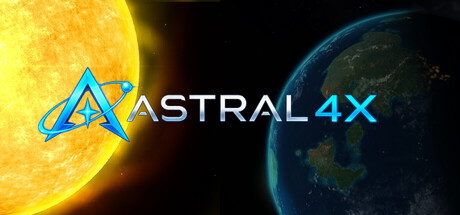
AstralX uses generative AI only for some 2D illustrative images, primarily certain biome visuals and depictions of some races/species. The game contains well over 1,000 such visual elements, which is why generative AI was used to assist with part of this 2D artwork.
Generative AI is not used for the game's simulation, mathematical calculations, gameplay rules, mechanics, or underlying systems. These elements were designed and developed manually by the developer. 3D content is also not generated using AI.
The music was composed manually and performed by a real pianist. The sound design was likewise created through traditional human production rather than generative AI.
No generative AI is used dynamically during gameplay.
I am a solo developer leveraging AI to improve my efficiency while moonlighting this project. Hence, many temporary AI-generated assets make their way into the game but I hope to replace over 90% of those with handcrafted assets over time.
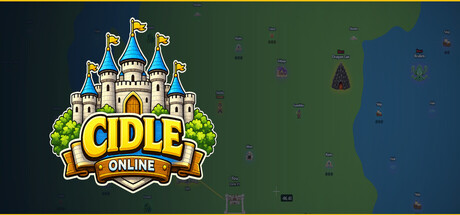
Some of the 2D art in Cidle Online was created with the help of generative AI
image tools. This includes parts of the sprite work for buildings, points of
interest and item icons, as well as some store page artwork. Every generated
image was reviewed, edited and adjusted by hand before it went into the game,
and assets are checked so they do not reproduce existing works.
All of this art is produced during development. Nothing is generated by AI
while you play, and the game does not send any of your data to an AI service.
Cosmo Arena uses generative AI tools during development to assist with the creation and refinement of certain visual assets, concept art, UI elements, textures, and other game content. All AI-assisted content is reviewed, edited, and integrated by the developer. Generative AI is not used to create content dynamically during gameplay.
Generative AI tools are used during development to help create selected artwork, including ability icons, and to draft and edit text. This content is prepared before release. No content is generated by AI during gameplay, and the game does not connect to external AI services.
Some 2D sprites, sound effects, and music tracks were created with the assistance of generative AI tools during development and were manually reviewed and edited by the developer.
Generative AI was used during development to create and refine some 2D visual assets, Steam store artwork, trailer imagery, and localization drafts. All output was reviewed and edited by the developer before inclusion. The game does not generate AI content during play and does not connect to external AI services.
Some game assets — including weapon/UI icons, character voice lines, and key art — were created with the
assistance of generative AI tools. All AI-generated content was reviewed and edited by the development team.
This game was created by a real human, using the Codex development environment. Contains lots of generated artwork and descriptive text, as well as gameplay refinements gained through AI powered balance testing.
Generative AI tools were used during development to help create visual assets for this game, including character art, environments such as the temple, weapons, and other in-game artwork, as well as store and marketing images (capsule art, logo, and store background). All AI-assisted content was reviewed, edited, and finalized by the developer, who holds the rights to use it. No AI-generated content is created live during gameplay.
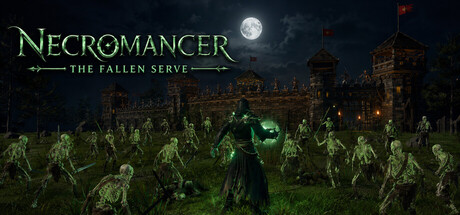
Necromancer: The Fallen Serve is primarily developed by me as a solo indie developer. I use generative AI as one of the tools in the project, including for some 3D assets, character voice lines, music, and promotional artwork. I've also worked with freelance artists and animators on parts of the game, including the skeleton army and animation work. I personally go through, refine and rework the assets until they fit the game the way I want them to. No generative AI content is created during gameplay.
The text used in the game and on the Steam store page has currently been translated primarily with the assistance of AI tools.
Most of the graphical assets used in the game are based on real photographs or renders of 3D objects. However, AI-generated imagery was used in cases where no suitable real-world source material was available, or where the available material was insufficient to complete or supplement the required assets.
All pre-rendered visual artwork was created using generative AI under developer direction. This includes environment backgrounds, interface and menu artwork, branding, icons, and promotional/title-card images.
The vast majority of assets are created by me or commercially licensed. I have used AI-generated assets for a few buildings and UI elements as a base end then modified heavily in Photoshop. I am a solo developer and know it’s a controversial topic, but I hope the 1000+ hours I have spent in Photoshop shines through, but I still want to be honest.
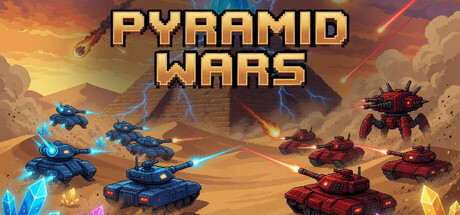
The code, menu, graphics, artwork, effects, localization, sounds and music of Pyramid Wars is vibe coded.
The cover image, shop- and library art is AI generated.
AI was used in the coding and content creation for this game. That should not take away from this project the thousands of hours spent on its creation, honing and reshaping its style, direction and gameplay which was all done by a human.
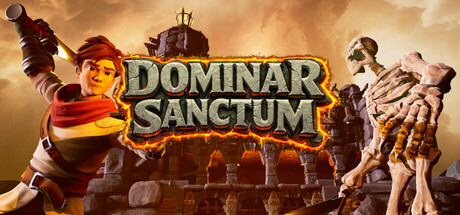
The vast majority of Dominar Sanctum has been created and developed without generative AI. Generative AI has only been used selectively for a small number of 2D icons, slide narration and a narrative voiceover, primarily for early prototyping and development. Even those icons have been manually reworked.
These few AI-assisted assets are not representative of the game's overall art, design, programming, or development process. They may be replaced or further refined before the full release.
Generative AI tools were used during development to create pre-rendered visual assets, UI elements, and marketing materials. All generated assets were reviewed, finalized, and statically integrated into the game build prior to release. No content is generated in real-time or dynamically during gameplay.
Some visual assets were created with the assistance of generative AI during development, while others were created manually. AI-assisted assets were reviewed and adjusted by the developer. The game does not generate AI content during gameplay.
Disclosure regarding Generative AI
This game utilizes artificial intelligence (AI) tools to assist in generating some of the promotional materials on the store page, as well as certain in-game visual assets.
Some of the game's content was created with the help of generative AI tools and then reviewed, edited and integrated by the developer: parts of the 3D unit and vehicle models and their textures, the key art and store artwork, backgrounds, voice lines and music.
Clade is made by a small independent developer. During development, AI tools were used to help write some of the game's code, and to create some placeholder 3D models and text. All placeholder art is being replaced with handmade work, and this note will be updated as that happens. The game does not generate any content with AI while you play. The computer controlled empires are traditional game AI written for Clade, not generative AI.
Realm utilizes generative artificial intelligence for various assets, including artwork, and audio. Additionally, the in-game map creator suite features an integrated AI assistant to help creators realize their vision.
Generative AI was used as part of the creative process to assist in the creation of some artwork and visual assets used in the game and its marketing materials.
We don’t particularly like using AI.
Unfortunately, we are a small indie studio made of programmers and designers who are currently somewhere between “making a game” and “having existential crises”.
So, for now, we use AI to help us with some parts of our daily work and to bring some of our music, ideas, and inspirations to life.
But don’t worry, we haven’t handed over the steering wheel to the robots just yet.
Our project, its identity, and its originality are still created and directed by us. AI is simply one of the tools helping us survive the development process while our budget is busy pretending it doesn’t exist.
As soon as we have the resources to replace AI with our own human made work, we absolutely intend to do so.
Until then, we’re just a bunch of indie developers trying to make something cool before our refrigerators become purely decorative objects.
Some in-game visual assets were generated or modified with generative AI tools during development. The game also includes pre-recorded AI-generated combat voice lines. The developer selected and integrated these as fixed game assets before release.
Some artwork, 3D models, and code in this game were created with the assistance of AI tools during development. All AI-assisted content is pre-made and included in the game files; no content or code is generated live during gameplay.
The store capsule artwork (and the app/shortcut icons cropped from it) was created with AI image generation tools. All in-game content — art, models, audio, writing — was not AI generated.
Some pre-made content was created with the help of generative AI tools and then edited by our team: parts of the key art and logo, some 3D models, some UI/ability icons, and some character voice lines. AI coding assistants were also used during development. Gameplay design and level design were done by the developers. The game does not generate any AI content live during gameplay.
AI was used during the development of the game mainly for code optimization and improvements. To a limited extent, AI was also used to create some graphics and to improve the appearance of a small number of interface elements.
Artificial Intelligence utilized in store images due to solo developer budget constraints. Images will be updated in the near future as budget constraints ease.
For 25 years, we dreamed of making this game together. Alpha Draconis's lore, world, creatures, and factions were all created long before generative AI existed. What we lacked was the time and resources to build it. Generative AI changed that: by using it to help write code and create 3D assets, we were finally able to speed up development enough to turn Alpha Draconis into a real, playable game.
Some promotional artwork and visual assets were created with the assistance of generative AI and have been reviewed, refined, and integrated by the developer. No generative AI is used during gameplay.
I used an AI coding assistant while building the game, and it helped come up with the achievement names and descriptions, which I edited. Nothing else in the game is AI generated: the soundtrack is licensed from its creators, the radio voices are my own recordings, and the art and sounds are produced by the game's own code.
Generative AI was used during development to help create some visual assets included in the game, including artwork and models, and to assist with translation of in-game text. Generative AI was also used to create promotional artwork and help write the descriptions on this Steam store page. These materials and translations are prepared in advance. The game does not use AI to generate content or code during gameplay and does not connect to external AI services.
AI-assisted tools were used during development to create some visual assets and textures, music and sound effects, and to assist with English localization. Generated promotional illustrations and pre-generated synthetic voice performances are also used in the Steam store materials and trailers. These assets were selected, edited and integrated during production. The game does not generate AI content while it is running.
AstralX uses generative AI only for some 2D illustrative images, primarily certain biome visuals and depictions of some races/species. The game contains well over 1,000 such visual elements, which is why generative AI was used to assist with part of this 2D artwork.
Generative AI is not used for the game's simulation, mathematical calculations, gameplay rules, mechanics, or underlying systems. These elements were designed and developed manually by the developer. 3D content is also not generated using AI.
The music was composed manually and performed by a real pianist. The sound design was likewise created through traditional human production rather than generative AI.
No generative AI is used dynamically during gameplay.
I am a solo developer leveraging AI to improve my efficiency while moonlighting this project. Hence, many temporary AI-generated assets make their way into the game but I hope to replace over 90% of those with handcrafted assets over time.
Some of the 2D art in Cidle Online was created with the help of generative AI
image tools. This includes parts of the sprite work for buildings, points of
interest and item icons, as well as some store page artwork. Every generated
image was reviewed, edited and adjusted by hand before it went into the game,
and assets are checked so they do not reproduce existing works.
All of this art is produced during development. Nothing is generated by AI
while you play, and the game does not send any of your data to an AI service.
Cosmo Arena uses generative AI tools during development to assist with the creation and refinement of certain visual assets, concept art, UI elements, textures, and other game content. All AI-assisted content is reviewed, edited, and integrated by the developer. Generative AI is not used to create content dynamically during gameplay.
Generative AI tools are used during development to help create selected artwork, including ability icons, and to draft and edit text. This content is prepared before release. No content is generated by AI during gameplay, and the game does not connect to external AI services.
Some 2D sprites, sound effects, and music tracks were created with the assistance of generative AI tools during development and were manually reviewed and edited by the developer.
Generative AI was used during development to create and refine some 2D visual assets, Steam store artwork, trailer imagery, and localization drafts. All output was reviewed and edited by the developer before inclusion. The game does not generate AI content during play and does not connect to external AI services.
Some game assets — including weapon/UI icons, character voice lines, and key art — were created with the
assistance of generative AI tools. All AI-generated content was reviewed and edited by the development team.
This game was created by a real human, using the Codex development environment. Contains lots of generated artwork and descriptive text, as well as gameplay refinements gained through AI powered balance testing.
Generative AI tools were used during development to help create visual assets for this game, including character art, environments such as the temple, weapons, and other in-game artwork, as well as store and marketing images (capsule art, logo, and store background). All AI-assisted content was reviewed, edited, and finalized by the developer, who holds the rights to use it. No AI-generated content is created live during gameplay.
Necromancer: The Fallen Serve is primarily developed by me as a solo indie developer. I use generative AI as one of the tools in the project, including for some 3D assets, character voice lines, music, and promotional artwork. I've also worked with freelance artists and animators on parts of the game, including the skeleton army and animation work. I personally go through, refine and rework the assets until they fit the game the way I want them to. No generative AI content is created during gameplay.
The text used in the game and on the Steam store page has currently been translated primarily with the assistance of AI tools.
Most of the graphical assets used in the game are based on real photographs or renders of 3D objects. However, AI-generated imagery was used in cases where no suitable real-world source material was available, or where the available material was insufficient to complete or supplement the required assets.
All pre-rendered visual artwork was created using generative AI under developer direction. This includes environment backgrounds, interface and menu artwork, branding, icons, and promotional/title-card images.
The vast majority of assets are created by me or commercially licensed. I have used AI-generated assets for a few buildings and UI elements as a base end then modified heavily in Photoshop. I am a solo developer and know it’s a controversial topic, but I hope the 1000+ hours I have spent in Photoshop shines through, but I still want to be honest.
The code, menu, graphics, artwork, effects, localization, sounds and music of Pyramid Wars is vibe coded.
The cover image, shop- and library art is AI generated.
AI was used in the coding and content creation for this game. That should not take away from this project the thousands of hours spent on its creation, honing and reshaping its style, direction and gameplay which was all done by a human.
The vast majority of Dominar Sanctum has been created and developed without generative AI. Generative AI has only been used selectively for a small number of 2D icons, slide narration and a narrative voiceover, primarily for early prototyping and development. Even those icons have been manually reworked.
These few AI-assisted assets are not representative of the game's overall art, design, programming, or development process. They may be replaced or further refined before the full release.