Public Steam disclosure research25,380 disclosures tracked
Where do games disclose AI use?
Search developers’ Steam disclosures, compare classified AI use across
games, and follow recorded changes.
This index adds cross-game classifications and statistics to
statements published on individual store pages.
Groups reflect automatic analysis of public disclosures; mature records are excluded. These counts do not measure AI use across all of Steam.
Missing or unclear statements cannot establish whether a game uses AI.
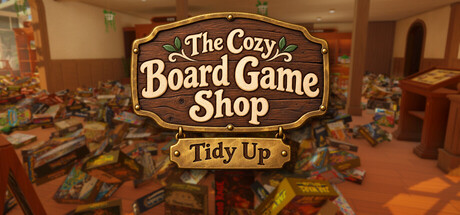
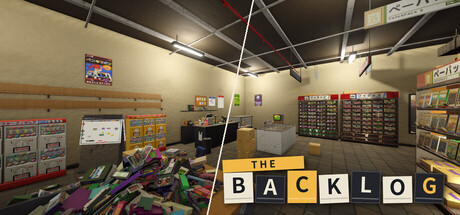
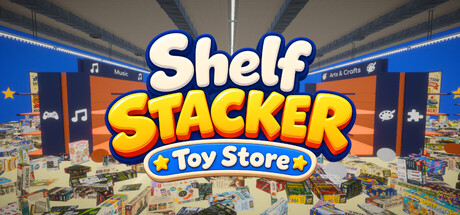
Some art assets (the board game box covers, in-game posters and the game logo) and the background music were created with the help of generative AI tools, then selected and refined by our small team. Everything else, from the shop itself to the gameplay, was built by hand. No AI content is generated during gameplay.
We are a team of 3 developers and everything you see in the game including 3D models, textures, and environments were crafted entirely by human hands. We used Generative AI for store capsule images, translations, and the soundtrack.
Some of the images on our store page were created by artificial intelligence and edits were made on the images. and some images in the game were made by artificial intelligence.
Generative AI was used only as a supporting tool, for language translation and for UI support. Only one in-game object was created with AI: the statue in the middle of the shop. Everything else was produced by our team.
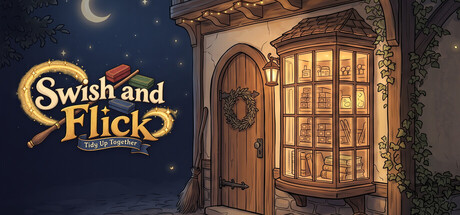
The game is made by a single developer, with help from two friends. I used generative AI for some of the artwork (backgrounds, portraits, icons, book covers, record sleeves, skies) and for some of the music, selecting, editing and integrating every asset by hand. 3D models were bought from their creators, taken from free libraries or made in Blender, and sound effects come from free sound libraries: all authors are credited in the game.
Generative AI tools may be used to assist with text localization/translation and to support sound effects or background audio production during development. No AI-generated visual assets, 3D models, or artwork are used in the final build of the game.
3D models were made with Meshy and the radio and trailer music with ElevenLabs, all then selected and edited by the developer. Code was written with AI assistance. Nothing is generated while you play.
I'm a solo developer and not experienced with 3D art, so I used AI tools for parts of this game: some sound effects were generated with an AI audio tool, the logo and key art (also used for the store artwork and icons) were created with an AI image generator, and about half of the item artwork was made with AI-assisted tools and then reworked. Item names and descriptions and the store page text were written with the help of AI tools and reviewed by me; the translations were also created with the help of AI tools. With support from others, I would like to gradually replace the AI-assisted item artwork with assets made by people.
This game uses AI as a development aid. The English and Chinese translations (in-game and on the store page) were produced with AI. Some of the in-game music, sound effects and art are generated by programs written with the help of AI. No content is generated by AI during play.
Hey everyone! I used AI for three things that ship in this game:
- The game logo, which also appears on the store capsules
- A couple of real photos converted into an anime style photo, used as wall art in some of the environments.
- The achievement icons are ai generated.
That's everything. No other AI-generated art, no AI voices/music, and nothing generative running while you play.
As a solo developer I have utilized some AI-based tools to help during development. However all visuals in the game are generated procedurally by the game's own code
This game contains content created with the assistance of AI tools. AI was used during development to assist with programming, visual assets, and other creative elements. All generated content was reviewed, edited, and integrated by the dev.
This game contains pre-generated AI content. Some collectible item models and several furniture and decor props were created with AI image-to-3D and text-to-3D generation, then optimized and placed by the developer. Some surface textures and decorative images were AI-generated. The store capsule and library artwork, logo and icons were created with AI image generation using the game's own screenshots as reference. In-game and store text, including translations, was drafted with AI assistance and edited by the developer. Gameplay screenshots are real in-game captures without AI editing. The game does not generate AI content or connect to AI services while running.
AI helped with grammatical corrections for in-game text, which were then carefully reviewed and adjusted by hand.
We only consider AI to be a supportive tool. Every detail is meticulously crafted with human intent, as our creative process is still firmly anchored in manual craftsmanship.
Parts of this game were made with the help of generative AI during development.
- Artwork (item illustrations, backgrounds and interface graphics) was generated with AI tools and then edited and adjusted by hand.
- Music and sound effects were created with AI tools.
- The source code and the in-game text translations were written with AI assistance.
All of it was reviewed by the developer before release.
This game does not use generative AI while you play. No content is generated at runtime, and no player data is sent to any AI service.
We use generative AI across all disciplines of game development, most often with heavy amounts of human editing. That involves audio and visual art, 3D models, our logo, and localization. We use it as a productivity tool so we can achieve a higher level of quality, faster, than we would have been able to.
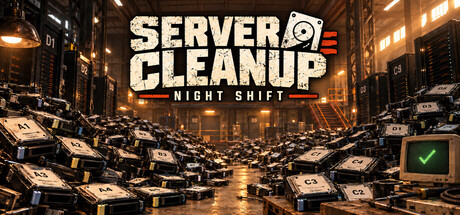
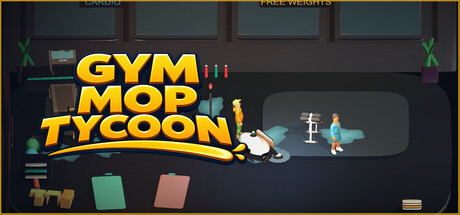
Some 3D models in this game - the cleaning tool heads - were created with an AI 3D model generation tool and then edited by hand. Everything else was made without generative AI: the simulation and code, the sound effects (real recordings), the carpet photographs and all store page artwork. No content is generated by AI while you play.
This game is designed, developed, and published by an independent developer, with AI tools used to assist during development:
Written text was drafted with AI assistance and reviewed and edited by the developer.
The gameplay, the art style, and every revision were decided by the developer.
Some visuals and animations are drawn by code and were reviewed and revised version by version; no AI image-generation models were used.
Map tiles and furniture are human-created licensed assets.
Music and sound effects are human-created licensed assets.
The store capsule artwork was commissioned from a human artist; its background may contain AI-generated elements.
The game does not use AI to generate any content at runtime.
We used AI-assisted tools to help create and refine a small selection of visual assets. Each one was reviewed and adjusted by hand before it was used.
AI also helped us tidy up the grammar and wording in a small amount of in-game and store-page text. We checked and edited every final line ourselves.
For us, AI is simply a supporting tool. Dino Dome: Tidy Up! is still shaped by our own ideas, judgement, and hands-on creative work.
Generative AI was used as an assistive development tool for programming, debugging and technical problem solving. Some developer created 2D concepts may also be refined using generative AI. Final creative direction, editing, implementation, game design and level design are handled by the developer.
We use generative AI across all disciplines of game development with heavy amounts of human editing. That involves audio and visual art. We use it as a productivity tool so we can achieve a higher level of quality, faster, than we would have been able to.
We used AI as a “support tool” in the creation of in-store visuals and certain in-game UI elements. We use AI solely as a support tool. We never leave the entire process to AI for any task.
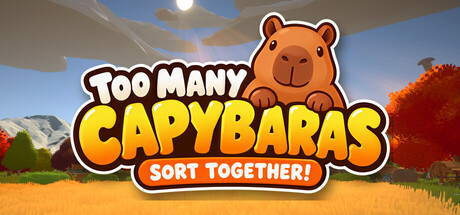
This game was made by a two-person team: a developer and a designer/artist. AI tools were used only as an aid during development. An AI 3D generator provided rough starting shapes for the capybara figurines, which the team then remodeled, textured and set up in the game engine. level design, gameplay, art direction, UI and text was designed and made by the team. The game does not generate any AI content while you play.
NBD2 is an AI game development studio. As a solo indie dev who is unlikely to ever make a dime from any of my games, there's no other way I could bring my ideas to life.
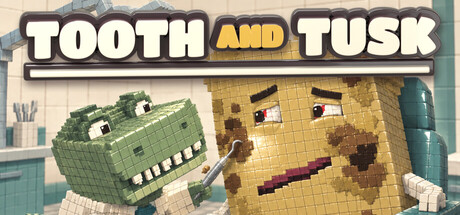
Tooth and Tusk was created using generative AI throughout development, including its artwork and visuals, music, sound effects, character voices, text and dialogue, and game code. All AI generation took place during development. The game does not generate AI content or code during play or connect to an external AI service.
I recognize AI in game development is an extremely sensitive topic and I appreciate both sides. I only hope the game is fun.
The goal should always be making something that human beings will enjoy.
AI tools were used to assist with writing and reviewing game code during development. No AI-generated art, audio, or narrative content ships in the final game.
Some of the programming made use of AI tools to assist with identifying bugs.
ALL visual assets in this game are 100% HUMAN MADE, from the ground up. All sound effects and music are also 100% made by me, with NO AI. All in-game imagery is entirely human made. The store page graphics and text description are also 100% human made with no AI.
Generative AI tools were used to assist with some of the game's translations and localization. The AI-generated translations were reviewed and edited before being included in the game.
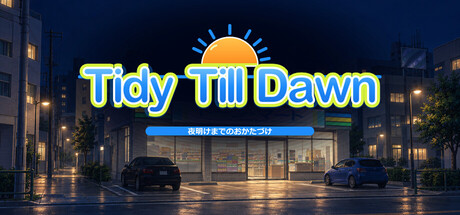
This game uses generative AI for: in-game product packaging (bento, ice cream, chips, cup noodles, gummies, gum, chocolate, candy, dried snacks, stationery, sundries, bath salts, hair care and hair color, coffee/tea boxes, drink and can labels, magazine covers, newspaper pages, and so on); full-screen art (title background, intro and epilogue illustrations, character icons, the morning results screen, the store floor plan, skill cards, skill icons, and effect overlays); some UI elements (panels, buttons, tabs); outdoor art and props (night sky panorama, vending machines, signage, banner flags, pavement, building walls, the traffic signal textures and the textures of small props by the entrance); the store capsule art and achievement icons; some 3D models (the radio by the register, the parking wheel stops, the trash bins by the entrance, three parked cars, the traffic lights, the coffee machine, the oden pot, the bun steamer and the bread crates, generated with Meshy and finished by the developer in Blender); and the background music (title and in-store tracks, also used in the trailer), generated with Suno and selected and arranged by the developer. All generated assets were reviewed and edited by the developer to avoid resembling real trademarks, people, or works. No content is generated by AI at runtime.
This game contains content created with the assistance of AI tools. AI was used during development to assist with programming, visual assets, and other creative elements. All generated content was reviewed, edited, and integrated by the dev.
We use generative AI across all disciplines of game development most often with heavy amounts of human editing. That involves audio and visual art, our logo, and localization. We use it as a productivity tool so we can achieve a higher level of quality, faster, than we would have been able to.
Some visual assets used in the game and/or its promotional materials were created with the assistance of generative AI tools and were reviewed and edited by the developer before use.
Pre-generated generative AI tools were used during development to create seven player-facing UI illustrations: two unlock-card images and five portraits used in the skill tree and event UI. The images were selected, post-processed where needed, and integrated by the developer. AI-generated visual reference art also assisted the design of the Dicker Typ character presentation and the AUTOMOP 3000 robot; their production 3D models, materials, and animations were not generated by AI. Some Steam store screenshots and trailer footage show this same in-game content. The game does not use generative AI at runtime and produces no live-generated text, images, audio, 3D assets, or other content.
Some art assets (the board game box covers, in-game posters and the game logo) and the background music were created with the help of generative AI tools, then selected and refined by our small team. Everything else, from the shop itself to the gameplay, was built by hand. No AI content is generated during gameplay.
We are a team of 3 developers and everything you see in the game including 3D models, textures, and environments were crafted entirely by human hands. We used Generative AI for store capsule images, translations, and the soundtrack.
Some of the images on our store page were created by artificial intelligence and edits were made on the images. and some images in the game were made by artificial intelligence.
Generative AI was used only as a supporting tool, for language translation and for UI support. Only one in-game object was created with AI: the statue in the middle of the shop. Everything else was produced by our team.
The game is made by a single developer, with help from two friends. I used generative AI for some of the artwork (backgrounds, portraits, icons, book covers, record sleeves, skies) and for some of the music, selecting, editing and integrating every asset by hand. 3D models were bought from their creators, taken from free libraries or made in Blender, and sound effects come from free sound libraries: all authors are credited in the game.
Generative AI tools may be used to assist with text localization/translation and to support sound effects or background audio production during development. No AI-generated visual assets, 3D models, or artwork are used in the final build of the game.
3D models were made with Meshy and the radio and trailer music with ElevenLabs, all then selected and edited by the developer. Code was written with AI assistance. Nothing is generated while you play.
I'm a solo developer and not experienced with 3D art, so I used AI tools for parts of this game: some sound effects were generated with an AI audio tool, the logo and key art (also used for the store artwork and icons) were created with an AI image generator, and about half of the item artwork was made with AI-assisted tools and then reworked. Item names and descriptions and the store page text were written with the help of AI tools and reviewed by me; the translations were also created with the help of AI tools. With support from others, I would like to gradually replace the AI-assisted item artwork with assets made by people.
This game uses AI as a development aid. The English and Chinese translations (in-game and on the store page) were produced with AI. Some of the in-game music, sound effects and art are generated by programs written with the help of AI. No content is generated by AI during play.
Hey everyone! I used AI for three things that ship in this game:
- The game logo, which also appears on the store capsules
- A couple of real photos converted into an anime style photo, used as wall art in some of the environments.
- The achievement icons are ai generated.
That's everything. No other AI-generated art, no AI voices/music, and nothing generative running while you play.
As a solo developer I have utilized some AI-based tools to help during development. However all visuals in the game are generated procedurally by the game's own code
This game contains content created with the assistance of AI tools. AI was used during development to assist with programming, visual assets, and other creative elements. All generated content was reviewed, edited, and integrated by the dev.
This game contains pre-generated AI content. Some collectible item models and several furniture and decor props were created with AI image-to-3D and text-to-3D generation, then optimized and placed by the developer. Some surface textures and decorative images were AI-generated. The store capsule and library artwork, logo and icons were created with AI image generation using the game's own screenshots as reference. In-game and store text, including translations, was drafted with AI assistance and edited by the developer. Gameplay screenshots are real in-game captures without AI editing. The game does not generate AI content or connect to AI services while running.
AI helped with grammatical corrections for in-game text, which were then carefully reviewed and adjusted by hand.
We only consider AI to be a supportive tool. Every detail is meticulously crafted with human intent, as our creative process is still firmly anchored in manual craftsmanship.
Parts of this game were made with the help of generative AI during development.
- Artwork (item illustrations, backgrounds and interface graphics) was generated with AI tools and then edited and adjusted by hand.
- Music and sound effects were created with AI tools.
- The source code and the in-game text translations were written with AI assistance.
All of it was reviewed by the developer before release.
This game does not use generative AI while you play. No content is generated at runtime, and no player data is sent to any AI service.
We use generative AI across all disciplines of game development, most often with heavy amounts of human editing. That involves audio and visual art, 3D models, our logo, and localization. We use it as a productivity tool so we can achieve a higher level of quality, faster, than we would have been able to.
Some 3D models in this game - the cleaning tool heads - were created with an AI 3D model generation tool and then edited by hand. Everything else was made without generative AI: the simulation and code, the sound effects (real recordings), the carpet photographs and all store page artwork. No content is generated by AI while you play.
This game is designed, developed, and published by an independent developer, with AI tools used to assist during development:
Written text was drafted with AI assistance and reviewed and edited by the developer.
The gameplay, the art style, and every revision were decided by the developer.
Some visuals and animations are drawn by code and were reviewed and revised version by version; no AI image-generation models were used.
Map tiles and furniture are human-created licensed assets.
Music and sound effects are human-created licensed assets.
The store capsule artwork was commissioned from a human artist; its background may contain AI-generated elements.
The game does not use AI to generate any content at runtime.
We used AI-assisted tools to help create and refine a small selection of visual assets. Each one was reviewed and adjusted by hand before it was used.
AI also helped us tidy up the grammar and wording in a small amount of in-game and store-page text. We checked and edited every final line ourselves.
For us, AI is simply a supporting tool. Dino Dome: Tidy Up! is still shaped by our own ideas, judgement, and hands-on creative work.
Generative AI was used as an assistive development tool for programming, debugging and technical problem solving. Some developer created 2D concepts may also be refined using generative AI. Final creative direction, editing, implementation, game design and level design are handled by the developer.
We use generative AI across all disciplines of game development with heavy amounts of human editing. That involves audio and visual art. We use it as a productivity tool so we can achieve a higher level of quality, faster, than we would have been able to.
We used AI as a “support tool” in the creation of in-store visuals and certain in-game UI elements. We use AI solely as a support tool. We never leave the entire process to AI for any task.
This game was made by a two-person team: a developer and a designer/artist. AI tools were used only as an aid during development. An AI 3D generator provided rough starting shapes for the capybara figurines, which the team then remodeled, textured and set up in the game engine. level design, gameplay, art direction, UI and text was designed and made by the team. The game does not generate any AI content while you play.
NBD2 is an AI game development studio. As a solo indie dev who is unlikely to ever make a dime from any of my games, there's no other way I could bring my ideas to life.
Tooth and Tusk was created using generative AI throughout development, including its artwork and visuals, music, sound effects, character voices, text and dialogue, and game code. All AI generation took place during development. The game does not generate AI content or code during play or connect to an external AI service.
I recognize AI in game development is an extremely sensitive topic and I appreciate both sides. I only hope the game is fun.
The goal should always be making something that human beings will enjoy.
AI tools were used to assist with writing and reviewing game code during development. No AI-generated art, audio, or narrative content ships in the final game.
Some of the programming made use of AI tools to assist with identifying bugs.
ALL visual assets in this game are 100% HUMAN MADE, from the ground up. All sound effects and music are also 100% made by me, with NO AI. All in-game imagery is entirely human made. The store page graphics and text description are also 100% human made with no AI.
Generative AI tools were used to assist with some of the game's translations and localization. The AI-generated translations were reviewed and edited before being included in the game.
This game uses generative AI for: in-game product packaging (bento, ice cream, chips, cup noodles, gummies, gum, chocolate, candy, dried snacks, stationery, sundries, bath salts, hair care and hair color, coffee/tea boxes, drink and can labels, magazine covers, newspaper pages, and so on); full-screen art (title background, intro and epilogue illustrations, character icons, the morning results screen, the store floor plan, skill cards, skill icons, and effect overlays); some UI elements (panels, buttons, tabs); outdoor art and props (night sky panorama, vending machines, signage, banner flags, pavement, building walls, the traffic signal textures and the textures of small props by the entrance); the store capsule art and achievement icons; some 3D models (the radio by the register, the parking wheel stops, the trash bins by the entrance, three parked cars, the traffic lights, the coffee machine, the oden pot, the bun steamer and the bread crates, generated with Meshy and finished by the developer in Blender); and the background music (title and in-store tracks, also used in the trailer), generated with Suno and selected and arranged by the developer. All generated assets were reviewed and edited by the developer to avoid resembling real trademarks, people, or works. No content is generated by AI at runtime.
This game contains content created with the assistance of AI tools. AI was used during development to assist with programming, visual assets, and other creative elements. All generated content was reviewed, edited, and integrated by the dev.
We use generative AI across all disciplines of game development most often with heavy amounts of human editing. That involves audio and visual art, our logo, and localization. We use it as a productivity tool so we can achieve a higher level of quality, faster, than we would have been able to.
Some visual assets used in the game and/or its promotional materials were created with the assistance of generative AI tools and were reviewed and edited by the developer before use.
Pre-generated generative AI tools were used during development to create seven player-facing UI illustrations: two unlock-card images and five portraits used in the skill tree and event UI. The images were selected, post-processed where needed, and integrated by the developer. AI-generated visual reference art also assisted the design of the Dicker Typ character presentation and the AUTOMOP 3000 robot; their production 3D models, materials, and animations were not generated by AI. Some Steam store screenshots and trailer footage show this same in-game content. The game does not use generative AI at runtime and produces no live-generated text, images, audio, 3D assets, or other content.