

Disclosure
All visuals, SFX, and music were created using AI. The imaginative aspect comes from humans.
- Creator
- Arada Games
- Reviews
- -
- Added
- Oct 12, 2026
Public Steam disclosure research 25,376 disclosures tracked
Search developers’ Steam disclosures, compare classified AI use across games, and follow recorded changes. This index adds cross-game classifications and statistics to statements published on individual store pages.
Code help, debugging and other development work.
Capsule art, trailers and promotional material.
Pre-made art, audio, writing and other game assets.
Interactive or runtime AI features disclosed by the developer.
Groups reflect automatic analysis of public disclosures; mature records are excluded. These counts do not measure AI use across all of Steam. Missing or unclear statements cannot establish whether a game uses AI.
All visuals, SFX, and music were created using AI. The imaginative aspect comes from humans.
Generative AI assisted with some story illustrations and narrative text, as well as store artwork and icons. These materials were reviewed, edited and arranged during development. All content is pre-generated; the game does not connect to AI services or generate content during gameplay.
AI tools created the models, textures, skies, art, music and sound effects during development. No AI content is generated during gameplay.
All content in Stack Heroes is generated using AI, including artwork, character and scene illustrations, UI graphics, music, sound effects, story and dialogue, other text, localization, and game program code. This content is generated during development and included in the game. The game does not generate AI content during gameplay or connect to external AI services.
AI was used to assist with the localization of some language versions. The translations were reviewed by the developer through proofreading and back-translation checks. AI-generated images were used as composition references during the creation of a small number of CG illustrations. The image generation was based on the developer's own original hand-drawn character illustrations, provided as input references. All final character illustrations, CG illustrations, and other art assets were drawn entirely by hand. All characters are original designs.
The host's voice lines were generated with an AI text-to-speech service from a script we wrote. Parts of the store page text were drafted with AI assistance and edited by us. All game art, minigames and code are made by the developer; nothing is generated while you play.
Generative AI was used to assist with some pre-generated 2D artwork. All AI-assisted assets were selected, edited and integrated by the developer. No generative AI is used during gameplay.
We use generative AI for some of the following elements. ・Some of the in-game art ・Some of the code ・Some of the banners and trailers on the store page
All AI-generated content in Cute Kitty WAR was created during development; nothing is generated while you play. The game's artwork — cats, pests, items, backgrounds and store images — was produced with AI image generation from our own designs and direction, then selected, edited and assembled by our developer. Much of the game's music and sound was synthesized by code written with an AI assistant, and AI assistance helped draft the in-game text, all directed and reviewed by our developer.
Generative AI tools were used during development to assist with portions of the game’s pre-generated 2D character and promotional artwork, localization drafts, and code. All AI-assisted material was reviewed, selected, and edited by the developer before inclusion. The game does not generate AI content during gameplay.
Generative AI tools were used during development to assist in the creation of certain pre-rendered visual content, including character assets, artwork, and marketing materials. All AI-assisted content was reviewed, selected, and incorporated by the development team before being included in the game or its promotional materials.
Generative AI tools were used during development to assist with the creation of certain 2D visual assets, animations and sound effects. AI tools were also used as development assistance for programming and implementation. All generated content was reviewed and curated by the developer before inclusion in the final game.
AI-generated art
Unwritten uses generative AI as part of its core gameplay. AI systems interpret the player's freely written actions and generate narrative responses within an authored world, story and set of rules. AI inference runs locally on the player's computer.
MARCO is made by a solo developer. Its characters, core concepts, and art direction are my original work. I used AI tools, guided by my own artwork and creative direction, to help create additional 3D models, props, textures, concept art, and some store-page and marketing images. I reviewed, selected, and refined these assets to fit MARCO’s style before including them. No content is generated by AI during gameplay. As a solo developer with limited time and resources, these tools helped me turn a game I’d imagined for years into something people can actually play.
AI tools were used during development to create pre-made content such as images, voices, music and 3D model drafts. Everything was selected, edited and integrated into the game by the developer. The game does not generate any content with AI while you play and does not connect to AI services.
Generative AI was used only for initial art concepts. Post-processing, stylization, animation, and music were created independently by the developer.
The in-game text was localised with the help of generative AI.
Pre-generated: the game's code, its procedurally built 3D models, levels and effects, the synthesized in-game music, parts of the UI art, the store artwork and the store texts/translations were created with the help of AI tools (Anthropic Claude) under the developer's direction and review. The menu music tracks were generated by the developer with Google Gemini. Sound effects are edited recordings from Kenney (CC0) and Mixkit. No AI content is generated live while playing.
all the pictures are generated by artificial intelligence.
Art Resource, BGM, Store Asset
Some picture and language localization made by AI
AI was used in the production of code, art, and marketing materials for this game
This game uses generative AI for the translations into all languages other than Japanese, the background music and some sound effects, and some of the artwork and icons. In the Comeback Challenge, an external AI service is used to judge whether an answer correctly names the prompt. The only player data sent to the AI is the text of the answer, and only a correct/incorrect result is returned. The AI does not generate or display any text or images during gameplay.
Some character art was created with the assistance of AI
AI was used as an assistant to create tooling for faster game development
Generative AI tools were used during development to help create some of the game's artwork, including zombie character sprites, hammer icons, achievement icons. All AI-assisted artwork was reviewed and selected by the developer before being included in the final game. The store page description was also written with the assistance of an AI writing tool.
During game development, AI-generated assets including story illustrations, music and sound effects were used.
部分背景音乐使用人工智能辅助合成
This game was developed with the assistance of generative AI tools during development. AI was used to assist with source code generation, modification, debugging, and refactoring. No generative AI is used at runtime, and the game does not provide any AI-generated content or AI generation features to players.
Some characters and scenes were designed using AI.
Some of this game's art assets and store page text were created with the help of generative AI tools. All AI-assisted material is pre-rendered and reviewed by the developer before release. No content is generated by AI while the game is running.
AI tools were used during development solely to assist with coding, including identifying and fixing bugs and making minor code corrections and improvements. AI does not generate any content for players during gameplay.
The game contains AI generated visuals, which will be removed through further development. Replacement of AI generated contents will be announced and after full replacement the Generative Artificial Intelligence notice in the store page will be removed together.
Some in-game art assets are AI-generated.
Some of the in-game background images and the store Capsule image art assets in this game were created using pre-rendered generative AI tools. These assets were then reviewed, refined, and integrated by our development team to fit the game's artistic vision
Some of the 2D art in Cidle Online was created with the help of generative AI image tools. This includes parts of the sprite work for buildings, points of interest and item icons, as well as some store page artwork. Every generated image was reviewed, edited and adjusted by hand before it went into the game, and assets are checked so they do not reproduce existing works. All of this art is produced during development. Nothing is generated by AI while you play, and the game does not send any of your data to an AI service.
During the development of this game, generative AI was used to assist in the creation of some 2D art assets and pre-generated sound effects. All AI-assisted content underwent manual review, modification, and integration by the developers. No content will be generated by generative AI during gameplay.
Some graphical assets of the game like cat characters are made using generative artificial intelligence.
We used generative AI tools as part of our creative process, alongside our team’s direction, editing, and refinement.
The game uses AI assets.
Generative AI was used for the translation of this game.
Generative AI tools were used during development to help create character artwork, menu backgrounds, some 3D assets, and pre-rendered cinematic videos. AI-assisted tools were also used for programming and debugging. These assets are prepared before release and incorporated into the game.
AI was used to create some of the game's artwork and visual assets.
During development, generative AI tools were used to assist with selected pre-generated visual content, including some card illustrations, comic imagery and marketing artwork. Each included illustration was deliberately selected, art-directed and integrated into FIVE STAT FRENZY!’s own comic-watercolour style, cast of characters, game rules and connected Paperlight City story. The released game uses no generative AI at runtime. Players do not enter AI prompts, and the game does not generate new images, text, dialogue, music or gameplay content while it is being played. Card values, rules, deckbuilding, rivals, campaign progression and comic unlocks are fixed, tested game content.
Some visual assets, icons, and artwork in this game were created or refined with the assistance of generative AI. All AI-generated content was reviewed, edited, and approved by the developer before being included in the game. No AI-generated content is created during gameplay, and the game does not rely on AI services while being played.
All textual copy, dialogue, and scripts in this game are entirely handcrafted and written by the developer without the use of AI. The background music and sound effects are licensed from Pixabay under commercial-use terms. Generative AI (Leonardo.ai) was utilized strictly to pre-generate initial CG illustrations and concept art, which were subsequently edited and refined manually by the developer before being built into the game.
AI was used for translation
AI content for audio sound effects on player strike attacks normal slash sounds for punches and kicks & wording that completes mission. Game Cover marketing material
This game uses generative AI extensively during development to assist with programming and to create art, music, and some written materials. All content included in the final game is manually reviewed, edited, and integrated; no content is generated in real time while the game is running.
| Title⇅ | Disclosure | Creator⇅ | Src | Reviews⇅ | Added↓ |
|---|---|---|---|---|---|
 Roll Call: Hero League Manager In-game content artaudio | All visuals, SFX, and music were created using AI. The imaginative aspect comes from humans. | Arada Games | - | Oct 12, 2026 | |
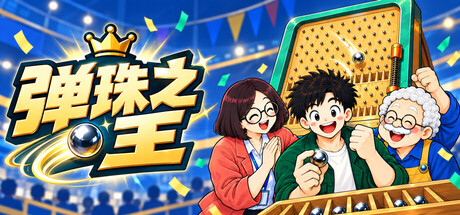 弹珠之王 In-game content arttext | Generative AI assisted with some story illustrations and narrative text, as well as store artwork and icons. These materials were reviewed, edited and arranged during development. All content is pre-generated; the game does not connect to AI services or generate content during gameplay. | DONG FENGJIA | - | Oct 12, 2026 | |
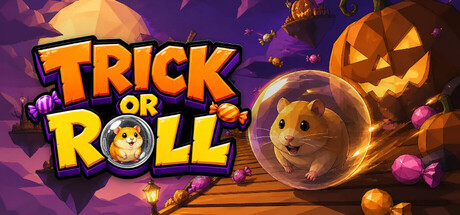 Trick or Roll In-game content artaudio | AI tools created the models, textures, skies, art, music and sound effects during development. No AI content is generated during gameplay. | Bitmagic | - | Oct 10, 2026 | |
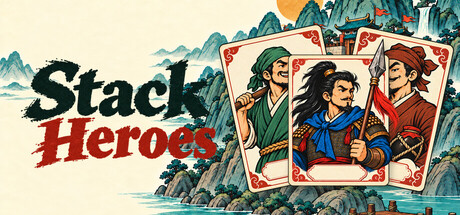 梁山叠义 In-game content artaudiotextcode | All content in Stack Heroes is generated using AI, including artwork, character and scene illustrations, UI graphics, music, sound effects, story and dialogue, other text, localization, and game program code. This content is generated during development and included in the game. The game does not generate AI content during gameplay or connect to external AI services. | XieMiao | - | Oct 10, 2026 | |
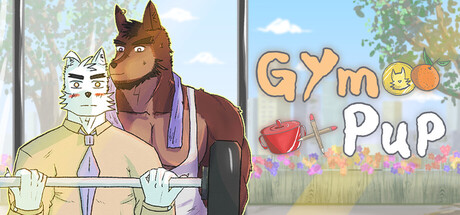 GymPup In-game content textart | AI was used to assist with the localization of some language versions. The translations were reviewed by the developer through proofreading and back-translation checks.
AI-generated images were used as composition references during the creation of a small number of CG illustrations. The image generation was based on the developer's own original hand-drawn character illustrations, provided as input references. All final character illustrations, CG illustrations, and other art assets were drawn entirely by hand. All characters are original designs. | bbone | - | Oct 10, 2026 | |
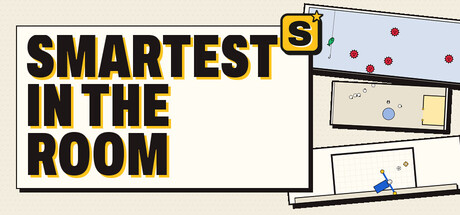 Smartest in the Room In-game content audiotext | The host's voice lines were generated with an AI text-to-speech service from a script we wrote. Parts of the store page text were drafted with AI assistance and edited by us. All game art, minigames and code are made by the developer; nothing is generated while you play. | McHunter Studio | - | Oct 9, 2026 | |
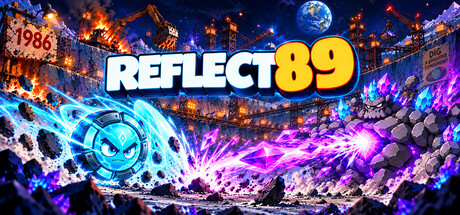 REFLECT89 In-game content art | Generative AI was used to assist with some pre-generated 2D artwork. All AI-assisted assets were selected, edited and integrated by the developer. No generative AI is used during gameplay. | EiSee Games | - | Oct 9, 2026 | |
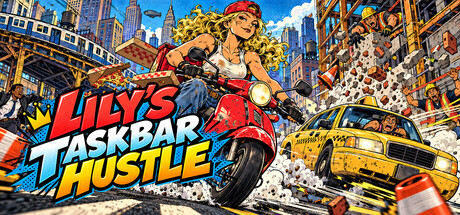 LILY'S TASKBAR HUSTLE In-game content artcode | We use generative AI for some of the following elements.
・Some of the in-game art
・Some of the code
・Some of the banners and trailers on the store page | OneCraft | - | Oct 9, 2026 | |
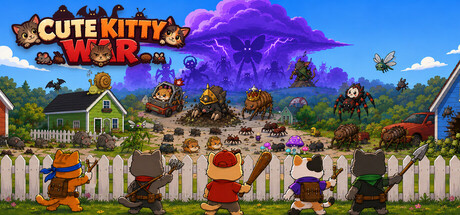 Cute Kitty WAR In-game content artaudiotext | All AI-generated content in Cute Kitty WAR was created during development; nothing is generated while you play. The game's artwork — cats, pests, items, backgrounds and store images — was produced with AI image generation from our own designs and direction, then selected, edited and assembled by our developer. Much of the game's music and sound was synthesized by code written with an AI assistant, and AI assistance helped draft the in-game text, all directed and reviewed by our developer. | SAMBEAN | - | Oct 9, 2026 | |
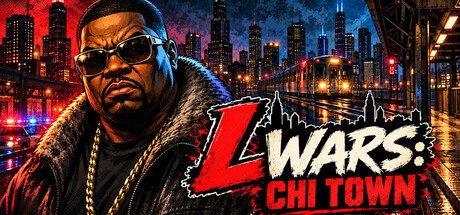 L Wars: Chi Town In-game content arttextcode | Generative AI tools were used during development to assist with portions of the game’s pre-generated 2D character and promotional artwork, localization drafts, and code. All AI-assisted material was reviewed, selected, and edited by the developer before inclusion. The game does not generate AI content during gameplay. | Best KPI LLC | - | Oct 7, 2026 | |
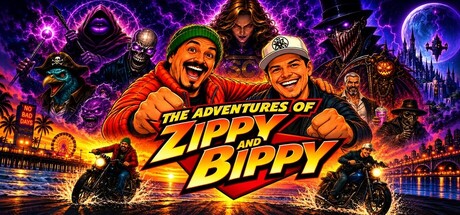 The Adventures of Zippy and Bippy In-game content art | Generative AI tools were used during development to assist in the creation of certain pre-rendered visual content, including character assets, artwork, and marketing materials. All AI-assisted content was reviewed, selected, and incorporated by the development team before being included in the game or its promotional materials. | James Blackburn | - | Oct 7, 2026 | |
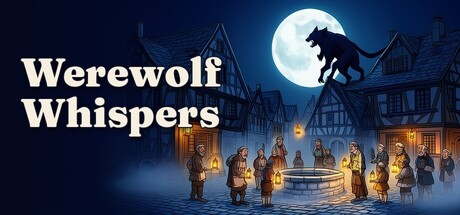 Werewolf Whispers In-game content artaudiocode | Generative AI tools were used during development to assist with the creation of certain 2D visual assets, animations and sound effects. AI tools were also used as development assistance for programming and implementation. All generated content was reviewed and curated by the developer before inclusion in the final game. | SK | - | Oct 7, 2026 | |
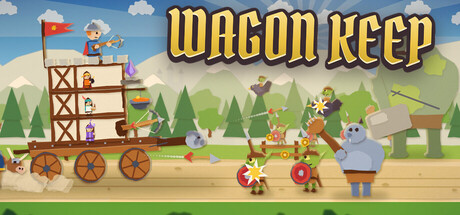 Wagon Keep Unclear art | AI-generated art | Tribus Games Indie | - | Oct 6, 2026 | |
 Unwritten Live AI text | Unwritten uses generative AI as part of its core gameplay. AI systems interpret the player's freely written actions and generate narrative responses within an authored world, story and set of rules. AI inference runs locally on the player's computer. | Romain Brancherie | - | Oct 6, 2026 | |
 Marco! In-game content art | MARCO is made by a solo developer. Its characters, core concepts, and art direction are my original work.
I used AI tools, guided by my own artwork and creative direction, to help create additional 3D models, props, textures, concept art, and some store-page and marketing images. I reviewed, selected, and refined these assets to fit MARCO’s style before including them.
No content is generated by AI during gameplay.
As a solo developer with limited time and resources, these tools helped me turn a game I’d imagined for years into something people can actually play. | Noel Ray | - | Oct 6, 2026 | |
 KPOP Idol Factory In-game content artaudio | AI tools were used during development to create pre-made content such as images, voices, music and 3D model drafts. Everything was selected, edited and integrated into the game by the developer. The game does not generate any content with AI while you play and does not connect to AI services. | Jodelsoft | - | Oct 4, 2026 | |
 The Co-Exist Files Dev only art | Generative AI was used only for initial art concepts.
Post-processing, stylization, animation, and music were created independently by the developer. | Vic Lin | - | Oct 3, 2026 | |
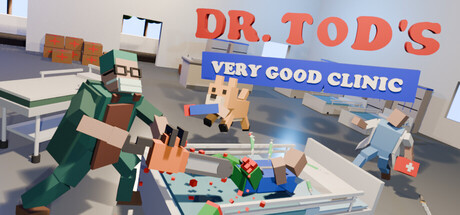 Dr. Tod's Very Good Clinic In-game content text | The in-game text was localised with the help of generative AI. | Natto Chicken | - | Oct 3, 2026 | |
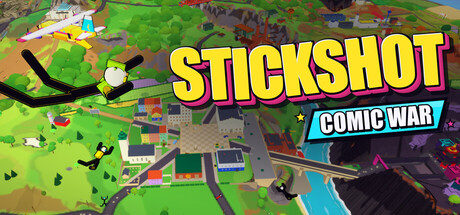 STICKSHOT: Comic War In-game content artaudiotextcode | Pre-generated: the game's code, its procedurally built 3D models, levels and effects, the synthesized in-game music, parts of the UI art, the store artwork and the store texts/translations were created with the help of AI tools (Anthropic Claude) under the developer's direction and review. The menu music tracks were generated by the developer with Google Gemini. Sound effects are edited recordings from Kenney (CC0) and Mixkit. No AI content is generated live while playing. | Millennial Game Dreams | - | Oct 1, 2026 | |
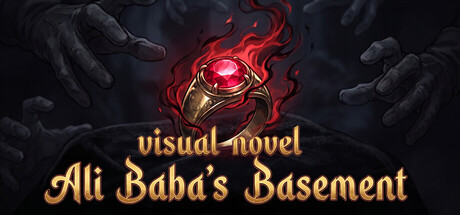 Visual Novel: Ali Baba Basemen In-game content art | all the pictures are generated by artificial intelligence. | Reanim Games | - | Oct 1, 2026 | |
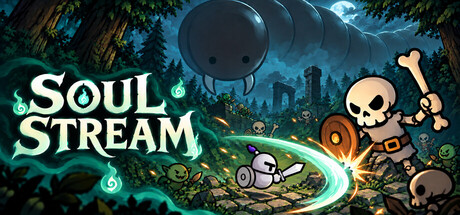 Soul Stream Unclear artaudio | Art Resource, BGM, Store Asset | Enter the Game Studios | - | Oct 1, 2026 | |
 Calorie Pinball In-game content arttext | Some picture and language localization made by AI | HaoHao Games | - | Sep 30, 2026 | |
 Driver Survivor Store/marketing artcode | AI was used in the production of code, art, and marketing materials for this game | Obsolete Robot | - | Sep 30, 2026 | |
 Suspencil Live AI audioarttext | This game uses generative AI for the translations into all languages other than Japanese, the background music and some sound effects, and some of the artwork and icons.
In the Comeback Challenge, an external AI service is used to judge whether an answer correctly names the prompt. The only player data sent to the AI is the text of the answer, and only a correct/incorrect result is returned. The AI does not generate or display any text or images during gameplay. | KUROKIRI GAMES | - | Sep 27, 2026 | |
 那回不去青涩时光 In-game content art | Some character art was created with the assistance of AI | pp工作室 | - | Sep 27, 2026 | |
 Death's Hour Dev only | AI was used as an assistant to create tooling for faster game development | TA Games | - | Sep 24, 2026 | |
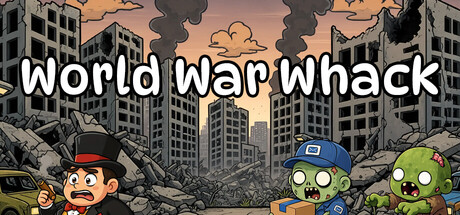 World War Whack In-game content arttext | Generative AI tools were used during development to help create some of the game's artwork, including zombie character sprites, hammer icons, achievement icons. All AI-assisted artwork was reviewed and selected by the developer before being included in the final game. The store page description was also written with the assistance of an AI writing tool. | Groundbreakers | - | Sep 24, 2026 | |
 广东爱情故事 In-game content artaudiotext | During game development, AI-generated assets including story illustrations, music and sound effects were used. | All In Game Co., Limited | - | Sep 23, 2026 | |
 回南天 The Ferry In-game content audio | 部分背景音乐使用人工智能辅助合成 | 寒悦Hannyueh | - | Sep 22, 2026 | |
 研究生模拟器:毕业倒计时 Dev only code | This game was developed with the assistance of generative AI tools during development. AI was used to assist with source code generation, modification, debugging, and refactoring. No generative AI is used at runtime, and the game does not provide any AI-generated content or AI generation features to players. | Yobboy Games | - | Sep 22, 2026 | |
 少女派对 In-game content art | Some characters and scenes were designed using AI. | Maiden Studio | - | Sep 22, 2026 | |
 Vampire Suplex In-game content arttext | Some of this game's art assets and store page text were created with the help of generative AI tools. All AI-assisted material is pre-rendered and reviewed by the developer before release. No content is generated by AI while the game is running. | DUMARU Inc. | - | Sep 19, 2026 | |
 Christmas Mystery: 100 Hidden Cats Dev only code | AI tools were used during development solely to assist with coding, including identifying and fixing bugs and making minor code corrections and improvements. AI does not generate any content for players during gameplay. | ArPeaKK Games | - | Sep 19, 2026 | |
 Rise From Ashes In-game content art | The game contains AI generated visuals, which will be removed through further development. Replacement of AI generated contents will be announced and after full replacement the Generative Artificial Intelligence notice in the store page will be removed together. | Luminark Studio | - | Sep 19, 2026 | |
 満映物語 In-game content art | Some in-game art assets are AI-generated. | WAWE | - | Sep 19, 2026 | |
 星月大陆:放置帝国 In-game content art | Some of the in-game background images and the store Capsule image art assets in this game were created using pre-rendered generative AI tools. These assets were then reviewed, refined, and integrated by our development team to fit the game's artistic vision | yeshaojia | - | Sep 19, 2026 | |
 Cidle art | Some of the 2D art in Cidle Online was created with the help of generative AI
image tools. This includes parts of the sprite work for buildings, points of
interest and item icons, as well as some store page artwork. Every generated
image was reviewed, edited and adjusted by hand before it went into the game,
and assets are checked so they do not reproduce existing works.
All of this art is produced during development. Nothing is generated by AI
while you play, and the game does not send any of your data to an AI service. | Chop | - | Sep 19, 2026 | |
 余烬边界 In-game content artaudio | During the development of this game, generative AI was used to assist in the creation of some 2D art assets and pre-generated sound effects. All AI-assisted content underwent manual review, modification, and integration by the developers. No content will be generated by generative AI during gameplay. | FishForge | - | Sep 18, 2026 | |
 Cat Omni: Card Cats In-game content art | Some graphical assets of the game like cat characters are made using generative artificial intelligence. | DIONYSIOS DIAMANTOPOULOS | - | Sep 16, 2026 | |
 Tooth for Tooth Unclear | We used generative AI tools as part of our creative process, alongside our team’s direction, editing, and refinement. | Outlane | - | Sep 16, 2026 | |
 A Letter Game In-game content | The game uses AI assets. | BIG DREAMS GROUP | - | Sep 14, 2026 | |
 Where is my sword In-game content text | Generative AI was used for the translation of this game. | DeskClub Games | - | Sep 14, 2026 | |
 Power Showdown In-game content artcode | Generative AI tools were used during development to help create character artwork, menu backgrounds, some 3D assets, and pre-rendered cinematic videos. AI-assisted tools were also used for programming and debugging. These assets are prepared before release and incorporated into the game. | Chad Stewart | - | Sep 13, 2026 | |
 My Sperm Reported Me In-game content art | AI was used to create some of the game's artwork and visual assets. | SOOJI JUNG | - | Sep 13, 2026 | |
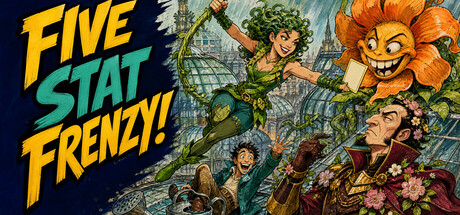 FIVE STAT FRENZY! In-game content art | During development, generative AI tools were used to assist with selected pre-generated visual content, including some card illustrations, comic imagery and marketing artwork. Each included illustration was deliberately selected, art-directed and integrated into FIVE STAT FRENZY!’s own comic-watercolour style, cast of characters, game rules and connected Paperlight City story.
The released game uses no generative AI at runtime. Players do not enter AI prompts, and the game does not generate new images, text, dialogue, music or gameplay content while it is being played. Card values, rules, deckbuilding, rivals, campaign progression and comic unlocks are fixed, tested game content. | ZELVANIX | - | Sep 13, 2026 | |
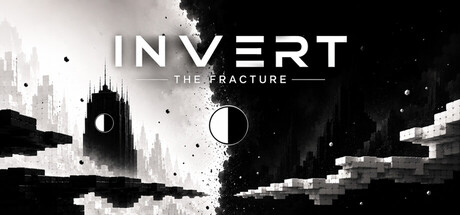 INVERT: The Fracture In-game content art | Some visual assets, icons, and artwork in this game were created or refined with the assistance of generative AI. All AI-generated content was reviewed, edited, and approved by the developer before being included in the game. No AI-generated content is created during gameplay, and the game does not rely on AI services while being played. | Rahib Games | - | Sep 13, 2026 | |
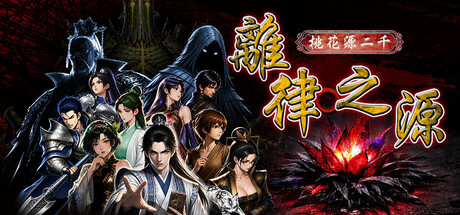 ToFaYun 2000 In-game content art | All textual copy, dialogue, and scripts in this game are entirely handcrafted and written by the developer without the use of AI. The background music and sound effects are licensed from Pixabay under commercial-use terms. Generative AI (Leonardo.ai) was utilized strictly to pre-generate initial CG illustrations and concept art, which were subsequently edited and refined manually by the developer before being built into the game. | black_goat_studio | - | Sep 13, 2026 | |
 doodle towers In-game content text | AI was used for translation | yummypotato | - | Sep 12, 2026 | |
 DreamAgain Adventures Emperor Sin & King Pop Strike Force In-game content audiotext | AI content for audio sound effects on player strike attacks normal slash sounds for punches and kicks & wording that completes mission. Game Cover marketing material | DreamAgain Studios | - | Sep 12, 2026 | |
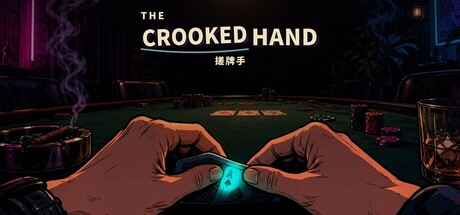 The Crooked Hand In-game content artaudiotextcode | This game uses generative AI extensively during development to assist with programming and to create art, music, and some written materials. All content included in the final game is manually reviewed, edited, and integrated; no content is generated in real time while the game is running. | chenjd | - | Sep 12, 2026 |


