




Disclosure
- Assistance with music creation. - Localization into English, French, Spanish, and German.
- Creator
- Long Journey Team
- Reviews
- -
- Added
- Oct 12, 2026
Public Steam disclosure research 25,376 disclosures tracked
Search developers’ Steam disclosures, compare classified AI use across games, and follow recorded changes. This index adds cross-game classifications and statistics to statements published on individual store pages.
Code help, debugging and other development work.
Capsule art, trailers and promotional material.
Pre-made art, audio, writing and other game assets.
Interactive or runtime AI features disclosed by the developer.
Groups reflect automatic analysis of public disclosures; mature records are excluded. These counts do not measure AI use across all of Steam. Missing or unclear statements cannot establish whether a game uses AI.
- Assistance with music creation. - Localization into English, French, Spanish, and German.
Generative AI tools were used during development to assist in the creation of some pre-generated visual assets and promotional materials. All AI-assisted content is reviewed, selected, and integrated by the development team. The game does not use generative AI to create content during gameplay.
AI was used to tailor store page descriptions and grammar correct.
The images in this game (in-game assets and store artwork) were created with image-generation AI, then selected and edited by a human. The original draft of the scenario and dialogue was written with Google Gemini, and the implementation and dialogue revisions were done with Claude Code (Anthropic). All of it was supervised and tested by a human. No content is generated by AI while the game is running.
The game uses pre-generated AI-assisted artwork, including some game visuals and Steam promotional artwork. An optional local large language model generates character conversations, some fictional social text and short resident plans during play. Players can turn the local AI feature off and continue playing.
Elya uses generative AI for optional real-time character conversations and synthesized speech. AI-assisted tools were also used to prepare portions of the store localization and selected marketing artwork. The game includes bundled local models, and users may optionally connect compatible third-party AI services or configure their own providers. Live-generated content is based on user input and character settings.
Se han utilizado herramientas de inteligencia artificial generativa durante el desarrollo para ayudar en la creación y adaptación de algunos recursos del juego, como modelos 3D, imágenes, audio y otros elementos gráficos. Todo el contenido generado con IA ha sido revisado y preparado previamente antes de incluirse en el juego. El juego no genera contenido mediante IA en tiempo real ni se conecta a servicios externos de IA durante la partida.
AI tools were used to create artwork and assist with coding. The game's writing and planning were created by the developer. No generative AI runs during gameplay.
Generative AI tools were used to assist with some of the game's artwork and translations. All content was directed, selected and edited by the developer. Nothing is generated while you play.
Nook uses generative AI for character artwork and video assets. During use, AI generates personalized dialogue, speech, and short video responses based on the player's conversation.
Generative AI was used to create or edit some images, generate English voice audio, and assist with translation. All content was prepared before release. No content is generated and no external AI services are accessed during gameplay.
Generative AI was used to create and edit pre-generated in-game backgrounds, character illustrations, CG artwork, icons, and UI artwork, as well as Steam store and library capsule images, the logo, and icons. Gameplay screenshots were captured directly from the game. The game does not generate AI content during play.
Generative AI was used to create the voices, sound effects and illustrations. The stories are designed and directed by the developer.
This game uses generative AI tools during development to assist with the following content: text translation, sound effects, and background artwork assets
1) Artwork: card illustrations and other visual assets were created with the help of AI image generation tools, then selected and edited by the developer. 2) Music: the soundtrack was created with the help of AI music generation tools.
The art, animation, voice acting and music in this game were pre-generated with generative AI tools, then selected, edited and corrected shot by shot by hand. The script, all dialogue and the story structure are human-written. No AI generation happens at runtime.
The translations into other languages were created with the help of AI tools. The game does not generate any AI content while you play.
This game uses generative AI to assist in creating some game assets. All AI-generated assets are manually reviewed, adjusted, and refined by the developer. The game does not generate AI content in real-time during gameplay.
Images in the game’s gallery were created using AI.
AI assistance was used to draft and translate text for this Steam store page from the developer’s own story and game information. No AI-generated artwork, voices, music, in-game story or in-game translations are currently used. No content is generated by AI during gameplay.
Some sounds and images were AI generated. All AI content was checked by real person. We also used deepL AI for localizations
We utilize generative AI tools during the development process to assist in creating certain game assets. Specifically, AI image generation is used to produce some 2D graphical assets, such as item icons, UI backgrounds, or character portraits.
Generative AI was used during development to create some pre-generated background art, character portraits, promotional images, dialogue, and music. No AI content is generated while the game is running.
HearthMoon uses AI to generate NPC dialogue during gameplay and synthesize NPC voices. Spoken input is transcribed so villagers and the dragon companion can respond to the player. AI-assisted artwork and writing are also used in development and in store-page marketing. Conversations are experimental and responses may be inconsistent.
AI tools assisted with static artwork, marketing images and localization. During play, a bundled language model running locally on your PC generates dialogue, narrative and diary text from your input, card instructions and conversation context. No external AI service or API key is required. No images or voices are generated during play. Output quality, response time and consistency vary with your hardware and input.
Please note that non-Japanese localization is currently generated by AI. I plan to replace this with professional human localization in the future. Furthermore, one sound effect was created using AI. All other elements have been meticulously crafted by myself.
StoryNow uses generative AI locally during gameplay. Llama.cpp generates prompts that ComfyUI uses to create visual-novel artwork on the player's device. The game does not connect to an external AI generation service.
AI tools were used during development to create pre-made content such as images, voices, music and 3D model drafts. Everything was selected, edited and integrated into the game by the developer. The game does not generate any content with AI while you play and does not connect to AI services.
Generative AI is used during development to create visual and music assets for the game and its promotional materials. It is not used to create the scenario, written text, or voices. All AI-generated assets are pre-generated; the game does not generate content or connect to external AI services during gameplay.
本作的核心叙事与所有角色立绘均由开发者本人独立原创。在开发过程中,AI仅作为辅助效率工具,用于提供初稿思路与基础美术变体(如光影与服装调整)。所有文本均经过开发者深度的重写与精修,所有美术资产均经过开发者的人工精细绘制与调整,以确保完全契合游戏独特的手绘风格与情感表达。
AI was used as a supporting tool during the development of this game. However, the original game idea and its underlying concept were created several years ago and were developed entirely independently of AI. The entire project is being created by a solo developer with a university degree in Game Design. Over the years, several hundred hours of work, experience, creativity, and personal passion have gone into the concept, development, and realization of the game. AI was used to assist with certain parts of the development process. This includes support with coding as well as some aspects of soundtrack and visual asset creation. Many of the visual assets were subsequently edited, refined, adapted, or partially recreated manually using image editing software to achieve the intended style and quality. AI was also used as a supporting tool for written content, primarily to make minor improvements to texts written by the developer and to correct grammar and wording. AI therefore serves as an additional tool within the development process. The original game concept, game design, creative decisions, final direction, and implementation of the game remain the work of the developer. Various sounds and some of the soundtracks used in the game were also created and composed by the developer.
Some pre-made content was created with the help of generative AI tools and then edited by our team: parts of the key art and logo, some 3D models, some UI/ability icons, and some character voice lines. AI coding assistants were also used during development. Gameplay design and level design were done by the developers. The game does not generate any AI content live during gameplay.
As a small indie team, we use generative AI to assist with coding and parts of our art workflow. All AI-assisted code is manually tested by our team before being included in the game. Our artists create the original concepts and visual direction, while AI is used as a supporting tool during the art process. All final artwork is manually refined and finished by our artists.
Marketing materials, audio.
A small language model (Google's Gemma 3 270M) runs entirely on the player's computer, with no network connection. It writes short lines of villager small talk, the ritual oracle's one- or two-sentence hint after a failed ritual, and routine filler records in the in-game archive, and it chooses which of our pre-written dialogue lines fits the moment. Guardrails: the player never types to the model — there is no text input anywhere in the game. Every prompt is a fixed template we wrote, filled in from game state such as a character's name, the time of day and the current quest. Output is short by construction (hard token caps, and lines over a few words are cut or discarded); lines that read as narration, stage directions or an assistant speaking are rejected; dialogue choices are constrained to our own authored lines. Any failure falls back to written lines. Players can turn the model off in Settings, and the game plays identically on written lines alone.
Art/visual assets in the game and on the Steam store page were created with AI assistance. No AI-generated content is created during gameplay.
Generative AI was used to create promotional artwork for the Steam store page and marketing materials.
This game utilizes generative AI for a significant portion of its art assets. Many AI-assisted elements underwent manual editing and modification by the developer before being integrated into the final game.
Generative AI may be used to assist with localization. All final text is reviewed and edited by the developer.
InteractiVR uses generative AI during play. The interviewer characters are driven by a large language model that generates their questions, follow up questions and responses live, in response to what the player says and to the job role and experience level the player selects. Player speech is transcribed by automatic speech recognition, and interviewer dialogue is spoken using synthesized voice. The written performance report at the end of a session is also AI generated. The AI is constrained by a system prompt scoped to job interview conversation and to evaluating answers against the STAR method. It does not depict or impersonate real people. Interviewer characters are fictional. The AI evaluates the structure and completeness of a player's answers against the STAR method. It is a practice and training tool and does not make hiring decisions.
The graphical elements were created using AI and then manually refined.
Generative AI tools were used during development to assist in creating pre-generated audio and other selected content. These assets are reviewed and integrated by the developer before being included in the game or its promotional materials. The game does not use real-time generative AI during gameplay.
AI used to assist in coding, scripting, and localization
Artificial intelligence was used to assist in development, primarily for the front end, and AI generated content is used in game for text and voices via local models ran on the player's system or external models provided by the player.
Some character portraits were created with generative AI. AI tools were also used to help write and translate the store page and to translate the game's text. The story and dialogue were written by our team.
After a talk, audience questions are generated at runtime by a small open-weight language model (Qwen3) running locally on the player's computer, based on a transcript of what the player just said. Speech-to-text also runs locally (whisper.cpp). Nothing is sent to any server.
AI-assisted tools were utilized during the development of this game (including visual art, sound design, and workflow optimization) to achieve higher quality. Every final element has been curated, reviewed, and integrated under the direct supervision of the development team.
ARIA's dialogue and speech are generated on the player's own machine at runtime by a language model and a text-to-speech voice that ship with the game. Nothing is sent to an external service and no player data leaves the machine. What ARIA says is constrained to the station's fiction and to evidence the player has actually found in-game. Some art, audio and text assets in the game were produced with AI tools and reviewed by the developer before shipping.
Peso Pena uses generative AI tools during production, under the direction and review of our team. AI was used to create pre-rendered visual assets, including character illustrations, sprites and animation frames, backgrounds, store artwork and trailer/cutscene footage, all of which were curated, edited and approved by our artists. Some in-game and store texts were drafted or translated with AI assistance and then reviewed by the team. The game does not generate any content at runtime: every image, animation, text and sound that players see is fixed and was reviewed before release.
DAWNBLOOM uses generative AI-assisted tools during the development of certain game content. The in-game “Dawnbloom Spirit” feature connects to a generative AI service to provide real-time text responses to players’ game-related questions, including game knowledge, gameplay explanations, and general guidance. This feature generates auxiliary text content only. It does not generate or modify game code, nor does it directly control game rules, character data, or player assets.
| Title⇅ | Disclosure | Creator⇅ | Src | Reviews⇅ | Added↓ |
|---|---|---|---|---|---|
 PrankzPlz! In-game content audiotext | - Assistance with music creation.
- Localization into English, French, Spanish, and German. | Long Journey Team | - | Oct 12, 2026 | |
 Gods & Liars Store/marketing art | Generative AI tools were used during development to assist in the creation of some pre-generated visual assets and promotional materials. All AI-assisted content is reviewed, selected, and integrated by the development team. The game does not use generative AI to create content during gameplay. | QARAMTA STUDIOS | - | Oct 12, 2026 | |
 Burgerama Anomaly Store/marketing text | AI was used to tailor store page descriptions and grammar correct. | Mossy Games Studio | - | Oct 12, 2026 | |
 戦う情報システム部 In-game content arttextcode | The images in this game (in-game assets and store artwork) were created with image-generation AI, then selected and edited by a human. The original draft of the scenario and dialogue was written with Google Gemini, and the implementation and dialogue revisions were done with Claude Code (Anthropic). All of it was supervised and tested by a human. No content is generated by AI while the game is running. | CandyRock | - | Oct 12, 2026 | |
 MOO Live AI arttext | The game uses pre-generated AI-assisted artwork, including some game visuals and Steam promotional artwork. An optional local large language model generates character conversations, some fictional social text and short resident plans during play. Players can turn the local AI feature off and continue playing. | SPRING FALL TECHNOLOGIES LTD | - | Oct 10, 2026 | |
 Elya Live AI audiotextart | Elya uses generative AI for optional real-time character conversations and synthesized speech. AI-assisted tools were also used to prepare portions of the store localization and selected marketing artwork. The game includes bundled local models, and users may optionally connect compatible third-party AI services or configure their own providers. Live-generated content is based on user input and character settings. | Elya | - | Oct 10, 2026 | |
 El Enigma del Colegio Cumbres In-game content artaudio | Se han utilizado herramientas de inteligencia artificial generativa durante el desarrollo para ayudar en la creación y adaptación de algunos recursos del juego, como modelos 3D, imágenes, audio y otros elementos gráficos. Todo el contenido generado con IA ha sido revisado y preparado previamente antes de incluirse en el juego. El juego no genera contenido mediante IA en tiempo real ni se conecta a servicios externos de IA durante la partida. | David Orizaola | - | Oct 10, 2026 | |
 KAYFABE In-game content artcode | AI tools were used to create artwork and assist with coding. The game's writing and planning were created by the developer. No generative AI runs during gameplay. | Laughing Gorilla | - | Oct 10, 2026 | |
 Malibu Club: Cocktail Bar Simulator In-game content arttext | Generative AI tools were used to assist with some of the game's artwork and translations. All content was directed, selected and edited by the developer. Nothing is generated while you play. | LasGen Interactive | - | Oct 10, 2026 | |
 Nook : The World’s First Real-Time, Real-Human Confidant Live AI arttextaudio | Nook uses generative AI for character artwork and video assets. During use, AI generates personalized dialogue, speech, and short video responses based on the player's conversation. | Plotfun Inc | - | Oct 10, 2026 | |
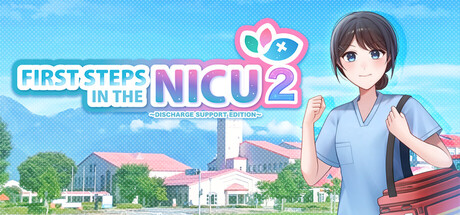 First Steps in the NICU 2: Discharge Support Edition In-game content artaudiotext | Generative AI was used to create or edit some images, generate English voice audio, and assist with translation. All content was prepared before release. No content is generated and no external AI services are accessed during gameplay. | M-Terrace | - | Oct 10, 2026 | |
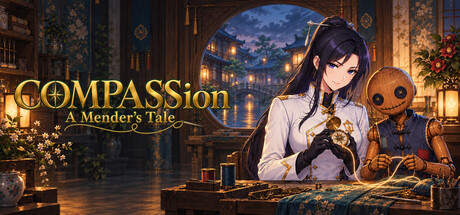 COMPASSion: A Mender’s Tale In-game content art | Generative AI was used to create and edit pre-generated in-game backgrounds, character illustrations, CG artwork, icons, and UI artwork, as well as Steam store and library capsule images, the logo, and icons. Gameplay screenshots were captured directly from the game. The game does not generate AI content during play. | COMPASSion: A Mender’s Tale Studio | - | Oct 9, 2026 | |
 Rêverie: Audio Stories In-game content audioart | Generative AI was used to create the voices, sound effects and illustrations. The stories are designed and directed by the developer. | Petit Vaisseau | - | Oct 9, 2026 | |
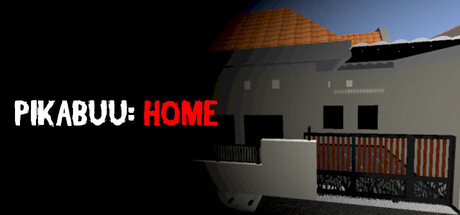 Pikabuu: Home In-game content textaudioart | This game uses generative AI tools during development to assist with the following content: text translation, sound effects, and background artwork assets | JoyKeratif | - | Oct 9, 2026 | |
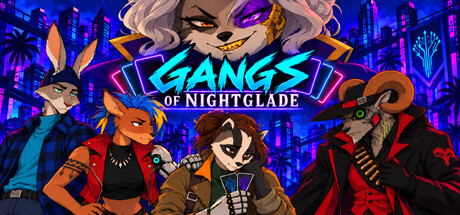 Gangs of Nightglade In-game content artaudio | 1) Artwork: card illustrations and other visual assets were created with the help of AI image generation tools, then selected and edited by the developer.
2) Music: the soundtrack was created with the help of AI music generation tools. | Massive Mustache | - | Oct 9, 2026 | |
 Song Bao's Adventure In-game content artaudiotext | The art, animation, voice acting and music in this game were pre-generated with generative AI tools, then selected, edited and corrected shot by shot by hand. The script, all dialogue and the story structure are human-written. No AI generation happens at runtime. | Song Bao | - | Oct 9, 2026 | |
 Faded Fears - Grayshore Motel In-game content text | The translations into other languages were created with the help of AI tools. The game does not generate any AI content while you play. | Jeans | - | Oct 9, 2026 | |
 无常三国:乱世幸存者 In-game content artaudiocodetext | This game uses generative AI to assist in creating some game assets. All AI-generated assets are manually reviewed, adjusted, and refined by the developer. The game does not generate AI content in real-time during gameplay. | PRIMORDIAL STUDIO | - | Oct 9, 2026 | |
 Who? In-game content art | Images in the game’s gallery were created using AI. | pedro | - | Oct 9, 2026 | |
 Ravenfall - Horse Game In-game content text | AI assistance was used to draft and translate text for this Steam store page from the developer’s own story and game information. No AI-generated artwork, voices, music, in-game story or in-game translations are currently used. No content is generated by AI during gameplay. | Ravenfall Horse Game | - | Oct 8, 2026 | |
 Landlord Simulator In-game content audioarttext | Some sounds and images were AI generated. All AI content was checked by real person. We also used deepL AI for localizations | BeyondPlanet | 32 | Oct 8, 2026 | |
 Myrridon In-game content art | We utilize generative AI tools during the development process to assist in creating certain game assets. Specifically, AI image generation is used to produce some 2D graphical assets, such as item icons, UI backgrounds, or character portraits. | 3AM Games | - | Oct 8, 2026 | |
 中国球王之路 In-game content arttextaudio | Generative AI was used during development to create some pre-generated background art, character portraits, promotional images, dialogue, and music. No AI content is generated while the game is running. | wuzeke | - | Oct 7, 2026 | |
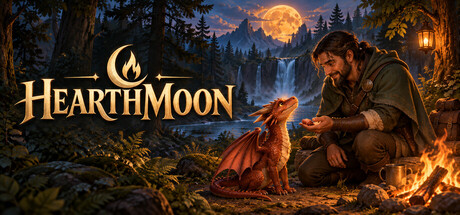 HearthMoon Live AI textaudio | HearthMoon uses AI to generate NPC dialogue during gameplay and synthesize NPC voices. Spoken input is transcribed so villagers and the dragon companion can respond to the player. AI-assisted artwork and writing are also used in development and in store-page marketing. Conversations are experimental and responses may be inconsistent. | EZY Studios | - | Oct 7, 2026 | |
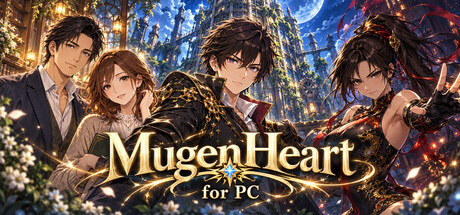 MugenHeart for PC Live AI text | AI tools assisted with static artwork, marketing images and localization. During play, a bundled language model running locally on your PC generates dialogue, narrative and diary text from your input, card instructions and conversation context. No external AI service or API key is required. No images or voices are generated during play. Output quality, response time and consistency vary with your hardware and input. | MugenHeart | - | Oct 7, 2026 | |
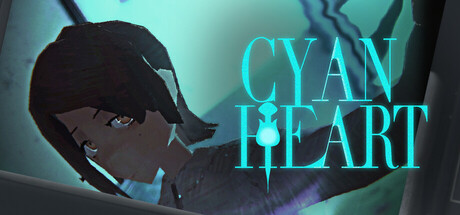 Cyan Heart In-game content textaudio | Please note that non-Japanese localization is currently generated by AI. I plan to replace this with professional human localization in the future.
Furthermore, one sound effect was created using AI.
All other elements have been meticulously crafted by myself. | Shoei Sio | - | Oct 6, 2026 | |
 StoryNow Live AI art | StoryNow uses generative AI locally during gameplay. Llama.cpp generates prompts that ComfyUI uses to create visual-novel artwork on the player's device. The game does not connect to an external AI generation service. | pakyinwww | - | Oct 6, 2026 | |
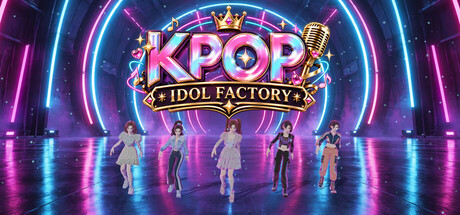 KPOP Idol Factory In-game content artaudio | AI tools were used during development to create pre-made content such as images, voices, music and 3D model drafts. Everything was selected, edited and integrated into the game by the developer. The game does not generate any content with AI while you play and does not connect to AI services. | Jodelsoft | - | Oct 4, 2026 | |
 ARIA - Origin Paradox In-game content artaudio | Generative AI is used during development to create visual and music assets for the game and its promotional materials. It is not used to create the scenario, written text, or voices. All AI-generated assets are pre-generated; the game does not generate content or connect to external AI services during gameplay. | HeartWarmWorkS | - | Oct 4, 2026 | |
 线之缀 Stitching the Invisible Journal Dev only textart | 本作的核心叙事与所有角色立绘均由开发者本人独立原创。在开发过程中,AI仅作为辅助效率工具,用于提供初稿思路与基础美术变体(如光影与服装调整)。所有文本均经过开发者深度的重写与精修,所有美术资产均经过开发者的人工精细绘制与调整,以确保完全契合游戏独特的手绘风格与情感表达。 | xianzhizhui Studio | - | Oct 4, 2026 | |
 TowerCard: Digital Edition In-game content artaudiotext | AI was used as a supporting tool during the development of this game. However, the original game idea and its underlying concept were created several years ago and were developed entirely independently of AI.
The entire project is being created by a solo developer with a university degree in Game Design. Over the years, several hundred hours of work, experience, creativity, and personal passion have gone into the concept, development, and realization of the game.
AI was used to assist with certain parts of the development process. This includes support with coding as well as some aspects of soundtrack and visual asset creation. Many of the visual assets were subsequently edited, refined, adapted, or partially recreated manually using image editing software to achieve the intended style and quality.
AI was also used as a supporting tool for written content, primarily to make minor improvements to texts written by the developer and to correct grammar and wording.
AI therefore serves as an additional tool within the development process. The original game concept, game design, creative decisions, final direction, and implementation of the game remain the work of the developer. Various sounds and some of the soundtracks used in the game were also created and composed by the developer. | Can Simsek | - | Oct 4, 2026 | |
 Electric Noosphere In-game content artaudiocode | Some pre-made content was created with the help of generative AI tools and then edited by our team: parts of the key art and logo, some 3D models, some UI/ability icons, and some character voice lines. AI coding assistants were also used during development. Gameplay design and level design were done by the developers. The game does not generate any AI content live during gameplay. | Simulated Flow UG | - | Oct 4, 2026 | |
 Purrrfect Immortal In-game content artcode | As a small indie team, we use generative AI to assist with coding and parts of our art workflow. All AI-assisted code is manually tested by our team before being included in the game. Our artists create the original concepts and visual direction, while AI is used as a supporting tool during the art process. All final artwork is manually refined and finished by our artists. | Red Mad Cat Games | - | Oct 4, 2026 | |
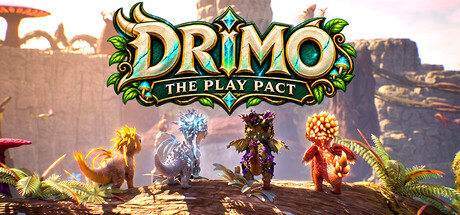 DRIMO: The Play Pact Store/marketing audioart | Marketing materials, audio. | DrimoStudios | - | Oct 4, 2026 | |
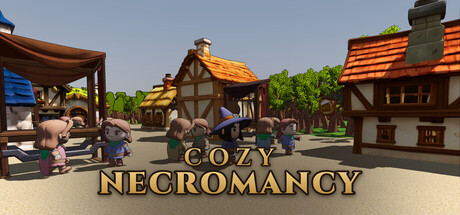 Cozy Necromancy Live AI text | A small language model (Google's Gemma 3 270M) runs entirely on the player's computer, with no network connection. It writes short lines of villager small talk, the ritual oracle's one- or two-sentence hint after a failed ritual, and routine filler records in the in-game archive, and it chooses which of our pre-written dialogue lines fits the moment.
Guardrails: the player never types to the model — there is no text input anywhere in the game. Every prompt is a fixed template we wrote, filled in from game state such as a character's name, the time of day and the current quest. Output is short by construction (hard token caps, and lines over a few words are cut or discarded); lines that read as narration, stage directions or an assistant speaking are rejected; dialogue choices are constrained to our own authored lines. Any failure falls back to written lines. Players can turn the model off in Settings, and the game plays identically on written lines alone. | Hexmonger | - | Oct 3, 2026 | |
 Scent of You Store/marketing art | Art/visual assets in the game and on the Steam store page were created with AI assistance. No AI-generated content is created during gameplay. | Framea Studios | - | Oct 3, 2026 | |
 THIS HOUSE HATES YOU Store/marketing art | Generative AI was used to create promotional artwork for the Steam store page and marketing materials. | Hyper Lab | - | Oct 3, 2026 | |
 Kill You Again In-game content art | This game utilizes generative AI for a significant portion of its art assets. Many AI-assisted elements underwent manual editing and modification by the developer before being integrated into the final game. | Deadbear | - | Oct 3, 2026 | |
 HAPPY PROPAGANDA In-game content text | Generative AI may be used to assist with localization. All final text is reviewed and edited by the developer. | Not a Dog | - | Oct 3, 2026 | |
 InteractiVR Live AI text | InteractiVR uses generative AI during play. The interviewer characters are driven by a large language model that generates their questions, follow up questions and responses live, in response to what the player says and to the job role and experience level the player selects. Player speech is transcribed by automatic speech recognition, and interviewer dialogue is spoken using synthesized voice. The written performance report at the end of a session is also AI generated.
The AI is constrained by a system prompt scoped to job interview conversation and to evaluating answers against the STAR method. It does not depict or impersonate real people. Interviewer characters are fictional.
The AI evaluates the structure and completeness of a player's answers against the STAR method. It is a practice and training tool and does not make hiring decisions. | Reflections Production | - | Oct 2, 2026 | |
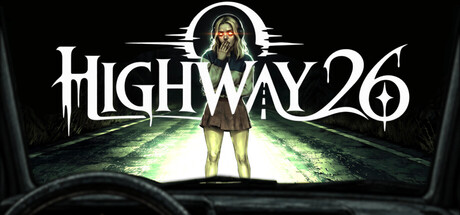 Highway 26 In-game content art | The graphical elements were created using AI and then manually refined. | Plotline Games | - | Oct 1, 2026 | |
 流量依存症 In-game content audio | Generative AI tools were used during development to assist in creating pre-generated audio and other selected content. These assets are reviewed and integrated by the developer before being included in the game or its promotional materials. The game does not use real-time generative AI during gameplay. | OBINO Studio | - | Oct 1, 2026 | |
 Chess You In-game content codetext | AI used to assist in coding, scripting, and localization | Studio SoSeong | - | Oct 1, 2026 | |
 relay Live AI textaudio | Artificial intelligence was used to assist in development, primarily for the front end, and AI generated content is used in game for text and voices via local models ran on the player's system or external models provided by the player. | soli_dstate | - | Sep 30, 2026 | |
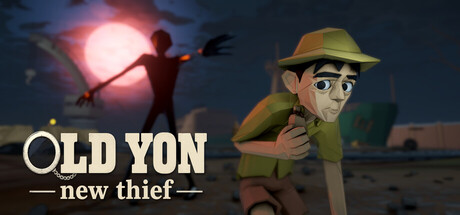 Old Yon. New thief In-game content arttext | Some character portraits were created with generative AI. AI tools were also used to help write and translate the store page and to translate the game's text. The story and dialogue were written by our team. | BoneApps | - | Sep 30, 2026 | |
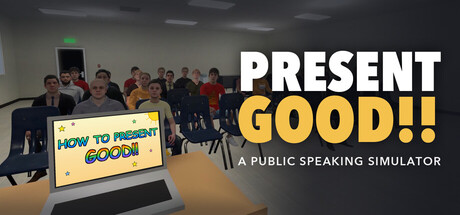 Present Good: A Public Speaking Simulator Live AI text | After a talk, audience questions are generated at runtime by a small open-weight language model (Qwen3) running locally on the player's computer, based on a transcript of what the player just said. Speech-to-text also runs locally (whisper.cpp). Nothing is sent to any server. | Playwithspect | - | Sep 30, 2026 | |
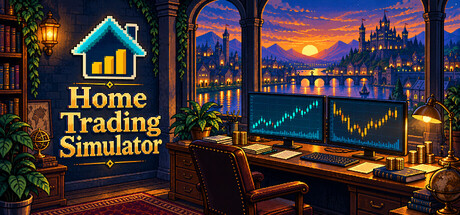 Home Trading Simulator Dev only artaudio | AI-assisted tools were utilized during the development of this game (including visual art, sound design, and workflow optimization) to achieve higher quality. Every final element has been curated, reviewed, and integrated under the direct supervision of the development team. | NeographGamer | - | Sep 30, 2026 | |
 ARIA Live AI textaudioart | ARIA's dialogue and speech are generated on the player's own machine at runtime by a language model and a text-to-speech voice that ship with the game. Nothing is sent to an external service and no player data leaves the machine. What ARIA says is constrained to the station's fiction and to evidence the player has actually found in-game. Some art, audio and text assets in the game were produced with AI tools and reviewed by the developer before shipping. | Dreamtime Game Studios | - | Sep 30, 2026 | |
 Peso Pena In-game content arttext | Peso Pena uses generative AI tools during production, under the direction and review of our team. AI was used to create pre-rendered visual assets, including character illustrations, sprites and animation frames, backgrounds, store artwork and trailer/cutscene footage, all of which were curated, edited and approved by our artists. Some in-game and store texts were drafted or translated with AI assistance and then reviewed by the team. The game does not generate any content at runtime: every image, animation, text and sound that players see is fixed and was reviewed before release. | Dotsmith | - | Sep 30, 2026 | |
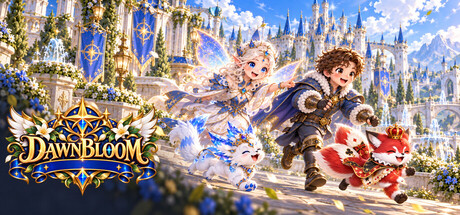 光与绽森语 Live AI text | DAWNBLOOM uses generative AI-assisted tools during the development of certain game content. The in-game “Dawnbloom Spirit” feature connects to a generative AI service to provide real-time text responses to players’ game-related questions, including game knowledge, gameplay explanations, and general guidance. This feature generates auxiliary text content only. It does not generate or modify game code, nor does it directly control game rules, character data, or player assets. | DAWNBLOOM Studio | - | Sep 30, 2026 |


