



Disclosure
- Assistance with music creation. - Localization into English, French, Spanish, and German.
- Creator
- Long Journey Team
- Reviews
- -
- Added
- Oct 12, 2026
Public Steam disclosure research 25,376 disclosures tracked
Search developers’ Steam disclosures, compare classified AI use across games, and follow recorded changes. This index adds cross-game classifications and statistics to statements published on individual store pages.
Code help, debugging and other development work.
Capsule art, trailers and promotional material.
Pre-made art, audio, writing and other game assets.
Interactive or runtime AI features disclosed by the developer.
Groups reflect automatic analysis of public disclosures; mature records are excluded. These counts do not measure AI use across all of Steam. Missing or unclear statements cannot establish whether a game uses AI.
- Assistance with music creation. - Localization into English, French, Spanish, and German.
Some of the ui and logos use ai
The English voice-over for story dialogue and prison PA announcements was generated with an open-source text-to-speech model (Kokoro) from scripts written for the game. Much of the game's code, dialogue text and localisation was written with AI assistance under the developer's direction. No AI generates content while you play. 3D models, textures, sound effects and music come from human-made asset libraries (CC0 sources and Mixamo).
Some character portraits in this game were created with the assistance of generative AI during development. All AI-assisted images were reviewed, edited, and approved by the development team before being included. The game contains no live generation features, and no AI content is generated dynamically during gameplay.
Generative AI tools were used during development to assist in creating some pre-generated 3D assets. All AI-assisted content is created and reviewed during development. The game does not generate AI content during gameplay and does not connect to external AI services.
Generative AI was used during development to create or assist with some in-game artwork, promotional images, written content, and localization. The game does not use generative AI to generate content during gameplay.
Made with AI tools and reviewed and edited by the developer: the character portraits of pilots and controllers, the app icon and the medal artwork (image generation); some 3D props (image-to-3D, then edited); the radio voices, which are original designed voices (not imitating real people) synthesised with text-to-speech. The voices speak only the game's own radio phrases; players cannot make them say other text.
IDE Code assistant used to optimize parts of the game's code and resolve bugs. Certain assets in this game were created or modified with the assistance of genAI tools, then reviewed and integrated by our team.
Nook uses generative AI for character artwork and video assets. During use, AI generates personalized dialogue, speech, and short video responses based on the player's conversation.
Generative AI used in the creation of images and coding.
Doctrine Strike uses generative AI in its art pipeline. Unit models, structures, faction artwork, and the key art on this page were produced with AI image and 3D generation tools, then reviewed, edited and assembled by the team before shipping. Every asset that reaches the game passes human review. While playing, players can also generate landmark models, units and faction artwork from their own text descriptions. This uses third-party AI services reached through our own server and costs credits bought in-game through Steam. The results are stored only on the player's own computer and are never shared with other players.
Some music, sound effects, artwork and translations were made with AI tools and edited by hand. The map, units and interface you see in play are drawn by the game's own code. No generative AI is used at runtime.
Some content was pre-generated with AI tools during development and then edited by the developer.
AI was used for in-game translations of UI, tutorial and caption text. It was also used to translate the store page content into non-English locales.
Generative AI tools were used during development to create and refine some pre-generated content, including UI artwork and icons, selected 3D models and textures, music, character and dealer voice lines, and localized text. Tools used include OpenAI image generation and Codex, Meshy, Suno, and Alibaba Cloud Model Studio. All AI-assisted content was reviewed, curated, and edited before inclusion. The game does not generate AI content at runtime or connect to generative AI services during play.
Generative AI was used during development to create some vegetation textures and to assist with in-game text, quest descriptions, and store copy. This content is prepared in advance and included with the game. The game does not generate AI content during gameplay or connect to third-party AI services.
AI was used to edit capsule artwork and background music tracks.
Some pre-generated assets were created with generative AI tools and then reviewed and edited by the developer: chapter illustrations and mission background images shown in the menus, some badge (achievement) artwork, four mission-category icons, and six short cockpit voice alerts (text-to-speech). Gameplay, terrain, aircraft models, flight physics, mission design, and all in-game text were authored by the developer. The game does not generate any content at runtime.
Generative AI tools were used during development to assist with the creation and refinement of selected visual assets, artwork, and localization. AI-generated material is reviewed and adjusted before inclusion in the game.
Pre-generated AI tools assisted with development, including code, interface copy and localization, in-game comic illustrations, and promotional key art, logo, and icon drafts. The developer reviewed and edited all AI-assisted output before inclusion. The game does not generate AI content while running.
The game's visuals (backgrounds, character portraits, event CGs, and UI) were created with generative AI, then reviewed by hand and retouched where needed. The BGM and some sound effects were also generated with AI, and AI is used for translations. The original story and dialogue were written entirely by the author.
Generative AI tools were used during development to help create promotional artwork for Crazy Delivery.
Generative AI tools were used to assist with the creation of some game and promotional content. All final content was reviewed and approved by the developer.
Some word lists used for typing practice were generated with ChatGPT and manually reviewed.
Generative AI was used to assist in drafting store-page descriptions and promotional text. The game does not generate content using generative AI during gameplay.
This game was developed with Claude and the assistance of advanced AI tools.
Generative AI was used during development to create images for in-game assets.
AI has been used to help develop the game's cover art.
Some environment, item, interface, and branding artwork was created with assistance from generative AI and then selected, edited, and integrated by the developer. AI tools also assisted with drafting or translating some text and localization, which were reviewed by the developer. The game does not use live-generated AI content during gameplay.
This game uses generative AI for creating textures, assisting with coding, and localizing text. All of this was produced during development, and the game does not use AI to generate new content while you play.
AI was used for Locolization to different languages for better language support.
Generative AI was used to create some visual assets included in the game, as well as artwork for the Steam store page and marketing materials. These assets were created before release. The game does not generate AI content during gameplay or connect to external AI services.
RoomFolk used generative AI during development to assist with drafting and debugging parts of its source code and text.
VO production was developed with the assistance of voice generation software.
This game is designed, developed, and published by an independent developer, with AI tools used to assist during development: Written text was drafted with AI assistance and reviewed and edited by the developer. The gameplay, the art style, and every revision were decided by the developer. Some visuals and animations are drawn by code and were reviewed and revised version by version; no AI image-generation models were used. Map tiles and furniture are human-created licensed assets. Music and sound effects are human-created licensed assets. The store capsule artwork was commissioned from a human artist; its background may contain AI-generated elements. The game does not use AI to generate any content at runtime.
During development, AI tools were used to assist with code generation, debugging, and drafting of game documentation. Voice callouts were generated using AI text-to-speech and processed with radio filters to simulate authentic ATC communications.
AI used to assist in coding, scripting, and localization
Generative AI was used to create some visual elements in certain promotional images for the Steam store page. These images are pre-generated and do not change during gameplay. The game currently does not generate AI content during gameplay or connect to external AI services.
Generative AI was used to assist in creating pre-generated content during development. No generative AI is used during gameplay.
Translations to all languages except English and Spanish were generated by AI.
Some pre-generated artwork used in the game and on its Steam store page, including title, introduction, event illustration, and capsule artwork, was created using OpenAI image generation tools. One music track was generated using Google Gemini from a developer-written prompt. All generated assets were reviewed and selected by the developer before release. The game does not generate AI content during gameplay or connect to external AI services.
AI tools assisted portions of the pre-produced artwork, text, development code, and audio-production scripts. Music and sound effects use procedural synthesis. No AI content is generated during gameplay, and the Windows game does not connect to an external AI service.
Generative AI tools were used during development to help create content in this game. This includes artwork (such as player portraits and promotional art) and the game's music soundtrack, which was generated with AI music tools under a commercial licence. The store page trailer includes gameplay stills that were animated using an AI video tool. All AI-assisted content was selected, reviewed and edited by the developer. The game does not generate any AI content while you play.
Some promotional artwork and visual assets were created with the assistance of generative AI and have been reviewed, refined, and integrated by the developer. No generative AI is used during gameplay.
Some art assets in this game are AI-generated and have been truthfully disclosed in the Content Survey.
AI models have been used to validate, optimize, rank and test the puzzles and the simulation engine. Soundtrack is procedurally generated music using the same engine that simulates the electronics, powered by the C~ language.
Generative AI assisted with promotional/key artwork, icons, interface content, and portions of written catalogue and store-page text during development. These assets and text were selected and edited during development. The game does not generate AI content during gameplay and does not connect to an AI service. Generated artwork is illustrative and is not presented as documentary imagery.
・Some of the posters were created using generative AI (ChatGPT and Gemini). ・Some of the voices were created using generative AI (Ondoku). ・The translations were created using generative AI (Gemini).
Generative AI was used during development to assist with the creation and refinement of some visual assets. All AI-assisted content was selected, reviewed, edited, and integrated by the development team. The game does not use generative AI in real time during gameplay.
-Start and finish platform 3D model pre-generated -Some graphic elements related to the online store were created with the help of AI.
| Title⇅ | Disclosure | Creator⇅ | Src | Reviews⇅ | Added↓ |
|---|---|---|---|---|---|
 PrankzPlz! In-game content audiotext | - Assistance with music creation.
- Localization into English, French, Spanish, and German. | Long Journey Team | - | Oct 12, 2026 | |
 中国厨师模拟器 In-game content art | Some of the ui and logos use ai | egg | - | Oct 12, 2026 | |
 Prison Empire In-game content audiotext | The English voice-over for story dialogue and prison PA announcements was generated with an open-source text-to-speech model (Kokoro) from scripts written for the game. Much of the game's code, dialogue text and localisation was written with AI assistance under the developer's direction. No AI generates content while you play. 3D models, textures, sound effects and music come from human-made asset libraries (CC0 sources and Mixamo). | HIS Games | - | Oct 10, 2026 | |
 贷款到期日 In-game content art | Some character portraits in this game were created with the assistance of generative AI during development. All AI-assisted images were reviewed, edited, and approved by the development team before being included. The game contains no live generation features, and no AI content is generated dynamically during gameplay. | PrimeBlaze Games | - | Oct 10, 2026 | |
 3D Printing Store Simulator In-game content art | Generative AI tools were used during development to assist in creating some pre-generated 3D assets. All AI-assisted content is created and reviewed during development. The game does not generate AI content during gameplay and does not connect to external AI services. | IW Works | - | Oct 10, 2026 | |
 Swat Mosquito: Sleepless Nights In-game content arttext | Generative AI was used during development to create or assist with some in-game artwork, promotional images, written content, and localization. The game does not use generative AI to generate content during gameplay. | EXP Games | - | Oct 10, 2026 | |
 Airport Land: Air Traffic Control In-game content artaudio | Made with AI tools and reviewed and edited by the developer: the character portraits of pilots and controllers, the app icon and the medal artwork (image generation); some 3D props (image-to-3D, then edited); the radio voices, which are original designed voices (not imitating real people) synthesised with text-to-speech. The voices speak only the game's own radio phrases; players cannot make them say other text. | Safafish | - | Oct 10, 2026 | |
 Conflict 2026 In-game content codeart | IDE Code assistant used to optimize parts of the game's code and resolve bugs.
Certain assets in this game were created or modified with the assistance of genAI tools, then reviewed and integrated by our team. | Tiltan Games | - | Oct 10, 2026 | |
 Nook : The World’s First Real-Time, Real-Human Confidant Live AI arttextaudio | Nook uses generative AI for character artwork and video assets. During use, AI generates personalized dialogue, speech, and short video responses based on the player's conversation. | Plotfun Inc | - | Oct 10, 2026 | |
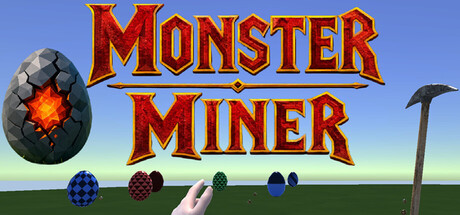 Monster Miner Unclear artcode | Generative AI used in the creation of images and coding. | Jewel Shot Games | - | Oct 10, 2026 | |
 Doctrine Strike Live AI art | Doctrine Strike uses generative AI in its art pipeline. Unit models, structures, faction artwork, and the key art on this page were produced with AI image and 3D generation tools, then reviewed, edited and assembled by the team before shipping. Every asset that reaches the game passes human review.
While playing, players can also generate landmark models, units and faction artwork from their own text descriptions. This uses third-party AI services reached through our own server and costs credits bought in-game through Steam. The results are stored only on the player's own computer and are never shared with other players. | Triple O Games | - | Oct 10, 2026 | |
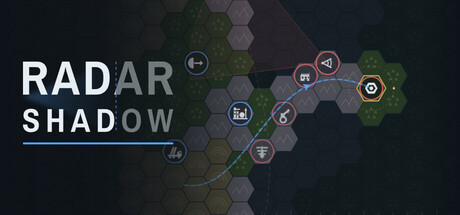 Radar Shadow In-game content artaudiotext | Some music, sound effects, artwork and translations were made with AI tools and edited by hand. The map, units and interface you see in play are drawn by the game's own code. No generative AI is used at runtime. | ZMEJ | - | Oct 9, 2026 | |
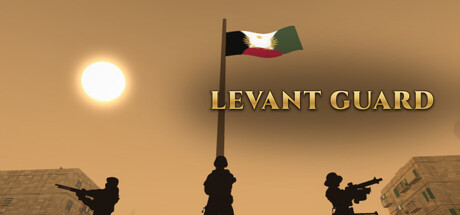 Levant Guard Dev only artaudiotext | Some content was pre-generated with AI tools during development and then edited by the developer. | GameQ Labs | - | Oct 9, 2026 | |
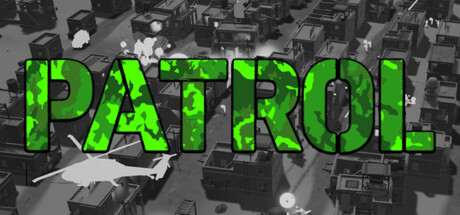 Patrol In-game content text | AI was used for in-game translations of UI, tutorial and caption text. It was also used to translate the store page content into non-English locales. | REMO Games | - | Oct 9, 2026 | |
 traitor_gamble In-game content artaudiotext | Generative AI tools were used during development to create and refine some pre-generated content, including UI artwork and icons, selected 3D models and textures, music, character and dealer voice lines, and localized text. Tools used include OpenAI image generation and Codex, Meshy, Suno, and Alibaba Cloud Model Studio. All AI-assisted content was reviewed, curated, and edited before inclusion. The game does not generate AI content at runtime or connect to generative AI services during play. | qianshou666888 | - | Oct 9, 2026 | |
 STRADA KOREA In-game content arttext | Generative AI was used during development to create some vegetation textures and to assist with in-game text, quest descriptions, and store copy. This content is prepared in advance and included with the game. The game does not generate AI content during gameplay or connect to third-party AI services. | Tunguska | - | Oct 9, 2026 | |
 Bar Owner Simulator In-game content artaudio | AI was used to edit capsule artwork and background music tracks. | Curve Street | - | Oct 9, 2026 | |
 F-2 MISSIONS: CASE ONE In-game content artaudio | Some pre-generated assets were created with generative AI tools and then reviewed and edited by the developer: chapter illustrations and mission background images shown in the menus, some badge (achievement) artwork, four mission-category icons, and six short cockpit voice alerts (text-to-speech). Gameplay, terrain, aircraft models, flight physics, mission design, and all in-game text were authored by the developer. The game does not generate any content at runtime. | UNVELL Games | - | Oct 9, 2026 | |
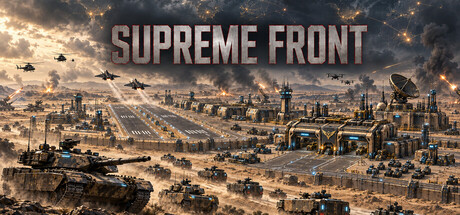 Supreme Front In-game content arttext | Generative AI tools were used during development to assist with the creation and refinement of selected visual assets, artwork, and localization. AI-generated material is reviewed and adjusted before inclusion in the game. | AI Games SA | - | Oct 7, 2026 | |
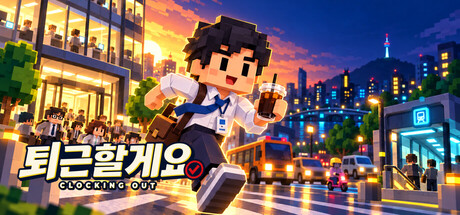 Clocking Out In-game content arttextcode | Pre-generated AI tools assisted with development, including code, interface copy and localization, in-game comic illustrations, and promotional key art, logo, and icon drafts. The developer reviewed and edited all AI-assisted output before inclusion. The game does not generate AI content while running. | LEONARDOCODE | - | Oct 7, 2026 | |
 청월시 괴이사진록 (Cheongwol: Paranormal Archives) In-game content artaudiotext | The game's visuals (backgrounds, character portraits, event CGs, and UI) were created with generative AI, then reviewed by hand and retouched where needed. The BGM and some sound effects were also generated with AI, and AI is used for translations. The original story and dialogue were written entirely by the author. | Litma Games | - | Oct 6, 2026 | |
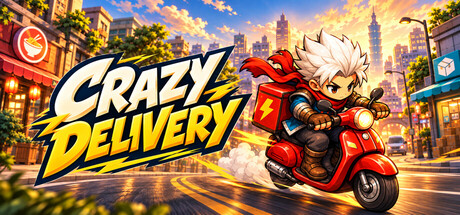 Crazy Delivery Store/marketing art | Generative AI tools were used during development to help create promotional artwork for Crazy Delivery. | Studio Bing-Huan | - | Oct 6, 2026 | |
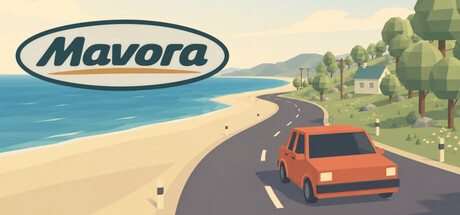 Mavora Unclear arttext | Generative AI tools were used to assist with the creation of some game and promotional content. All final content was reviewed and approved by the developer. | hyesmo | - | Oct 4, 2026 | |
 JUST TYPE Dev only text | Some word lists used for typing practice were generated with ChatGPT and manually reviewed. | VLighter | - | Oct 4, 2026 | |
 Steel Umbrella Store/marketing text | Generative AI was used to assist in drafting store-page descriptions and promotional text. The game does not generate content using generative AI during gameplay. | Kairon Games | - | Oct 3, 2026 | |
 Kompromat Tycoon Unclear | This game was developed with Claude and the assistance of advanced AI tools. | Andrea Inandri | - | Oct 3, 2026 | |
 Tickerbound In-game content art | Generative AI was used during development to create images for in-game assets. | DANQ | - | Oct 3, 2026 | |
 Shooting Range Store/marketing art | AI has been used to help develop the game's cover art. | Hard Shark Games | - | Oct 3, 2026 | |
 Open Daily in NYC In-game content arttext | Some environment, item, interface, and branding artwork was created with assistance from generative AI and then selected, edited, and integrated by the developer. AI tools also assisted with drafting or translating some text and localization, which were reviewed by the developer. The game does not use live-generated AI content during gameplay. | Ruiqi | - | Oct 3, 2026 | |
 Wedding Runner In-game content arttextcode | This game uses generative AI for creating textures, assisting with coding, and localizing text. All of this was produced during development, and the game does not use AI to generate new content while you play. | Protoward LLC. | - | Oct 3, 2026 | |
 MotoBox In-game content text | AI was used for Locolization to different languages for better language support. | Playdemic Games | - | Oct 3, 2026 | |
 First Layer: 3D Printing Simulator In-game content art | Generative AI was used to create some visual assets included in the game, as well as artwork for the Steam store page and marketing materials. These assets were created before release. The game does not generate AI content during gameplay or connect to external AI services. | Vitrum Games | - | Oct 2, 2026 | |
 方寸小家 RoomFolk Dev only codetext | RoomFolk used generative AI during development to assist with drafting and debugging parts of its source code and text. | Minumote Studio | - | Oct 1, 2026 | |
 JanuszCorp. In-game content audio | VO production was developed with the assistance of voice generation software. | Onion Industries | - | Oct 1, 2026 | |
 Bugs Don't Pay Rent Store/marketing textart | This game is designed, developed, and published by an independent developer, with AI tools used to assist during development:
Written text was drafted with AI assistance and reviewed and edited by the developer.
The gameplay, the art style, and every revision were decided by the developer.
Some visuals and animations are drawn by code and were reviewed and revised version by version; no AI image-generation models were used.
Map tiles and furniture are human-created licensed assets.
Music and sound effects are human-created licensed assets.
The store capsule artwork was commissioned from a human artist; its background may contain AI-generated elements.
The game does not use AI to generate any content at runtime. | MazeSteps Studio | - | Oct 1, 2026 | |
 Radar Identified: Tower & Approach In-game content audiocode | During development, AI tools were used to assist with code generation, debugging, and drafting of game documentation. Voice callouts were generated using AI text-to-speech and processed with radio filters to simulate authentic ATC communications. | DLS | - | Oct 1, 2026 | |
 Chess You In-game content codetext | AI used to assist in coding, scripting, and localization | Studio SoSeong | - | Oct 1, 2026 | |
 Slacklord Store/marketing art | Generative AI was used to create some visual elements in certain promotional images for the Steam store page. These images are pre-generated and do not change during gameplay. The game currently does not generate AI content during gameplay or connect to external AI services. | Clearbrook Games | - | Sep 30, 2026 | |
 Football Transfer Insider Dev only | Generative AI was used to assist in creating pre-generated content during development. No generative AI is used during gameplay. | OZL Games | - | Sep 30, 2026 | |
 Golden Trivia Show In-game content text | Translations to all languages except English and Spanish were generated by AI. | Majorariatto | - | Sep 30, 2026 | |
 The Airline Century In-game content artaudio | Some pre-generated artwork used in the game and on its Steam store page, including title, introduction, event illustration, and capsule artwork, was created using OpenAI image generation tools. One music track was generated using Google Gemini from a developer-written prompt. All generated assets were reviewed and selected by the developer before release. The game does not generate AI content during gameplay or connect to external AI services. | Navline Works | - | Sep 30, 2026 | |
 Crypto Market Rivals In-game content arttextcodeaudio | AI tools assisted portions of the pre-produced artwork, text, development code, and audio-production scripts. Music and sound effects use procedural synthesis. No AI content is generated during gameplay, and the Windows game does not connect to an external AI service. | Gateway Information Group LLC | - | Sep 30, 2026 | |
 Beach Volleyball Empire In-game content artaudio | Generative AI tools were used during development to help create content in this game. This includes artwork (such as player portraits and promotional art) and the game's music soundtrack, which was generated with AI music tools under a commercial licence. The store page trailer includes gameplay stills that were animated using an AI video tool. All AI-assisted content was selected, reviewed and edited by the developer. The game does not generate any AI content while you play. | Bean & Label | - | Sep 28, 2026 | |
 Battle Quads Store/marketing art | Some promotional artwork and visual assets were created with the assistance of generative AI and have been reviewed, refined, and integrated by the developer. No generative AI is used during gameplay. | Millenary Games | - | Sep 28, 2026 | |
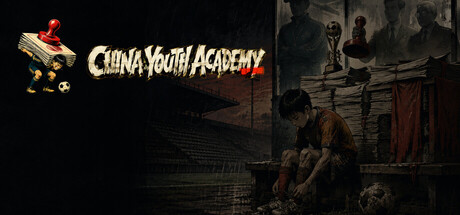 中国式青训 In-game content art | Some art assets in this game are AI-generated and have been truthfully disclosed in the Content Survey. | JZHL | - | Sep 28, 2026 | |
 101 Circuits In-game content audiocode | AI models have been used to validate, optimize, rank and test the puzzles and the simulation engine. Soundtrack is procedurally generated music using the same engine that simulates the electronics, powered by the C~ language. | Chilling Moose Games | - | Sep 27, 2026 | |
 Distributed Shield In-game content arttext | Generative AI assisted with promotional/key artwork, icons, interface content, and portions of written catalogue and store-page text during development. These assets and text were selected and edited during development. The game does not generate AI content during gameplay and does not connect to an AI service. Generated artwork is illustrative and is not presented as documentary imagery. | Future Sync Technologies | - | Sep 27, 2026 | |
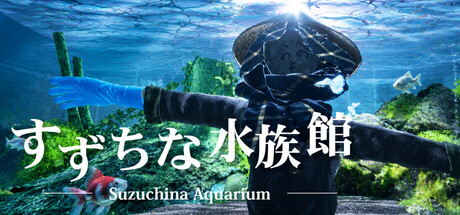 すずちな水族館 / Suzuchina Aquarium In-game content artaudiotext | ・Some of the posters were created using generative AI (ChatGPT and Gemini).
・Some of the voices were created using generative AI (Ondoku).
・The translations were created using generative AI (Gemini). | SuzuchinaGames | - | Sep 27, 2026 | |
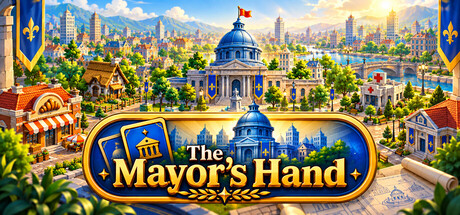 The Mayor’s Hand In-game content art | Generative AI was used during development to assist with the creation and refinement of some visual assets. All AI-assisted content was selected, reviewed, edited, and integrated by the development team. The game does not use generative AI in real time during gameplay. | JustCodeIt | - | Sep 27, 2026 | |
 Two Minds One Car Store/marketing art | -Start and finish platform 3D model pre-generated
-Some graphic elements related to the online store were created with the help of AI. | Schallerino | - | Sep 26, 2026 |


