


Disclosure
Store page texts and some in-game texts were created with the help of generative AI tools and then edited and finished by our team. Nothing is generated while you play.
- Creator
- Drozd Studios
- Reviews
- -
- Added
- Nov 22, 2026
Public Steam disclosure research 27,951 disclosures tracked
Search developers’ Steam disclosures, compare classified AI use across games, and follow recorded changes. This index adds cross-game classifications and statistics to statements published on individual store pages.
Code help, debugging and other development work.
Capsule art, trailers and promotional material.
Pre-made art, audio, writing and other game assets.
Interactive or runtime AI features disclosed by the developer.
Groups reflect automatic analysis of public disclosures; mature records are excluded. These counts do not measure AI use across all of Steam. Missing or unclear statements cannot establish whether a game uses AI.
Store page texts and some in-game texts were created with the help of generative AI tools and then edited and finished by our team. Nothing is generated while you play.
Tropalm was made with AI, all the way through. Under the developer's direction, large language models (mainly Anthropic's Claude) wrote the game: its code, every 3D model and animation, the programs that draw its textures and icons, the programs that synthesize its sounds and music, and its translations. The game uses no images made by image-generation AI and no sounds made by music-generation AI: every picture is drawn by code or rendered from the game itself, and every sound is synthesized. The fonts are licensed work by others. While you play, your AI companions' words and actions are generated live by a language model (Tropalm Cloud AI, or a local or other model you choose), and their voices by text-to-speech. The trailer's voices were made with text-to-speech as well. Connects to 3rd-Party Service for AI Content Generation: Tropalm Cloud AI, or a model that runs on the player's own PC
AI tools were used only for some in-game item icons
Some assets were made with generative tools and then edited by hand: a few 3D props and item models (Meshy), six tiling surface textures such as brick, stone, cobbles and slate (Gemini), and three music tracks (Suno). Everything else, including the world, the code, the writing and the store page, was made by hand. Nothing is generated while you play.
Some 3D models, textures and texts were made with the help of AI tools during development, and they are being refined by hand. Nothing is generated by AI while you play.
Back in Time is designed, built and directed by a human developer. AI tools assist with parts of the work: some character voice lines, the key art and store images, item icons and crew portraits, parts of the in-game text, and production of the music, which is composed by Jon Cheney. Every piece is directed, edited and reviewed by hand. Nothing is generated by AI while you play.
Ashwend started as an experiment in how far AI can take game development. The code, interface, art, models and animation were all made with AI. I direct the project and test the game in play, but I don't write or read the code myself. That was the point of the experiment. The AI works within written architecture rules, and the code base is checked by automated tests, linting and static analysis to catch problems early.
We're a small team, and AI tools helped us make the game's music, sound effects, pixel art and in-game text. Every piece was directed, chosen and refined by us, and nothing is generated by AI while you play.
Arivel is developed with the help of AI tools. AI assistants helped write the game's code. AI also helped translate the game and its store page. The game does not use generative AI while you play: no content is generated by AI in real time.
We used generative AI tools while making the game, and some of its content comes from them: textures and some 2D images were made with OpenAI's image models (GPT), several 3D models with Tripo, and character animations with Kimodo (text to motion) and from short AI videos (Kling) whose movement NVIDIA's GEM-X turned into skeleton motion that we clean up by hand. Much of the code was written with AI assistance (Claude). The store artwork (the logo and capsules) was painted with GPT from our own game's screenshots. We direct, choose and edit everything that goes into the game. No AI generates content while you play.
The development of SCRAPS uses generative artificial intelligence tools to assist in creating certain visual assets. Some 3D models used in the game were created with the assistance of Meshy AI. Generative AI tools have also been used to create promotional artwork. This content is generated during development and is not generated in real time during gameplay.
We paid for human-made assets, models and music (free human-made sound effects aside). The game is ours, we put a lot of effort into it and we love the genre. The story, text, code, etc. belong to us. We used 'AI' tools to bridge small gaps like checking for errors, for player benefit, a placeholder logo, until a friend makes one for us, and animation smoothing, which we can hire someone to do when we have more resources. I imagine a lot of people are dishonest about this, afraid it'll be mistaken for slop. But we will follow the rules and be transparent. Thanks for understanding!
Generative AI tools assisted with some promotional artwork and audio, written store content, and text localization. MYTHHUNT does not generate AI content during gameplay or connect to a third-party AI generation service during play.
AI-assisted tools were used during the development of this game for the chef’s workstation and some UI content.
The music in the trailer was created with an AI music tool. The game's own art, sound and music were not made with generative AI.
AI was used to create a handful of static images within the game as the developer had no other options at the time. All of this will be replaced as soon as possible.
Generative AI was used to create some pre-generated 3D models, artwork, audio, and voice assets used in the game and marketing materials. No AI-generated content is created during gameplay.
We use AI tools to make some of the game's art, sound, voices and writing. Every result was reviewed and edited before it went into the game. - 3D models: most creature and character bodies (dinosaurs, Ice Age animals, wildlife, the infected, the customisable human bodies, hairstyles and hats) and some props and plants were generated with Tripo through Unity AI, from reference images made with OpenAI GPT Image. They were then cleaned up, rigged and fitted to the game's style. - Textures: the dinosaur hides and the human characters' faces, skin, clothing and infection damage were painted with the help of GPT Image. - Illustrations: the field guide's species plates were generated with GPT Image from renders of the in-game models. - Sound: the calls of the mammoths, giant elk, ground sloths and sauropods were generated with Unity AI sound generation. - Voices: the radio voices (the island broadcasts, the voice on the collection frequency and the facility's recorded messages) and the skipper's two lines in the opening scene are AI voices, made with ElevenLabs Eleven v4 text-to-speech from the game's own script. Face-to-face dialogue and the tapes are not voiced. - Writing: in-game text (dialogue, records and descriptions) and this store page were drafted with AI writing assistance and edited by the developer. - Store art: the capsule and library artwork and the logo were generated with GPT Image. They are illustrations, not screenshots. The screenshots, trailers and About clips are in-engine footage with licensed music and sound effects; any voices, herd calls, logo or artwork in the trailers are the AI content listed above. Buildings, vehicles, weapons, most props, the music, most sound effects and all animation come from licensed asset packs (a few animation clips are adapted from them). The interface was built for the game. The game generates no AI content while you play.
Agentic Engineering was used alongside Human Engineering throughout the development process.
AI has been used to help develop the game's cover art.
Some of Grim Island's artwork was created using generative AI image tools, working from original artwork hand-drawn by the developer and then curated and edited by the developer. No other content is AI-generated.
As a solo developer with a very limited budget, the character voices were temporarily generated using AI voice synthesis (ElevenLabs). Our goal is to replace all generated voices with performances by human voice actors as soon as the project secures sufficient funding (through sales, crowdfunding, or community support). Thank you for your understanding and for supporting indie game development! No generative AI content is created in real time while the game is running.
We use generative AI for coding, translation, and object placement.
Generative AI tools were used during development to help create some 3D models and textures, UI and icon artwork, character voice recordings, sound effects, promotional artwork, and store-page text. These are pre-generated assets and text.
AI-generated art object
AI translation tools were used to assist with localization from English to other languages. The original English script was hand written, and no generative AI art, sound, or music was used in the game or promo materials.
Generative AI was used as a supporting tool during the development of ARUS-1. No content is generated by AI during gameplay.
Some pre-rendered 2D art (monster sprites, character illustrations) was first generated with AI image tools and then hand-edited and pixel-cleaned by the developer. Parts of the in-game text and its EN/RU/JA localization were drafted with AI assistance and reviewed by the developer. No content is generated by AI while the game runs. Game design, systems and code are human-authored. 일부 2D 아트(몬스터 스프라이트·캐릭터 일러스트)는 AI 이미지 도구로 초안을 만든 뒤 개발자가 손으로 수정·정리했습니다. 게임 내 글 일부와 EN/RU/JA 번역은 AI 보조로 초안을 쓰고 개발자가 검토했습니다. 게임 실행 중 AI 가 생성하는 콘텐츠는 없습니다.
AI has been used to help develop the game's cover art.
Parts this game's visual assets — including concept art, textures, and character portraits — were pre-rendered with generative AI tools during development, then reviewed and hand-integrated by the developer. Store and marketing images were produced the same way. No content is generated by in real time while you play.
Most of the game's assets were hand modeled myself with flat solid color textures, but some of the textures were generated with AI assistance.
Some of the sprites and marketing material started as AI-generated art that was processed and reworked by hand before use. No content is generated by AI while the game is running.
The store artwork (capsules and key art) was generated with an image model and then composed, cropped and combined with our own logo by hand. The game's ambient background music tracks were generated with an AI music tool and edited afterwards.
Generative AI tools were used during development to assist with refining some text, code, and images. Some in-game textures were also generated using AI. All AI-assisted content was reviewed, edited, and integrated by the developer. The game does not generate AI content during gameplay.
Generative AI tools have been used in a limited capacity to assist with pre-generated promotional content. All AI-assisted material is reviewed and curated by the developer. No generative AI is used during gameplay, and the game does not connect to external AI services.
Generative AI was used as a development aid for some pre-generated marketing artwork, concept artwork, localization drafts, and selected visual assets. All AI-assisted content was reviewed and edited by the developer before inclusion. The game does not generate AI content during gameplay or connect to external AI services.
Some pre-generated 2D artwork, character voice-over and some audio used in the game and in Steam store and marketing materials were created with the assistance of generative AI tools. All AI-assisted assets were selected, reviewed, edited, and integrated by the development team before inclusion. No content is generated by AI during gameplay, and the game does not connect to live generative AI services.
Generative AI tools were used to assist with some graphics and audio content.
The game is developed entirely by a solo developer. AI has therefore only been leveraged as a tool for productivity and efficiency - the overall game is fully imagined, designed, and brought together by the developer.
AI assistance was used to create and visually enhance some of the visuals in the trailer.
AI was used to produce placeholder UI components & sprites (e.g. icons, npc sprite, spell sprites).
Wildreach is made by a solo developer working alongside AI tools. AI assisted in authoring game logic (Blueprint scripting) and some store/marketing text during development. All 3D art, animation, and audio are licensed asset-pack content made by human artists. No AI content is generated at runtime.
Generative AI was only used to assist in creating some of the inventory icons and promotional artwork, as TEMPORARY PLACEHOLDERS. The game's environments, gameplay systems, characters, mechanics, world design, and narrative were created by the developer. No AI content is generated during gameplay.
Mithril uses generative AI in much of its art and audio. This includes 3D models, textures and materials throughout the game, 2D and UI icons, marketing images, music and sound effects. All of it was curated, edited and finalised by hand against the game's art direction. We also use AI to assist in language localisation. No AI-generated voice is used, and no generative AI runs while you play — the game generates nothing at runtime. Not AI-generated: world generation (hand-written procedural algorithms, not AI), model animations, and level and systems design.
Some 3D assets in this game were created with the help of AI generation tools, then edited, retextured and integrated by hand. Parts of the written text, including store page copy and in-game text translations, were drafted with AI assistance and reviewed by the developer. No content is generated live while you play, and no AI-generated voice acting is used. Everything is created and checked before release.
AI-generated 3D models for characters and objects in the game.
Translating text into supported languages.
In EverRail, AI-generated voiceover is used only for machine characters: the train's AI board computer and robot enemies, voices that are artificial in the story itself, which also lets us offer them in multiple languages. Beyond that, our team uses generative AI as a tool to support development, with our artists, designers, and engineers refining and hand-building every asset that makes it into the game.
Some store page / marketing artwork (capsule images) was created with the assistance of generative AI tools. All in-game content is human-made.
Parts of this game were made with the help of generative AI tools. The music, sound effects and visual arts were created using AI generation tools, then selected, edited, and mixed by us — they ship as fixed assets, not content generated live while you play.
| Title⇅ | Disclosure | Creator⇅ | Src | Reviews⇅ | Added↓ |
|---|---|---|---|---|---|
 RUGGED In-game content text | Store page texts and some in-game texts were created with the help of generative AI tools and then edited and finished by our team. Nothing is generated while you play. | Drozd Studios | - | Nov 22, 2026 | |
 Tropalm Live AI artaudiocodetext | Tropalm was made with AI, all the way through. Under the developer's direction, large language models (mainly Anthropic's Claude) wrote the game: its code, every 3D model and animation, the programs that draw its textures and icons, the programs that synthesize its sounds and music, and its translations. The game uses no images made by image-generation AI and no sounds made by music-generation AI: every picture is drawn by code or rendered from the game itself, and every sound is synthesized. The fonts are licensed work by others.
While you play, your AI companions' words and actions are generated live by a language model (Tropalm Cloud AI, or a local or other model you choose), and their voices by text-to-speech. The trailer's voices were made with text-to-speech as well.
Connects to 3rd-Party Service for AI Content Generation: Tropalm Cloud AI, or a model that runs on the player's own PC | Marble Works | - | Nov 21, 2026 | |
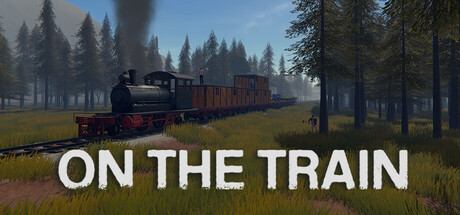 On The Train In-game content art | AI tools were used only for some in-game item icons | EastUp Interactive | 96 | Nov 19, 2026 | |
 Eclosion In-game content artaudio | Some assets were made with generative tools and then edited by hand: a few 3D props and item models (Meshy), six tiling surface textures such as brick, stone, cobbles and slate (Gemini), and three music tracks (Suno). Everything else, including the world, the code, the writing and the store page, was made by hand. Nothing is generated while you play. | JoyMandate | - | Nov 19, 2026 | |
 Q-Cold In-game content arttext | Some 3D models, textures and texts were made with the help of AI tools during development, and they are being refined by hand. Nothing is generated by AI while you play. | Kerai | - | Nov 18, 2026 | |
 Back in Time: Operation Amber In-game content artaudiotext | Back in Time is designed, built and directed by a human developer. AI tools assist with parts of the work: some character voice lines, the key art and store images, item icons and crew portraits, parts of the in-game text, and production of the music, which is composed by Jon Cheney. Every piece is directed, edited and reviewed by hand. Nothing is generated by AI while you play. | Flow State Games | - | Nov 16, 2026 | |
 Ashwend In-game content artcodetext | Ashwend started as an experiment in how far AI can take game development. The code, interface, art, models and animation were all made with AI.
I direct the project and test the game in play, but I don't write or read the code myself. That was the point of the experiment. The AI works within written architecture rules, and the code base is checked by automated tests, linting and static analysis to catch problems early. | Dannie Hansen Consulting ApS | - | Nov 13, 2026 | |
 UNDERSHINE In-game content audioarttext | We're a small team, and AI tools helped us make the game's music, sound effects, pixel art and in-game text. Every piece was directed, chosen and refined by us, and nothing is generated by AI while you play. | Ekko Games | - | Nov 12, 2026 | |
 Arivel In-game content codetext | Arivel is developed with the help of AI tools. AI assistants helped write the game's code. AI also helped translate the game and its store page. The game does not use generative AI while you play: no content is generated by AI in real time. | WhistleLab | - | Nov 8, 2026 | |
 No Trail Back In-game content artcode | We used generative AI tools while making the game, and some of its content comes from them: textures and some 2D images were made with OpenAI's image models (GPT), several 3D models with Tripo, and character animations with Kimodo (text to motion) and from short AI videos (Kling) whose movement NVIDIA's GEM-X turned into skeleton motion that we clean up by hand. Much of the code was written with AI assistance (Claude). The store artwork (the logo and capsules) was painted with GPT from our own game's screenshots. We direct, choose and edit everything that goes into the game. No AI generates content while you play. | CanItCode | - | Nov 5, 2026 | |
 Scraps In-game content art | The development of SCRAPS uses generative artificial intelligence tools to assist in creating certain visual assets. Some 3D models used in the game were created with the assistance of Meshy AI.
Generative AI tools have also been used to create promotional artwork. This content is generated during development and is not generated in real time during gameplay. | GGDC | - | Oct 30, 2026 | |
 Hazzard Hearth Dev only codeartaudio | We paid for human-made assets, models and music (free human-made sound effects aside). The game is ours, we put a lot of effort into it and we love the genre. The story, text, code, etc. belong to us. We used 'AI' tools to bridge small gaps like checking for errors, for player benefit, a placeholder logo, until a friend makes one for us, and animation smoothing, which we can hire someone to do when we have more resources. I imagine a lot of people are dishonest about this, afraid it'll be mistaken for slop. But we will follow the rules and be transparent. Thanks for understanding! | GodWinds Studios | - | Oct 24, 2026 | |
 MYTHHUNT In-game content artaudiotext | Generative AI tools assisted with some promotional artwork and audio, written store content, and text localization. MYTHHUNT does not generate AI content during gameplay or connect to a third-party AI generation service during play. | RedRockGS | - | Oct 22, 2026 | |
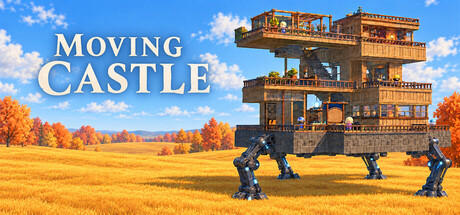 MovingCastle In-game content arttext | AI-assisted tools were used during the development of this game for the chef’s workstation and some UI content. | Lemon Whale | - | Oct 19, 2026 | |
 Factory Survival In-game content audio | The music in the trailer was created with an AI music tool. The game's own art, sound and music were not made with generative AI. | Roman Software | - | Oct 18, 2026 | |
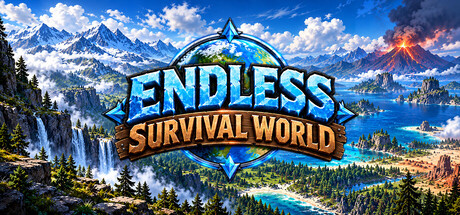 Endless Survival World In-game content art | AI was used to create a handful of static images within the game as the developer had no other options at the time. All of this will be replaced as soon as possible. | Novus Astra | - | Oct 12, 2026 | |
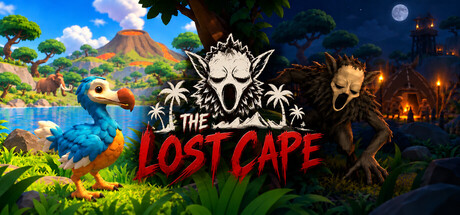 The Lost Cape In-game content artaudiotext | Generative AI was used to create some pre-generated 3D models, artwork, audio, and voice assets used in the game and marketing materials. No AI-generated content is created during gameplay. | RS Game Studio | - | Oct 7, 2026 | |
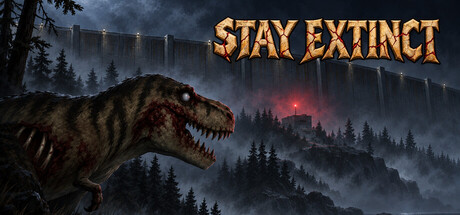 Stay Extinct In-game content artaudiotext | We use AI tools to make some of the game's art, sound, voices and writing. Every result was reviewed and edited before it went into the game.
- 3D models: most creature and character bodies (dinosaurs, Ice Age animals, wildlife, the infected, the customisable human bodies, hairstyles and hats) and some props and plants were generated with Tripo through Unity AI, from reference images made with OpenAI GPT Image. They were then cleaned up, rigged and fitted to the game's style.
- Textures: the dinosaur hides and the human characters' faces, skin, clothing and infection damage were painted with the help of GPT Image.
- Illustrations: the field guide's species plates were generated with GPT Image from renders of the in-game models.
- Sound: the calls of the mammoths, giant elk, ground sloths and sauropods were generated with Unity AI sound generation.
- Voices: the radio voices (the island broadcasts, the voice on the collection frequency and the facility's recorded messages) and the skipper's two lines in the opening scene are AI voices, made with ElevenLabs Eleven v4 text-to-speech from the game's own script. Face-to-face dialogue and the tapes are not voiced.
- Writing: in-game text (dialogue, records and descriptions) and this store page were drafted with AI writing assistance and edited by the developer.
- Store art: the capsule and library artwork and the logo were generated with GPT Image. They are illustrations, not screenshots. The screenshots, trailers and About clips are in-engine footage with licensed music and sound effects; any voices, herd calls, logo or artwork in the trailers are the AI content listed above.
Buildings, vehicles, weapons, most props, the music, most sound effects and all animation come from licensed asset packs (a few animation clips are adapted from them). The interface was built for the game. The game generates no AI content while you play. | windurex | - | Oct 6, 2026 | |
 R01 Dev only code | Agentic Engineering was used alongside Human Engineering throughout the development process. | Roy El-Rayes | - | Oct 4, 2026 | |
 Alaska Survival Store/marketing art | AI has been used to help develop the game's cover art. | Hard Shark Games | - | Oct 3, 2026 | |
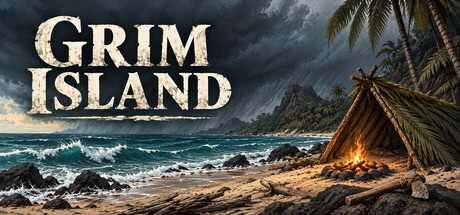 Grim Island In-game content art | Some of Grim Island's artwork was created using generative AI image tools, working from original artwork hand-drawn by the developer and then curated and edited by the developer. No other content is AI-generated. | Spectral Crow | - | Oct 1, 2026 | |
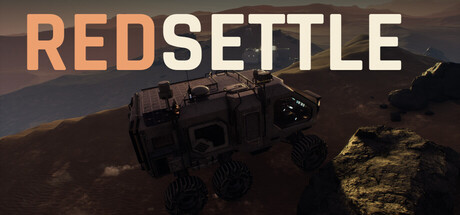 Red Settle In-game content audio | As a solo developer with a very limited budget, the character voices were temporarily generated using AI voice synthesis (ElevenLabs).
Our goal is to replace all generated voices with performances by human voice actors as soon as the project secures sufficient funding (through sales, crowdfunding, or community support). Thank you for your understanding and for supporting indie game development!
No generative AI content is created in real time while the game is running. | Jessy Software | - | Sep 30, 2026 | |
 Rasterfall In-game content codetextart | We use generative AI for coding, translation, and object placement. | Ota Mato | - | Sep 30, 2026 | |
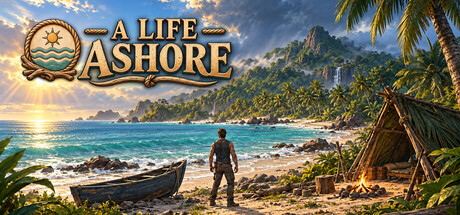 A Life Ashore In-game content artaudiotext | Generative AI tools were used during development to help create some 3D models and textures, UI and icon artwork, character voice recordings, sound effects, promotional artwork, and store-page text. These are pre-generated assets and text. | daggg3r | - | Sep 25, 2026 | |
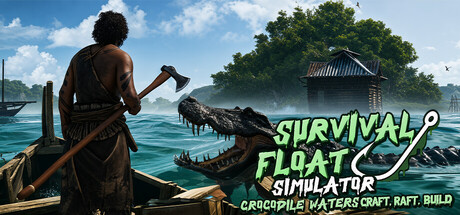 Survival Float Simulator - Crocodile Waters Craft, Raft, Build In-game content art | AI-generated art object | SimulatorMaker Studio | - | Sep 22, 2026 | |
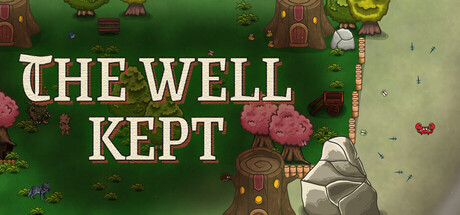 The Well Kept In-game content text | AI translation tools were used to assist with localization from English to other languages.
The original English script was hand written, and no generative AI art, sound, or music was used in the game or promo materials. | Redfar | - | Sep 21, 2026 | |
 ARUS-1 Dev only | Generative AI was used as a supporting tool during the development of ARUS-1. No content is generated by AI during gameplay. | Arus Development Studio | - | Sep 16, 2026 | |
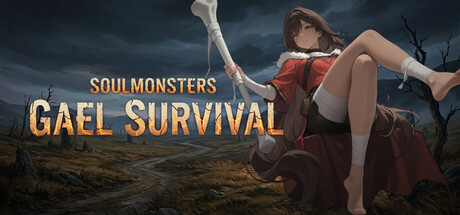 Soul Monsters: Gael's Survival In-game content arttext | Some pre-rendered 2D art (monster sprites, character illustrations) was first generated with AI image tools and then hand-edited and pixel-cleaned by the developer. Parts of the in-game text and its EN/RU/JA localization were drafted with AI assistance and reviewed by the developer. No content is generated by AI while the game runs. Game design, systems and code are human-authored.
일부 2D 아트(몬스터 스프라이트·캐릭터 일러스트)는 AI 이미지 도구로 초안을 만든 뒤 개발자가 손으로 수정·정리했습니다. 게임 내 글 일부와 EN/RU/JA 번역은 AI 보조로 초안을 쓰고 개발자가 검토했습니다. 게임 실행 중 AI 가 생성하는 콘텐츠는 없습니다. | Industrial Miracle | - | Sep 10, 2026 | |
 Stranded in Paradise Store/marketing art | AI has been used to help develop the game's cover art. | Hard Shark Games | - | Sep 10, 2026 | |
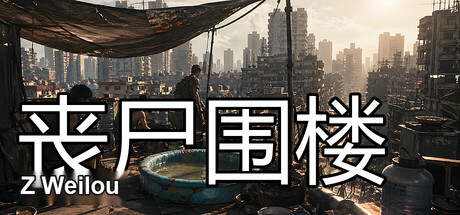 丧尸围楼 In-game content art | Parts this game's visual assets — including concept art, textures, and character portraits — were pre-rendered with generative AI tools during development, then reviewed and hand-integrated by the developer. Store and marketing images were produced the same way. No content is generated by in real time while you play. | 唐華漢 | - | Sep 7, 2026 | |
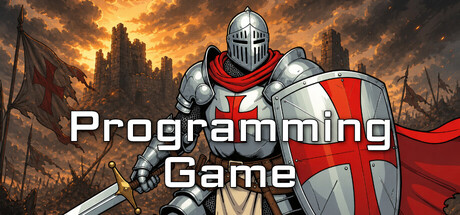 Programming Game In-game content art | Most of the game's assets were hand modeled myself with flat solid color textures, but some of the textures were generated with AI assistance. | The Sacrificial Hand | - | Sep 6, 2026 | |
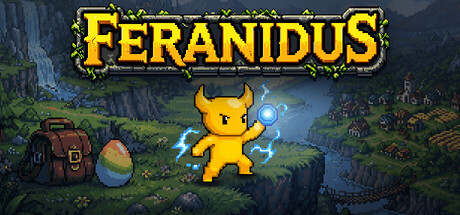 Feranidus In-game content art | Some of the sprites and marketing material started as AI-generated art that was processed and reworked by hand before use. No content is generated by AI while the game is running. | Uncle Skrufters | - | Sep 4, 2026 | |
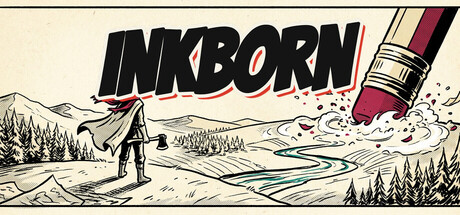 INKBORN In-game content artaudio | The store artwork (capsules and key art) was generated with an image model and then composed, cropped and combined with our own logo by hand. The game's ambient background music tracks were generated with an AI music tool and edited afterwards. | OverLKD Studio | - | Sep 3, 2026 | |
 Roverbound In-game content textartcode | Generative AI tools were used during development to assist with refining some text, code, and images. Some in-game textures were also generated using AI. All AI-assisted content was reviewed, edited, and integrated by the developer. The game does not generate AI content during gameplay. | Rogueatic Games | - | Sep 1, 2026 | |
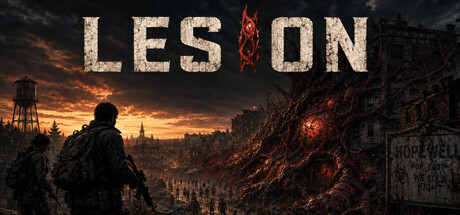 Lesion In-game content arttext | Generative AI tools have been used in a limited capacity to assist with pre-generated promotional content. All AI-assisted material is reviewed and curated by the developer. No generative AI is used during gameplay, and the game does not connect to external AI services. | SocksandGoats Studios | - | Sep 1, 2026 | |
 Voxel Wild In-game content arttext | Generative AI was used as a development aid for some pre-generated marketing artwork, concept artwork, localization drafts, and selected visual assets. All AI-assisted content was reviewed and edited by the developer before inclusion. The game does not generate AI content during gameplay or connect to external AI services. | Tero Games | - | Aug 31, 2026 | |
 System Arrival In-game content artaudio | Some pre-generated 2D artwork, character voice-over and some audio used in the game and in Steam store and marketing materials were created with the assistance of generative AI tools. All AI-assisted assets were selected, reviewed, edited, and integrated by the development team before inclusion. No content is generated by AI during gameplay, and the game does not connect to live generative AI services. | ANLI GAMES | 123 | Aug 31, 2026 | |
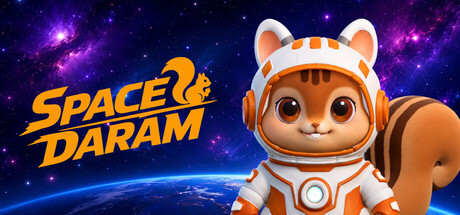 SpaceDaram In-game content artaudio | Generative AI tools were used to assist with some graphics and audio content. | Happy Daram Inc. | - | Aug 29, 2026 | |
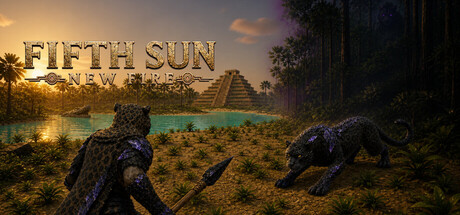 Fifth Sun: New Fire Dev only | The game is developed entirely by a solo developer. AI has therefore only been leveraged as a tool for productivity and efficiency - the overall game is fully imagined, designed, and brought together by the developer. | Daedralus | - | Aug 28, 2026 | |
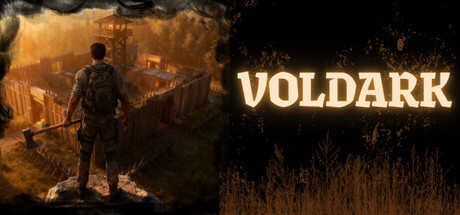 Voldark Store/marketing art | AI assistance was used to create and visually enhance some of the visuals in the trailer. | OzbalHan | - | Aug 26, 2026 | |
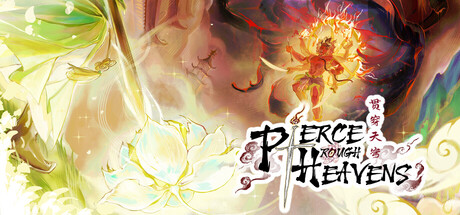 Pierce Through Heavens In-game content art | AI was used to produce placeholder UI components & sprites (e.g. icons, npc sprite, spell sprites). | Purple Yang Studio | - | Aug 22, 2026 | |
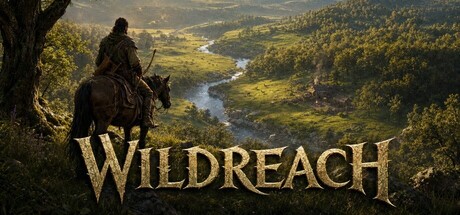 Wildreach Store/marketing text | Wildreach is made by a solo developer working alongside AI tools. AI assisted in authoring game logic (Blueprint scripting) and some store/marketing text during development. All 3D art, animation, and audio are licensed asset-pack content made by human artists. No AI content is generated at runtime. | PickBits.Studio | - | Aug 19, 2026 | |
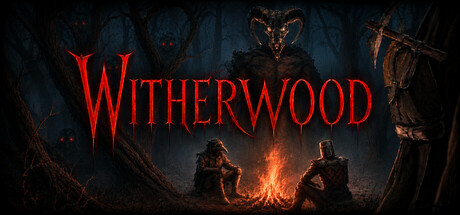 Witherwood In-game content art | Generative AI was only used to assist in creating some of the inventory icons and promotional artwork, as TEMPORARY PLACEHOLDERS.
The game's environments, gameplay systems, characters, mechanics, world design, and narrative were created by the developer. No AI content is generated during gameplay. | Cunning Craft LLC | - | Aug 18, 2026 | |
 Mithril In-game content artaudiotext | Mithril uses generative AI in much of its art and audio. This includes 3D models, textures and materials throughout the game, 2D and UI icons, marketing images, music and sound effects. All of it was curated, edited and finalised by hand against the game's art direction. We also use AI to assist in language localisation.
No AI-generated voice is used, and no generative AI runs while you play — the game generates nothing at runtime.
Not AI-generated: world generation (hand-written procedural algorithms, not AI), model animations, and level and systems design. | Agentic Games | - | Aug 13, 2026 | |
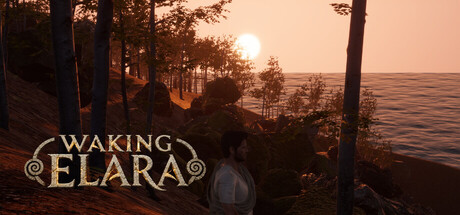 Waking Elara In-game content arttext | Some 3D assets in this game were created with the help of AI generation tools, then edited, retextured and integrated by hand. Parts of the written text, including store page copy and in-game text translations, were drafted with AI assistance and reviewed by the developer. No content is generated live while you play, and no AI-generated voice acting is used. Everything is created and checked before release. | MutlakGame | - | Aug 10, 2026 | |
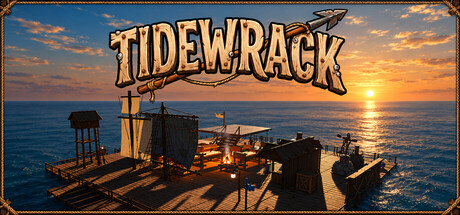 Tidewrack In-game content art | AI-generated 3D models for characters and objects in the game. | OverLKD Studio | 23 | Aug 5, 2026 | |
 Proximity Core In-game content text | Translating text into supported languages. | Two Fault | - | Jul 26, 2026 | |
 EverRail In-game content audiotext | In EverRail, AI-generated voiceover is used only for machine characters: the train's AI board computer and robot enemies, voices that are artificial in the story itself, which also lets us offer them in multiple languages. Beyond that, our team uses generative AI as a tool to support development, with our artists, designers, and engineers refining and hand-building every asset that makes it into the game. | Aesir Interactive | 410 | Jul 18, 2026 | |
 Holdline: Last Gate In-game content art | Some store page / marketing artwork (capsule images) was created with the assistance of generative AI tools. All in-game content is human-made. | Out of Spite Games | - | Jul 17, 2026 | |
 FrontierCraft In-game content artaudio | Parts of this game were made with the help of generative AI tools. The music, sound effects and visual arts were created using AI generation tools, then selected, edited, and mixed by us — they ship as fixed assets, not content generated live while you play. | Innershed | - | Jun 29, 2026 |


