Public Steam disclosure research25,376 disclosures tracked
Where do games disclose AI use?
Search developers’ Steam disclosures, compare classified AI use across
games, and follow recorded changes.
This index adds cross-game classifications and statistics to
statements published on individual store pages.
Groups reflect automatic analysis of public disclosures; mature records are excluded. These counts do not measure AI use across all of Steam.
Missing or unclear statements cannot establish whether a game uses AI.
The images and illustrations in Old Money (icons, scenes, backgrounds) as well as parts of the store artwork were created with generative AI image tools and were curated and edited by the developer. The program code and parts of the texts were also developed with the assistance of AI tools and were reviewed, tested and are the responsibility of the developer. The game concept, design and balancing come from the developer. No content is generated by AI at runtime, and the game does not send any data to AI services.
Some pre-rendered UI art (menu borders and decorative icons) was created with the assistance of generative AI tools during development. No content is generated live during gameplay.
To improve development efficiency and creative inspiration, our team integrated AI-assisted tools into the development of the game. We used Claude and GLM as creative partners to help us draft and refine portions of the game's visuals, story, dialogue, and text, as well as to help translate the store page content into different languages (not in-game text).
Please be assured that AI is just one part of our creative process — every piece of content ultimately presented to players, from each word to the overall story, has been carefully designed, reviewed, and revised by our development team to ensure the highest quality and the best gaming experience.
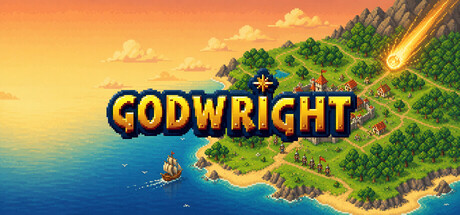
Godwright ships some generative-AI content, all pre-rendered (baked into the build, never live-generated):
Localization: the non-English UI text (Simplified Chinese, Spanish, Portuguese-BR, Russian, German, French, Japanese, Korean, Turkish, Indonesian) was machine-translated.
Artificial intelligence was used solely for text localization and language translations. The pixel art visuals, animations, and the original game soundtrack were created by the professional artists and composer listed in the game's 'Credits' section. Generative AI was not used at any stage of the artistic, visual, or audio production.
Generative AI was used as an assistive tool during development to draft text and translations, and to create some 2D images and graphical assets. As there is currently no budget to hire a dedicated artist, certain visual elements are initially generated with AI and then manually modified and refined. No AI content is generated live at runtime.
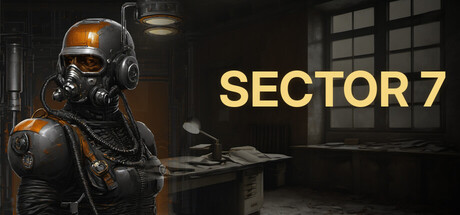
Some of Sector 7's artwork — including its store and marketing images — and its narrative text were created with AI assistance and then reviewed and edited by the developer. Localization into additional languages used AI translation with human review.
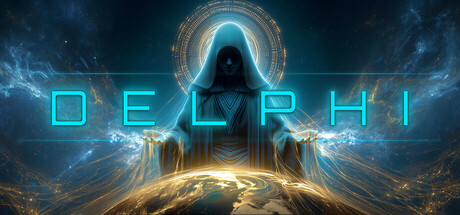
Delphi uses Midjourney for illustrated artwork (cards, events, key art, capsule art) and Kling for image-to-video trailer animation, all curated and edited by the developer. UI artwork is hand-made by a credited human artist.
No AI is used in design, writing, narrative or gameplay, and no AI runs at runtime — all in-game content is human-written static data.
AI assisted assets and text are developer edited. The core game is playable without AI. Optional advisor commentary can use local Ollama or Anthropic only if the player enables it and provides their own key.
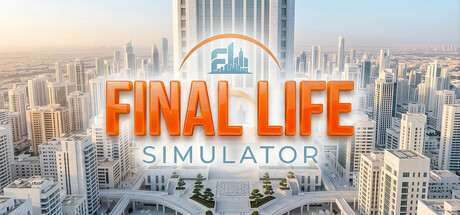
Generative AI tools were used during the development of Final Life Simulator to create various static graphic assets. This includes promotional store images, marketing artwork, and certain UI icons and visual elements. All AI-generated content has been reviewed and curated by the developer to ensure it aligns with the game's artistic direction and quality standards. No live-generated AI content is used during gameplay.
Generative AI tools are used to translate text into different languages and to create visual assets. All content is reviewed and manually edited before being included in the game.
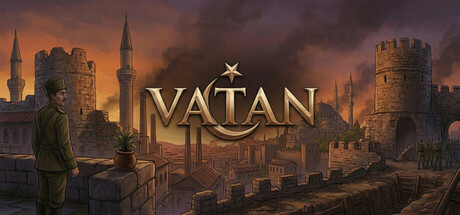
During the development of Vatan, generative AI tools were used exclusively during the visualization phase to create certain in-game artwork and store assets (such as store capsules). AI was not used in any other aspect of the game, such as coding, story writing, or audio design.
We highly value player choice. For players who prefer not to see AI-generated content, we have included a dedicated toggle in the settings menu. By selecting the 'Disable AI' option, players can easily turn off all AI-generated visuals in the game.
Generative AI was used to assist in the creation of the game's codebase and logic. AI tools were also used to generate environmental art, background assets, and promotional marketing materials (including the Library Hero, Logo, and store page assets). All AI-generated content was reviewed and curated to ensure it meets quality standards and does not contain illegal or infringing material.
This game is created by a solo developer. Generative AI tools were utilized to enhance the music, sound effects, and localization for a better atmosphere and overall experience. All AI-assisted content has been personally reviewed and finalized by the developer. All visual assets and the narrative are entirely handcrafted.
AI generated content was used during development for concept art, promotional graphics, marketing materials, and placeholder assets.
The game does not use live AI generated content during gameplay.
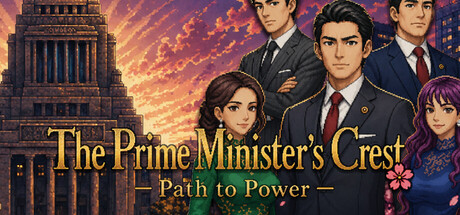
This game includes AI-assisted visual content, including character portraits and promotional assets. All content has been significantly modified, reviewed, and curated by the developer to ensure originality and avoid resemblance to any real individuals. The game does not depict or reference real persons.
Generative AI was used during the development process to enhance and diversify the variety of card assets and narrative content. This technology allowed for the creation of a more expansive and unique library of scenarios, ensuring a richer and more varied gameplay experience for the player.
This game uses generative AI tools to assist with some pre-generated visual assets, including background art, character-related promotional art, item imagery, and store page materials. All AI-assisted content is reviewed, selected, and edited by the developer before release. The game does not generate AI content during gameplay.
AI tools are used to assist in the creation of certain marketing and promotional visuals.
During development, AI tools may also be used as a programming assistant to help with code structure, refactoring, and problem-solving.
All gameplay systems, mechanics, design decisions, and final implementation are created, reviewed, and validated by the developer. AI does not autonomously generate gameplay content or operate within the released product.
Hello! The card illustrations in this work were created with the help of AI, which supported me in developing this independent game. I apologize for my limited art skills, so I’ve mainly kept a minimalist style throughout the game.
There are images produced that have been rendered using the help of Ai, there are also musical components that have been engineered with the use of Ai.
Artificial intelligence tools were used only for the creation of certain UI panels and vehicle part images.
AI was not used in gameplay logic, game mechanics, code, narrative, or player-facing decision systems.
All AI-generated assets were reviewed and integrated by the development team.
This game uses pre-generated AI only for certain UI background images and promotional store visuals. These assets were created before release and remain fixed. The game does not include any live AI generation during gameplay.
AI tools have only been used when they add real benefit to the game and where I have full control on the creative output. In all such cases, the final product reflects my own creativity and expression.
AI was used as a limited production aid. All final content was reviewed and finalized by the developer; no AI content is generated during play; all assets are original or properly licensed.
Some character portraits were created with the assistance of generative AI and subsequently edited by hand. All game systems, writing, and design are made entirely by humans.
The images and illustrations in Old Money (icons, scenes, backgrounds) as well as parts of the store artwork were created with generative AI image tools and were curated and edited by the developer. The program code and parts of the texts were also developed with the assistance of AI tools and were reviewed, tested and are the responsibility of the developer. The game concept, design and balancing come from the developer. No content is generated by AI at runtime, and the game does not send any data to AI services.
Some pre-rendered UI art (menu borders and decorative icons) was created with the assistance of generative AI tools during development. No content is generated live during gameplay.
To improve development efficiency and creative inspiration, our team integrated AI-assisted tools into the development of the game. We used Claude and GLM as creative partners to help us draft and refine portions of the game's visuals, story, dialogue, and text, as well as to help translate the store page content into different languages (not in-game text).
Please be assured that AI is just one part of our creative process — every piece of content ultimately presented to players, from each word to the overall story, has been carefully designed, reviewed, and revised by our development team to ensure the highest quality and the best gaming experience.
Godwright ships some generative-AI content, all pre-rendered (baked into the build, never live-generated):
Localization: the non-English UI text (Simplified Chinese, Spanish, Portuguese-BR, Russian, German, French, Japanese, Korean, Turkish, Indonesian) was machine-translated.
Artificial intelligence was used solely for text localization and language translations. The pixel art visuals, animations, and the original game soundtrack were created by the professional artists and composer listed in the game's 'Credits' section. Generative AI was not used at any stage of the artistic, visual, or audio production.
Generative AI was used as an assistive tool during development to draft text and translations, and to create some 2D images and graphical assets. As there is currently no budget to hire a dedicated artist, certain visual elements are initially generated with AI and then manually modified and refined. No AI content is generated live at runtime.
Some of Sector 7's artwork — including its store and marketing images — and its narrative text were created with AI assistance and then reviewed and edited by the developer. Localization into additional languages used AI translation with human review.
Delphi uses Midjourney for illustrated artwork (cards, events, key art, capsule art) and Kling for image-to-video trailer animation, all curated and edited by the developer. UI artwork is hand-made by a credited human artist.
No AI is used in design, writing, narrative or gameplay, and no AI runs at runtime — all in-game content is human-written static data.
AI assisted assets and text are developer edited. The core game is playable without AI. Optional advisor commentary can use local Ollama or Anthropic only if the player enables it and provides their own key.
Generative AI tools were used during the development of Final Life Simulator to create various static graphic assets. This includes promotional store images, marketing artwork, and certain UI icons and visual elements. All AI-generated content has been reviewed and curated by the developer to ensure it aligns with the game's artistic direction and quality standards. No live-generated AI content is used during gameplay.
Generative AI tools are used to translate text into different languages and to create visual assets. All content is reviewed and manually edited before being included in the game.
During the development of Vatan, generative AI tools were used exclusively during the visualization phase to create certain in-game artwork and store assets (such as store capsules). AI was not used in any other aspect of the game, such as coding, story writing, or audio design.
We highly value player choice. For players who prefer not to see AI-generated content, we have included a dedicated toggle in the settings menu. By selecting the 'Disable AI' option, players can easily turn off all AI-generated visuals in the game.
Generative AI was used to assist in the creation of the game's codebase and logic. AI tools were also used to generate environmental art, background assets, and promotional marketing materials (including the Library Hero, Logo, and store page assets). All AI-generated content was reviewed and curated to ensure it meets quality standards and does not contain illegal or infringing material.
This game is created by a solo developer. Generative AI tools were utilized to enhance the music, sound effects, and localization for a better atmosphere and overall experience. All AI-assisted content has been personally reviewed and finalized by the developer. All visual assets and the narrative are entirely handcrafted.
AI generated content was used during development for concept art, promotional graphics, marketing materials, and placeholder assets.
The game does not use live AI generated content during gameplay.
This game includes AI-assisted visual content, including character portraits and promotional assets. All content has been significantly modified, reviewed, and curated by the developer to ensure originality and avoid resemblance to any real individuals. The game does not depict or reference real persons.
Generative AI was used during the development process to enhance and diversify the variety of card assets and narrative content. This technology allowed for the creation of a more expansive and unique library of scenarios, ensuring a richer and more varied gameplay experience for the player.
This game uses generative AI tools to assist with some pre-generated visual assets, including background art, character-related promotional art, item imagery, and store page materials. All AI-assisted content is reviewed, selected, and edited by the developer before release. The game does not generate AI content during gameplay.
AI tools are used to assist in the creation of certain marketing and promotional visuals.
During development, AI tools may also be used as a programming assistant to help with code structure, refactoring, and problem-solving.
All gameplay systems, mechanics, design decisions, and final implementation are created, reviewed, and validated by the developer. AI does not autonomously generate gameplay content or operate within the released product.
Hello! The card illustrations in this work were created with the help of AI, which supported me in developing this independent game. I apologize for my limited art skills, so I’ve mainly kept a minimalist style throughout the game.
There are images produced that have been rendered using the help of Ai, there are also musical components that have been engineered with the use of Ai.
Artificial intelligence tools were used only for the creation of certain UI panels and vehicle part images.
AI was not used in gameplay logic, game mechanics, code, narrative, or player-facing decision systems.
All AI-generated assets were reviewed and integrated by the development team.
This game uses pre-generated AI only for certain UI background images and promotional store visuals. These assets were created before release and remain fixed. The game does not include any live AI generation during gameplay.
AI tools have only been used when they add real benefit to the game and where I have full control on the creative output. In all such cases, the final product reflects my own creativity and expression.
AI was used as a limited production aid. All final content was reviewed and finalized by the developer; no AI content is generated during play; all assets are original or properly licensed.
Some character portraits were created with the assistance of generative AI and subsequently edited by hand. All game systems, writing, and design are made entirely by humans.