Public Steam disclosure research25,376 disclosures tracked
Where do games disclose AI use?
Search developers’ Steam disclosures, compare classified AI use across
games, and follow recorded changes.
This index adds cross-game classifications and statistics to
statements published on individual store pages.
Groups reflect automatic analysis of public disclosures; mature records are excluded. These counts do not measure AI use across all of Steam.
Missing or unclear statements cannot establish whether a game uses AI.
Character voices, and some of the sound effects and music, were pre-generated with AI voice and audio tools and then edited and mixed by the developer. The dialogue, store text and Korean/English translations were written with the help of an AI assistant and reviewed by the developer. All ships, cockpit and environments are in-engine 3D models, and the store images and trailer are in-game captures. No AI content is generated while you play.
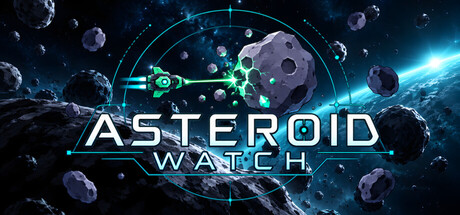
Generative AI tools were used to assist with the creation and refinement of selected visual assets and promotional materials for Asteroid Watch. All AI-assisted content is reviewed, edited, and integrated by the developer to ensure consistency with the game's visual style and overall design.
Generative AI tools were used during development to help create code, 2D art and text, including draft translations. The developer directed, selected and assembled all of it into the game.
No generative AI runs while you play. Meridian, your companion, is scripted rather than a chatbot, and the game sends nothing to AI services. Planets come from the game's own procedural generator, not an AI model.
In the development of this game, artificial intelligence was used in the following areas:
Code and Logic: Game algorithms (including the autopilot systems and the mission generator) were developed with the assistance of AI-powered programming tools and assistants.
Graphics and Audio: Selected graphic/visual elements and the audio design were generated using artificial intelligence tools.
The game does not use generative artificial intelligence to create content in real time during actual gameplay—all assets were pre-generated and are part of the static game content.
Generative AI was used during development to create the galaxy illustration displayed in the game’s galaxy-map interface and menus, as well as promotional artwork used for Steam capsule and library images. Trailer production uses AI-generated music and selected transition sound effects. These materials are generated during development, rather than during gameplay. The game does not offer player-facing live AI content generation.
Generative AI was used during development to create some visual assets, including the title artwork and app icon. AI tools also assisted with some 3D models, in-game text, localization, and sound effects. The game does not use generative AI services to create content during play.
Generative AI tools were used to create the 3D models, images, voices, sound effects, music, dialogue and translations, and to help write the code. Every element was chosen, edited and put together by the developer. Nothing is generated by AI while you play.
This product includes some visual assets and background music generated using AI during development. Some visual assets provide illustrative fills for missing celestial surface data or artistic representations and do not represent actual observations. No generative AI content is generated during gameplay.
AI coding tools help write and maintain the game's plugin code, and parts of the in-game text like NPC combinatorial string banks and translations were written with AI assistance, all being reviewed manully by the developer.
AI Generated Content Disclosure
AI tools were used to assist in drafting the written text of this game (in-game explanations, codex entries, the four language versions of the interface, and store page descriptions); all such text was reviewed and edited by the developer. All artwork is procedurally rendered by shaders written by the developer, the store capsule artwork was commissioned from a human artist, and all sound is synthesised by the developer's own code. The game does not use AI to generate any content at runtime.
Generative AI tools assisted the creation of pre-generated visual assets, including artwork and textures used in the game, promotional art, and store descriptions and localization. These assets and texts are reviewed and integrated during development. The game does not generate AI content during gameplay or connect to an external AI service.
FleetBane was created by a solo developer with assistance from generative AI tools. During development, these tools helped create and refine some visual assets, music, and written game content. All AI-assisted material was reviewed, selected, edited, polished, or substantially reworked by the developer before being integrated into the game. FleetBane does not use generative AI during gameplay and does not send player input or data to any AI service.
Hold My Cargo is made by a three-person team at Favera Studio. Like many small studios, we use AI-assisted tools as part of our production pipeline — for exploring concepts and marketing artwork, speeding up parts of 3D asset, animation and texture work, drafting text and running automated testing. Every asset, animation and line of text that ships in the game is directed, reviewed, edited and approved by the team; nothing goes in unseen. The game does not generate any content at runtime — there is no live AI in Hold My Cargo, and no player data is sent to AI services.
Generative AI was used to assist in creating one or two background 3D assets during the development process. All other 3D models, visual effects, and environmental assets were custom-made or sourced entirely from standard digital asset marketplaces like Fab.
Store page and marketing: the main capsule art was composed and rendered by the developer from in-game models, with generative AI used to repaint parts of the background (landscape, sky and lighting), then corrected by hand. Some promotional videos use an AI-generated voiceover.
Bringing together, refining, reviewing and coordinating the different disciplines into a functional complete game. All content was integrated into the development process, tested and aligned with the overall project before becoming part of the released version.
Generative AI assisted in creating some in-game and promotional assets. All such content was reviewed and edited by the developer. The game does not generate AI content during gameplay or connect to external AI services.
AI tools were used to help draft and edit some English text: store page copy and some in-game UI strings such as hints, item descriptions and dialogs. All text was reviewed and edited by the developer. All art, models, audio and music are human-made or licensed assets. The game does not generate any content with AI at runtime.
Some visual assets in this game were generated using AI. Specifically: planet sprites/textures are AI-generated. All other in-game art is purchased/licensed, not AI-generated, and all audio is purchased/licensed, not AI-generated.
AI-assisted tools were used during development to help create visual assets. These assets are included as finished content; the game does not use generative AI during gameplay.
The campaign's spoken dialogue is AI-generated speech. Over 650 lines were produced with ElevenLabs under a paid plan that licenses commercial use of the output. I wrote every line of that dialogue myself - the writing is mine, the performance is synthetic. I would prefer human voice actors and intend to replace these recordings when the project can afford it.
No AI-generated art ships in the game. Every ship, station and environment mesh is either licensed art or made by me. A set of AI-generated 3D models was removed from the project in July 2026.
The combat and zone music tracks are AI-generated songs I made with Suno on a paid plan that grants commercial-use rights to the output. The remaining music and all sound effects are licensed audio packs and my own work.
Generative AI tools were used to assist with some promotional/store artwork, minor code edits, and the improvement and iteration of some music. AI-generated content is not created dynamically during gameplay.
Generative AI tools were utilized to generate base assets for various 3D models and musical tracks. All AI-generated content was subsequently edited, refined, and integrated manually to match the vision of the game.
Generative AI was used only to create artwork for the Steam store page and marketing materials. No generative AI is used in the game or during gameplay.
Generative AI was used to create three pre-generated images used in the game: the splash screen, loading screen, and main menu background. No other game content was generated using AI, and the game does not generate AI content during gameplay.
Some steps of the art production used AI tools, for example to create or upscale backgrounds and illustrations that were then refined by hand, and for first drafts of language translations. No AI content is generated during gameplay.
We used generative AI during development. The title logo image was created with a
generative AI image tool. Sound effects in the game and in the trailer are synthesised
by a script that was written with AI coding assistance. The nine non-Japanese interface
translations and the store text were produced by AI. AI coding assistance was used
throughout development. The game does not generate any content with AI while it runs.
We use AI as a production tool in areas of development, with all creative direction, concepts, and final assembly done by humans:
Code assistance: AI tools help us write and debug GDScript/shader code for our Godot 4.5 engine. All architecture, game design decisions, and systems design are human-led.
3D models and art assets: Some 3D models and textures are AI-generated or AI-assisted, then manually cleaned up, retopologized, and integrated by hand. Final visual style and direction are decided by us.
Audio: Some sound effects and audio elements are AI-generated, then curated, edited, and mixed to fit the game.
Everything else — the game concept, world design, story, gameplay systems, and the process of bringing all elements together into the final game — is entirely human-made.
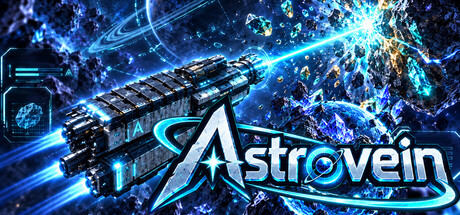
Astrovein was developed with the help of AI tools. The following content is AI-generated and was reviewed by the developer:
- Source code: partially AI-generated, reviewed and tested by the developer.
- Store artwork (capsule images and promotional art): AI-generated.
- Character portraits (captains): AI-generated.
- Store page copy: drafted with AI assistance, then edited and approved by the developer.
The in-game 3D models, sound effects, and music are licensed third-party assets (not AI-generated). No AI content is generated live while the game is running.
Generative AI tools were used during development to assist with in-game dialogue, Korean localization, programming, and store-page text and marketing materials. Orbit Foundry does not generate AI content or connect to AI services during gameplay.
Generative AI tools were used during development to assist with coding, music, dialogue writing, and texture assets. All content has been reviewed and approved by the developer.
Astro Inc currently uses some AI-assisted assets during development. As we get more support, we plan to replace more of these with human-authored assets.
Designed and directed by one person. Every ship, station and planet is rendered in code, with no AI images. The soundtrack was made with Suno, an AI music tool, directed by the developer, and ships as fixed audio files. The story comes from the developer. AI helped turn it into text, tidy it up and translate the store page, like a very overqualified spell check. Nothing is generated by AI while you play.
Some art assets, sound effects and texts of this game are produced with the assistance of generative AI. No real‑time AI‑generated content will be created during gameplay.
This game has been created by a solo developer with 30 years of experience. It is not until now with the assistance of generative AI coding that I have been able to truly bring my visions to life in a timely manor. I hope you enjoy it.
The images currently used on the Steam store page, including the capsule art, were generated using AI. All of these images will be replaced with final, original artwork when the game demo is released.
No AI-generated assets are used in the game itself.
Some of the game's artwork — environments, ships, collectible objects — was created with the help of generative AI tools, then reworked, cropped and integrated by hand by the developer.
Character voices, and some of the sound effects and music, were pre-generated with AI voice and audio tools and then edited and mixed by the developer. The dialogue, store text and Korean/English translations were written with the help of an AI assistant and reviewed by the developer. All ships, cockpit and environments are in-engine 3D models, and the store images and trailer are in-game captures. No AI content is generated while you play.
Generative AI tools were used to assist with the creation and refinement of selected visual assets and promotional materials for Asteroid Watch. All AI-assisted content is reviewed, edited, and integrated by the developer to ensure consistency with the game's visual style and overall design.
Generative AI tools were used during development to help create code, 2D art and text, including draft translations. The developer directed, selected and assembled all of it into the game.
No generative AI runs while you play. Meridian, your companion, is scripted rather than a chatbot, and the game sends nothing to AI services. Planets come from the game's own procedural generator, not an AI model.
In the development of this game, artificial intelligence was used in the following areas:
Code and Logic: Game algorithms (including the autopilot systems and the mission generator) were developed with the assistance of AI-powered programming tools and assistants.
Graphics and Audio: Selected graphic/visual elements and the audio design were generated using artificial intelligence tools.
The game does not use generative artificial intelligence to create content in real time during actual gameplay—all assets were pre-generated and are part of the static game content.
Generative AI was used during development to create the galaxy illustration displayed in the game’s galaxy-map interface and menus, as well as promotional artwork used for Steam capsule and library images. Trailer production uses AI-generated music and selected transition sound effects. These materials are generated during development, rather than during gameplay. The game does not offer player-facing live AI content generation.
Generative AI was used during development to create some visual assets, including the title artwork and app icon. AI tools also assisted with some 3D models, in-game text, localization, and sound effects. The game does not use generative AI services to create content during play.
Generative AI tools were used to create the 3D models, images, voices, sound effects, music, dialogue and translations, and to help write the code. Every element was chosen, edited and put together by the developer. Nothing is generated by AI while you play.
This product includes some visual assets and background music generated using AI during development. Some visual assets provide illustrative fills for missing celestial surface data or artistic representations and do not represent actual observations. No generative AI content is generated during gameplay.
AI coding tools help write and maintain the game's plugin code, and parts of the in-game text like NPC combinatorial string banks and translations were written with AI assistance, all being reviewed manully by the developer.
AI Generated Content Disclosure
AI tools were used to assist in drafting the written text of this game (in-game explanations, codex entries, the four language versions of the interface, and store page descriptions); all such text was reviewed and edited by the developer. All artwork is procedurally rendered by shaders written by the developer, the store capsule artwork was commissioned from a human artist, and all sound is synthesised by the developer's own code. The game does not use AI to generate any content at runtime.
Generative AI tools assisted the creation of pre-generated visual assets, including artwork and textures used in the game, promotional art, and store descriptions and localization. These assets and texts are reviewed and integrated during development. The game does not generate AI content during gameplay or connect to an external AI service.
FleetBane was created by a solo developer with assistance from generative AI tools. During development, these tools helped create and refine some visual assets, music, and written game content. All AI-assisted material was reviewed, selected, edited, polished, or substantially reworked by the developer before being integrated into the game. FleetBane does not use generative AI during gameplay and does not send player input or data to any AI service.
Hold My Cargo is made by a three-person team at Favera Studio. Like many small studios, we use AI-assisted tools as part of our production pipeline — for exploring concepts and marketing artwork, speeding up parts of 3D asset, animation and texture work, drafting text and running automated testing. Every asset, animation and line of text that ships in the game is directed, reviewed, edited and approved by the team; nothing goes in unseen. The game does not generate any content at runtime — there is no live AI in Hold My Cargo, and no player data is sent to AI services.
Generative AI was used to assist in creating one or two background 3D assets during the development process. All other 3D models, visual effects, and environmental assets were custom-made or sourced entirely from standard digital asset marketplaces like Fab.
Store page and marketing: the main capsule art was composed and rendered by the developer from in-game models, with generative AI used to repaint parts of the background (landscape, sky and lighting), then corrected by hand. Some promotional videos use an AI-generated voiceover.
Bringing together, refining, reviewing and coordinating the different disciplines into a functional complete game. All content was integrated into the development process, tested and aligned with the overall project before becoming part of the released version.
Generative AI assisted in creating some in-game and promotional assets. All such content was reviewed and edited by the developer. The game does not generate AI content during gameplay or connect to external AI services.
AI tools were used to help draft and edit some English text: store page copy and some in-game UI strings such as hints, item descriptions and dialogs. All text was reviewed and edited by the developer. All art, models, audio and music are human-made or licensed assets. The game does not generate any content with AI at runtime.
Some visual assets in this game were generated using AI. Specifically: planet sprites/textures are AI-generated. All other in-game art is purchased/licensed, not AI-generated, and all audio is purchased/licensed, not AI-generated.
AI-assisted tools were used during development to help create visual assets. These assets are included as finished content; the game does not use generative AI during gameplay.
The campaign's spoken dialogue is AI-generated speech. Over 650 lines were produced with ElevenLabs under a paid plan that licenses commercial use of the output. I wrote every line of that dialogue myself - the writing is mine, the performance is synthetic. I would prefer human voice actors and intend to replace these recordings when the project can afford it.
No AI-generated art ships in the game. Every ship, station and environment mesh is either licensed art or made by me. A set of AI-generated 3D models was removed from the project in July 2026.
The combat and zone music tracks are AI-generated songs I made with Suno on a paid plan that grants commercial-use rights to the output. The remaining music and all sound effects are licensed audio packs and my own work.
Generative AI tools were used to assist with some promotional/store artwork, minor code edits, and the improvement and iteration of some music. AI-generated content is not created dynamically during gameplay.
Generative AI tools were utilized to generate base assets for various 3D models and musical tracks. All AI-generated content was subsequently edited, refined, and integrated manually to match the vision of the game.
Generative AI was used only to create artwork for the Steam store page and marketing materials. No generative AI is used in the game or during gameplay.
Generative AI was used to create three pre-generated images used in the game: the splash screen, loading screen, and main menu background. No other game content was generated using AI, and the game does not generate AI content during gameplay.
Some steps of the art production used AI tools, for example to create or upscale backgrounds and illustrations that were then refined by hand, and for first drafts of language translations. No AI content is generated during gameplay.
We used generative AI during development. The title logo image was created with a
generative AI image tool. Sound effects in the game and in the trailer are synthesised
by a script that was written with AI coding assistance. The nine non-Japanese interface
translations and the store text were produced by AI. AI coding assistance was used
throughout development. The game does not generate any content with AI while it runs.
We use AI as a production tool in areas of development, with all creative direction, concepts, and final assembly done by humans:
Code assistance: AI tools help us write and debug GDScript/shader code for our Godot 4.5 engine. All architecture, game design decisions, and systems design are human-led.
3D models and art assets: Some 3D models and textures are AI-generated or AI-assisted, then manually cleaned up, retopologized, and integrated by hand. Final visual style and direction are decided by us.
Audio: Some sound effects and audio elements are AI-generated, then curated, edited, and mixed to fit the game.
Everything else — the game concept, world design, story, gameplay systems, and the process of bringing all elements together into the final game — is entirely human-made.
Astrovein was developed with the help of AI tools. The following content is AI-generated and was reviewed by the developer:
- Source code: partially AI-generated, reviewed and tested by the developer.
- Store artwork (capsule images and promotional art): AI-generated.
- Character portraits (captains): AI-generated.
- Store page copy: drafted with AI assistance, then edited and approved by the developer.
The in-game 3D models, sound effects, and music are licensed third-party assets (not AI-generated). No AI content is generated live while the game is running.
Generative AI tools were used during development to assist with in-game dialogue, Korean localization, programming, and store-page text and marketing materials. Orbit Foundry does not generate AI content or connect to AI services during gameplay.
Generative AI tools were used during development to assist with coding, music, dialogue writing, and texture assets. All content has been reviewed and approved by the developer.
Astro Inc currently uses some AI-assisted assets during development. As we get more support, we plan to replace more of these with human-authored assets.
Designed and directed by one person. Every ship, station and planet is rendered in code, with no AI images. The soundtrack was made with Suno, an AI music tool, directed by the developer, and ships as fixed audio files. The story comes from the developer. AI helped turn it into text, tidy it up and translate the store page, like a very overqualified spell check. Nothing is generated by AI while you play.
Some art assets, sound effects and texts of this game are produced with the assistance of generative AI. No real‑time AI‑generated content will be created during gameplay.
This game has been created by a solo developer with 30 years of experience. It is not until now with the assistance of generative AI coding that I have been able to truly bring my visions to life in a timely manor. I hope you enjoy it.
The images currently used on the Steam store page, including the capsule art, were generated using AI. All of these images will be replaced with final, original artwork when the game demo is released.
No AI-generated assets are used in the game itself.
Some of the game's artwork — environments, ships, collectible objects — was created with the help of generative AI tools, then reworked, cropped and integrated by hand by the developer.