Public Steam disclosure research25,376 disclosures tracked
Where do games disclose AI use?
Search developers’ Steam disclosures, compare classified AI use across
games, and follow recorded changes.
This index adds cross-game classifications and statistics to
statements published on individual store pages.
Groups reflect automatic analysis of public disclosures; mature records are excluded. These counts do not measure AI use across all of Steam.
Missing or unclear statements cannot establish whether a game uses AI.
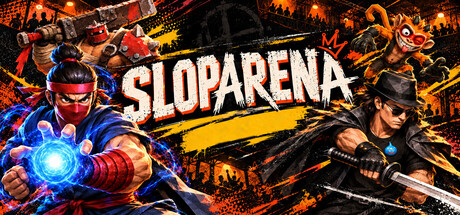
SlopArena is a non-profit open source game created by a solo developer. AI was used extensively during development for various tasks such as research, brainstorming, planning, coding, analysing. Some assets were bought, some were generated to reduce costs. Generated assets are seen as placeholder, especially character models.
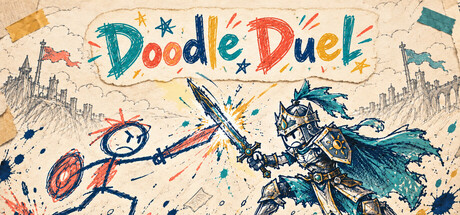
Some promotional materials for Doodle Duel, including animation and music created or assisted by generative AI tools based on game images, were made with generative AI. The game itself does not generate content at runtime and does not connect to external AI services.
Generative AI was used during development to assist with artwork and localization, including some store and promotional materials. The game does not generate AI content during gameplay or connect to external AI services.
This game's 3D models, music, sound effects, and in-game text (dialogue, item names and descriptions) were created with the help of generative AI, under the developer's direction and review. The store images and trailer use this in-game content.
Voice acting, music and sound effects were generated with ElevenLabs AI tools, then selected, edited and mixed by the developer. Some game text, including dialogue and store descriptions, was drafted with AI assistance and edited by the developer. The game does not generate any AI content while it runs.
Generative AI tools were used during development to assist in creating select assets, including a character's voiceover audio, UI design elements, and specific artwork. All generated content was manually edited, refined, and integrated by the developer to ensure quality and stylistic consistency.
The key art, store capsules and library artwork were created with an AI image generator and edited by the developer. The trailer music was generated with Suno under a paid plan. No AI-generated content is included in the game itself, and the game runs no AI generation and requires no AI service.
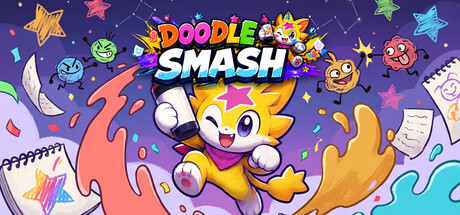
Some assets in this game were created with generative AI tools during development and then selected and edited by hand: the store key art and capsule images, some in-game images (UI decorations, stage backgrounds and some illustrations), and the background music and jingles. No generative AI is used while you play: the stats and skills of your drawing are decided by deterministic on-device image processing, and nothing is sent to an AI service.
Generative AI tools were used during development to assist with programming and some written/game content. All generated material was reviewed and integrated by the developer. The game does not generate AI content during gameplay.
Generative AI was used during development to create 3D models, music, sound effects, and promotional artwork, and to assist with localization, store-page text, and the implementation of game logic and code. This content and code are prepared during development. The game does not generate content or code using AI or connect to external AI services during gameplay.
This game includes assets created with generative AI during development (official music, song artwork, and drum animations). Nothing is generated while you play, and the game does not connect to an AI service at runtime. Players cannot send prompts to any AI.
- Localization (translation) of in-game text from the original Japanese into [English, Chinese, etc.]The original Japanese text was written by the developer without AI. All AI-generated translations were reviewed and adjusted by the developer before being included in the game. If you find any translation issues, please let us know via the Steam discussions.
Generative AI was used during development to create some visual assets, including background artwork, UI graphics, icons and 3D models, as well as music, some sound effects, and localized text. These assets are included as pre-generated content. The game does not generate AI content or connect to external AI services during gameplay.
Generative AI-assisted tools were used during development to assist with programming tasks and to create or refine selected 3D models. All AI-assisted code and 3D assets were reviewed, edited, tested, and integrated by the development team. AI-assisted tools were also used for selected Steam marketing artwork. The game does not generate content with AI during gameplay and does not connect to an external AI service.
This game uses generative AI in the creation of some visual assets, including character illustrations, backgrounds, and promotional artwork. These assets were selected, adjusted, and integrated into the game and store materials by the developer. The game does not generate content in real time during gameplay, and no player input or personal data is sent to external AI services.
Some static art assets and store promotional texts of this game are drafted with generative AI. All AI-generated materials have been manually checked for copyright and revised by the development team. No dynamic AI content will be generated in real time during gameplay.
This game was developed solo by an independent developer. Some UI visuals and artwork used for the Steam store page were created with the help of generative AI. Original sound effects were also created with AI assistance to match the game's atmosphere. This content is fixed and built into the game.
AI is not used to generate content in real time during gameplay.
The game uses pre-generated AI-generated voice acting for character dialogue, narration, and promotional trailer voice-over.
All AI-generated voice content is produced in advance and reviewed by the development team before being included in the game or its Steam store assets. No AI content is generated live while the game is running.
Tug-O-War Wrestling uses a locally-run AI model (Llama) to control enemy wrestler behaviour and decision-making during matches. This AI is not used to generate any art, audio, dialogue, or other player-facing content - all in-game content is human-created.
Generative AI is used to assist in the creation of character illustrations, icons, backgrounds, and other 2D artwork. All AI-generated assets are reviewed, edited, and refined by the developer to ensure they fit the game's content and quality standards.
Text in languages other than Japanese is translated using generative AI, then reviewed by the developer before being included in the game.
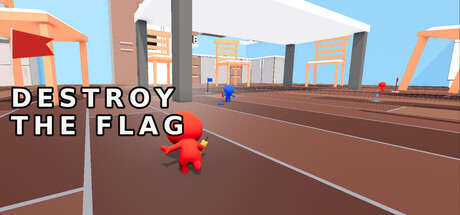
Destroy the Flag was developed with the assistance of a generative AI coding assistant (Claude, by Anthropic), used throughout development as a programming and writing collaborator.
Pre-Generated content (created during development, ships with the game):
- In-game interface text — menu labels, HUD text, on-screen instructions, and system messages — was drafted with AI assistance as part of the game's code, then reviewed and refined by the developer before shipping.
- The Steam store page's short and long descriassistance, then fact-checked, edited, and approvpublishing.
Live-Generated content: None. The game does not usnt isgenerated by AI while the game is being
played
AI-assisted translation tools are used to help localize this game's text for international audiences, including English and any additional languages added in the future.
No AI-generated content is used for graphics, sound, or narrative/story content.
Some character, costume, and promotional artwork was created with the assistance of generative AI image tools, then selected, edited, and assembled by the developer. There is no live AI generation during gameplay, and the game does not connect to external AI services.
The game's software architecture, logic scripts, and localization texts were drafted and optimized during the development process with the assistance of Rosebud AI. All assets, graphics, and code within the final application package are static, pre-rendered, and permanently compiled. No live or real-time AI generation occurs during gameplay, and the application does not connect to any external AI services.
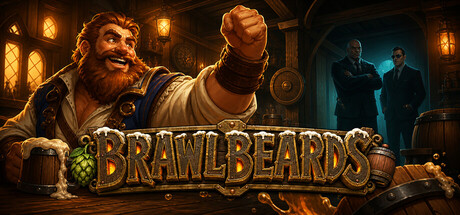
Some visual assets used in Brawlbeards, including character illustrations, backgrounds, store capsules, and promotional artwork, were created with the assistance of generative AI and then selected, edited, and integrated by the developer. No generative AI content is created in real time during gameplay, and the game does not connect to an external AI service.
Generative AI tools were used during the development of Bubblecore: Survivors to assist with programming and to create some of the game’s visual and audio assets. All AI-assisted content was selected, edited, integrated, and reviewed by the developer.
Generative AI is not used at runtime: the game does not connect to AI services or generate content while the player is playing.
Generative AI tools were used during development to assist with portions of the game's code, visual asset creation, localization, and marketing artwork. All included content was selected, edited, integrated, and reviewed by the developer. The game does not generate AI content during gameplay.
This game used generative AI during the development process to assist with the creation and modeling visual assets, including characters designs and environmental textures like buildings.
The developer uses generative AI tools during the development process to create pre-generated content. Specifically, Leonardo.ai was utilized to assist in the creation of promotional marketing artwork, concept art, images, and user interface buttons. Additionally, Suno was used to compose the game's background music and soundtracks. All AI-generated content is static, finalized prior to release, and integrated into the game build; the game does not feature any live or real-time AI generation during gameplay.
AI was used to create some promotional assets, including store capsule images, banners, and other marketing artwork. AI-generated content was reviewed and edited by the developer before use.
Some visual concepts, promotional artwork, and certain written materials used for the game's presentation were created or refined with the assistance of generative AI. All AI-assisted content has been carefully reviewed, edited, and approved by the development team to ensure artistic consistency, originality, and quality. The gameplay, design decisions, and final player experience are fully curated by the developers.
We used AI‑based tools to create some character images and background assets.
All content has been independently edited and refined to ensure it is presented as an original work.
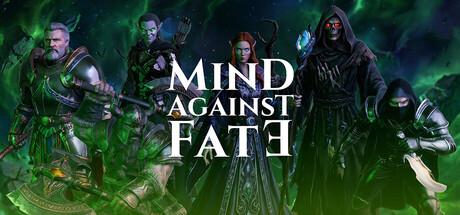
The development of Mind Against Fate utilized Artificial Intelligence (AI) tools to assist in the creation of specific pre-generated assets and coding workflows:
- Visual Assets: The portraits for heroes and in-game item icons were initially generated using Kling.AI and Google generative tools, and were subsequently refined, detailed, and polished using graphic design software.
- 3D Models: Certain 3D asset bases and models in the game were created with the assistance of Meshy.AI before being finalized and integrated into the game engine.
- Coding Assistance: Development and implementation speed were enhanced using AI-assisted coding tools (Cursor AI utilizing Google Gemini and Anthropic Claude versions).
We ensure that all generated content has been thoroughly reviewed and edited to meet quality standards, and contains no copyrighted or infringing materials.
Generative AI tools are used to create some background images and marketing materials, as well as to assist with the animation production process. The final assets are adjusted by the development team.
SlopArena is a non-profit open source game created by a solo developer. AI was used extensively during development for various tasks such as research, brainstorming, planning, coding, analysing. Some assets were bought, some were generated to reduce costs. Generated assets are seen as placeholder, especially character models.
Some promotional materials for Doodle Duel, including animation and music created or assisted by generative AI tools based on game images, were made with generative AI. The game itself does not generate content at runtime and does not connect to external AI services.
Generative AI was used during development to assist with artwork and localization, including some store and promotional materials. The game does not generate AI content during gameplay or connect to external AI services.
This game's 3D models, music, sound effects, and in-game text (dialogue, item names and descriptions) were created with the help of generative AI, under the developer's direction and review. The store images and trailer use this in-game content.
Voice acting, music and sound effects were generated with ElevenLabs AI tools, then selected, edited and mixed by the developer. Some game text, including dialogue and store descriptions, was drafted with AI assistance and edited by the developer. The game does not generate any AI content while it runs.
Generative AI tools were used during development to assist in creating select assets, including a character's voiceover audio, UI design elements, and specific artwork. All generated content was manually edited, refined, and integrated by the developer to ensure quality and stylistic consistency.
The key art, store capsules and library artwork were created with an AI image generator and edited by the developer. The trailer music was generated with Suno under a paid plan. No AI-generated content is included in the game itself, and the game runs no AI generation and requires no AI service.
Some assets in this game were created with generative AI tools during development and then selected and edited by hand: the store key art and capsule images, some in-game images (UI decorations, stage backgrounds and some illustrations), and the background music and jingles. No generative AI is used while you play: the stats and skills of your drawing are decided by deterministic on-device image processing, and nothing is sent to an AI service.
Generative AI tools were used during development to assist with programming and some written/game content. All generated material was reviewed and integrated by the developer. The game does not generate AI content during gameplay.
Generative AI was used during development to create 3D models, music, sound effects, and promotional artwork, and to assist with localization, store-page text, and the implementation of game logic and code. This content and code are prepared during development. The game does not generate content or code using AI or connect to external AI services during gameplay.
This game includes assets created with generative AI during development (official music, song artwork, and drum animations). Nothing is generated while you play, and the game does not connect to an AI service at runtime. Players cannot send prompts to any AI.
- Localization (translation) of in-game text from the original Japanese into [English, Chinese, etc.]The original Japanese text was written by the developer without AI. All AI-generated translations were reviewed and adjusted by the developer before being included in the game. If you find any translation issues, please let us know via the Steam discussions.
Generative AI was used during development to create some visual assets, including background artwork, UI graphics, icons and 3D models, as well as music, some sound effects, and localized text. These assets are included as pre-generated content. The game does not generate AI content or connect to external AI services during gameplay.
Generative AI-assisted tools were used during development to assist with programming tasks and to create or refine selected 3D models. All AI-assisted code and 3D assets were reviewed, edited, tested, and integrated by the development team. AI-assisted tools were also used for selected Steam marketing artwork. The game does not generate content with AI during gameplay and does not connect to an external AI service.
This game uses generative AI in the creation of some visual assets, including character illustrations, backgrounds, and promotional artwork. These assets were selected, adjusted, and integrated into the game and store materials by the developer. The game does not generate content in real time during gameplay, and no player input or personal data is sent to external AI services.
Some static art assets and store promotional texts of this game are drafted with generative AI. All AI-generated materials have been manually checked for copyright and revised by the development team. No dynamic AI content will be generated in real time during gameplay.
This game was developed solo by an independent developer. Some UI visuals and artwork used for the Steam store page were created with the help of generative AI. Original sound effects were also created with AI assistance to match the game's atmosphere. This content is fixed and built into the game.
AI is not used to generate content in real time during gameplay.
The game uses pre-generated AI-generated voice acting for character dialogue, narration, and promotional trailer voice-over.
All AI-generated voice content is produced in advance and reviewed by the development team before being included in the game or its Steam store assets. No AI content is generated live while the game is running.
Tug-O-War Wrestling uses a locally-run AI model (Llama) to control enemy wrestler behaviour and decision-making during matches. This AI is not used to generate any art, audio, dialogue, or other player-facing content - all in-game content is human-created.
Generative AI is used to assist in the creation of character illustrations, icons, backgrounds, and other 2D artwork. All AI-generated assets are reviewed, edited, and refined by the developer to ensure they fit the game's content and quality standards.
Text in languages other than Japanese is translated using generative AI, then reviewed by the developer before being included in the game.
Destroy the Flag was developed with the assistance of a generative AI coding assistant (Claude, by Anthropic), used throughout development as a programming and writing collaborator.
Pre-Generated content (created during development, ships with the game):
- In-game interface text — menu labels, HUD text, on-screen instructions, and system messages — was drafted with AI assistance as part of the game's code, then reviewed and refined by the developer before shipping.
- The Steam store page's short and long descriassistance, then fact-checked, edited, and approvpublishing.
Live-Generated content: None. The game does not usnt isgenerated by AI while the game is being
played
AI-assisted translation tools are used to help localize this game's text for international audiences, including English and any additional languages added in the future.
No AI-generated content is used for graphics, sound, or narrative/story content.
Some character, costume, and promotional artwork was created with the assistance of generative AI image tools, then selected, edited, and assembled by the developer. There is no live AI generation during gameplay, and the game does not connect to external AI services.
The game's software architecture, logic scripts, and localization texts were drafted and optimized during the development process with the assistance of Rosebud AI. All assets, graphics, and code within the final application package are static, pre-rendered, and permanently compiled. No live or real-time AI generation occurs during gameplay, and the application does not connect to any external AI services.
Some visual assets used in Brawlbeards, including character illustrations, backgrounds, store capsules, and promotional artwork, were created with the assistance of generative AI and then selected, edited, and integrated by the developer. No generative AI content is created in real time during gameplay, and the game does not connect to an external AI service.
Generative AI tools were used during the development of Bubblecore: Survivors to assist with programming and to create some of the game’s visual and audio assets. All AI-assisted content was selected, edited, integrated, and reviewed by the developer.
Generative AI is not used at runtime: the game does not connect to AI services or generate content while the player is playing.
Generative AI tools were used during development to assist with portions of the game's code, visual asset creation, localization, and marketing artwork. All included content was selected, edited, integrated, and reviewed by the developer. The game does not generate AI content during gameplay.
This game used generative AI during the development process to assist with the creation and modeling visual assets, including characters designs and environmental textures like buildings.
The developer uses generative AI tools during the development process to create pre-generated content. Specifically, Leonardo.ai was utilized to assist in the creation of promotional marketing artwork, concept art, images, and user interface buttons. Additionally, Suno was used to compose the game's background music and soundtracks. All AI-generated content is static, finalized prior to release, and integrated into the game build; the game does not feature any live or real-time AI generation during gameplay.
AI was used to create some promotional assets, including store capsule images, banners, and other marketing artwork. AI-generated content was reviewed and edited by the developer before use.
Some visual concepts, promotional artwork, and certain written materials used for the game's presentation were created or refined with the assistance of generative AI. All AI-assisted content has been carefully reviewed, edited, and approved by the development team to ensure artistic consistency, originality, and quality. The gameplay, design decisions, and final player experience are fully curated by the developers.
We used AI‑based tools to create some character images and background assets.
All content has been independently edited and refined to ensure it is presented as an original work.
The development of Mind Against Fate utilized Artificial Intelligence (AI) tools to assist in the creation of specific pre-generated assets and coding workflows:
- Visual Assets: The portraits for heroes and in-game item icons were initially generated using Kling.AI and Google generative tools, and were subsequently refined, detailed, and polished using graphic design software.
- 3D Models: Certain 3D asset bases and models in the game were created with the assistance of Meshy.AI before being finalized and integrated into the game engine.
- Coding Assistance: Development and implementation speed were enhanced using AI-assisted coding tools (Cursor AI utilizing Google Gemini and Anthropic Claude versions).
We ensure that all generated content has been thoroughly reviewed and edited to meet quality standards, and contains no copyrighted or infringing materials.
Generative AI tools are used to create some background images and marketing materials, as well as to assist with the animation production process. The final assets are adjusted by the development team.