Public Steam disclosure research25,376 disclosures tracked
Where do games disclose AI use?
Search developers’ Steam disclosures, compare classified AI use across
games, and follow recorded changes.
This index adds cross-game classifications and statistics to
statements published on individual store pages.
Groups reflect automatic analysis of public disclosures; mature records are excluded. These counts do not measure AI use across all of Steam.
Missing or unclear statements cannot establish whether a game uses AI.
Luckforge was made with the help of generative AI tools, selected and directed by the developer. The title-screen and battle backdrops were generated from our own layout briefs and screenshots, then converted to the game's pixel grid and colour palette. The pixel sprites, in-game text, translations and store text were created with AI assistance. Some promotional materials use AI-generated art or music. Nothing is generated by AI while you play.
Generative AI tools were used for parts of this game during development: some story and dialogue text, the English localization, store page text, and some of the code that draws patterns and shapes. The developer directed all of it, chose what to keep, and reviewed and edited every piece. The music and sound effects were not made with AI, and nothing is generated by AI while you play.
As a solo developer from a small town in Brazil, I used AI-assisted tools to help create some of the game’s visual assets. This allowed me to bring the project to life with limited resources while focusing my time on gameplay, systems, and the overall player experience.
Generative AI tools were used to assist in the creation of various assets for the game. All generated graphics were subsequently edited, refined, and adjusted in Adobe Photoshop by the developer. No AI-generated graphics are used directly in the game without manual editing and refinement.
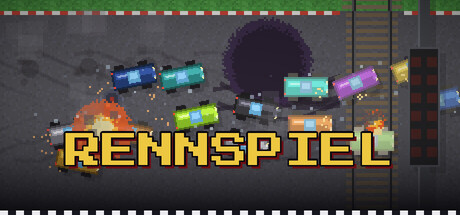
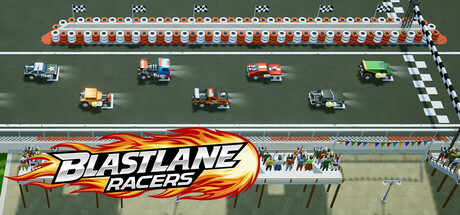
Everything you see and hear in this game - the graphics, the sound effects, the music and the built-in tracks - is produced by our own hand-written generators: drawn and synthesised in code. No generative AI is involved in any of it, and nothing is generated by an AI while the game is running. The computer drivers race on ordinary, hand-written driving logic, not on an AI model.
Generative AI was used during development, as an assistant for code and for text: in writing the program code and those generators, in the menu and interface text, in the names of the computer drivers, and in the translation between German and English. Every line of it was reviewed and reworked before it went into the game.
The images and the video on this store page are captured from the running game.
Parts of the game's code and the store page text were written with the help of an AI assistant. All art, 3D models, sounds and music are not AI-generated: 3D models come from Kenney asset packs (CC0) or are built procedurally in code, visuals and marketing images are rendered in-engine, and sounds and music come from CC0 libraries.
This game was made by a solo developer with the help of generative AI tools. AI was used to create the store page images and videos, the in-game audio and visual assets, language translations, and the majority of the code. The game concept, design, and every gameplay decision are my own, and I reviewed and refined all AI-generated content.
AI tools were used to create or edit some in-game and store artwork and textures, and to assist with translations. Creative direction and final content selection are ours. No AI content is generated during gameplay.
Some of the game's 3D models, some of its music tracks and parts of the user interface were created with the help of generative AI tools, then selected, edited and integrated by our team. Some of the artwork on this store page (capsule and promotional images) was also created with the help of generative AI and edited by our team. AI coding assistants were also used during programming, with all code reviewed and directed by our team. Everything else (game design, level design and the remaining art, music and sound effects) was made by the Domp Studio team. No AI is used to generate content while you play.
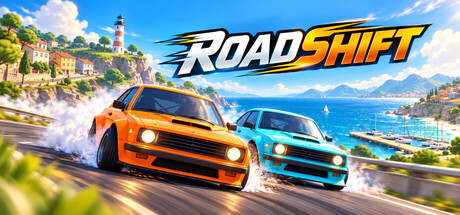
Roadshift was developed with assistance from generative AI tools (such as Large Language Models) to help write and structure the source code and draft store descriptions, as well as generating in-game images, assets, art, and 3D models. The game does not feature live, runtime generative AI.
This game uses pre-generated AI only for certain 2D background images and promotional store visuals. These assets were created before release and remain fixed. The game does not include any live AI generation during gameplay.
During development, generative artificial intelligence tools were used to create some pre-rendered static images featured in the game and in the Store page materials (illustrations and promotional graphics).
All content was selected, reviewed and integrated manually by the developer.
The game does not use generative AI during gameplay and does not generate content in real time.
I am a solo developer leveraging AI to improve my efficiency while moonlighting this project. Hence, many temporary AI-generated assets make their way into the game but I hope to replace over 90% of those with handcrafted assets over time.
Generative AI tools were used during development for programming assistance and debugging support. No AI-generated player-facing content is included in the game.
Some AI tools were used during development to assist with code, artwork, and audio production. All content was reviewed, edited and assembled by the developer.
We use AI tools to assist with translations and to support our development process. Some graphics are currently AI-generated placeholders, which will be gradually replaced with original, human-made artwork.
Parts of this game's art, music and translations were created with AI tools during development and edited by hand. They ship as fixed assets — nothing is generated by AI while you play.
We've leveraged the capabilities of Generative AI technology to create some of the unique themed backgrounds, characters, and content elements featured in our game. This innovative approach allows us to deliver a richer, more immersive experience, filled with visually captivating and creatively inspired designs that enhance every moment of gameplay.
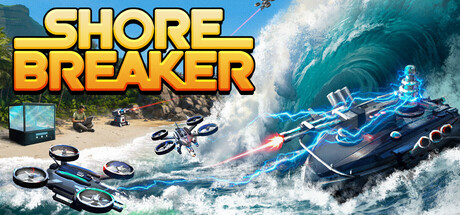
No AI-generated images, models, or audio appear in the game or on this Steam page. Music is composed and arranged by me in BandLab. UI and VFX are handmade or generated procedurally with code, including the breaking waves shaped by hand.
Otherwise, I code Shorebreaker with AI assistance: the design decisions are mine, and AI helps me work through, implement, and debug them. For self-marketing, some of my social media videos use AI voiceover from CapCut because I can't wake the baby.
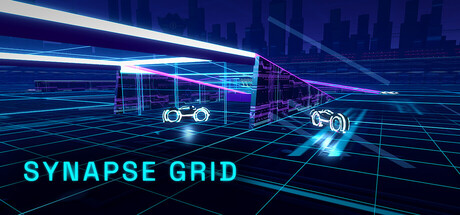
Some of the art, music, voice-over and cinematic clips in Synapse Grid were produced with generative AI tools during development, then edited, curated and directed for release. Nothing is generated while you play.
The tools used, and what each produced:
Google Gemini - concept art and texture reference
ACE-Step - original music tracks
MiniMax-Music3 - original music tiles
IndexTTS - cast voice-over
MiniMax H3 (via ComfyUI) - tutorial and transmission video clips
All of this content was generated for this project. No third party's personal media, voice or likeness is used. The same list is shown in the game's own credits screen.
Separately, the opponent riders use a neural network trained by self-play. That system decides how a bike steers; it does not generate any art, audio or text that you see or hear.
The game's code was written with the help of an AI coding assistant, following the developer's design direction. Because the characters, arenas, materials and user interface are generated procedurally in code rather than authored as art assets, they are a result of that same process. The background music tracks were generated with Suno (commercial licence). Sound effects are licensed from Mixkit and Freesound. Nothing is generated by AI while the game is running.
AI was used to create textures, some of the code, create a player model and rig it for animation. The sounds of footsteps, goals and ball bounces, albeit mastered, started as AI generated before being edited and mastered. Localization languages were also created by AI. (Therefore any corrections will be welcome)
Animations, music, game design, and all other elements of creativity are the work of a human exclusively.
Badgerworks Studios will never rely on AI for creativity, music, ideas for games, and once an artist has been hired, AI models either. Due to lack of in-house ability to rig models or create them from scratch, the current player model was generated and rigged (skeleton matched to model) by AI. Animations were hand made, but on the AI created and rigged model.
No AI, LLM, of frontier models are being called during game play nor will any introduced features be allowed to do so.
We used AI tools (such as ChatGPT) to assist with game descriptions, promotional materials, and conceptual design. No AI is used in real-time gameplay or for generating assets during gameplay. All in-game content is manually crafted or pre-created.
Some visual assets and promotional images were created with generative AI tools and later reviewed, modified, and integrated by the developer. No generative AI content is created during gameplay.
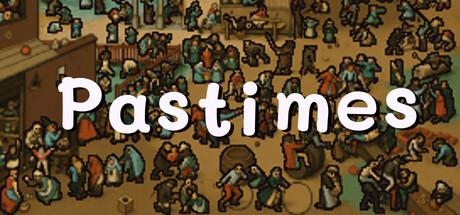
Generative AI was used during development for translations, some pixel art, and some music. AI-assisted content is human-reviewed before release. The main painting is historical public-domain art. Nothing is AI-generated during gameplay.
As a solo developer, I used AI-assisted tools to support development, including implementation and some audio-related work. All final content was reviewed and edited by me. Character sprite art is hand-drawn, and the game does not use generative AI while running.
Generative AI tools were used during development to assist with portions of programming and to create selected pre-generated audio and visual assets. These include some character and commentator voice lines and branding artwork. All AI-assisted content was reviewed and integrated by the developer. No generative AI runs during gameplay, and no player input or personal data is sent to AI services.
Generative AI was occasionally used to prototype assets and give ideas\reference for assets. It was also occasionally used to generate normal maps on textures I had created. Sometimes this had disastrous results.
MonsterBash includes pre-generated AI-assisted artwork for certain menu backgrounds and between-level illustrations. All AI-generated assets were reviewed, edited, and integrated by the developer. No AI-generated content is created during gameplay.
AI was primarily used to assist in the creation of the game's music and sound effects. Most of the music tracks and sound effects were generated using AI tools and then edited and adapted for use in the game.
All visual assets, characters, environments, puzzles, story, and gameplay mechanics were created and designed manually by the developer.
Generative AI was used during pre-production to create early concept sketches, used purely as visual inspiration and reference. None of these initial AI-generated images appear in the final game, all art assets were subsequently created and replaced by the development team. Generative AI tools were also used to assist with writing portions of the game's code and with translating the game's text into other languages. In all cases, all output was reviewed, tested, and approved by human developers before being used in the final product.
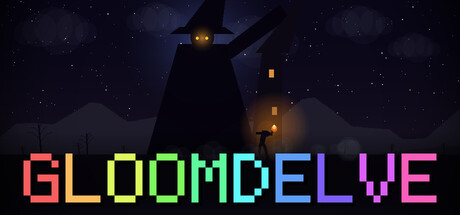
GloomDelve's visuals, audio, and dungeons are generated procedurally by hand-written code; calculated geometry, synthesized sound, and deterministic seed-based level generation, not by generative AI. Generative AI tools were used during development to assist with translating the interface into non-English languages. The game generates no content at runtime and connects to no AI service while you play. Every run is produced by the same deterministic procedural systems.
AI was used to create some promotional assets, including store capsule images, banners, and other marketing artwork. AI-generated content was reviewed and edited by the developer before use.
Generative AI was used to create selected voice performances (including the in-game commentator) as well as concept artwork and promotional illustrations. All AI-generated assets were reviewed, edited, and integrated by the developer.
AI tools were used during development to assist with writing code, and to produce two categories of content shipped with the game: the original synthwave soundtrack (composed with AI music generation, curated and selected by the developer) and the interface translations for the non-English languages (reviewed by the developer). Some store page text was also drafted with AI assistance. All in-game worlds are generated procedurally by hand-written algorithms — no AI content is generated at runtime.
Some of this game's visual assets (character art, icons, and UI) were created with the help of generative AI tools and were manually edited and reviewed by the developer.
Power Pony Drift uses AI-generated content that was created during development, and every piece was reviewed, edited, and curated by the developer before being included:
- Character models: The base 3D pony models were generated with AI tools, then hand-rigged, animated, and tuned for the game.
- Audio: The music tracks and some sound effects and voice lines were generated with AI audio tools.
No content is generated while you play — the game contains no runtime AI systems, AI chatbots, or live-generated content. Store page artwork is composited from in-game footage.
Generative AI tools were used during development to assist with the creation of game content. All final content was reviewed and refined by the development team.
Luckforge was made with the help of generative AI tools, selected and directed by the developer. The title-screen and battle backdrops were generated from our own layout briefs and screenshots, then converted to the game's pixel grid and colour palette. The pixel sprites, in-game text, translations and store text were created with AI assistance. Some promotional materials use AI-generated art or music. Nothing is generated by AI while you play.
Generative AI tools were used for parts of this game during development: some story and dialogue text, the English localization, store page text, and some of the code that draws patterns and shapes. The developer directed all of it, chose what to keep, and reviewed and edited every piece. The music and sound effects were not made with AI, and nothing is generated by AI while you play.
As a solo developer from a small town in Brazil, I used AI-assisted tools to help create some of the game’s visual assets. This allowed me to bring the project to life with limited resources while focusing my time on gameplay, systems, and the overall player experience.
Generative AI tools were used to assist in the creation of various assets for the game. All generated graphics were subsequently edited, refined, and adjusted in Adobe Photoshop by the developer. No AI-generated graphics are used directly in the game without manual editing and refinement.
Everything you see and hear in this game - the graphics, the sound effects, the music and the built-in tracks - is produced by our own hand-written generators: drawn and synthesised in code. No generative AI is involved in any of it, and nothing is generated by an AI while the game is running. The computer drivers race on ordinary, hand-written driving logic, not on an AI model.
Generative AI was used during development, as an assistant for code and for text: in writing the program code and those generators, in the menu and interface text, in the names of the computer drivers, and in the translation between German and English. Every line of it was reviewed and reworked before it went into the game.
The images and the video on this store page are captured from the running game.
Parts of the game's code and the store page text were written with the help of an AI assistant. All art, 3D models, sounds and music are not AI-generated: 3D models come from Kenney asset packs (CC0) or are built procedurally in code, visuals and marketing images are rendered in-engine, and sounds and music come from CC0 libraries.
This game was made by a solo developer with the help of generative AI tools. AI was used to create the store page images and videos, the in-game audio and visual assets, language translations, and the majority of the code. The game concept, design, and every gameplay decision are my own, and I reviewed and refined all AI-generated content.
AI tools were used to create or edit some in-game and store artwork and textures, and to assist with translations. Creative direction and final content selection are ours. No AI content is generated during gameplay.
Some of the game's 3D models, some of its music tracks and parts of the user interface were created with the help of generative AI tools, then selected, edited and integrated by our team. Some of the artwork on this store page (capsule and promotional images) was also created with the help of generative AI and edited by our team. AI coding assistants were also used during programming, with all code reviewed and directed by our team. Everything else (game design, level design and the remaining art, music and sound effects) was made by the Domp Studio team. No AI is used to generate content while you play.
Roadshift was developed with assistance from generative AI tools (such as Large Language Models) to help write and structure the source code and draft store descriptions, as well as generating in-game images, assets, art, and 3D models. The game does not feature live, runtime generative AI.
This game uses pre-generated AI only for certain 2D background images and promotional store visuals. These assets were created before release and remain fixed. The game does not include any live AI generation during gameplay.
During development, generative artificial intelligence tools were used to create some pre-rendered static images featured in the game and in the Store page materials (illustrations and promotional graphics).
All content was selected, reviewed and integrated manually by the developer.
The game does not use generative AI during gameplay and does not generate content in real time.
I am a solo developer leveraging AI to improve my efficiency while moonlighting this project. Hence, many temporary AI-generated assets make their way into the game but I hope to replace over 90% of those with handcrafted assets over time.
Generative AI tools were used during development for programming assistance and debugging support. No AI-generated player-facing content is included in the game.
Some AI tools were used during development to assist with code, artwork, and audio production. All content was reviewed, edited and assembled by the developer.
We use AI tools to assist with translations and to support our development process. Some graphics are currently AI-generated placeholders, which will be gradually replaced with original, human-made artwork.
Parts of this game's art, music and translations were created with AI tools during development and edited by hand. They ship as fixed assets — nothing is generated by AI while you play.
We've leveraged the capabilities of Generative AI technology to create some of the unique themed backgrounds, characters, and content elements featured in our game. This innovative approach allows us to deliver a richer, more immersive experience, filled with visually captivating and creatively inspired designs that enhance every moment of gameplay.
No AI-generated images, models, or audio appear in the game or on this Steam page. Music is composed and arranged by me in BandLab. UI and VFX are handmade or generated procedurally with code, including the breaking waves shaped by hand.
Otherwise, I code Shorebreaker with AI assistance: the design decisions are mine, and AI helps me work through, implement, and debug them. For self-marketing, some of my social media videos use AI voiceover from CapCut because I can't wake the baby.
Some of the art, music, voice-over and cinematic clips in Synapse Grid were produced with generative AI tools during development, then edited, curated and directed for release. Nothing is generated while you play.
The tools used, and what each produced:
Google Gemini - concept art and texture reference
ACE-Step - original music tracks
MiniMax-Music3 - original music tiles
IndexTTS - cast voice-over
MiniMax H3 (via ComfyUI) - tutorial and transmission video clips
All of this content was generated for this project. No third party's personal media, voice or likeness is used. The same list is shown in the game's own credits screen.
Separately, the opponent riders use a neural network trained by self-play. That system decides how a bike steers; it does not generate any art, audio or text that you see or hear.
The game's code was written with the help of an AI coding assistant, following the developer's design direction. Because the characters, arenas, materials and user interface are generated procedurally in code rather than authored as art assets, they are a result of that same process. The background music tracks were generated with Suno (commercial licence). Sound effects are licensed from Mixkit and Freesound. Nothing is generated by AI while the game is running.
AI was used to create textures, some of the code, create a player model and rig it for animation. The sounds of footsteps, goals and ball bounces, albeit mastered, started as AI generated before being edited and mastered. Localization languages were also created by AI. (Therefore any corrections will be welcome)
Animations, music, game design, and all other elements of creativity are the work of a human exclusively.
Badgerworks Studios will never rely on AI for creativity, music, ideas for games, and once an artist has been hired, AI models either. Due to lack of in-house ability to rig models or create them from scratch, the current player model was generated and rigged (skeleton matched to model) by AI. Animations were hand made, but on the AI created and rigged model.
No AI, LLM, of frontier models are being called during game play nor will any introduced features be allowed to do so.
We used AI tools (such as ChatGPT) to assist with game descriptions, promotional materials, and conceptual design. No AI is used in real-time gameplay or for generating assets during gameplay. All in-game content is manually crafted or pre-created.
Some visual assets and promotional images were created with generative AI tools and later reviewed, modified, and integrated by the developer. No generative AI content is created during gameplay.
Generative AI was used during development for translations, some pixel art, and some music. AI-assisted content is human-reviewed before release. The main painting is historical public-domain art. Nothing is AI-generated during gameplay.
As a solo developer, I used AI-assisted tools to support development, including implementation and some audio-related work. All final content was reviewed and edited by me. Character sprite art is hand-drawn, and the game does not use generative AI while running.
Generative AI tools were used during development to assist with portions of programming and to create selected pre-generated audio and visual assets. These include some character and commentator voice lines and branding artwork. All AI-assisted content was reviewed and integrated by the developer. No generative AI runs during gameplay, and no player input or personal data is sent to AI services.
Generative AI was occasionally used to prototype assets and give ideas\reference for assets. It was also occasionally used to generate normal maps on textures I had created. Sometimes this had disastrous results.
MonsterBash includes pre-generated AI-assisted artwork for certain menu backgrounds and between-level illustrations. All AI-generated assets were reviewed, edited, and integrated by the developer. No AI-generated content is created during gameplay.
AI was primarily used to assist in the creation of the game's music and sound effects. Most of the music tracks and sound effects were generated using AI tools and then edited and adapted for use in the game.
All visual assets, characters, environments, puzzles, story, and gameplay mechanics were created and designed manually by the developer.
Generative AI was used during pre-production to create early concept sketches, used purely as visual inspiration and reference. None of these initial AI-generated images appear in the final game, all art assets were subsequently created and replaced by the development team. Generative AI tools were also used to assist with writing portions of the game's code and with translating the game's text into other languages. In all cases, all output was reviewed, tested, and approved by human developers before being used in the final product.
GloomDelve's visuals, audio, and dungeons are generated procedurally by hand-written code; calculated geometry, synthesized sound, and deterministic seed-based level generation, not by generative AI. Generative AI tools were used during development to assist with translating the interface into non-English languages. The game generates no content at runtime and connects to no AI service while you play. Every run is produced by the same deterministic procedural systems.
AI was used to create some promotional assets, including store capsule images, banners, and other marketing artwork. AI-generated content was reviewed and edited by the developer before use.
Generative AI was used to create selected voice performances (including the in-game commentator) as well as concept artwork and promotional illustrations. All AI-generated assets were reviewed, edited, and integrated by the developer.
AI tools were used during development to assist with writing code, and to produce two categories of content shipped with the game: the original synthwave soundtrack (composed with AI music generation, curated and selected by the developer) and the interface translations for the non-English languages (reviewed by the developer). Some store page text was also drafted with AI assistance. All in-game worlds are generated procedurally by hand-written algorithms — no AI content is generated at runtime.
Some of this game's visual assets (character art, icons, and UI) were created with the help of generative AI tools and were manually edited and reviewed by the developer.
Power Pony Drift uses AI-generated content that was created during development, and every piece was reviewed, edited, and curated by the developer before being included:
- Character models: The base 3D pony models were generated with AI tools, then hand-rigged, animated, and tuned for the game.
- Audio: The music tracks and some sound effects and voice lines were generated with AI audio tools.
No content is generated while you play — the game contains no runtime AI systems, AI chatbots, or live-generated content. Store page artwork is composited from in-game footage.
Generative AI tools were used during development to assist with the creation of game content. All final content was reviewed and refined by the development team.