Public Steam disclosure research25,376 disclosures tracked
Where do games disclose AI use?
Search developers’ Steam disclosures, compare classified AI use across
games, and follow recorded changes.
This index adds cross-game classifications and statistics to
statements published on individual store pages.
Groups reflect automatic analysis of public disclosures; mature records are excluded. These counts do not measure AI use across all of Steam.
Missing or unclear statements cannot establish whether a game uses AI.
Generative AI tools were used during development to create the sky panoramas, several 3D models and textures, the music and sound effects, and the store art. No AI content is generated while you play.
Gemwise includes pre-generated music, visual artwork, and localized text created with generative AI tools. These assets were selected, edited, processed, integrated, and reviewed by the developer. The game does not generate AI content during gameplay and does not connect to external AI services.
Some of the in-game text and the store page text were written with the help of AI tools and edited by the developer. All artwork and sound are drawn and synthesized by the game's own code; no image, audio or video generators were used. Nothing is generated by AI while you play.
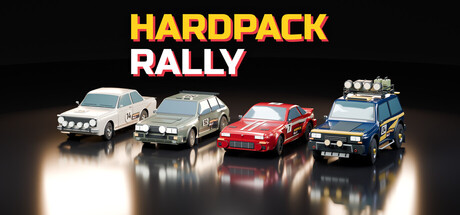
Hardpack Rally is made by solo developer Andre Gomes with assistance from AI tools, including Claude, ChatGPT and Codex. These tools help write game code and scripts that create the cars and scenery. No AI generates content while you play.
Trivia Mania was designed, directed, reviewed and tested by a solo developer. AI tools supported the drafting, editing and fact-checking of the questions and answers, and helped make the game's art and sound. No AI is embedded in the game and nothing is generated while you play.
Generative AI was used to create in-game background images and translations, as well as some store and library images. No generative AI is used during gameplay.
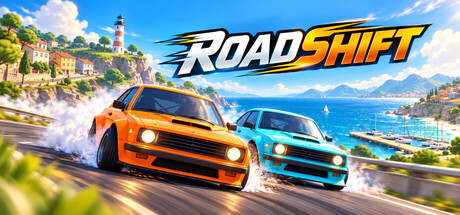
Roadshift was developed with assistance from generative AI tools (such as Large Language Models) to help write and structure the source code and draft store descriptions, as well as generating in-game images, assets, art, and 3D models. The game does not feature live, runtime generative AI.
Generative AI tools were used exclusively to create static, pre-generated illustrative images for the application's Tips section and Steam store/marketing assets. These are the only AI-generated materials included with the product or presented to users. NitroCore Synapse does not generate AI content at runtime and does not connect to external AI services.
Generative AI tools were used during development to assist with programming, debugging, and development iteration. No generative AI is used during gameplay, no live AI-generated content is produced, and the game does not connect to external AI services during play.
Generative AI was used only to assist with the localization of in-game text. All AI-assisted translations are manually reviewed and edited by the developer before being included in the game. No generative AI is used to generate content during gameplay.
Generative AI tools were used during development to create some artwork, including character art, environments, and promotional images. These are pre-made assets. No content is generated by AI during gameplay.
Generative AI tools were used throughout development to create all of the game's visual art assets and program code, as well as localization and promotional materials. All outputs were directed, reviewed, edited, tested, and integrated under the developer's supervision. The game does not generate AI content during gameplay or connect to external AI services.
Generative AI was used in the development of this game.
No generative AI runs during gameplay, and the game does not connect to any
external AI service.
Generative AI tools were used for pre-rendered character portraits, title/key artwork and other game illustrations, portions of promotional video and audio, marketing artwork, and assistance with localized text. These assets and text were reviewed and edited for the game. Orderfall does not generate AI content during gameplay or connect to an external AI service. The live-action-style Captain Cook teaser is dramatized promotional footage; the game itself uses pixel-art graphics.
Generative AI was used as part of the development process to assist with the creation of some visual and audio assets. AI-generated outputs are reviewed, selected, edited and integrated by the developer to fit the game's visual and creative direction. Flow Foundry does not use generative AI to create content live during gameplay.
This game includes content created with the help of AI during development.
Images (34): backgrounds, the logo and in-game objects were created using OpenAI's image generation (gpt-image), then edited by the developer.
34 of the 66 sprites in the shipping build originate this way.
UI elements and one texture (13) and sound effects (21): these were designed by AI (Claude) and implemented as the developer's own program code. They are not the output of an image or audio generation model; the shapes and waveforms are produced by deterministic processing.
The game does not generate any content with AI at runtime.
Music is licensed from a purchased royalty-free library and involves no
AI. Stage design is the developer's own work.
Some pre-rendered 2D art was created with the assistance of generative AI tools: the playable characters' animation frames, world backgrounds and tile art were generated from the developer's original character and world designs, then hand-edited, aligned and baked into final game assets by the developer. A small number of sound effects were also created with AI audio tools and then mixed by hand. The store page capsule images are composed from the same AI-assisted paintings plus hand-set typography. All AI-assisted content is pre-rendered, was reviewed by the developer before shipping, and no content is generated by AI at runtime.
Source code and store page copy were written with AI assistance (Claude), reviewed and edited by the developer before shipping. No AI-generated artwork, music, voice or narrative content ships in this game. All in-game visuals are hand-written shaders and code-drawn geometry; sound effects are procedurally synthesised by a deterministic script; music is licensed from a human artist; fonts are licensed typefaces. No generative AI runs at runtime.
Generative AI tools were used to assist in the creation of promotional store assets (such as store banners and visual graphics). Additionally, AI-assisted tools were used during development to help write and optimize procedural C# code for dynamic map generation and environment layout variation. The game itself does not generate content or call external AI models in real-time while running.
We view artificial intelligence solely as a supportive tool. Generative AI was used only as a supportive tool for certain visual designs and language translation.
Artificial intelligence helped with grammar corrections in in-game text; these corrections were then carefully reviewed and edited manually.
Cover art, store page imagery and music were created with AI generation tools. All game design, writing and gameplay systems were created by the developer.
AI helped with some writing, troubleshooting, localization, and the Steam store page. All art, animation, music, sound effects, and level design were created entirely by me. I reviewed and edited everything AI assisted with, and several translations were also checked by native speakers. The game does not generate AI content during gameplay and does not connect to any external AI services.
Generative AI was used only for creating some logos and images. All generated assets were reviewed and refined by the developer before being included in the game.
AI tools were used during development to assist with writing code, and to produce two categories of content shipped with the game: the original synthwave soundtrack (composed with AI music generation, curated and selected by the developer) and the interface translations for the non-English languages (reviewed by the developer). Some store page text was also drafted with AI assistance. All in-game worlds are generated procedurally by hand-written algorithms — no AI content is generated at runtime.
This game was built in a basement by a dad of 3 with claude, gemini, grok, copilot and chat gpt, all pitched in with various parts. some of the backgrounds and icons atrwork had ai refinement in the process but were all reformatted and redrawn as conceptualized by dev
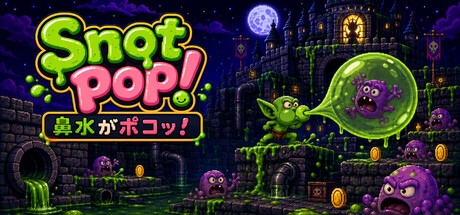
Snot Pop! is an indie project. Like many independent developers, generative AI was used as a tool among many during development; for brainstorming, writing, art and audio design, and working through balancing problems. AI was not the game designer or orchestrator of the project. All content was reviewed, directed, altered, and approved before inclusion. Everything in the game reflects deliberate creative decisions made by the developer.
Some text on this Steam store page and in related marketing materials was drafted with the help of
generative AI tools and then reviewed and edited by the developer. The game's artwork, characters,
animations, and audio are created by the developer and are not AI-generated. The game does not use
generative AI to create any content during gameplay.
Generative AI is used across this game's development — including store-page marketing artwork, in-game art (cards, UI elements), and source code. All AI-generated content is human-directed, reviewed, and edited by the developer. No AI runs at game time; everything ships as static, pre-rendered assets.
Loopfall uses generative AI for select shipped content:
• Music — created in collaboration with ElevenLabs.
• Sound effects — generated with ElevenLabs Sound Effects.
• Localization — store text and in-game UI strings are translated from English to 14 other languages via the Anthropic Claude API.
All AI-generated content is pre-rendered and baked into the build — no live AI runs at runtime. Every asset is licensed under each provider's commercial-use terms and was reviewed by the developer before release.
Generative Artificial Intelligence tools were used during development to assist in the creation, proofreading, and translation of texts (including the store page and tutorial dialogue), as well as aiding in the ideation and creation of some static 2D visual assets.
Some marketing text and store presentation materials were assisted by generative AI tools during development.
The application itself does not use AI to generate lessons, analyze typing, or alter gameplay. All training content and functionality are authored and controlled by the developer.
•The game features AI-generated translations. We welcome community contributions to enhance these translations after the game’s release.
•AI-assisted design has been used to create certain visual elements.
In the development of this title, generative AI has been used in the following areas:
- Reference images for background graphics
- Programming assistance
- Translation assistance
Generative AI tools were used during development to create the sky panoramas, several 3D models and textures, the music and sound effects, and the store art. No AI content is generated while you play.
Gemwise includes pre-generated music, visual artwork, and localized text created with generative AI tools. These assets were selected, edited, processed, integrated, and reviewed by the developer. The game does not generate AI content during gameplay and does not connect to external AI services.
Some of the in-game text and the store page text were written with the help of AI tools and edited by the developer. All artwork and sound are drawn and synthesized by the game's own code; no image, audio or video generators were used. Nothing is generated by AI while you play.
Hardpack Rally is made by solo developer Andre Gomes with assistance from AI tools, including Claude, ChatGPT and Codex. These tools help write game code and scripts that create the cars and scenery. No AI generates content while you play.
Trivia Mania was designed, directed, reviewed and tested by a solo developer. AI tools supported the drafting, editing and fact-checking of the questions and answers, and helped make the game's art and sound. No AI is embedded in the game and nothing is generated while you play.
Generative AI was used to create in-game background images and translations, as well as some store and library images. No generative AI is used during gameplay.
Roadshift was developed with assistance from generative AI tools (such as Large Language Models) to help write and structure the source code and draft store descriptions, as well as generating in-game images, assets, art, and 3D models. The game does not feature live, runtime generative AI.
Generative AI tools were used exclusively to create static, pre-generated illustrative images for the application's Tips section and Steam store/marketing assets. These are the only AI-generated materials included with the product or presented to users. NitroCore Synapse does not generate AI content at runtime and does not connect to external AI services.
Generative AI tools were used during development to assist with programming, debugging, and development iteration. No generative AI is used during gameplay, no live AI-generated content is produced, and the game does not connect to external AI services during play.
Generative AI was used only to assist with the localization of in-game text. All AI-assisted translations are manually reviewed and edited by the developer before being included in the game. No generative AI is used to generate content during gameplay.
Generative AI tools were used during development to create some artwork, including character art, environments, and promotional images. These are pre-made assets. No content is generated by AI during gameplay.
Generative AI tools were used throughout development to create all of the game's visual art assets and program code, as well as localization and promotional materials. All outputs were directed, reviewed, edited, tested, and integrated under the developer's supervision. The game does not generate AI content during gameplay or connect to external AI services.
Generative AI was used in the development of this game.
No generative AI runs during gameplay, and the game does not connect to any
external AI service.
Generative AI tools were used for pre-rendered character portraits, title/key artwork and other game illustrations, portions of promotional video and audio, marketing artwork, and assistance with localized text. These assets and text were reviewed and edited for the game. Orderfall does not generate AI content during gameplay or connect to an external AI service. The live-action-style Captain Cook teaser is dramatized promotional footage; the game itself uses pixel-art graphics.
Generative AI was used as part of the development process to assist with the creation of some visual and audio assets. AI-generated outputs are reviewed, selected, edited and integrated by the developer to fit the game's visual and creative direction. Flow Foundry does not use generative AI to create content live during gameplay.
This game includes content created with the help of AI during development.
Images (34): backgrounds, the logo and in-game objects were created using OpenAI's image generation (gpt-image), then edited by the developer.
34 of the 66 sprites in the shipping build originate this way.
UI elements and one texture (13) and sound effects (21): these were designed by AI (Claude) and implemented as the developer's own program code. They are not the output of an image or audio generation model; the shapes and waveforms are produced by deterministic processing.
The game does not generate any content with AI at runtime.
Music is licensed from a purchased royalty-free library and involves no
AI. Stage design is the developer's own work.
Some pre-rendered 2D art was created with the assistance of generative AI tools: the playable characters' animation frames, world backgrounds and tile art were generated from the developer's original character and world designs, then hand-edited, aligned and baked into final game assets by the developer. A small number of sound effects were also created with AI audio tools and then mixed by hand. The store page capsule images are composed from the same AI-assisted paintings plus hand-set typography. All AI-assisted content is pre-rendered, was reviewed by the developer before shipping, and no content is generated by AI at runtime.
Source code and store page copy were written with AI assistance (Claude), reviewed and edited by the developer before shipping. No AI-generated artwork, music, voice or narrative content ships in this game. All in-game visuals are hand-written shaders and code-drawn geometry; sound effects are procedurally synthesised by a deterministic script; music is licensed from a human artist; fonts are licensed typefaces. No generative AI runs at runtime.
Generative AI tools were used to assist in the creation of promotional store assets (such as store banners and visual graphics). Additionally, AI-assisted tools were used during development to help write and optimize procedural C# code for dynamic map generation and environment layout variation. The game itself does not generate content or call external AI models in real-time while running.
We view artificial intelligence solely as a supportive tool. Generative AI was used only as a supportive tool for certain visual designs and language translation.
Artificial intelligence helped with grammar corrections in in-game text; these corrections were then carefully reviewed and edited manually.
Cover art, store page imagery and music were created with AI generation tools. All game design, writing and gameplay systems were created by the developer.
AI helped with some writing, troubleshooting, localization, and the Steam store page. All art, animation, music, sound effects, and level design were created entirely by me. I reviewed and edited everything AI assisted with, and several translations were also checked by native speakers. The game does not generate AI content during gameplay and does not connect to any external AI services.
Generative AI was used only for creating some logos and images. All generated assets were reviewed and refined by the developer before being included in the game.
AI tools were used during development to assist with writing code, and to produce two categories of content shipped with the game: the original synthwave soundtrack (composed with AI music generation, curated and selected by the developer) and the interface translations for the non-English languages (reviewed by the developer). Some store page text was also drafted with AI assistance. All in-game worlds are generated procedurally by hand-written algorithms — no AI content is generated at runtime.
This game was built in a basement by a dad of 3 with claude, gemini, grok, copilot and chat gpt, all pitched in with various parts. some of the backgrounds and icons atrwork had ai refinement in the process but were all reformatted and redrawn as conceptualized by dev
Snot Pop! is an indie project. Like many independent developers, generative AI was used as a tool among many during development; for brainstorming, writing, art and audio design, and working through balancing problems. AI was not the game designer or orchestrator of the project. All content was reviewed, directed, altered, and approved before inclusion. Everything in the game reflects deliberate creative decisions made by the developer.
Some text on this Steam store page and in related marketing materials was drafted with the help of
generative AI tools and then reviewed and edited by the developer. The game's artwork, characters,
animations, and audio are created by the developer and are not AI-generated. The game does not use
generative AI to create any content during gameplay.
Generative AI is used across this game's development — including store-page marketing artwork, in-game art (cards, UI elements), and source code. All AI-generated content is human-directed, reviewed, and edited by the developer. No AI runs at game time; everything ships as static, pre-rendered assets.
Loopfall uses generative AI for select shipped content:
• Music — created in collaboration with ElevenLabs.
• Sound effects — generated with ElevenLabs Sound Effects.
• Localization — store text and in-game UI strings are translated from English to 14 other languages via the Anthropic Claude API.
All AI-generated content is pre-rendered and baked into the build — no live AI runs at runtime. Every asset is licensed under each provider's commercial-use terms and was reviewed by the developer before release.
Generative Artificial Intelligence tools were used during development to assist in the creation, proofreading, and translation of texts (including the store page and tutorial dialogue), as well as aiding in the ideation and creation of some static 2D visual assets.
Some marketing text and store presentation materials were assisted by generative AI tools during development.
The application itself does not use AI to generate lessons, analyze typing, or alter gameplay. All training content and functionality are authored and controlled by the developer.
•The game features AI-generated translations. We welcome community contributions to enhance these translations after the game’s release.
•AI-assisted design has been used to create certain visual elements.
In the development of this title, generative AI has been used in the following areas:
- Reference images for background graphics
- Programming assistance
- Translation assistance