Public Steam disclosure research25,376 disclosures tracked
Where do games disclose AI use?
Search developers’ Steam disclosures, compare classified AI use across
games, and follow recorded changes.
This index adds cross-game classifications and statistics to
statements published on individual store pages.
Groups reflect automatic analysis of public disclosures; mature records are excluded. These counts do not measure AI use across all of Steam.
Missing or unclear statements cannot establish whether a game uses AI.
Some of the art in Planet Pilot was made with generative AI tools during development, then selected, edited and fitted into the game by the developer. This covers the store and key art, many 2D illustrations (mission briefing, Legends, ace, medal and loading pictures, hangar plane pictures, emblems and some painted ground textures), the picture thumbnails in the landmarks list, and the high-detail 3D models of more than 40 landmarks. The game's translations were made with AI tools and reviewed by the developer. In the trailers, the opening 30 seconds of the cinematic trailer and the trailer music and sound effects were made with AI tools. The world, aircraft, flight model and gameplay were built by the developer. Nothing in the game is generated by AI while you play.
Some icons and images in the game were created using generative AI. All AI-generated content is reviewed, edited, and curated by the developer. No live generative AI is used during gameplay.
Generative AI tools were used during development to assist in creating some visual artwork and image assets used in the game. All AI-assisted content was generated prior to release and was reviewed, selected, and integrated by the development team before being included in the final product. The game does not use generative AI during runtime and does not generate content dynamically for players.
Generative AI was used during development to help create a limited number of assets, such as some 2D art, textures. All AI-assisted content was reviewed and edited by our team.
Generative AI was used during development to create and refine some of the game's 2d and 3d artwork and music. All AI-generated content was reviewed, selected, and edited by the developer before being included in the game. Generative AI is not used during gameplay, and no content is generated in real time.
This game uses generative AI to assist in creating some of its visual assets, including card illustrations, backgrounds, and interface artwork. These assets are reviewed, edited, and integrated by the developer. All AI-assisted content is created during development; the game does not generate AI content while you play.
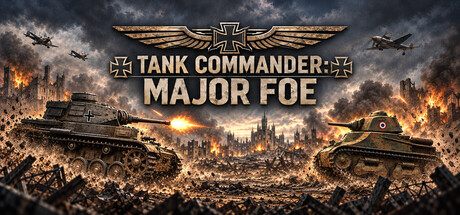
Some 2D artwork and visual assets in Tank Commander: Major FOE were created with the assistance of generative AI tools. These assets were reviewed, selected, edited, and integrated by the developer. The game does not generate AI content during gameplay and does not connect to external AI services while being played.
Some assets used in this game may have been created using AI. Information about these assets can be found in the game's credits. AI-assisted tools were also used during the development of this game.
Some game assets — including weapon/UI icons, character voice lines, and key art — were created with the
assistance of generative AI tools. All AI-generated content was reviewed and edited by the development team.
As an individual developer, during development of this game, AI tools were heavily used. I disclose this honestly and transparently.
1. In-Game Assets
Illustrations & Art: Unit portraits and the opening cinematic illustrations were generated using AI image models, then manually curated, retouched, and unified in style. All assets were human-reviewed under strict art direction to ensure historical tone and consistency.
Opening Cinematic: Subtle motion effects on the illustrations were produced with an AI image-to-video model and assembled by using the Remotion pipeline.
Background Music: The soundtrack was generated by an AI music model in multiple takes, then human-selected, mixed, and mastered.
Telegram Voice-overs: The historical telegram voice-overs in-game were synthesized by an AI TTS system. Each character's reference voice was human-approved through listening tests before use.
2. Development Assistance
Code: Game code was written and debugged with the aid of AI coding assistants. All code was human-reviewed and validated through automated testing.
Localization: The game supports Simplified Chinese, Traditional Chinese, and English. The English text was AI-drafted and human-proofread.
3. What Is NOT AI-Generated
Historical Text: The telegrams in-game are taken from historical archives, 34 are verbatim transcriptions of the original documents, and 12 were written based on the sources. They were not AI-generated.
Terrain & Map: The battlefield map was procedurally rendered from real elevation data (SRTM), not generated by AI.
Game Balance & Statistics: Troop strength, Unit Introduction, and values were researched and set manually from historical sources, cross-checked for accuracy and play balance.
We used Claude (Anthropic) during development for the following:
- Writing the store page description
- Assisting with the translation of in-game text
- Generating some simple in-game objects
Some of the placeholder unit and terrain sprites that I'm using while the game is in development were generated with the help of AI (with a lot of manual curation and editing... I promise that you will not be confronted by any noticeably ugly slop).
Initial sales will contribute toward creating hand-drawn, unique sprites for as many units as possible.
Some pre-generated artwork and audio included in MyHiStory were created with the assistance of generative AI during development. These assets were selected, reviewed, and curated by the developer before inclusion in the game. MyHiStory does not use generative AI to generate content or code while the game is running.
This game includes AI-generated voice performances for certain characters. Players have the option to disable AI-generated voices in the game settings. During development, AI-assisted tools were also used as part of the concept and reference creation process for some visual assets. Final in-game artwork has been substantially modified or created by the development team and is not presented as raw AI-generated content.
Generative AI tools were used in the creation of certain art assets, audio materials and descriptive text during game development. All AI-generated content has been manually reviewed, edited and integrated by the developer. No new content is dynamically generated by AI while the game is running.
The game's design, rules, simulation, scenarios, and text are all authored by people. Some event background illustrations and background music were produced with generative tools run in-house by the development team, and every asset was then accepted or rejected by a human. The game does not generate any content while it runs.
Generative AI was used to assist in creating certain promotional and store page artwork. All AI-generated content was reviewed, edited, and refined by the developer. No generative AI is used during gameplay.
Generative AI was used to assist in creating certain promotional and store page artwork. All AI-generated content was reviewed, edited, and refined by the developer. No generative AI is used during gameplay.
Programming: AI tools (Cursor) were utilized to assist with drafting partial code blocks and isolated scripts. The overall core logic, architecture, and system design were manually programmed by the developer.
Art Assets: An AI image generator (PixelLab) was used to help conceptualize and generate some of the pixel art assets. These assets were manually reviewed and integrated to fit the game's retro aesthetic.
Localization / Translation: AI translation tools were used to assist in translating in-game text and store page descriptions into multiple languages.
The developer used generative AI as a tool during development. Store page and marketing copy was drafted with an AI writing assistant and edited by the developer. All artwork, logos, and screenshots are human-created or captured from real gameplay. The game does not use generative AI to create any content live during play all in-game text, events, and outcomes come from the developer's own hand-authored, deterministic systems. All AI-assisted content is reviewed by the developer before release.
I used AI for some of the voice acting in the game. The selected voice models were shared by their respective voice actors through ElevenLabs.
There are propaganda posters in the game made with the help of AI.
This game uses generative AI during development to assist with selected visual and written content, such as concept art, placeholder materials, localization drafts, and marketing assets. All content included in the game and store materials is reviewed, edited, and approved by the development team before publication.
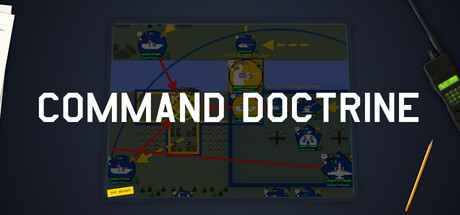
Command Doctrine uses generative AI to create some of the content you play. When you generate a scenario or a campaign, an AI model produces the map, the opposing forces, the objectives, and the written mission briefing from your prompt. AI is also used to write narrative battle reports, to create the images that accompany them, and to interpret the natural-language orders you give your units. This content is generated live by third-party AI services. We apply content moderation and input filtering to guard against inappropriate or unsafe output.
Generative AI technology was used to create high-quality voice-overs for the game's characters. This allowed this independent project to feature full voice acting, providing a more immersive narrative experience and bringing the historical journey of Wojtek the Bear to life. All AI-generated audio assets are pre-rendered and have been manually reviewed and edited to ensure high quality and consistency with the game's emotional tone.
Some of the art in Planet Pilot was made with generative AI tools during development, then selected, edited and fitted into the game by the developer. This covers the store and key art, many 2D illustrations (mission briefing, Legends, ace, medal and loading pictures, hangar plane pictures, emblems and some painted ground textures), the picture thumbnails in the landmarks list, and the high-detail 3D models of more than 40 landmarks. The game's translations were made with AI tools and reviewed by the developer. In the trailers, the opening 30 seconds of the cinematic trailer and the trailer music and sound effects were made with AI tools. The world, aircraft, flight model and gameplay were built by the developer. Nothing in the game is generated by AI while you play.
Some icons and images in the game were created using generative AI. All AI-generated content is reviewed, edited, and curated by the developer. No live generative AI is used during gameplay.
Generative AI tools were used during development to assist in creating some visual artwork and image assets used in the game. All AI-assisted content was generated prior to release and was reviewed, selected, and integrated by the development team before being included in the final product. The game does not use generative AI during runtime and does not generate content dynamically for players.
Generative AI was used during development to help create a limited number of assets, such as some 2D art, textures. All AI-assisted content was reviewed and edited by our team.
Generative AI was used during development to create and refine some of the game's 2d and 3d artwork and music. All AI-generated content was reviewed, selected, and edited by the developer before being included in the game. Generative AI is not used during gameplay, and no content is generated in real time.
This game uses generative AI to assist in creating some of its visual assets, including card illustrations, backgrounds, and interface artwork. These assets are reviewed, edited, and integrated by the developer. All AI-assisted content is created during development; the game does not generate AI content while you play.
Some 2D artwork and visual assets in Tank Commander: Major FOE were created with the assistance of generative AI tools. These assets were reviewed, selected, edited, and integrated by the developer. The game does not generate AI content during gameplay and does not connect to external AI services while being played.
Some assets used in this game may have been created using AI. Information about these assets can be found in the game's credits. AI-assisted tools were also used during the development of this game.
Some game assets — including weapon/UI icons, character voice lines, and key art — were created with the
assistance of generative AI tools. All AI-generated content was reviewed and edited by the development team.
As an individual developer, during development of this game, AI tools were heavily used. I disclose this honestly and transparently.
1. In-Game Assets
Illustrations & Art: Unit portraits and the opening cinematic illustrations were generated using AI image models, then manually curated, retouched, and unified in style. All assets were human-reviewed under strict art direction to ensure historical tone and consistency.
Opening Cinematic: Subtle motion effects on the illustrations were produced with an AI image-to-video model and assembled by using the Remotion pipeline.
Background Music: The soundtrack was generated by an AI music model in multiple takes, then human-selected, mixed, and mastered.
Telegram Voice-overs: The historical telegram voice-overs in-game were synthesized by an AI TTS system. Each character's reference voice was human-approved through listening tests before use.
2. Development Assistance
Code: Game code was written and debugged with the aid of AI coding assistants. All code was human-reviewed and validated through automated testing.
Localization: The game supports Simplified Chinese, Traditional Chinese, and English. The English text was AI-drafted and human-proofread.
3. What Is NOT AI-Generated
Historical Text: The telegrams in-game are taken from historical archives, 34 are verbatim transcriptions of the original documents, and 12 were written based on the sources. They were not AI-generated.
Terrain & Map: The battlefield map was procedurally rendered from real elevation data (SRTM), not generated by AI.
Game Balance & Statistics: Troop strength, Unit Introduction, and values were researched and set manually from historical sources, cross-checked for accuracy and play balance.
We used Claude (Anthropic) during development for the following:
- Writing the store page description
- Assisting with the translation of in-game text
- Generating some simple in-game objects
Some of the placeholder unit and terrain sprites that I'm using while the game is in development were generated with the help of AI (with a lot of manual curation and editing... I promise that you will not be confronted by any noticeably ugly slop).
Initial sales will contribute toward creating hand-drawn, unique sprites for as many units as possible.
Some pre-generated artwork and audio included in MyHiStory were created with the assistance of generative AI during development. These assets were selected, reviewed, and curated by the developer before inclusion in the game. MyHiStory does not use generative AI to generate content or code while the game is running.
This game includes AI-generated voice performances for certain characters. Players have the option to disable AI-generated voices in the game settings. During development, AI-assisted tools were also used as part of the concept and reference creation process for some visual assets. Final in-game artwork has been substantially modified or created by the development team and is not presented as raw AI-generated content.
Generative AI tools were used in the creation of certain art assets, audio materials and descriptive text during game development. All AI-generated content has been manually reviewed, edited and integrated by the developer. No new content is dynamically generated by AI while the game is running.
The game's design, rules, simulation, scenarios, and text are all authored by people. Some event background illustrations and background music were produced with generative tools run in-house by the development team, and every asset was then accepted or rejected by a human. The game does not generate any content while it runs.
Generative AI was used to assist in creating certain promotional and store page artwork. All AI-generated content was reviewed, edited, and refined by the developer. No generative AI is used during gameplay.
Generative AI was used to assist in creating certain promotional and store page artwork. All AI-generated content was reviewed, edited, and refined by the developer. No generative AI is used during gameplay.
Programming: AI tools (Cursor) were utilized to assist with drafting partial code blocks and isolated scripts. The overall core logic, architecture, and system design were manually programmed by the developer.
Art Assets: An AI image generator (PixelLab) was used to help conceptualize and generate some of the pixel art assets. These assets were manually reviewed and integrated to fit the game's retro aesthetic.
Localization / Translation: AI translation tools were used to assist in translating in-game text and store page descriptions into multiple languages.
The developer used generative AI as a tool during development. Store page and marketing copy was drafted with an AI writing assistant and edited by the developer. All artwork, logos, and screenshots are human-created or captured from real gameplay. The game does not use generative AI to create any content live during play all in-game text, events, and outcomes come from the developer's own hand-authored, deterministic systems. All AI-assisted content is reviewed by the developer before release.
I used AI for some of the voice acting in the game. The selected voice models were shared by their respective voice actors through ElevenLabs.
There are propaganda posters in the game made with the help of AI.
This game uses generative AI during development to assist with selected visual and written content, such as concept art, placeholder materials, localization drafts, and marketing assets. All content included in the game and store materials is reviewed, edited, and approved by the development team before publication.
Command Doctrine uses generative AI to create some of the content you play. When you generate a scenario or a campaign, an AI model produces the map, the opposing forces, the objectives, and the written mission briefing from your prompt. AI is also used to write narrative battle reports, to create the images that accompany them, and to interpret the natural-language orders you give your units. This content is generated live by third-party AI services. We apply content moderation and input filtering to guard against inappropriate or unsafe output.
Generative AI technology was used to create high-quality voice-overs for the game's characters. This allowed this independent project to feature full voice acting, providing a more immersive narrative experience and bringing the historical journey of Wojtek the Bear to life. All AI-generated audio assets are pre-rendered and have been manually reviewed and edited to ensure high quality and consistency with the game's emotional tone.