Public Steam disclosure research25,999 disclosures tracked
Where do games disclose AI use?
Search developers’ Steam disclosures, compare classified AI use across
games, and follow recorded changes.
This index adds cross-game classifications and statistics to
statements published on individual store pages.
Groups reflect automatic analysis of public disclosures; mature records are excluded. These counts do not measure AI use across all of Steam.
Missing or unclear statements cannot establish whether a game uses AI.
This game includes AI‑generated assets, such as sprites, icons, illustrations, and sound effects. All AI‑generated content was created during development, manually reviewed, and integrated as static assets.
The game does not generate any AI content during gameplay, and it does not create dynamic images, audio, or text for players. All included assets are fixed and safe.
This game uses AI-generated content for certain store page artworks, promotional images, and visual marketing assets, including some capsule images created during development. No AI-generated content is created during gameplay.
Generative AI tools were used only for a very small portion of the store's promotional assets and concept designs to assist the workflow. The vast majority of the game, including its core mechanics, code, and structural design, has been developed traditionally by our team. All AI-assisted elements have been heavily edited, verified for copyright compliance, and do not contain any illegal material.
The art and music assets in this game were created with the assistance of generative AI technology.
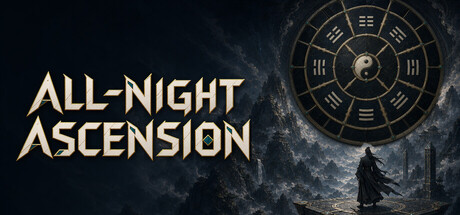
As a registered architect in my day job, I am used to using tools like CAD to aid my designs. In game development, AI plays the exact same role—it is a tool, but the soul of the design comes from the human creator. I do not allow any rough, unpolished assets into my game. Therefore, all AI-generated content has gone through my strict "manual inspection": rigorous prompt tuning, meticulous manual overpainting, and audio trimming. I carefully polish every visual and auditory "brick" to build the perfect cultivation world, pouring my true craftsmanship entirely into the core "Eight Trigrams Array" deck-building experience.
The game uses generative AI solely for the creation of certain visual and text assets.
AI does not affect gameplay, player behavior, or core game mechanics.
Some store artwork and promotional images were created or refined with AI-assisted tools, then edited and curated by the developer. The game does not include live AI-generated content.
This game contains pre-generated AI content.
Visual assets, including backgrounds, UI elements, achievement icons, and certain in-game illustrations, were created with the assistance of generative AI tools and integrated into the final game by the developer.
Generative AI tools were used during development to assist with early concept art, visual ideation, logos, and certain promotional materials. All final in-game content and gameplay implementation were curated, edited, and integrated by the developers.
Some textures and mesh concepts were initially generated using AI-assisted tools. All assets have been significantly modified, refined, and integrated manually using 3d software. The developer is working to rid the game of AI generated content come launch.
The game content, including gameplay mechanics, visuals, and audio, as well as the store page content — including descriptions, images, and other assets — were generated with the assistance of AI tools.
This game contains selected content created with the assistance of generative artificial intelligence tools. This includes certain 3D models, textures, sound effects, and graphical assets that were generated or processed using AI technology, and subsequently reviewed and integrated by our development team.
Generative AI was used as a supplementary tool in the creative process - all content has been manually reviewed, adjusted, and approved by human developers before being included in the game. We do not use generative AI to produce content in real time during gameplay.
Generative AI tools were used during development to assist with creating certain visual assets, promotional images, and localization text. All AI-assisted content was reviewed, modified, and integrated manually by the developers. The game does not use AI-generated content during gameplay.
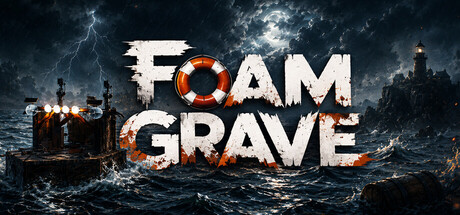
FOAMGRAVE includes some AI-assisted content, including certain visual assets (such as menu/loading screen artwork) and music/audio created using generative AI tools. All gameplay systems, programming, world design, and final integration were created and implemented by the developer.
Regarding the AI disclosure, we would like to clarify the specific scope of AI usage in our game:
1. Asset Generation (Pre-generated AI Content):
We have utilized generative AI tools exclusively for creating static assets. Specifically, AI was used to generate in-game icons, background images, and the store page assets (capsule images/banners). No real-time AI generation occurs during gameplay.
2. In-Game CPU Behavior (Non-AI):
The NPC/CPU behavior and logic within the game are strictly controlled by standard programming using conditional statements (if-then statements) and random number generation (RNG). No AI or machine learning models are used for the gameplay mechanics or enemy logic.
This game includes pre-generated AI-assisted content created during development, including portions of visual art, audio, and code. All final in-game content has been reviewed, edited, curated, and integrated by the developer. The game does not use live-generated AI during gameplay and does not connect to external AI services.
We are very sorry. We have used AI assistance in the development of our code and some art assets. If any of our players feel uncomfortable with this, we fully understand.
Some background images were expanded to fit higher resolutions with the assistance of generative AI tools.
All core content and gameplay experiences were designed and created by the developer.
During the development of Hell Cleaners, AI tools were used to create early concepts and references to help explore the visual direction of the game. All final art assets that ship in the game were created, painted, or reworked by hand by our art team. No AI-generated audio, voice, or narrative text is used in the shipped product. We believe games should be made by humans!
AI-Generated Content Disclosure
Certain character images were initially generated by AI tools, then significantly edited, redrawn, and refined by hand using Photoshop. All final in-game visuals are manually adjusted and do not contain unmodified AI output.
Generative AI may be used to assist with promotional store artwork and marketing assets. Gameplay screenshots are captured from the actual game. The game does not use live generative AI to create player-facing gameplay content.
The only AI-assisted visual assets in this game are several paintings used as images for the puzzles. These images were heavily edited, refined, and manually adjusted using photo editing software before being integrated into the game.
The background music and some SFX sounds were also generated with the help of AI and later slightly refined and adjusted in audio editing software.
AI is used strictly as a supportive tool during parts of the creative workflow. Final quality control, artistic direction, and implementation are fully handled manually by the developer.
Some visual assets used on this Steam page were edited or retouched using AI-assisted tools, and the achievement icons were created using generative AI / AI-assisted tools.
LessPrep uses AI to generate educational text and images locally on your device. A language model (Qwen2.5 7B) creates lesson plans, worksheets, and goal documents. An image model (SDXL) generates classroom visual aids. All AI runs offline — no data is sent to external servers. Content moderation includes prompt filtering, safety negative prompts, and a post-generation image scanner to prevent inappropriate output.
Some visual assets, promotional images, and store page materials may include AI-assisted generated elements that were further edited and refined by the development team. AI is not used to generate gameplay, player interactions, or real-time in-game content.
All gameplay systems, game design decisions, balancing decisions, story/context decisions, implementation choices, and final creative decisions were made by the development team.
Generative AI tools were used only as assistive tools during development. This may include support for brainstorming, improving workflows, and creating or refining some static 2D visual materials used in the game and its marketing, such as item icons, UI-related images, capsule/key art elements, and visuals that may appear in trailers or screenshots.
All AI-assisted materials were reviewed, selected, edited, and approved by the developers before being included. No AI system makes gameplay decisions, controls game logic, generates levels, creates player-facing content, or produces images, videos, text, audio, or any other content in real time during gameplay.
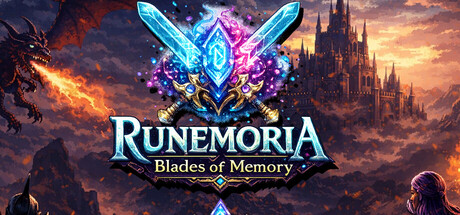
Some visual assets used in Runemoria – Blades of Memory were created with the assistance of generative AI tools and have been modified, curated, and integrated as part of the game’s development process. AI-generated content is limited to pre-rendered visual assets and does not generate gameplay content during play.
Some of the current store page artwork and promotional assets were created using generative AI tools during the early development and marketing phase of the project. As an independent project with limited resources, this approach was used to accelerate initial marketing efforts and bring the game to market more quickly.
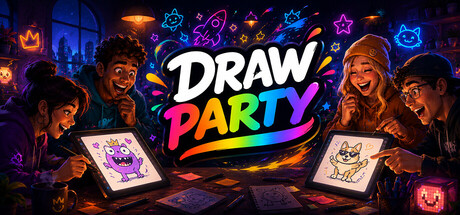
Generative AI is not used to create gameplay content, player drawings, or user-generated content within the game. The AI-generated marketing assets may be replaced with human-created artwork in future updates as development continues.
As a poor indie developer, on one hand, I’m grateful that AI has lowered my costs and improved my efficiency. On the other hand, I’m very aware of its limitations, so I use it only within a very limited scope. Specifically, it is mainly used to assist with programming and art design. The generated content is never directly put into the game—it always undergoes manual review and refinement.
AI-assisted tools were used as reference material during early character design iteration. The final in-game assets were significantly modified and finalized manually by the developer. No live-generated AI content is present during gameplay.
The development of Eldara incorporated AI-generated content. Specifically, AI image generation tools were used to create certain in-game visual assets, including monster portraits, pet illustrations, item icons, and character artwork.
All AI-generated assets were manually reviewed, curated, and integrated by the developer before inclusion in the final product. No real-world copyrighted artwork was intentionally used as input to the AI generation process.
No AI is used live during gameplay — all assets are pre-generated and shipped with the game. There is no live AI generation, AI dialogue, or AI-driven content while playing.
As a small indie studio, we use generative AI tools to assist in parts of our art creation process. This helps us improve the quality and consistency of artwork while allowing our team to work more efficiently. All AI-assisted content is reviewed, refined, and integrated by our developers to ensure it meets the artistic vision and quality standards of the game.
This game includes AI‑generated assets, such as sprites, icons, illustrations, and sound effects. All AI‑generated content was created during development, manually reviewed, and integrated as static assets.
The game does not generate any AI content during gameplay, and it does not create dynamic images, audio, or text for players. All included assets are fixed and safe.
This game uses AI-generated content for certain store page artworks, promotional images, and visual marketing assets, including some capsule images created during development. No AI-generated content is created during gameplay.
Generative AI tools were used only for a very small portion of the store's promotional assets and concept designs to assist the workflow. The vast majority of the game, including its core mechanics, code, and structural design, has been developed traditionally by our team. All AI-assisted elements have been heavily edited, verified for copyright compliance, and do not contain any illegal material.
The art and music assets in this game were created with the assistance of generative AI technology.
As a registered architect in my day job, I am used to using tools like CAD to aid my designs. In game development, AI plays the exact same role—it is a tool, but the soul of the design comes from the human creator. I do not allow any rough, unpolished assets into my game. Therefore, all AI-generated content has gone through my strict "manual inspection": rigorous prompt tuning, meticulous manual overpainting, and audio trimming. I carefully polish every visual and auditory "brick" to build the perfect cultivation world, pouring my true craftsmanship entirely into the core "Eight Trigrams Array" deck-building experience.
The game uses generative AI solely for the creation of certain visual and text assets.
AI does not affect gameplay, player behavior, or core game mechanics.
Some store artwork and promotional images were created or refined with AI-assisted tools, then edited and curated by the developer. The game does not include live AI-generated content.
This game contains pre-generated AI content.
Visual assets, including backgrounds, UI elements, achievement icons, and certain in-game illustrations, were created with the assistance of generative AI tools and integrated into the final game by the developer.
Generative AI tools were used during development to assist with early concept art, visual ideation, logos, and certain promotional materials. All final in-game content and gameplay implementation were curated, edited, and integrated by the developers.
Some textures and mesh concepts were initially generated using AI-assisted tools. All assets have been significantly modified, refined, and integrated manually using 3d software. The developer is working to rid the game of AI generated content come launch.
The game content, including gameplay mechanics, visuals, and audio, as well as the store page content — including descriptions, images, and other assets — were generated with the assistance of AI tools.
This game contains selected content created with the assistance of generative artificial intelligence tools. This includes certain 3D models, textures, sound effects, and graphical assets that were generated or processed using AI technology, and subsequently reviewed and integrated by our development team.
Generative AI was used as a supplementary tool in the creative process - all content has been manually reviewed, adjusted, and approved by human developers before being included in the game. We do not use generative AI to produce content in real time during gameplay.
Generative AI tools were used during development to assist with creating certain visual assets, promotional images, and localization text. All AI-assisted content was reviewed, modified, and integrated manually by the developers. The game does not use AI-generated content during gameplay.
FOAMGRAVE includes some AI-assisted content, including certain visual assets (such as menu/loading screen artwork) and music/audio created using generative AI tools. All gameplay systems, programming, world design, and final integration were created and implemented by the developer.
Regarding the AI disclosure, we would like to clarify the specific scope of AI usage in our game:
1. Asset Generation (Pre-generated AI Content):
We have utilized generative AI tools exclusively for creating static assets. Specifically, AI was used to generate in-game icons, background images, and the store page assets (capsule images/banners). No real-time AI generation occurs during gameplay.
2. In-Game CPU Behavior (Non-AI):
The NPC/CPU behavior and logic within the game are strictly controlled by standard programming using conditional statements (if-then statements) and random number generation (RNG). No AI or machine learning models are used for the gameplay mechanics or enemy logic.
This game includes pre-generated AI-assisted content created during development, including portions of visual art, audio, and code. All final in-game content has been reviewed, edited, curated, and integrated by the developer. The game does not use live-generated AI during gameplay and does not connect to external AI services.
We are very sorry. We have used AI assistance in the development of our code and some art assets. If any of our players feel uncomfortable with this, we fully understand.
Some background images were expanded to fit higher resolutions with the assistance of generative AI tools.
All core content and gameplay experiences were designed and created by the developer.
During the development of Hell Cleaners, AI tools were used to create early concepts and references to help explore the visual direction of the game. All final art assets that ship in the game were created, painted, or reworked by hand by our art team. No AI-generated audio, voice, or narrative text is used in the shipped product. We believe games should be made by humans!
AI-Generated Content Disclosure
Certain character images were initially generated by AI tools, then significantly edited, redrawn, and refined by hand using Photoshop. All final in-game visuals are manually adjusted and do not contain unmodified AI output.
Generative AI may be used to assist with promotional store artwork and marketing assets. Gameplay screenshots are captured from the actual game. The game does not use live generative AI to create player-facing gameplay content.
The only AI-assisted visual assets in this game are several paintings used as images for the puzzles. These images were heavily edited, refined, and manually adjusted using photo editing software before being integrated into the game.
The background music and some SFX sounds were also generated with the help of AI and later slightly refined and adjusted in audio editing software.
AI is used strictly as a supportive tool during parts of the creative workflow. Final quality control, artistic direction, and implementation are fully handled manually by the developer.
Some visual assets used on this Steam page were edited or retouched using AI-assisted tools, and the achievement icons were created using generative AI / AI-assisted tools.
LessPrep uses AI to generate educational text and images locally on your device. A language model (Qwen2.5 7B) creates lesson plans, worksheets, and goal documents. An image model (SDXL) generates classroom visual aids. All AI runs offline — no data is sent to external servers. Content moderation includes prompt filtering, safety negative prompts, and a post-generation image scanner to prevent inappropriate output.
Some visual assets, promotional images, and store page materials may include AI-assisted generated elements that were further edited and refined by the development team. AI is not used to generate gameplay, player interactions, or real-time in-game content.
All gameplay systems, game design decisions, balancing decisions, story/context decisions, implementation choices, and final creative decisions were made by the development team.
Generative AI tools were used only as assistive tools during development. This may include support for brainstorming, improving workflows, and creating or refining some static 2D visual materials used in the game and its marketing, such as item icons, UI-related images, capsule/key art elements, and visuals that may appear in trailers or screenshots.
All AI-assisted materials were reviewed, selected, edited, and approved by the developers before being included. No AI system makes gameplay decisions, controls game logic, generates levels, creates player-facing content, or produces images, videos, text, audio, or any other content in real time during gameplay.
Some visual assets used in Runemoria – Blades of Memory were created with the assistance of generative AI tools and have been modified, curated, and integrated as part of the game’s development process. AI-generated content is limited to pre-rendered visual assets and does not generate gameplay content during play.
Some of the current store page artwork and promotional assets were created using generative AI tools during the early development and marketing phase of the project. As an independent project with limited resources, this approach was used to accelerate initial marketing efforts and bring the game to market more quickly.
Generative AI is not used to create gameplay content, player drawings, or user-generated content within the game. The AI-generated marketing assets may be replaced with human-created artwork in future updates as development continues.
As a poor indie developer, on one hand, I’m grateful that AI has lowered my costs and improved my efficiency. On the other hand, I’m very aware of its limitations, so I use it only within a very limited scope. Specifically, it is mainly used to assist with programming and art design. The generated content is never directly put into the game—it always undergoes manual review and refinement.
AI-assisted tools were used as reference material during early character design iteration. The final in-game assets were significantly modified and finalized manually by the developer. No live-generated AI content is present during gameplay.
The development of Eldara incorporated AI-generated content. Specifically, AI image generation tools were used to create certain in-game visual assets, including monster portraits, pet illustrations, item icons, and character artwork.
All AI-generated assets were manually reviewed, curated, and integrated by the developer before inclusion in the final product. No real-world copyrighted artwork was intentionally used as input to the AI generation process.
No AI is used live during gameplay — all assets are pre-generated and shipped with the game. There is no live AI generation, AI dialogue, or AI-driven content while playing.
As a small indie studio, we use generative AI tools to assist in parts of our art creation process. This helps us improve the quality and consistency of artwork while allowing our team to work more efficiently. All AI-assisted content is reviewed, refined, and integrated by our developers to ensure it meets the artistic vision and quality standards of the game.