Public Steam disclosure research25,508 disclosures tracked
Where do games disclose AI use?
Search developers’ Steam disclosures, compare classified AI use across
games, and follow recorded changes.
This index adds cross-game classifications and statistics to
statements published on individual store pages.
Groups reflect automatic analysis of public disclosures; mature records are excluded. These counts do not measure AI use across all of Steam.
Missing or unclear statements cannot establish whether a game uses AI.
Generative AI was used to create selected voice performances (including the in-game commentator) as well as concept artwork and promotional illustrations. All AI-generated assets were reviewed, edited, and integrated by the developer.
Generative AI tools were used as supportive measures during the development process in the following areas:
- Localization: AI was used to assist with text translation and editing across supported languages.
- Sound Design: AI tools may be used for generating foundational sound elements.
Generative AI was used to assist in creating some UI elements and sound effects. All AI-generated assets were reviewed and edited by the developer before being included in the game.
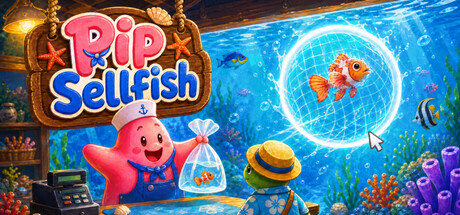
Pip Sellfish is made by one person. I used generative AI tools during development to help create some of the game's assets, such as artwork and music, every asset was hand-picked and integrated by me. No AI is used at runtime: nothing is generated while you play.
AI was used for some translations, music, and visual assets. The game does not create AI-generated content during gameplay, and AI was not used to write the game’s code.
Generative AI was used to assist in the creation of certain game assets, including some textures, artwork, sound effects, music, and marketing materials. All AI-generated content has been reviewed, edited, and integrated by the developer. No live AI-generated content is produced during gameplay.
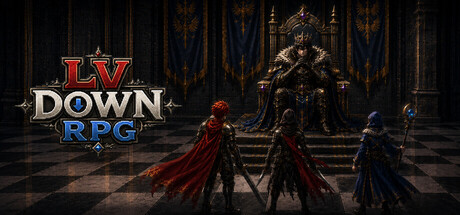
The visual and audio assets in Lv Down RPG were created with the assistance of generative AI tools during development. All assets were selected, reviewed, edited, and integrated by the developer. Game design, programming, systems, and balancing were created by the developer. No AI content is generated during gameplay.
Generative AI tools were used during development to create and refine portions of the game’s pre-generated visual artwork, including character and enemy art, environments, UI elements, icons, effects, and cutscene imagery. Generative AI was also used for sound effects and as an assistant during programming and development. All generated material was reviewed, edited, and integrated by the developer.
Generative AI tools were used during development to assist with the creation and editing of some pre-generated visual assets, sound effects, and Steam Store page text. All AI-assisted content was reviewed, selected, and edited by the developer before being included. The game does not generate content using AI during gameplay.
AI was used to assist in creating 3d models and game audio files.
All core gameplay systems, code architecture, game design, and user interfaces were assembled and structured manually by the developer.
Generative AI tools were used during development to assist in creating the following assets:
- Text translation
- Background music
- Background and cat images
All AI-generated content was thoroughly reviewed, adjusted, and edited by the developer to ensure quality and compliance with all applicable licenses.
Generative AI was used during development to create 22 music tracks with AI music-generation tools licensed for commercial use and to draft portions of the non-English localization and store-page text. All AI-assisted material has been reviewed and finalized by the developer. The game does not generate content or code with AI during play and does not connect to external AI services at runtime.
The game's art, audio and voice content — including visual assets, UI elements, narrator voice-over, music, and store page artwork — was generated with the assistance of AI tools during development and then refined by the team. All AI-generated content was created during development; the game does not generate content while you play.
AI tools were used during development to assist with writing code, and to produce two categories of content shipped with the game: the original synthwave soundtrack (composed with AI music generation, curated and selected by the developer) and the interface translations for the non-English languages (reviewed by the developer). Some store page text was also drafted with AI assistance. All in-game worlds are generated procedurally by hand-written algorithms — no AI content is generated at runtime.
Ruthless Returns is a solo-developed game built and refined over hundreds of hours. The original version was created on paper in 2022, but at the time I did not have the resources to turn it into a full game.
Early prototypes used licensed images with a simple painted treatment. It worked, but the visual style was ultimately shaped by whatever suitable assets were available. Generative AI made it possible to create artwork specifically for Ruthless Returns and give the game a much more consistent look and feel from top to bottom. AI was used for the card artwork and character voices.
That also made it possible for me to finally turn the original paper concept into a PC game. If players enjoy it, I hope to take it full circle and eventually produce Ruthless Returns as a physical board game.
Balancing combines extensive human playtesting with more than 500,000 simulated games. The simulations were used to analyze win rates, card strength, strategies and interactions across a much larger number of matches than manual playtesting alone could realistically cover.
AIR EMPIRE uses generative AI tools for part of its store/marketing assets and some in-game content — specifically store capsule images, store descriptions, localization into non-English languages, and marketing video narration. All AI-assisted output is reviewed and edited by a human developer, and we have taken steps to ensure it does not include infringing or illegal content.
This game uses content created or assisted by generative AI. Generative AI was used to help create and edit some visual assets, music/sound materials, and scripts. All final content was reviewed, selected, and adjusted by the developer before being included in the game.
Some art assets in this game were created with the aid of AI image-generation tools, then edited and composited by the developer. The musical score was composed using Suno. All writing, design, and direction are by the developer. We have taken steps to ensure the AI tools used were operated in a manner consistent with their terms of service.
Pixel art assets, the soundtrack, and portions of the game's writing were created with generative AI, then curated and edited by the developer. The game's design, satirical concept, and systems are original human work. All sound effects were recorded by voice actors.
I built Curling Stars in close collaboration with AI tools. I directed every part of the game myself, the design, gameplay rules, features, venues, art direction, and testing, while an AI coding assistant wrote and iterated on the code, procedural 3D scenes, characters, and animations under my direction. The soundtrack was created with AI music generation, curated and selected by me. Rosters and characters are fictional. Store artwork used Gen AI tools.
This game includes some content created with generative AI: the music and sound effects were made using AI audio tools, and the in-game translations for languages other than English and French were produced with AI translation tools. The artwork, game design and gameplay are created by the developer.
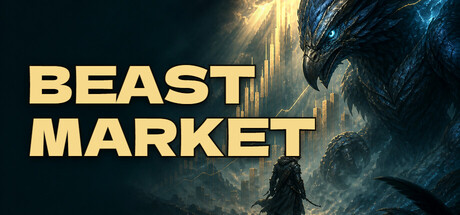
In Beast Market, generative AI tools are used during development to assist with the creation of certain game assets. This includes some character and monster artwork, background and UI art, item icons, and certain sound effects. All AI-assisted assets are reviewed, edited, curated, and approved by the development team before being included in the game.
All AI-generated content is pre-generated during development and included in the game as fixed assets. Beast Market does not generate AI content during gameplay, nor does it transmit player data to any AI system while the game is being played.
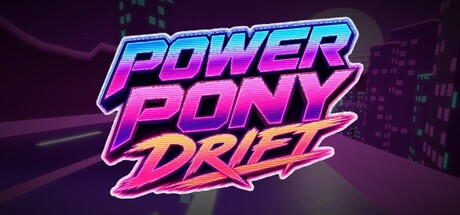
Power Pony Drift uses AI-generated content that was created during development, and every piece was reviewed, edited, and curated by the developer before being included:
- Character models: The base 3D pony models were generated with AI tools, then hand-rigged, animated, and tuned for the game.
- Audio: The music tracks and some sound effects and voice lines were generated with AI audio tools.
No content is generated while you play — the game contains no runtime AI systems, AI chatbots, or live-generated content. Store page artwork is composited from in-game footage.
Parts of the game's program code were written with the help of AI coding assistance, under the direction and review of the developer. The store page text and its translations were also drafted with AI assistance and reviewed by the developer. Some of the music was created with an AI music generation service (Suno), selected and adjusted by the developer. The remaining music, artwork, and sound effects are procedurally generated by the developer's own tools - no AI image generation models were used. The game does not generate any AI content during gameplay.
Some art and audio assets in Cozy Airways were created with the help of generative AI tools during development. All AI-assisted content was reviewed, edited and approved by our team. The game does not generate any AI content live during gameplay.
This game includes pre-generated AI-assisted visual/audio/text assets that were selected, edited, and integrated by the developer. The game does not use live-generated AI during play.
This game extensively utilizes AI technology in character design, UI, visual effects, sound effects, music, and promotional artwork to enhance production efficiency and explore innovative styles.
The game's concept, worldbuilding, narrative, game design, and art direction were planned and developed directly by the development team.
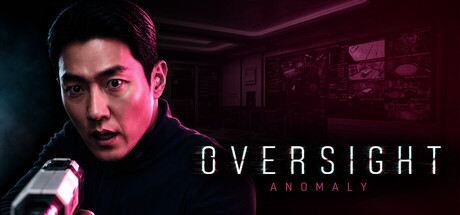
Generative AI was used as an assistive tool in the production and refinement of pre-generated content, including character and environment imagery, cinematic sequences, anomaly effects, and selected music.
All content, including AI-assisted outputs, was curated, edited, composited, and post-processed by the development team to align with the game's creative intent and quality standards.
The game does not use generative AI at runtime, and no player input or personal data is sent to AI services.
Generative AI was used during development to assist with localization and the creation of character voices. During gameplay, AI generates Amber’s dialogue and speech in real time and determines her actions and facial expressions based on the player’s interactions.
This game was created by a solo developer with substantial help from generative AI tools. Every output was reviewed by hand.
Code: Claude Opus 4.8, Claude Fable 5.0
Writing & translation: Claude Opus 4.8, Gemini Pro 3.1
Graphics: Gemini Nano Banana 2
Music: Claude Opus 4.8
Video: Gemini Omni
Ironwake contains pre-generated AI content. Some 2D art assets (character sprites, portraits, item illustrations,
backgrounds, and icon sets) were created using AI image-generation tools (PixelLab and MidJourney, plus licensed
third-party icon packs produced with Stable Diffusion). Some sound effects, ambient audio, and music tracks were created
using AI audio-generation tools (ElevenLabs). All AI-generated assets were reviewed, curated, and edited by the
developer. The game does not generate any content with AI at runtime, and no live AI models are accessed by the game.
During development, AI-assisted and AI-generated tools were used for pre-generated player-facing content.
Our production workflow combines original human-created assets with AI-assisted or AI-generated content. AI tools were used to assist with text translation/localization, visual asset modification and refinement, and the generation of certain audio assets.
Most final assets are the result of a mixed workflow: they may include both original developer-created elements and AI-assisted or AI-generated elements. All final text, visual, and audio assets included in the game have been manually reviewed, edited, selected, and approved by the development team.
The game does not include live-generated AI content. It does not generate new text, images, audio, or other player-facing content through AI during gameplay.
As a passionate two-person indie team with a $0 budget, we utilize advanced, paid AI tools to breathe life into our world. We use high-quality, expressive AI voice acting to deliver emotional depth to our characters, alongside curated AI art to enhance environmental storytelling. Every asset is carefully selected and integrated by hand to match our artistic vision without compromising on quality."
Generative AI was used to create selected voice performances (including the in-game commentator) as well as concept artwork and promotional illustrations. All AI-generated assets were reviewed, edited, and integrated by the developer.
Generative AI tools were used as supportive measures during the development process in the following areas:
- Localization: AI was used to assist with text translation and editing across supported languages.
- Sound Design: AI tools may be used for generating foundational sound elements.
Generative AI was used to assist in creating some UI elements and sound effects. All AI-generated assets were reviewed and edited by the developer before being included in the game.
Pip Sellfish is made by one person. I used generative AI tools during development to help create some of the game's assets, such as artwork and music, every asset was hand-picked and integrated by me. No AI is used at runtime: nothing is generated while you play.
AI was used for some translations, music, and visual assets. The game does not create AI-generated content during gameplay, and AI was not used to write the game’s code.
Generative AI was used to assist in the creation of certain game assets, including some textures, artwork, sound effects, music, and marketing materials. All AI-generated content has been reviewed, edited, and integrated by the developer. No live AI-generated content is produced during gameplay.
The visual and audio assets in Lv Down RPG were created with the assistance of generative AI tools during development. All assets were selected, reviewed, edited, and integrated by the developer. Game design, programming, systems, and balancing were created by the developer. No AI content is generated during gameplay.
Generative AI tools were used during development to create and refine portions of the game’s pre-generated visual artwork, including character and enemy art, environments, UI elements, icons, effects, and cutscene imagery. Generative AI was also used for sound effects and as an assistant during programming and development. All generated material was reviewed, edited, and integrated by the developer.
Generative AI tools were used during development to assist with the creation and editing of some pre-generated visual assets, sound effects, and Steam Store page text. All AI-assisted content was reviewed, selected, and edited by the developer before being included. The game does not generate content using AI during gameplay.
AI was used to assist in creating 3d models and game audio files.
All core gameplay systems, code architecture, game design, and user interfaces were assembled and structured manually by the developer.
Generative AI tools were used during development to assist in creating the following assets:
- Text translation
- Background music
- Background and cat images
All AI-generated content was thoroughly reviewed, adjusted, and edited by the developer to ensure quality and compliance with all applicable licenses.
Generative AI was used during development to create 22 music tracks with AI music-generation tools licensed for commercial use and to draft portions of the non-English localization and store-page text. All AI-assisted material has been reviewed and finalized by the developer. The game does not generate content or code with AI during play and does not connect to external AI services at runtime.
The game's art, audio and voice content — including visual assets, UI elements, narrator voice-over, music, and store page artwork — was generated with the assistance of AI tools during development and then refined by the team. All AI-generated content was created during development; the game does not generate content while you play.
AI tools were used during development to assist with writing code, and to produce two categories of content shipped with the game: the original synthwave soundtrack (composed with AI music generation, curated and selected by the developer) and the interface translations for the non-English languages (reviewed by the developer). Some store page text was also drafted with AI assistance. All in-game worlds are generated procedurally by hand-written algorithms — no AI content is generated at runtime.
Ruthless Returns is a solo-developed game built and refined over hundreds of hours. The original version was created on paper in 2022, but at the time I did not have the resources to turn it into a full game.
Early prototypes used licensed images with a simple painted treatment. It worked, but the visual style was ultimately shaped by whatever suitable assets were available. Generative AI made it possible to create artwork specifically for Ruthless Returns and give the game a much more consistent look and feel from top to bottom. AI was used for the card artwork and character voices.
That also made it possible for me to finally turn the original paper concept into a PC game. If players enjoy it, I hope to take it full circle and eventually produce Ruthless Returns as a physical board game.
Balancing combines extensive human playtesting with more than 500,000 simulated games. The simulations were used to analyze win rates, card strength, strategies and interactions across a much larger number of matches than manual playtesting alone could realistically cover.
AIR EMPIRE uses generative AI tools for part of its store/marketing assets and some in-game content — specifically store capsule images, store descriptions, localization into non-English languages, and marketing video narration. All AI-assisted output is reviewed and edited by a human developer, and we have taken steps to ensure it does not include infringing or illegal content.
This game uses content created or assisted by generative AI. Generative AI was used to help create and edit some visual assets, music/sound materials, and scripts. All final content was reviewed, selected, and adjusted by the developer before being included in the game.
Some art assets in this game were created with the aid of AI image-generation tools, then edited and composited by the developer. The musical score was composed using Suno. All writing, design, and direction are by the developer. We have taken steps to ensure the AI tools used were operated in a manner consistent with their terms of service.
Pixel art assets, the soundtrack, and portions of the game's writing were created with generative AI, then curated and edited by the developer. The game's design, satirical concept, and systems are original human work. All sound effects were recorded by voice actors.
I built Curling Stars in close collaboration with AI tools. I directed every part of the game myself, the design, gameplay rules, features, venues, art direction, and testing, while an AI coding assistant wrote and iterated on the code, procedural 3D scenes, characters, and animations under my direction. The soundtrack was created with AI music generation, curated and selected by me. Rosters and characters are fictional. Store artwork used Gen AI tools.
This game includes some content created with generative AI: the music and sound effects were made using AI audio tools, and the in-game translations for languages other than English and French were produced with AI translation tools. The artwork, game design and gameplay are created by the developer.
In Beast Market, generative AI tools are used during development to assist with the creation of certain game assets. This includes some character and monster artwork, background and UI art, item icons, and certain sound effects. All AI-assisted assets are reviewed, edited, curated, and approved by the development team before being included in the game.
All AI-generated content is pre-generated during development and included in the game as fixed assets. Beast Market does not generate AI content during gameplay, nor does it transmit player data to any AI system while the game is being played.
Power Pony Drift uses AI-generated content that was created during development, and every piece was reviewed, edited, and curated by the developer before being included:
- Character models: The base 3D pony models were generated with AI tools, then hand-rigged, animated, and tuned for the game.
- Audio: The music tracks and some sound effects and voice lines were generated with AI audio tools.
No content is generated while you play — the game contains no runtime AI systems, AI chatbots, or live-generated content. Store page artwork is composited from in-game footage.
Parts of the game's program code were written with the help of AI coding assistance, under the direction and review of the developer. The store page text and its translations were also drafted with AI assistance and reviewed by the developer. Some of the music was created with an AI music generation service (Suno), selected and adjusted by the developer. The remaining music, artwork, and sound effects are procedurally generated by the developer's own tools - no AI image generation models were used. The game does not generate any AI content during gameplay.
Some art and audio assets in Cozy Airways were created with the help of generative AI tools during development. All AI-assisted content was reviewed, edited and approved by our team. The game does not generate any AI content live during gameplay.
This game includes pre-generated AI-assisted visual/audio/text assets that were selected, edited, and integrated by the developer. The game does not use live-generated AI during play.
This game extensively utilizes AI technology in character design, UI, visual effects, sound effects, music, and promotional artwork to enhance production efficiency and explore innovative styles.
The game's concept, worldbuilding, narrative, game design, and art direction were planned and developed directly by the development team.
Generative AI was used as an assistive tool in the production and refinement of pre-generated content, including character and environment imagery, cinematic sequences, anomaly effects, and selected music.
All content, including AI-assisted outputs, was curated, edited, composited, and post-processed by the development team to align with the game's creative intent and quality standards.
The game does not use generative AI at runtime, and no player input or personal data is sent to AI services.
Generative AI was used during development to assist with localization and the creation of character voices. During gameplay, AI generates Amber’s dialogue and speech in real time and determines her actions and facial expressions based on the player’s interactions.
This game was created by a solo developer with substantial help from generative AI tools. Every output was reviewed by hand.
Code: Claude Opus 4.8, Claude Fable 5.0
Writing & translation: Claude Opus 4.8, Gemini Pro 3.1
Graphics: Gemini Nano Banana 2
Music: Claude Opus 4.8
Video: Gemini Omni
Ironwake contains pre-generated AI content. Some 2D art assets (character sprites, portraits, item illustrations,
backgrounds, and icon sets) were created using AI image-generation tools (PixelLab and MidJourney, plus licensed
third-party icon packs produced with Stable Diffusion). Some sound effects, ambient audio, and music tracks were created
using AI audio-generation tools (ElevenLabs). All AI-generated assets were reviewed, curated, and edited by the
developer. The game does not generate any content with AI at runtime, and no live AI models are accessed by the game.
During development, AI-assisted and AI-generated tools were used for pre-generated player-facing content.
Our production workflow combines original human-created assets with AI-assisted or AI-generated content. AI tools were used to assist with text translation/localization, visual asset modification and refinement, and the generation of certain audio assets.
Most final assets are the result of a mixed workflow: they may include both original developer-created elements and AI-assisted or AI-generated elements. All final text, visual, and audio assets included in the game have been manually reviewed, edited, selected, and approved by the development team.
The game does not include live-generated AI content. It does not generate new text, images, audio, or other player-facing content through AI during gameplay.
As a passionate two-person indie team with a $0 budget, we utilize advanced, paid AI tools to breathe life into our world. We use high-quality, expressive AI voice acting to deliver emotional depth to our characters, alongside curated AI art to enhance environmental storytelling. Every asset is carefully selected and integrated by hand to match our artistic vision without compromising on quality."