
Disclosure
AI was used during development to assist with programming, localization, and creating portions of the game's logo.
- Creator
- Sender Jim's
- Reviews
- -
- Added
- Sep 3, 2026
Public Steam disclosure research 25,508 disclosures tracked
Search developers’ Steam disclosures, compare classified AI use across games, and follow recorded changes. This index adds cross-game classifications and statistics to statements published on individual store pages.
Code help, debugging and other development work.
Capsule art, trailers and promotional material.
Pre-made art, audio, writing and other game assets.
Interactive or runtime AI features disclosed by the developer.
Groups reflect automatic analysis of public disclosures; mature records are excluded. These counts do not measure AI use across all of Steam. Missing or unclear statements cannot establish whether a game uses AI.
AI was used during development to assist with programming, localization, and creating portions of the game's logo.
Generative AI tools were utilized during the development process to assist with coding, localization (translations), and early concept drafts for visual assets. All final in-game assets, codebase, and gameplay mechanics were curated, refined, and implemented directly by the developer.
Generative AI was used to create the game's English and Simplified Chinese localization. AI tools were also used to assist with code generation during development. No AI-generated content is created during gameplay.
We’d like to be transparent about the localization of THE WRONG WAY ROUND. Some of the game’s translations have been created with the assistance of AI and then reviewed and adjusted by us. This allows us to make the game available to more players and support more languages than we could otherwise manage. We’re continuously improving the translations and really appreciate any feedback from native speakers.
This game was developed with the assistance of AI for textures, translations, and scripting.
Elya uses generative AI to provide optional real-time character conversations, voice interactions, and other AI-assisted companion features. Users may connect supported third-party AI services or configure their own compatible providers. AI-generated content is produced dynamically based on user input and character settings.
The developer used generative AI tools during the development process to assist with concept art and text translations. All final assets were reviewed and curated by the developer.
We used AI tool to assist with localization and translation. ChatGPT Images 2.0 was used to assist in generating concept art and backgrounds.
Generative AI tools were used during development to assist with the creation and iteration of some some pre-generated visual, written and promotional assets. All AI-assisted content is reviewed, edited and curated by the developer. No generative AI is used during gameplay.
Generative AI tools were used during development to assist with the creation of [artwork, voice audio, text, and localization]. All AI-assisted content was reviewed and edited by the developer before being included in the game. The game does not generate AI content during gameplay.
Generative AI was used during development to assist in creating some 2D art assets, including scene backgrounds, character and monster artwork, UI elements, and icons for items, equipment, skills, and status effects. Generative AI was also used to assist in drafting some in-game text. All AI-assisted content was selected, edited, post-processed, and integrated by the developer. The game does not use generative AI at runtime and does not generate content in real time in response to player input.
Pocket Pawns was made with the help of generative AI, and the game's own credits name every tool used. Images and music: the chess piece art was generated with ChatGPT, the board art with Gemini, and the world and environment art from assets created with Nano Banana Pro alongside free-to-use CC0 packs found online. The soundtrack is from Suno. Claude wrote the game's code, its writing, and its translations into ten languages — and made much of what you see and hear directly in code rather than from an image generator: the character pixel art, the in-world props and interface, the three-dimensional rooms, the animation, and the sound effects. The chess itself is not generated. The puzzles come from the Lichess puzzle database, released under CC0, and your opponent is Stockfish, a classical open-source chess engine. Real positions, a real engine. Nothing is generated while you play. Pocket Pawns creates no content at runtime and never connects to an AI service. It does not need an internet connection to play.
Some of the artwork and text content in this game was created with the help of generative AI.
Use of tools like DeepL to partially translate the user interface.
Crie au loup is made with AI, from the first prototype to the illustrations. That is not a manufacturing detail: it is as much the project as the game itself. My role is not a craftsman's: I painted no card, and I did not write the code line by line. I designed the system, I direct it, I arbitrate and I verify. Deciding what makes it into the game, what gets redone, what gets cut: that is production work, and it is mine. What is generated: the creature and location artwork, the interface, a large share of the code and the writing. What is measured rather than assumed: card balance, computed over thousands of simulated matches before every update. What is verified: the historical sources behind every legend, published one by one on the official site, where you can open them and prove me wrong. What is never generated is your match. No image, no text and no game decision comes out of a model while you play: the engine is deterministic, and the solo opponent is a classic program applying the rules. Crie au loup is one of the projects I run around generative AI, and the only one you can play. The making-of is documented without varnish in the devlog on the official site.
The game's art assets were created with the assistance of AI tools, including ChatGPT and Tencent Hunyuan. The game's music and sound effects were generated using Suno. Localized text for languages other than Chinese was translated with the assistance of ChatGPT. AI-assisted programming tools, including ChatGPT, were also used during the game's development.
Dynamic Interrogation Dialogue: Suspicious Minds features an unscripted interrogation engine powered by local Large Language Models (LLMs). Suspect and detective responses, emotional shifts, and conversational directions are generated dynamically in real time based on user inputs, crime scene evidence, and player choices. Voice Recognition & Speech Synthesis: The game utilizes localized speech-to-text engines to analyze spoken player input and real-time text-to-speech models to synthesize natural, expressive character voice outputs during gameplay.
This game uses generative AI for some visual content, including icons, logos, game art, Steam store page art, and website marketing images. Some store and website descriptions were written with AI assistance. Store, website, and marketing art is made to match the actual in-game look and design.
Store assets, quiz content, and general layout of application generated with AI to help with design and formatting. Human review and edit before any code implemented. This game does not have any AI models running in the background or in-game. All scriptures are public domain.
This game uses AI for background music generation and localization.
This game uses generative AI to assist with multilingual translation and to create some of its in-game music. All related content was generated in advance during development and reviewed and edited by the development team.
Generative AI is used to assist in the creation of character illustrations, icons, backgrounds, and other 2D artwork. All AI-generated assets are reviewed, edited, and refined by the developer to ensure they fit the game's content and quality standards. Text in languages other than Japanese is translated using generative AI, then reviewed by the developer before being included in the game.
I used AI for localization and during performance testing for handheld support, coding agents were used to help identify ways to optimize the game
AI tools have been used in game programming and localization. All audiovisual assets by human artists.
Generative AI tools were used extensively during the development of DashBreaker. They assisted with programming, selected sound effects and visual materials, player-facing text and localization, and Steam store and marketing materials. All AI-assisted output was reviewed, edited, tested, and integrated by the developer. No content or code is generated by AI during gameplay, and the game does not connect to external AI services while running.
AI assistance was used to edit and localize the Steam store text and to help select, crop, and composite developer-captured gameplay screenshots and recordings with the developer-provided JANJARA logo for store capsules, library artwork, client icons, and the trailer. No synthetic gameplay imagery or audio was generated, and the game does not generate AI content during play.
As a solo developer, AI has been used as a tool to get the game where it is today. Primary used as a tool to help with areas of development and certain text generations. No art or music was generated by AI. 95% of the artwork in the game is procedurally generated by code, while the rest is hand done by me. The music was also created by me specifically for the game. AI was used in places like name and description generations for items in the game as well as some text areas within the tutorial coach text to help guide players through the initial stages of the game.
The language localization and the code for the ink splats was fully generated using AI tools. The UI layouts and game code were built with the assistance of generative AI with a mix of fully AI generated code, developer-edited code, and developer-added code. Generative AI was also used to help assist with writing the text of the Steam store page description.
AI was used for translating and voicing the dialogues. Some images in the game and achievement icons were created using AI.
Generative AI tools were used during development for ideation and drafting/editing some marketing or descriptive text. All final content is reviewed and edited by the development team. The game does not use live-generated AI content during gameplay.
本アプリのソースコードの大部分は、人間の指示とレビューのもとでAIコーディング支援ツール(LLM)を用いて作成されています。ストアページの文章作成にもAI支援を利用しています。 / Most of this application's source code was written using AI coding tools (LLMs) under human direction and review. AI assistance was also used in preparing store page text. ロゴおよびストア用画像の一部は画像生成AIで作成しています。 / Some artwork, including the logo and store images, was created with generative AI.
AI was used for the translations
Localization into some supported languages was created with a mix of Community members and machine generation and reviewed by the developer. The developer is actively seeking to replace any machine-generated localization over time.
During the development of this game, generative AI tools were used to assist in creating some of the art materials (scenes / props / UI) and text content. All AI-generated content has been thoroughly reviewed, modified, optimized, and checked for copyright by humans to ensure the quality and compliance of the content.
Generative AI was used to assist in creating pre-generated game content and promotional materials. No AI-generated content is created during gameplay.
Generative AI is used for some assets and localization.
This game uses generative AI for part of the destination crest artwork and for the store page text and its translations. No content is generated by AI while you play.
In a particularly fitting twist for a game about artificial intelligence whose protagonist is herself an artificial intelligence, generative AI tools were used during development to assist with some pre-generated visual assets, music, and portions of the text and localization. All AI-assisted content was reviewed, edited, and curated by the developer. No generative AI is used during gameplay.
Arcane Dash was created by a solo developer. Music, cutscene artwork, and translations were created with AI assistance. All levels, character sprites, and sound effects were hand-designed/coded by the developer, and all marketing materials were created and edited by the developer.
Generative AI was used to assist in creating pre-generated artwork, animation, audio, dialogue, and localization. All content was reviewed and edited by the developer. No AI is used at runtime.
During development, generative AI was used to assist with the multilingual translation of some text and to create some of the game's music.
Generative AI was used to help translate the game's text and store page into other languages. It was not used to create any of the artwork, audio, or code in the game.
Generative AI tools were used during development to assist with refining some text, code, and images. Some in-game textures were also generated using AI. All AI-assisted content was reviewed, edited, and integrated by the developer. The game does not generate AI content during gameplay.
This game uses generative AI tools in a few areas: some 2D art assets (such as the main menu background, title logo, and UI icons), some background music and sound effects, and the drafting and translation of store page text. All AI-generated content was reviewed and edited by the developer to ensure quality and appropriate use.
This game uses generative AI to create some character sprites, event CGs, backgrounds, and other in-game images. Some translations are also created using generative AI. These AI-generated assets are used as part of the game's content, as well as in images displayed on the game's store page. The game does not use generative AI to generate content in real time based on player input.
Generative AI was used solely for text translation and language localization.
AI translate
AI tools are used to assist in development, including code, writing, art, and sound effects
Generative artificial intelligence (AI) was used to create some audio and visual assets, portions of the game code, Steam store page copy, and localized content. No AI-generated content is created in real time during gameplay.
Generative AI is used for icons and translation.
| Title⇅ | Disclosure | Creator⇅ | Src | Reviews⇅ | Added↓ |
|---|---|---|---|---|---|
 Wheelie Run In-game content arttextcode | AI was used during development to assist with programming, localization, and creating portions of the game's logo. | Sender Jim's | - | Sep 3, 2026 | |
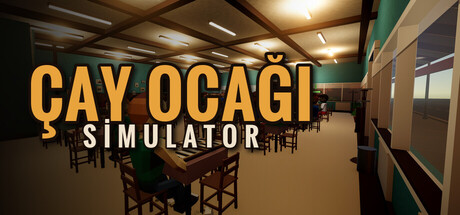 Çay Ocağı Simulator In-game content codetextart | Generative AI tools were utilized during the development process to assist with coding, localization (translations), and early concept drafts for visual assets. All final in-game assets, codebase, and gameplay mechanics were curated, refined, and implemented directly by the developer. | Seloftware | - | Sep 3, 2026 | |
 Taboo Village: Romance Card Game In-game content textcode | Generative AI was used to create the game's English and Simplified Chinese localization. AI tools were also used to assist with code generation during development. No AI-generated content is created during gameplay. | 作っちゃうおじさん/TUKUCHAU-OJISAN | - | Sep 3, 2026 | |
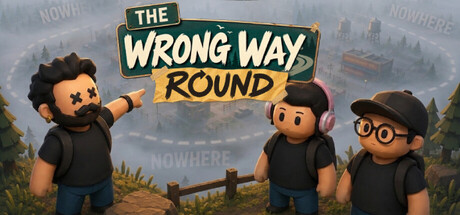 The Wrong Way Round In-game content text | We’d like to be transparent about the localization of THE WRONG WAY ROUND.
Some of the game’s translations have been created with the assistance of AI and then reviewed and adjusted by us. This allows us to make the game available to more players and support more languages than we could otherwise manage.
We’re continuously improving the translations and really appreciate any feedback from native speakers. | a2020 Studio | - | Sep 3, 2026 | |
 Unfold Flower In-game content arttextcode | This game was developed with the assistance of AI for textures, translations, and scripting. | flycat.games | - | Sep 3, 2026 | |
 Elya Live AI textaudio | Elya uses generative AI to provide optional real-time character conversations, voice interactions, and other AI-assisted companion features. Users may connect supported third-party AI services or configure their own compatible providers. AI-generated content is produced dynamically based on user input and character settings. | Elya | - | Sep 3, 2026 | |
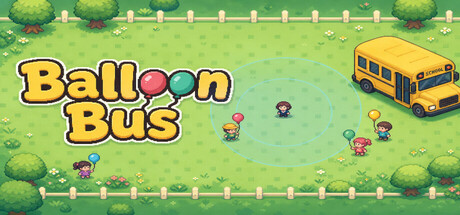 Balloon Bus In-game content arttext | The developer used generative AI tools during the development process to assist with concept art and text translations. All final assets were reviewed and curated by the developer. | Studio Sieun | - | Sep 3, 2026 | |
 Coinfetti In-game content textart | We used AI tool to assist with localization and translation. ChatGPT Images 2.0 was used to assist in generating concept art and backgrounds. | Cash Flow Games | - | Sep 3, 2026 | |
 Wild Spirits Era Store/marketing arttext | Generative AI tools were used during development to assist with the creation and iteration of some some pre-generated visual, written and promotional assets. All AI-assisted content is reviewed, edited and curated by the developer. No generative AI is used during gameplay. | Nico - a Wild Spirit | - | Sep 3, 2026 | |
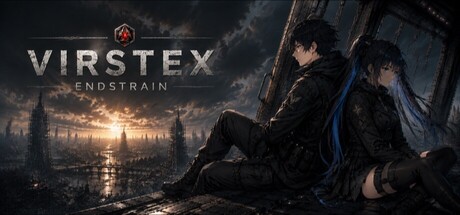 VIRSTEX ENDSTRAIN In-game content artaudiotext | Generative AI tools were used during development to assist with the creation of [artwork, voice audio, text, and localization]. All AI-assisted content was reviewed and edited by the developer before being included in the game. The game does not generate AI content during gameplay. | MOSAIC CAT | - | Sep 3, 2026 | |
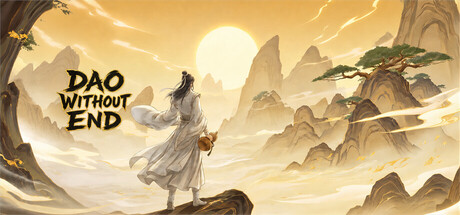 无尽仙路Dao Without End In-game content arttext | Generative AI was used during development to assist in creating some 2D art assets, including scene backgrounds, character and monster artwork, UI elements, and icons for items, equipment, skills, and status effects. Generative AI was also used to assist in drafting some in-game text. All AI-assisted content was selected, edited, post-processed, and integrated by the developer. The game does not use generative AI at runtime and does not generate content in real time in response to player input. | Dreamin Studio | - | Sep 3, 2026 | |
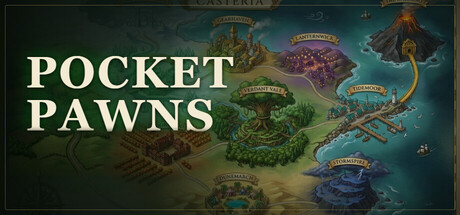 Pocket Pawns In-game content artaudiotext | Pocket Pawns was made with the help of generative AI, and the game's own credits name every tool used.
Images and music: the chess piece art was generated with ChatGPT, the board art with Gemini, and the world and environment art from assets created with Nano Banana Pro alongside free-to-use CC0 packs found online. The soundtrack is from Suno.
Claude wrote the game's code, its writing, and its translations into ten languages — and made much of what you see and hear directly in code rather than from an image generator: the character pixel art, the in-world props and interface, the three-dimensional rooms, the animation, and the sound effects.
The chess itself is not generated. The puzzles come from the Lichess puzzle database, released under CC0, and your opponent is Stockfish, a classical open-source chess engine. Real positions, a real engine.
Nothing is generated while you play. Pocket Pawns creates no content at runtime and never connects to an AI service. It does not need an internet connection to play. | Pocket Pawn Games | - | Sep 3, 2026 | |
 Liquidity In-game content arttext | Some of the artwork and text content in this game was created with the help of generative AI. | Kitchen Table Studios | - | Sep 3, 2026 | |
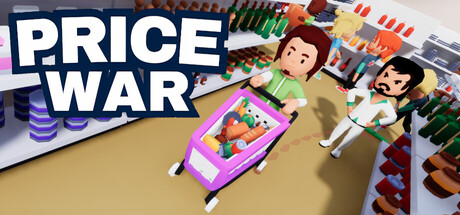 Price War In-game content text | Use of tools like DeepL to partially translate the user interface. | SoyWar | - | Sep 3, 2026 | |
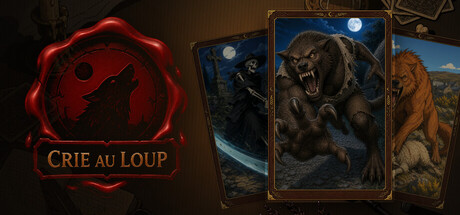 Crie au loup In-game content arttextcode | Crie au loup is made with AI, from the first prototype to the illustrations. That is not a manufacturing detail: it is as much the project as the game itself.
My role is not a craftsman's: I painted no card, and I did not write the code line by line. I designed the system, I direct it, I arbitrate and I verify. Deciding what makes it into the game, what gets redone, what gets cut: that is production work, and it is mine.
What is generated: the creature and location artwork, the interface, a large share of the code and the writing. What is measured rather than assumed: card balance, computed over thousands of simulated matches before every update. What is verified: the historical sources behind every legend, published one by one on the official site, where you can open them and prove me wrong.
What is never generated is your match. No image, no text and no game decision comes out of a model while you play: the engine is deterministic, and the solo opponent is a classic program applying the rules.
Crie au loup is one of the projects I run around generative AI, and the only one you can play. The making-of is documented without varnish in the devlog on the official site. | NXUS | - | Sep 3, 2026 | |
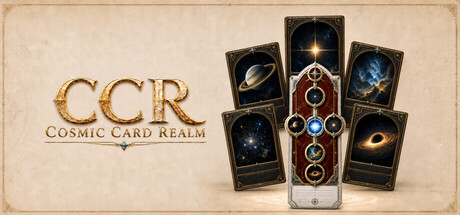 CCR - Cosmic Card Realm In-game content artaudiotextcode | The game's art assets were created with the assistance of AI tools, including ChatGPT and Tencent Hunyuan. The game's music and sound effects were generated using Suno. Localized text for languages other than Chinese was translated with the assistance of ChatGPT. AI-assisted programming tools, including ChatGPT, were also used during the game's development. | Nan | - | Sep 3, 2026 | |
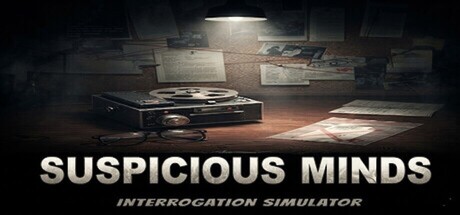 Suspicious Minds: AI driven interrogation simulator Live AI text | Dynamic Interrogation Dialogue: Suspicious Minds features an unscripted interrogation engine powered by local Large Language Models (LLMs). Suspect and detective responses, emotional shifts, and conversational directions are generated dynamically in real time based on user inputs, crime scene evidence, and player choices.
Voice Recognition & Speech Synthesis: The game utilizes localized speech-to-text engines to analyze spoken player input and real-time text-to-speech models to synthesize natural, expressive character voice outputs during gameplay. | Ejder Yurdakul | - | Sep 3, 2026 | |
 Tactical Zoomies In-game content arttext | This game uses generative AI for some visual content, including icons, logos, game art, Steam store page art, and website marketing images. Some store and website descriptions were written with AI assistance. Store, website, and marketing art is made to match the actual in-game look and design. | HyberHub | - | Sep 3, 2026 | |
 Scrolls of Torah, Prophets & Writings Store/marketing arttext | Store assets, quiz content, and general layout of application generated with AI to help with design and formatting. Human review and edit before any code implemented. This game does not have any AI models running in the background or in-game. All scriptures are public domain. | IncapacitatedSun Games | - | Sep 3, 2026 | |
 WATT FUR? Animal Power Plant In-game content audiotext | This game uses AI for background music generation and localization. | Mimosa Works | - | Sep 3, 2026 | |
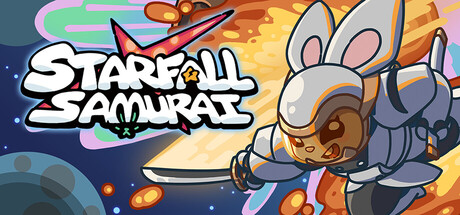 Starfall Samurai In-game content audiotext | This game uses generative AI to assist with multilingual translation and to create some of its in-game music. All related content was generated in advance during development and reviewed and edited by the development team. | YANCHA GAMES | - | Sep 3, 2026 | |
 Ring's Guard In-game content arttext | Generative AI is used to assist in the creation of character illustrations, icons, backgrounds, and other 2D artwork. All AI-generated assets are reviewed, edited, and refined by the developer to ensure they fit the game's content and quality standards.
Text in languages other than Japanese is translated using generative AI, then reviewed by the developer before being included in the game. | Tomat | - | Sep 3, 2026 | |
 Blotch In-game content textcode | I used AI for localization and during performance testing for handheld support, coding agents were used to help identify ways to optimize the game | Nathan Glover | - | Sep 3, 2026 | |
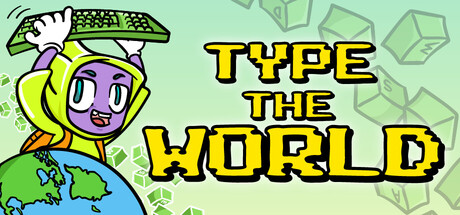 Type the World In-game content codetext | AI tools have been used in game programming and localization. All audiovisual assets by human artists. | Groundpoint Games | - | Sep 3, 2026 | |
 DashBreaker In-game content artaudiotext | Generative AI tools were used extensively during the development of DashBreaker. They assisted with programming, selected sound effects and visual materials, player-facing text and localization, and Steam store and marketing materials. All AI-assisted output was reviewed, edited, tested, and integrated by the developer. No content or code is generated by AI during gameplay, and the game does not connect to external AI services while running. | sagelab | - | Sep 3, 2026 | |
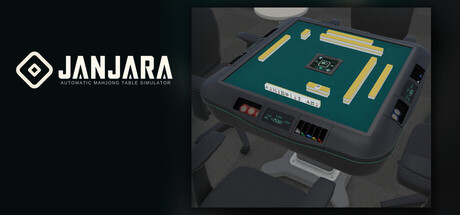 JANJARA: Automatic Mahjong Table Simulator Store/marketing textart | AI assistance was used to edit and localize the Steam store text and to help select, crop, and composite developer-captured gameplay screenshots and recordings with the developer-provided JANJARA logo for store capsules, library artwork, client icons, and the trailer. No synthetic gameplay imagery or audio was generated, and the game does not generate AI content during play. | Avalon Studio Japan | - | Sep 3, 2026 | |
 Vectorfall In-game content text | As a solo developer, AI has been used as a tool to get the game where it is today. Primary used as a tool to help with areas of development and certain text generations.
No art or music was generated by AI. 95% of the artwork in the game is procedurally generated by code, while the rest is hand done by me. The music was also created by me specifically for the game.
AI was used in places like name and description generations for items in the game as well as some text areas within the tutorial coach text to help guide players through the initial stages of the game. | Nubgamerz | - | Sep 3, 2026 | |
 Ink or Not In-game content textcode | The language localization and the code for the ink splats was fully generated using AI tools. The UI layouts and game code were built with the assistance of generative AI with a mix of fully AI generated code, developer-edited code, and developer-added code. Generative AI was also used to help assist with writing the text of the Steam store page description. | Screaming Melon | - | Sep 3, 2026 | |
 Tohunga In-game content textaudioart | AI was used for translating and voicing the dialogues.
Some images in the game and achievement icons were created using AI. | BEZ WAS | - | Sep 3, 2026 | |
 They Are Lost Store/marketing text | Generative AI tools were used during development for ideation and drafting/editing some marketing or descriptive text. All final content is reviewed and edited by the development team. The game does not use live-generated AI content during gameplay. | Cine-mo | - | Sep 2, 2026 | |
 DesktopForge Store/marketing codetextart | 本アプリのソースコードの大部分は、人間の指示とレビューのもとでAIコーディング支援ツール(LLM)を用いて作成されています。ストアページの文章作成にもAI支援を利用しています。 / Most of this application's source code was written using AI coding tools (LLMs) under human direction and review. AI assistance was also used in preparing store page text. ロゴおよびストア用画像の一部は画像生成AIで作成しています。 / Some artwork, including the logo and store images, was created with generative AI. | ふぁみたん | - | Sep 2, 2026 | |
 Paws & Scrolls In-game content text | AI was used for the translations | Sweet Dreams | - | Sep 2, 2026 | |
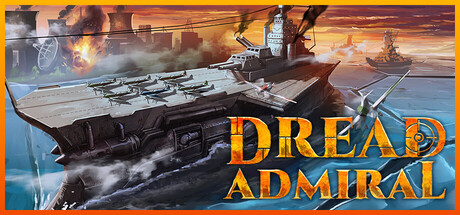 Dread Admiral In-game content text | Localization into some supported languages was created with a mix of Community members and machine generation and reviewed by the developer.
The developer is actively seeking to replace any machine-generated localization over time. | Tescrin Games | - | Sep 2, 2026 | |
 万圣夜砰砰砰(Halloween Poppp) In-game content arttext | During the development of this game, generative AI tools were used to assist in creating some of the art materials (scenes / props / UI) and text content. All AI-generated content has been thoroughly reviewed, modified, optimized, and checked for copyright by humans to ensure the quality and compliance of the content. | G-Dna | - | Sep 2, 2026 | |
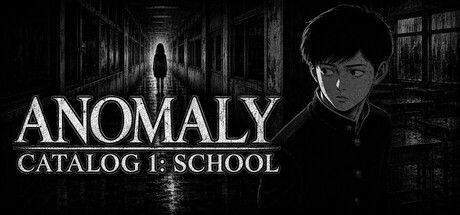 ANOMALY CATALOG 1: SCHOOL In-game content arttext | Generative AI was used to assist in creating pre-generated game content and promotional materials. No AI-generated content is created during gameplay. | H999 Games | - | Sep 1, 2026 | |
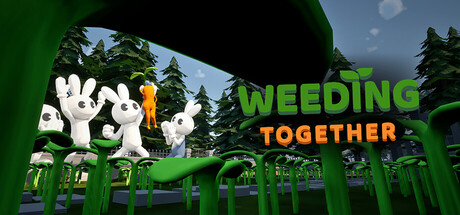 Weed In-game content arttext | Generative AI is used for some assets and localization. | C-Chiken | - | Sep 1, 2026 | |
 Post Office: Tidy Up In-game content arttext | This game uses generative AI for part of the destination crest artwork and for the store page text and its translations. No content is generated by AI while you play. | Tas Simple Games | - | Sep 1, 2026 | |
 The Turing Choice In-game content artaudiotext | In a particularly fitting twist for a game about artificial intelligence whose protagonist is herself an artificial intelligence, generative AI tools were used during development to assist with some pre-generated visual assets, music, and portions of the text and localization. All AI-assisted content was reviewed, edited, and curated by the developer. No generative AI is used during gameplay. | Beyond Singularity Project | - | Sep 1, 2026 | |
 Arcane Dash - A Pixel Adventure In-game content audioarttext | Arcane Dash was created by a solo developer. Music, cutscene artwork, and translations were created with AI assistance. All levels, character sprites, and sound effects were hand-designed/coded by the developer, and all marketing materials were created and edited by the developer. | Java Sorcery | - | Sep 1, 2026 | |
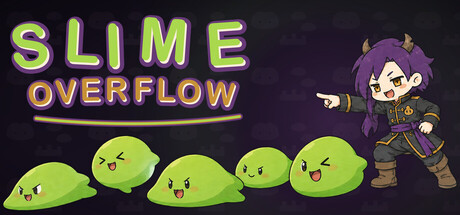 SLIME OVERFLOW In-game content artaudiotext | Generative AI was used to assist in creating pre-generated artwork, animation, audio, dialogue, and localization. All content was reviewed and edited by the developer. No AI is used at runtime. | YOO Makes Games | - | Sep 1, 2026 | |
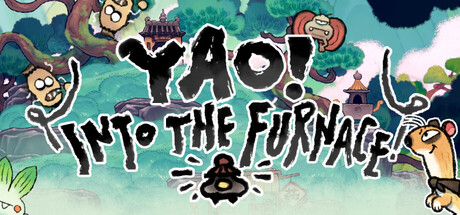 Yao! Into the Furnace In-game content textaudio | During development, generative AI was used to assist with the multilingual translation of some text and to create some of the game's music. | SpaceCan | - | Sep 1, 2026 | |
 Table of Suspects In-game content text | Generative AI was used to help translate the game's text and store page into other languages. It was not used to create any of the artwork, audio, or code in the game. | Besva Studios | - | Sep 1, 2026 | |
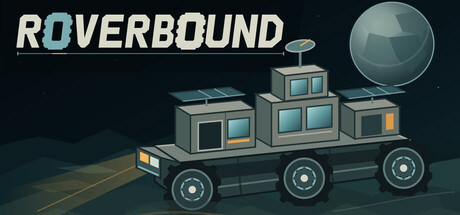 Roverbound In-game content textartcode | Generative AI tools were used during development to assist with refining some text, code, and images. Some in-game textures were also generated using AI. All AI-assisted content was reviewed, edited, and integrated by the developer. The game does not generate AI content during gameplay. | Rogueatic Games | - | Sep 1, 2026 | |
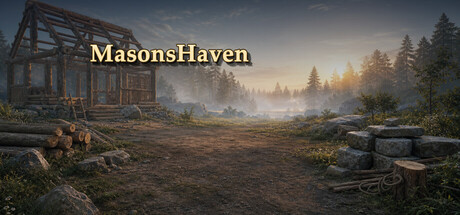 MasonsHaven In-game content artaudiotext | This game uses generative AI tools in a few areas: some 2D art assets (such as the main menu background, title logo, and UI icons), some background music and sound effects, and the drafting and translation of store page text. All AI-generated content was reviewed and edited by the developer to ensure quality and appropriate use. | 해길46 | - | Sep 1, 2026 | |
 LUNATIC CAMPUS In-game content arttext | This game uses generative AI to create some character sprites, event CGs, backgrounds, and other in-game images. Some translations are also created using generative AI. These AI-generated assets are used as part of the game's content, as well as in images displayed on the game's store page. The game does not use generative AI to generate content in real time based on player input. | Studio Dogjira | - | Sep 1, 2026 | |
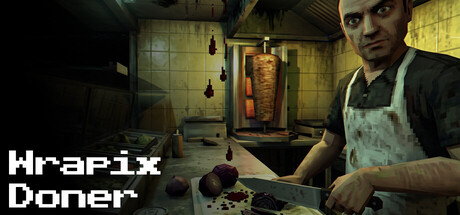 Wrapix Doner In-game content text | Generative AI was used solely for text translation and language localization. | Decaf Labs | - | Sep 1, 2026 | |
 Runechain Towers Unclear text | AI translate | Yanyoowu | - | Sep 1, 2026 | |
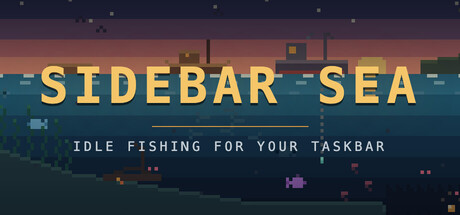 Sidebar Sea: Idle Fishing for Your Taskbar In-game content artaudiotextcode | AI tools are used to assist in development, including code, writing, art, and sound effects | Idleforge Games | - | Sep 1, 2026 | |
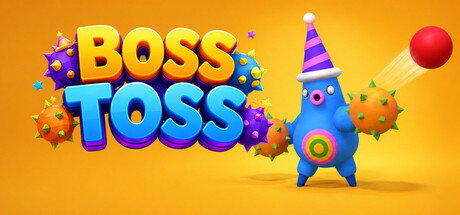 Boss Toss In-game content artaudiotextcode | Generative artificial intelligence (AI) was used to create some audio and visual assets, portions of the game code, Steam store page copy, and localized content. No AI-generated content is created in real time during gameplay. | Storm of madness | - | Sep 1, 2026 | |
 Seed Shop: Tidy Up! In-game content arttext | Generative AI is used for icons and translation. | meteor008 | - | Sep 1, 2026 |


