Public Steam disclosure research25,380 disclosures tracked
Where do games disclose AI use?
Search developers’ Steam disclosures, compare classified AI use across
games, and follow recorded changes.
This index adds cross-game classifications and statistics to
statements published on individual store pages.
Groups reflect automatic analysis of public disclosures; mature records are excluded. These counts do not measure AI use across all of Steam.
Missing or unclear statements cannot establish whether a game uses AI.
Dashdoce was created and directed by a single independent developer. AI-assisted tools were used to help implement, debug and test the software and to draft or polish portions of interface text, localization and store copy. All concepts, feature ideas, visual and interaction design decisions, behavior specifications and final approvals were conceived, directed and carefully curated by the developer. AI served as an implementation tool, not as the source of the product's ideas. Dashdoce does not generate content with AI while running.
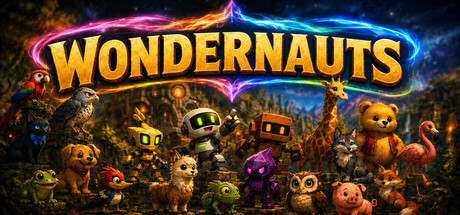
Some visual assets, sound effects, and music in Wondernauts were created with the help of generative AI tools during development, then refined, validated, and integrated by the development team. All gameplay logic and game systems are human-authored.
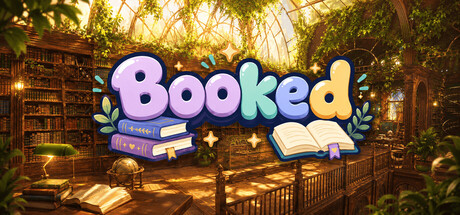
BOOKED uses generative AI-assisted artwork for some fictional in-game book covers and selected promotional/store artwork. Generative AI was also used to assist with some fictional book titles and creative concepts. All generated content was reviewed and selected by the developer before being included in the game.
Some of the sprites and marketing material started as AI-generated art that was processed and reworked by hand before use. No content is generated by AI while the game is running.
Some of the artwork was created using AI tools. The code was also reviewed with, or assisted by, AI.
If the concept finds its audience, we intend to pay an artist to produce artwork that is not AI-generated. Artists who would like to be part of the project are welcome to join us.
Generative AI tools were used during development to assist with pre-generated visual and audio assets. Final content was reviewed and integrated under the developer’s direction. NO content is generated by AI during gameplay.
Generative AI is used to draft the written text on this store page and in our announcement and update posts. A human reads, edits and approves every line before it is published. AI coding assistants are also used while building the game. The game itself does not generate any content with AI while you play, and it does not connect to any AI service.
Generative AI tools were used during development to assist with the creation and refinement of some visual assets, text, localization, and other pre-generated game content. All AI-assisted content included in the game has been reviewed and validated by the developer. The game does not generate AI content during gameplay and does not connect to external AI services.
The music, a few sound effects. And very few of the menus have been created using AI. I know that many communities hate games with AI. And yes, lads, I’ve used it. But I can assure you that 90 per cent of the game has been lovingly crafted by a developer.
Artificial intelligence tools were utilized solely in the creation of certain promotional materials, including the game logo and Steam library artwork.
The ship and part artwork was generated with AI, then hand-edited and traced by me into the sprites and collision shapes the game actually uses.
Nothing generative runs while you play. There is no AI service wired into the build, and the game never calls one.
The music is licensed from real artists, and the sound effects come out of a script I wrote. Neither is AI.
I want to replace the AI art with work from real artists before Early Access ends. I am not going to promise a date for that, but it is what I am working toward.
Generative AI tools were used to assist in the creation of certain pre-generated 2D artwork and visual assets during development. AI-assisted artwork is reviewed, edited, and integrated by the development team to maintain the game's intended visual style and quality. No generative AI content is created live during gameplay
Some user interface elements (including UI frames, buttons, panels, and HUD background art) were created with the assistance of generative AI image tools during development, then manually edited, composited, and integrated by the development team. Promotional artwork on the store page (capsule, library header/hero images) also used generative AI assistance and was human-reviewed before publication. No AI is used to generate content during gameplay.
AI is used only for text translation/localization (in-game and store page), with every line reviewed and edited by the developer.
No AI-generated graphics, music, audio, or live content generation are used in the game.
During the development process, we may use procedural and AI-based tools to assist with content creation. In all such cases, the final product reflects the creativity and expression of our own development team.
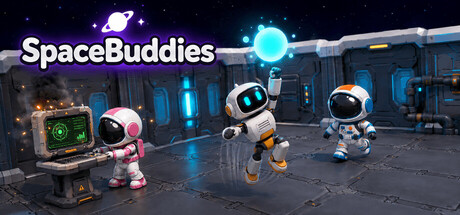
SpaceBuddies uses generative AI tools during development to create pre-rendered content included in the game and on this store page. AI was used to help produce some 3D models (Rodin), marketing/game imagery (ChatGPT), sound effects (Eleven Labs), and background music (Suno). All AI-generated assets were reviewed and edited by the development team before release.
This game does not use generative AI to create content during gameplay, and it does not connect to third-party AI services while you play.
Tumble's visual art (character and charm illustrations, backdrops, item sprites, and store capsule art) was generated with Google's Gemini image models and then selected, cropped, retouched, colour-matched and in many cases regenerated by hand against a fixed reference style until it fit the game. Music and sound effects were generated with Suno under a commercial licence, then cut, mixed and placed by hand.
The game's design, rules, balance, and code are not generated content. Every mechanic, number and line of player-facing text was written, tested and revised by the developer, including through automated balance simulation and four rounds of human playtesting.
No content is generated live during play. Nothing in Tumble is produced at runtime by an AI model; the game runs entirely offline with no model calls of any kind.
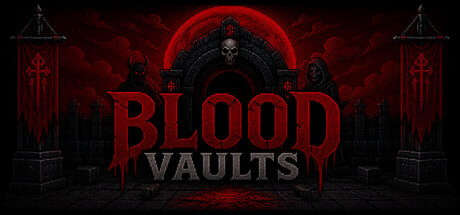
Blood Vaults was independently developed by Cryptwake Studios with limited assistance from generative AI tools. These tools were used as part of the development workflow to assist with select visual assets, content, and development materials. The game’s design, systems, mechanics, direction, and implementation are developer-created. Any AI-assisted content appearing in the final game is reviewed, modified where appropriate, and integrated by the developer.
Generative AI was used strictly for the creation of marketing materials and store page capsule artwork. All in-game assets, including pixel art character sprites, environment tiles, animations, music, and source code, were 100% human-created.
Final Night Firefight uses generative AI tools during development to assist with the creation of some pre-generated game artwork, visual assets and music. I review, edit, and integrate all AI-assisted content as part of the game's development process. The game does not generate AI content live during gameplay.
Some visual and audio assets in this game were created with the assistance of generative AI tools, and subsequently reviewed, edited, and refined by the developer. The game does not feature live or runtime generative AI during gameplay and does not generate content based on player input.
This game uses generative AI for some visual content, including icons, logos, game art, Steam store page art, and website marketing images. Some store and website descriptions were written with AI assistance. Store, website, and marketing art is made to match the actual in-game look and design.
As part of our early access work, we have used AI-generated images as placeholders for the illustrations on our cards and leader icons. This allows us to iterate quickly and see which game mechanics players like or dislike. We will replace these with human art once we've received enough feedback to finalize what we keep or discard.
Spring Tales uses generative AI in the following way:
Some of the game's 2D pixel-art assets — including certain characters, enemies, equipment and item icons, environment tiles, and user-interface elements — were created with the help of an AI-assisted art generation tool. Every AI-assisted asset was reviewed, edited, curated, and integrated by the developer to match the game's art style and quality standards.
No generative AI runs live during gameplay. The game does not generate any content in real time while you play — all art, text, and content shipped in the game is fixed and was produced during development.
Some of Crashborn's art, audio and base 3D models were created with generative AI tools and edited by hand. They are placeholders being replaced with work from dedicated artists ahead of the 1.0 release. The game does not generate content at runtime.
Background graphics have been generated with AI. This might change during Early Access, as the goal is to replace all AI artwork by artwork made by real artists.
Some images have been generated by AI. This include the in-game background as well as the Logo and other visual assets on the steam store associated with this game.
Generative AI tools were used to support the creation and iteration of some visual assets and development-related content. All final assets are reviewed, edited, and selected by the developer before being included in the game or promotional materials. The game does not generate AI content live during gameplay.
As a solo developer, AI has been used as a tool to get the game where it is today. Primary used as a tool to help with areas of development and certain text generations.
No art or music was generated by AI. 95% of the artwork in the game is procedurally generated by code, while the rest is hand done by me. The music was also created by me specifically for the game.
AI was used in places like name and description generations for items in the game as well as some text areas within the tutorial coach text to help guide players through the initial stages of the game.
Generative AI tools were used during development for ideation and drafting/editing some marketing or descriptive text. All final content is reviewed and edited by the development team. The game does not use live-generated AI content during gameplay.
本アプリのソースコードの大部分は、人間の指示とレビューのもとでAIコーディング支援ツール(LLM)を用いて作成されています。ストアページの文章作成にもAI支援を利用しています。 / Most of this application's source code was written using AI coding tools (LLMs) under human direction and review. AI assistance was also used in preparing store page text. ロゴおよびストア用画像の一部は画像生成AIで作成しています。 / Some artwork, including the logo and store images, was created with generative AI.
Some 2D visual assets were created with assistance from generative AI, then manually edited and polished by the developer. No AI-generated content is created during gameplay.
Some of the game's visual assets (tilesets, textures, sprites) were created with the assistance of AI image generation tools (PixelLab), then manually edited and integrated by the developer. No AI is used to generate content at runtime or during gameplay.
Some pre-generated artwork and audio were created with generative AI during development. These outputs are integrated as fixed assets; the game does not generate content live during gameplay or connect to a third-party AI service during gameplay.
Generative AI tools have been used in a limited capacity to assist with pre-generated promotional content. All AI-assisted material is reviewed and curated by the developer. No generative AI is used during gameplay, and the game does not connect to external AI services.
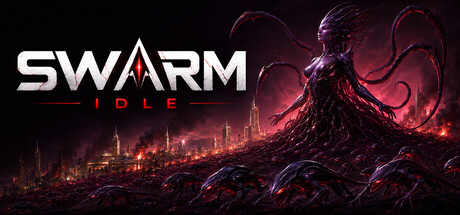
Swarm Idle uses generative AI as part of its development workflow to assist with localization and the creation of some visual assets. All AI-assisted content is reviewed and integrated by the developer. No generative AI is used during gameplay or at runtime.
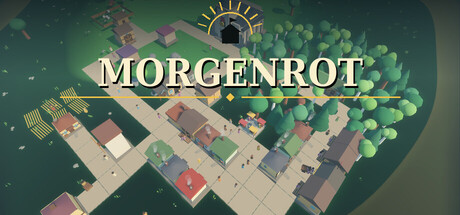
Generative AI tools were used during the development of Morgenrot to assist with programming, brainstorming, text creation, translation, and the creation of some visual assets. The game does not use generative AI to dynamically generate content during gameplay.
Dashdoce was created and directed by a single independent developer. AI-assisted tools were used to help implement, debug and test the software and to draft or polish portions of interface text, localization and store copy. All concepts, feature ideas, visual and interaction design decisions, behavior specifications and final approvals were conceived, directed and carefully curated by the developer. AI served as an implementation tool, not as the source of the product's ideas. Dashdoce does not generate content with AI while running.
Some visual assets, sound effects, and music in Wondernauts were created with the help of generative AI tools during development, then refined, validated, and integrated by the development team. All gameplay logic and game systems are human-authored.
BOOKED uses generative AI-assisted artwork for some fictional in-game book covers and selected promotional/store artwork. Generative AI was also used to assist with some fictional book titles and creative concepts. All generated content was reviewed and selected by the developer before being included in the game.
Some of the sprites and marketing material started as AI-generated art that was processed and reworked by hand before use. No content is generated by AI while the game is running.
Some of the artwork was created using AI tools. The code was also reviewed with, or assisted by, AI.
If the concept finds its audience, we intend to pay an artist to produce artwork that is not AI-generated. Artists who would like to be part of the project are welcome to join us.
Generative AI tools were used during development to assist with pre-generated visual and audio assets. Final content was reviewed and integrated under the developer’s direction. NO content is generated by AI during gameplay.
Generative AI is used to draft the written text on this store page and in our announcement and update posts. A human reads, edits and approves every line before it is published. AI coding assistants are also used while building the game. The game itself does not generate any content with AI while you play, and it does not connect to any AI service.
Generative AI tools were used during development to assist with the creation and refinement of some visual assets, text, localization, and other pre-generated game content. All AI-assisted content included in the game has been reviewed and validated by the developer. The game does not generate AI content during gameplay and does not connect to external AI services.
The music, a few sound effects. And very few of the menus have been created using AI. I know that many communities hate games with AI. And yes, lads, I’ve used it. But I can assure you that 90 per cent of the game has been lovingly crafted by a developer.
Artificial intelligence tools were utilized solely in the creation of certain promotional materials, including the game logo and Steam library artwork.
The ship and part artwork was generated with AI, then hand-edited and traced by me into the sprites and collision shapes the game actually uses.
Nothing generative runs while you play. There is no AI service wired into the build, and the game never calls one.
The music is licensed from real artists, and the sound effects come out of a script I wrote. Neither is AI.
I want to replace the AI art with work from real artists before Early Access ends. I am not going to promise a date for that, but it is what I am working toward.
Generative AI tools were used to assist in the creation of certain pre-generated 2D artwork and visual assets during development. AI-assisted artwork is reviewed, edited, and integrated by the development team to maintain the game's intended visual style and quality. No generative AI content is created live during gameplay
Some user interface elements (including UI frames, buttons, panels, and HUD background art) were created with the assistance of generative AI image tools during development, then manually edited, composited, and integrated by the development team. Promotional artwork on the store page (capsule, library header/hero images) also used generative AI assistance and was human-reviewed before publication. No AI is used to generate content during gameplay.
AI is used only for text translation/localization (in-game and store page), with every line reviewed and edited by the developer.
No AI-generated graphics, music, audio, or live content generation are used in the game.
During the development process, we may use procedural and AI-based tools to assist with content creation. In all such cases, the final product reflects the creativity and expression of our own development team.
SpaceBuddies uses generative AI tools during development to create pre-rendered content included in the game and on this store page. AI was used to help produce some 3D models (Rodin), marketing/game imagery (ChatGPT), sound effects (Eleven Labs), and background music (Suno). All AI-generated assets were reviewed and edited by the development team before release.
This game does not use generative AI to create content during gameplay, and it does not connect to third-party AI services while you play.
Tumble's visual art (character and charm illustrations, backdrops, item sprites, and store capsule art) was generated with Google's Gemini image models and then selected, cropped, retouched, colour-matched and in many cases regenerated by hand against a fixed reference style until it fit the game. Music and sound effects were generated with Suno under a commercial licence, then cut, mixed and placed by hand.
The game's design, rules, balance, and code are not generated content. Every mechanic, number and line of player-facing text was written, tested and revised by the developer, including through automated balance simulation and four rounds of human playtesting.
No content is generated live during play. Nothing in Tumble is produced at runtime by an AI model; the game runs entirely offline with no model calls of any kind.
Blood Vaults was independently developed by Cryptwake Studios with limited assistance from generative AI tools. These tools were used as part of the development workflow to assist with select visual assets, content, and development materials. The game’s design, systems, mechanics, direction, and implementation are developer-created. Any AI-assisted content appearing in the final game is reviewed, modified where appropriate, and integrated by the developer.
Generative AI was used strictly for the creation of marketing materials and store page capsule artwork. All in-game assets, including pixel art character sprites, environment tiles, animations, music, and source code, were 100% human-created.
Final Night Firefight uses generative AI tools during development to assist with the creation of some pre-generated game artwork, visual assets and music. I review, edit, and integrate all AI-assisted content as part of the game's development process. The game does not generate AI content live during gameplay.
Some visual and audio assets in this game were created with the assistance of generative AI tools, and subsequently reviewed, edited, and refined by the developer. The game does not feature live or runtime generative AI during gameplay and does not generate content based on player input.
This game uses generative AI for some visual content, including icons, logos, game art, Steam store page art, and website marketing images. Some store and website descriptions were written with AI assistance. Store, website, and marketing art is made to match the actual in-game look and design.
As part of our early access work, we have used AI-generated images as placeholders for the illustrations on our cards and leader icons. This allows us to iterate quickly and see which game mechanics players like or dislike. We will replace these with human art once we've received enough feedback to finalize what we keep or discard.
Spring Tales uses generative AI in the following way:
Some of the game's 2D pixel-art assets — including certain characters, enemies, equipment and item icons, environment tiles, and user-interface elements — were created with the help of an AI-assisted art generation tool. Every AI-assisted asset was reviewed, edited, curated, and integrated by the developer to match the game's art style and quality standards.
No generative AI runs live during gameplay. The game does not generate any content in real time while you play — all art, text, and content shipped in the game is fixed and was produced during development.
Some of Crashborn's art, audio and base 3D models were created with generative AI tools and edited by hand. They are placeholders being replaced with work from dedicated artists ahead of the 1.0 release. The game does not generate content at runtime.
Background graphics have been generated with AI. This might change during Early Access, as the goal is to replace all AI artwork by artwork made by real artists.
Some images have been generated by AI. This include the in-game background as well as the Logo and other visual assets on the steam store associated with this game.
Generative AI tools were used to support the creation and iteration of some visual assets and development-related content. All final assets are reviewed, edited, and selected by the developer before being included in the game or promotional materials. The game does not generate AI content live during gameplay.
As a solo developer, AI has been used as a tool to get the game where it is today. Primary used as a tool to help with areas of development and certain text generations.
No art or music was generated by AI. 95% of the artwork in the game is procedurally generated by code, while the rest is hand done by me. The music was also created by me specifically for the game.
AI was used in places like name and description generations for items in the game as well as some text areas within the tutorial coach text to help guide players through the initial stages of the game.
Generative AI tools were used during development for ideation and drafting/editing some marketing or descriptive text. All final content is reviewed and edited by the development team. The game does not use live-generated AI content during gameplay.
本アプリのソースコードの大部分は、人間の指示とレビューのもとでAIコーディング支援ツール(LLM)を用いて作成されています。ストアページの文章作成にもAI支援を利用しています。 / Most of this application's source code was written using AI coding tools (LLMs) under human direction and review. AI assistance was also used in preparing store page text. ロゴおよびストア用画像の一部は画像生成AIで作成しています。 / Some artwork, including the logo and store images, was created with generative AI.
Some 2D visual assets were created with assistance from generative AI, then manually edited and polished by the developer. No AI-generated content is created during gameplay.
Some of the game's visual assets (tilesets, textures, sprites) were created with the assistance of AI image generation tools (PixelLab), then manually edited and integrated by the developer. No AI is used to generate content at runtime or during gameplay.
Some pre-generated artwork and audio were created with generative AI during development. These outputs are integrated as fixed assets; the game does not generate content live during gameplay or connect to a third-party AI service during gameplay.
Generative AI tools have been used in a limited capacity to assist with pre-generated promotional content. All AI-assisted material is reviewed and curated by the developer. No generative AI is used during gameplay, and the game does not connect to external AI services.
Swarm Idle uses generative AI as part of its development workflow to assist with localization and the creation of some visual assets. All AI-assisted content is reviewed and integrated by the developer. No generative AI is used during gameplay or at runtime.
Generative AI tools were used during the development of Morgenrot to assist with programming, brainstorming, text creation, translation, and the creation of some visual assets. The game does not use generative AI to dynamically generate content during gameplay.