








Disclosure
Some Music is generated. Thats it :)
- Creator
- Soul in a flask
- Reviews
- -
- Added
- Jul 22, 2026
Public Steam disclosure research 25,394 disclosures tracked
Search developers’ Steam disclosures, compare classified AI use across games, and follow recorded changes. This index adds cross-game classifications and statistics to statements published on individual store pages.
Code help, debugging and other development work.
Capsule art, trailers and promotional material.
Pre-made art, audio, writing and other game assets.
Interactive or runtime AI features disclosed by the developer.
Groups reflect automatic analysis of public disclosures; mature records are excluded. These counts do not measure AI use across all of Steam. Missing or unclear statements cannot establish whether a game uses AI.
Some Music is generated. Thats it :)
Generative artificial intelligence has been used to generate store page thumbnails based on the developers artwork. All in game artwork has been drawn by hand by the developer.
The first version of the logo was generated by AI.
Some art assets in this game were created during development with generative AI tools (ChatGPT, Google Gemini, and Leonardo.ai), then manually selected and adjusted by the developer before release. Music and sound effects are sourced from CC0 assets on OpenGameArt.org and were not AI-generated.
Some character and environment artwork, and portions of marketing/store text, were created with the assistance of generative AI tools. All assets were selected, edited, and integrated by the developer, who has the rights to use them. No AI runs at runtime in the game.
This game uses generative AI to create its 2D artwork, including character and avatar portraits, monster and pet illustrations, item and equipment icons, location banners, and store/marketing assets. All AI-generated art was created during development, then hand-reviewed, curated, and edited by the developer before being included in the game. No AI content is generated live at runtime — everything players see ships as fixed, pre-made assets. The game's design, writing, code, and balancing are human-made.
all the pictures are generated by artificial intelligence.
The visual art assets in this game — including character and enemy portraits, item icons, environment/scene artwork, UI elements, the game icon, and the store/library capsule images — were created with the help of generative AI image tools during development. All of this content was manually reviewed, curated, and edited by the team. The game does not use generative AI in real time during gameplay.
Some 2D art assets in Brimir: Pilgrimage to the Heart (such as background illustrations and key art) were created with the help of AI image-generation tools, then reviewed and edited by the development team. Purchased asset packs and tilesets, as well as all game code, systems, and design, are not AI-generated. We have taken care to ensure the generated content does not infringe on existing intellectual property.
Some 2D art assets (weapon icons and sprites) were pre-generated using AI tools.
The development of Mind Against Fate utilized Artificial Intelligence (AI) tools to assist in the creation of specific pre-generated assets and coding workflows: - Visual Assets: The portraits for heroes and in-game item icons were initially generated using Kling.AI and Google generative tools, and were subsequently refined, detailed, and polished using graphic design software. - 3D Models: Certain 3D asset bases and models in the game were created with the assistance of Meshy.AI before being finalized and integrated into the game engine. - Coding Assistance: Development and implementation speed were enhanced using AI-assisted coding tools (Cursor AI utilizing Google Gemini and Anthropic Claude versions). We ensure that all generated content has been thoroughly reviewed and edited to meet quality standards, and contains no copyrighted or infringing materials.
This game is primarily built with pre-generated AI-assisted content, including artwork, text, localization, music, video, and marketing materials. All AI-assisted content is reviewed, selected, and edited by the developer before being included in the game or store page. The game does not use live-generated AI during gameplay and does not connect to any external AI service while running.
AI tools were used to assist in drafting some written text (in-game lore entries and store page descriptions); all such text was reviewed and edited by the developer. All artwork, animation, music, and sound effects are human-created licensed assets. The game does not use AI to generate any content at runtime.
The soundtrack was AI assisted.
Updated 8/24/2026 for Full Transparency: Send Them to Hell was built by a very small team with a very large appetite for demonic slaughter. Generative AI was used during development to create concept art and visual references for the graphic design team. These concepts were used as references during the creation and refinement of the game’s sprites and visual assets. The final assets were created and modified by the development team. The remainder of the artwork was created by human artists, who were compensated for their work and are credited in-game.
Pre-generated AI tools were used during development to assist with the creation of selected 2D artwork, visual assets, and sound effects. All AI-assisted content was reviewed, edited, and integrated by the developer. The game does not use generative AI to create content during gameplay.
This game uses generative AI as part of its art and localization pipeline. Specifically: - Character portrait artwork: The hunters' painted bust portraits (shown on the character-select screen, and reused in store page capsule art and the trailer) were generated using a local Stable Diffusion XL model with a custom LoRA, then composited by hand into final scenes. - Localization: UI text translations for French, German, Spanish (Spain), Spanish (Latin America), Portuguese (Brazil), Italian, Polish, and Turkish were produced with AI assistance and reviewed before shipping. All AI-assisted content was reviewed by the development team before inclusion. No content is generated live or in response to player input during gameplay — all AI-assisted assets are fixed at build time.
Players may select a preset worldview and character template, or customize their own worldview and character settings before starting the game. They can interact via text typing in the in-game chat window, as well as click AI-provided options to engage with AI-generated content.
AI was used to create the tools (Level Editor, Character Editor, Sound & Menu editors), the sounds/music, assets and advanced gameplay functions.
During the development of this game, generative AI technologies were utilized to assist in creating certain 3D models and character/environmental textures. All AI-assisted assets have been manually refined, optimized, and reviewed to ensure high quality and full compliance with platform copyright policies.
Some visual assets and audio assets used in this game were created or assisted using generative AI tools. All AI-generated content has been reviewed, edited, and integrated by the developer as part of the game's production process. The game does not generate content using AI during gameplay.
AI used to make pieces of capsule art then assembled and edited in photopea (free online photoshop). All the content in the game, dialogues, colors, quests, items, icons, layouts, proc gen, easter eggs, everything is handcrafted, handpicked and intentionally placed by me, or is a CC0 licenced asset which will be credited upon game's full release.
Some visual assets, concept art, character portraits, promotional images, and store-related materials may be created or assisted using generative AI tools. All AI-assisted content is reviewed and edited by the developer before use. The game does not use real-time AI generation during gameplay.
Using AI-assisted drawing
AI tools were used during development. The interface translations (English, French, German, Italian and Portuguese) and the log translations were generated with AI assistance, under the developer's direction and with human review. The game does not generate AI content at runtime.
The entirety of the game from the code to the art to the music WAS GENERATED WITH AI. This is not a disguise, I do not know how to build an entire game from scratch by myself. The story, characters, and concept art was created entirely by me and partly with my best friend Xavier, but everything in game is made using AI.
Lumenfall is built by a small studio using AI-assisted development tools. Some pre-generated content — including portions of the game's code, the store page text, and the 2D promotional/capsule artwork and achievement icons — was created with the help of AI tools, always under human direction and review. The game does not generate any content with AI at runtime; everything you play is fixed, hand-tuned content.
Some illustrations and background art were pre-generated using AI image tools, then manually curated, edited, and tone-matched by the developer. All game text, game design, and code are human-authored. The game does not generate any content with AI at runtime.
Some of our units are AI-generated
imge,music
During development, generative AI tools were used to create temporary 2D images, rough visual assets, and concept art. These assets are used as prototypes and references during the development phase. In the final version of the game, they will be replaced with original, hand-crafted assets.
Some images are generated using AI
Severwood uses generative AI as part of its development. Many visual assets — including character art, backgrounds, and card illustrations — were created with the assistance of AI image-generation tools, then selected, edited, and assembled by the developer to fit the game's art direction. Some code was written with AI assistance, directed and reviewed by the developer. Game design, writing, planning, and systems are created and directed by the human developer. No AI-generated content is produced live during gameplay; all assets are fixed and were finalized during development.
This game utilizes artificial intelligence (AI) tools to assist in generating some of the promotional materials on the store page, as well as certain in-game visual assets
Generative AI was used during development to help draft and edit some in-game text, such as card descriptions and UI copy. All AI-assisted text was reviewed and finalized by the developer before shipping. The game does not generate content live using AI.
Some of this game's assets were created with the assistance of generative AI tools, then curated, edited, and integrated by the developer. This includes art assets such as character portraits, location backgrounds, and promotional artwork, as well as sound. The game's code was written with AI coding tools under the developer's direction. The game's design, systems, writing, and creative direction are human-authored and directed.
The development of this game utilizes generative artificial intelligence tools to create some pre-rendered graphic assets, visual interface elements, and sound effects that are part of the arena's atmosphere.
MindGate's content—including character illustrations, related store and promotional images, and in-game text—is created by the developer using generative AI tools. The developer directs, selects, edits, and finalizes every asset, and makes all gameplay design and balance decisions.
Some non-gameplay assets in this game (backgrounds, environment and concept art) were created using AI-assisted workflows, specifically: Runecraft AI (in-house workflow), Higgsfield and Pixellabs (select assets). The game's music is produced through studio recordings with live-played instruments; Suno is used supplementarily for optimizations and atmospheric additions. The majority of all game content (characters, sprites and core assets) is hand-crafted; AI is a supplementary tool in the production process. The shipped game does not generate any content at runtime via AI.
Character portraits were created by transforming and editing licensed 3D character assets from PV Games using generative AI, followed by manual editing and refinement.
Storytelling Artworks
Generative AI tools were used to assist in creating pre-generated visual artwork, including concept art, key art, and promotional images used for the Steam store page and marketing materials. All AI-assisted visual assets are static, reviewed, selected, and edited by the developer to match the game's dark sci-fi visual direction. The game does not use live generative AI to create gameplay, player-generated content, dialogue, images, audio, or other content during gameplay.
Some of the game's 2D artwork — including character selection images and user interface elements — was created with the help of generative AI tools. All AI-generated assets were reviewed and curated by our team before being included in the game.
Store and marketing art assets were created with the assistance of generative AI image tools, based on the developer's original prompts. All other game content is human-authored. No AI content is generated during gameplay.
Some of the game's 2D art (character sprites, scenery, item icons and store artwork) was created with the help of generative AI image tools, then curated, edited and integrated by the team. Parts of the game's code were written with AI assistance under developer direction. All AI-assisted content was reviewed by the developers. The game does NOT generate AI content at runtime and does NOT connect to any external AI service.
The background music was created with Suno and the intro narration with ElevenLabs. This content was generated during development, reviewed by the developer, and baked into the build. All sound effects are synthesized in code at runtime and all art is generated procedurally in code — neither is AI.
A small number of in-game icons were generated using AI tools. All generated assets were reviewed and integrated by the developer.
Some 3D assets, 2D artwork, and marketing materials were created using AI-assisted tools.
During production we use generative AI in one narrow way: internal placeholders. Rough concept sketches and scratch voice lines hold a spot while the real assets are being made. Every placeholder is flagged in-engine, and none of it ships in the game players buy — the release version contains no generative AI content. Testers in early builds may spot flagged placeholders; that's what the flags are for. All art, writing, and voice work in the finished game is made by people. We know even placeholder use is a fair thing to question, so where we do use these tools, we aim for ones that license their training data and compensate the creators behind it.
Thousand Ward uses generative AI as part of the development pipeline to help create and refine some visual assets, including promotional artwork, background illustrations, event imagery, and supporting art concepts. Gameplay systems, balance, progression, and player-facing game design are authored and reviewed by the development team.
| Title⇅ | Disclosure | Creator⇅ | Src | Reviews⇅ | Added↓ |
|---|---|---|---|---|---|
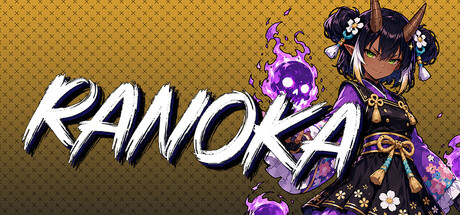 Ranoka In-game content audio | Some Music is generated. Thats it :) | Soul in a flask | - | Jul 22, 2026 | |
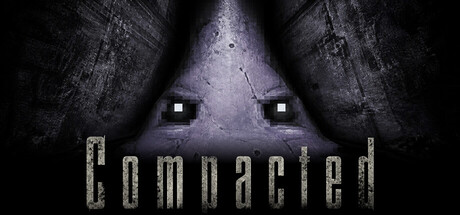 Compacted Store/marketing art | Generative artificial intelligence has been used to generate store page thumbnails based on the developers artwork. All in game artwork has been drawn by hand by the developer. | GTGD | - | Jul 21, 2026 | |
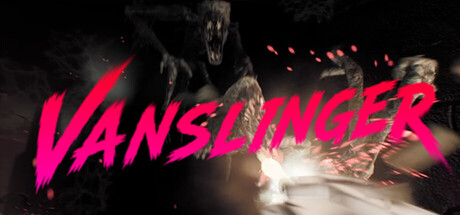 Vanslinger Store/marketing art | The first version of the logo was generated by AI. | Lukasz Sopata | - | Jul 20, 2026 | |
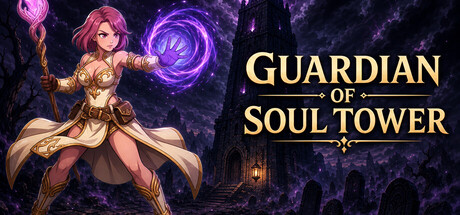 Guardian of soul tower In-game content art | Some art assets in this game were created during development with generative AI tools (ChatGPT, Google Gemini, and Leonardo.ai), then manually selected and adjusted by the developer before release.
Music and sound effects are sourced from CC0 assets on OpenGameArt.org and were not AI-generated. | Nigate88 Studio | - | Jul 20, 2026 | |
 Aethermoor In-game content arttext | Some character and environment artwork, and portions of marketing/store text, were created with the assistance of generative AI tools. All assets were selected, edited, and integrated by the developer, who has the rights to use them. No AI runs at runtime in the game. | Jonathan Cogswell | - | Jul 20, 2026 | |
 Chronicles Of Lumethis In-game content art | This game uses generative AI to create its 2D artwork, including character and avatar portraits, monster and pet illustrations, item and equipment icons, location banners, and store/marketing assets.
All AI-generated art was created during development, then hand-reviewed, curated, and edited by the developer before being included in the game.
No AI content is generated live at runtime — everything players see ships as fixed, pre-made assets. The game's design, writing, code, and balancing are human-made. | YAY Games | - | Jul 18, 2026 | |
 Visual Novel: There Are No Coincidences Store/marketing art | all the pictures are generated by artificial intelligence. | Reanim Games | - | Jul 18, 2026 | |
 Mnema: The Fallen Remembered In-game content art | The visual art assets in this game — including character and enemy portraits, item icons, environment/scene artwork, UI elements, the game icon, and the store/library capsule images — were created with the help of generative AI image tools during development. All of this content was manually reviewed, curated, and edited by the team. The game does not use generative AI in real time during gameplay. | Ukammi | - | Jul 18, 2026 | |
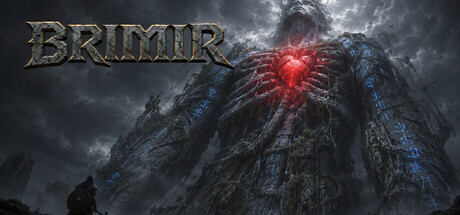 Brimir: Pilgrimage to the Heart In-game content art | Some 2D art assets in Brimir: Pilgrimage to the Heart (such as background illustrations and key art) were created with the help of AI image-generation tools, then reviewed and edited by the development team. Purchased asset packs and tilesets, as well as all game code,
systems, and design, are not AI-generated. We have taken care to ensure the generated content does not infringe on existing intellectual property. | SANG WOOK KIM | 27 | Jul 18, 2026 | |
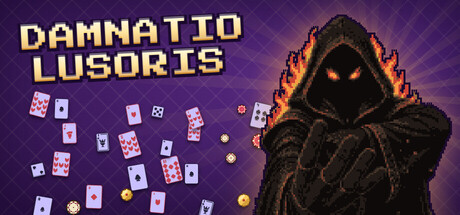 Damnatio Lusoris In-game content art | Some 2D art assets (weapon icons and sprites) were pre-generated using AI tools. | Cursed Die Studio | - | Jul 18, 2026 | |
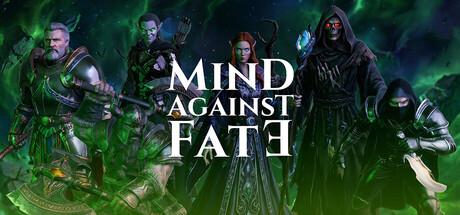 Mind Against Fate In-game content artcode | The development of Mind Against Fate utilized Artificial Intelligence (AI) tools to assist in the creation of specific pre-generated assets and coding workflows:
- Visual Assets: The portraits for heroes and in-game item icons were initially generated using Kling.AI and Google generative tools, and were subsequently refined, detailed, and polished using graphic design software.
- 3D Models: Certain 3D asset bases and models in the game were created with the assistance of Meshy.AI before being finalized and integrated into the game engine.
- Coding Assistance: Development and implementation speed were enhanced using AI-assisted coding tools (Cursor AI utilizing Google Gemini and Anthropic Claude versions).
We ensure that all generated content has been thoroughly reviewed and edited to meet quality standards, and contains no copyrighted or infringing materials. | Mind Against Fate | - | Jul 18, 2026 | |
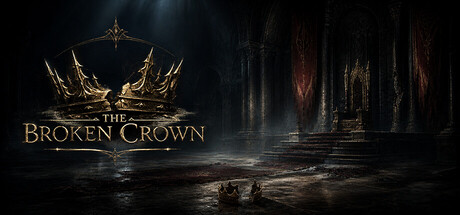 The Broken Crown In-game content arttextaudio | This game is primarily built with pre-generated AI-assisted content, including artwork, text, localization, music, video, and marketing materials. All AI-assisted content is reviewed, selected, and edited by the developer before being included in the game or store page. The game does not use live-generated AI during gameplay and does not connect to any external AI service while running. | PiperFox | - | Jul 18, 2026 | |
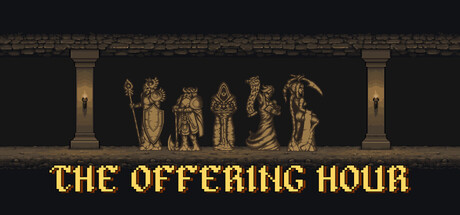 The Offering Hour In-game content text | AI tools were used to assist in drafting some written text (in-game lore entries and store page descriptions); all such text was reviewed and edited by the developer. All artwork, animation, music, and sound effects are human-created licensed assets. The game does not use AI to generate any content at runtime. | mazestepsstudio | - | Jul 18, 2026 | |
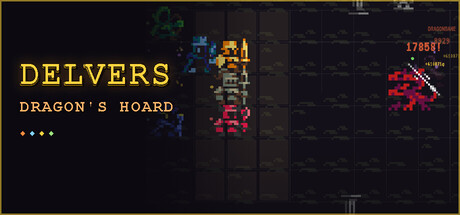 DELVERS: Dragon's Hoard In-game content audio | The soundtrack was AI assisted. | Ilia Reingold | - | Jul 18, 2026 | |
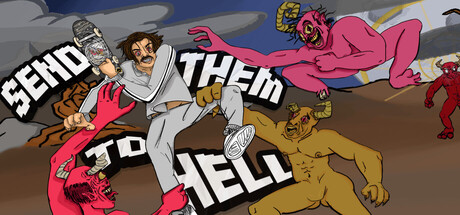 Send Them to Hell In-game content art | Updated 8/24/2026 for Full Transparency:
Send Them to Hell was built by a very small team with a very large appetite for demonic slaughter. Generative AI was used during development to create concept art and visual references for the graphic design team. These concepts were used as references during the creation and refinement of the game’s sprites and visual assets. The final assets were created and modified by the development team. The remainder of the artwork was created by human artists, who were compensated for their work and are credited in-game. | cbgames | - | Jul 18, 2026 | |
 Ashrun Survivors In-game content artaudio | Pre-generated AI tools were used during development to assist with the creation of selected 2D artwork, visual assets, and sound effects. All AI-assisted content was reviewed, edited, and integrated by the developer. The game does not use generative AI to create content during gameplay. | Nicholas Schmitz | - | Jul 17, 2026 | |
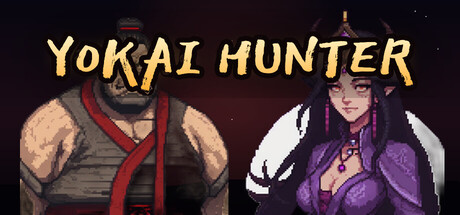 Yokai Hunter In-game content arttext | This game uses generative AI as part of its art and localization pipeline. Specifically:
- Character portrait artwork: The hunters' painted bust portraits (shown on the character-select screen, and reused in store page capsule art and the trailer) were generated using a local Stable Diffusion XL model with a custom LoRA, then composited by hand into final scenes.
- Localization: UI text translations for French, German, Spanish (Spain), Spanish (Latin America), Portuguese (Brazil), Italian, Polish, and Turkish were produced with AI assistance and reviewed before shipping.
All AI-assisted content was reviewed by the development team before inclusion. No content is generated live or in response to player input during gameplay — all AI-assisted assets are fixed at build time. | Shrimp Gang Studio | - | Jul 17, 2026 | |
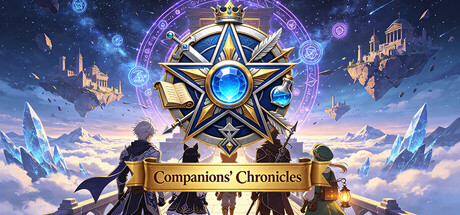 Companions' Chronicles Live AI text | Players may select a preset worldview and character template, or customize their own worldview and character settings before starting the game. They can interact via text typing in the in-game chat window, as well as click AI-provided options to engage with AI-generated content. | TLSoul | - | Jul 17, 2026 | |
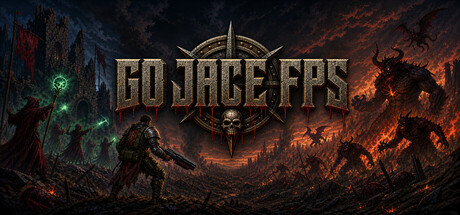 Go Jace FPS In-game content audioartcode | AI was used to create the tools (Level Editor, Character Editor, Sound & Menu editors), the sounds/music, assets and advanced gameplay functions. | Bohloney | - | Jul 17, 2026 | |
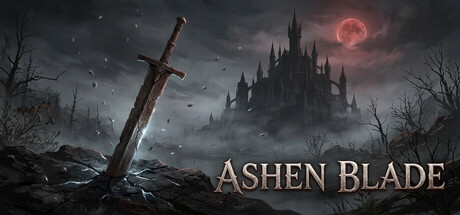 Ashen Blade In-game content art | During the development of this game, generative AI technologies were utilized to assist in creating certain 3D models and character/environmental textures. All AI-assisted assets have been manually refined, optimized, and reviewed to ensure high quality and full compliance with platform copyright policies. | Li Zhi | - | Jul 17, 2026 | |
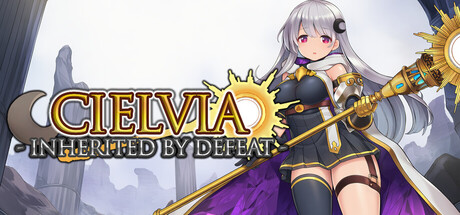 Cielvia-Inherited By Defeat- In-game content artaudio | Some visual assets and audio assets used in this game were created or assisted using generative AI tools. All AI-generated content has been reviewed, edited, and integrated by the developer as part of the game's production process. The game does not generate content using AI during gameplay. | 桃茂フェリス | - | Jul 17, 2026 | |
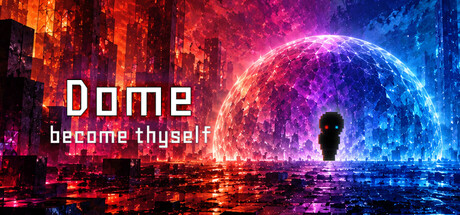 Dome In-game content art | AI used to make pieces of capsule art then assembled and edited in photopea (free online photoshop). All the content in the game, dialogues, colors, quests, items, icons, layouts, proc gen, easter eggs, everything is handcrafted, handpicked and intentionally placed by me, or is a CC0 licenced asset which will be credited upon game's full release. | Nenad Juric | - | Jul 17, 2026 | |
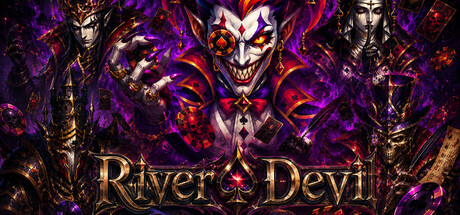 RiverDevil Store/marketing art | Some visual assets, concept art, character portraits, promotional images, and store-related materials may be created or assisted using generative AI tools. All AI-assisted content is reviewed and edited by the developer before use. The game does not use real-time AI generation during gameplay. | Brown Eaves Game Studio | - | Jul 15, 2026 | |
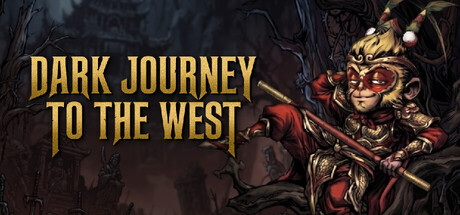 Dark Journey to the West Unclear art | Using AI-assisted drawing | QingHe Games | - | Jul 15, 2026 | |
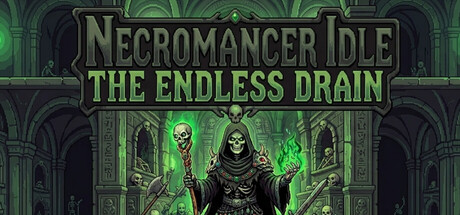 Necromancer Idle: The Endless Drain In-game content text | AI tools were used during development.
The interface translations (English, French, German, Italian and Portuguese) and the log translations were generated with AI assistance, under the developer's direction and with human review. The game does not generate AI content at runtime. | JBlivion | 15 | Jul 15, 2026 | |
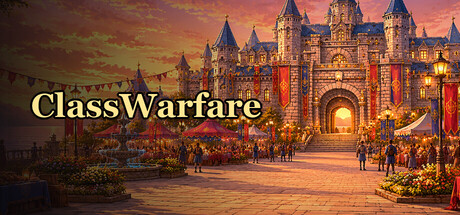 ClassWarfare In-game content artaudiotextcode | The entirety of the game from the code to the art to the music WAS GENERATED WITH AI. This is not a disguise, I do not know how to build an entire game from scratch by myself. The story, characters, and concept art was created entirely by me and partly with my best friend Xavier, but everything in game is made using AI. | LivingDew | - | Jul 15, 2026 | |
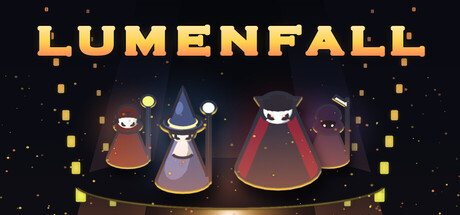 Lumenfall In-game content codetextart | Lumenfall is built by a small studio using AI-assisted development tools. Some pre-generated content — including portions of the game's code, the store page text, and the 2D promotional/capsule artwork and achievement icons — was created with the help of AI tools, always under human direction and review. The game does not generate any content with AI at runtime; everything you play is fixed, hand-tuned content. | Luminary Analytics | - | Jul 15, 2026 | |
 THE UNREMEMBERED In-game content art | Some illustrations and background art were pre-generated using AI image tools, then manually curated, edited, and tone-matched by the developer. All game text, game design, and code are human-authored. The game does not generate any content with AI at runtime. | cksxoo | - | Jul 15, 2026 | |
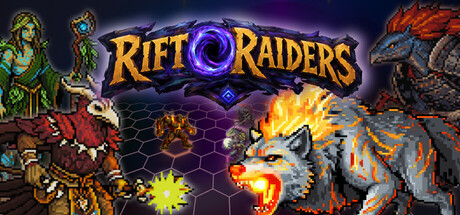 Rift Raiders In-game content art | Some of our units are AI-generated | Gooder Games | - | Jul 15, 2026 | |
 Sword of Ace Unclear artaudio | imge,music | Gemma Soft | - | Jul 15, 2026 | |
 Novis Dev only art | During development, generative AI tools were used to create temporary 2D images, rough visual assets, and concept art.
These assets are used as prototypes and references during the development phase. In the final version of the game, they will be replaced with original, hand-crafted assets. | Umbra Team | - | Jul 15, 2026 | |
 Reforge Eden: Overlord Unclear art | Some images are generated using AI | Scherzo Games | - | Jul 15, 2026 | |
 Severwood In-game content artcode | Severwood uses generative AI as part of its development. Many visual assets — including character art, backgrounds, and card illustrations — were created with the assistance of AI image-generation tools, then selected, edited, and assembled by the developer to fit the game's art direction. Some code was written with AI assistance, directed and reviewed by the developer. Game design, writing, planning, and systems are created and directed by the human developer. No AI-generated content is produced live during gameplay; all assets are fixed and were finalized during development. | Eeriecast | - | Jul 13, 2026 | |
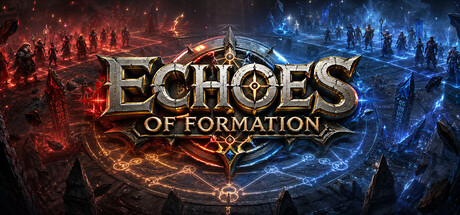 Echoes Of Formation art | This game utilizes artificial intelligence (AI) tools to assist in generating some of the promotional materials on
the store page, as well as certain in-game visual assets | Nanjing Shangxiangyujiu Network Technology Co., Ltd. | - | Jul 13, 2026 | |
 Theocide In-game content text | Generative AI was used during development to help draft and edit some in-game text, such as card descriptions and UI copy. All AI-assisted text was reviewed and finalized by the developer before shipping. The game does not generate content live using AI. | Fenexware | 13 | Jul 11, 2026 | |
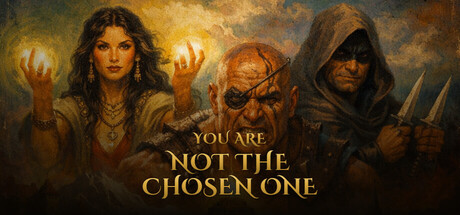 You Are Not the Chosen One In-game content artaudiocode | Some of this game's assets were created with the assistance of generative AI tools, then curated, edited, and integrated by the developer. This includes art assets such as character portraits, location backgrounds, and promotional artwork, as well as sound. The game's code was written with AI coding tools under the developer's direction. The game's design, systems, writing, and creative direction are human-authored and directed. | Acharya Interactive | - | Jul 11, 2026 | |
 MEGA GOAT FOOTBALL: Cyberia Arena In-game content artaudio | The development of this game utilizes generative artificial intelligence tools to create some pre-rendered graphic assets, visual interface elements, and sound effects that are part of the arena's atmosphere. | Balderrama Marcos Leonardo | - | Jul 11, 2026 | |
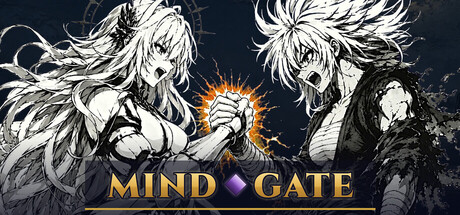 MindGate In-game content arttext | MindGate's content—including character illustrations, related store and promotional images, and in-game text—is created by the developer using generative AI tools. The developer directs, selects, edits, and finalizes every asset, and makes all gameplay design and balance decisions. | inkmoon_dev | - | Jul 11, 2026 | |
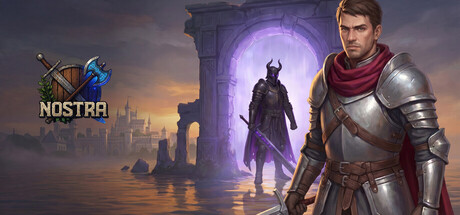 NOSTRA In-game content artaudio | Some non-gameplay assets in this game (backgrounds, environment and concept art) were created using AI-assisted workflows, specifically: Runecraft AI (in-house workflow), Higgsfield and Pixellabs (select assets). The game's music is produced through studio recordings with live-played instruments; Suno is used supplementarily for optimizations and atmospheric additions. The majority of all game content (characters, sprites and core assets) is hand-crafted; AI is a supplementary tool in the production process. The shipped game does not generate any content at runtime via AI. | Runecraft Studios | - | Jul 11, 2026 | |
 Mistworld In-game content art | Character portraits were created by transforming and editing licensed 3D character assets from PV Games using generative AI, followed by manual editing and refinement. | ProjectMist | - | Jul 11, 2026 | |
 Dawnreach: Veil of the Breach Unclear textart | Storytelling
Artworks | PixelDB Studio | - | Jul 9, 2026 | |
 LAST CORE:BROKE LINK Store/marketing art | Generative AI tools were used to assist in creating pre-generated visual artwork, including concept art, key art, and promotional images used for the Steam store page and marketing materials.
All AI-assisted visual assets are static, reviewed, selected, and edited by the developer to match the game's dark sci-fi visual direction.
The game does not use live generative AI to create gameplay, player-generated content, dialogue, images, audio, or other content during gameplay. | LAST CORE STUDIO | - | Jul 9, 2026 | |
 Impostor Syndrom In-game content art | Some of the game's 2D artwork — including character selection images and user interface elements — was created with the help of generative AI tools. All AI-generated assets were reviewed and curated by our team before being included in the game. | Alphgocipher | - | Jul 9, 2026 | |
 The Keeper's Path In-game content art | Store and marketing art assets were created with the assistance of generative AI image tools, based on the developer's original prompts. All other game content is human-authored. No AI content is generated during gameplay. | Call Yourself a Lord Studios | - | Jul 8, 2026 | |
 Idle of the Dead In-game content artcode | Some of the game's 2D art (character sprites, scenery, item icons and store artwork) was created with the help of generative AI image tools, then curated, edited and integrated by the team. Parts of the game's code were written with AI assistance under developer direction. All AI-assisted content was reviewed by the developers. The game does NOT generate AI content at runtime and does NOT connect to any external AI service. | Sucata Studio | - | Jul 8, 2026 | |
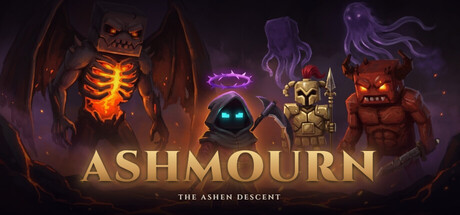 Ashmourn In-game content audio | The background music was created with Suno and the intro narration with ElevenLabs. This content was generated during development, reviewed by the developer, and baked into the build. All sound effects are synthesized in code at runtime and all art is generated procedurally in code — neither is AI. | Yasin Demir | - | Jul 8, 2026 | |
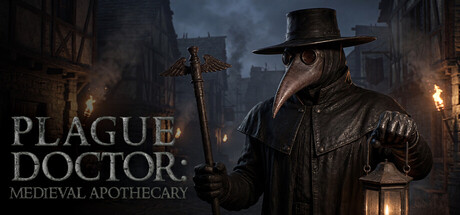 The Beak Doctor In-game content art | A small number of in-game icons were generated using AI tools. All generated assets were reviewed and integrated by the developer. | Immersion Interactive | - | Jul 8, 2026 | |
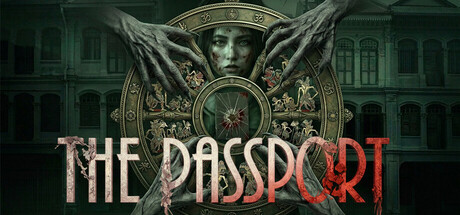 The Passport In-game content art | Some 3D assets, 2D artwork, and marketing materials were created using AI-assisted tools. | KOEX studio | - | Jul 8, 2026 | |
 Arcflame Frontiers In-game content artaudiotext | During production we use generative AI in one narrow way: internal placeholders. Rough concept sketches and scratch voice lines hold a spot while the real assets are being made. Every placeholder is flagged in-engine, and none of it ships in the game players buy — the release version contains no generative AI content. Testers in early builds may spot flagged placeholders; that's what the flags are for. All art, writing, and voice work in the finished game is made by people. We know even placeholder use is a fair thing to question, so where we do use these tools, we aim for ones that license their training data and compensate the creators behind it. | Codename Red Studio | - | Jul 8, 2026 | |
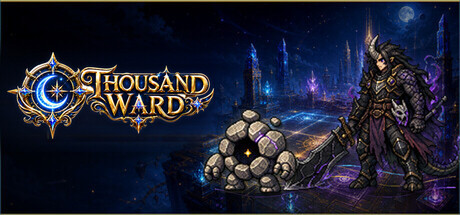 Thousand Ward In-game content art | Thousand Ward uses generative AI as part of the development pipeline to help create and refine some visual assets, including promotional artwork, background illustrations, event imagery, and supporting art concepts. Gameplay systems, balance, progression, and player-facing game design are authored and reviewed by the development team. | Veles Labs | - | Jul 8, 2026 |


