Public Steam disclosure research25,380 disclosures tracked
Where do games disclose AI use?
Search developers’ Steam disclosures, compare classified AI use across
games, and follow recorded changes.
This index adds cross-game classifications and statistics to
statements published on individual store pages.
Groups reflect automatic analysis of public disclosures; mature records are excluded. These counts do not measure AI use across all of Steam.
Missing or unclear statements cannot establish whether a game uses AI.
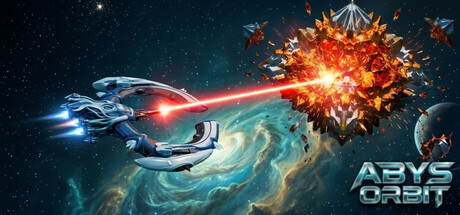
Most of the 2D art in Abys Orbit is AI-assisted, generated with Google Gemini
during development. Ship and NPC sprite sheets begin as Gemini concept images,
are converted to 3D meshes with Meshy.ai, and are then rendered to 2D sprites
in Blender. One dashboard background is a NASA public-domain photograph revised
with AI. All AI-generated assets are reviewed and edited by us before shipping.
The following content is NOT AI-generated: rank insignia (drawn by hand in
Adobe Illustrator), the Scout ship model (a commercially licensed 3D asset
rendered in 3ds Max), UI and research icons (licensed from CraftPix under their
commercial license), two NASA public-domain images, and all audio, which we
produced ourselves.
No AI-generated content is created at runtime; all generation happens during
development.
Generative AI tools were used to assist with the creation of some visual assets and music for the game. The resulting content was reviewed, edited, and integrated by the development team.
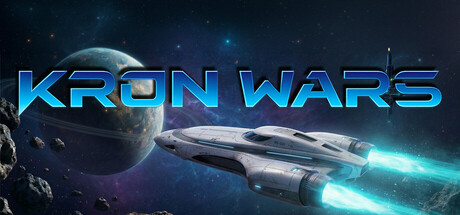
Some visual assets in Kron Wars — including spaceship designs, environment artwork, and promotional videos — were created with the assistance of generative AI tools. All AI-generated content has been reviewed, curated, and integrated by our development team. No AI is used to generate gameplay content, in-game text, or player-facing decisions at runtime.
Artificial intelligence tools were used throughout development, assisting with the game’s programming as well as the creation of capsule artwork and other minor graphical assets.
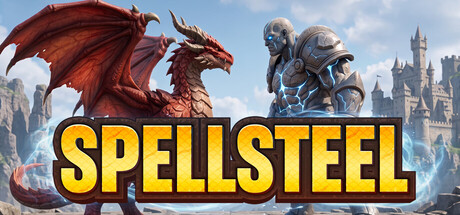
Some pre-created content in SPELLSTEEL was developed with the assistance of generative AI as part of a human-directed creative process. SPELLSTEEL does not use generative AI to generate gameplay content or player-facing content in real time.
Lo-Fi with Ruka includes optional live generative AI features. Players may provide their own DeepSeek and StepFun API keys to generate short companion chat replies, personalized study-story chapters, and synthesized voice. These features are disabled without player-provided keys. Prompts, the current focus goal or status, and limited recent non-sensitive study context are sent only to the selected providers. API keys and generated content remain local and are not uploaded to Steam Cloud.
AI was employed strictly for technical assistance (code debugging, music scripting, and refining translations). All AI-assisted content was manually reviewed.
Portions of the game's artwork and promotional graphics were created with the assistance of generative AI and then reviewed, edited, and integrated by the developer. No live AI-generated content is produced during gameplay.
Generative AI tools were used during development to assist with the creation of certain visual assets, 3D assets, textures, localization text, and other pre-generated content included with the product. All such content has been manually reviewed, selected, and edited by the developer to ensure quality and to avoid illegal, infringing, or impersonating content.
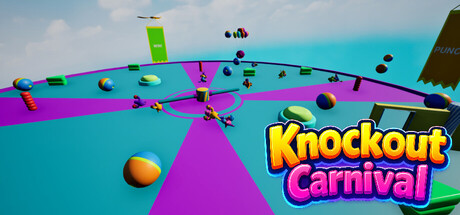
Knockout Carnival contains pre-generated AI-assisted artwork used for a limited selection of character icons, profile icons, emotes, sprays, and a chest icon. No AI content is generated during gameplay.
Some of the art assets in Battle of Plans were produced with AI-assisted
tools. Specifically, a number of 3D props (weapon models) were created using
AI-assisted 3D generation and then manually retopologized, re-textured and
integrated by our team, and some promotional/store images were created with
AI image tools. Every AI-assisted asset was reviewed by a human before it
shipped.
Localization into languages other than Turkish and English was produced with
machine translation.
The game does not generate any content while you play: there is no AI chat,
no AI-generated dialogue, and no runtime asset generation. Player chat is
written by players and filtered server-side.
This game uses AI-generated artwork for many character portraits and illustrations, as well as some store page assets (capsule images, logo) and trailer visuals. Core gameplay, game design, systems, and programming were created by the developer without AI assistance.
Some pre-generated artwork and visual assets used in the game and its store and marketing materials were created with generative AI tools, then selected, edited, and integrated by the development team. The game does not generate AI content during gameplay and does not connect to external AI services while you play.
Portions of the game's written content (interface text, in-game help, Russian/English localization) and store page texts were created with the assistance of AI tools, directed, reviewed and edited by the developer. All graphics are hand-coded procedural visuals and all audio is procedurally synthesized in code — no AI-generated images or audio are included.
This project is human-led and human-authored. The core concept, research direction, cultural framing, interactive decisions, visual judgement, source selection, and the final content of the work were all determined by me.
AI was used as a supporting production tool, mainly for: debugging Unity and C# errors; suggesting code structure for prototype scripts; organising local folders and repository structure; searching for public references and technical resources; and drafting editable documentation outlines that I then reviewed and revised.
AI was not used as an autonomous author. It did not decide the research direction, cultural interpretation, aesthetic intention, or final meaning of the work. AI-generated text and code were treated as working material - selected, edited, corrected, rejected, or rewritten. The personal reflection was written by me; no AI-generated text is presented as personal reflective writing.
During development, some in-game surface textures (e.g. ground/terrain tile materials) were created with the assistance of generative AI image tools and then hand-edited and integrated into the game as static assets. All such content is pre-generated and fixed at ship time; the game does not generate any content live at runtime. We have reviewed this content to ensure we have the appropriate rights to use it and that it does not infringe on the rights of others.
This app includes an optional AI chat feature: your cheer character can chat with you in real time, powered by generative AI. Using the chat feature consumes an in-app currency ("gems"), which can be purchased. A background image used on the store/library page (depicting a keyboard and a mug) was also created with the assistance of generative AI tools.
Mars Directive features autonomous AI characters powered by Large Language Models. They don't just generate dialogue—they can observe their surroundings, reason about situations, make independent decisions, interact with the environment, and communicate naturally with both the player and each other. Their behavior is guided by character definitions, gameplay context, and behavioral rules to ensure a consistent gameplay experience.
Generative AI was used as a supporting tool for localization in some languages. All AI-assisted translations were reviewed and edited by the development team. No AI-generated content is created in real time during gameplay.
This application uses generative AI technology (Large Language Models), such as Google Gemini, for character interaction and to enable characters to understand and react to your desktop environment.
Character Chat: The AI generates real-time responses based on character personalities in response to player input.
Visual Understanding (Optional): Only with player permission, the AI analyzes desktop screens or webcam images to provide context-aware reactions.
Web Search: The AI may utilize real-time internet searches to retrieve up-to-date information.
To ensure the prevention of inappropriate content generation, we have implemented custom prompt restrictions and usage limits (quotas) in addition to the standard safety filters of the AI service.
Some Steam store graphical assets for VN Engine 2D, such as capsule and library artwork, may have been created with AI assistance and were manually reviewed before submission.
VN Engine 2D is a desktop editor for creating 2D visual novels and interactive story projects. The Steam build does not include player-facing live AI generation, does not connect to external AI services during use, and does not require users to enter third-party API keys or pay for AI services outside of Steam.
This game contains some pre-generated AI-assisted artwork and music. All AI-assisted content has been reviewed, curated, and integrated by the developer. AI coding tools were also used during development.
While a vast majority of Gloomhallow was human created, it was created by a solo developer (single person) - AI assisted in very specific fields such as;
- C# Coding
- SFX Generation
- OST Creation
- Very select UI Animations
This game uses generative AI tools during development to help create some character voice lines and cutscene video sequences. AI is not used to generate live, novel content during gameplay - all AI-assisted content is pre-produced and reviewed by the development team before shipping.
This game used AI to help quickly iterate through designs for some UI elements using our own artwork as a baseline. AI is used to generate sound effects AI is also used to help translate the game.
Some of this game's visual assets (character art, icons, and UI) were created with the help of generative AI tools and were manually edited and reviewed by the developer.
Ruthless Returns is a solo-developed game built and refined over hundreds of hours. The original version was created on paper in 2022, but at the time I did not have the resources to turn it into a full game.
Early prototypes used licensed images with a simple painted treatment. It worked, but the visual style was ultimately shaped by whatever suitable assets were available. Generative AI made it possible to create artwork specifically for Ruthless Returns and give the game a much more consistent look and feel from top to bottom. AI was used for the card artwork and character voices.
That also made it possible for me to finally turn the original paper concept into a PC game. If players enjoy it, I hope to take it full circle and eventually produce Ruthless Returns as a physical board game.
Balancing combines extensive human playtesting with more than 500,000 simulated games. The simulations were used to analyze win rates, card strength, strategies and interactions across a much larger number of matches than manual playtesting alone could realistically cover.
This game uses generative AI. Some art, UI text and pet quotes were made with AI assistance and human-reviewed. The optional AI Fusion feature uses your own local Claude Code / Codex CLI to design creatures (restricted parametric vector art, schema-validated), shown on your machine and optionally shared via Steam Workshop. No online AI service, no API key.
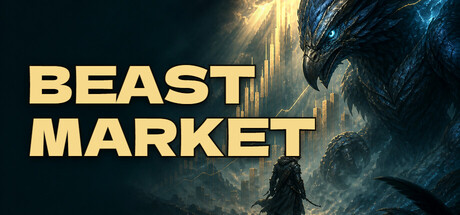
In Beast Market, generative AI tools are used during development to assist with the creation of certain game assets. This includes some character and monster artwork, background and UI art, item icons, and certain sound effects. All AI-assisted assets are reviewed, edited, curated, and approved by the development team before being included in the game.
All AI-generated content is pre-generated during development and included in the game as fixed assets. Beast Market does not generate AI content during gameplay, nor does it transmit player data to any AI system while the game is being played.
During the game's development process, the Generative AI was used as a development aid. AI was used in some game image production and code review and improvement proposals, and all final images and codes included in the game were reviewed, modified, and quality checked by developers. The AI-generated results were not used without review, and verification procedures were performed to ensure that they did not infringe copyright and third-party rights. In addition, AI does not generate content or code in real time during gameplay.
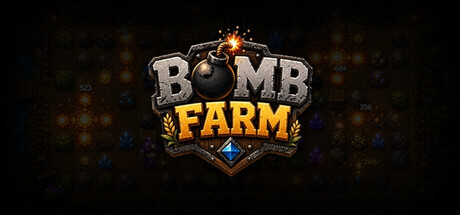
Some of the art assets in Bomb Farm - including character, item and environment artwork used in the game, on our store page and in Steam Community images - were created with the help of generative AI tools, and were then reviewed, edited and assembled by our team before being included in the build.
Bomb Farm does not generate any content with AI while you play. All content ships pre-made inside the game build; there is no live/real-time AI generation and the game does not connect to any external AI service.
Generative AI tools were used to help create some of StarFrame's content: certain promotional artwork on the store page, and some in-game text such as tutorial instructions and item descriptions. These were reviewed, adjusted, and finalized by the development team manually.
This game is intended as a criticism of generative AI. The main premise of the game is fighting AI Slop as such we used existing AI images for the enemies and environment. We did not generate any of these images ourselves. All AI art used in the game is pre-existing and found on the internet.
This game uses AI generated content. Some 2D artwork on the store page and in the game was created using generative AI tools during development. All AI generated art was reviewed and edited by our team before being used.
What type of code?
Game logic, UI systems, audio management, and narrative engine code written in Python with PySide6.
How are you using it?
AI (Claude) was used as a coding assistant during development. The developer directed all features, reviewed all generated code, tested functionality, and made final implementation decisions. The AI assisted with writing and debugging code based on human specifications.
(AI was used as a coding assistant. All code was human-reviewed, tested, and approved before implementation. The game is offline single-player with no features that could enable malicious use.)
Most of the 2D art in Abys Orbit is AI-assisted, generated with Google Gemini
during development. Ship and NPC sprite sheets begin as Gemini concept images,
are converted to 3D meshes with Meshy.ai, and are then rendered to 2D sprites
in Blender. One dashboard background is a NASA public-domain photograph revised
with AI. All AI-generated assets are reviewed and edited by us before shipping.
The following content is NOT AI-generated: rank insignia (drawn by hand in
Adobe Illustrator), the Scout ship model (a commercially licensed 3D asset
rendered in 3ds Max), UI and research icons (licensed from CraftPix under their
commercial license), two NASA public-domain images, and all audio, which we
produced ourselves.
No AI-generated content is created at runtime; all generation happens during
development.
Generative AI tools were used to assist with the creation of some visual assets and music for the game. The resulting content was reviewed, edited, and integrated by the development team.
Some visual assets in Kron Wars — including spaceship designs, environment artwork, and promotional videos — were created with the assistance of generative AI tools. All AI-generated content has been reviewed, curated, and integrated by our development team. No AI is used to generate gameplay content, in-game text, or player-facing decisions at runtime.
Artificial intelligence tools were used throughout development, assisting with the game’s programming as well as the creation of capsule artwork and other minor graphical assets.
Some pre-created content in SPELLSTEEL was developed with the assistance of generative AI as part of a human-directed creative process. SPELLSTEEL does not use generative AI to generate gameplay content or player-facing content in real time.
Lo-Fi with Ruka includes optional live generative AI features. Players may provide their own DeepSeek and StepFun API keys to generate short companion chat replies, personalized study-story chapters, and synthesized voice. These features are disabled without player-provided keys. Prompts, the current focus goal or status, and limited recent non-sensitive study context are sent only to the selected providers. API keys and generated content remain local and are not uploaded to Steam Cloud.
AI was employed strictly for technical assistance (code debugging, music scripting, and refining translations). All AI-assisted content was manually reviewed.
Portions of the game's artwork and promotional graphics were created with the assistance of generative AI and then reviewed, edited, and integrated by the developer. No live AI-generated content is produced during gameplay.
Generative AI tools were used during development to assist with the creation of certain visual assets, 3D assets, textures, localization text, and other pre-generated content included with the product. All such content has been manually reviewed, selected, and edited by the developer to ensure quality and to avoid illegal, infringing, or impersonating content.
Knockout Carnival contains pre-generated AI-assisted artwork used for a limited selection of character icons, profile icons, emotes, sprays, and a chest icon. No AI content is generated during gameplay.
Some of the art assets in Battle of Plans were produced with AI-assisted
tools. Specifically, a number of 3D props (weapon models) were created using
AI-assisted 3D generation and then manually retopologized, re-textured and
integrated by our team, and some promotional/store images were created with
AI image tools. Every AI-assisted asset was reviewed by a human before it
shipped.
Localization into languages other than Turkish and English was produced with
machine translation.
The game does not generate any content while you play: there is no AI chat,
no AI-generated dialogue, and no runtime asset generation. Player chat is
written by players and filtered server-side.
This game uses AI-generated artwork for many character portraits and illustrations, as well as some store page assets (capsule images, logo) and trailer visuals. Core gameplay, game design, systems, and programming were created by the developer without AI assistance.
Some pre-generated artwork and visual assets used in the game and its store and marketing materials were created with generative AI tools, then selected, edited, and integrated by the development team. The game does not generate AI content during gameplay and does not connect to external AI services while you play.
Portions of the game's written content (interface text, in-game help, Russian/English localization) and store page texts were created with the assistance of AI tools, directed, reviewed and edited by the developer. All graphics are hand-coded procedural visuals and all audio is procedurally synthesized in code — no AI-generated images or audio are included.
This project is human-led and human-authored. The core concept, research direction, cultural framing, interactive decisions, visual judgement, source selection, and the final content of the work were all determined by me.
AI was used as a supporting production tool, mainly for: debugging Unity and C# errors; suggesting code structure for prototype scripts; organising local folders and repository structure; searching for public references and technical resources; and drafting editable documentation outlines that I then reviewed and revised.
AI was not used as an autonomous author. It did not decide the research direction, cultural interpretation, aesthetic intention, or final meaning of the work. AI-generated text and code were treated as working material - selected, edited, corrected, rejected, or rewritten. The personal reflection was written by me; no AI-generated text is presented as personal reflective writing.
During development, some in-game surface textures (e.g. ground/terrain tile materials) were created with the assistance of generative AI image tools and then hand-edited and integrated into the game as static assets. All such content is pre-generated and fixed at ship time; the game does not generate any content live at runtime. We have reviewed this content to ensure we have the appropriate rights to use it and that it does not infringe on the rights of others.
This app includes an optional AI chat feature: your cheer character can chat with you in real time, powered by generative AI. Using the chat feature consumes an in-app currency ("gems"), which can be purchased. A background image used on the store/library page (depicting a keyboard and a mug) was also created with the assistance of generative AI tools.
Mars Directive features autonomous AI characters powered by Large Language Models. They don't just generate dialogue—they can observe their surroundings, reason about situations, make independent decisions, interact with the environment, and communicate naturally with both the player and each other. Their behavior is guided by character definitions, gameplay context, and behavioral rules to ensure a consistent gameplay experience.
Generative AI was used as a supporting tool for localization in some languages. All AI-assisted translations were reviewed and edited by the development team. No AI-generated content is created in real time during gameplay.
This application uses generative AI technology (Large Language Models), such as Google Gemini, for character interaction and to enable characters to understand and react to your desktop environment.
Character Chat: The AI generates real-time responses based on character personalities in response to player input.
Visual Understanding (Optional): Only with player permission, the AI analyzes desktop screens or webcam images to provide context-aware reactions.
Web Search: The AI may utilize real-time internet searches to retrieve up-to-date information.
To ensure the prevention of inappropriate content generation, we have implemented custom prompt restrictions and usage limits (quotas) in addition to the standard safety filters of the AI service.
Some Steam store graphical assets for VN Engine 2D, such as capsule and library artwork, may have been created with AI assistance and were manually reviewed before submission.
VN Engine 2D is a desktop editor for creating 2D visual novels and interactive story projects. The Steam build does not include player-facing live AI generation, does not connect to external AI services during use, and does not require users to enter third-party API keys or pay for AI services outside of Steam.
This game contains some pre-generated AI-assisted artwork and music. All AI-assisted content has been reviewed, curated, and integrated by the developer. AI coding tools were also used during development.
While a vast majority of Gloomhallow was human created, it was created by a solo developer (single person) - AI assisted in very specific fields such as;
- C# Coding
- SFX Generation
- OST Creation
- Very select UI Animations
This game uses generative AI tools during development to help create some character voice lines and cutscene video sequences. AI is not used to generate live, novel content during gameplay - all AI-assisted content is pre-produced and reviewed by the development team before shipping.
This game used AI to help quickly iterate through designs for some UI elements using our own artwork as a baseline. AI is used to generate sound effects AI is also used to help translate the game.
Some of this game's visual assets (character art, icons, and UI) were created with the help of generative AI tools and were manually edited and reviewed by the developer.
Ruthless Returns is a solo-developed game built and refined over hundreds of hours. The original version was created on paper in 2022, but at the time I did not have the resources to turn it into a full game.
Early prototypes used licensed images with a simple painted treatment. It worked, but the visual style was ultimately shaped by whatever suitable assets were available. Generative AI made it possible to create artwork specifically for Ruthless Returns and give the game a much more consistent look and feel from top to bottom. AI was used for the card artwork and character voices.
That also made it possible for me to finally turn the original paper concept into a PC game. If players enjoy it, I hope to take it full circle and eventually produce Ruthless Returns as a physical board game.
Balancing combines extensive human playtesting with more than 500,000 simulated games. The simulations were used to analyze win rates, card strength, strategies and interactions across a much larger number of matches than manual playtesting alone could realistically cover.
This game uses generative AI. Some art, UI text and pet quotes were made with AI assistance and human-reviewed. The optional AI Fusion feature uses your own local Claude Code / Codex CLI to design creatures (restricted parametric vector art, schema-validated), shown on your machine and optionally shared via Steam Workshop. No online AI service, no API key.
In Beast Market, generative AI tools are used during development to assist with the creation of certain game assets. This includes some character and monster artwork, background and UI art, item icons, and certain sound effects. All AI-assisted assets are reviewed, edited, curated, and approved by the development team before being included in the game.
All AI-generated content is pre-generated during development and included in the game as fixed assets. Beast Market does not generate AI content during gameplay, nor does it transmit player data to any AI system while the game is being played.
During the game's development process, the Generative AI was used as a development aid. AI was used in some game image production and code review and improvement proposals, and all final images and codes included in the game were reviewed, modified, and quality checked by developers. The AI-generated results were not used without review, and verification procedures were performed to ensure that they did not infringe copyright and third-party rights. In addition, AI does not generate content or code in real time during gameplay.
Some of the art assets in Bomb Farm - including character, item and environment artwork used in the game, on our store page and in Steam Community images - were created with the help of generative AI tools, and were then reviewed, edited and assembled by our team before being included in the build.
Bomb Farm does not generate any content with AI while you play. All content ships pre-made inside the game build; there is no live/real-time AI generation and the game does not connect to any external AI service.
Generative AI tools were used to help create some of StarFrame's content: certain promotional artwork on the store page, and some in-game text such as tutorial instructions and item descriptions. These were reviewed, adjusted, and finalized by the development team manually.
This game is intended as a criticism of generative AI. The main premise of the game is fighting AI Slop as such we used existing AI images for the enemies and environment. We did not generate any of these images ourselves. All AI art used in the game is pre-existing and found on the internet.
This game uses AI generated content. Some 2D artwork on the store page and in the game was created using generative AI tools during development. All AI generated art was reviewed and edited by our team before being used.
What type of code?
Game logic, UI systems, audio management, and narrative engine code written in Python with PySide6.
How are you using it?
AI (Claude) was used as a coding assistant during development. The developer directed all features, reviewed all generated code, tested functionality, and made final implementation decisions. The AI assisted with writing and debugging code based on human specifications.
(AI was used as a coding assistant. All code was human-reviewed, tested, and approved before implementation. The game is offline single-player with no features that could enable malicious use.)