Public Steam disclosure research25,380 disclosures tracked
Where do games disclose AI use?
Search developers’ Steam disclosures, compare classified AI use across
games, and follow recorded changes.
This index adds cross-game classifications and statistics to
statements published on individual store pages.
Groups reflect automatic analysis of public disclosures; mature records are excluded. These counts do not measure AI use across all of Steam.
Missing or unclear statements cannot establish whether a game uses AI.
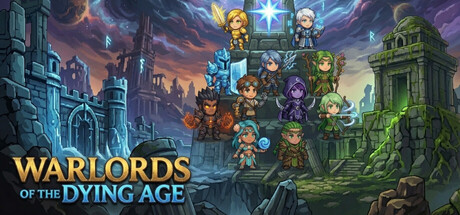
This game was built extensively with generative AI. AI tools were used to assist with code development, pixel art generation, music composition, sound effect creation, voice acting, dialogue writing, story design, and game design.
The Steam store page banners and promotional materials were created with the help of generative AI tools. The in-game assets were either manually created or edited afterward, while certain marketing visuals (such as headers, capsules, and banners) contain AI-generated elements.
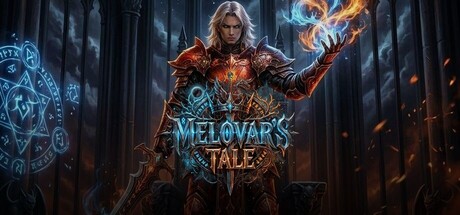
A lot of the artwork in Melovar's Tale, including the card, relic and character illustrations were created with the assistance of AI tools. All AI Generated items were reviewed, curated, and refined to ensure they meet the game visual and thematic standards. There isn't any AI content generated live during the game.
Game art assets are generated using AI tools to create initial concept art, which is then manually adjusted and modified by artists. The final works combine AI-generated foundational designs with human artistic revisions.
Some dynamic art assets are assisted in their creation by AI tools.
Generative AI was carefully used for structuring the majority of content available in the decks, given the vast breadth of the topics/languages available. However, every piece of information was extracted from publicly available curated sources, where AI was used for the re-writing the facts into questions. Also, in general the distractors (wrong answers) are intelligently chosen at runtime based on similar answers of similar length, however it can occur that certain answer pools where too small for reasonable gameplay. For this, fake answers were generated by AI as well, albeit rarely.
Some of the promotional and storefront images were created with AI tools and then refined by hand. All of the in-game assets were designed by a 3D artist.
I used AI-assisted tools to help create and animate characters, manually refining and adapting them to fit the game's art style.
All other content, including world-building, UI, SFX, VFX, was either licensed from professional artists or created traditionally.
The store page utilizes AI-assisted generation for some of its assets and decorative icons. All such materials have been manually selected and post-processed to ensure they best represent the game's style.
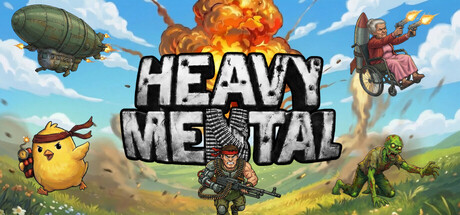
During the development of Heavy Mental, we utilized Meshy AI to assist in creating base 3D models and textures for several character assets and environmental props. Every asset generated through AI has been manually refined, rigged, and animated by our development team to ensure it fits the game's unique stylized art direction and meets our quality standards. Our use of AI is limited to the pre-production phase to streamline our artistic workflow.
This game uses generative AI tools during development to assist with the creation of certain art assets, text, and programming content. The gameplay design and final integration are completed by the developer. All such content has been manually reviewed, refined, and approved by the developer to ensure it fits the game's design goals and remains consistent with the materials presented on the store page.
Generative AI was used only to assist with marketing and store-page presentation. It helped create the text-based logo/title treatment and refine the game’s store description for grammar, clarity, and flow.
No generative AI content is used inside the game itself. All gameplay, characters, enemies, systems, progression, and in-game assets were created or selected by the developer
Some temporary UI icons and placeholder assets used during development were generated with AI tools. These are non-final assets and will be replaced or refined before the final release. The game does not use any real-time or player-facing generative AI systems.
This game uses AI-generated content:
Pre-generated AI use:
- Marketing visuals (Steam capsules, banners, page background) were generated with AI image models, then manually edited and composited.
- Some in-game art assets (item icons, enemy portraits, environment elements) were AI-generated and edited/integrated by hand.
- All AI-generated content was reviewed, edited, and curated by the developer before shipping.
Not AI-generated:
- Game design, mechanics, balance, progression systems, lore, world-building.
- UI/UX layouts and interaction flows.
No live/runtime AI: the game does not run AI models during play. Nothing you do in-game contacts an LLM or image generator.
Yes, I use AI tools to help build this game, and I'm not going to pretend I don't.
I'm one person. Every system, mechanic, and design decision is made, tested, and tuned by me personally. I use the best tools available, AI among them, to let a one-person studio punch way above its weight. That's the entire point of being indie: no rules except the ones that make a better game.
Assets are a fluid mix of commercially licensed, hand-crafted, AI-generated, AI-generated then hand-adjusted, and hand-crafted then AI-polished. I'll use whatever it takes to make this the best game it can be.
Some visual assets (pixel art sprites) and music tracks were created with the assistance of AI generation tools during development. All AI-generated content was reviewed and curated by the developer. No AI content is generated during gameplay.
The soundtrack/music was made with Suno Pro.
Some sounds were made with Krotos Pro, which is mostly not ai but has ai elements for some sounds.
The sprites were made with Dall-E.
A part of the in-game sprites and item art in this game were generated using AI. As a solo developer, generative AI tools allow me to create a breadth of visual content that would otherwise not have been possible. All assets were carefully selected, curated, and integrated to ensure they align with the game's vision and quality.
Certain early-stage visual or audio assets were created using generative AI tools as part of the development workflow. All such content has been manually edited and integrated by the developer. The game does not generate AI content during gameplay.
AI was used to assist with programming and refining in-game text (item descriptions, skill descriptions, UI text). Key art and logo are human-created. All other visual and audio assets are default RPG Maker MZ assets provided under license.
AI tools were used during development as a programming aid and for early concept exploration. All gameplay systems were developed by the creator, and all in-game assets are original, commissioned, or licensed.
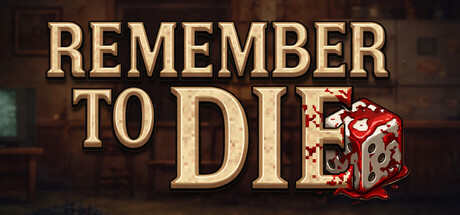
Remember to Die was built solo with no official budget using AI as a creative instrument — not to replace the human decisions, but to handle the ones that would have made this game impossible otherwise. No jobs were lost, but a game was made possible.
Initial concept art was generated using AI tools, followed by manual adjustments and modifications by artists. The final artwork combines AI-generated base designs with human-made artistic revisions.
This game includes content created with the assistance of generative AI. AI tools were used to help create some visual assets, including promotional images, UI/background concepts, and selected in-game art references. AI-assisted coding tools were also used during development to help draft, refactor, debug, and improve parts of the game code. All generated or AI-assisted content is reviewed, edited, and integrated by the developer before inclusion in the game.
This game includes AI-assisted content created during development. AI tools were used to support the creation of certain visual assets and/or design elements. All content has been reviewed, refined, and curated by the development team to ensure quality and consistency.
This game was built extensively with generative AI. AI tools were used to assist with code development, pixel art generation, music composition, sound effect creation, voice acting, dialogue writing, story design, and game design.
The Steam store page banners and promotional materials were created with the help of generative AI tools. The in-game assets were either manually created or edited afterward, while certain marketing visuals (such as headers, capsules, and banners) contain AI-generated elements.
A lot of the artwork in Melovar's Tale, including the card, relic and character illustrations were created with the assistance of AI tools. All AI Generated items were reviewed, curated, and refined to ensure they meet the game visual and thematic standards. There isn't any AI content generated live during the game.
Game art assets are generated using AI tools to create initial concept art, which is then manually adjusted and modified by artists. The final works combine AI-generated foundational designs with human artistic revisions.
Some dynamic art assets are assisted in their creation by AI tools.
Generative AI was carefully used for structuring the majority of content available in the decks, given the vast breadth of the topics/languages available. However, every piece of information was extracted from publicly available curated sources, where AI was used for the re-writing the facts into questions. Also, in general the distractors (wrong answers) are intelligently chosen at runtime based on similar answers of similar length, however it can occur that certain answer pools where too small for reasonable gameplay. For this, fake answers were generated by AI as well, albeit rarely.
Some of the promotional and storefront images were created with AI tools and then refined by hand. All of the in-game assets were designed by a 3D artist.
I used AI-assisted tools to help create and animate characters, manually refining and adapting them to fit the game's art style.
All other content, including world-building, UI, SFX, VFX, was either licensed from professional artists or created traditionally.
The store page utilizes AI-assisted generation for some of its assets and decorative icons. All such materials have been manually selected and post-processed to ensure they best represent the game's style.
During the development of Heavy Mental, we utilized Meshy AI to assist in creating base 3D models and textures for several character assets and environmental props. Every asset generated through AI has been manually refined, rigged, and animated by our development team to ensure it fits the game's unique stylized art direction and meets our quality standards. Our use of AI is limited to the pre-production phase to streamline our artistic workflow.
This game uses generative AI tools during development to assist with the creation of certain art assets, text, and programming content. The gameplay design and final integration are completed by the developer. All such content has been manually reviewed, refined, and approved by the developer to ensure it fits the game's design goals and remains consistent with the materials presented on the store page.
Generative AI was used only to assist with marketing and store-page presentation. It helped create the text-based logo/title treatment and refine the game’s store description for grammar, clarity, and flow.
No generative AI content is used inside the game itself. All gameplay, characters, enemies, systems, progression, and in-game assets were created or selected by the developer
Some temporary UI icons and placeholder assets used during development were generated with AI tools. These are non-final assets and will be replaced or refined before the final release. The game does not use any real-time or player-facing generative AI systems.
This game uses AI-generated content:
Pre-generated AI use:
- Marketing visuals (Steam capsules, banners, page background) were generated with AI image models, then manually edited and composited.
- Some in-game art assets (item icons, enemy portraits, environment elements) were AI-generated and edited/integrated by hand.
- All AI-generated content was reviewed, edited, and curated by the developer before shipping.
Not AI-generated:
- Game design, mechanics, balance, progression systems, lore, world-building.
- UI/UX layouts and interaction flows.
No live/runtime AI: the game does not run AI models during play. Nothing you do in-game contacts an LLM or image generator.
Yes, I use AI tools to help build this game, and I'm not going to pretend I don't.
I'm one person. Every system, mechanic, and design decision is made, tested, and tuned by me personally. I use the best tools available, AI among them, to let a one-person studio punch way above its weight. That's the entire point of being indie: no rules except the ones that make a better game.
Assets are a fluid mix of commercially licensed, hand-crafted, AI-generated, AI-generated then hand-adjusted, and hand-crafted then AI-polished. I'll use whatever it takes to make this the best game it can be.
Some visual assets (pixel art sprites) and music tracks were created with the assistance of AI generation tools during development. All AI-generated content was reviewed and curated by the developer. No AI content is generated during gameplay.
The soundtrack/music was made with Suno Pro.
Some sounds were made with Krotos Pro, which is mostly not ai but has ai elements for some sounds.
The sprites were made with Dall-E.
A part of the in-game sprites and item art in this game were generated using AI. As a solo developer, generative AI tools allow me to create a breadth of visual content that would otherwise not have been possible. All assets were carefully selected, curated, and integrated to ensure they align with the game's vision and quality.
Certain early-stage visual or audio assets were created using generative AI tools as part of the development workflow. All such content has been manually edited and integrated by the developer. The game does not generate AI content during gameplay.
AI was used to assist with programming and refining in-game text (item descriptions, skill descriptions, UI text). Key art and logo are human-created. All other visual and audio assets are default RPG Maker MZ assets provided under license.
AI tools were used during development as a programming aid and for early concept exploration. All gameplay systems were developed by the creator, and all in-game assets are original, commissioned, or licensed.
Remember to Die was built solo with no official budget using AI as a creative instrument — not to replace the human decisions, but to handle the ones that would have made this game impossible otherwise. No jobs were lost, but a game was made possible.
Initial concept art was generated using AI tools, followed by manual adjustments and modifications by artists. The final artwork combines AI-generated base designs with human-made artistic revisions.
This game includes content created with the assistance of generative AI. AI tools were used to help create some visual assets, including promotional images, UI/background concepts, and selected in-game art references. AI-assisted coding tools were also used during development to help draft, refactor, debug, and improve parts of the game code. All generated or AI-assisted content is reviewed, edited, and integrated by the developer before inclusion in the game.
This game includes AI-assisted content created during development. AI tools were used to support the creation of certain visual assets and/or design elements. All content has been reviewed, refined, and curated by the development team to ensure quality and consistency.