








Disclosure
AI tools were used for proofreading, correcting grammar, and fixing typographical errors.
- Creator
- UnicornianPlayStyle
- Reviews
- -
- Added
- Jul 17, 2026
Public Steam disclosure research 25,380 disclosures tracked
Search developers’ Steam disclosures, compare classified AI use across games, and follow recorded changes. This index adds cross-game classifications and statistics to statements published on individual store pages.
Code help, debugging and other development work.
Capsule art, trailers and promotional material.
Pre-made art, audio, writing and other game assets.
Interactive or runtime AI features disclosed by the developer.
Groups reflect automatic analysis of public disclosures; mature records are excluded. These counts do not measure AI use across all of Steam. Missing or unclear statements cannot establish whether a game uses AI.
AI tools were used for proofreading, correcting grammar, and fixing typographical errors.
All game videos in this content are AI-generated.
Run It Back: 90 Days to Race is developed solo. Illustrating the game's scenes, key art, and character art by hand wasn't feasible working alone, so AI image-generation tools are used as part of the art pipeline — some pieces generated directly from text prompts, others produced by restyling real photographic references into the game's illustrated art style. All AI-assisted artwork was selected and curated by the developer. No AI-generated content is created live during gameplay.
AI was used to voice the characters.
Generative AI tools were used during the production of the game as creative and technical support. This applies only to content prepared in advance during development. AI was used in several areas, including: Artwork and promotional materials — generating base images, character concepts, interface concepts, reference images, and materials later used as a foundation for manual editing or further production. 3D models — some models are created with the help of AI tools and an image-to-3D workflow, then selected, adjusted, and integrated into the game. Voice acting — character voices are created using AI-based voice synthesis. Code and production tools — AI assistants support coding, code analysis, refactoring, and optimization. Design consultation — AI tools are used as support for analyzing ideas, designing interfaces, refining descriptions, and planning game systems. The main concept of the game, story structure, quest dependencies, world direction, and dialogue content are created and supervised by the game’s author. Content created with the help of AI is selected, edited, and implemented manually. The game does not contain AI-generated content created in real time during gameplay.
Advanced voice generating AI was used to help save time with development.
Part of the localization was AI-assisted, and certain textures and sound effects were initially generated by AI for reference.
Some assets were created with generative AI tools and then edited.
To Raise a King was made by one person working with AI collaborators. AI tools were used in the following ways during development, and every AI output shipped in the game was reviewed, curated, edited, and approved by the developer before inclusion. Source code. Written in collaboration with Anthropic's Claude, with the developer directing architecture, reviewing every change, and testing behavior. Character and scene illustrations. Generated locally with the FLUX.2 image model running in ComfyUI. Prompts, reference images, layered compositions, and final selections were all authored and curated by the developer. Voice acting. Voices were produced with ElevenLabs. The developer cast each role, wrote each line, directed the delivery through iteration, and hand-picked the takes shipped in the game. Music and sound. Music and select sound effects were produced with ElevenLabs' music generation. Tracks were selected, edited, and placed by the developer. Writing and design. Story beats, dialogue, and system design were developed collaboratively with Claude, with the developer as the final author. The developer confirms they hold or have licensed the rights to use these tools' outputs commercially, and has taken reasonable steps to ensure no infringing or unlawful content was produced.
Some temporary horror sound effects and vocal effects in this game were created using generative AI tools during development. These assets have been reviewed and integrated by the developer. As development continues and resources become available, these temporary AI-generated audio assets may be replaced with recordings created by professional voice actors and sound engineers to further enhance the game's atmosphere and realism.
Used AI for translation.
This game uses generative AI in the creation of some background images. The generated images have been selected and adjusted by the developer to fit the content of the game, and are used as in-game background assets. AI does not generate any new text, images, audio, or other content during gameplay.
This game utilizes generative artificial intelligence tools to assist in the creation of pre-rendered character portraits and musical materials.
2D artwork for this game and its Steam store page — including the logo, store capsules, key art, and in-game textures — was created using generative AI image tools, generated ahead of time during development. The 3D models are stock/CC0 assets and the dust-bunny character is procedural/code-generated. Screenshots are captures of actual gameplay. No generative AI runs at runtime. All AI-generated images were reviewed to ensure they do not reproduce third-party intellectual property.
AI was used to assist in creating some game assets and development content. No AI-generated content is created or used during gameplay.
Some 2D character illustrations, backgrounds, and UI elements in this game were created with the help of generative AI tools during development, and then manually edited, refined, and reviewed by the developer.
Some models and sounds were prototyped using AI tools and then finished, edited and polished by hand
Space Planet Explorer uses generative AI to create assets that ship with the game, including planet surface textures, cinematic sequences, voice narration, and music. All of this content was generated during development — no AI content is generated live during gameplay. Planet visuals are AI-generated interpretations based on real scientific data, not actual NASA photography.
This game utilizes generative AI technologies during development. Specifically, AI tools (such as ElevenLabs) were used to create some character voiceovers and radio dialogues. AI assistance was also employed in generating certain game assets and conceptual sketches. All AI-generated content has been manually post-processed and optimized to maintain the game's psychological horror atmosphere.
Pre-rendered AI-assisted promotional artwork and marketing assets may be used for the store page and promotional materials. No generative AI content is created live during gameplay.
AI has been used for pre-generation of images, sfx & music
Some of the paintings featured in the game were partially generated using generative AI.
Some images have been enhanced with the help of AI.
Some static store and marketing assets were created with AI-assisted tools, then reviewed, edited, and integrated by the developer. The game does not generate AI content during gameplay.
We used Gemini (Google's Generative AI) to assist with Japanese to English localization and text translation.
During development, we used generative AI image tools to produce base images for some of our 2D art assets. Our artist then worked on them to create the final assets in the game and on the store page.
Generative AI tools were used during development for photos and videos of characters, as well as for development support such as code suggestions and iteration. All AI-assisted assets and code are fixed, reviewed, and integrated by the developer prior to release. The game does not use generative AI to produce live or dynamic content, text, images, audio, or code during gameplay.
This game uses AI-assisted tools to create character voices. All dialogue was written, directed, edited, and implemented by the developer to fit the characters and story.
The art, music, and writing in this game were created with AI tools during development, directed by the developer through written prompts. The development process is documented publicly, prompt by prompt. The shipped game contains no live or runtime AI generation — the in-game assistant “Aya” is a hand-authored, deterministic simulation, and the game makes no network or model calls during play.
This game makes use of generative AI as part of the creative pipeline across art, text, sound, and voice. None of it is dumped in raw — every asset is curated, edited, and reworked by hand, and every line of dialogue is agonized over until it earns its place. AI is a tool here, not the author; the taste, the pacing, and the final call on what stays are all made by people. The codebase, in the interest of full honesty, is held together with AI-assisted spaghetti and sheer willpower — but it works, and every line is reviewed before shipping.
The videos were generated using artificial intelligence, employed to recreate the gothic and unsettling atmospheres typical of 1970s and 1980s horror films.
AI was used to generate images depicting illegal substances and highly disturbing situations presented in the game. The Steam capsule and cover images were also generated using AI.
Human-crafted with AI assistance. Generative AI was used to assist with selected programming tasks (such as code optimization and debugging), create or enhance some voice-over and audio elements, and help refine selected graphical assets. All AI-generated content was reviewed, edited, integrated, and finalized by the developer.
Generative AI tools were used to assist in creating pre-generated visual artwork, including concept art, key art, and promotional images used for the Steam store page and marketing materials. All AI-assisted visual assets are static, reviewed, selected, and edited by the developer to match the game's dark sci-fi visual direction. The game does not use live generative AI to create gameplay, player-generated content, dialogue, images, audio, or other content during gameplay.
This game uses pre-generated AI-assisted artwork for some visual assets, including store artwork, library assets, logos, and selected 2D fantasy background images. These assets were created or edited during development, reviewed by the developer, and included as fixed images in the game or marketing materials. The game does not use live generative AI while the player is playing. No AI system generates new dialogue, quests, characters, images, audio, or gameplay content during gameplay.
This game includes pre-generated content made with the assistance of generative AI tools during development. AI tools were used to help create and iterate some static story illustrations, character and store-art references, voice and sound-effect materials, texture details, copy polishing, and localization drafts. All such content is selected, edited, assembled, and manually reviewed by the developer before shipping. The game does not connect to a live generative AI service during play and does not generate new player-facing AI content at runtime.
We used a Gen AI powered tool to localize the following: - (in some languages) In-game text - (in some languages) Steam store descriptions We plan to replace these with human translation and LQA when we can afford it. Until then, we are using Gen AI temporarily.
This game uses generative AI-assisted development for some fictional market event text, achievement/icon concepts, interface copy, and marketing/store text. All AI-assisted content is pre-generated, reviewed, edited, and included by the developer. The game does not generate AI content live during gameplay.
Some art assets in this game were created with the assistance of AI tools. All AI-generated content was pre-generated during development, and the game does not include any real-time AI-generated content during gameplay.
Pre-generated AI content: character art, backgrounds, icons and key art images, music and sound effects, and portions of the story text were created with generative AI tools (Google Gemini, fal.ai, Anthropic Claude) and were reviewed and edited by the developers. No AI content is generated at runtime.
Generative AI was used during parts of the production process for the game’s graphics, music, and narrative content. AI-generated outputs were edited, revised, and restructured by the developer and were not used in the game without modification. The final gameplay experience, narrative structure, character portrayal, and presentation were designed, curated, and supervised by the developer.
Generative AI tools were used to help create some game assets and store images
AI was used to generate code, art, music and text.
Most of the images used in the narrative mode scenes were initially generated using generative AI and subsequently refined through manual editing. Generative AI was also employed to assist with the translation of the narrative text.
Code Text Image BGM StoreAsset
This game includes pre-generated content created with the assistance of generative AI during development. Generative AI was used to help create some in-game image assets and translations. All AI-assisted content, including AI-generated translations, was reviewed, edited, and approved by the development team before being included in the final game.
This game contains AI generated images and design for the UI elements.
This game uses generative AI during development to assist in creating and refining certain content, including artwork, text, dialogue, and other game assets. All AI-generated content has been reviewed, edited, and approved by the development team before being included in the game. The game does not generate AI content during gameplay.
Portions of this game’s visual assets were created using AI generation tools.
游戏中的部分动画与部分图片素材使用了AI进行生成
| Title⇅ | Disclosure | Creator⇅ | Src | Reviews⇅ | Added↓ |
|---|---|---|---|---|---|
 Unicorn Is Out Kissing Dev only text | AI tools were used for proofreading, correcting grammar, and fixing typographical errors. | UnicornianPlayStyle | - | Jul 17, 2026 | |
 Six Girls: Choose or Die Store/marketing art | All game videos in this content are AI-generated. | 洄游光影 | - | Jul 17, 2026 | |
 Run it Back: 90 Days to Race In-game content art | Run It Back: 90 Days to Race is developed solo. Illustrating the game's scenes, key art, and character art by hand wasn't feasible working alone, so AI image-generation tools are used as part of the art pipeline — some pieces generated directly from text prompts, others produced by restyling real photographic references into the game's illustrated art style. All AI-assisted artwork was selected and curated by the developer. No AI-generated content is created live during gameplay. | EmptyFolder Studio | - | Jul 17, 2026 | |
 Guilty or Not In-game content audio | AI was used to voice the characters. | Maksym Melnyk | - | Jul 16, 2026 | |
 Stambria In-game content artaudiotextcode | Generative AI tools were used during the production of the game as creative and technical support. This applies only to content prepared in advance during development.
AI was used in several areas, including:
Artwork and promotional materials — generating base images, character concepts, interface concepts, reference images, and materials later used as a foundation for manual editing or further production.
3D models — some models are created with the help of AI tools and an image-to-3D workflow, then selected, adjusted, and integrated into the game.
Voice acting — character voices are created using AI-based voice synthesis.
Code and production tools — AI assistants support coding, code analysis, refactoring, and optimization.
Design consultation — AI tools are used as support for analyzing ideas, designing interfaces, refining descriptions, and planning game systems.
The main concept of the game, story structure, quest dependencies, world direction, and dialogue content are created and supervised by the game’s author. Content created with the help of AI is selected, edited, and implemented manually.
The game does not contain AI-generated content created in real time during gameplay. | SEPTEM Daniel Kuczewski | - | Jul 16, 2026 | |
 All That Time In-game content audio | Advanced voice generating AI was used to help save time with development. | Ouzzie | 23 | Jul 16, 2026 | |
 SunSet Diffusion In-game content textartaudio | Part of the localization was AI-assisted,
and certain textures and sound effects were initially generated by AI for reference. | RinGames | - | Jul 15, 2026 | |
 Galactic Sentinels In-game content art | Some assets were created with generative AI tools and then edited. | Lordoomer | - | Jul 15, 2026 | |
 To Raise a King In-game content artaudiotextcode | To Raise a King was made by one person working with AI collaborators. AI tools were used in the following ways during development, and every AI output shipped in the game was reviewed, curated, edited, and approved by the developer before inclusion.
Source code. Written in collaboration with Anthropic's Claude, with the developer directing architecture, reviewing every change, and testing behavior.
Character and scene illustrations. Generated locally with the FLUX.2 image model running in ComfyUI. Prompts, reference images, layered compositions, and final selections were all authored and curated by the developer.
Voice acting. Voices were produced with ElevenLabs. The developer cast each role, wrote each line, directed the delivery through iteration, and hand-picked the takes shipped in the game.
Music and sound. Music and select sound effects were produced with ElevenLabs' music generation. Tracks were selected, edited, and placed by the developer.
Writing and design. Story beats, dialogue, and system design were developed collaboratively with Claude, with the developer as the final author.
The developer confirms they hold or have licensed the rights to use these tools' outputs commercially, and has taken reasonable steps to ensure no infringing or unlawful content was produced. | Stagnant Technologies LLC | - | Jul 15, 2026 | |
 Kuma & Friends: Can You Save Everyone? In-game content audio | Some temporary horror sound effects and vocal effects in this game were created using generative AI tools during development. These assets have been reviewed and integrated by the developer. As development continues and resources become available, these temporary AI-generated audio assets may be replaced with recordings created by professional voice actors and sound engineers to further enhance the game's atmosphere and realism. | Trashy Games | - | Jul 15, 2026 | |
 Input gets a job! In-game content text | Used AI for translation. | madrugaSensei Developer | - | Jul 15, 2026 | |
 朝凪高校生徒会 In-game content art | This game uses generative AI in the creation of some background images.
The generated images have been selected and adjusted by the developer to fit the content of the game, and are used as in-game background assets.
AI does not generate any new text, images, audio, or other content during gameplay. | ELISTA×STUDIO | - | Jul 15, 2026 | |
 Business Wars In-game content artaudio | This game utilizes generative artificial intelligence tools to assist in the creation of pre-rendered character portraits and musical materials. | Tianshu Tech | - | Jul 15, 2026 | |
 Dust Bunny Simulator In-game content art | 2D artwork for this game and its Steam store page — including the logo, store capsules, key art, and in-game textures — was created using generative AI image tools, generated ahead of time during development. The 3D models are stock/CC0 assets and the dust-bunny character is procedural/code-generated. Screenshots are captures of actual gameplay. No generative AI runs at runtime. All AI-generated images were reviewed to ensure they do not reproduce third-party intellectual property. | Kompot | - | Jul 15, 2026 | |
 IT Outage Desk Dev only | AI was used to assist in creating some game assets and development content. No AI-generated content is created or used during gameplay. | Games By Solo | - | Jul 15, 2026 | |
 LYNK: The Algorithm of Intimacy In-game content art | Some 2D character illustrations, backgrounds, and UI elements in this game were created with the help of generative AI tools during development, and then manually edited, refined, and reviewed by the developer. | VEILWORKS | - | Jul 15, 2026 | |
 Goodnight Sun In-game content artaudio | Some models and sounds were prototyped using AI tools and then finished, edited and polished by hand | Foxsprout Games | - | Jul 15, 2026 | |
 Space Planet Explorer In-game content artaudiotext | Space Planet Explorer uses generative AI to create assets that ship with the game, including planet surface textures, cinematic sequences, voice narration, and music. All of this content was generated during development — no AI content is generated live during gameplay. Planet visuals are AI-generated interpretations based on real scientific data, not actual NASA photography. | ioStudios | - | Jul 15, 2026 | |
 Unsent In-game content audioart | This game utilizes generative AI technologies during development. Specifically, AI tools (such as ElevenLabs) were used to create some character voiceovers and radio dialogues. AI assistance was also employed in generating certain game assets and conceptual sketches. All AI-generated content has been manually post-processed and optimized to maintain the game's psychological horror atmosphere. | SilverMouzStudio | - | Jul 15, 2026 | |
 Boxing Tycoon Store/marketing art | Pre-rendered AI-assisted promotional artwork and marketing assets may be used for the store page and promotional materials. No generative AI content is created live during gameplay. | BLLN Sports Group | - | Jul 13, 2026 | |
 The Lady with the Dog Unclear artaudio | AI has been used for pre-generation of images, sfx & music | Marat Zimnurov | - | Jul 13, 2026 | |
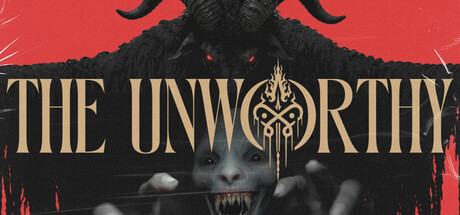 The Unworty In-game content art | Some of the paintings featured in the game were partially generated using generative AI. | Meetkow | - | Jul 13, 2026 | |
 格子局 Unclear art | Some images have been enhanced with the help of AI. | 游离字符 | - | Jul 11, 2026 | |
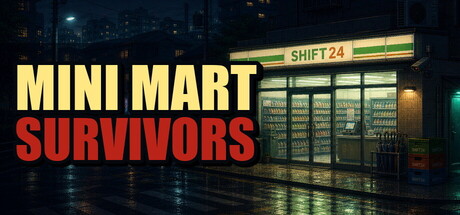 Mini Mart Survivors Store/marketing art | Some static store and marketing assets were created with AI-assisted tools, then reviewed, edited, and integrated by the developer. The game does not generate AI content during gameplay. | Geek Haus | - | Jul 11, 2026 | |
 Chobisuke's Weird Farm In-game content text | We used Gemini (Google's Generative AI) to assist with Japanese to English localization and text translation. | Syurarin19 | - | Jul 11, 2026 | |
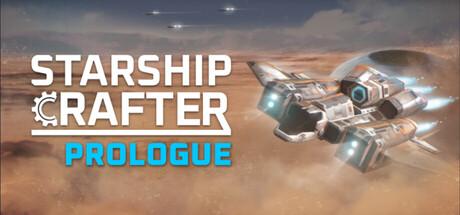 Starship Crafter - Prologue In-game content art | During development, we used generative AI image tools to produce base images for some of our 2D art assets. Our artist then worked on them to create the final assets in the game and on the store page. | RyseSoft | 31 | Jul 11, 2026 | |
 The Cold Cases: Remembering Jory Dev only artcode | Generative AI tools were used during development for photos and videos of characters, as well as for development support such as code suggestions and iteration.
All AI-assisted assets and code are fixed, reviewed, and integrated by the developer prior to release. The game does not use generative AI to produce live or dynamic content, text, images, audio, or code during gameplay. | JasperMarie | - | Jul 11, 2026 | |
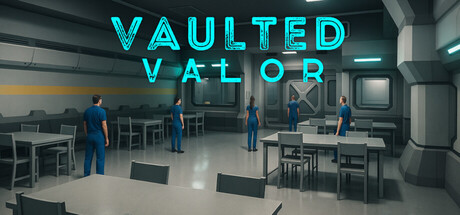 Vaulted Valor In-game content audio | This game uses AI-assisted tools to create character voices. All dialogue was written, directed, edited, and implemented by the developer to fit the characters and story. | deeplabs | - | Jul 10, 2026 | |
 AI and You In-game content artaudiotext | The art, music, and writing in this game were created with AI tools during development, directed by the developer through written prompts. The development process is documented publicly, prompt by prompt. The shipped game contains no live or runtime AI generation — the in-game assistant “Aya” is a hand-authored, deterministic simulation, and the game makes no network or model calls during play. | Marcus | - | Jul 9, 2026 | |
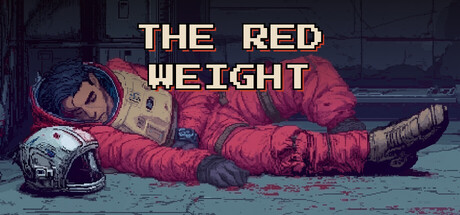 The Red Weight In-game content arttextaudio | This game makes use of generative AI as part of the creative pipeline across art, text, sound, and voice. None of it is dumped in raw — every asset is curated, edited, and reworked by hand, and every line of dialogue is agonized over until it earns its place. AI is a tool here, not the author; the taste, the pacing, and the final call on what stays are all made by people. The codebase, in the interest of full honesty, is held together with AI-assisted spaghetti and sheer willpower — but it works, and every line is reviewed before shipping. | Alsakin Games | - | Jul 9, 2026 | |
 Libera Nos a Malo Store/marketing art | The videos were generated using artificial intelligence, employed to recreate the gothic and unsettling atmospheres typical of 1970s and 1980s horror films. | Necronomicon Games | - | Jul 9, 2026 | |
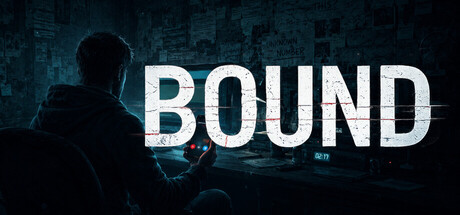 BOUND In-game content art | AI was used to generate images depicting illegal substances and highly disturbing situations presented in the game. The Steam capsule and cover images were also generated using AI. | Pixel Team RED | - | Jul 9, 2026 | |
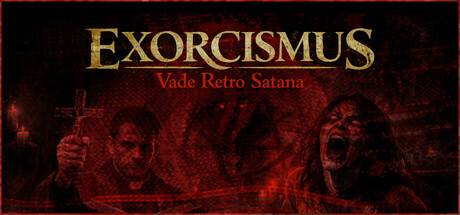 EXORCISMUS: Vade Retro Satana In-game content artaudiocode | Human-crafted with AI assistance. Generative AI was used to assist with selected programming tasks (such as code optimization and debugging), create or enhance some voice-over and audio elements, and help refine selected graphical assets. All AI-generated content was reviewed, edited, integrated, and finalized by the developer. | Airem | - | Jul 9, 2026 | |
 LAST CORE:BROKE LINK Store/marketing art | Generative AI tools were used to assist in creating pre-generated visual artwork, including concept art, key art, and promotional images used for the Steam store page and marketing materials.
All AI-assisted visual assets are static, reviewed, selected, and edited by the developer to match the game's dark sci-fi visual direction.
The game does not use live generative AI to create gameplay, player-generated content, dialogue, images, audio, or other content during gameplay. | LAST CORE STUDIO | - | Jul 9, 2026 | |
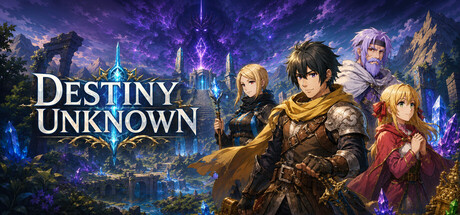 Destiny Unknown In-game content art | This game uses pre-generated AI-assisted artwork for some visual assets, including store artwork, library assets, logos, and selected 2D fantasy background images. These assets were created or edited during development, reviewed by the developer, and included as fixed images in the game or marketing materials.
The game does not use live generative AI while the player is playing. No AI system generates new dialogue, quests, characters, images, audio, or gameplay content during gameplay. | Douglas Bowen | - | Jul 9, 2026 | |
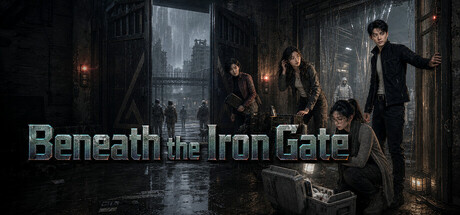 铁门之下 In-game content artaudiotext | This game includes pre-generated content made with the assistance of generative AI tools during development. AI tools were used to help create and iterate some static story illustrations, character and store-art references, voice and sound-effect materials, texture details, copy polishing, and localization drafts. All such content is selected, edited, assembled, and manually reviewed by the developer before shipping. The game does not connect to a live generative AI service during play and does not generate new player-facing AI content at runtime. | FunPlaceGame | - | Jul 9, 2026 | |
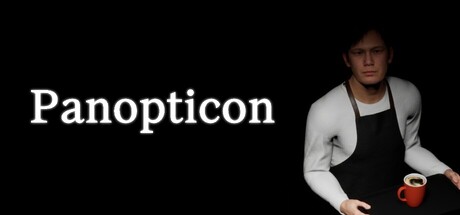 Panopticon text | We used a Gen AI powered tool to localize the following:
- (in some languages) In-game text
- (in some languages) Steam store descriptions
We plan to replace these with human translation and LQA when we can afford it.
Until then, we are using Gen AI temporarily. | Achimphang Studio | 38 | Jul 8, 2026 | |
 Market Panic In-game content text | This game uses generative AI-assisted development for some fictional market event text, achievement/icon concepts, interface copy, and marketing/store text. All AI-assisted content is pre-generated, reviewed, edited, and included by the developer. The game does not generate AI content live during gameplay. | Pixiliated | - | Jul 8, 2026 | |
 Twilight Tides : Mirage Journey In-game content art | Some art assets in this game were created with the assistance of AI tools. All AI-generated content was pre-generated during development, and the game does not include any real-time AI-generated content during gameplay. | TTMJTV | - | Jul 8, 2026 | |
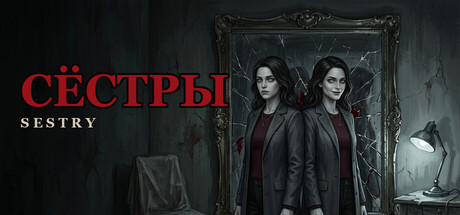 SESTRY In-game content artaudiotext | Pre-generated AI content: character art, backgrounds, icons and key art images, music and sound effects, and portions of the story text were created with generative AI tools (Google Gemini, fal.ai, Anthropic Claude) and were reviewed and edited by the developers. No AI content is generated at runtime. | Industrial Miracle | - | Jul 8, 2026 | |
 Living on Plain Pasta In-game content artaudiotext | Generative AI was used during parts of the production process for the game’s graphics, music, and narrative content.
AI-generated outputs were edited, revised, and restructured by the developer and were not used in the game without modification.
The final gameplay experience, narrative structure, character portrayal, and presentation were designed, curated, and supervised by the developer. | Granité Works | - | Jul 7, 2026 | |
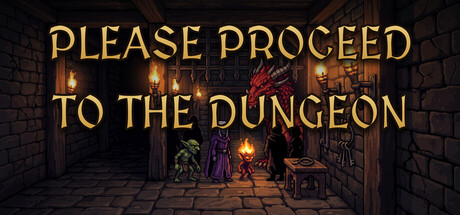 Please Proceed To The Dungeon Store/marketing art | Generative AI tools were used to help create some game assets and store images | Noodle Interactive | - | Jul 7, 2026 | |
 Meridian In-game content artaudiotextcode | AI was used to generate code, art, music and text. | Turn Based Hedgehog | - | Jul 7, 2026 | |
 Band of Mercenaries In-game content arttext | Most of the images used in the narrative mode scenes were initially generated using generative AI and subsequently refined through manual editing. Generative AI was also employed to assist with the translation of the narrative text. | Padakodart | - | Jul 7, 2026 | |
 The Gray-Crowned Reincarnate Unclear codetextartaudio | Code Text Image BGM StoreAsset | JinCycle | - | Jul 7, 2026 | |
 No Results Found In-game content arttext | This game includes pre-generated content created with the assistance of generative AI during development. Generative AI was used to help create some in-game image assets and translations. All AI-assisted content, including AI-generated translations, was reviewed, edited, and approved by the development team before being included in the final game. | Zzangdol Games | 1.5k | Jul 7, 2026 | |
 The Next Room In-game content art | This game contains AI generated images and design for the UI elements. | Ragdoll Games | - | Jul 6, 2026 | |
 Baron Local In-game content arttext | This game uses generative AI during development to assist in creating and refining certain content, including artwork, text, dialogue, and other game assets. All AI-generated content has been reviewed, edited, and approved by the development team before being included in the game. The game does not generate AI content during gameplay. | Robert Ghira | - | Jul 6, 2026 | |
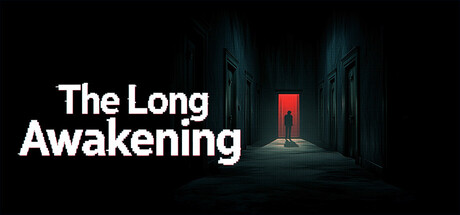 The Long Awakening In-game content art | Portions of this game’s visual assets were created using AI generation tools. | He Ziwei | - | Jul 6, 2026 | |
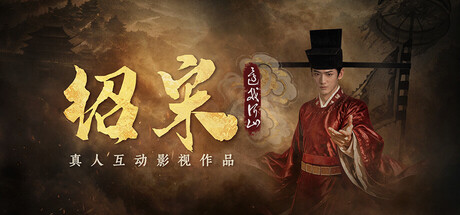 Shao Song I In-game content art | 游戏中的部分动画与部分图片素材使用了AI进行生成 | 互动之星 | 2.5k | Jul 6, 2026 |


