Public Steam disclosure research25,514 disclosures tracked
Where do games disclose AI use?
Search developers’ Steam disclosures, compare classified AI use across
games, and follow recorded changes.
This index adds cross-game classifications and statistics to
statements published on individual store pages.
Groups reflect automatic analysis of public disclosures; mature records are excluded. These counts do not measure AI use across all of Steam.
Missing or unclear statements cannot establish whether a game uses AI.
Chibi Wars: Deep State currently uses 3d models and images (such as posters) that have been generated using AI. Our goal is with funding to replace all aspects of models or images produced by AI with products created by real people. I suck at art, so until I can pay someone to make it for me (no one works for free) I have to use AI models and posters (decals).
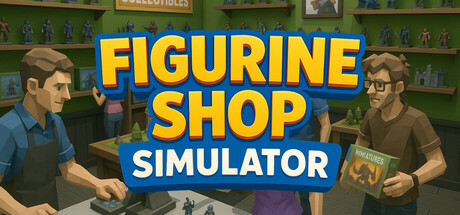
Use of AI in Figurine Shop Simulator
In Figurine Shop Simulator, we have used generative AI tools during development only — not during live gameplay.
✅ Code Assistance
A portion of our code was written with the help of GitHub Copilot, an AI-assisted coding tool. All code generated by Copilot has been reviewed and verified by our development team to ensure safety, functionality, and compliance with all standards.
🖼️ Visual Assets
Some non-essential visual elements in the game — such as textures for board game boxes and a few icons — were generated using AI image tools (like ChatGPT’s image generation features). These assets are static and do not change dynamically during gameplay.
🎨 In-Game Posters & Decoration
In a few rare cases, AI-generated visuals were used to create in-game posters or decorative textures. These elements are purely aesthetic and contain no interactive or user-generated content.
🔒 No AI-generated content is created during gameplay.
The game does not generate text, visuals, audio, or any other content dynamically through AI while it is running. All AI-generated assets were curated and implemented manually during the development phase.
Artificial intelligence has been used to support the development of this game. Primarily for refining in-game texts and generating UI elements. However, all core design, gameplay mechanics, and artistic direction have been crafted by hand. Everstead: Origins is the result of human creativity, supported by modern tools.
This game used AI tools to draft concept versions of character and background art.
All final assets were carefully created and refined by our in-house artists, using those drafts only as references.
In addition, no generative AI was used for the character creatives in the Aogiri High School collaboration.
We used generative AI solely for voice acting purposes in Oblivion. Since our development team consists of two women and we did not have access to a male voice actor, we used AI voice generation tools to create the voice of a male character.
No other game content, such as visuals, text, music, or marketing materials, was generated using AI. All final content was created, reviewed, and approved by the human team.
Some of the graphical content on the store page was created with the help of artificial intelligence. We also used AI in the game to generate certain gameplay-related images and create some audio elements.
Some images used in the opening cutscene and some background music tracks were created with the assistance of generative AI tools during development and were reviewed and curated by the developer. The game does not use live AI generation during gameplay.
The capsule art for the game was initially created using an AI tool, with significant manual refinements made in a graphic editor to achieve the final look and quality. In-game photographs were also generated with AI assistance, but all were pre-generated and further edited manually as needed. No AI is used in real-time within the game.
Some of Kernelbay’s 2D assets and music tracks were initially generated using AI tools as a base. However, every asset has been processed, refined, and modified by our team to ensure consistency, quality, and full integration with the game’s art direction and atmosphere.
Chibi Wars: Deep State currently uses 3d models and images (such as posters) that have been generated using AI. Our goal is with funding to replace all aspects of models or images produced by AI with products created by real people. I suck at art, so until I can pay someone to make it for me (no one works for free) I have to use AI models and posters (decals).
Use of AI in Figurine Shop Simulator
In Figurine Shop Simulator, we have used generative AI tools during development only — not during live gameplay.
✅ Code Assistance
A portion of our code was written with the help of GitHub Copilot, an AI-assisted coding tool. All code generated by Copilot has been reviewed and verified by our development team to ensure safety, functionality, and compliance with all standards.
🖼️ Visual Assets
Some non-essential visual elements in the game — such as textures for board game boxes and a few icons — were generated using AI image tools (like ChatGPT’s image generation features). These assets are static and do not change dynamically during gameplay.
🎨 In-Game Posters & Decoration
In a few rare cases, AI-generated visuals were used to create in-game posters or decorative textures. These elements are purely aesthetic and contain no interactive or user-generated content.
🔒 No AI-generated content is created during gameplay.
The game does not generate text, visuals, audio, or any other content dynamically through AI while it is running. All AI-generated assets were curated and implemented manually during the development phase.
Artificial intelligence has been used to support the development of this game. Primarily for refining in-game texts and generating UI elements. However, all core design, gameplay mechanics, and artistic direction have been crafted by hand. Everstead: Origins is the result of human creativity, supported by modern tools.
This game used AI tools to draft concept versions of character and background art.
All final assets were carefully created and refined by our in-house artists, using those drafts only as references.
In addition, no generative AI was used for the character creatives in the Aogiri High School collaboration.
We used generative AI solely for voice acting purposes in Oblivion. Since our development team consists of two women and we did not have access to a male voice actor, we used AI voice generation tools to create the voice of a male character.
No other game content, such as visuals, text, music, or marketing materials, was generated using AI. All final content was created, reviewed, and approved by the human team.
Some of the graphical content on the store page was created with the help of artificial intelligence. We also used AI in the game to generate certain gameplay-related images and create some audio elements.
Some images used in the opening cutscene and some background music tracks were created with the assistance of generative AI tools during development and were reviewed and curated by the developer. The game does not use live AI generation during gameplay.
The capsule art for the game was initially created using an AI tool, with significant manual refinements made in a graphic editor to achieve the final look and quality. In-game photographs were also generated with AI assistance, but all were pre-generated and further edited manually as needed. No AI is used in real-time within the game.
Some of Kernelbay’s 2D assets and music tracks were initially generated using AI tools as a base. However, every asset has been processed, refined, and modified by our team to ensure consistency, quality, and full integration with the game’s art direction and atmosphere.