Public Steam disclosure research25,383 disclosures tracked
Where do games disclose AI use?
Search developers’ Steam disclosures, compare classified AI use across
games, and follow recorded changes.
This index adds cross-game classifications and statistics to
statements published on individual store pages.
Groups reflect automatic analysis of public disclosures; mature records are excluded. These counts do not measure AI use across all of Steam.
Missing or unclear statements cannot establish whether a game uses AI.
Generative AI tools were used during development to create some of the game art assets, and written content and localization translations. AI tools were also used for coding assistance and debugging. The developer selected, adapted, and integrated these outputs into the game and its promotional materials. The game does not generate content using generative AI during gameplay or connect to external generative AI services.
This game utilized generative AI tools to assist with code writing. All AI-generated content has been strictly tested, reviewed, and optimized to ensure game quality and stability.
Some of the game's art assets, such as character and enemy models, portraits and icons, were created during development with the assistance of generative AI tools, and were then reviewed, curated and edited by the team. All AI-assisted content is pre-rendered: nothing is generated while the game is running.
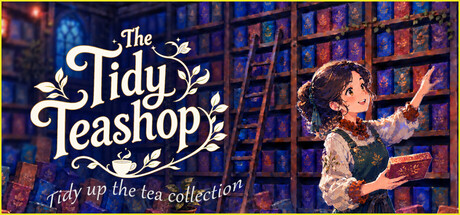
Some of the in game textures are a mix of handmade and LLM generated assets, for instance the standard nutritional information on the the tea-boxes.
We plan to remove any LLM assets until release.
Generative AI tools were used during development to create or refine selected visual and text assets. All such content was pre-generated, reviewed, and edited before use; the game does not use live generative AI.
Generative AI was used to assist in the creation of some promotional artwork for the Steam store page, including capsule and library artwork. AI is not used to generate content during gameplay.
We occasionally used generative AI as an assistive tool to refine certain visual assets, enhance texture resolutions, and process minor audio elements. These tools were used sparingly to support our production workflow, and all final content has been manually reviewed and polished by our team to ensure it meets our quality and legal standards.
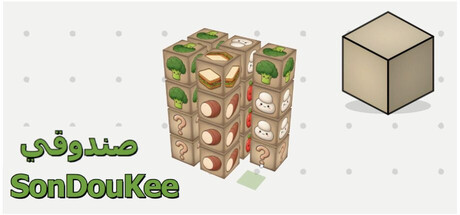
This game uses generative artificial intelligence to create some of its visual assets. Specifically, the food images and the number graphics featured in the game were generated using AI tools.
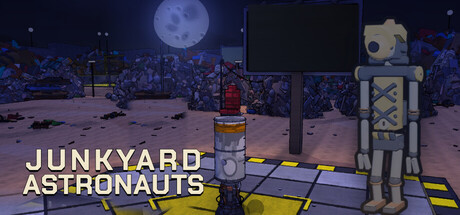
Junkyard Astronauts was developed with substantial help from an AI coding assistant (Claude), directed and reviewed by the developer. Specifically: the game's code was largely written with AI assistance; the 3D models, textures and yard layouts are produced by procedural generator scripts written with AI assistance; the sound effects are built from licensed, human-recorded sound libraries (Sonniss GDC bundles, Kenney) assembled and mixed by scripted tools written with AI assistance; the soundtrack is composed and rendered by a music engine written with AI assistance; parts of the store text and the achievement names were drafted with AI assistance. Everything was reviewed, edited and play-tested by the developer before shipping. No AI service is used during gameplay, and no content is generated at runtime. No AI-generated content imitates a real person or a third party's protected work.
This game uses generative AI in parts of its development.
- Code — an AI coding assistant was used to help write the source code.
- Text translation — AI was used to translate the game's text into each supported language.
All of the above was reviewed and adjusted by the developer before release.
No content is generated by AI while the game is running.
During development, an AI coding assistant was used to help write the game's code, including the code that renders its vector graphics, and to help create the game's music.
The game’s core artwork and content were created by people. Generative AI use was limited to select elements of UI images and icons, Steam capsule image retouching, map and calendar textures within buildings, and localization translations.
Usage of AI-assisted coding tools were used to help debug, and write some lengthy aspects of the game. But all creative work (art, animation, music, sound effects, and all writing and dialogue) is made by hand, without any generative AI whatsoever.
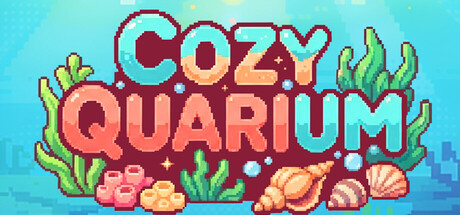
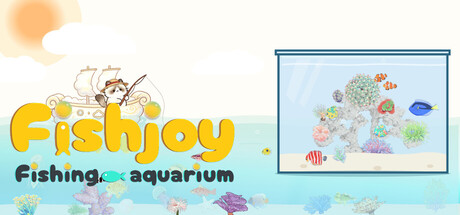
Art assets in this game - the fish, environments, UI icons, achievement icons
and store page artwork - were created with the help of generative AI tools.
Every asset was then hand-picked, edited, resized and colour-corrected before
being brought into the game, and all of it was checked against a fixed art
direction and a locked colour palette.
Some of the code was written with AI assistance. All of it was reviewed by the
developer and is covered by automated tests.
The game itself never generates anything while you play, and never connects to
an AI service. Everything you see ships with the build and is the same for
every player.
Some art assets and marketing images were created or assisted with generative AI during development, then curated and edited for the final game. The game does not generate AI content in real time during play.
Some in-game models and music were created with generative AI. Our original cover illustrations and title lettering are handmade; selected store-art adaptations and the app icon used AI tools. Optional chat uses a lightweight AI model running entirely on your computer to answer small everyday questions. You can turn chat off at any time.
Generative AI was used during development to assist in creating some pre-generated visual assets and marketing materials. All AI-assisted content was reviewed, selected, and adjusted by the developer before being included in the game or on its Steam store page. The game does not use generative AI to create content during gameplay.
The store page images for Timberland — the key art, capsules, logo and icon — were created with generative AI tools and then edited by hand. The screenshots are real gameplay, unretouched.
Part of the code was also written with the help of an AI assistant. Game design, world generation, mechanics and the remaining textures are the developer's own work.
This game uses generative AI tools for some image assets and translations. All AI-generated materials are reviewed, adjusted, and edited by the development team before being used in the game.
Some marketing and store page artwork (capsule art, promotional images, achievement icons) was created with the assistance of generative AI tools and then reviewed and edited by our team. The game itself does not generate content with AI at runtime.
The game's first trailer features images generated by artificial intelligence. The characters and map in the trailer, however, were created by our team and will also be used in the playable versions of the game.
AI-assisted artwork was used for store marketing assets. The shipped game does not generate content during gameplay and does not connect to an AI service at runtime.
Generative AI was used to assist with bug fixes, text editing, and portions of the game's music. Generative AI was not used for the game's direction, art direction, or gameplay mechanics.
Generative AI tools were used as part of the production process to assist in creating and refining some 2D artwork and visual assets. All such content is pre-generated and reviewed before being included in the game. No AI-generated content is created during gameplay.
Some of this game's content was created with the assistance of generative AI tools and was then reviewed, edited and curated by the developer. This includes a portion of the 3D shoe models (generated with AI 3D tools and hand-adjusted), the game logo and store/marketing artwork (AI image tools), and the translation of interface text into languages other than Turkish and English. No content is generated by AI at runtime and the game does not connect to any AI service.
Some 3D models, UI assets and background music of the game were initially created with generative AI tools, and then fully revised, refined and adjusted manually by our development team.
Some of the 3D models shipped with this game were generated with Meshy, an AI model generation tool, and then reworked by hand (retopology, rigging in Blender, hand made materials and animations). This covers the player character, the alien customers, and part of the props, weapons, vehicles and buildings. The creatures you catch were not generated with AI. No content is generated by AI while you play.
We used AI tools during development: part of the source code was written with an AI
assistant, and part of the pixel art was generated with PixelLab. Everything was
reviewed, edited and tested by the developer by hand. The game generates nothing at
runtime — all content is fixed in the build and identical for every player.
AI was used to assist with localization of the game's store page into additional languages as a placeholder until I am able to hire a localization team. All localized text was reviewed and edited before publication.
The key art was developed by hand by our art team but some AI generated content may have been included via store asses. A coding agent was used to help write features.
I (Sean) use AI coding assistants: GitHub Copilot and Claude Code. I've written software for years and I teach games programming at university, and I use AI tools the way I use a profiler or a compiler. They helped build web tools Dave and I use to balance the ecosystem across long simulations, they're very good at finding edge-case bugs (I'm looking at you, pathing system), and they write the boilerplate for things like save states and UI. I never ship code I haven't read and thoroughly tested.
No content in this game is AI-generated, and no generative AI runs while you play.
Every sound, art and music asset in this game was made by a human. The game started out as the idea of “Asset Safari” around the concept of buying sprite packs from artists, which is what we have done. The music, sound and writing is also all human generated.
Generative AI tools were used during development to create some of the game art assets, and written content and localization translations. AI tools were also used for coding assistance and debugging. The developer selected, adapted, and integrated these outputs into the game and its promotional materials. The game does not generate content using generative AI during gameplay or connect to external generative AI services.
This game utilized generative AI tools to assist with code writing. All AI-generated content has been strictly tested, reviewed, and optimized to ensure game quality and stability.
Some of the game's art assets, such as character and enemy models, portraits and icons, were created during development with the assistance of generative AI tools, and were then reviewed, curated and edited by the team. All AI-assisted content is pre-rendered: nothing is generated while the game is running.
Some of the in game textures are a mix of handmade and LLM generated assets, for instance the standard nutritional information on the the tea-boxes.
We plan to remove any LLM assets until release.
Generative AI tools were used during development to create or refine selected visual and text assets. All such content was pre-generated, reviewed, and edited before use; the game does not use live generative AI.
Generative AI was used to assist in the creation of some promotional artwork for the Steam store page, including capsule and library artwork. AI is not used to generate content during gameplay.
We occasionally used generative AI as an assistive tool to refine certain visual assets, enhance texture resolutions, and process minor audio elements. These tools were used sparingly to support our production workflow, and all final content has been manually reviewed and polished by our team to ensure it meets our quality and legal standards.
This game uses generative artificial intelligence to create some of its visual assets. Specifically, the food images and the number graphics featured in the game were generated using AI tools.
Junkyard Astronauts was developed with substantial help from an AI coding assistant (Claude), directed and reviewed by the developer. Specifically: the game's code was largely written with AI assistance; the 3D models, textures and yard layouts are produced by procedural generator scripts written with AI assistance; the sound effects are built from licensed, human-recorded sound libraries (Sonniss GDC bundles, Kenney) assembled and mixed by scripted tools written with AI assistance; the soundtrack is composed and rendered by a music engine written with AI assistance; parts of the store text and the achievement names were drafted with AI assistance. Everything was reviewed, edited and play-tested by the developer before shipping. No AI service is used during gameplay, and no content is generated at runtime. No AI-generated content imitates a real person or a third party's protected work.
This game uses generative AI in parts of its development.
- Code — an AI coding assistant was used to help write the source code.
- Text translation — AI was used to translate the game's text into each supported language.
All of the above was reviewed and adjusted by the developer before release.
No content is generated by AI while the game is running.
During development, an AI coding assistant was used to help write the game's code, including the code that renders its vector graphics, and to help create the game's music.
The game’s core artwork and content were created by people. Generative AI use was limited to select elements of UI images and icons, Steam capsule image retouching, map and calendar textures within buildings, and localization translations.
Usage of AI-assisted coding tools were used to help debug, and write some lengthy aspects of the game. But all creative work (art, animation, music, sound effects, and all writing and dialogue) is made by hand, without any generative AI whatsoever.
Art assets in this game - the fish, environments, UI icons, achievement icons
and store page artwork - were created with the help of generative AI tools.
Every asset was then hand-picked, edited, resized and colour-corrected before
being brought into the game, and all of it was checked against a fixed art
direction and a locked colour palette.
Some of the code was written with AI assistance. All of it was reviewed by the
developer and is covered by automated tests.
The game itself never generates anything while you play, and never connects to
an AI service. Everything you see ships with the build and is the same for
every player.
Some art assets and marketing images were created or assisted with generative AI during development, then curated and edited for the final game. The game does not generate AI content in real time during play.
Some in-game models and music were created with generative AI. Our original cover illustrations and title lettering are handmade; selected store-art adaptations and the app icon used AI tools. Optional chat uses a lightweight AI model running entirely on your computer to answer small everyday questions. You can turn chat off at any time.
Generative AI was used during development to assist in creating some pre-generated visual assets and marketing materials. All AI-assisted content was reviewed, selected, and adjusted by the developer before being included in the game or on its Steam store page. The game does not use generative AI to create content during gameplay.
The store page images for Timberland — the key art, capsules, logo and icon — were created with generative AI tools and then edited by hand. The screenshots are real gameplay, unretouched.
Part of the code was also written with the help of an AI assistant. Game design, world generation, mechanics and the remaining textures are the developer's own work.
This game uses generative AI tools for some image assets and translations. All AI-generated materials are reviewed, adjusted, and edited by the development team before being used in the game.
Some marketing and store page artwork (capsule art, promotional images, achievement icons) was created with the assistance of generative AI tools and then reviewed and edited by our team. The game itself does not generate content with AI at runtime.
The game's first trailer features images generated by artificial intelligence. The characters and map in the trailer, however, were created by our team and will also be used in the playable versions of the game.
AI-assisted artwork was used for store marketing assets. The shipped game does not generate content during gameplay and does not connect to an AI service at runtime.
Generative AI was used to assist with bug fixes, text editing, and portions of the game's music. Generative AI was not used for the game's direction, art direction, or gameplay mechanics.
Generative AI tools were used as part of the production process to assist in creating and refining some 2D artwork and visual assets. All such content is pre-generated and reviewed before being included in the game. No AI-generated content is created during gameplay.
Some of this game's content was created with the assistance of generative AI tools and was then reviewed, edited and curated by the developer. This includes a portion of the 3D shoe models (generated with AI 3D tools and hand-adjusted), the game logo and store/marketing artwork (AI image tools), and the translation of interface text into languages other than Turkish and English. No content is generated by AI at runtime and the game does not connect to any AI service.
Some 3D models, UI assets and background music of the game were initially created with generative AI tools, and then fully revised, refined and adjusted manually by our development team.
Some of the 3D models shipped with this game were generated with Meshy, an AI model generation tool, and then reworked by hand (retopology, rigging in Blender, hand made materials and animations). This covers the player character, the alien customers, and part of the props, weapons, vehicles and buildings. The creatures you catch were not generated with AI. No content is generated by AI while you play.
We used AI tools during development: part of the source code was written with an AI
assistant, and part of the pixel art was generated with PixelLab. Everything was
reviewed, edited and tested by the developer by hand. The game generates nothing at
runtime — all content is fixed in the build and identical for every player.
AI was used to assist with localization of the game's store page into additional languages as a placeholder until I am able to hire a localization team. All localized text was reviewed and edited before publication.
The key art was developed by hand by our art team but some AI generated content may have been included via store asses. A coding agent was used to help write features.
I (Sean) use AI coding assistants: GitHub Copilot and Claude Code. I've written software for years and I teach games programming at university, and I use AI tools the way I use a profiler or a compiler. They helped build web tools Dave and I use to balance the ecosystem across long simulations, they're very good at finding edge-case bugs (I'm looking at you, pathing system), and they write the boilerplate for things like save states and UI. I never ship code I haven't read and thoroughly tested.
No content in this game is AI-generated, and no generative AI runs while you play.
Every sound, art and music asset in this game was made by a human. The game started out as the idea of “Asset Safari” around the concept of buying sprite packs from artists, which is what we have done. The music, sound and writing is also all human generated.