Public Steam disclosure research25,383 disclosures tracked
Where do games disclose AI use?
Search developers’ Steam disclosures, compare classified AI use across
games, and follow recorded changes.
This index adds cross-game classifications and statistics to
statements published on individual store pages.
Groups reflect automatic analysis of public disclosures; mature records are excluded. These counts do not measure AI use across all of Steam.
Missing or unclear statements cannot establish whether a game uses AI.
I'm not a professional game developer or artist. Making my own game had been a dream for years, but I never knew how to turn that dream into reality. Generative AI became the tool that finally made it possible.
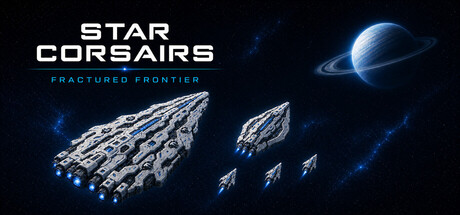
With its help, I created many of the game's visual and audio assets, including item, UI, skill, and module icons, character portraits, ships, space stations, backgrounds, the game icon, the Steam store artwork, and some of the sound effects. It also assisted me with programming.
But Star Corsairs is not a game that AI simply generated. Every asset was reviewed, rejected, refined, or replaced until it matched the vision I had in mind. Every gameplay system was designed, tested, and reworked repeatedly until it felt right. The economy, ship balance, pirate AI, combat, and progression were all shaped through countless hours of playtesting and manual iteration. The story, world, and all of the writing were created by me.
Without generative AI, this game would probably never have existed. But without the countless creative decisions, revisions, and work behind every part of it, Star Corsairs wouldn't exist either.
Generative AI tools were used during development to assist with portions of the game's pre-generated 2D artwork, marketing artwork, localization drafts, and development code. All player-facing AI-assisted content was generated before release, selected, reviewed, edited where needed, tested, and integrated by the developer. The game does not generate or modify content with AI during gameplay and does not send player input to an external AI service.
Generative AI tools were used during development to assist with programming and localization. All AI-assisted code and text were reviewed, edited, tested, and integrated by the developer. No generative AI is used while the game is running.
Portions of this game's written content were drafted with the assistance of Anthropic's Claude, under the direction of the developer, and were reviewed and edited by a human before inclusion. All artwork is procedurally rendered by the game's own code. No generative AI images are used. No AI content is generated during gameplay.
Generative AI tools were used during development for limited coding assistance and as a starting point for some 3D assets. All AI-assisted content was reviewed, modified, and integrated by the developer. No generative AI is used during gameplay.
The majority of the game's programming was done by AI.
For the in-game text, AI is utilized as a supplementary tool to improve grammar, but all text is ultimately checked and adjusted manually. AI is also used for translating the game into other languages.
However, no AI is used whatsoever for the illustrations or UI.
Generative AI was used during development to create in-game 2D visual assets, as well as 2D upgrade icons and sound effects. Generative AI was also used for certain promotional voice-over audio. All generated outputs were reviewed, selected, edited, and integrated by the developer. The game does not use live generative AI or generate content at runtime. Every asset was created under the developer’s creative direction to reflect the developer’s own ideas and artistic vision.
Generative AI tools were used during development to assist with pre-generated content only.
AI-assisted content includes one promotional artwork asset used in the Steam store capsule and library assets, AI-generated imagery used in the game's story description, some in-game sound assets, localization and translation, and portions of certain 3D models.
All AI-assisted outputs were reviewed, selected, edited where necessary, and integrated by the developer before being included in the game or on the Steam store page.
The game does not generate content using AI while it is running, does not connect players to any generative AI service, and does not send player input to an AI service.
Some pre-rendered visual artwork, promotional material, as well as game elements were created with AI and then selected, edited, and integrated by the developer. The game does not generate AI content during gameplay and does not connect to third-party AI services during gameplay.
The two announcer voices, BroadcASH and BOBcast, are generated with ElevenLabs from scripts we write and edit ourselves. Every line is approved, levelled and listened to by hand before it ships.
Nothing else in the game is AI generated. The card art is emoji placeholder today, and is being replaced with original illustrations commissioned from human artists. The music is composed in-house by our own procedural scripts, and every track has a written provenance log. The rules, the design and the natural history research are ours.
Some marketing and store copy is drafted with AI assistance and edited before use.
All artwork, character art, animation and audio in Fleshgrinder were created by human artists — the use of generative AI for art was contractually prohibited on this project. Generative AI was used to translate the game's text into its ten non-English languages, and to draft a portion of the in-game item descriptions and dialogue. No generative AI runs while you play; nothing is generated at runtime.
Some of this game's visual assets (key art, character and hero illustrations, narration video plates) were created with generative image tools under human direction, with manual curation, retouching and compositing. The narrator's voice lines are synthesized speech generated from scripts written and edited by the developer. Some music tracks were created with generative music tools from developer-written prompts. All gameplay systems, code and game design are human-made. The game contains no live AI-generated content: everything was generated during development and reviewed before inclusion.
Generative AI was used to assist in the creation of a small number of pre-generated sound effects. All AI-assisted audio was reviewed and curated by the developer. No generative AI is used during gameplay, and the game does not generate content in real time.
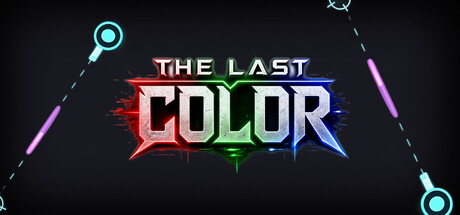
The Last Color was created with the assistance of AI-powered software in several areas of production, including technical development, early-stage ideation, visual experimentation, and selected artwork. These tools were used only as part of the development process. All content available to players is pre-made, and no artificial intelligence is used to create or modify content while the game is running.
In this game AI was used to generate a few abstract textures in 4th and 5th game worlds. Game's logo was also made partially with a help of image generation tooling.
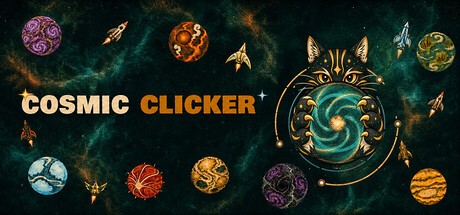
During development, we used generative AI tools to transform early sketches and visual concepts into functional 2D game assets and visual materials that help define Cosmic Clicker’s identity. This included selected in-game assets, Steam store capsules, library artwork, icons, and key art.
The generated results were reviewed, selected, refined, and integrated to maintain consistency with the game’s established art direction.
Some of this game's assets were made with the assistance of generative AI tools and were reviewed, curated and hand-finished by the developer. No content is generated while you play.
The pixel art was generated with PixelLab. The music was generated with Suno on a paid plan. I wrote the prompts, picked what worked, and threw out what didn't. The game itself, the economy, the systems, the design, the words on screen, I built. Nothing is generated while the game runs. Everything ships as files. There are no AI calls at play time, no AI voice, and no chatbots.
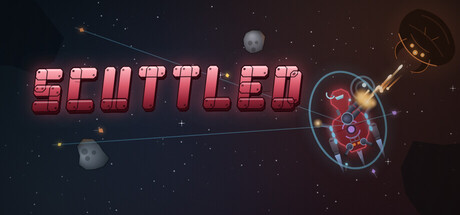
Scuttled was created by a solo developer working with an AI assistant. AI was used under the developer's direction to help write the game's code, its in-game text and story logs, the procedurally drawn artwork and music, and the store page materials, including the key art and trailer. All of it was reviewed, revised, and approved by the developer. The game does not use AI at runtime: nothing is generated while you play, and everything you see and hear ships with the game exactly as authored.
Generative AI was used to create the game's artwork, audio, localization, and promotional materials. All AI-generated content was personally reviewed, selected, directed, and refined by the developer before being included in the game. No generative AI is used during gameplay.
Most 2D art in this game — ships, enemies, bosses, icons and badges — was first created with AI image tools, then selected, edited and finalised by the developer. No AI is used during gameplay.
Generative AI was used to produce the English voice-over for the in-game AI character. This was an intentional creative choice because the character itself is an artificial intelligence. AI also assisted with localization; however, responsibility for the final content rests with a human.
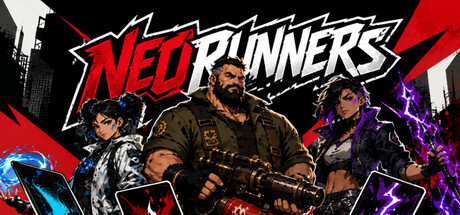
NeoRunners uses generative AI tools as part of its development process. AI-assisted content includes portions of the game's visual artwork and UI assets, promotional/store artwork, and character voice audio. These assets are generated and/or iterated on during development and are reviewed, selected, edited, and integrated by the development team before being included in the game. The game does not generate this content dynamically during gameplay.
Some promotional visual assets used on the store page (marketing illustrations) were created with the help of generative artificial intelligence tools.
The game content itself (gameplay, in-game graphics, levels, mechanics, and logic) is entirely created by humans, with no AI-generated content used in real time or in pre-rendered gameplay.
Generative AI tools were used during development to assist with portions of debugging and gameplay balancing. All AI-assisted output was reviewed, modified, tested, and integrated by the developer. The game does not connect to generative AI services or generate AI content during gameplay.
This game uses generative AI for some of its text content — achievement names and descriptions, story fragments, and flavor text were generated with AI assistance during development, along with parts of this store page. The game's art and sound are not AI-generated: every visual is procedural code (vector shapes, no images or bitmaps), and every sound is synthesized in real time — nothing recorded, nothing AI-generated.
Rockinforged is a studio that develops games with an AI-assisted production pipeline. Generative AI tools are used across development — including 2D art, cinematic and video footage, sound, localization, store page text, and marketing materials — always under the developer's direct authorship, curation, and review. The game does not generate any content with AI at runtime.
This game and its Steam store page contain pre-generated content created with assistance from generative AI tools. AI image generation was used for selected 2D pixel-art assets, which were then curated, edited, cleaned, resized, and integrated by the developer. AI and machine-assisted tools were also used to prepare initial drafts of localized interface text, store-page descriptions, and other marketing copy, followed by developer review and revision. The game does not generate content during play and does not connect to any generative AI service.
Some visual assets used in the game and its promotional materials were created with the assistance of generative AI. These assets were reviewed and integrated by the developer as part of the game's overall art direction.
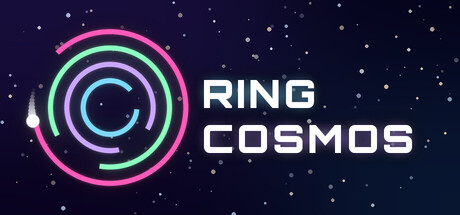
Ring Cosmos was developed by a solo developer with AI assistance during programming. The store page capsule images were also produced with AI assistance, generated programmatically through custom drawing code rather than image generation models. All game visuals are drawn in real time by the game's own rendering code. The soundtrack is licensed human-made music by JDSherbert. No AI content is generated while you play.
Generative AI tools are used to create part of the game's artwork, music soundtrack and programming auxiliary content. All AI-generated materials have been manually reviewed, adjusted and optimized by our team to match the game's overall style and gameplay experience.
This work is fully developed and produced with the assistance of AI: character animations, scene maps, interface UI, sound effects, music and other art and audio materials are all generated by AI; The core gameplay mechanism of the game relies on manual planning to complete the development outline, and the implementation of segmented content and function building are all assisted by AI to complete the development work.
I'm not a professional game developer or artist. Making my own game had been a dream for years, but I never knew how to turn that dream into reality. Generative AI became the tool that finally made it possible.
With its help, I created many of the game's visual and audio assets, including item, UI, skill, and module icons, character portraits, ships, space stations, backgrounds, the game icon, the Steam store artwork, and some of the sound effects. It also assisted me with programming.
But Star Corsairs is not a game that AI simply generated. Every asset was reviewed, rejected, refined, or replaced until it matched the vision I had in mind. Every gameplay system was designed, tested, and reworked repeatedly until it felt right. The economy, ship balance, pirate AI, combat, and progression were all shaped through countless hours of playtesting and manual iteration. The story, world, and all of the writing were created by me.
Without generative AI, this game would probably never have existed. But without the countless creative decisions, revisions, and work behind every part of it, Star Corsairs wouldn't exist either.
Generative AI tools were used during development to assist with portions of the game's pre-generated 2D artwork, marketing artwork, localization drafts, and development code. All player-facing AI-assisted content was generated before release, selected, reviewed, edited where needed, tested, and integrated by the developer. The game does not generate or modify content with AI during gameplay and does not send player input to an external AI service.
Generative AI tools were used during development to assist with programming and localization. All AI-assisted code and text were reviewed, edited, tested, and integrated by the developer. No generative AI is used while the game is running.
Portions of this game's written content were drafted with the assistance of Anthropic's Claude, under the direction of the developer, and were reviewed and edited by a human before inclusion. All artwork is procedurally rendered by the game's own code. No generative AI images are used. No AI content is generated during gameplay.
Generative AI tools were used during development for limited coding assistance and as a starting point for some 3D assets. All AI-assisted content was reviewed, modified, and integrated by the developer. No generative AI is used during gameplay.
The majority of the game's programming was done by AI.
For the in-game text, AI is utilized as a supplementary tool to improve grammar, but all text is ultimately checked and adjusted manually. AI is also used for translating the game into other languages.
However, no AI is used whatsoever for the illustrations or UI.
Generative AI was used during development to create in-game 2D visual assets, as well as 2D upgrade icons and sound effects. Generative AI was also used for certain promotional voice-over audio. All generated outputs were reviewed, selected, edited, and integrated by the developer. The game does not use live generative AI or generate content at runtime. Every asset was created under the developer’s creative direction to reflect the developer’s own ideas and artistic vision.
Generative AI tools were used during development to assist with pre-generated content only.
AI-assisted content includes one promotional artwork asset used in the Steam store capsule and library assets, AI-generated imagery used in the game's story description, some in-game sound assets, localization and translation, and portions of certain 3D models.
All AI-assisted outputs were reviewed, selected, edited where necessary, and integrated by the developer before being included in the game or on the Steam store page.
The game does not generate content using AI while it is running, does not connect players to any generative AI service, and does not send player input to an AI service.
Some pre-rendered visual artwork, promotional material, as well as game elements were created with AI and then selected, edited, and integrated by the developer. The game does not generate AI content during gameplay and does not connect to third-party AI services during gameplay.
The two announcer voices, BroadcASH and BOBcast, are generated with ElevenLabs from scripts we write and edit ourselves. Every line is approved, levelled and listened to by hand before it ships.
Nothing else in the game is AI generated. The card art is emoji placeholder today, and is being replaced with original illustrations commissioned from human artists. The music is composed in-house by our own procedural scripts, and every track has a written provenance log. The rules, the design and the natural history research are ours.
Some marketing and store copy is drafted with AI assistance and edited before use.
All artwork, character art, animation and audio in Fleshgrinder were created by human artists — the use of generative AI for art was contractually prohibited on this project. Generative AI was used to translate the game's text into its ten non-English languages, and to draft a portion of the in-game item descriptions and dialogue. No generative AI runs while you play; nothing is generated at runtime.
Some of this game's visual assets (key art, character and hero illustrations, narration video plates) were created with generative image tools under human direction, with manual curation, retouching and compositing. The narrator's voice lines are synthesized speech generated from scripts written and edited by the developer. Some music tracks were created with generative music tools from developer-written prompts. All gameplay systems, code and game design are human-made. The game contains no live AI-generated content: everything was generated during development and reviewed before inclusion.
Generative AI was used to assist in the creation of a small number of pre-generated sound effects. All AI-assisted audio was reviewed and curated by the developer. No generative AI is used during gameplay, and the game does not generate content in real time.
The Last Color was created with the assistance of AI-powered software in several areas of production, including technical development, early-stage ideation, visual experimentation, and selected artwork. These tools were used only as part of the development process. All content available to players is pre-made, and no artificial intelligence is used to create or modify content while the game is running.
In this game AI was used to generate a few abstract textures in 4th and 5th game worlds. Game's logo was also made partially with a help of image generation tooling.
During development, we used generative AI tools to transform early sketches and visual concepts into functional 2D game assets and visual materials that help define Cosmic Clicker’s identity. This included selected in-game assets, Steam store capsules, library artwork, icons, and key art.
The generated results were reviewed, selected, refined, and integrated to maintain consistency with the game’s established art direction.
Some of this game's assets were made with the assistance of generative AI tools and were reviewed, curated and hand-finished by the developer. No content is generated while you play.
The pixel art was generated with PixelLab. The music was generated with Suno on a paid plan. I wrote the prompts, picked what worked, and threw out what didn't. The game itself, the economy, the systems, the design, the words on screen, I built. Nothing is generated while the game runs. Everything ships as files. There are no AI calls at play time, no AI voice, and no chatbots.
Scuttled was created by a solo developer working with an AI assistant. AI was used under the developer's direction to help write the game's code, its in-game text and story logs, the procedurally drawn artwork and music, and the store page materials, including the key art and trailer. All of it was reviewed, revised, and approved by the developer. The game does not use AI at runtime: nothing is generated while you play, and everything you see and hear ships with the game exactly as authored.
Generative AI was used to create the game's artwork, audio, localization, and promotional materials. All AI-generated content was personally reviewed, selected, directed, and refined by the developer before being included in the game. No generative AI is used during gameplay.
Most 2D art in this game — ships, enemies, bosses, icons and badges — was first created with AI image tools, then selected, edited and finalised by the developer. No AI is used during gameplay.
Generative AI was used to produce the English voice-over for the in-game AI character. This was an intentional creative choice because the character itself is an artificial intelligence. AI also assisted with localization; however, responsibility for the final content rests with a human.
NeoRunners uses generative AI tools as part of its development process. AI-assisted content includes portions of the game's visual artwork and UI assets, promotional/store artwork, and character voice audio. These assets are generated and/or iterated on during development and are reviewed, selected, edited, and integrated by the development team before being included in the game. The game does not generate this content dynamically during gameplay.
Some promotional visual assets used on the store page (marketing illustrations) were created with the help of generative artificial intelligence tools.
The game content itself (gameplay, in-game graphics, levels, mechanics, and logic) is entirely created by humans, with no AI-generated content used in real time or in pre-rendered gameplay.
Generative AI tools were used during development to assist with portions of debugging and gameplay balancing. All AI-assisted output was reviewed, modified, tested, and integrated by the developer. The game does not connect to generative AI services or generate AI content during gameplay.
This game uses generative AI for some of its text content — achievement names and descriptions, story fragments, and flavor text were generated with AI assistance during development, along with parts of this store page. The game's art and sound are not AI-generated: every visual is procedural code (vector shapes, no images or bitmaps), and every sound is synthesized in real time — nothing recorded, nothing AI-generated.
Rockinforged is a studio that develops games with an AI-assisted production pipeline. Generative AI tools are used across development — including 2D art, cinematic and video footage, sound, localization, store page text, and marketing materials — always under the developer's direct authorship, curation, and review. The game does not generate any content with AI at runtime.
This game and its Steam store page contain pre-generated content created with assistance from generative AI tools. AI image generation was used for selected 2D pixel-art assets, which were then curated, edited, cleaned, resized, and integrated by the developer. AI and machine-assisted tools were also used to prepare initial drafts of localized interface text, store-page descriptions, and other marketing copy, followed by developer review and revision. The game does not generate content during play and does not connect to any generative AI service.
Some visual assets used in the game and its promotional materials were created with the assistance of generative AI. These assets were reviewed and integrated by the developer as part of the game's overall art direction.
Ring Cosmos was developed by a solo developer with AI assistance during programming. The store page capsule images were also produced with AI assistance, generated programmatically through custom drawing code rather than image generation models. All game visuals are drawn in real time by the game's own rendering code. The soundtrack is licensed human-made music by JDSherbert. No AI content is generated while you play.
Generative AI tools are used to create part of the game's artwork, music soundtrack and programming auxiliary content. All AI-generated materials have been manually reviewed, adjusted and optimized by our team to match the game's overall style and gameplay experience.
This work is fully developed and produced with the assistance of AI: character animations, scene maps, interface UI, sound effects, music and other art and audio materials are all generated by AI; The core gameplay mechanism of the game relies on manual planning to complete the development outline, and the implementation of segmented content and function building are all assisted by AI to complete the development work.