


Disclosure
本遊戲在開發過程中使用生成式人工智慧輔助製作部分角色、怪物、場景、介面與宣傳圖片,以及部分音樂、音效和文字內容,亦用於協助程式開發與除錯。相關內容經開發者挑選、編修與整合後納入遊戲。遊戲不會在玩家遊玩時即時生成 AI 對話、圖像或劇情。
- Creator
- 蛋生遊戲
- Reviews
- -
- Added
- Oct 18, 2026
Public Steam disclosure research 26,450 disclosures tracked
Search developers’ Steam disclosures, compare classified AI use across games, and follow recorded changes. This index adds cross-game classifications and statistics to statements published on individual store pages.
Code help, debugging and other development work.
Capsule art, trailers and promotional material.
Pre-made art, audio, writing and other game assets.
Interactive or runtime AI features disclosed by the developer.
Groups reflect automatic analysis of public disclosures; mature records are excluded. These counts do not measure AI use across all of Steam. Missing or unclear statements cannot establish whether a game uses AI.
本遊戲在開發過程中使用生成式人工智慧輔助製作部分角色、怪物、場景、介面與宣傳圖片,以及部分音樂、音效和文字內容,亦用於協助程式開發與除錯。相關內容經開發者挑選、編修與整合後納入遊戲。遊戲不會在玩家遊玩時即時生成 AI 對話、圖像或劇情。
During the development process, we may use procedural- and AI-based tools to assist with content creation. In all such cases, the final product reflects the creativity and expression of our own development team.
This game and its promotional materials use pre-generated AI-assisted character voiceovers, 2D artwork and illustrations, and cinematic video clips. Some store-page text and translations are also prepared with AI assistance. These assets and texts are prepared and edited during development. Generative AI is not used to create content during gameplay, and the game does not connect to external AI services.
The game's trailer features an AI-generated voiceover. This game also uses generative AI for fictional character generation.
Generative AI was used to translate the game into Spanish, Japanese, German, French, and Chinese. AI was NOT used to generate any visual or audio assets.
Some interface art (window and button icons, the game logo, the window header pattern and decorations such as pins, tape and clips) and the game's translations were created with the help of AI tools, then integrated by our team. The same art also appears on our store page and in our update announcements. Since version 3.1, the textures of the floors, walls, outdoor paths and grass in the game were also created with AI tools. The artwork of our Steam Trading Cards (the cards, badges, emoticons and profile backgrounds) was also created with AI tools. The game's 3D models, characters and gameplay were not made with AI, and no AI content is generated while you play.
Some 3D models and images were made with generative AI tools and then edited by the developer.
This game uses AI-generated content in terms of game code.
Assistance in making art assets for the Achievement Icons
Generative AI tools were used during development to help create some visual assets. These assets were selected, edited and integrated into the game by the developer. No AI content is generated during gameplay.
Generative AI was used during development to create trading card illustrations and assist with some 3D models and textures, including RC vehicles. These assets are created in advance; no generative AI runs during gameplay.
In-game AI character Ms. Second is using AI generated voice. Using humans voices for AI character would be cultural appropriation.
Some artwork in this game was created with the assistance of AI tools. The game does not generate AI content during gameplay.
Zotenhold is designed and built by a solo developer. Every character and enemy is rigged, cleaned up and animated by hand, using licensed Mixamo and open-source animation, and the gameplay, systems, visual effects, and weapon and armor models are all our own work. The music and sound are [our own from my Music Youtube channel / licensed]. Generation tools were used to create 3D models and the item icons from our own concept art, which were then reworked and hand-picked for the game. Nothing in the game uses AI while you play, and it never connects to an AI service.
As an independent team with limited resources, we used generative AI tools to create the presenter in the narrative opening video and a limited number of voice lines in the game. No generative AI technology was used in any other part of the game's playable content, art assets, or code.
Some of the art assets in this game were initially generated using AI image tools during the early concept stage, and all AI-generated images were subsequently manually redrawn, refined, and pixelated. AI was also used to assist in generating some of the music.
Buggles is developed by a single person. Generative AI tools were used to create visual assets throughout the game, including creature artwork, item and crate art, backgrounds, profile images, cosmetics, and the images used on this store page. AI tools were also used to assist with writing code. Buggles does not generate any content with AI while you play. There is no AI running in the game. Nothing is produced live, no external AI service is contacted at any point, and no player data is ever sent to an AI model. Everything in Buggles is a fixed asset that ships with the game and is identical for every player.
The story and levels are procedurally generated.
The concept art and the in-game art based on it (backgrounds, pilot portraits, mecha and enemy pixel sprites) were created from AI-generated source images that the developers converted and adjusted into pixel art. AI was also used for the translations into 10 languages and to write the store page text. No content is generated by AI during gameplay.
Generative AI was partially used to create artwork, text, in-game content, and marketing materials.
The workshop owner's voice, the in-game and trailer music, some breaking sound effects, the achievement icons and the translations were generated with AI tools.
AI tools assisted with game code, tracks, 3D models, textures, visual and sound effects, and marketing materials (trailers, artwork, and text). Trailers and artwork use real gameplay footage. All content was reviewed by the solo developer. No AI content is generated during gameplay or through external AI services.
All of the game's text, in English and in Brazilian Portuguese, was written with an AI language model under the developer's direction, and checked line by line in both languages. 412 pictures were generated with an OpenAI image model, from prompts written for this game: the monsters, the people of the town, the parts the town's houses are built from, the items, the props and walls of the floors, the skill icons, the quest pictures and the achievement emblems. Of the 661 monster animation sheets, 589 were animated with PixelLab, some of them finished by a script (the strike after an attack's wind-up, a sway added to a walk, specks cleared from a death), and 72 were drawn from the still picture by a script, with no AI model. 120 side and back views of the monsters were turned from their front pictures with PixelLab. 60 sounds were generated with ElevenLabs: the sound effects and the town's night ambience. 20 pieces of music were generated with ElevenLabs. On this store page, the key art behind the title was generated with an OpenAI image model; the title is set on it in the game's font by a script. The trailer is recorded from the game, and its music was written note by note in a script, with no AI model. No prompt names another game, studio or artist. The font is Press Start 2P, under the SIL Open Font License.
Foosball Manager is a solo project. The only AI-generated content on this page or in the game is the store-page translation into languages I don't speak — so players around the world can read about it in their own language.
AI tools assisted with text, translations and some procedural graphics. This includes store page text. No AI content is generated during gameplay.
I am the sole developer currently working on the game. I have long held a complete blueprint for the project in my mind, including specific gameplay rules and mechanics. In the past, I managed to develop early versions of the game, writing 80% of the current codebase but I lacked the skills or the resources to produce the necessary assets, such as visuals, ambient elements, sound effects, and music. It was only with the advent of LLMs (Large Language Models) and artificial intelligence that I was finally able to bring this initial version to completion within the budget I could afford. Even with the help of LLMs, I spent a great deal of time generating and testing various iterations of assets: images, sounds, and music, selecting them with great care to get as close as possible to the atmosphere I had envisioned for the game over the years. By releasing the game in Early Access, I hope to receive financial support from players. This will primarily allow me to continue development, create increasingly high-quality assets, potentially bring in help with the coding to introduce more features, and collaborate with artists to further enhance the game’s unique atmosphere.
Some store images made with AI assistance.
Some of the visuals were made with the help of AI.
Generative AI is used only to assist with localization/translation. All localized text is reviewed and edited by the developer. No AI-generated art, audio, or in-game live generation is used.
I am a solo developer. AI was used to localize the game into different languages.
The script was generated by the production team of Obscure Chronicle of Dynastia (《后汉姬异录》) using CodeX, and is not the original script of Obscure Chronicle of Dynasty (《后汉稽异录》). Text configuration was completed by CodeX.
The English text is a localized version of Chinese text generated by AI translation.
Some in-game text (help screens and the English translation), the store page and trailer text, and the layout of the store images were created with the help of AI tools and reviewed by the developer. The store images are built from real in-game renders. The game does not generate any AI content while you play.
AI is NOT used for any art, music, story, or creative direction. AI is used mainly for the coding support, debugging, and technical aspects. It is also used for general technical dialog, translation, and grammar review. Everything is reviewed by humans. All game ideas and assets came from us humans. We strongly believe anything that requires creativity should be done by humans only.
Store page uses ai generated art, we also used ai for concept art generation.
AI was used only to help create marketing materials such as game logo, store capsules and wav files
Generative AI was used to assist in the creation of some fictional company logos featured in the game.
Only the store capsule artwork was created with the help of generative AI.
AI tools were used to generate sound effects and to assist in writing Python scripts that procedurally generate a portion of the game's pixel art. The remaining visual assets were purchased traditionally. All AI-assisted audio, scripts, and final visual assets were manually reviewed and integrated into the game.
Generative AI assisted with some equipment, backgrounds, UI, achievement icons, store artwork and localized text. No AI content is generated during gameplay and no external AI services are used.
Generative AI was used during development to create some 2D artwork and UI assets, and to assist with text content, including store descriptions. These materials are prepared before release. The game does not generate content with AI during gameplay or connect to external AI services.
Generative AI tools were used in the creation of artwork, music, sound effects, translations, and promotional materials. This content was prepared during development and is included as pre-generated content. The game does not use generative AI to create content during gameplay.
Generative AI: Fatiao runs on AI models you connect yourself. Your prompts, attachments, and any files a task touches are sent to the model provider you choose, and its output — text, code, documents, images, audio, or video — is generated live and saved on your machine. Some of this store page's text and artwork were also produced with generative AI. You choose the provider, and we recommend reviewing output before you rely on it.
The background music uses AI generated audio. AI writing tools were used to draft some game texts, translations and some promotional materials. All final text was reviewed, edited, and approved by the development team for tone, continuity, and accuracy.
Some of this game's assets — 3D models, textures and art, sound effects and voice, and cinematic video sequences — were created with the assistance of generative AI. All of it is pre-generated: every piece was curated, edited and integrated by hand before shipping. All design, code, writing and gameplay are the developer's own work. Nothing is generated while you play, and the game never connects to any AI service.
Click or Wait is made by one person. Generative AI (Claude by Anthropic) was used as a development tool in two places: writing and reviewing program code, and translating the in-game texts into Dutch, Swedish, French and Polish. Both are listed in the game's own credits. Everything the game is comes from the developer: the idea, the design, the game systems and their balancing, the visual style, and all testing. No artwork in this game was generated by AI. The pictures in the manual are screenshots taken from the running game, and every sound and all music are not files at all but are computed from sine waves and noise while you play. The game does not use AI while you play and does not connect to any AI service.
Some application interface translations and functional iconography have been created with the assistance of generative AI, primarily where volunteer translators are not or no longer available. All creative artwork is exclusively human-made, and we are committed to keeping it that way.
Seedling is made by one developer with help from AI tools. - 3D models are built by modelling scripts in Blender. The scripts were written with AI help. No AI image or 3D-model generators were used. - Music and sound effects are made by a synthesiser program written with AI help, and the music was composed with AI help. No AI music generators were used. - In-game text and much of the code were written with AI help. - Store images are rendered by the game itself. - Nothing is generated by AI while you play.
AI-powered tools were used to proofread grammar, hunt for bugs, and localize the text into different languages for additional accessibility.
Some art assets in A Maize in Mazes were created with the assistance of generative AI tools during development, then reviewed, edited, and refined by the developer. No AI-generated content is produced during gameplay.
| Title⇅ | Disclosure | Creator⇅ | Src | Reviews⇅ | Added↓ |
|---|---|---|---|---|---|
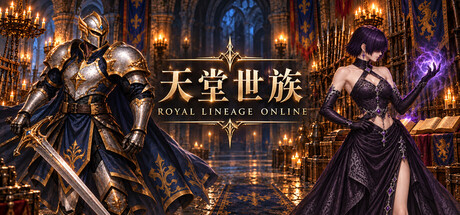 天堂世族Royal Lineage In-game content artaudiotextcode | 本遊戲在開發過程中使用生成式人工智慧輔助製作部分角色、怪物、場景、介面與宣傳圖片,以及部分音樂、音效和文字內容,亦用於協助程式開發與除錯。相關內容經開發者挑選、編修與整合後納入遊戲。遊戲不會在玩家遊玩時即時生成 AI 對話、圖像或劇情。 | 蛋生遊戲 | - | Oct 18, 2026 | |
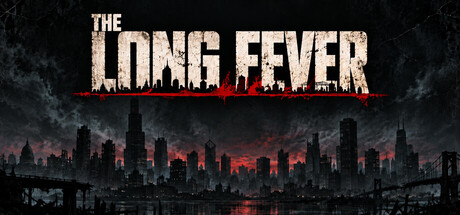 The Long Fever Dev only | During the development process, we may use procedural- and AI-based tools to assist with content creation. In all such cases, the final product reflects the creativity and expression of our own development team. | Keyboard Circus | - | Oct 18, 2026 | |
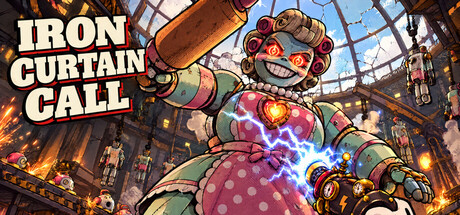 Iron Curtain Call In-game content audioarttext | This game and its promotional materials use pre-generated AI-assisted character voiceovers, 2D artwork and illustrations, and cinematic video clips. Some store-page text and translations are also prepared with AI assistance. These assets and texts are prepared and edited during development. Generative AI is not used to create content during gameplay, and the game does not connect to external AI services. | Whale Dev Studios | - | Oct 18, 2026 | |
 Aerofactory In-game content audio | The game's trailer features an AI-generated voiceover. This game also uses generative AI for fictional character generation. | Aerocreator | - | Oct 18, 2026 | |
 RADIOSOL In-game content text | Generative AI was used to translate the game into Spanish, Japanese, German, French, and Chinese.
AI was NOT used to generate any visual or audio assets. | TripletConcept | 328 | Oct 18, 2026 | |
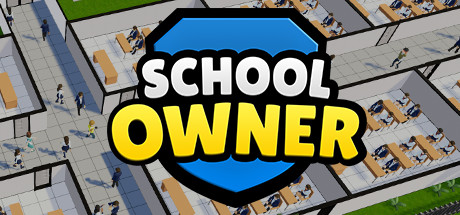 School Owner In-game content arttext | Some interface art (window and button icons, the game logo, the window header pattern and decorations such as pins, tape and clips) and the game's translations were created with the help of AI tools, then integrated by our team. The same art also appears on our store page and in our update announcements. Since version 3.1, the textures of the floors, walls, outdoor paths and grass in the game were also created with AI tools. The artwork of our Steam Trading Cards (the cards, badges, emoticons and profile backgrounds) was also created with AI tools. The game's 3D models, characters and gameplay were not made with AI, and no AI content is generated while you play. | Owner Games | 59 | Oct 18, 2026 | |
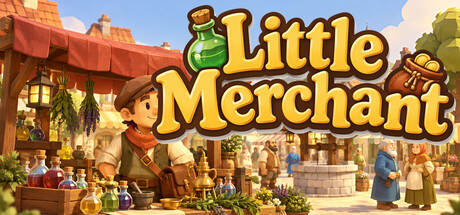 Little Merchant In-game content art | Some 3D models and images were made with generative AI tools and then edited by the developer. | Oddquill Games | - | Oct 18, 2026 | |
 ISTAKA Dev only code | This game uses AI-generated content in terms of game code. | Zerone Studios | - | Oct 18, 2026 | |
 Blind Night In-game content art | Assistance in making art assets for the Achievement Icons | KayyCodes | - | Oct 18, 2026 | |
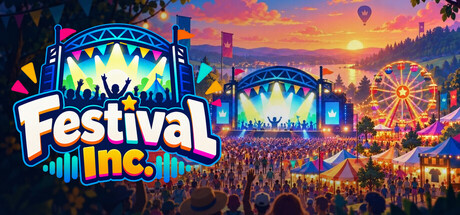 Festival Inc. In-game content art | Generative AI tools were used during development to help create some visual assets. These assets were selected, edited and integrated into the game by the developer. No AI content is generated during gameplay. | Evraday Ltd | - | Oct 18, 2026 | |
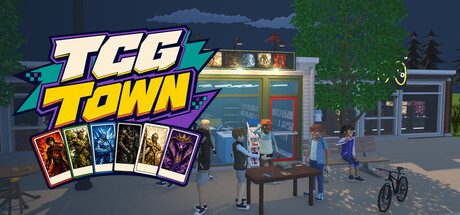 TCG Town In-game content art | Generative AI was used during development to create trading card illustrations and assist with some 3D models and textures, including RC vehicles. These assets are created in advance; no generative AI runs during gameplay. | Vandius | - | Oct 18, 2026 | |
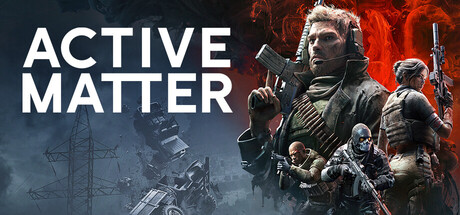 Active Matter Live AI audio | In-game AI character Ms. Second is using AI generated voice. Using humans voices for AI character would be cultural appropriation. | Matter Team | 2k | Oct 18, 2026 | |
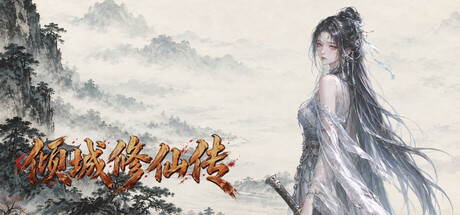 倾城修仙传 In-game content art | Some artwork in this game was created with the assistance of AI tools. The game does not generate AI content during gameplay. | Ninefold Studio | - | Oct 18, 2026 | |
 Zotenhold In-game content art | Zotenhold is designed and built by a solo developer. Every character and enemy is rigged, cleaned up and animated by hand, using licensed Mixamo and open-source animation, and the gameplay, systems, visual effects, and weapon and armor models are all our own work. The music and sound are [our own from my Music Youtube channel / licensed]. Generation tools were used to create 3D models and the item icons from our own concept art, which were then reworked and hand-picked for the game. Nothing in the game uses AI while you play, and it never connects to an AI service. | Jakob "Jake" Seilkop | - | Oct 18, 2026 | |
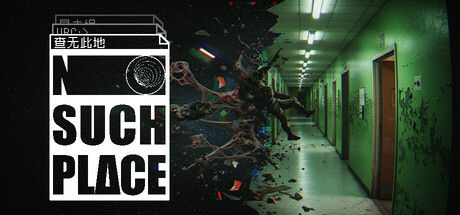 No Such Place In-game content audioart | As an independent team with limited resources, we used generative AI tools to create the presenter in the narrative opening video and a limited number of voice lines in the game.
No generative AI technology was used in any other part of the game's playable content, art assets, or code. | ChillyRoom | 483 | Oct 18, 2026 | |
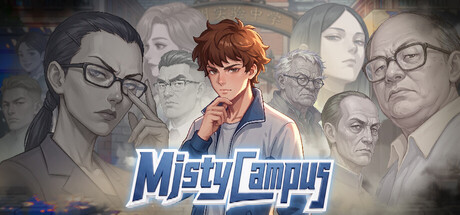 高考密码 In-game content artaudio | Some of the art assets in this game were initially generated using AI image tools during the early concept stage, and all AI-generated images were subsequently manually redrawn, refined, and pixelated. AI was also used to assist in generating some of the music. | SkyStone Games | - | Oct 18, 2026 | |
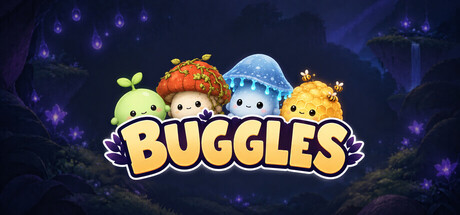 Buggles In-game content artcode | Buggles is developed by a single person. Generative AI tools were used to create visual assets throughout the game, including creature artwork, item and crate art, backgrounds, profile images, cosmetics, and the images used on this store page. AI tools were also used to assist with writing code.
Buggles does not generate any content with AI while you play. There is no AI running in the game. Nothing is produced live, no external AI service is contacted at any point, and no player data is ever sent to an AI model.
Everything in Buggles is a fixed asset that ships with the game and is identical for every player. | Froglin Games | - | Oct 18, 2026 | |
 Masterstone In-game content text | The story and levels are procedurally generated. | Master Technologies | - | Oct 18, 2026 | |
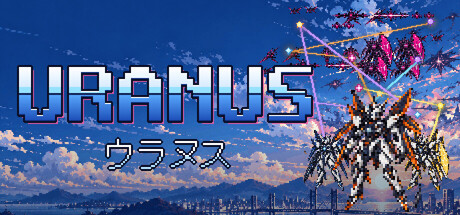 URANUS In-game content arttext | The concept art and the in-game art based on it (backgrounds, pilot portraits, mecha and enemy pixel sprites) were created from AI-generated source images that the developers converted and adjusted into pixel art. AI was also used for the translations into 10 languages and to write the store page text. No content is generated by AI during gameplay. | Code and DESIGN | - | Oct 18, 2026 | |
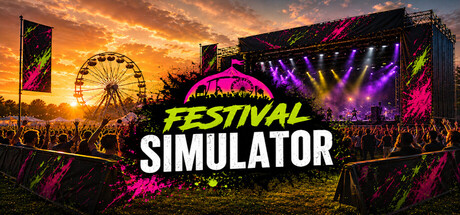 Festival Simulator In-game content arttext | Generative AI was partially used to create artwork, text, in-game content, and marketing materials. | M-SILVER | - | Oct 18, 2026 | |
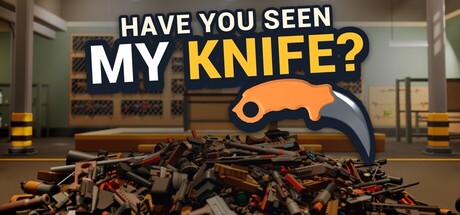 Have you seen my knife? In-game content audioarttext | The workshop owner's voice, the in-game and trailer music, some breaking sound effects, the achievement icons and the translations were generated with AI tools. | BroDevs | - | Oct 18, 2026 | |
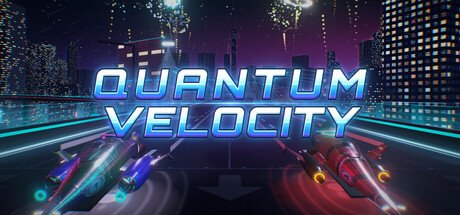 Quantum Velocity In-game content artaudiocode | AI tools assisted with game code, tracks, 3D models, textures, visual and sound effects, and marketing materials (trailers, artwork, and text). Trailers and artwork use real gameplay footage. All content was reviewed by the solo developer. No AI content is generated during gameplay or through external AI services. | Tavern Entertainment | 10 | Oct 18, 2026 | |
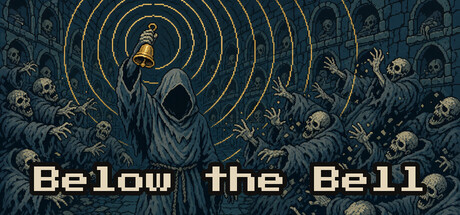 Below the Bell In-game content textartaudio | All of the game's text, in English and in Brazilian Portuguese, was written with an AI language model under the developer's direction, and checked line by line in both languages.
412 pictures were generated with an OpenAI image model, from prompts written for this game: the monsters, the people of the town, the parts the town's houses are built from, the items, the props and walls of the floors, the skill icons, the quest pictures and the achievement emblems.
Of the 661 monster animation sheets, 589 were animated with PixelLab, some of them finished by a script (the strike after an attack's wind-up, a sway added to a walk, specks cleared from a death), and 72 were drawn from the still picture by a script, with no AI model.
120 side and back views of the monsters were turned from their front pictures with PixelLab.
60 sounds were generated with ElevenLabs: the sound effects and the town's night ambience.
20 pieces of music were generated with ElevenLabs.
On this store page, the key art behind the title was generated with an OpenAI image model; the title is set on it in the game's font by a script. The trailer is recorded from the game, and its music was written note by note in a script, with no AI model.
No prompt names another game, studio or artist. The font is Press Start 2P, under the SIL Open Font License. | Petersen Projects | - | Oct 18, 2026 | |
 Foosball Manager In-game content text | Foosball Manager is a solo project. The only AI-generated content on this page or in the game is the store-page translation into languages I don't speak — so players around the world can read about it in their own language. | machnikl | - | Oct 18, 2026 | |
 Ruleocard In-game content textart | AI tools assisted with text, translations and some procedural graphics. This includes store page text. No AI content is generated during gameplay. | ZheBedGames | - | Oct 18, 2026 | |
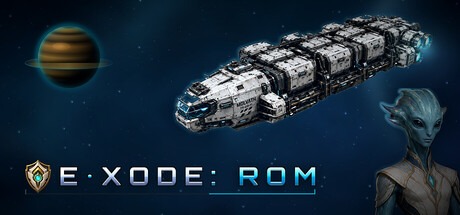 E-xode: ROM In-game content artaudio | I am the sole developer currently working on the game. I have long held a complete blueprint for the project in my mind, including specific gameplay rules and mechanics.
In the past, I managed to develop early versions of the game, writing 80% of the current codebase but I lacked the skills or the resources to produce the necessary assets, such as visuals, ambient elements, sound effects, and music. It was only with the advent of LLMs (Large Language Models) and artificial intelligence that I was finally able to bring this initial version to completion within the budget I could afford.
Even with the help of LLMs, I spent a great deal of time generating and testing various iterations of assets: images, sounds, and music, selecting them with great care to get as close as possible to the atmosphere I had envisioned for the game over the years.
By releasing the game in Early Access, I hope to receive financial support from players. This will primarily allow me to continue development, create increasingly high-quality assets, potentially bring in help with the coding to introduce more features, and collaborate with artists to further enhance the game’s unique atmosphere. | E-XODE | - | Oct 18, 2026 | |
 Sort Memes Together Store/marketing art | Some store images made with AI assistance. | Clouxy | - | Oct 18, 2026 | |
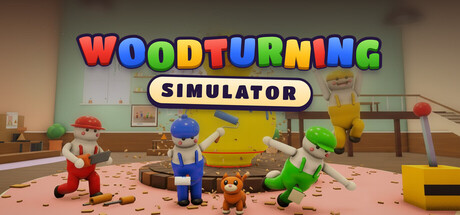 Woodturning Simulator Unclear art | Some of the visuals were made with the help of AI. | Clouxy | - | Oct 18, 2026 | |
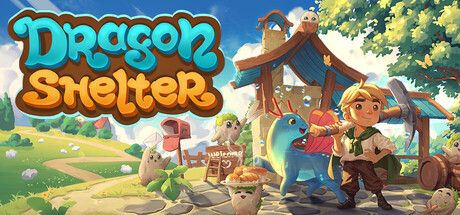 Dragon Shelter In-game content text | Generative AI is used only to assist with localization/translation. All localized text is reviewed and edited by the developer.
No AI-generated art, audio, or in-game live generation is used. | Wild Forest Studio | 312 | Oct 18, 2026 | |
 Mimic Alert In-game content text | I am a solo developer. AI was used to localize the game into different languages. | HiddenGames | - | Oct 18, 2026 | |
 后汉姬异录 - Obscure Chronicle of Dynastia In-game content text | The script was generated by the production team of Obscure Chronicle of Dynastia (《后汉姬异录》) using CodeX, and is not the original script of Obscure Chronicle of Dynasty (《后汉稽异录》). Text configuration was completed by CodeX. | PotS | - | Oct 18, 2026 | |
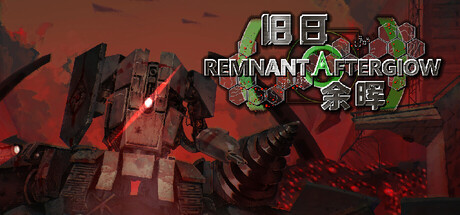 Remnant Afterglow Tower Defense In-game content text | The English text is a localized version of Chinese text generated by AI translation. | 浩瀚之宇开发组 | - | Oct 18, 2026 | |
 Mates and Crates Store/marketing textart | Some in-game text (help screens and the English translation), the store page and trailer text, and the layout of the store images were created with the help of AI tools and reviewed by the developer. The store images are built from real in-game renders. The game does not generate any AI content while you play. | JLGamesDev | - | Oct 18, 2026 | |
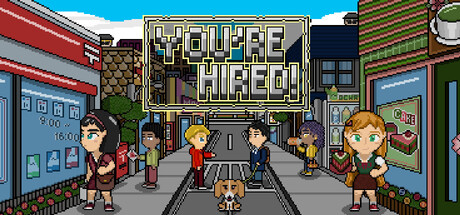 You're Hired! Dev only codetext | AI is NOT used for any art, music, story, or creative direction.
AI is used mainly for the coding support, debugging, and technical aspects.
It is also used for general technical dialog, translation, and grammar review.
Everything is reviewed by humans.
All game ideas and assets came from us humans.
We strongly believe anything that requires creativity should be done by humans only. | TrinketCraft | - | Oct 18, 2026 | |
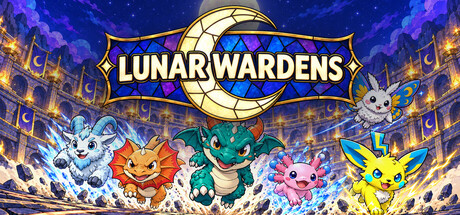 Lunar Wardens Store/marketing art | Store page uses ai generated art, we also used ai for concept art generation. | MrCheatCode | - | Oct 18, 2026 | |
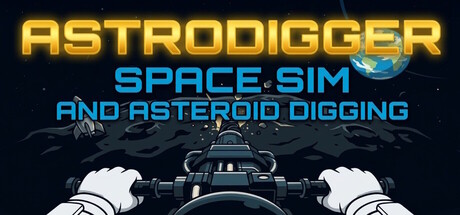 ASTRODIGGER: SPACE SIM & ASTEROID DIGGING Store/marketing artaudio | AI was used only to help create marketing materials such as game logo, store capsules and wav files | The trampoline is working | - | Oct 18, 2026 | |
 Devices Tycoon In-game content art | Generative AI was used to assist in the creation of some fictional company logos featured in the game. | Roastery Games | 327 | Oct 18, 2026 | |
 Centuries Store/marketing art | Only the store capsule artwork was created with the help of generative AI. | Bryan de Jong | - | Oct 18, 2026 | |
 Card Sweeper In-game content audioartcode | AI tools were used to generate sound effects and to assist in writing Python scripts that procedurally generate a portion of the game's pixel art. The remaining visual assets were purchased traditionally. All AI-assisted audio, scripts, and final visual assets were manually reviewed and integrated into the game. | Rabbit Hole Creations | - | Oct 18, 2026 | |
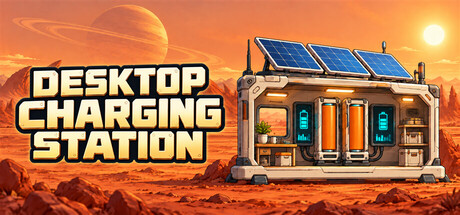 桌面充电站 In-game content arttext | Generative AI assisted with some equipment, backgrounds, UI, achievement icons, store artwork and localized text. No AI content is generated during gameplay and no external AI services are used. | DoubleCGames | - | Oct 18, 2026 | |
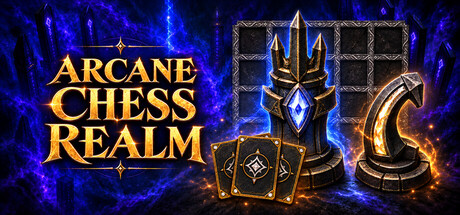 奥术棋域 In-game content arttext | Generative AI was used during development to create some 2D artwork and UI assets, and to assist with text content, including store descriptions. These materials are prepared before release. The game does not generate content with AI during gameplay or connect to external AI services. | InkFlame | - | Oct 18, 2026 | |
 诸神阵法 In-game content artaudiotext | Generative AI tools were used in the creation of artwork, music, sound effects, translations, and promotional materials. This content was prepared during development and is included as pre-generated content. The game does not use generative AI to create content during gameplay. | Too Cool | - | Oct 18, 2026 | |
 Fatiao Agent Store/marketing textart | Generative AI: Fatiao runs on AI models you connect yourself. Your prompts, attachments, and any files a task touches are sent to the model provider you choose, and its output — text, code, documents, images, audio, or video — is generated live and saved on your machine. Some of this store page's text and artwork were also produced with generative AI. You choose the provider, and we recommend reviewing output before you rely on it. | Fatiao | - | Oct 18, 2026 | |
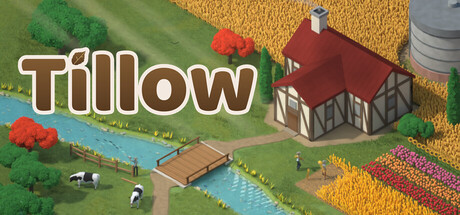 Tillow In-game content audiotext | The background music uses AI generated audio. AI writing tools were used to draft some game texts, translations and some promotional materials. All final text was reviewed, edited, and approved by the development team for tone, continuity, and accuracy. | Jaganod Studio | - | Oct 18, 2026 | |
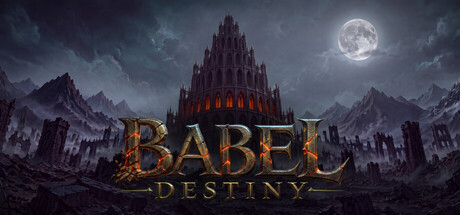 Babel Destiny In-game content artaudiotext | Some of this game's assets — 3D models, textures and art, sound effects and voice, and cinematic video sequences — were created with the assistance of generative AI. All of it is pre-generated: every piece was curated, edited and integrated by hand before shipping. All design, code, writing and gameplay are the developer's own work. Nothing is generated while you play, and the game never connects to any AI service. | Del Portal Technologies | - | Oct 18, 2026 | |
 Click or Wait Dev only codetext | Click or Wait is made by one person.
Generative AI (Claude by Anthropic) was used as a development tool in two places: writing and reviewing program code, and translating the in-game texts into Dutch, Swedish, French and Polish. Both are listed in the game's own credits.
Everything the game is comes from the developer: the idea, the design, the game systems and their balancing, the visual style, and all testing. No artwork in this game was generated by AI. The pictures in the manual are screenshots taken from the running game, and every sound and all music are not files at all but are computed from sine waves and noise while you play.
The game does not use AI while you play and does not connect to any AI service. | Joachim Regel | - | Oct 18, 2026 | |
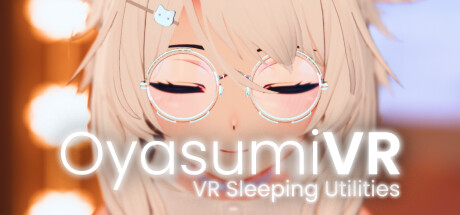 OyasumiVR In-game content textart | Some application interface translations and functional iconography have been created with the assistance of generative AI, primarily where volunteer translators are not or no longer available.
All creative artwork is exclusively human-made, and we are committed to keeping it that way. | Raphiiko | 354 | Oct 18, 2026 | |
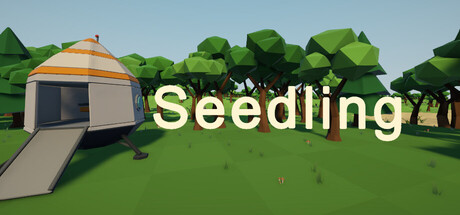 Seedling In-game content artaudiotextcode | Seedling is made by one developer with help from AI tools.
- 3D models are built by modelling scripts in Blender. The scripts were written with AI help. No AI image or 3D-model generators were used.
- Music and sound effects are made by a synthesiser program written with AI help, and the music was composed with AI help. No AI music generators were used.
- In-game text and much of the code were written with AI help.
- Store images are rendered by the game itself.
- Nothing is generated by AI while you play. | Maschath | - | Oct 18, 2026 | |
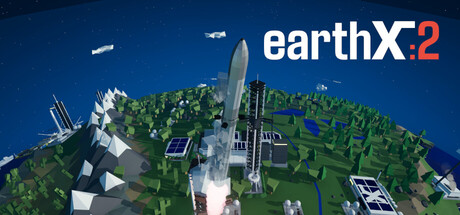 EarthX 2 In-game content text | AI-powered tools were used to proofread grammar, hunt for bugs, and localize the text into different languages for additional accessibility. | Denis | 57 | Oct 18, 2026 | |
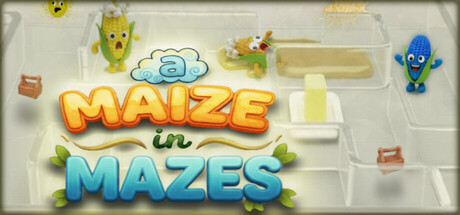 A Maize in Mazes In-game content art | Some art assets in A Maize in Mazes were created with the assistance of generative AI tools during development, then reviewed, edited, and refined by the developer. No AI-generated content is produced during gameplay. | Floofy Bottoms LLC | - | Oct 18, 2026 |


